日本語
日本語 English

Italian Design in Japan: a 160-year dialogue
In 2026, Italy and Japan mark 160 years of diplomatic relations. Dates like this often remain confined to official speeches and institutional celebrations, but sometimes they offer a more useful occasion: the chance to look again at a relationship with greater depth and clarity. In this case, the anniversary invites a broader reflection on one of the most layered and long-lasting cultural dialogues of the modern era, that between Italy and Japan, and more specifically between Italian design and Japanese culture.

Official logo of ITALIA-GIAPPONE 1866-2026
To reduce this story to exports, luxury brands, or the success of Made in Italy in Asia would be misleading, even if those elements are certainly part of the picture. Nor can it be explained only through famous architects, iconic furniture, or the presence of major Italian showrooms in Tokyo. At its core, this relationship has been sustained by something less immediate but more durable: a mutual capacity for recognition. Over time, Italy and Japan have continued to find, beneath their obvious differences, a comparable attention to form, materials, proportion, atmosphere, and the everyday experience of living. This is one of the reasons why the connection has proved so resilient. It was never sustained by novelty alone, but by a deeper sense of affinity.

TENSHO EMBASSY - By German 'newspaper' Newe Zeyttung - Kyoto University Rare Materials Digital Archive - https://rmda.kulib.kyoto-u.ac.jp/en/item/rb00007683, Public Domain, https://commons.wikimedia.org/w/index.php?curid=117598624
One of the earliest and most evocative moments in this long history remains the Tenshō embassy of 1585, when four young Japanese envoys travelled through a number of Italian cities including Venice, Florence, Mantua, Milan, and Rome. Their mission belonged to the world of diplomacy and religion, but it also had an important symbolic dimension. It opened a first imaginative channel between the two cultures. Long before design existed as a discipline, images, impressions, objects, and ideas were already beginning to circulate. Italy and Japan had started, each in its own way, to enter the horizon of the other.

JAPANESE WOMAN - By Vincenzo Ragusa (1841–1927) - MChew, Public Domain, https://commons.wikimedia.org/w/index.php?curid=1456915
The relationship acquired a more concrete form during the Meiji period, when Japan, in the midst of an intense process of modernization, invited Italian figures such as Edoardo Chiossone and Vincenzo Ragusa to contribute to the education of a new generation of artists and craftsmen. Their role was not merely technical. They became part of a broader cultural moment in which Japan was rethinking the relationship between tradition and modernity, craft and industry, representation and production. Seen from today’s perspective, that period already contains many of the themes that would later define the dialogue between Italian design and Japan: the tension between manual intelligence and industrial systems, the balance between discipline and invention, and the constant negotiation between local identity and international exchange.
What makes the story of Italian design in Japan so interesting is not just its chronology, but the unusual ease with which this dialogue seems to have developed once the two cultures came into closer contact in the twentieth century. Italian design was not received in Japan as something radically foreign. On the contrary, it often appeared immediately readable. Its particular balance of elegance and pragmatism, craft and industry, sensuality and restraint found in Japan a culture already attuned to similar questions, even if expressed through different forms.

ITALIAN EMBASSY VILLA IN NIKKO - uraomote_yamaneko, CC BY-SA 3.0 <https://creativecommons.org/licenses/by-sa/3.0>, via Wikimedia Commons
Architecture makes this especially visible. The Italian Embassy Villa in Nikkō, designed by Antonin Raymond in 1928, still stands as one of the clearest examples of this kind of mutual understanding. Built with local cedar and shaped by a modern architectural sensibility, it does not feel like an imported object placed in Japan from outside. It feels grounded, as if modernity had passed through the site rather than been imposed on it. In the decades that followed, other buildings continued this exchange in different ways: the Ambassador’s Residence in Mita, Gae Aulenti’s Istituto Italiano di Cultura in Tokyo, Aldo Rossi’s Hotel Il Palazzo in Fukuoka, Renzo Piano’s Kansai International Airport terminal, and the Armani Ginza Tower by Massimiliano and Doriana Fuksas. Different projects, different scales, different purposes — yet together they make one thing clear: Italian design in Japan has never belonged only to the realm of objects. It has also entered the city, diplomacy, commerce, hospitality, and public memory.
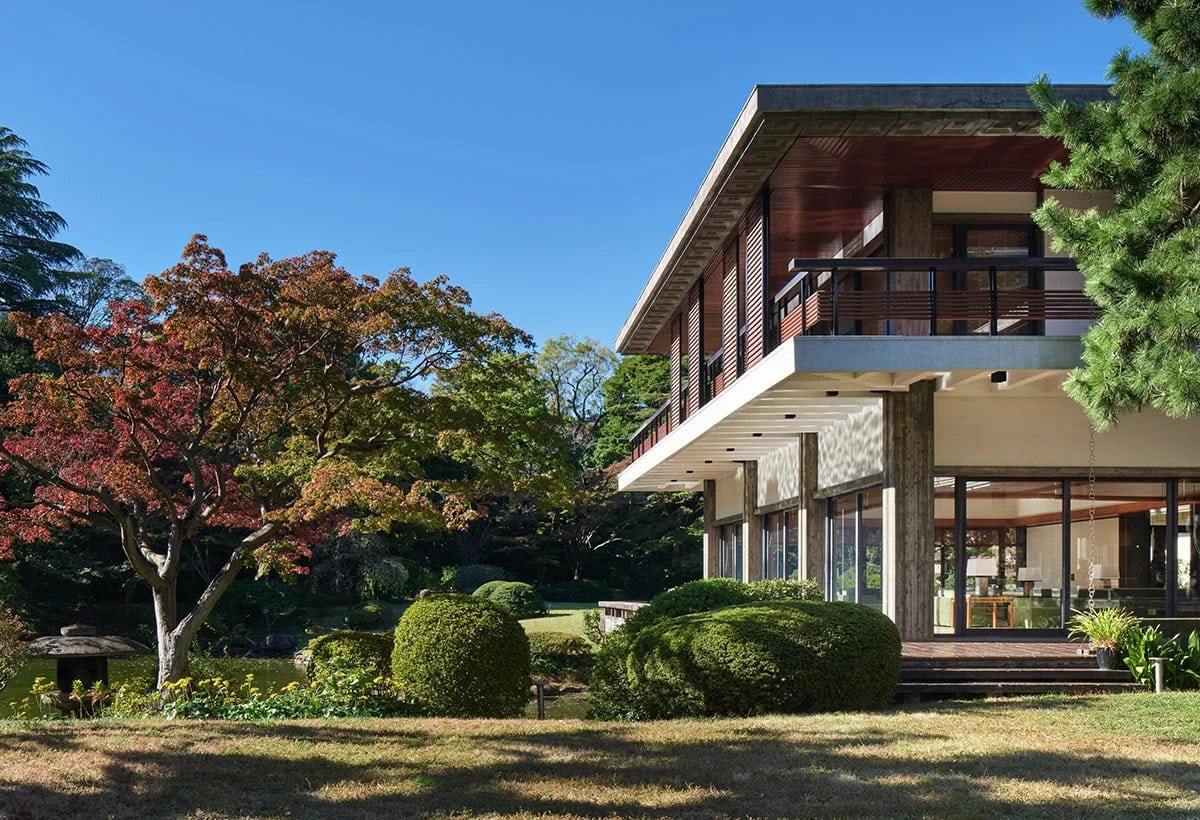
AMBASSADOR’S RESIDENCE - https://www.internimagazine.it/interior/case/una-casa-museo-a-mita-tokyo/
And yet perhaps its deepest influence has emerged less through monuments than through interiors and everyday life. The postwar decades were decisive in this respect. Through exhibitions, institutions, and industrial exchange, Japanese audiences gradually encountered a different idea of domestic modernity. Italian furniture, in particular, proposed a way of living that was not only efficient, but also warm, tactile, sociable, and expressive. The founding of Arflex Japan in 1969 is emblematic here. It was not merely the arrival of an Italian brand in a new market. It was the adaptation of a lifestyle model to a different cultural context. That process of translation — more than simple importation — is one of the keys to understanding the whole story.
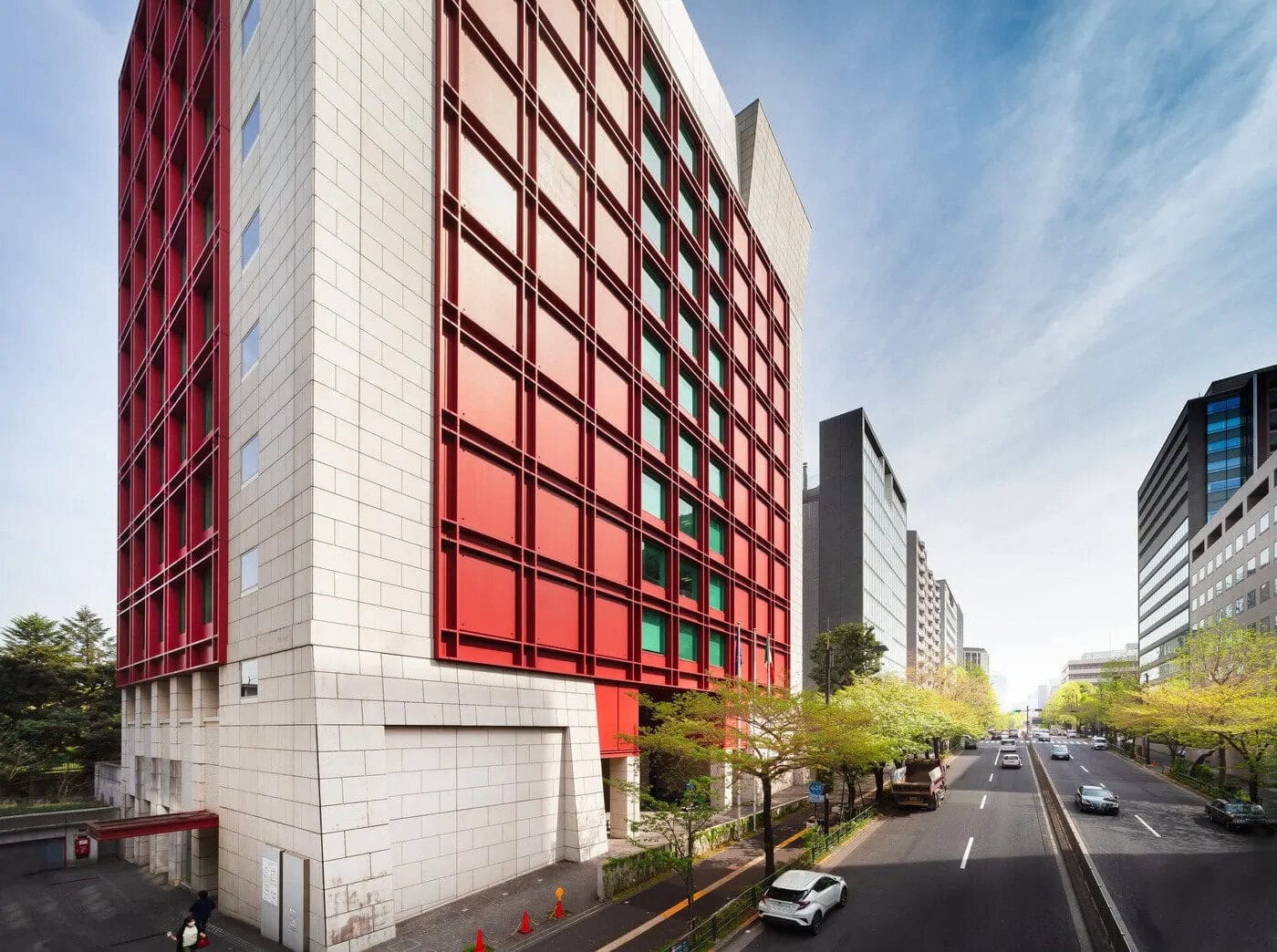
ITALIAN INSTITUTE OF CULTURE TOKYO - Ph: Lamberto Rubino
This history was shaped not only by brands and institutions, but also by the broader legacy of postwar Italian design culture. Japan engaged in a particularly fertile way with figures such as Bruno Munari, Achille Castiglioni, and Carlo Scarpa, and more generally with the wider field of Italian modern and radical design, represented by names including Ettore Sottsass, Vico Magistretti, and Enzo Mari. These relationships did not all take the same form. In some cases the link was direct and well documented; in others it unfolded more diffusely through exhibitions, publications, interiors, and the market itself. What matters is that Italian design came to be understood in Japan as something more than style. It suggested a field in which intelligence and lightness, rigor and imagination, industry and poetry could coexist. That was significant, because it offered a version of modernity that was not coldly functionalist, but more domestic, more sensorial, and ultimately more human.

BRUNO MUNARI JAPANESE ONLY - https://www.amazon.com/Bruno-Munari-Japanese-Only/dp/4763018086
Translation remains the best word for explaining why Italian design in Japan has never been just a passing fascination. Japan did not embrace Italian design simply because it was prestigious or foreign. It embraced it because it could be reinterpreted within its own sensibility. The Japanese understanding of emptiness, interval, impermanence, and material nuance could enter into a meaningful conversation with the Italian culture of misura, tactility, domestic theatre, and human-centered comfort. These are not identical worlds, but they overlap in important ways. Both know that quality does not come from excess. Both recognize the value of atmosphere. Both attach importance to spaces and objects that age well, feel right, and become part of life rather than spectacle.
There is, however, another layer to this story that is less visible but perhaps just as important. Beyond institutions, brands, and iconic buildings, the legacy of postwar Italian design has also continued to circulate in Japan through a more reflective and ethical reading of progettazione itself. In a recent exchange, the writer Yosuke Taki — who has spent nearly twenty years studying the Italian culture of postwar progettazione — described how figures such as Bruno Munari, Achille Castiglioni, and Enzo Mari came to represent, for him and for others in Japan, not simply a design language, but a way of thinking grounded in social responsibility, human environment, and a form of creativity not entirely captured by today’s narrower understanding of “design.”
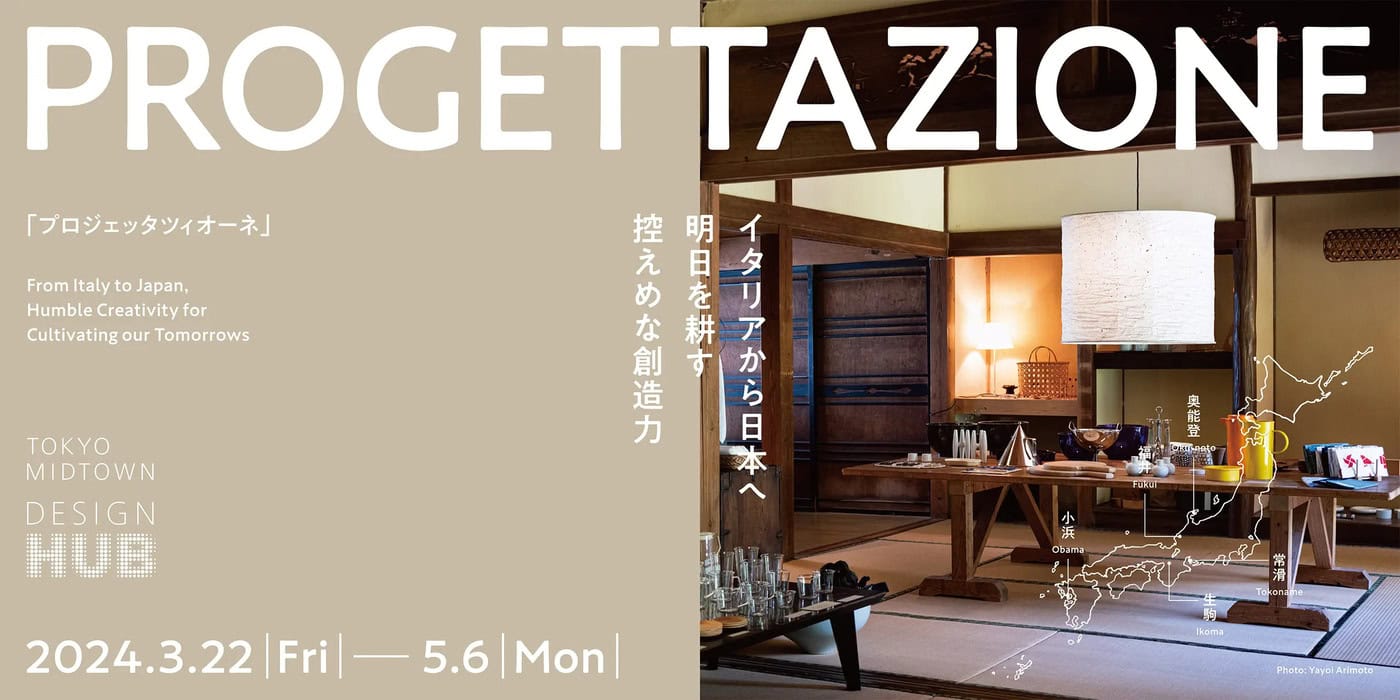
PROGETTAZIONE EXHIBITION - https://www.designhub.jp/exhibitions/progettazione2024
This perspective becomes even more tangible in the case of Kosei Shirotani, the Japanese designer who worked in Milan with Achille Castiglioni and Enzo Mari, before bringing that experience back to Japan in a remarkably coherent way. After his death in 2020, several conferences and exhibitions were dedicated to his work, including events in Tokyo and Obama and the large 2024 exhibition PROGETTAZIONE at Tokyo Design Hub, which attracted more than 10,000 visitors. What emerges from this story is something significant: the relationship between Italy and Japan in design has not only produced admiration for Italian form, but also generated Japanese interpreters, mediators, and heirs of that culture.
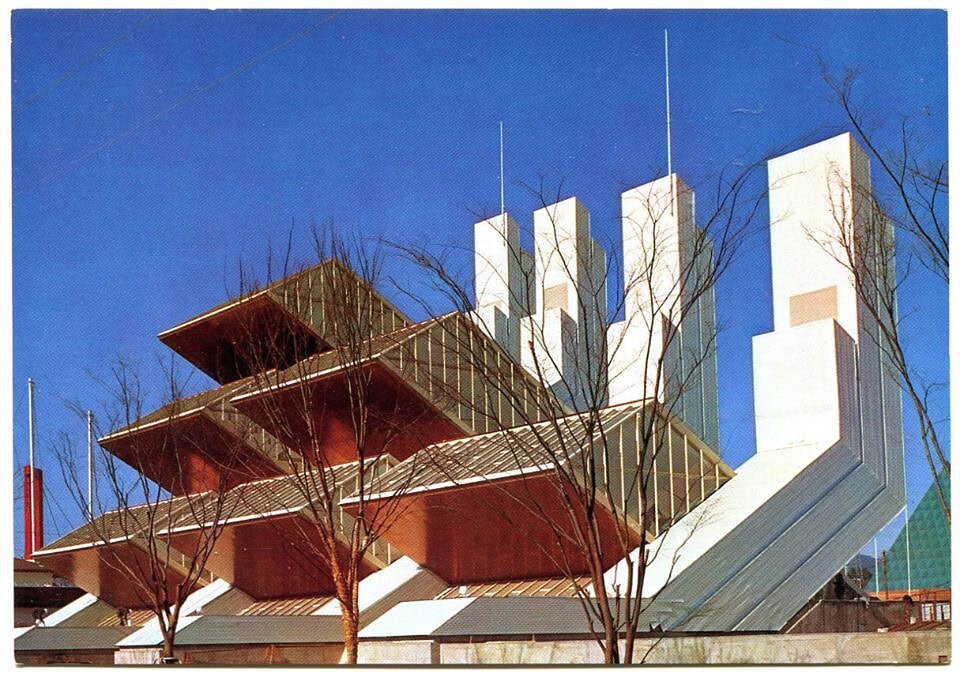
ITALIAN PAVILLION AT EXPO OSAKA 1970 - https://www.dudemag.it/slideshow/cartoline-dal-brutalismo/attachment/9-padiglione-italiano-expo-del-1970-a-osaka-giappone-progetto-di-tommaso-e-gilberto-valle-del-1970/
This is also why some of the key moments in the history of Italian design in Japan are symbolic as much as commercial or institutional. Expo Osaka 1970 was one of those moments. Italy presented itself there not only as the country of art history and classical beauty, but as a nation capable of expressing a contemporary vision of technology, architecture, and industry. That shift in image mattered. It helped move the perception of Italy from cultural memory toward active modernity.

CASA DEL DESIGN ITALIANO - https://matteobelfiore.com/casa-del-design-tokyo/
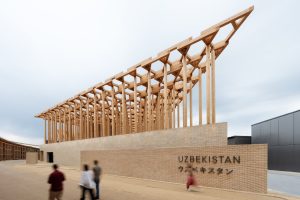
Much later, the opening of the Casa del Design Italiano at the Italian Embassy in Tokyo in 2024 once again demonstrated how design can function as a tool of cultural diplomacy. In that case, industrial design was not displayed in a museum or trade fair, but embedded within an embassy, turning diplomatic space into a permanent site of representation. Italy’s strong presence at Expo 2025 Osaka confirmed the same point: design remains one of the most effective languages through which Italy presents itself in Japan today. In that wider context, the recent appointment of Ambassador Mario Vattani to Tokyo also suggests a certain continuity, given his previous role as Commissioner General for Italy at Expo 2025 Osaka, where design, architecture, and cultural dialogue with Japan were once again brought to the foreground.But if this were only a story about the past, the anniversary would matter far less.
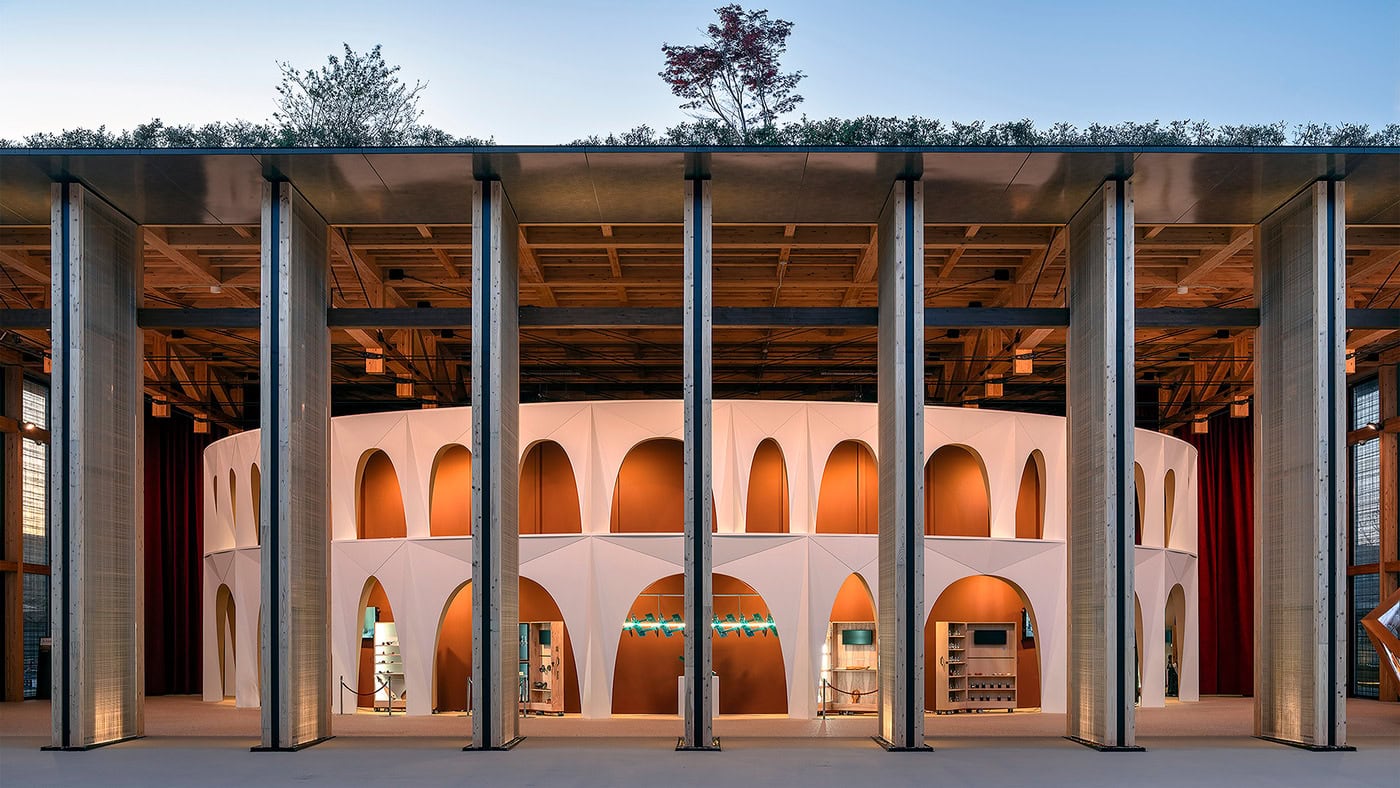
ITALIAN PAVILLION AT EXPO OSAKA 2025 - https://www.mcarchitects.it/progetti/padiglione-italia-expo-2025-osaka
What makes the present interesting is that the relationship between Italy and Japan is changing once again. For much of the twentieth century, Italian design in Japan was structured around iconic names, emblematic products, major buildings, and prestigious institutions. That layer remains essential, but it no longer tells the whole story. Today the relationship is more distributed, more networked, and in some ways more mature. The dialogue is no longer sustained only by the great figures of design history. It is being carried forward by designers, architects, curators, researchers, entrepreneurs, educators, and cultural actors who work across the two countries in a more continuous way. Themes such as sustainability, material innovation, circular production, hospitality, aging societies, workplace culture, and wellbeing are opening new areas of exchange.
This is why the current moment feels especially relevant. The question is no longer whether Italian design has a place in Japan. Clearly it does. The more urgent question is what form this relationship should take in the coming decades. Should it remain dependent on image, trade, and occasional events? Or can it become a more structured platform for exchange, production, education, and community?

OFFICIAL LOGO OF IDJ ITALIAN DESIGN JAPAN
This is precisely the context in which IDJ – Italian Design Japan was founded in 2025. Its significance lies not simply in the creation of another association, but in the recognition that a dispersed ecosystem had reached a new level of maturity. For years, Italian designers and creatives in Japan have operated through individual practices, private collaborations, institutional projects, and informal personal networks. What was missing was a shared platform: something capable of giving visibility, continuity, and direction to a community that already existed, even if in fragmented form. IDJ responds to that need. It turns scattered presence into collective presence. It gives a name, and potentially a strategy, to a relationship that until now has often relied on isolated initiatives and informal connections.
This matters not only for Italians living and working in Japan, but also for the bilateral relationship as a whole. If the first phase of this long history was diplomatic, and the second cultural and commercial, the next may become more organizational and collaborative. The challenge now is not simply to celebrate Italian excellence in Japan. It is to create the conditions in which a new generation of professionals, institutions, and companies can work together with greater continuity and ambition.
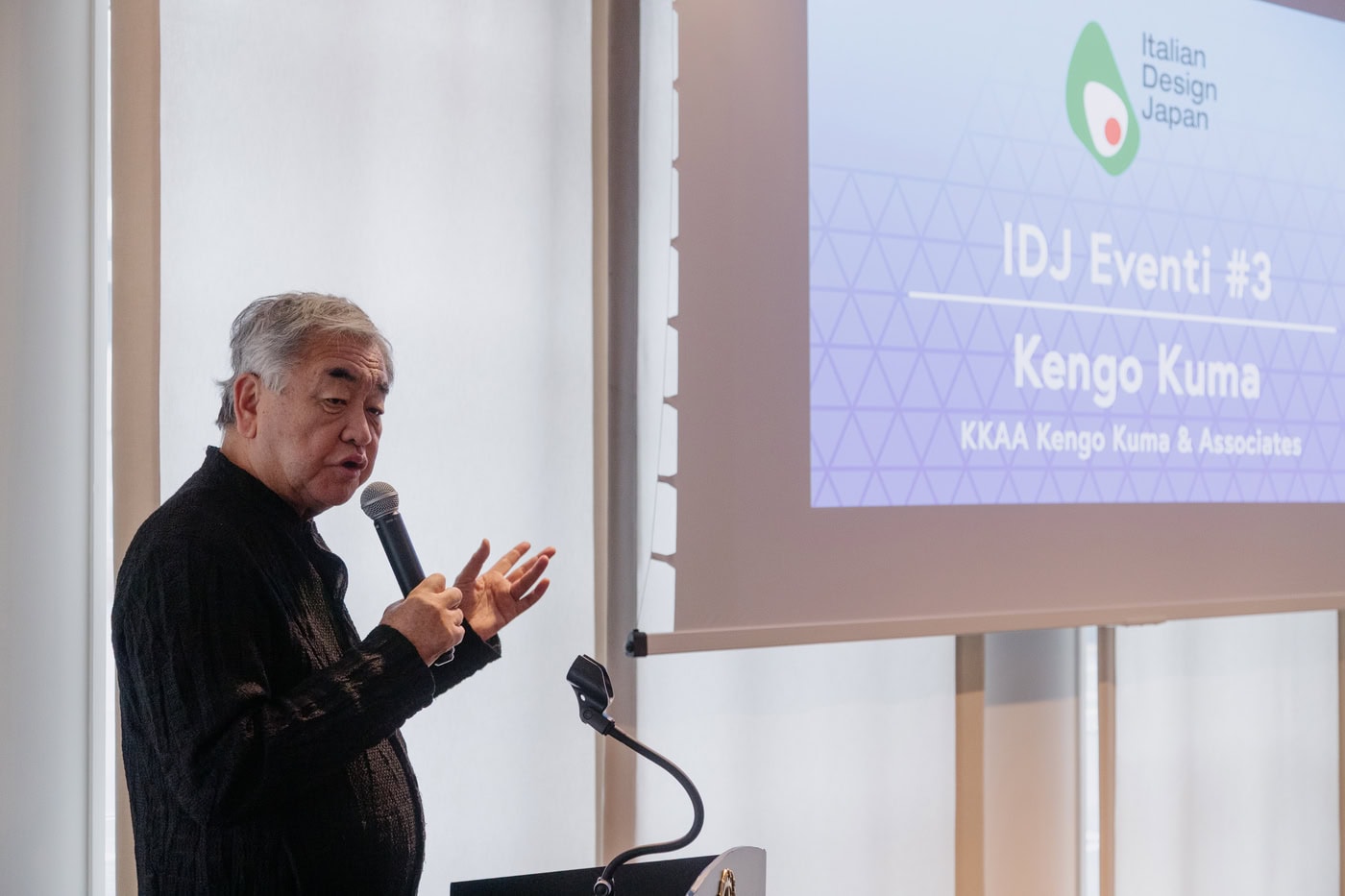
MASTERCLASS OF KENGO KUMA FOR IDJ - Ph: Lorenzo Barassi
In this sense, the 160th anniversary is useful not because it encourages nostalgia, but because it invites repositioning. It reminds us that the bridge between Italy and Japan is neither accidental nor fragile. It has been built slowly, over centuries, through encounters in art, architecture, education, diplomacy, and industry. But it also reminds us that no cultural relationship remains alive by inertia alone. Each generation has to interpret it again for itself.
Italian design in Japan has always been at its strongest when it has done more than represent itself. It mattered when it offered tools, ideas, and forms of living that could be meaningfully absorbed into Japanese life. The same should be true of the future. If this relationship is to remain vital, it will have to address contemporary questions with the same intelligence that shaped its past: how to design more responsibly, how to create better environments for work and life, how to connect heritage and innovation, how to make beauty without waste, and how to turn cultural affinity into real collaboration.
That is why the emergence of IDJ feels timely. It does not mark the beginning of the story, but it may well signal the beginning of a new chapter: one that is more self-aware, more connected, and more future-oriented. If the past 160 years have shown that Italy and Japan understand each other unusually well through design, the next step is to turn that understanding into a stronger shared platform.
The bridge is already there. What matters now is how consciously we choose to use it.