

 日本語
日本語 English

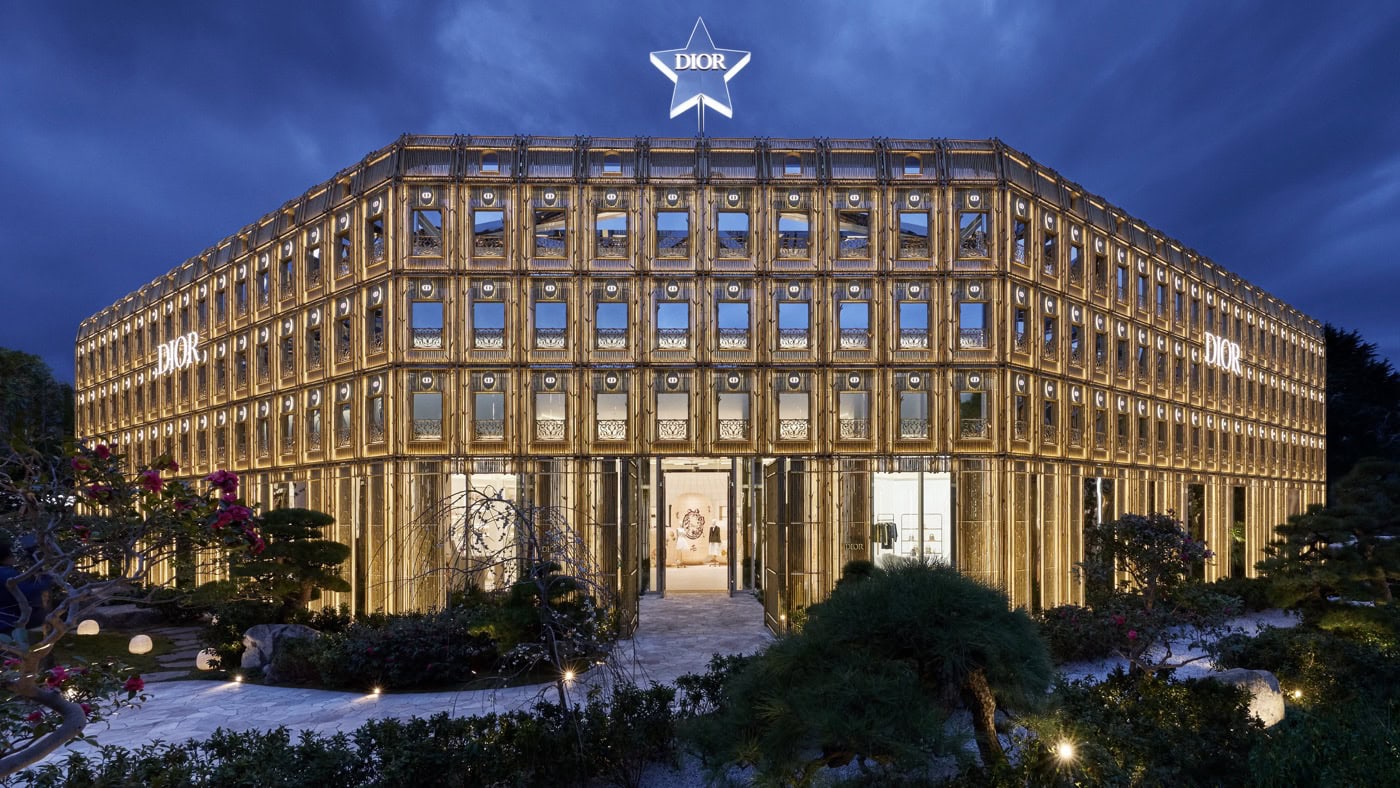
Inaugurated last February, the “Dior Bamboo Pavilion” is not only a masterpiece of contemporary architecture, but also a meeting, a silent dialogue between Europe and Japan. A harmony between tradition and experimentation, between technology and craftsmanship, where manual gestures and technological research intersect and advance at the same pace.
It is a place where skills, sensibilities, and visions intertwine around the idea of savoir-faire that has always accompanied the French fashion house.
A dialogue between Europe and Japan? Indeed, as many of the materials and installations that compose the pavilion originate from different places. A mosaic of influences that reinforces the project’s international identity.
All photos Courtesy of Dior
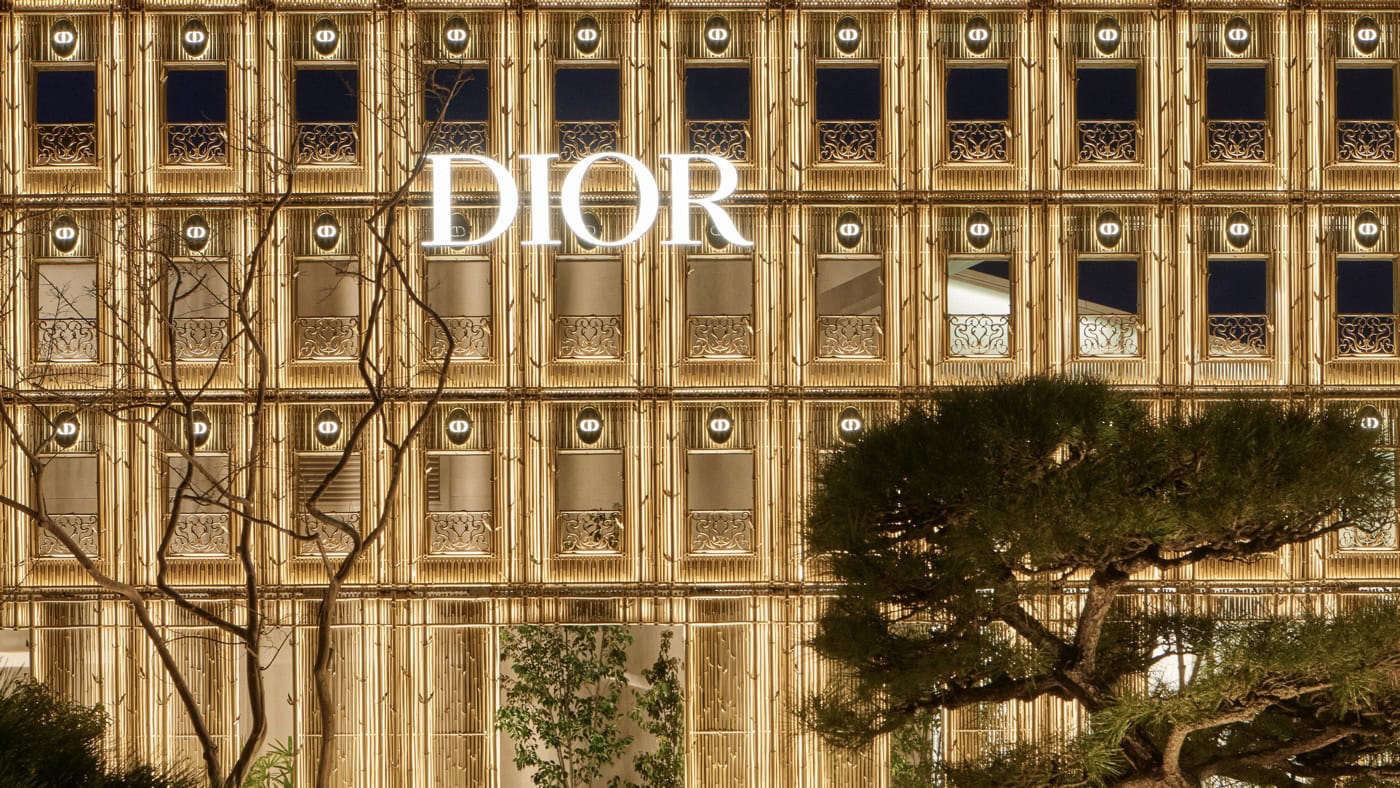
From the moment you enter the driveway, the monumental array of golden bamboo captures your gaze and arouses curiosity. But are they really bamboo canes?
In reality, they are gold-painted aluminum elements that wrap the entire façade, forming the profile of a flattened octagon. Made of recycled material, these “bamboo” elements reinterpret the silhouette of the historic headquarters on 30 Avenue Montaigne, while also drawing inspiration from the bamboo forests of Kyoto, particularly Arashiyama.
The building, framed by a Japanese garden that makes the entrance even more evocative, gives the sensation of entering a space where landscape, architecture, and artistic installations interact. The outdoor garden, designed by Seijun Nishihata, features plants, small ponds, and the iconic Japanese carp made of luminous glass that seem to glide through the pond's water. Inside, the garden curated by Azuma Makoto presents botanical compositions - expected to change with the seasons - with a powerful poetic impact, evoking a profound cultural dialogue between France and Japan.
Between these two landscapes, contributions from contemporary artists emerge discreetly, creating a delicate balance between tradition and experimentation.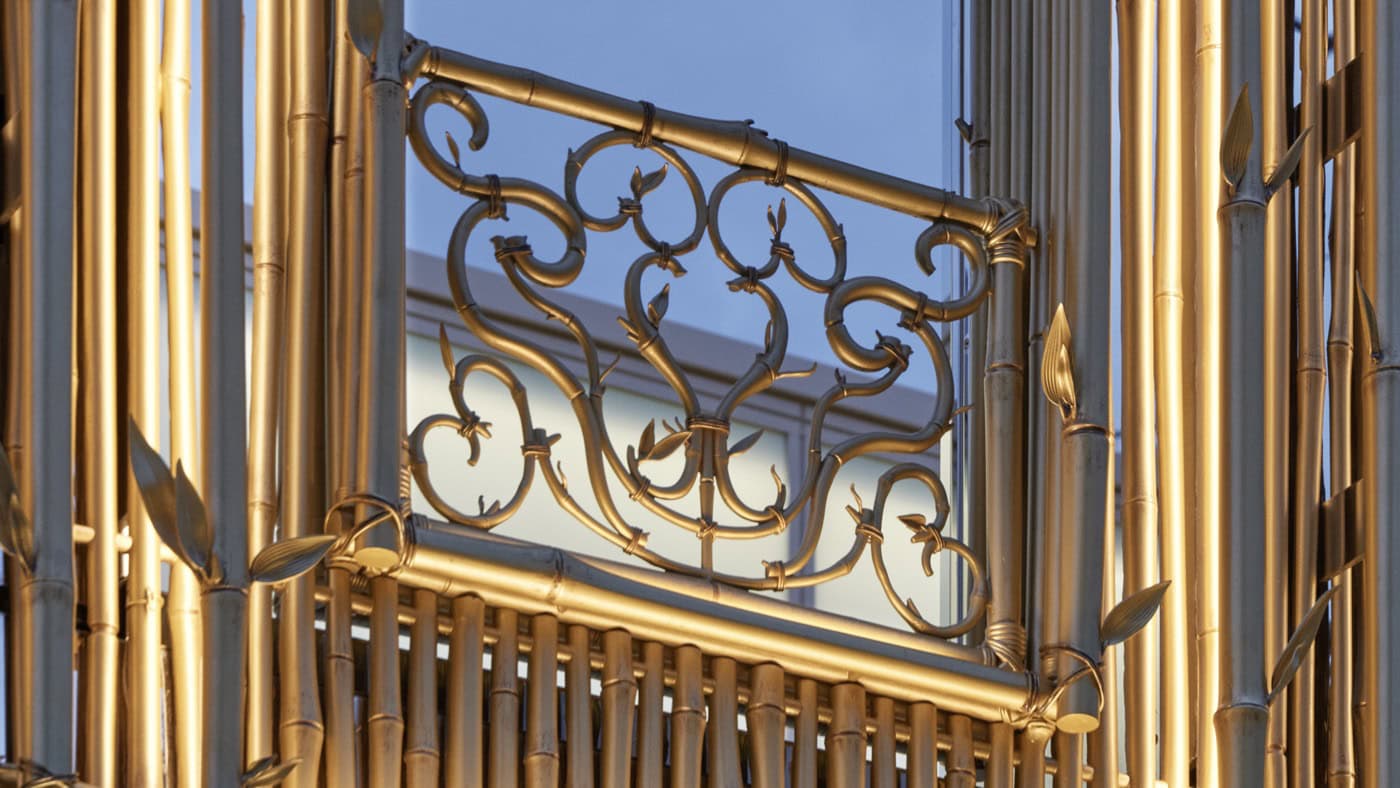

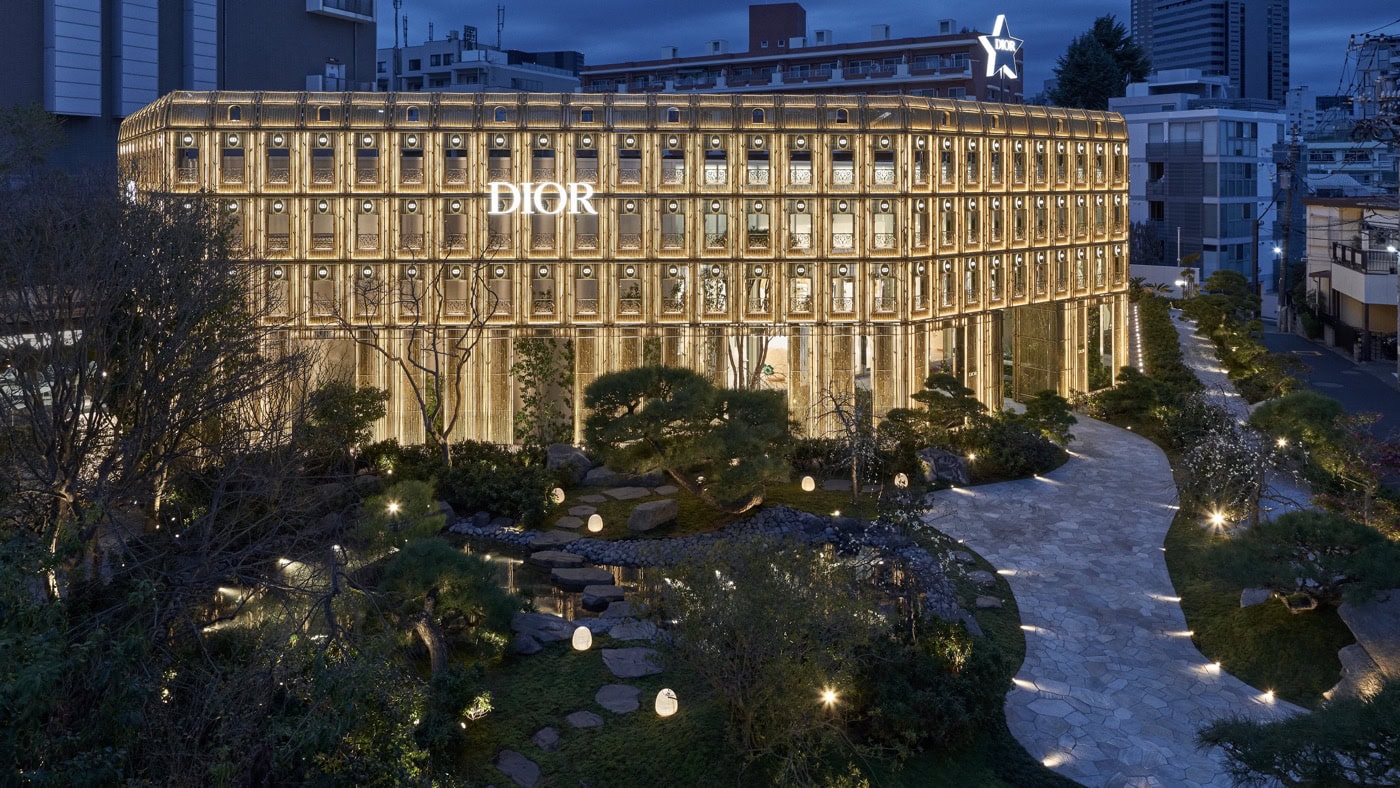
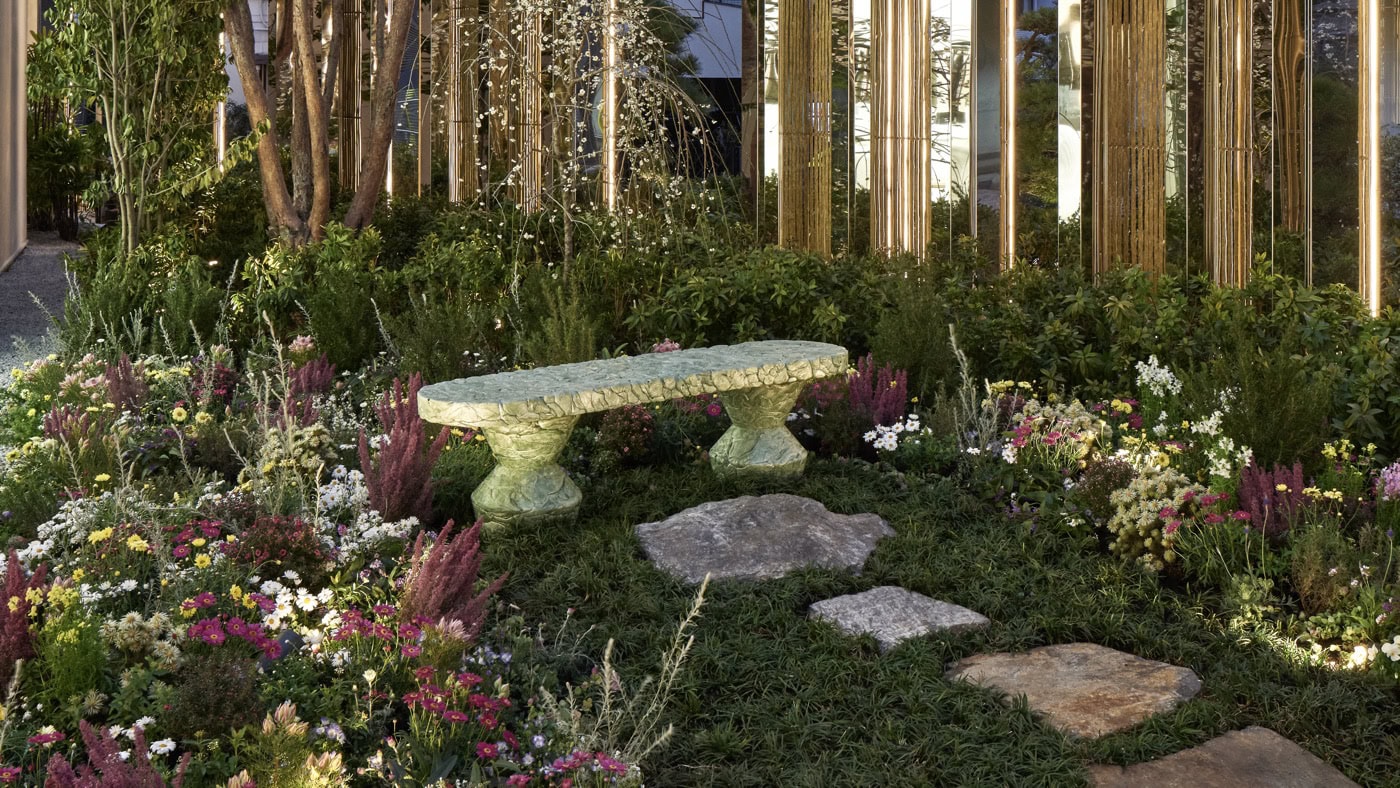
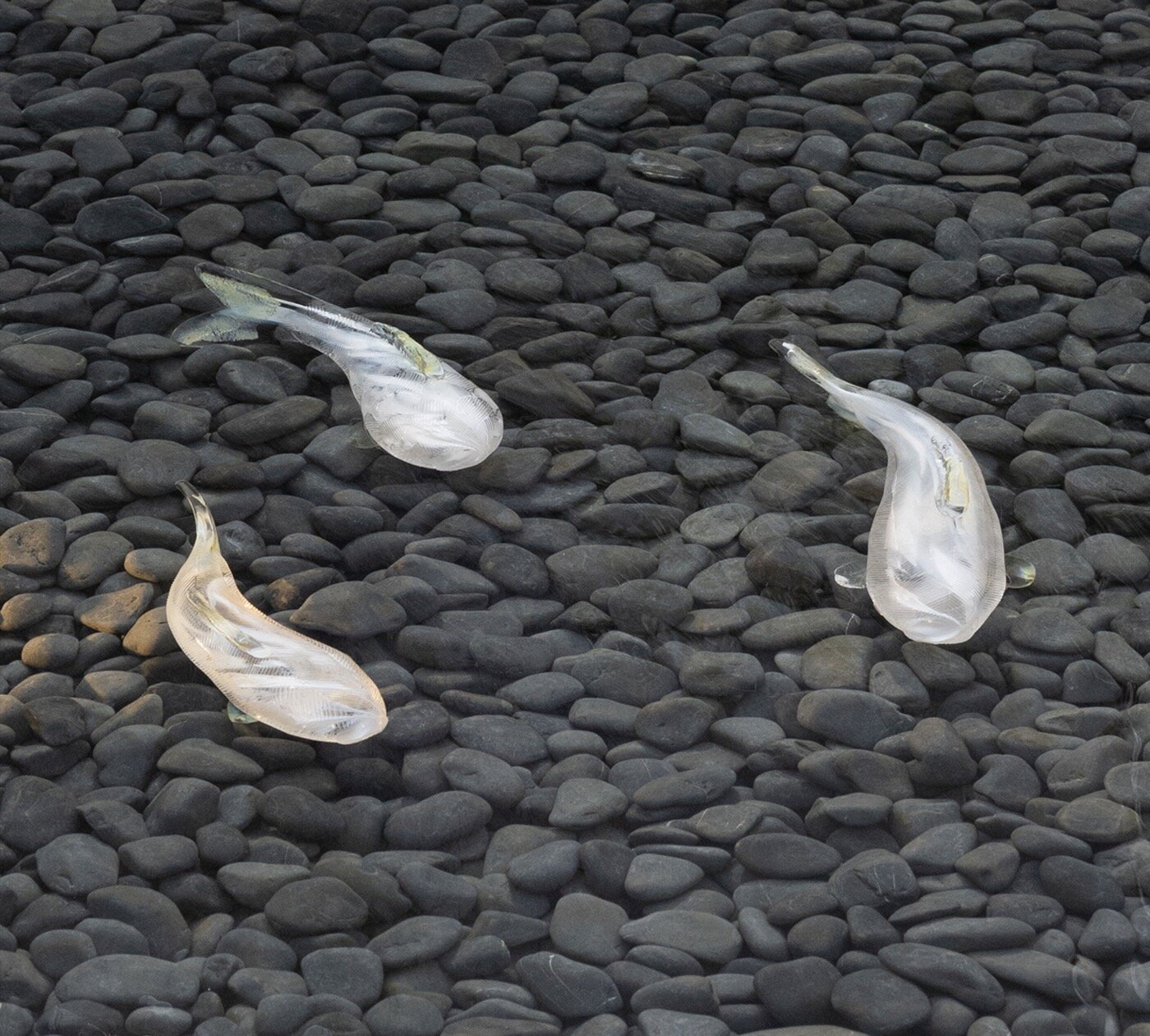
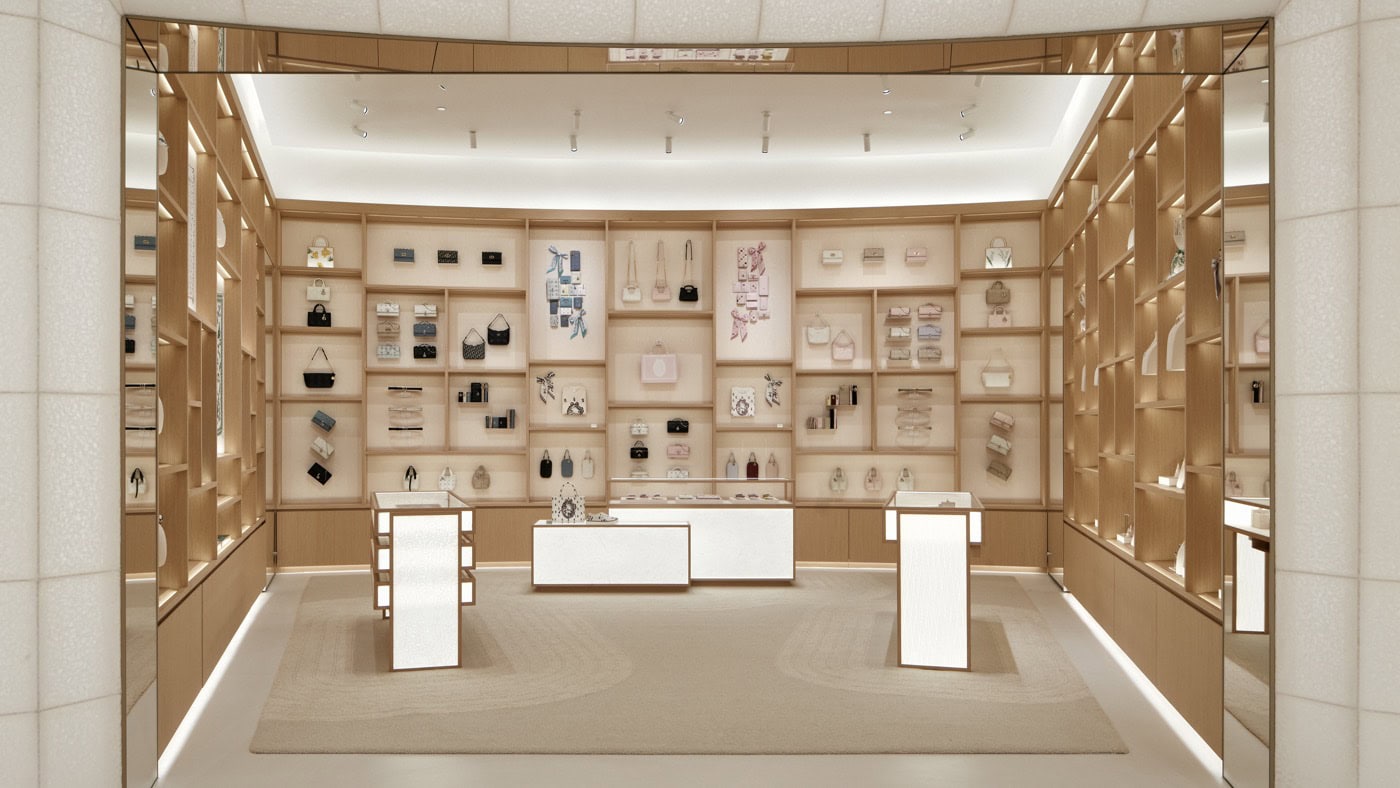
The pavilion's interior spaces are organized in a circular layout: five rooms dedicated to the exhibition and the magnificent Le Café Dior.
As I enter the pavilion, a large structure made of washi paper completely envelops me, making me feel immersed in the Dior universe. The structure is both delicate and dramatic. Its curved lines extend along the walls until they merge with the ceiling, creating a sense of lightness, almost as if the space were floating. The light filtering through the washi paper, along with the giant hand-painted lanterns created by Kojima Shoten of Kyoto, makes the atmosphere even more evocative.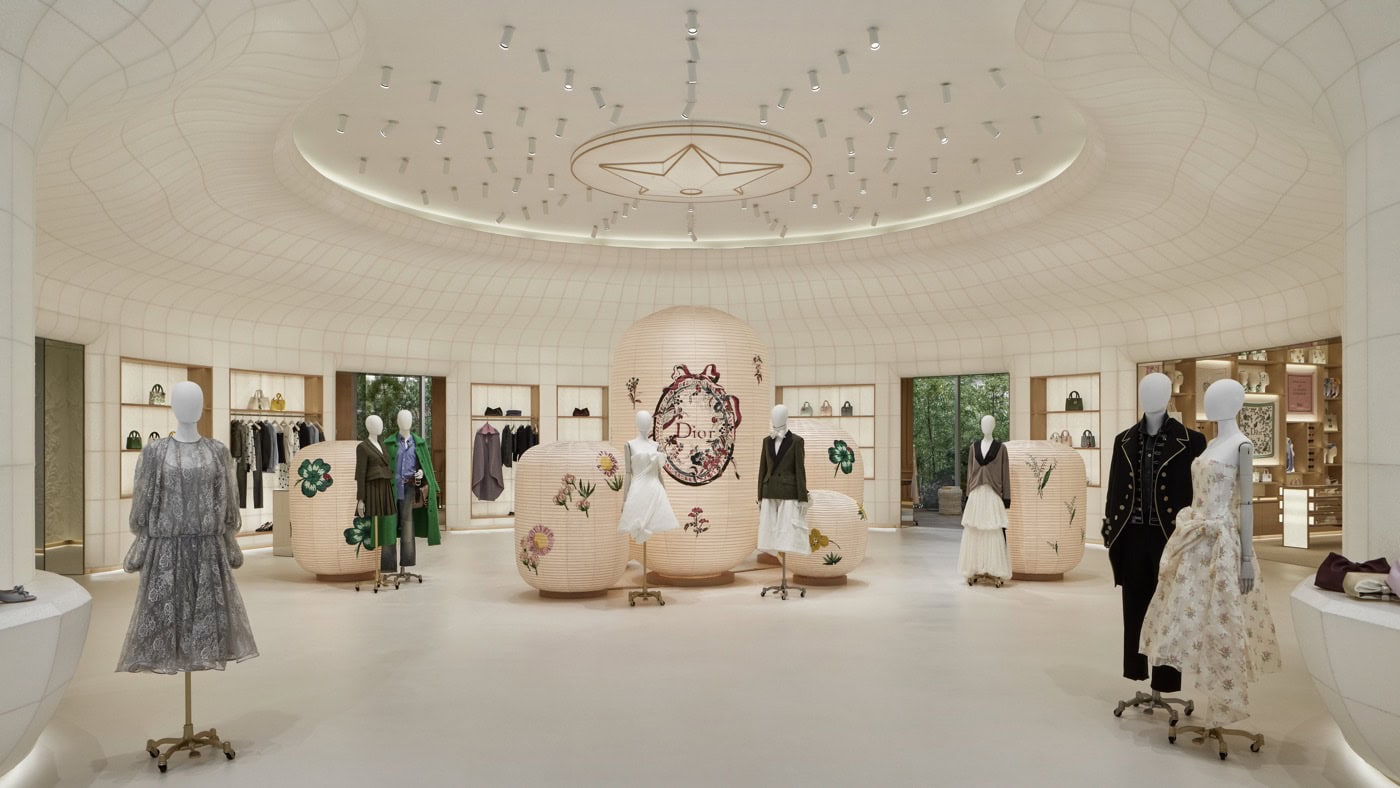
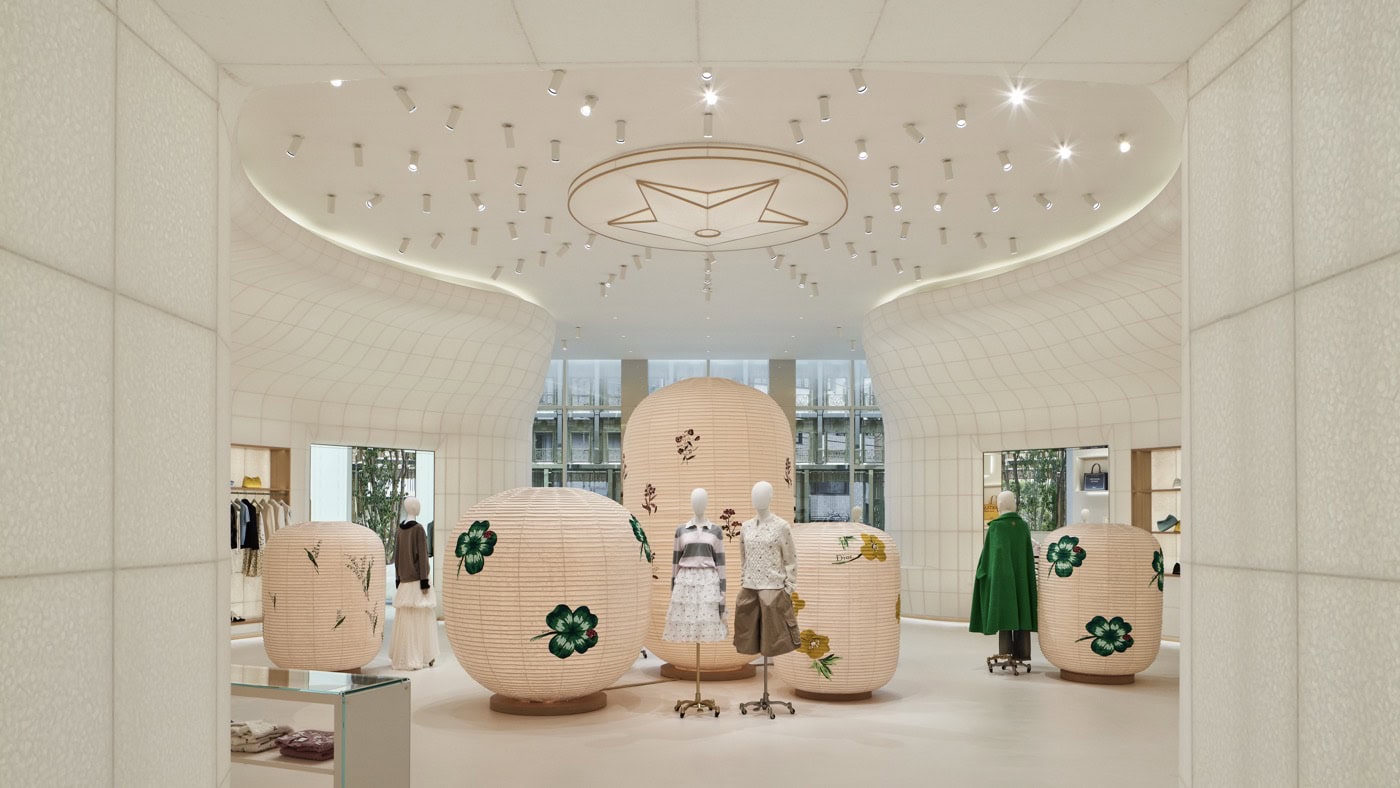
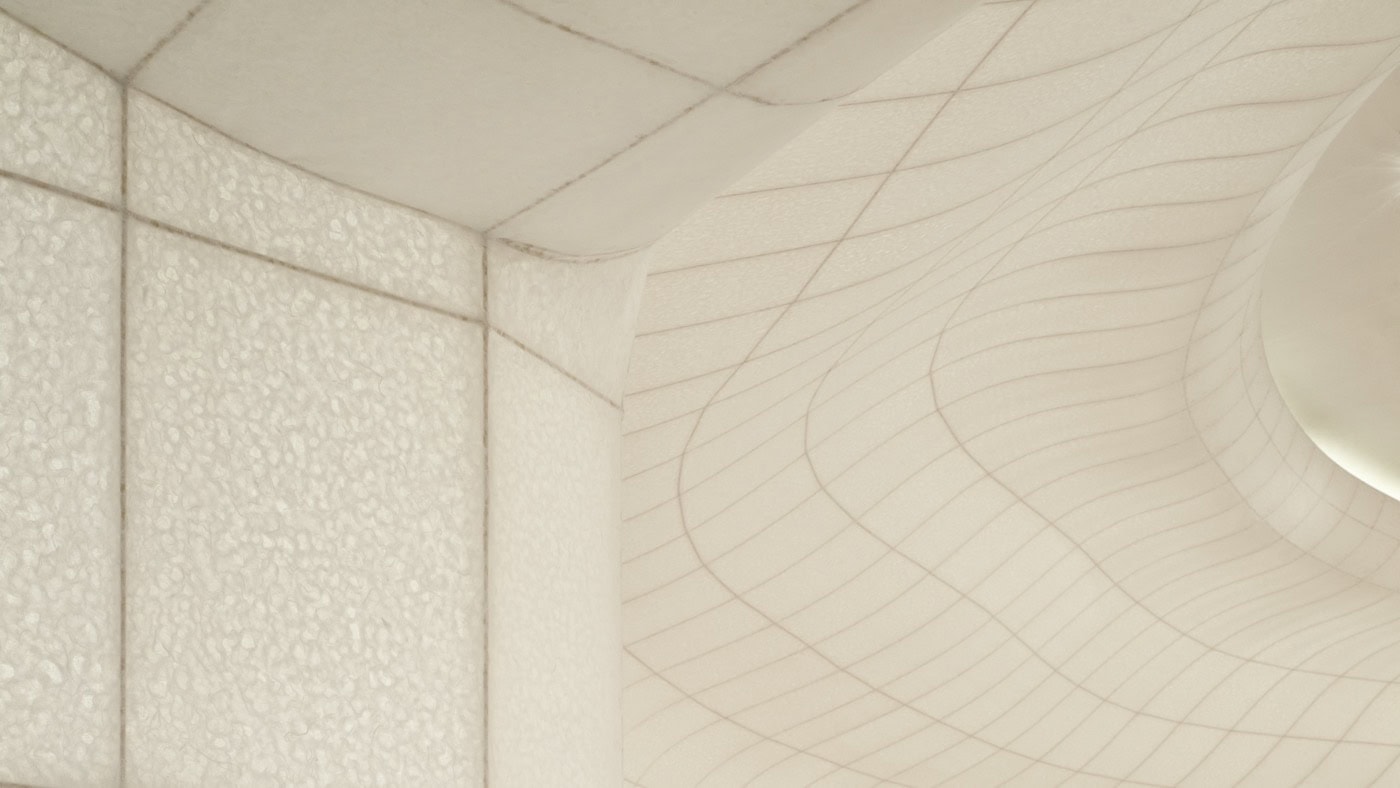
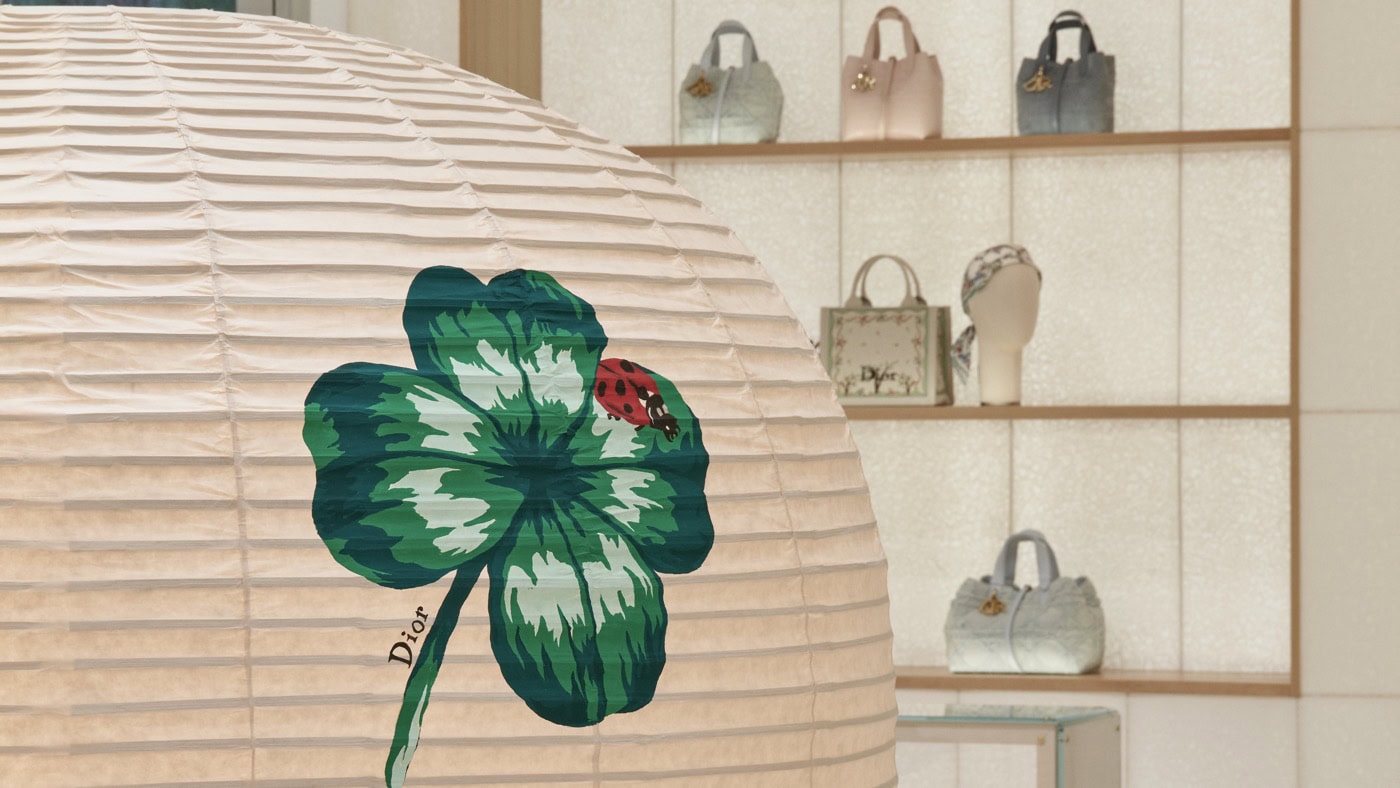
Organized around different themes, the rooms embrace a refined dialogue between traditional elements and innovative solutions. Each space tells a different story, constructed through materials, craftsmanship, and aesthetic research.
Of all the rooms, my favorite is “TIMELESS ROOM.” While each room is extraordinary and meticulously crafted, this space possesses a quiet elegance that immediately strikes me.
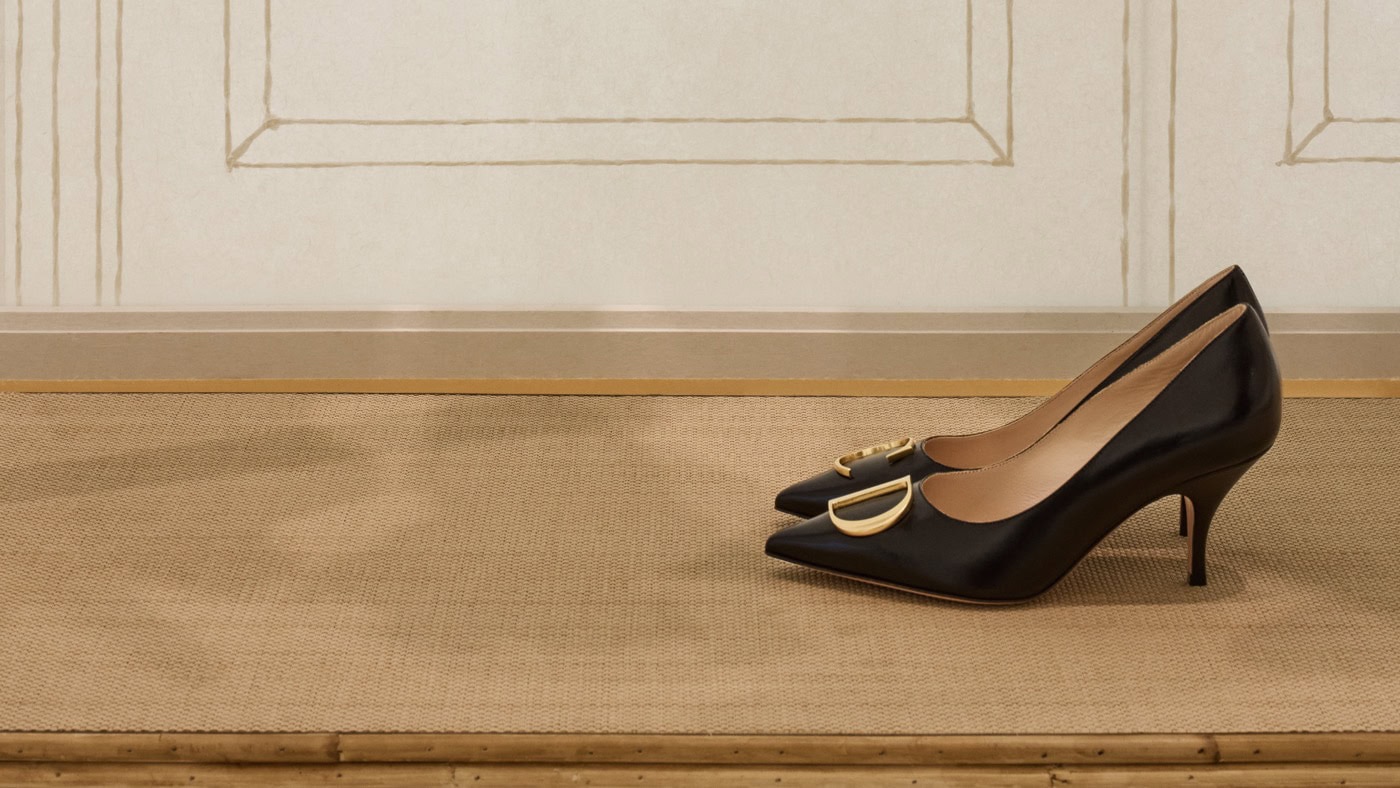
The walls are covered with embossed washi paper reminiscent of the moldings of Parisian palaces. Here, Osada Washi reinterprets typical European interior decorations with a contemporary sensibility: the moldings are not sculpted in plaster but are shaped through a material that recalls the delicacy of embroidery on fabrics, transforming the wall surface into a refined, almost textile-like texture. The wall surface thus becomes almost textile, evoking a subtle connection with the world of haute couture and the sartorial tradition that has always defined Dior's identity.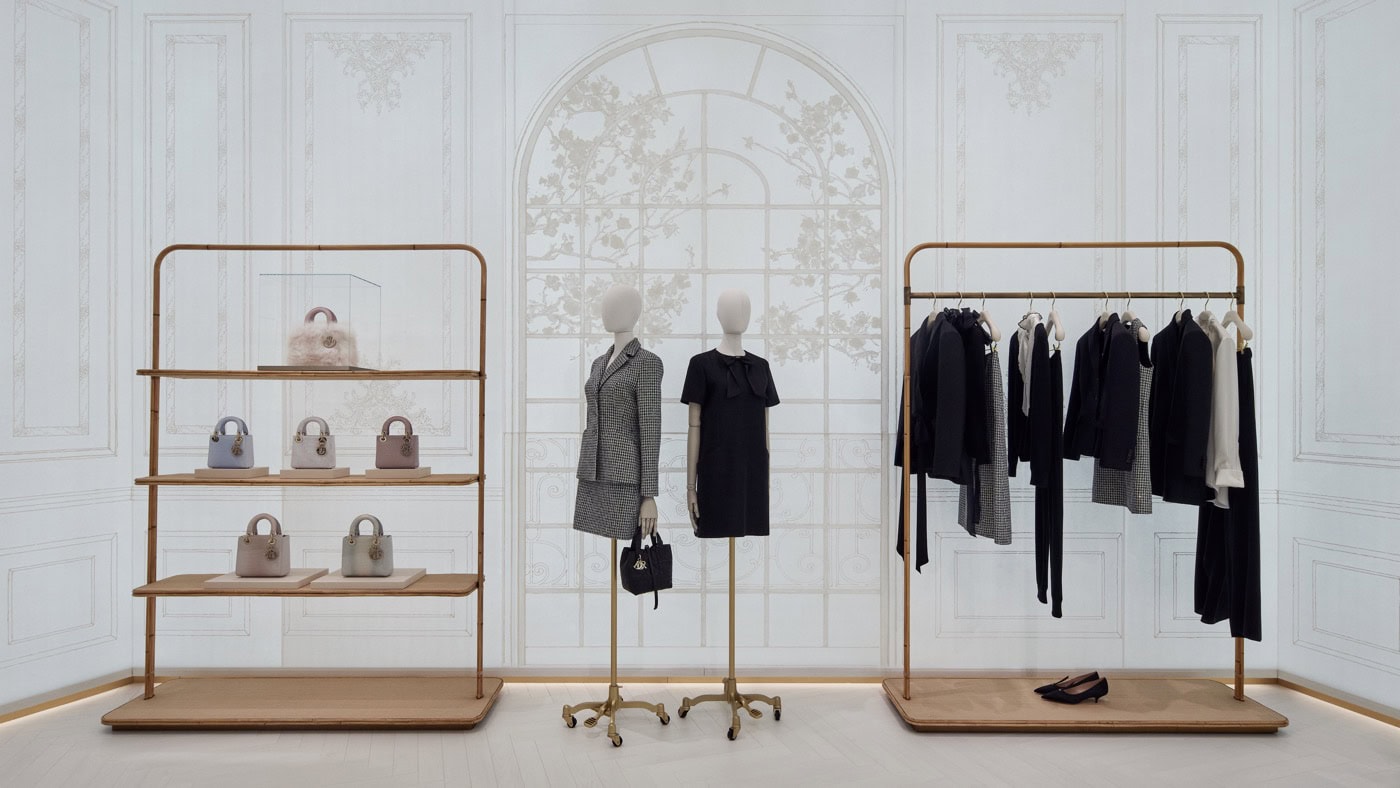
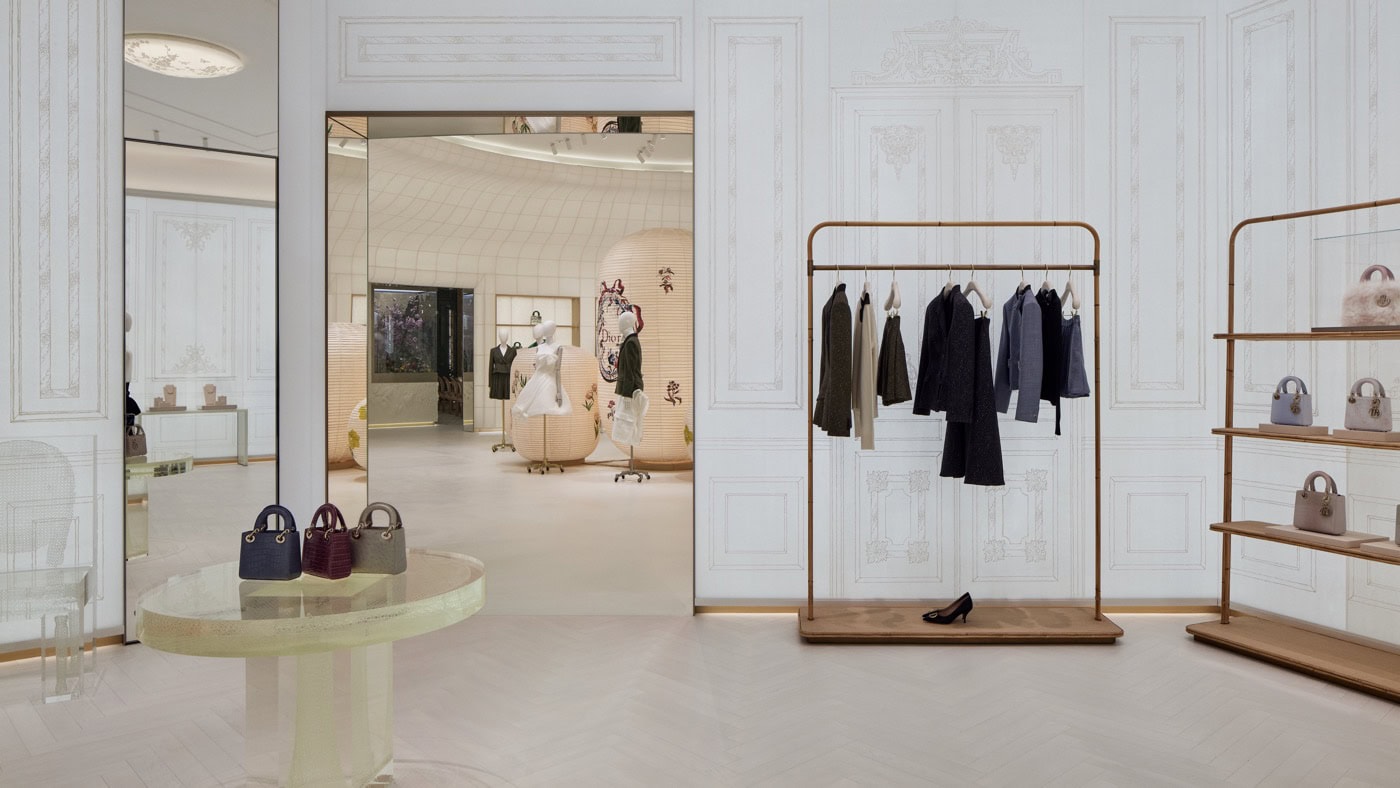
Another element that immediately catches my attention are the dressing rooms. Often considered secondary spaces, here they become small experiential environments, capable of engaging the visitor in an intimate and sensorial way.
Textile designer Hana Mitsui has reworked all the dressing rooms in the “Dior Bamboo Pavilion”, transforming them into immersive micro-installations that activate two of the five senses: touch and smell.
The first dressing room, located in the “TIMELESS ROOM”, is entirely embroidered with one of the symbols of the “Toile de Jouy” pattern, one of the most iconic motifs of the Maison Dior. The embroidery envelops the space, creating a delicate and refined, almost textile-like atmosphere that recalls the sartorial tradition of the French fashion house.
The second dressing room, in the “MEN'S ROOM,” is completely covered in igusa - the natural material used for Japanese tatami - which diffuses its characteristic vegetal scent throughout the room. The symbol of the Toile de Jouy pattern returns here too, reinterpreted in a contemporary, material way.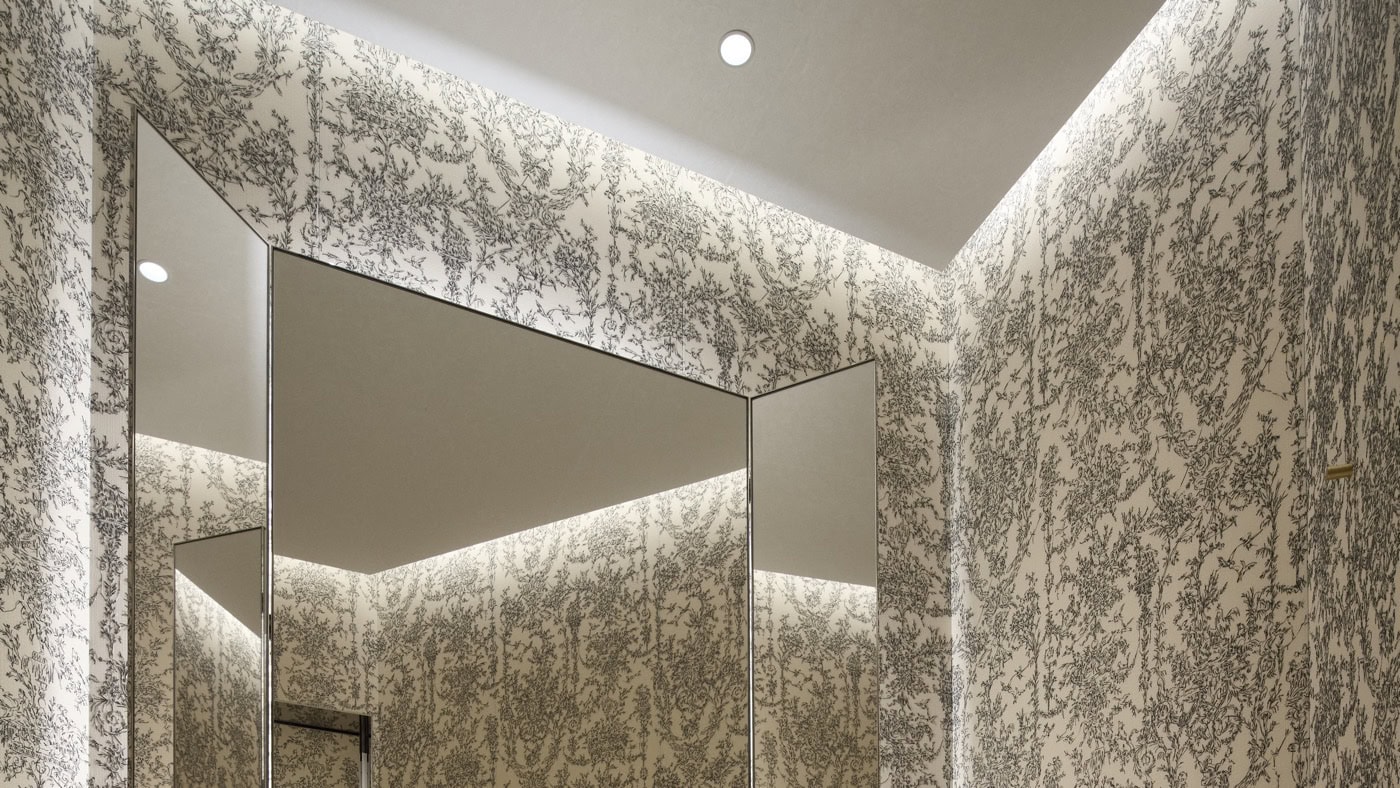
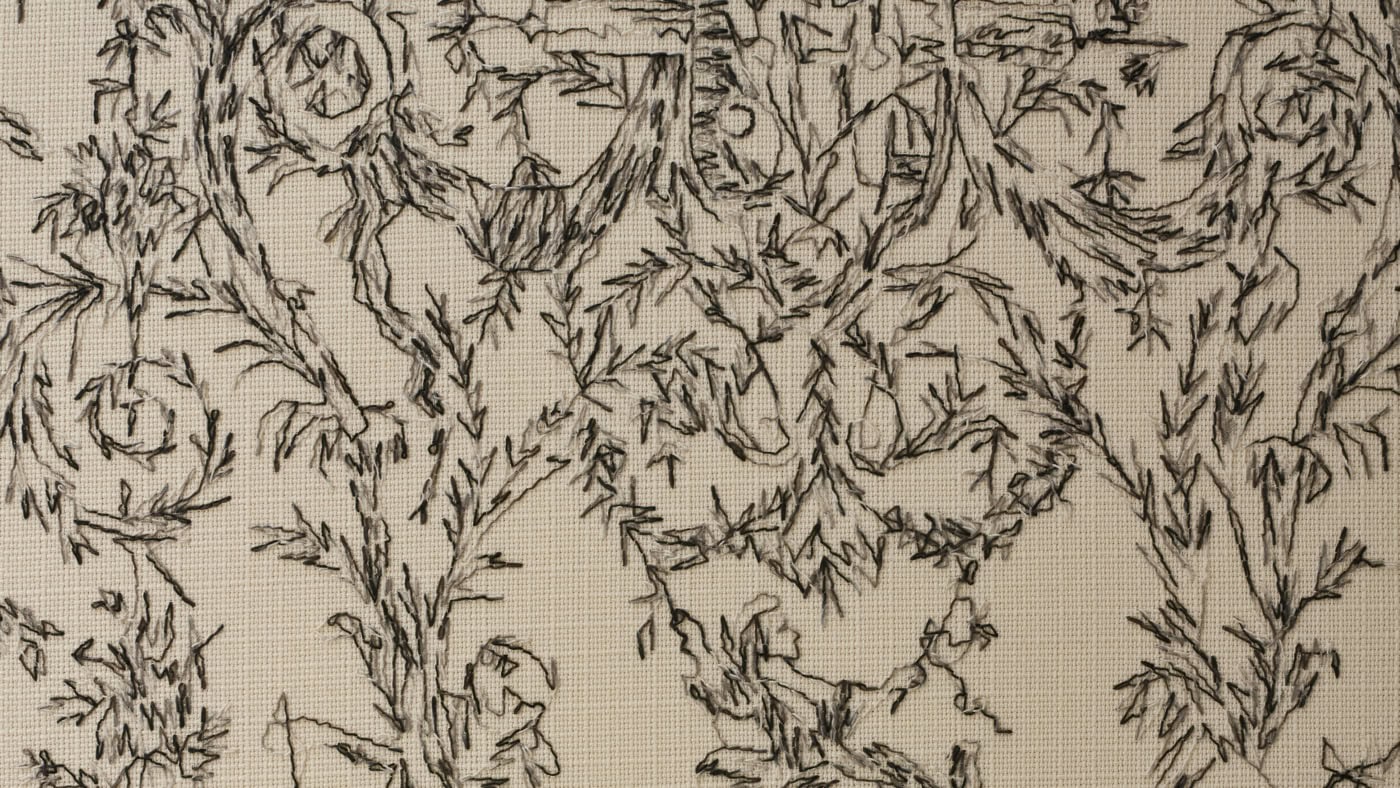
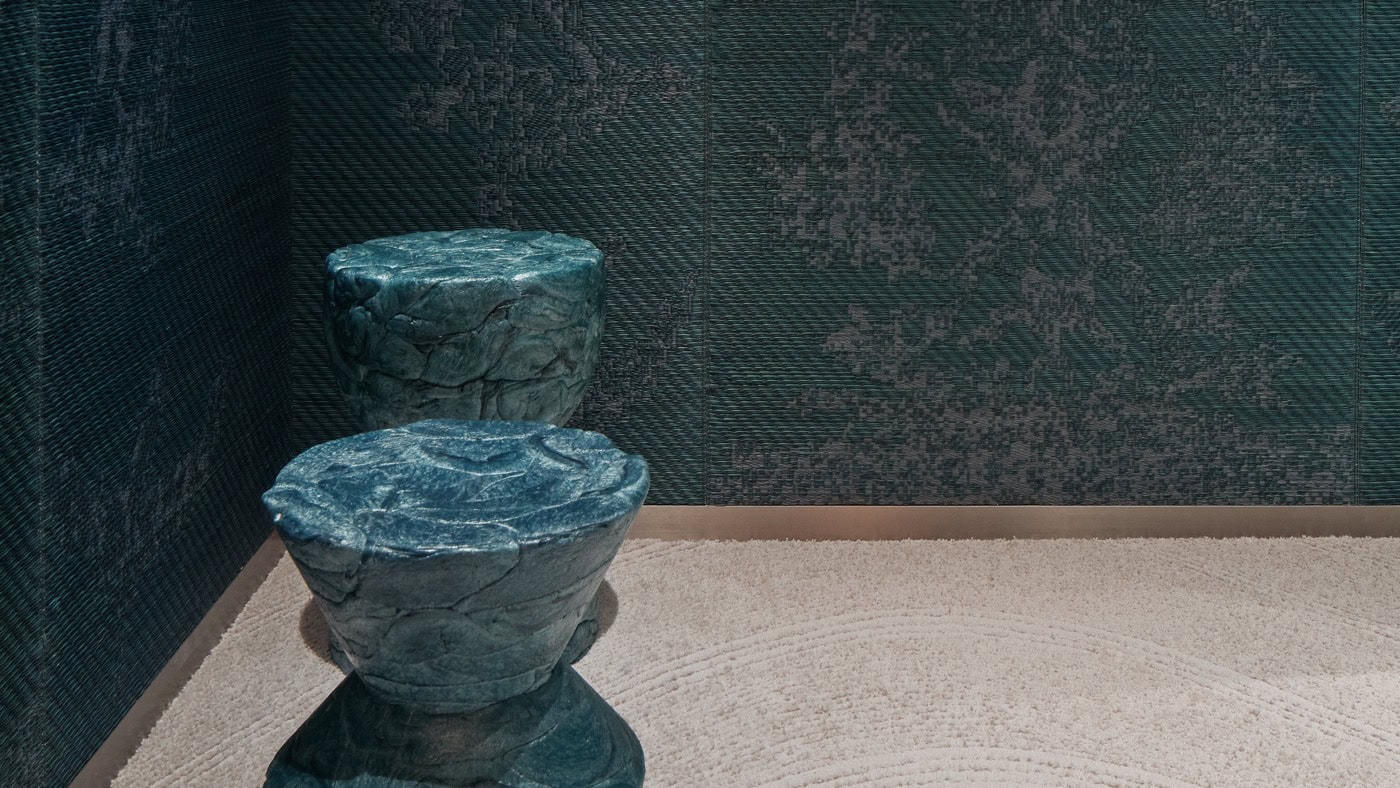

In both cases, the dressing room is no longer just a functional space, but becomes a place of perception and discovery, where fashion, craftsmanship, and Japanese culture meet in a surprisingly harmonious way.
In contrast to the historical reenactments and references to tradition, the pavilion also features furnishings characterized by a strong technological and experimental component. This showcases creations by Japanese studios such as TAKT PROJECT and we+, which interpret the Maison's identity through contemporary languages.
TAKT PROJECT reinterprets the “Cannage” motif - one of Dior's most iconic symbols - through an innovative artisanal process. The motif is crafted from hand-woven glass and then encapsulated in resin, creating completely transparent furnishings. The result is design objects that appear almost suspended in space: truly contemporary works that combine technological experimentation, craftsmanship, and the ingenuity of Japanese designers.
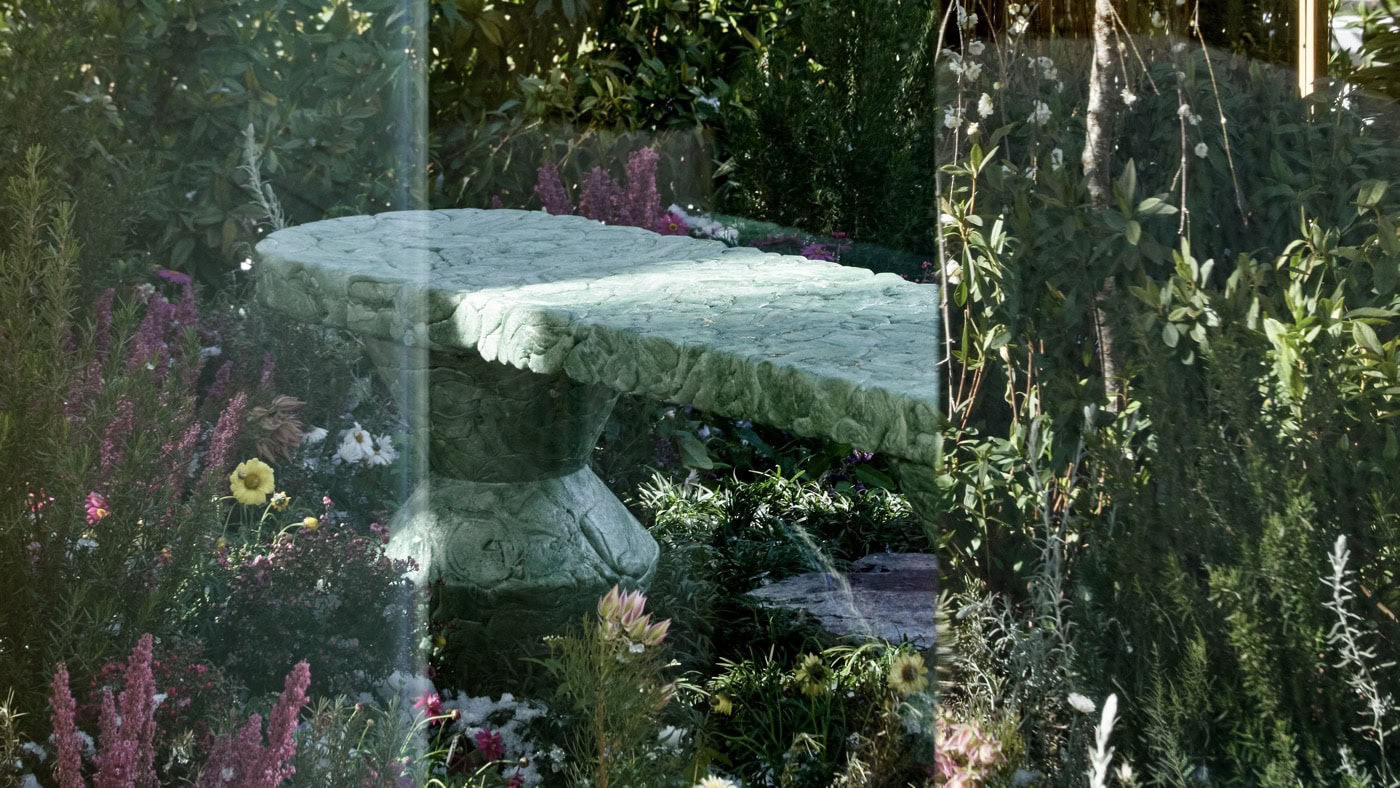
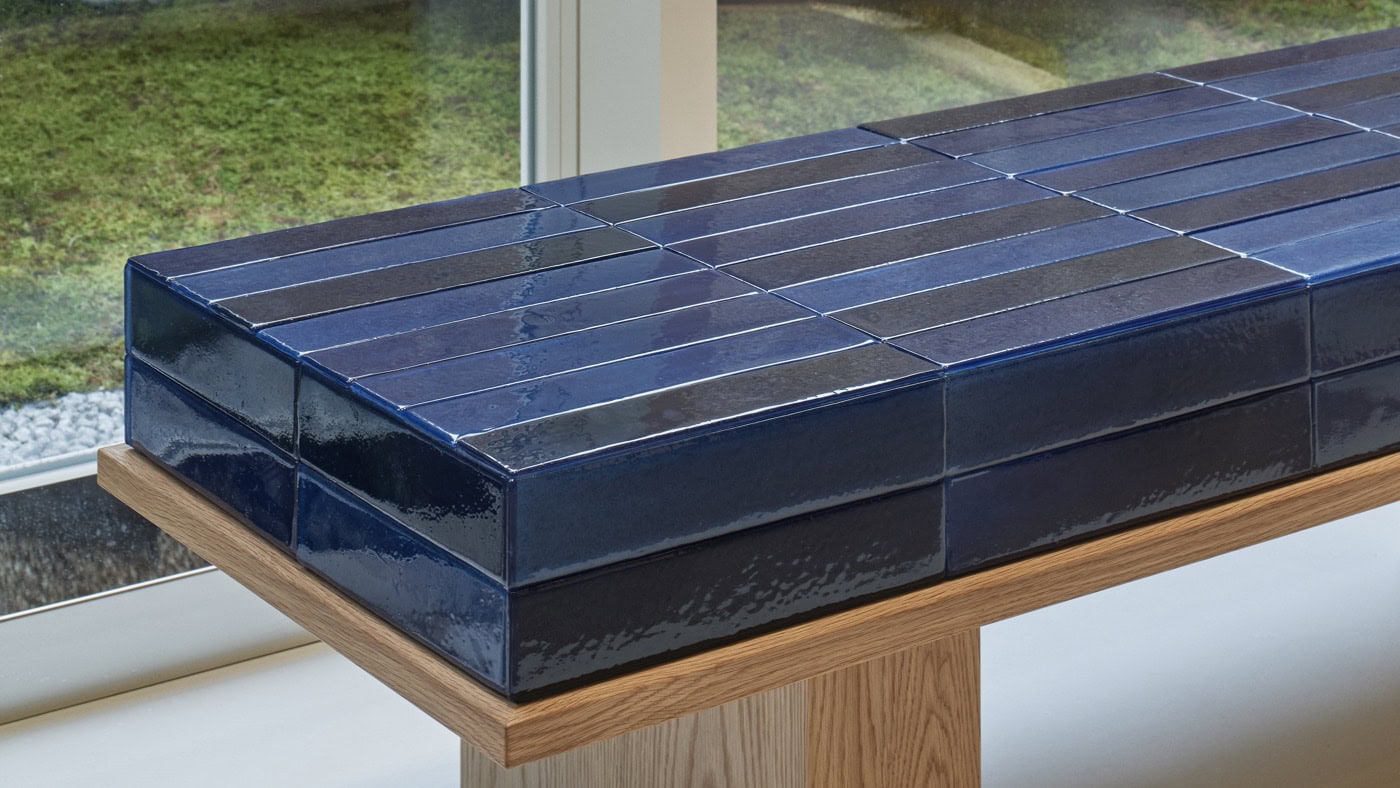
Alongside these creations, we+ offers a reflection on the themes of ephemerality and transformation. Designers transform common materials into design objects through a process of research and reuse: Styrofoam boxes from Tokyo fish markets and supermarkets, microalgae mixed with resin, and metals crafted with experimental techniques. These materials create benches, tables, and accessories that punctuate the pavilion's spaces, creating an unexpected dialogue between sustainability, innovation, and artistic experimentation.
In this way, design becomes a tool for generating new connections between the natural environment, society, and creative research.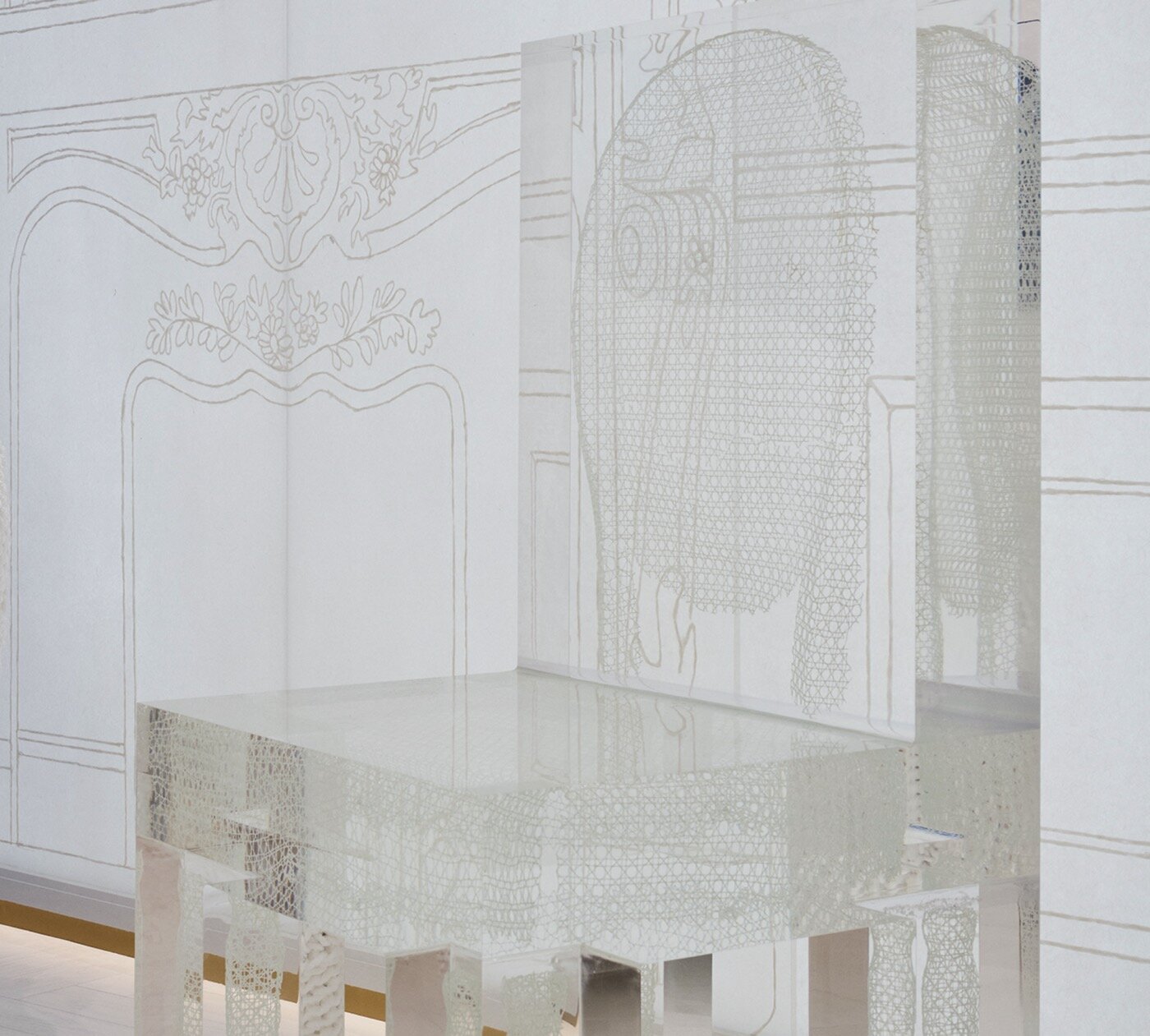
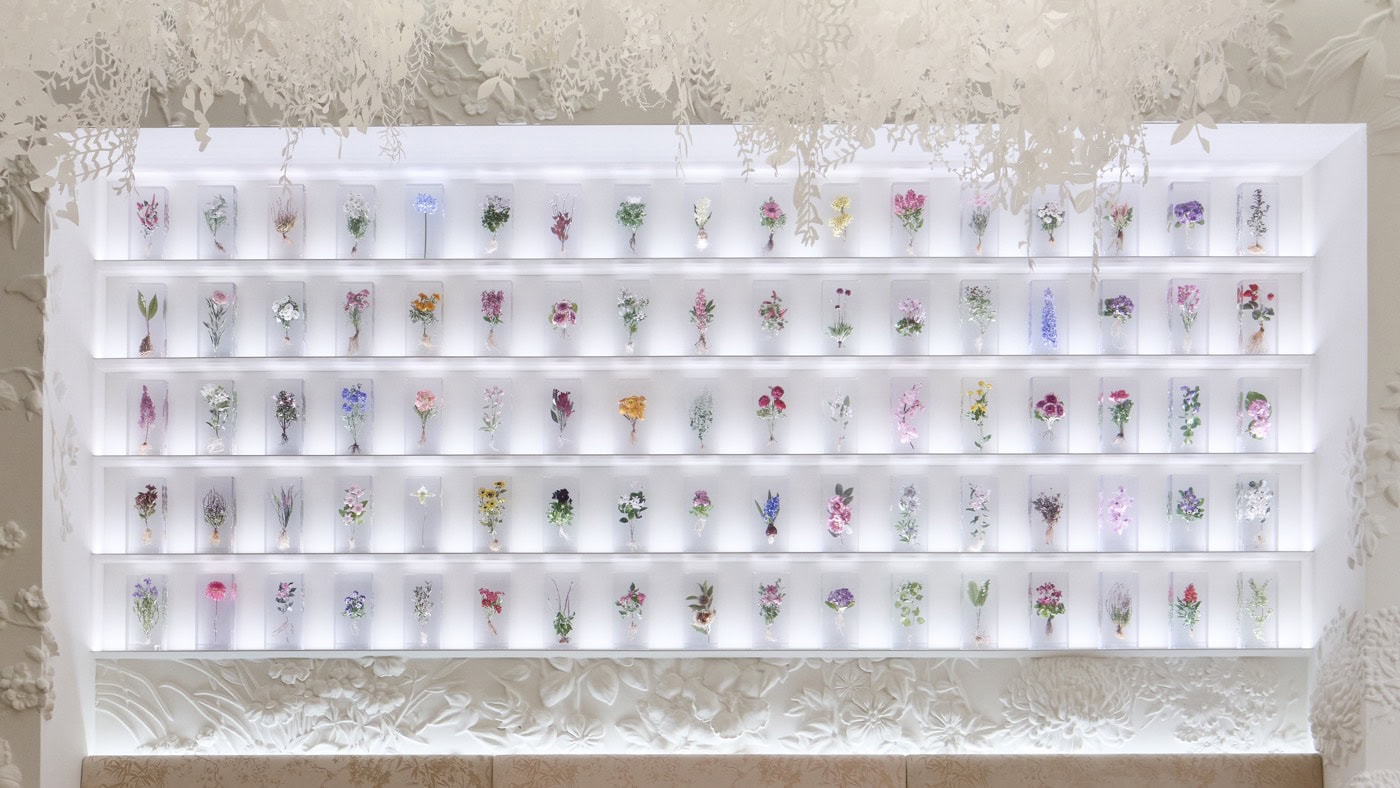
The dialogue between nature, design, and artistic experimentation also extends to Azuma Makoto’s floral installations. His works transform flowers and plants into compositions suspended in time, capturing their essence in a sort of contemporary herbarium. Immortalized within acrylic cubes, the renowned Block Flowers celebrate the special bond between flowers and Christian Dior, who considered them among his greatest sources of inspiration.
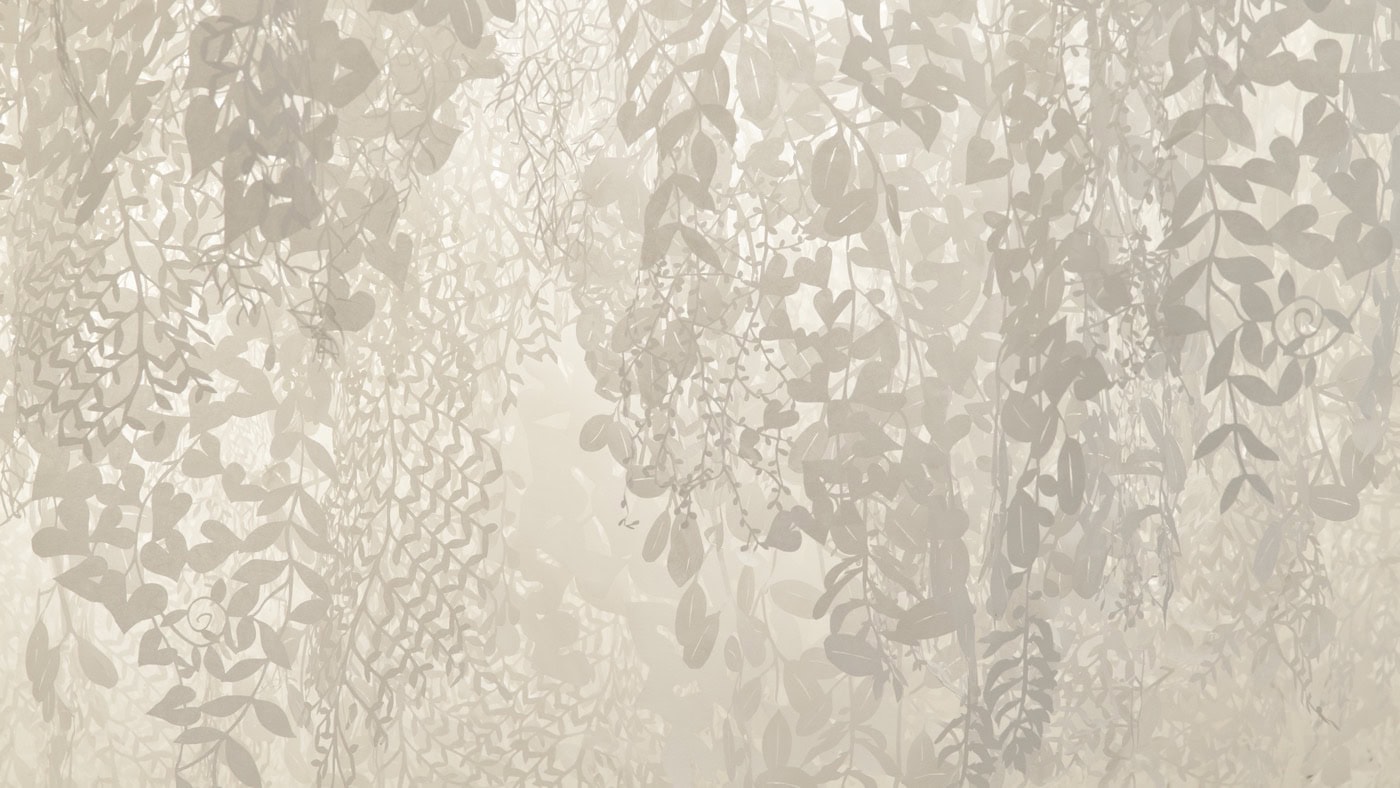
These compositions adorn the walls of the refined Le Café Dior, where an exquisite pâtisserie menu is curated by chef Anne-Sophie Pic. A subtle balance between nostalgia and innovation creates an almost magical atmosphere. The café, set with “Dior Maison” tableware, also features several surprising elements, including a chandelier by artist Ayumi Shibata: a cascade of delicate paper flowers descends from the ceiling, forming a suspended garden - a poetic tribute to the rose garden of Christian Dior’s childhood home in Normandy.
The indoor garden becomes a green oasis in the heart of Tokyo, evoking the profound connection between nature and imagination that has always defined the Maison’s identity.
In a project like the “Dior Bamboo Pavilion”, where technological research and artisanal savoir-faire are constantly intertwined, the contribution of artisans becomes essential.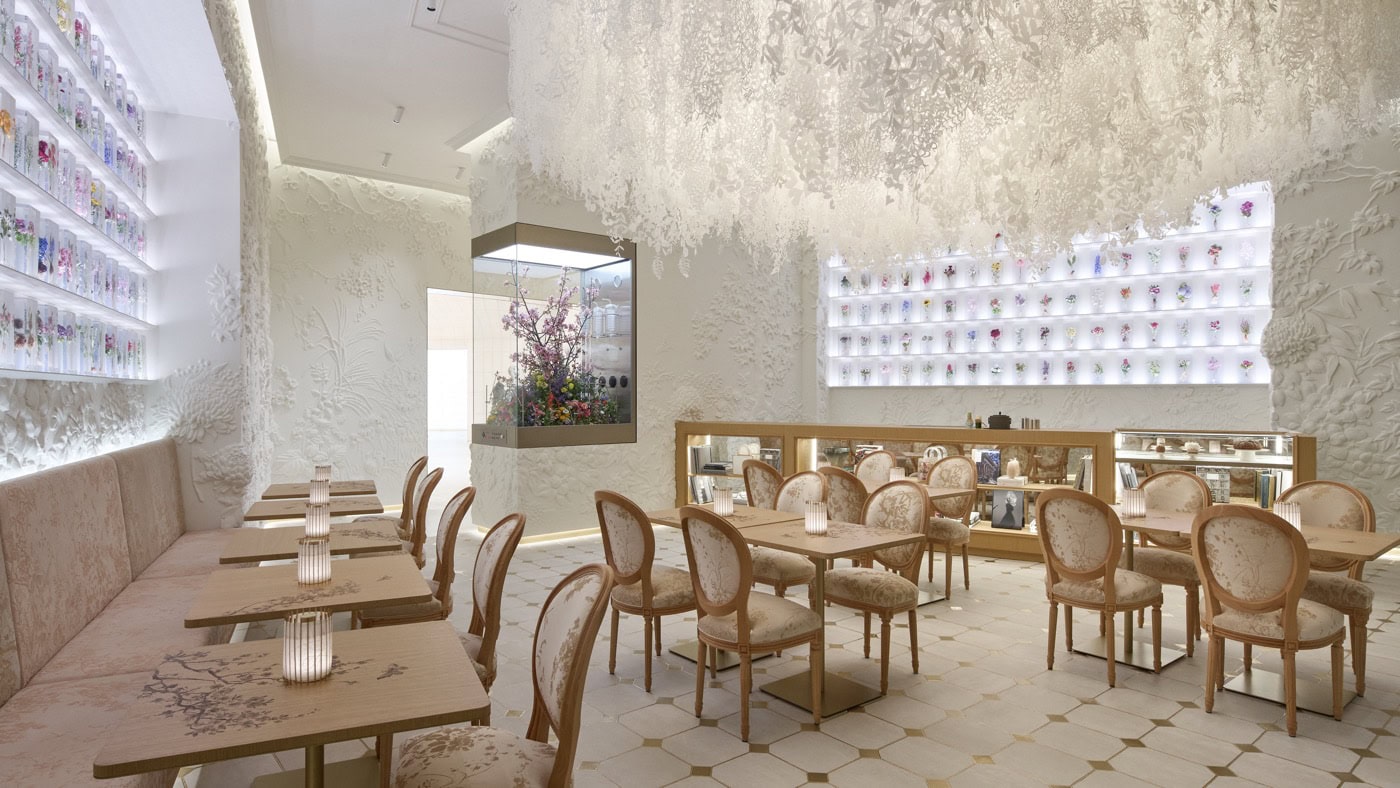
The “Dior Bamboo Pavilion”, an immense and extraordinary structure, seems to evoke all five senses. Yet, the strongest sensation it awakened in me was memory - the memory of fields of colorful and delicate flowers, the suspended stillness of Japanese gardens where time seems to slow down and every detail invites contemplation, and the scents of materials - so important to us architects - capable of telling stories even before being transformed into architecture or design.
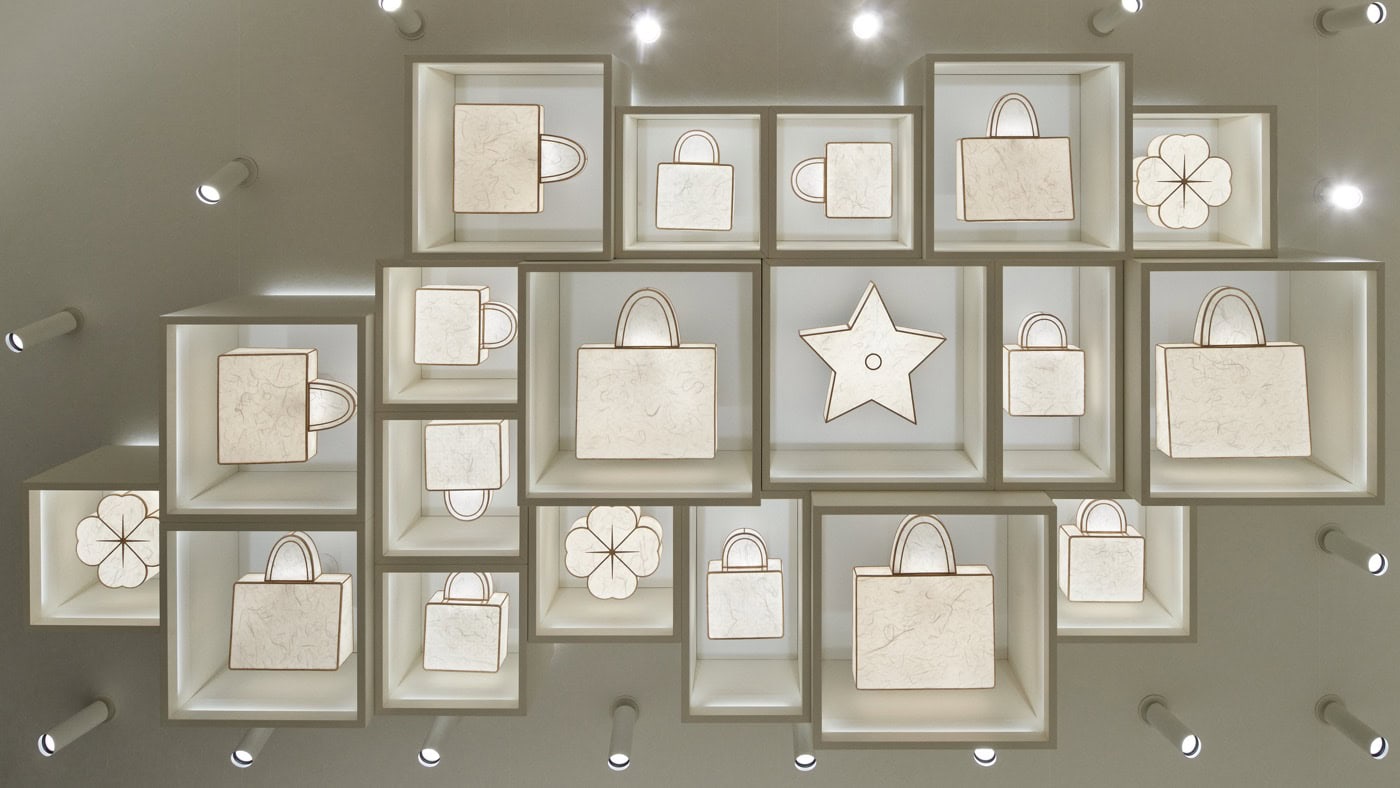
This sensorial and immersive dimension reveals how carefully the project was conceived to leave a lasting impression on visitors, inviting them to step into a large lantern and discover the universe of Dior. At its summit, the House’s symbolic star emerges, recalling the sign that has guided its destiny since 1947.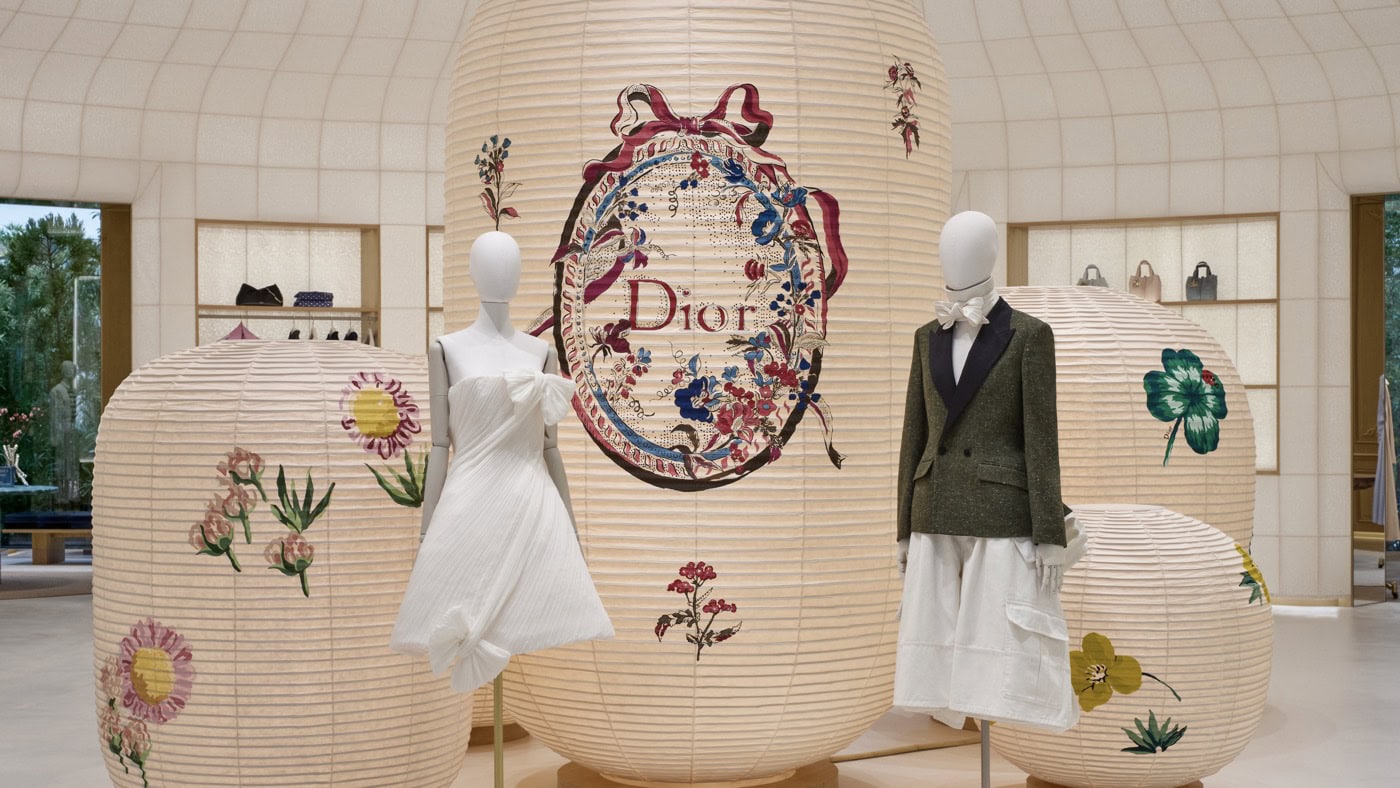
Visiting the “Dior Bamboo Pavilion” proved to be a valuable and instructive experience, offering insight into the work of artists and designers whose creations highlight the essential dialogue between craftsmanship, research, and human sensitivity.
During the visit, a series of personal sensations and memories also emerged. In particular, the presence of embroidered textiles evoked the exceptional savoir-faire of Dior’s ateliers, where skilled and unique artisans transform threads into refined expressions of craftsmanship, embodying a heritage of precision, patience, and creativity.
In that moment, I understood that the “Dior Bamboo Pavilion” is more than just a place where fashion, art, and architecture meet. It is also a space capable of triggering memories, emotions, and profound sensations, demonstrating how true luxury perhaps lies precisely in the ability to make us feel, once again, part of a story.

