

 日本語
日本語 English

From Myth to Daily Life: A Journey through Myths and Harmony across China and East Asian Cultures
At a closer look, the figure of the dragon deeply permeates the collective imagination of humanity. Its history stretches back nearly five thousand years, with its earliest traces emerging during the Bronze Age, in the Yellow River valley. After becoming a symbol of prosperity, cosmic harmony and wise authority, but also a creature capable of uniting different dimensions - terrestrial, aquatic and celestial - the dragon has inhabited myths, legends and tales, giving rise to a majestic and immediately recognisable aesthetic. For centuries, in this way, the dragon has found expression across a wide range of artistic forms, including painting, sculpture, architecture, textiles, and the decorative arts, with its fiery symbolism spreading across a vast cultural landscape in Eastern Asia, transcending geographical and cultural boundaries. Over the centuries, its meaning has also been transformed and adapted, eventually reaching also the Western world, where it has been reinterpreted through a different lens, often as a threatening or monstrous creature, yet retaining an equally potent symbolic and artistic significance.
But what is the true history and meaning of this legendary creature? An exhibition in Paris at musée du Quai Branly aims to shed light on the origins and layered meanings of this fabulous animal, which in the West is often depicted as a ferocious bearer of fire and destruction, an image far removed from its true nature, which is powerful and ambivalent, yet also wise and harmonious.
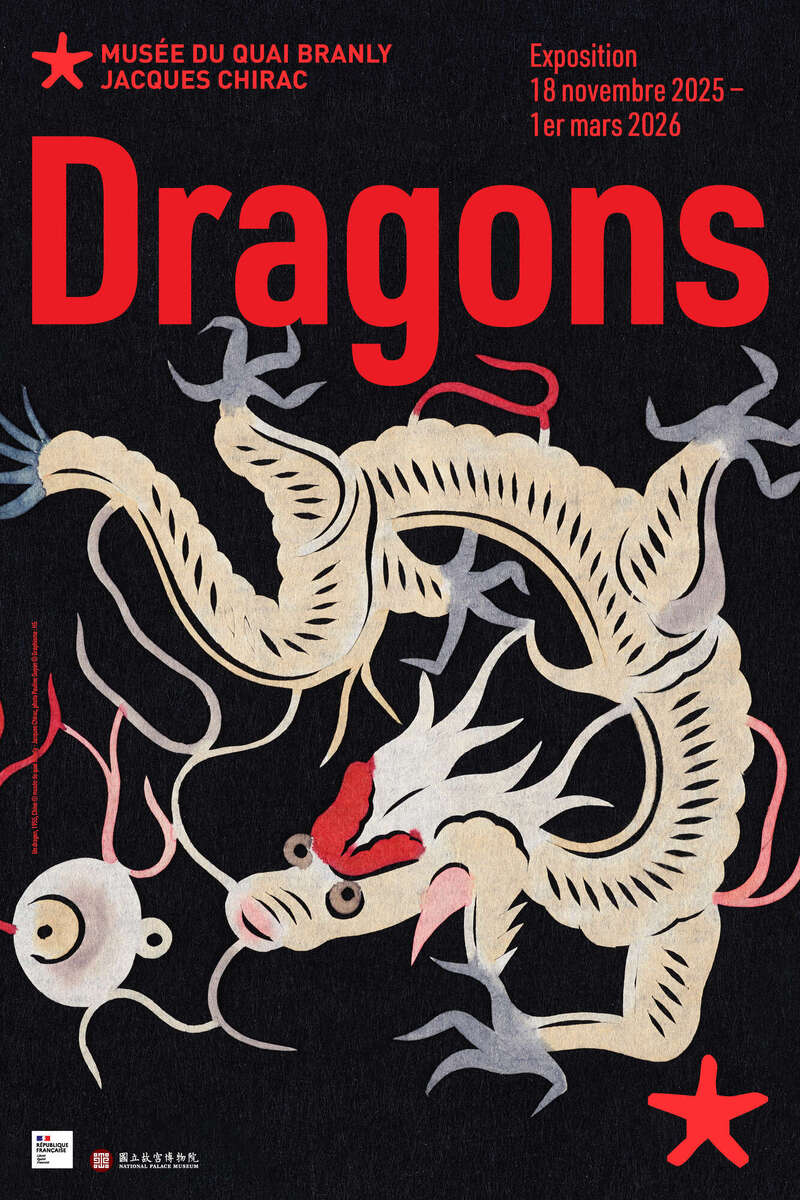
The first gallery of the exhibition takes visitors leads visitors back to the dawn of the dragon myth, which began to emerge in ancient narratives where mythical ancestors were depicted as hybrid beings, half human and half animal. In this context, dragons were associated with prominent legendary figures, from the Yellow Emperor, regarded as the founder of Chinese civilisation, to Shennong, worshipped in China as the god of agricultural technology. Nonetheless, the earliest material traces of the creature appear in the jades of the Hongshan culture (4700–2900 BC), notably in forms such as the dragon-pig: a small jade ornament characterised by tiny ears and a long body curled in on itself. Though not yet a dragon in its fullest sense, this figure already formally anticipates its silhouette, giving a glimpse of the symbolic power that the creature would later embody.
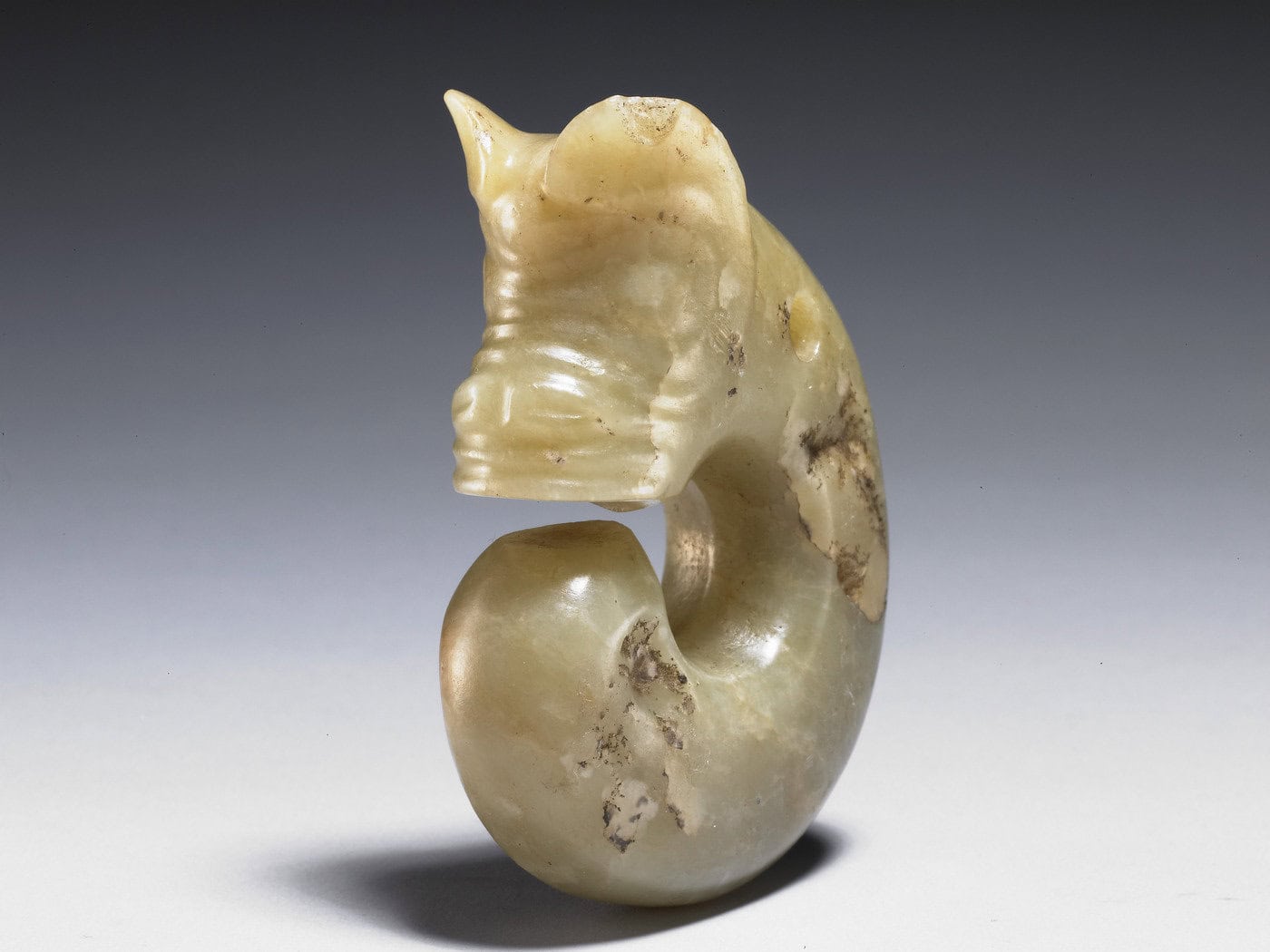
Figure 1 Dragon pig, China, late Hongshan culture (4700–2900 BCE), jade © National Palace Museum, Taipei, Inv. 購玉012547
Considered the supreme animal in the bestiary of this civilisation, the dragon thus emerged not only in jade, but also in calligraphy and in some of the most refined and precious artistic forms and materials …
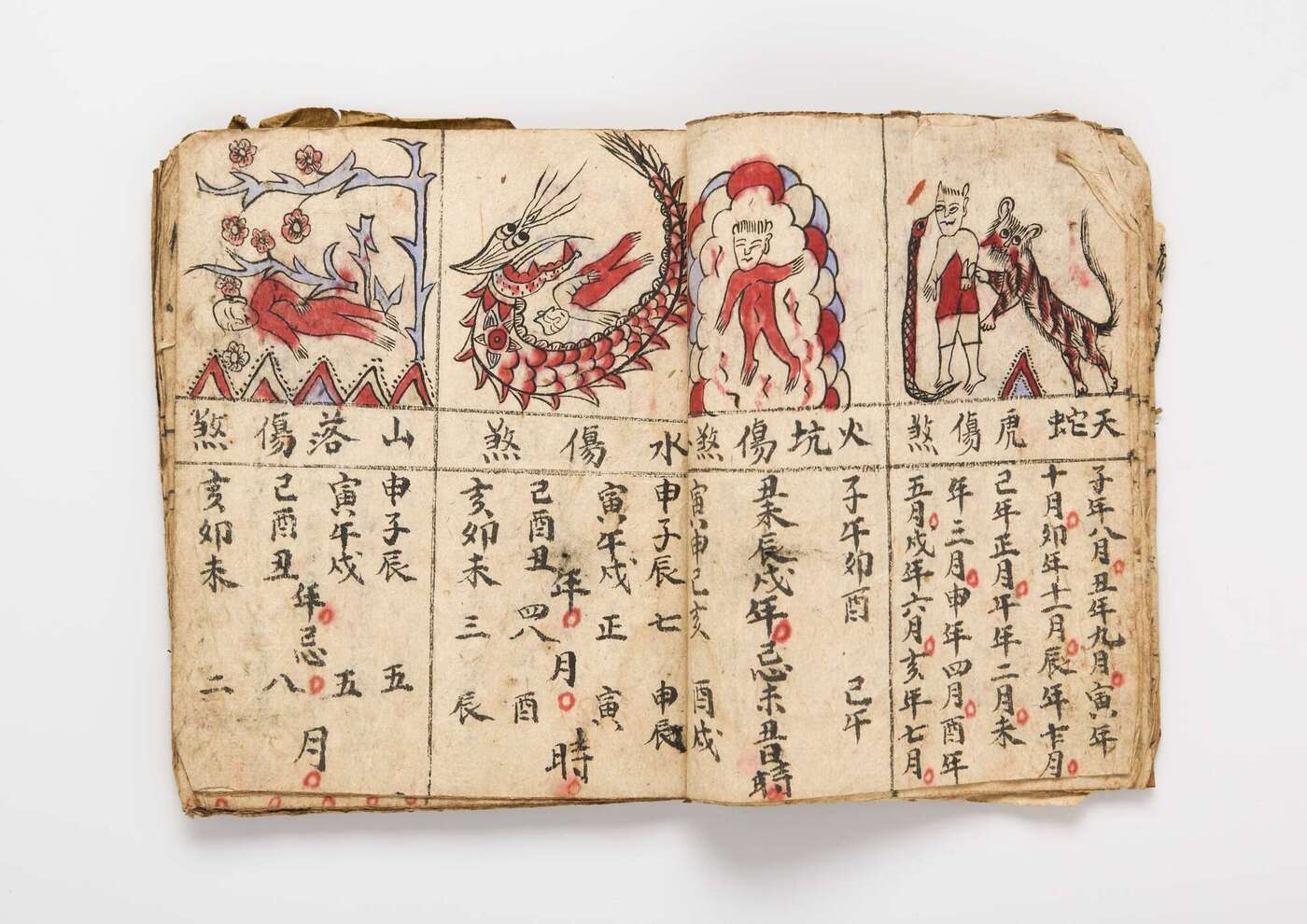
Figure 2 Square-format manuscript, bound with a cord, in Chinese characters and illustrated © musée du quai Branly – Jacques Chirac, photo Sylvain Leurent
The iridescent charm of the dragon, moreover, was not limited to the borders of China: its image and symbolism inspired neighbouring cultures, including Japan, where the creature found its own forms, demonstrating how myths and legends can unite different peoples within a shared imaginative world...
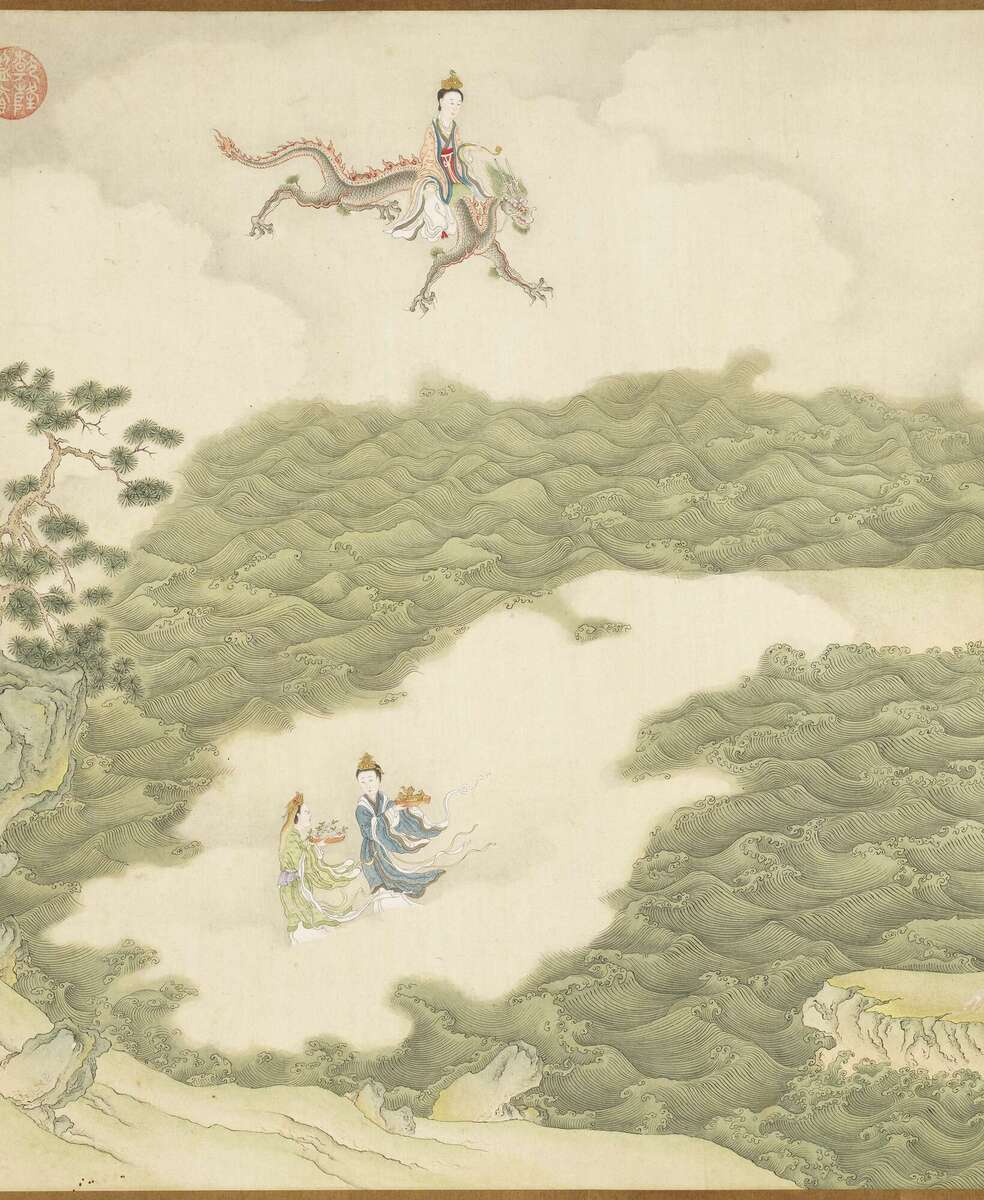
Figure 3 GU Quan, *Immortals*, after Ruan Gao, China, Qing dynasty (1644–1911), Qianlong reign (1735–1796),
The next gallery explores the dragon's power of metamorphosis. A celestial being born from the eastern constellation that heralds spring, the season of regeneration, the dragon is also an aquatic creature, capable of watching over the rains that ensure the prosperity of the agricultural economy on which the Empire depends, from the clouds or mountain peaks where it dwells. At the same time, the dragon has long accompanied human life and spiritual practice in many forms. Within the Buddhist tradition that later spread to China and Japan, it merged with the mythical Indian nāga serpent, one of the mystical guardians of Siddhartha Gautama and his disciples on the path to enlightenment …
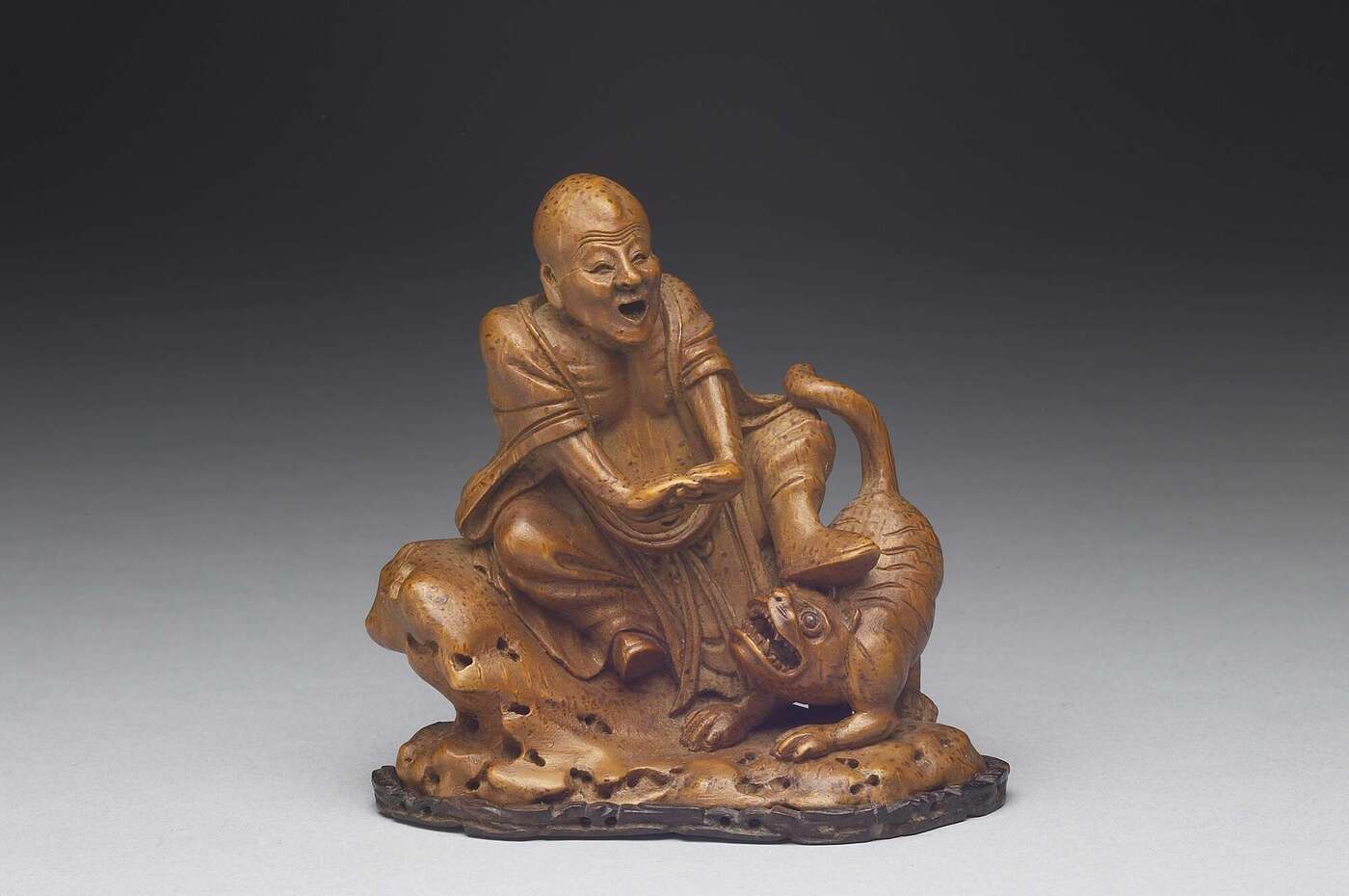
Figure 4 Luohan taming a tiger, China, early Qing dynasty (1644–1911), carved bamboo © National Palace Museum, Taipei, Inv. 故雕000171
In other legends, the dragon originated from a carp that, after bravely battling the turbulent waters of the Dragon Gate, ascended to the heavens and transformed itself into the majestic creature. These narratives, echoed in comparable legends from ancient Japan, show how the myth of the dragon promotes values shared across East Asian cultures: perseverance, moral virtue, and a profound harmony between man and nature ...
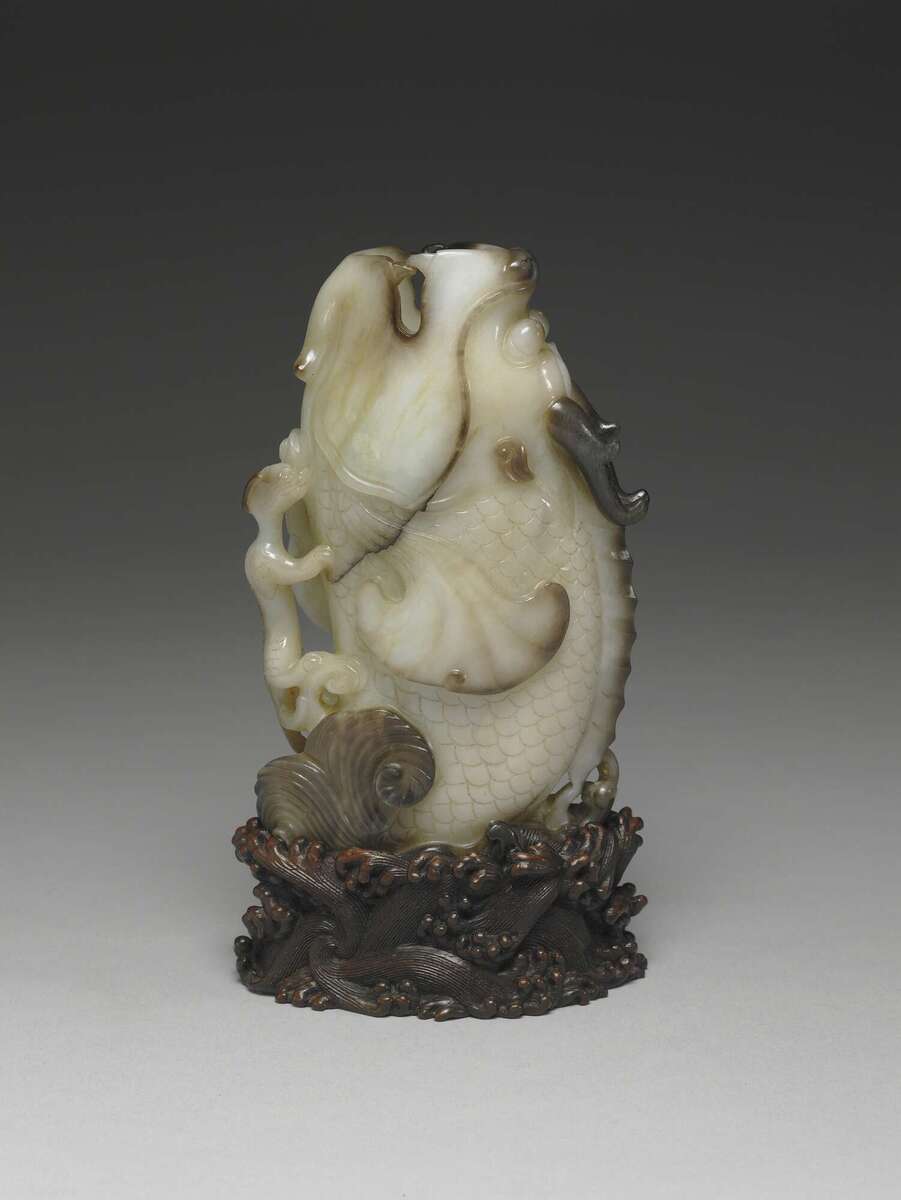
Figure 5 Flower holder in the form of a fish-like creature, China, Ming dynasty (1368–1644), jade © National Palace Museum, Taipei, Inv. 故玉002171
The third gallery examines the central role of the dragon in the history of the Chinese empire, where it became a powerful symbol of authority, order and harmony between heaven, earth and humanity. Associated with the emperor as a royal emblem, the yellow five-clawed dragon embodied not only political power, but also the spiritual duties of the sovereign: guardian of the Mandate of Heaven, commander of the armies and master of rituals …
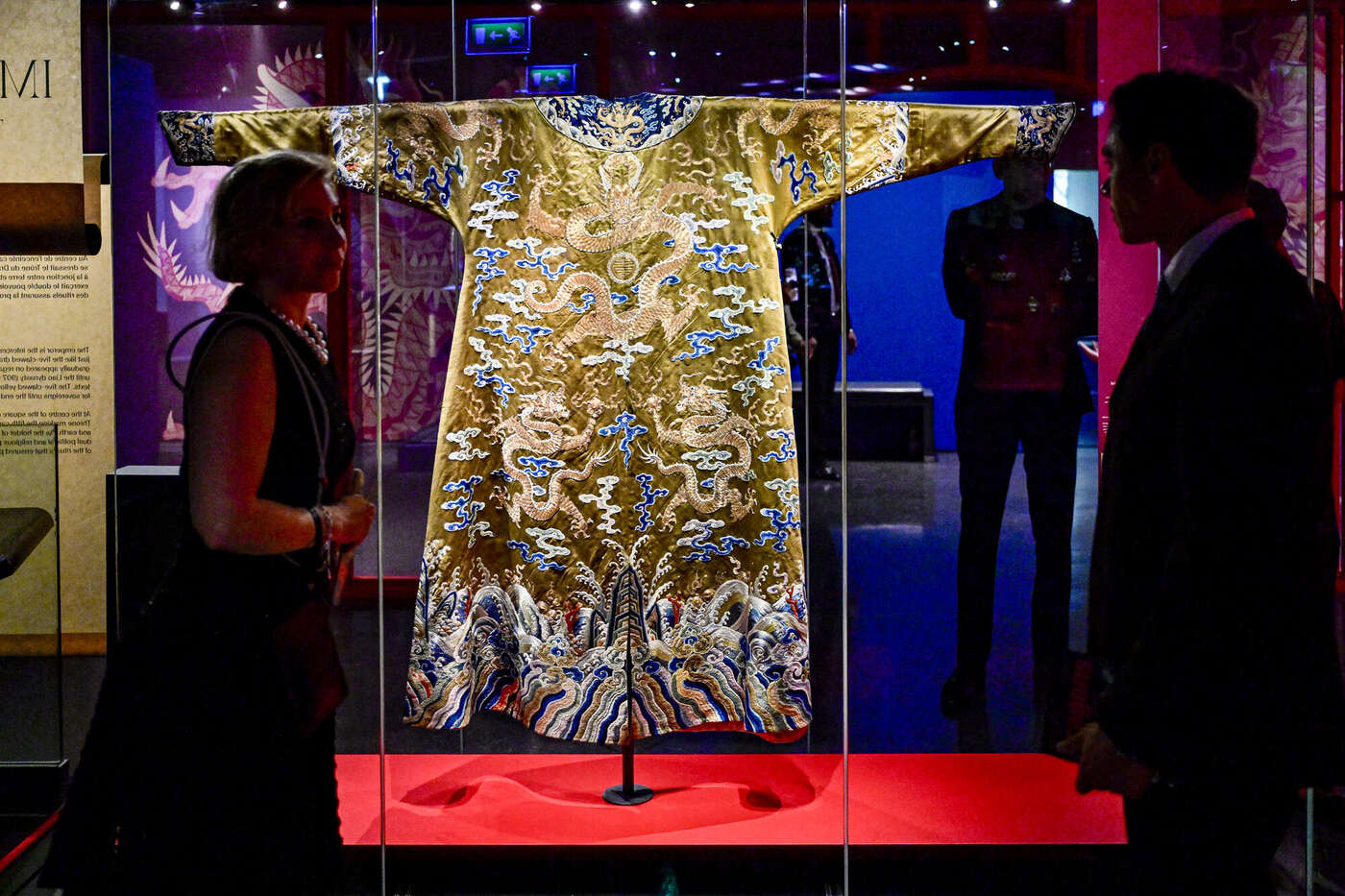
Figure 6 View of a dragon robe © musée du quai Branly - Jacques Chirac, photo Thibaut Chapotot
Believed to guarantee prosperity and stability across the Chinese empire, the dragon had been depicted on royal and ritual objects from early times; nevertheless, the exclusive association with the emperor was formally codified only during the Liao dynasty, cementing the yellow dragon as a symbol of imperial authority until the fall of the empire in 1911 …
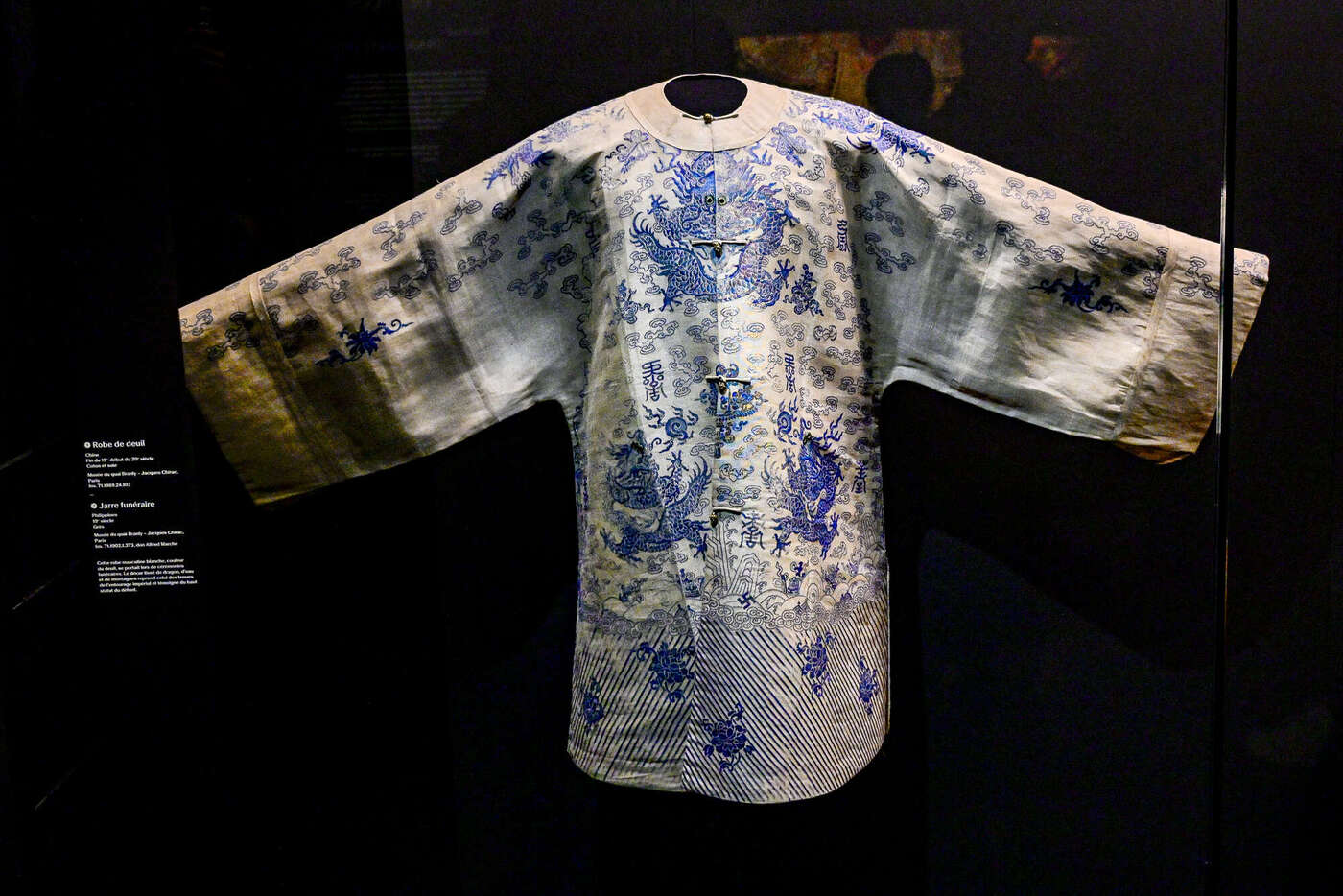
Figure 7 View of a dragon robe © musée du quai Branly - Jacques Chirac, photo Thibaut Chapotot
At the centre of the imperial palace, the dragon throne represented the meeting point between earth and sky, the fifth cardinal direction of a microcosm crystallising the universal order. Every gesture of the emperor, every ceremony and sacrifice, was intended to maintain harmony between humans and nature: the dragon, symbol of water and rain, was omnipresent in the ritual decorations, a constant reminder of responsibility and balance. Beyond its political and religious significance, the dragon also permeated everyday life and art, appearing all throughout the architecture of the palace, in doors, furnishings, personal objects …
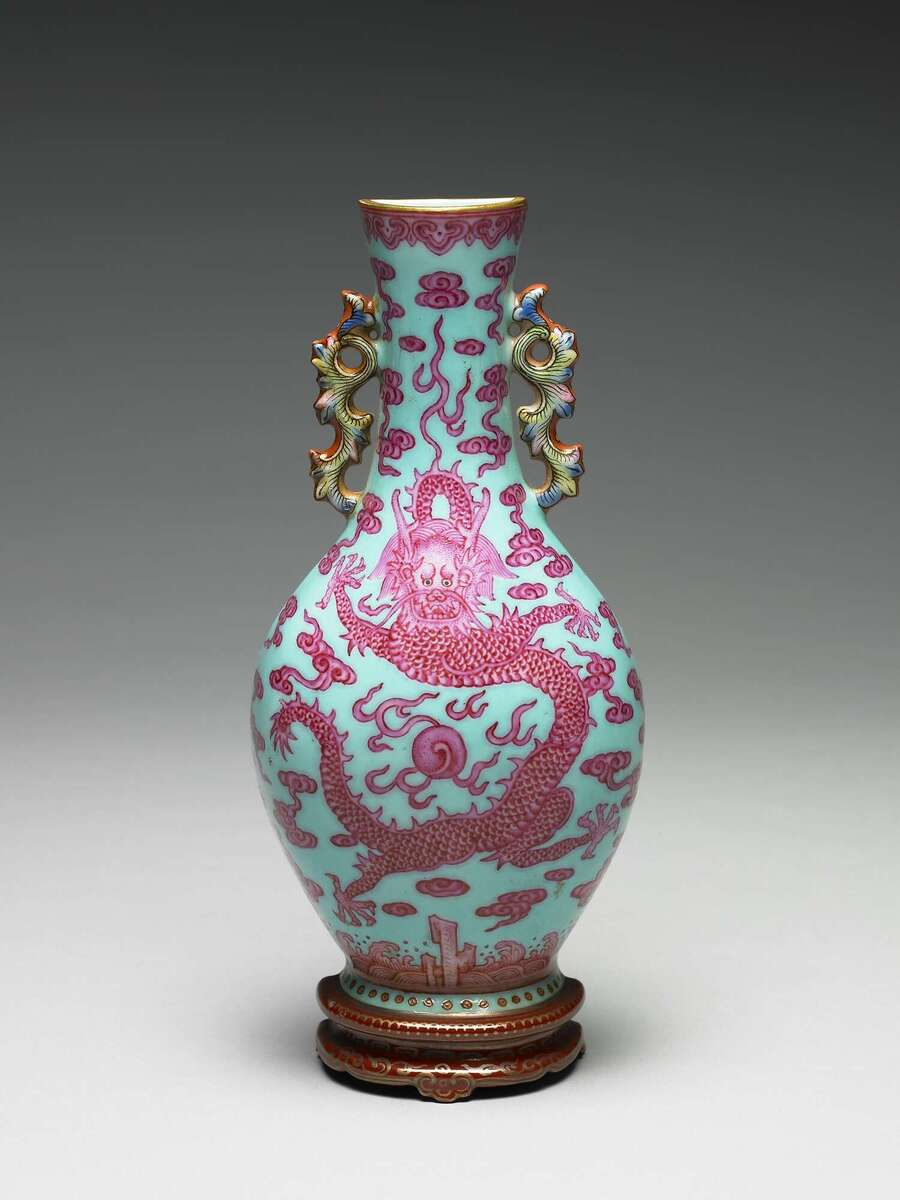
Figure 8 Vase with dragon decoration. © National Palace Museum, Taipei
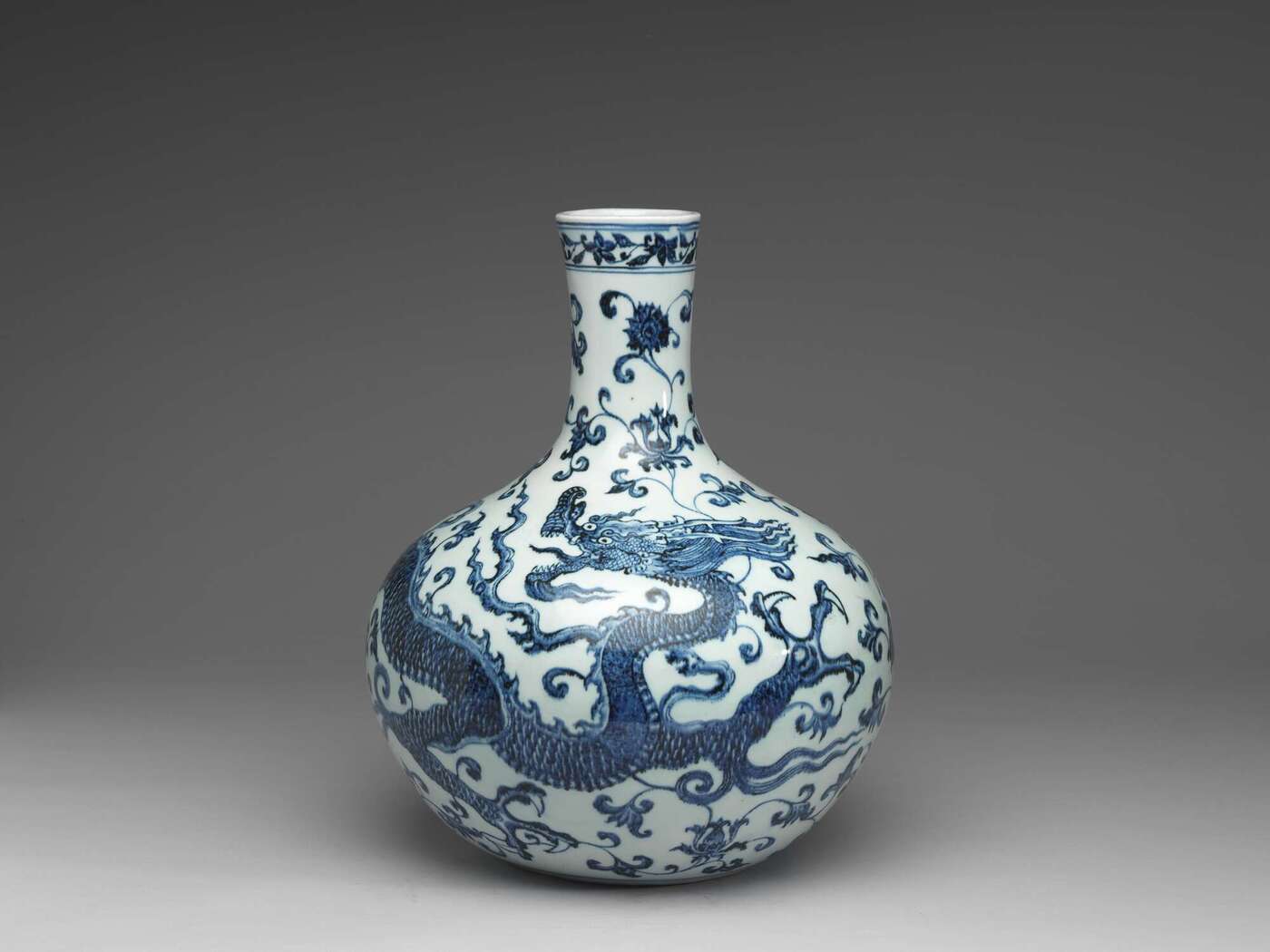
Figure 9 Vase with dragon decoration. © National Palace Museum, Taipei
That being said, the influence of the dragon also extended beyond politics to shape landscapes and artistic compositions. In feng shui, waterways and mountains were seen as the dragon's arteries - channels of qi that sustain the vital balance between man and nature. Though invisible, the dragon would inhabit mountains and hills, awakening in spring, rising into the skies and transmitting life-giving energy to the earth. Artists such as Wang Yuanqi, in the Qing period, perceived these flows as the very essence of the landscape, its source of inner vitality and a guiding principle for pictorial composition. Although deeply rooted in Chinese tradition, the concept of harmony between man, nature and heaven evoked by the dragon finds resonance in many neighbouring cultures, where similar principles inspired architecture, art and daily rituals...
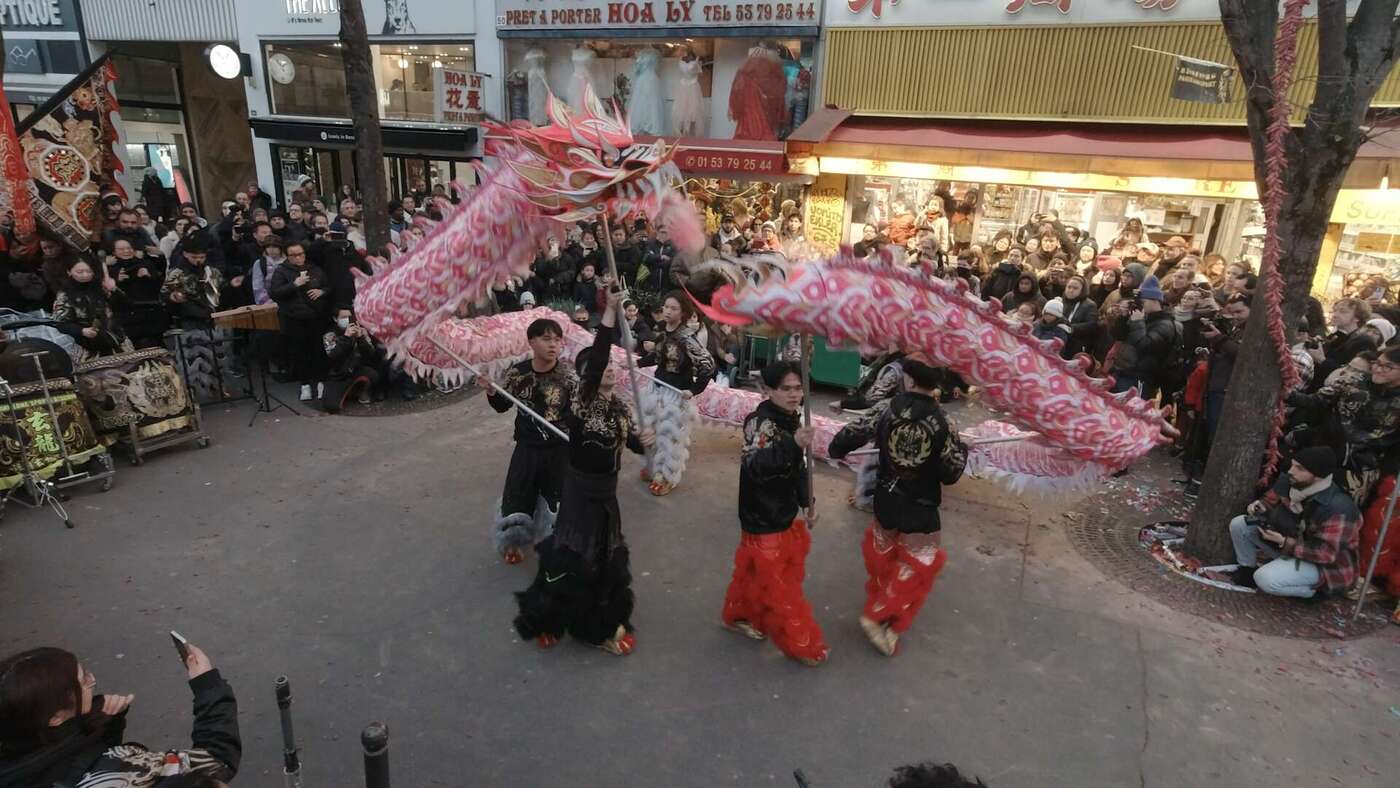
Figure 10 Performance during the Lunar New Year 2025, Paris 13th arrondissement © Paris Lion Sport Association
And today? A lively companion in dance and festivities, the dragon takes the stage alongside the lion in spectacular acrobatic performances that brighten the Lunar New Year in China and enliven local festivities. Its movements, inspired by martial arts and the gestures of animals, blend strength, grace, warding off evil spirits to the beat of drums and firecrackers, while aligning the invisible energies of each place in harmony with feng shui.
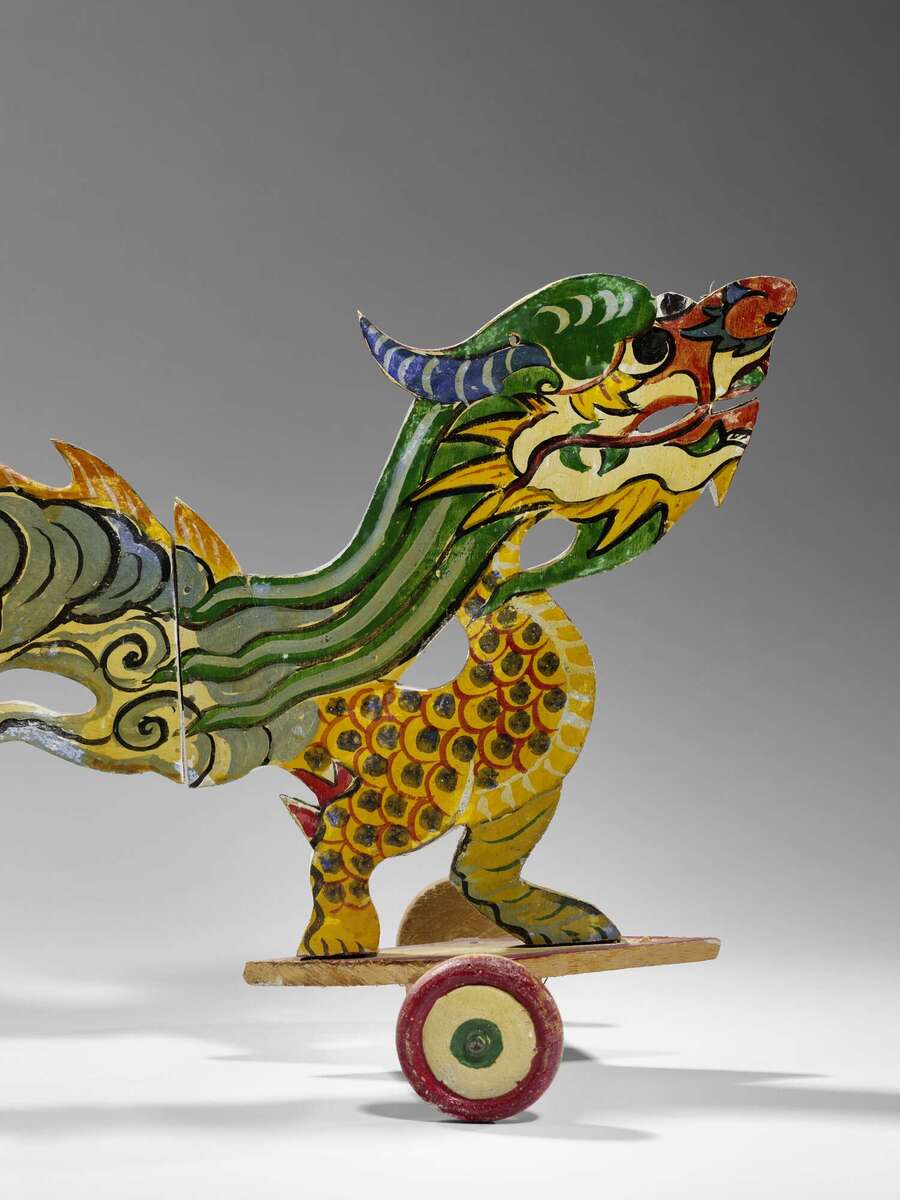
Figure 11 Cut wooden toy in the shape of a polychrome dragon with a flame-like body, its legs mounted on wheels © musée du quai Branly – Jacques Chirac, photo Pauline Guyon
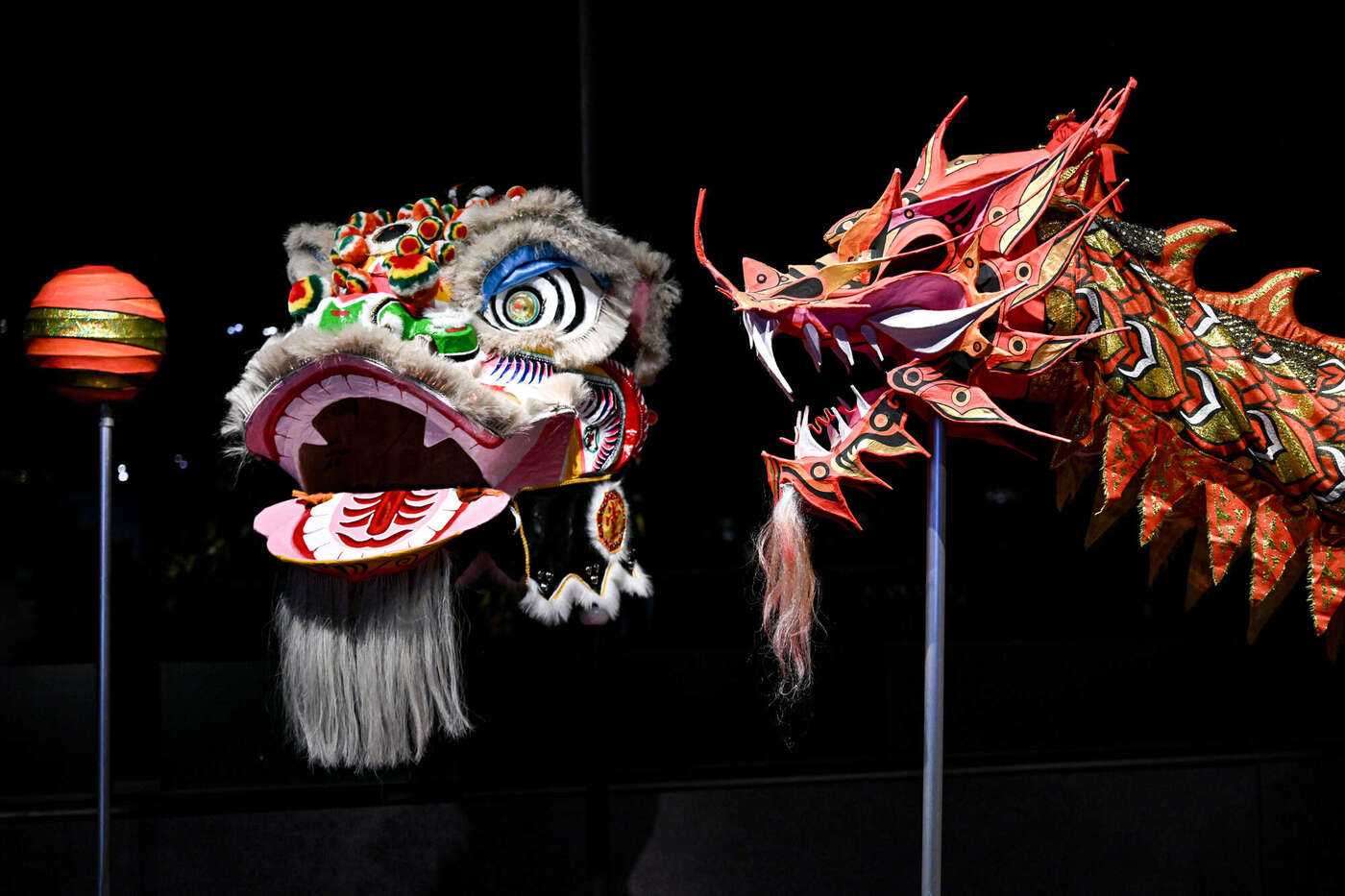
Figure 12 Dragon masks © musée du quai Branly - Jacques Chirac, photo Thibaut Chapotot
Across five millennia of history, the dragon has never disappeared: both mythical and universal, it continues to inspire and connect people and communities, in China, Japan, and beyond, a reminder that myths, symbols and artistic beauty can become bridges of friendship and harmony between cultures.

