日本語
日本語 English

Can our contemporaneity, still with its fractures, be imbued with joie de vivre? An exhibition focused on Renoir at the musée d’Orsay in Paris examines this question
How can art interpret our modernity? On closer inspection, since the Second World War, the notion of a linear advancement of humanity driven by rationality and progress has been irrevocably fractured: wars, pandemics, environmental degradation, and the crisis of truth within the informatic age have revealed the ambivalent - and often destructive - character of modern development. This dimension of the contemporary world has found in art a privileged field of interpretation, from the Abstract Expressionism of Jackson Pollock, who translated existential despair into gesture and colour, to Arnaldo Pomodoro, for whom the Platonic perfection of the sphere, ‘so beautiful, so mysterious, was no longer suited to our times and had to be destroyed’ …
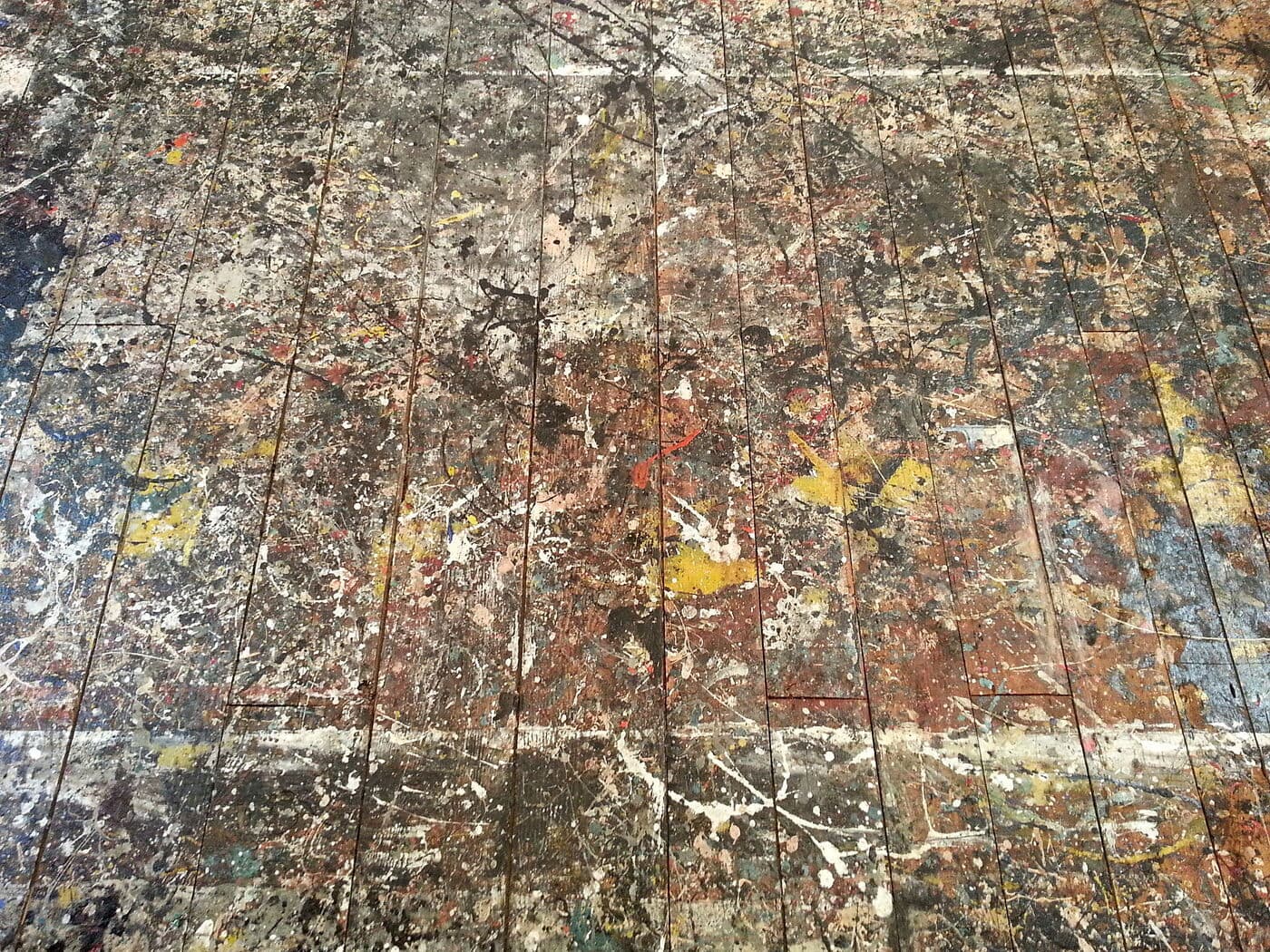
Figure 1 Studio floor used by Jackson Pollock at the Pollock-Krasner House and Study Center in Springs, New York. Author: Rhododendrites. Image licensed under the Creative Commons Attribution-Share Alike 4.0 International license.
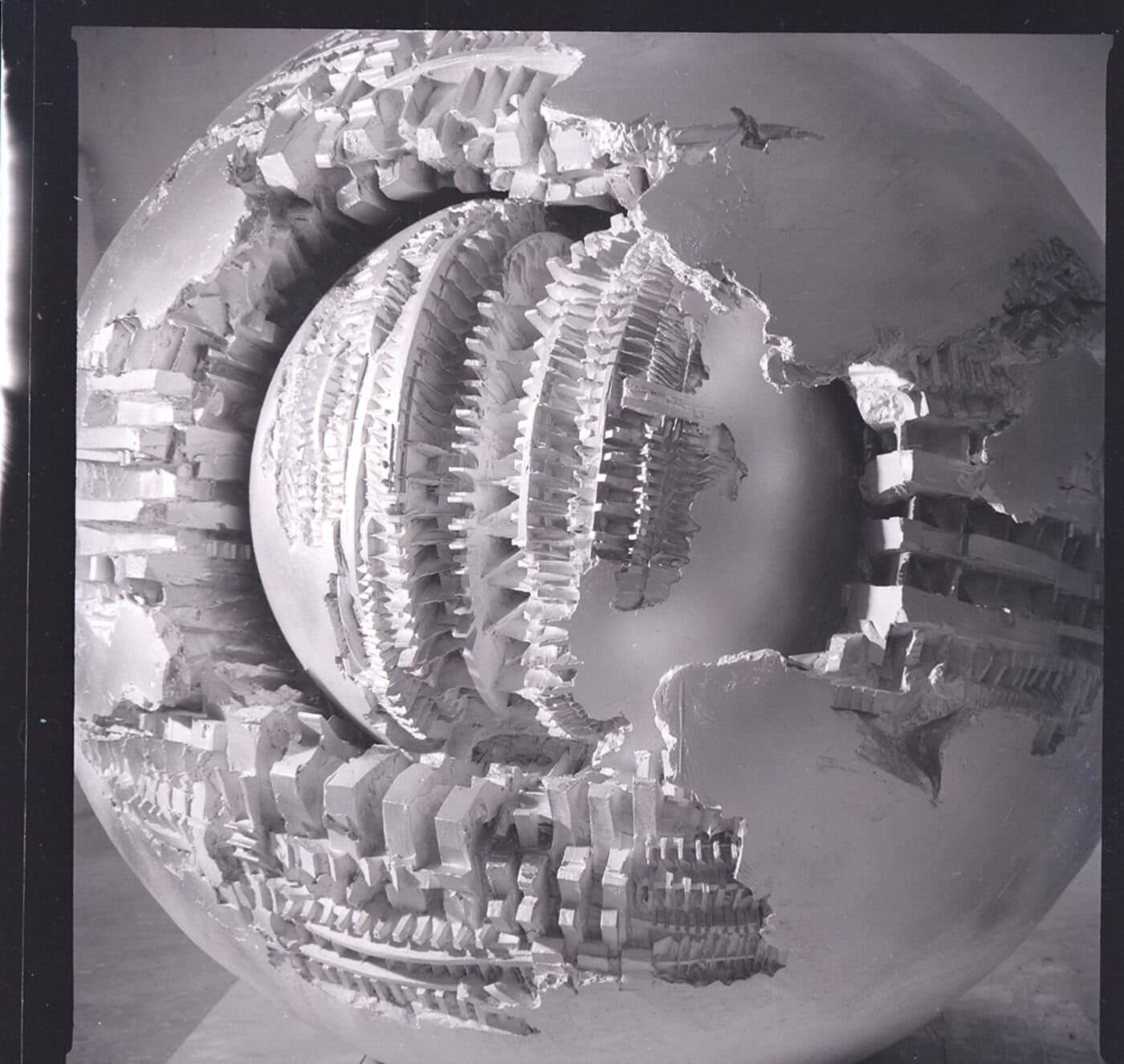
Figure 2 Paolo Monti, Sfera (1965). Image licensed under the Creative Commons Attribution-Share Alike 4.0 International license.
Is this, however, the sole lens through which modernity can be understood? What if an alternative reading could emerge, one that draws upon happiness, connection, love and joie de vivre? Even before the upheavals of the so-called ‘short century’, yet within a context already plagued by wars, violence and virulent tensions, a distinct voice took shape: that of Pierre-Auguste Renoir. His work counters our often tragic and disenchanted vision of the contemporary world with a pictorial language suffused with light, colour and sensuality. From this perspective, Renoir conceived art not as an instrument of denunciation, but rather as a vital sphere of balance and fulfilment where he could express, with a gentle yet profound emotional intensity, the memory of each visual impression that had moved him, in the spirit of a sincere and wholehearted enthusiasm for existence. It is precisely to Renoir’s enduring association with a peinture du bonheur that forms the focus of the exhibition ‘Renoir et l’amour’, currently on view at the Musée d’Orsay in Paris through July 2026.

Figure 16 Pierre-Auguste Renoir (1841–1919), Le Déjeuner des Canotiers, 1880–1881, Oil on canvas, 130.2 × 175.6 cm, Washington D.C., The Phillips Collection, purchased in 1923, 1637, Photo courtesy of The Phillips Collection, Washington, D.C. Service presse / The Phillips Collection.
It is the year 1874: in this moment Impressionists presented their first independent exhibition, marking a decisive break from the rigid conventions of the Beaux Arts. In fact, they distanced themselves from the controlled, idealised language of tradition, choosing instead a pictorial practice grounded in light and colour as the fundamental instruments through which reality could be perceived. Painting en plein air became central to their approach, allowing them to capture fleeting atmospheric conditions and the immediacy of our visual experience. Furthermore, in place of mythological and religious figures or traditional narratives, they turned toward the modern world itself - its environments, its myths, its everyday protagonists - finding within contemporary life a new poetic dimension, grounded in the ordinary yet infused with fleeting impressions of beauty.
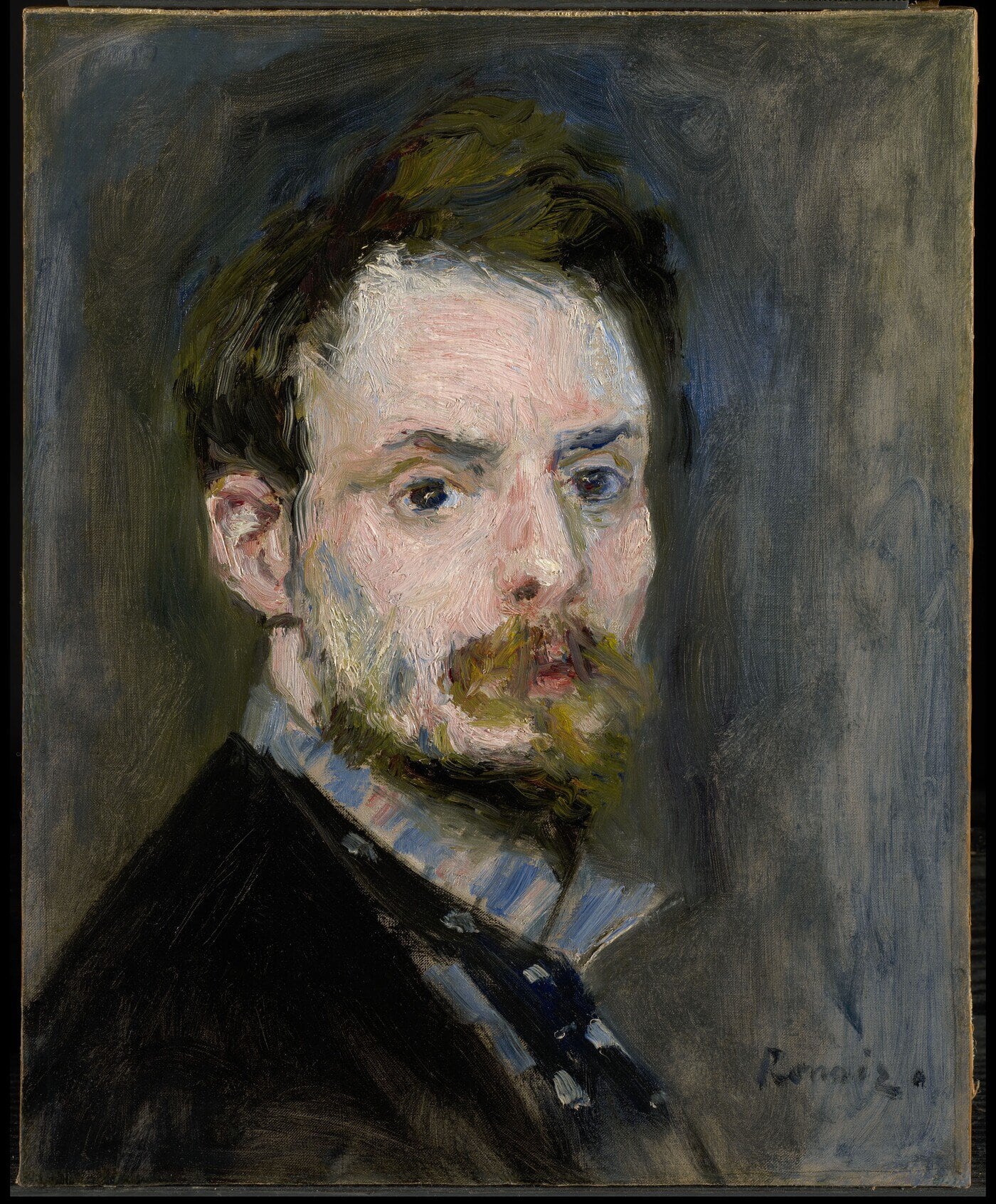
Figure 3 Pierre-Auguste Renoir (1841–1919), Self-Portrait, around 1875, Oil on canvas, 39.1 × 31.6 cm Williamstown, Clark Art Institute, 1955.584 Acquired by Sterling and Francine Clark before 1955 Image courtesy of the Clark Art Institute. clarkart.edu

Figure 4 View of the exhibition. Photo by Allison Bellido Espichan
Among the most fervent proponents of this renewed approach to art stood right Pierre-Auguste Renoir. Born into a family of modest artisans and initially trained as a porcelain painter, he soon turned his attention toward painting in its highest aspirations, pursuing further study at the École des Beaux-Arts, before distancing himself from its academic milieu in favour of the realism of Gustave Courbet and Édouard Manet. This phase corresponded to a moment of marked uncertainty in his biography: the opening section of the exhibition is devoted to this bohemian mode of life, characterised by a deliberate departure from bourgeois conventions.
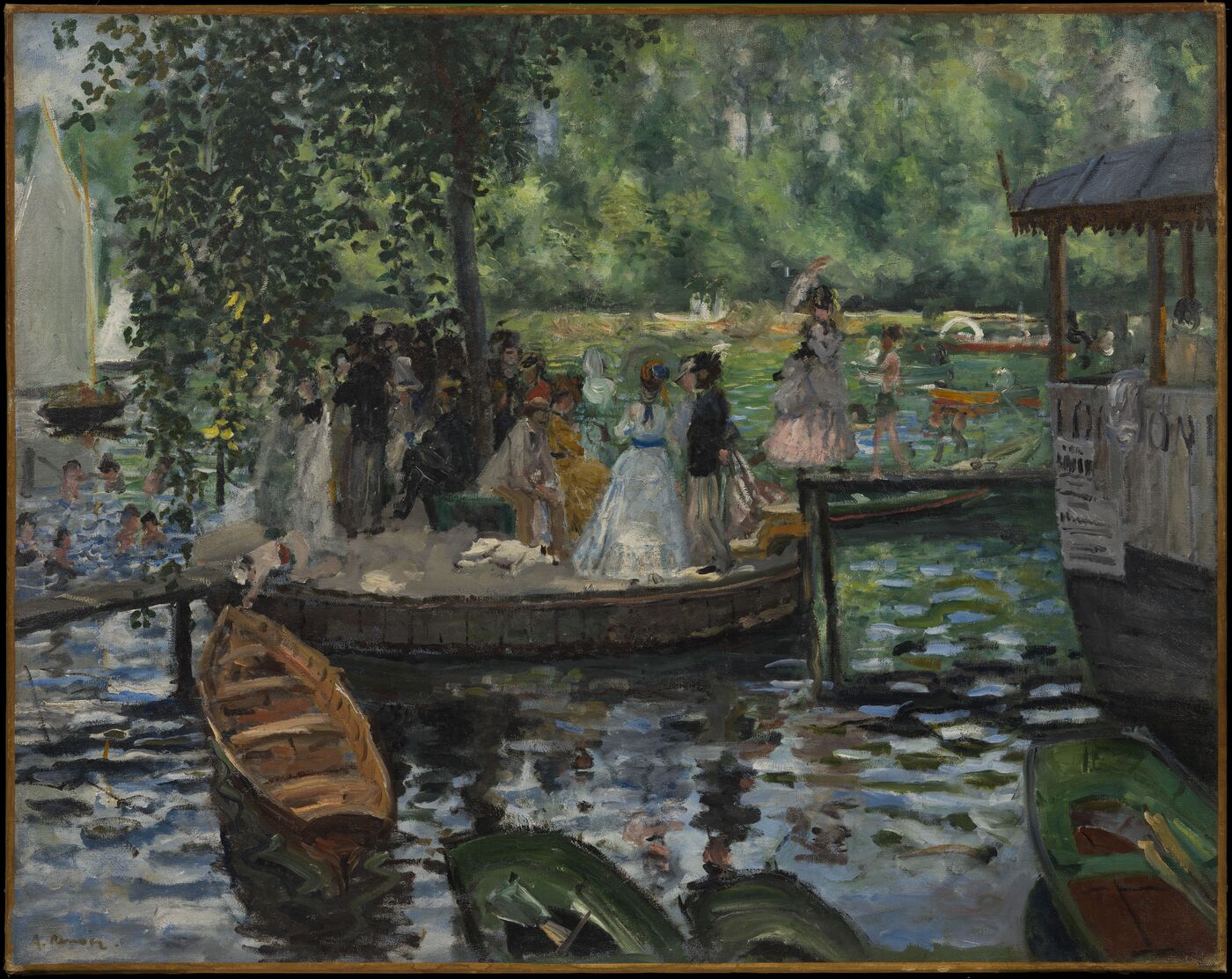
Figure 5 Pierre-Auguste Renoir (1841–1919) La Grenouillère, 1869, Oil on canvas 66.5 × 81 cm Stockholm, Nationalmuseum, donated in 1924, donor unknown, through the Friends of the Nationalmuseum, NM 2425 Photo: Anna Danielsson / Nationalmuseum. Service presse / Nationalmuseum.
Particularly prominent is Le Cabaret de la mère Antony, in which Renoir captured the spirit of freedom, friendship and camaraderie that animated the Impressionist circle. The scene presents a group of friends gathered around a table in a well-known tavern in Fontainebleau, absorbed in the idyll of a shared meal, where social distinctions dissolve and the pleasure of collective presence takes precedence. On the rear wall, a caricature of Henry Murger, author of Scènes de la vie de bohême (1851), is visible, encapsulating with subtle irony the pleasures of bohemian life that the work itself seems to evoke and celebrate.

Figure 6 Pierre-Auguste Renoir (1841–1919), Le Cabaret de la mère Antony, 1866, Oil on canvas, 194 × 131 cm, Stockholm, Nationalmuseum, donated in 1926 by the Friends of the Nationalmuseum, NM 2544, Photo Nationalmuseum. Service presse / Nationalmuseum.
In the 1870s, as his involvement in the exhibitions of the Impressionist circle grew more sustained, Renoir also deepened his exploration of the human figure set within a landscape. What better pictorial subject for this theme than the popular festivals of Montmartre, then still marked by its rural and working-class character? In these compositions, echoing in renewed form the fêtes galantes of Watteau and Fragonard, figures appear in an atmosphere of luminous vibrancy, rendered through airy and scintillating colours. Men and women occupy the pictorial space with a sense of ease and parity, immersed in an atmosphere of light-heartedness and shared happiness …

Figure 7 Pierre-Auguste Renoir (1841–1919), La Promenade, 1870, Oil on canvas, 81.3 × 64.8 cm, Los Angeles, The J. Paul Getty Museum, 89.PA.41, Image courtesy of the J. Paul Getty Museum. Service presse / J. Paul Getty Museum.
Just as in Bal au moulin de la galette, on display in the exhibition, interactions flow spontaneously, devoid of tension or hierarchy, and arise instead from an immediate sense of “elective affinities” and a serene sense of companionship…
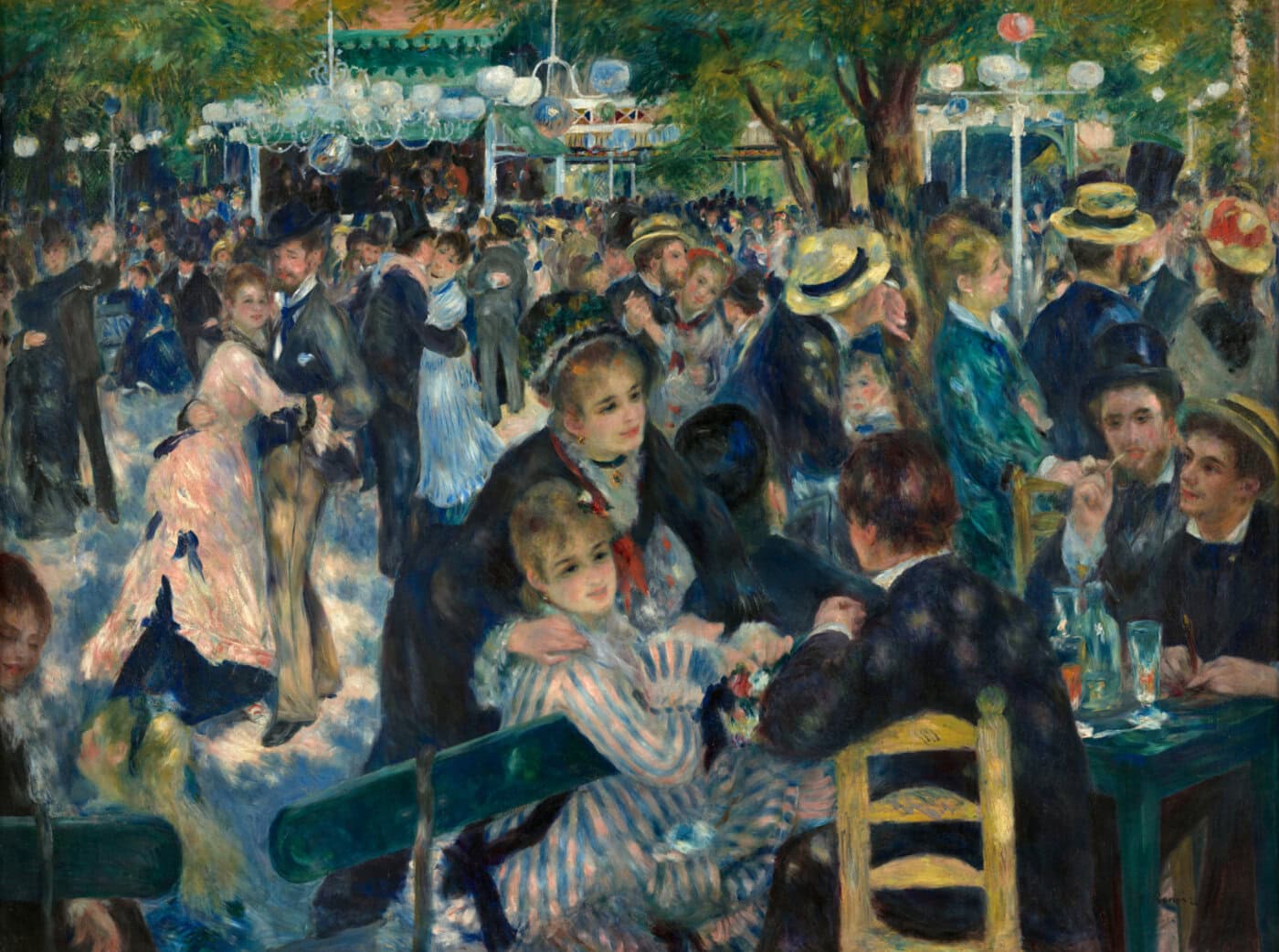
Figure 8 Pierre-Auguste Renoir (1841–1919), Bal au moulin de la galette, 1876, Oil on canvas, 131.5 × 176.5 cm, Paris, Musée d’Orsay, bequest Gustave Caillebotte, 1896, RF 2739, © photo: Musée d’Orsay, Dist. RMN-Grand Palais / Mathieu Rabeau. Service presse / Musée d’Orsay.
Renoir grew up in the very heart of Paris, near the Louvre. It was therefore natural for him to develop an early and almost magnetic attraction to metropolitan existence, in all its cosmopolitan effervescence. Numerous works are devoted to public spaces -boulevards, cafés, restaurants, theatres - understood not as mere urban settings, but as privileged sites of encounter, exchange, and seduction …
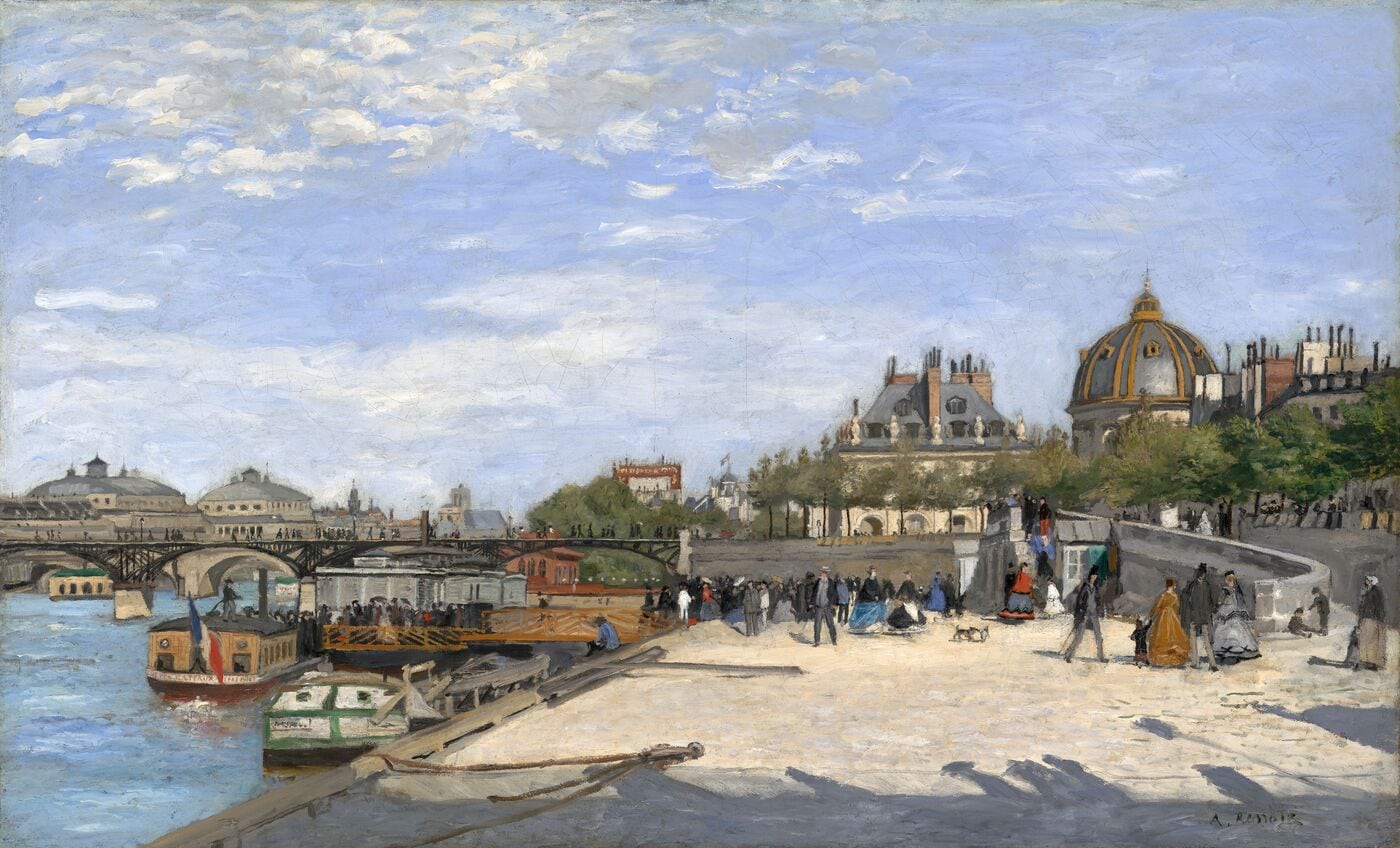
Figure 9 Pierre-Auguste Renoir (1841–1919), Le Pont des Arts, Paris, 1867–1868, Oil on canvas, 60.9 × 100.3 cm, Pasadena, Norton Simon Museum, The Norton Simon Foundation, F.1968.13.P, Photography by Gerard Vuilleumie. Service presse / Norton Simon Museum.
In contrast to other nineteenth-century artists and intellectuals, such as Edgar Degas and Émile Zola, who tended to emphasise the loneliness and the sometimes transactional nature of relationships between men and women, Renoir instead advances a different urban vision, one in which the city becomes a field of harmonious and spontaneous relationality …

Figure 10 Pierre-Auguste Renoir (1841–1919), Les Grands Boulevards, 1875, Oil on canvas, 52.1 × 63.5 cm, Philadelphia, Philadelphia Museum of Art, The Henry P. McIlhenny Collection, in memory of Frances P. McIlhenny, 1986-26-29, Image courtesy of the Philadelphia Museum of Art. Service presse / Philadelphia Museum of Art.
Within these scenes, he celebrates a sociality founded on reciprocity, on the pleasure of shared presence, and on conversation - that is, the art of forging bonds through listening and speaking …
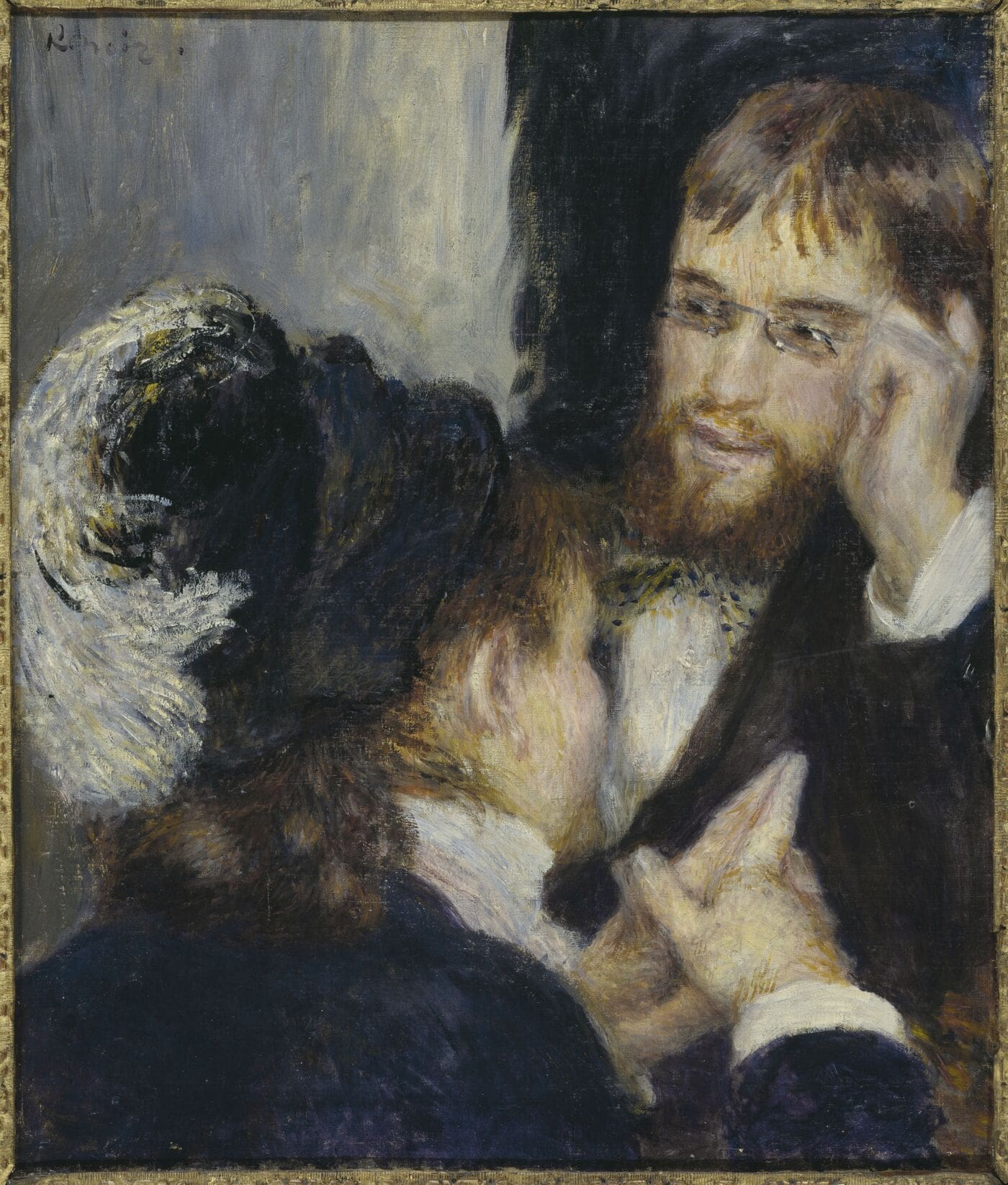
Figure 11 Pierre-Auguste Renoir (1841–1919), La Conversation, 1878, Oil on canvas, 45 × 38 cm, Stockholm, Nationalmuseum, purchased in 1918 with the contribution of Conrad Pineus and G.A. Kyhlberger, NM 2079, Photo: Erik Cornelius / Nationalmuseum, Service presse / Nationalmuseum

Figure 12 Pierre-Auguste Renoir (1841–1919), Une loge à l’Opéra, 1880, Oil on canvas, 99.4 × 80.7 cm, Williamstown, Clark Art Institute, 1955.594, acquired by Sterling and Francine Clark before 1955, Image courtesy Clark Art Institute. clarkart.edu, Service press / Clark Art Institute
Following the course of the Seine River, from the Haussmannian geometries of central Paris, the urban fabric gradually loosens, yielding to a luminous and inviting countryside shaped by grassy paths, delicate foliage, and open expanses. This is the journey suggested by Pierre-Auguste Renoir and echoed by the exhibition itself, through works depicting the riverside leisure of Chatou and the practice of rowing as a form of outdoor recreation …

Figure 13 Pierre-Auguste Renoir (1841–1919), Les Canotiers à Chatou, 1879, Oil on canvas, 81.2 × 100.2 cm, Washington, National Gallery of Art, gift of Sam A. Lewisohn, 1951.5.2, Image courtesy of the National Gallery of Art, Washington. Service presse / National Gallery of Art.
While many artists of the time portrayed these environments -where bodies are on display and where people dance, drink and sing - through a critical lens that emphasised their perceived moral looseness, Renoir’s canvases instead register a more tempered modulation of social codes. Even as conventions appear relaxed, they rarely descend into excess; what prevails is an encompassing atmosphere of douceur de vivre, in which leisure becomes inseparable from the quality of human bonds …

Figure 14 Pierre-Auguste Renoir (1841–1919), Les Canotiers, 1875, Oil on canvas, 55 × 65.9 cm, Chicago, The Art Institute of Chicago, Potter Palmer Collection, 1922.437, Image courtesy of the Art Institute of Chicago. Service presse / Art Institute of Chicago.
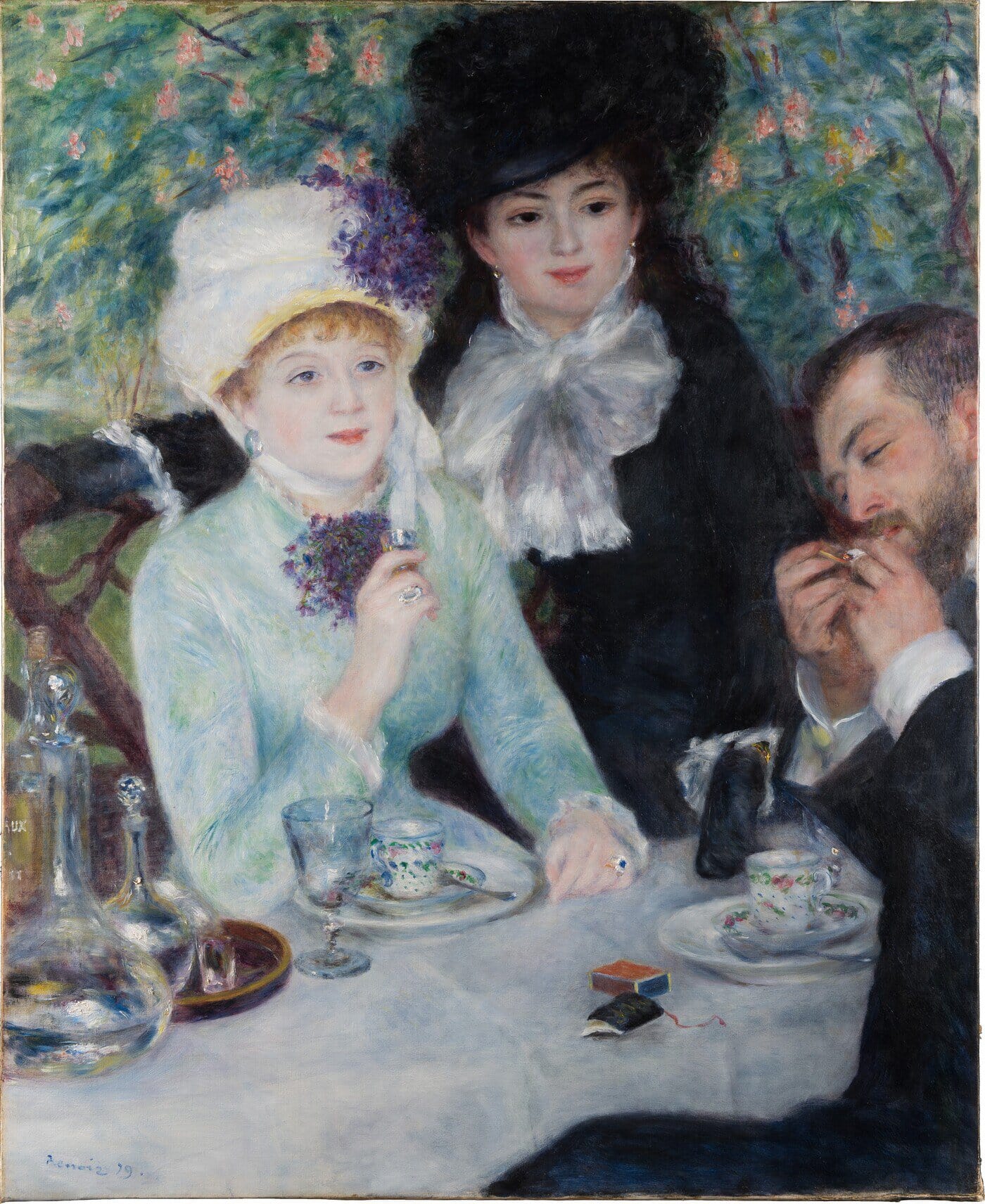
Figure 15 Pierre-Auguste Renoir (1841–1919), La Fin du déjeuner, 1879, Oil on canvas, 100.5 × 81.3 cm, Frankfurt am Main, Städel Museum, acquired in 1910, SG 176, © photo: Image courtesy Städel Museum, Frankfurt am Main. Service presse / Städel Museum, Frankfurt am Main.
This sensibility is clearly expressed in Le Déjeuner des canotiers, where the convivial meal functions as an image of social concord and of sensual engagement with food, and with art itself …

Figure 16 Pierre-Auguste Renoir (1841–1919), Le Déjeuner des Canotiers, 1880–1881, Oil on canvas, 130.2 × 175.6 cm, Washington D.C., The Phillips Collection, purchased in 1923, 1637, Photo courtesy of The Phillips Collection, Washington, D.C. Service presse / The Phillips Collection.
It is ultimately a world in perpetual motion that Renoir celebrates. It is no coincidence that he was also deeply fascinated by the theme of dance, a moment in which bodies draw closer, glances meet, steps follow one another, and voices resonate. Whether in rural or urban settings, dance becomes an expression of the poetry of collective living, in which rhythm unites individuals and dissolves distances …

Figure 17 View of the exhibition. Photo by Allison Bellido Espichan
The theme of childhood also holds a position of notable importance in Renoir’s work. Numerous commissions for family portraiture prompted Pierre-Auguste Renoir to engage with representations of maternal, paternal, and filial affection, in which children or adolescents often embody a sense of innocence and purity …
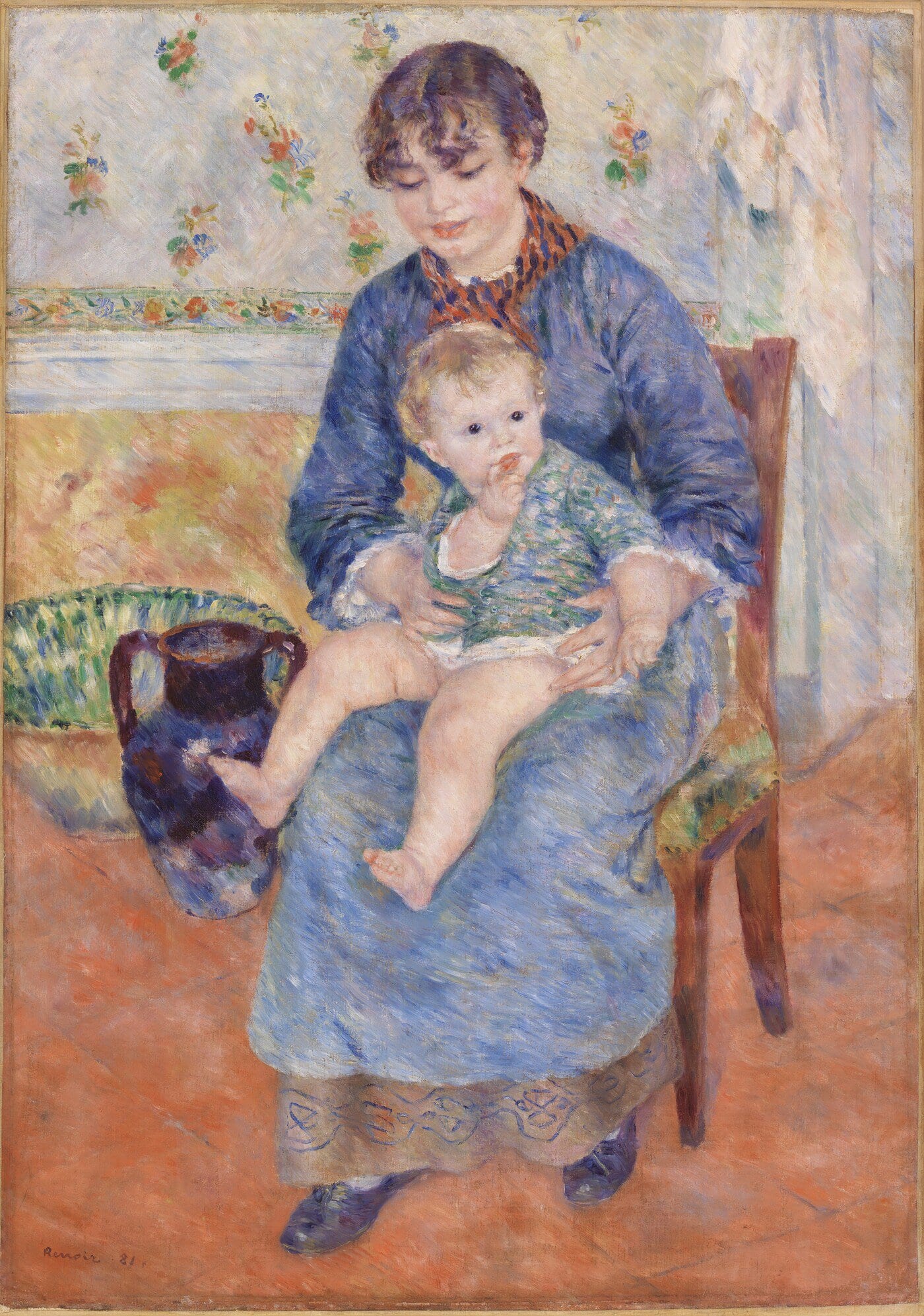
Figure 18 Pierre-Auguste Renoir (1841–1919), Jeune mère, 1881, Oil on canvas, 121.3 × 85.7 cm, Philadelphia, The Barnes Foundation, BF15, Image © 2026 The Barnes Foundation, Service presse / The Barnes Foundation
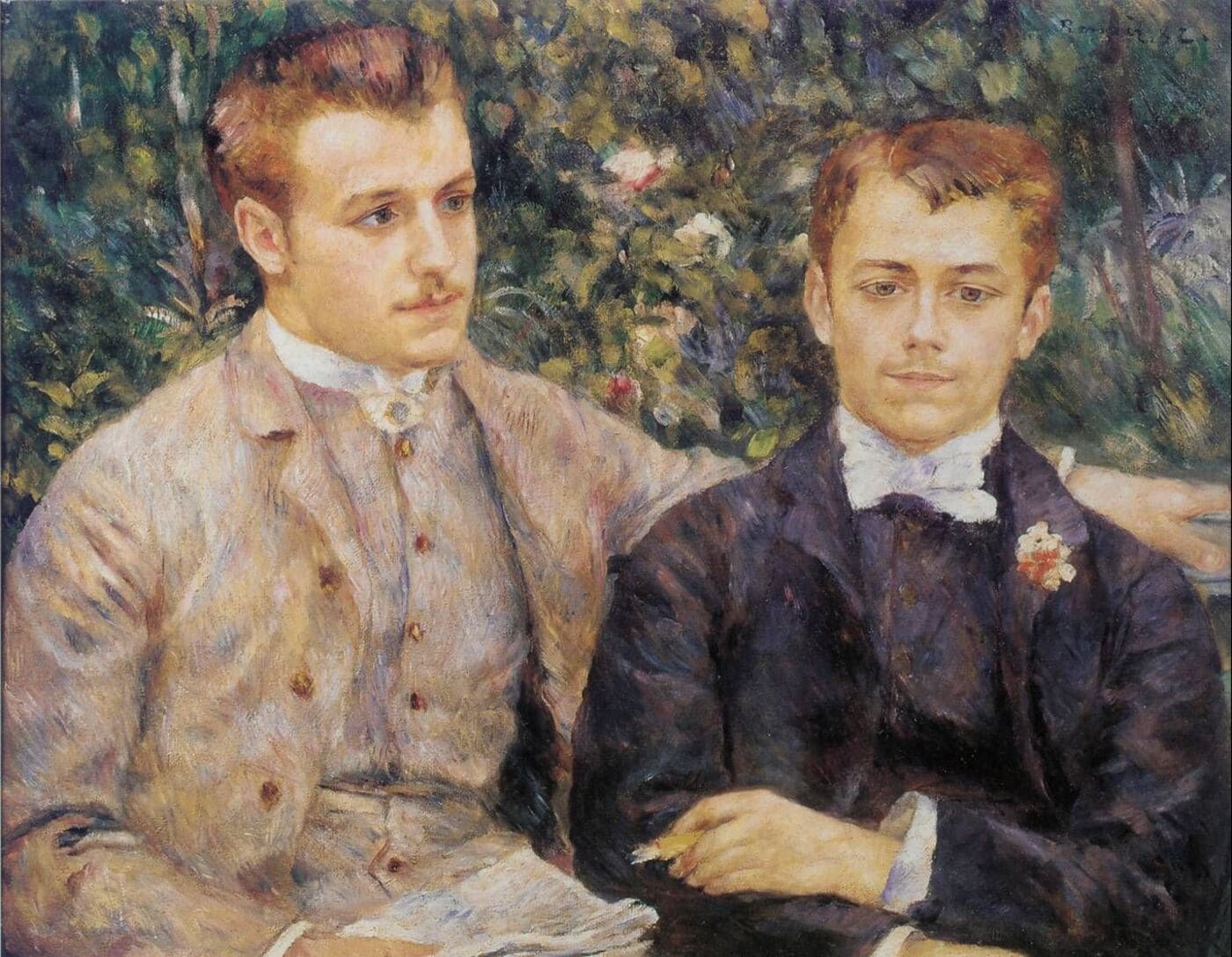
Figure 19 Pierre-Auguste Renoir (1841–1919), Charles et Georges Durand-Ruel, 1882, Oil on canvas, 61 × 81 cm, Private collection, photo Archives Durand-Ruel © Durand-Ruel & Cie
The exhibition reaches its conclusion with Les parapluies. The work, which depicts the comédie humaine of a bursting crowd caught in a sudden rainstorm, seeking shelter beneath umbrellas, signals a shift in Renoir’s pictorial trajectory. From this point onward, the painter distanced himself from Impressionism and the vibrant instability of its visual perception, evolving towards a more solid, incisive and monumental style of painting. Even so, the Baigneuses of the later years remain imbued with a profound underlying serenity, which permeates both bodies and landscapes in a quiet and harmonious light.
In conclusion, the exhibition has the merit of showing how, despite the constraints of his time and personal circumstances, Renoir still maintained a solid confidence in existence and in the enduring beauty of the world, transposing onto the canvas a fundamentally positive vision of life, enlivened by relationships, light and human presence. His oeuvre then assumes the form of a hymn to everyday vitality, in which reality is transfigured into a register of equilibrium, softness, and quiet harmony.

Figure 20 Pierre-Auguste Renoir (1841–1919), Les Parapluies, around 1881–1886, Oil on canvas, 180.3 × 114.9 cm, London, The National Gallery, bequest Sir Hugh Lane, 1917, in partnership with Hugh Lane Gallery, Dublin, NG3268, Image © The National Gallery, London.