日本語
日本語 English

建築人類学の探究
建築はその起源から、庇護し保護するという基本的な目的を持ってきた。しかし今日、建築はどのようにそれを実現しているのだろうか。2025年5月10日(土)から11月23日(日)まで開催中の第19回ヴェネチア・ビエンナーレ国際建築展のポーランド館では、展示「Lares and Penates: 建築における安心感の構築について」で絶え間ない変化と不安定さが増す現代における建築人類学の魅力的な探求を提示している。

The entrance and main façade of the Polish Pavilion, overlooking the Giardini of La Biennale di Venezia. Built in the 1930s, the Pavilion has hosted Poland’s national exhibitions since 1932 and now presents Lares and Penates: On Building a Sense of Security in Architecture at the 19th International Architecture Exhibition
Photo credit: Jacopo Salvi, Zachęta archive
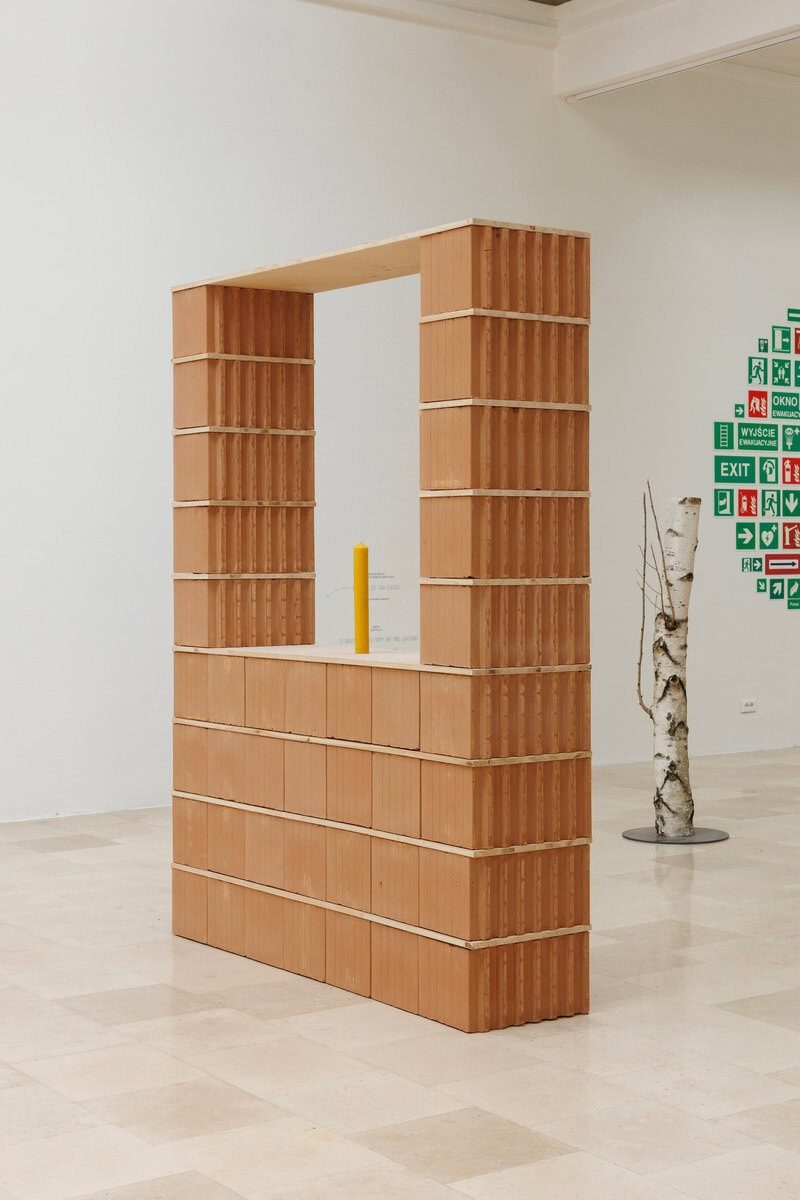
A blessed beeswax candle (gromnica), traditionally lit during storms and placed in the window to protect the house from lightning—a ritual rooted in Candlemas traditions
Photo credit: Jacopo Salvi, Zachęta archive
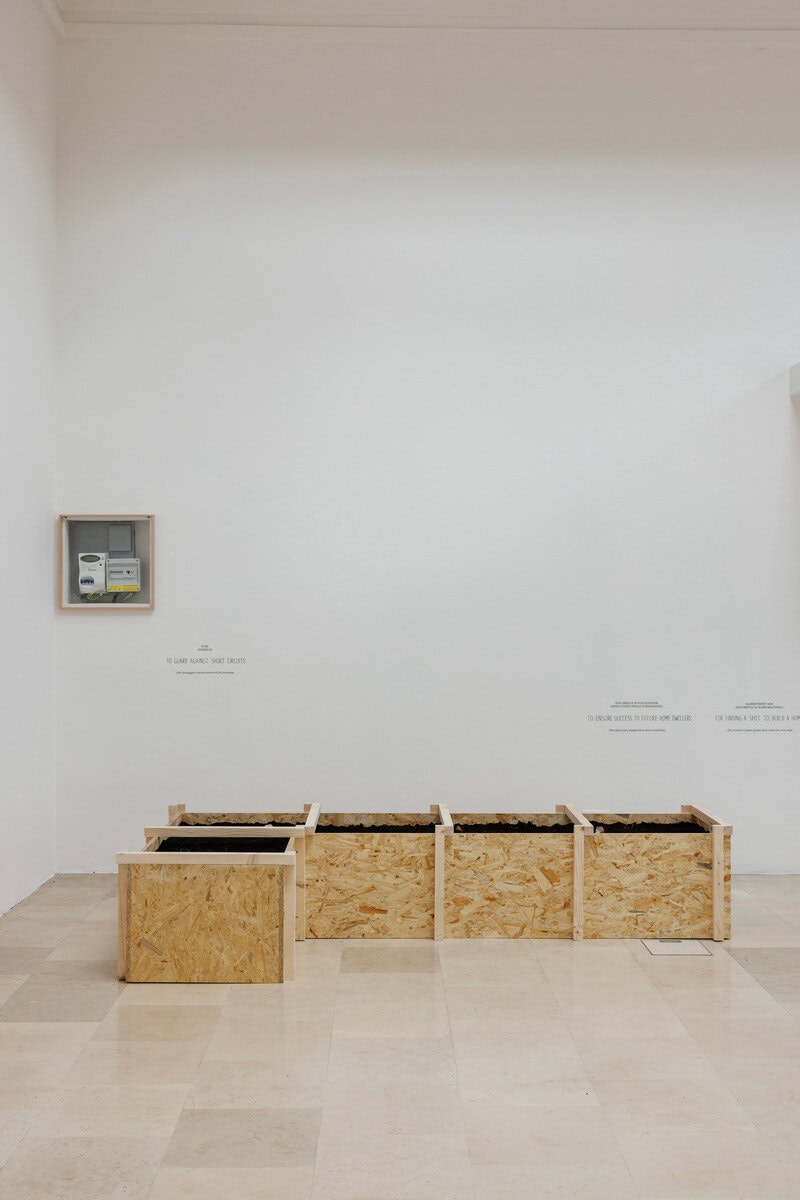
Foundation offerings (zaktadziny), once buried beneath the home’s corners—eggshells, grain, money, blessed candles—to secure protection and abundance for the new dwelling
Photo credit: Jacopo Salvi, Zachęta archive
パビリオンに携わる歴史家や建築家からなる学際的なチームは、建築を設計者の視点からではなく、その中で暮らす人々の目を通して考察することを目標においた。「ラーレスとペナテス(Lares and Penates)は、家庭の囲炉裏を守るローマ神話の神。今日でも多くの言語で、これらは守護神と家庭の安全という概念を想起させます」と歴史家のアレクサンドラ・コッツィオレクは説明する。
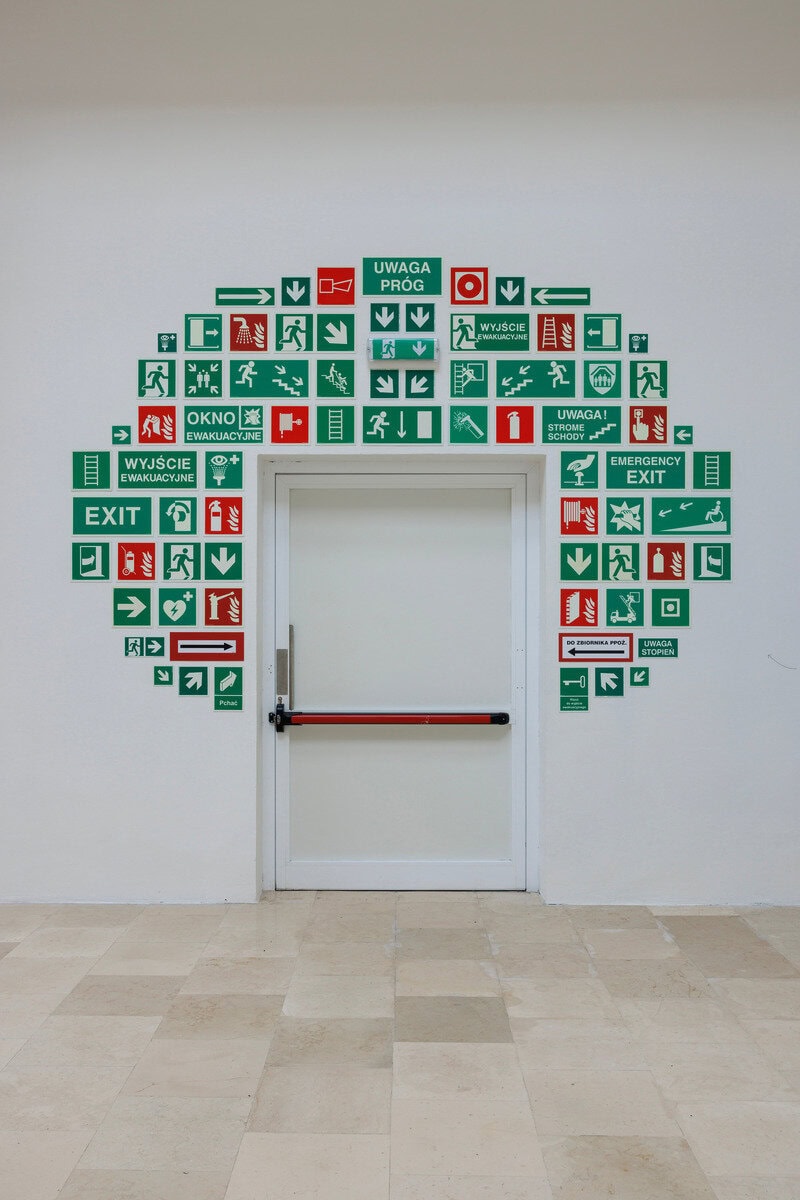
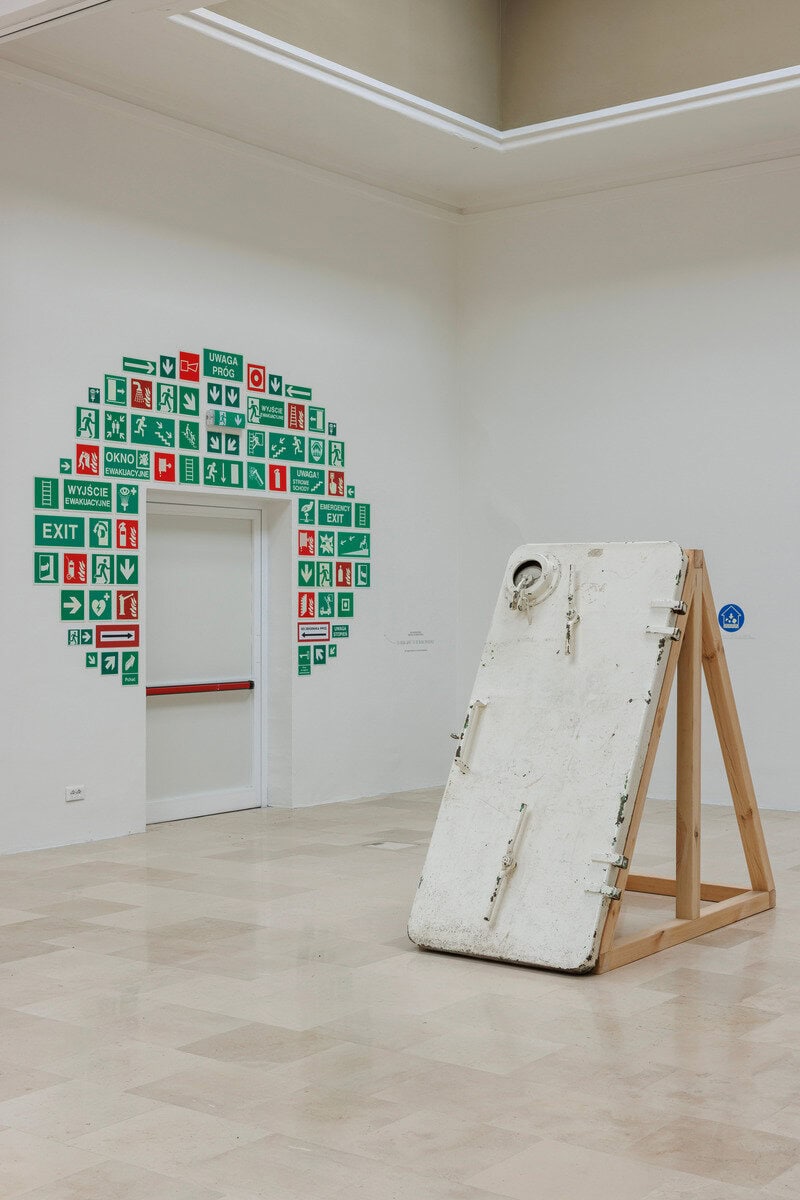
Existing emergency infrastructure—such as evacuation signs and fire alarms—is highlighted within the exhibition to reflect how safety regulations shape architectural space
Photo credit: Jacopo Salvi, Zachęta archive
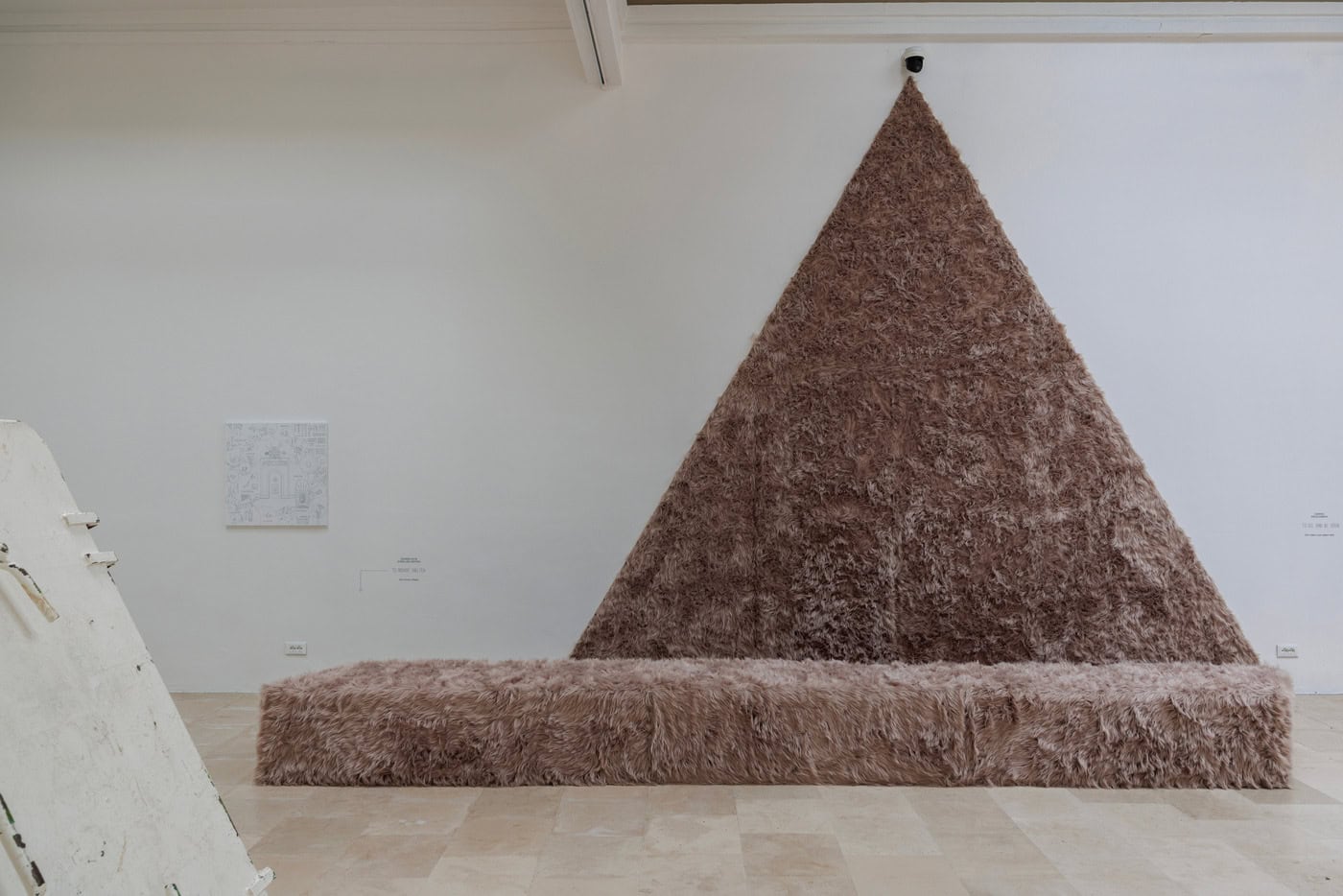
Surveillance camera originally installed in the Pavilion, now deliberately revealed and framed as part of the exhibition—shifting its functional gaze into a curatorial presence
Photo credit: Jacopo Salvi, Zachęta archive
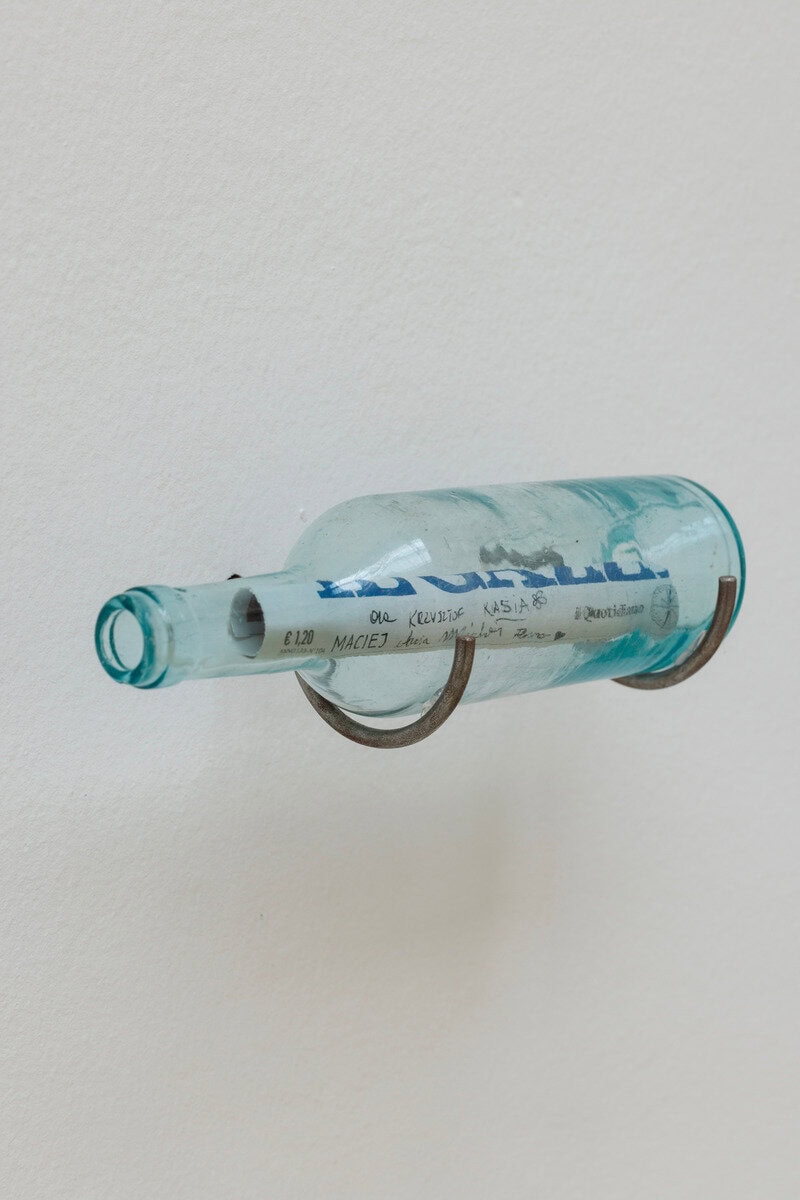
A bottle sealed into the wall, containing workers’ signatures and a newspaper—part of a long-standing tradition of leaving a trace inside the building for posterity, a practice still observed today
Photo credit: Jacopo Salvi, Zachęta archive
彼らはポーランド全土を丹念に調査し、嵐を避けるために窓辺に置かれるろうそく、事故を防ぐために建築現場で吊るされる花輪(ポーランド語で「ウィーチャ」)、外と内の境界を象徴的に示す村から引き揚げられた古代の敷居、新しい建築現場で地下水脈の位置を特定するために使われる棒など、現在でも実践され、世代を超えて受け継がれている習慣が残されていることを明らかにした。
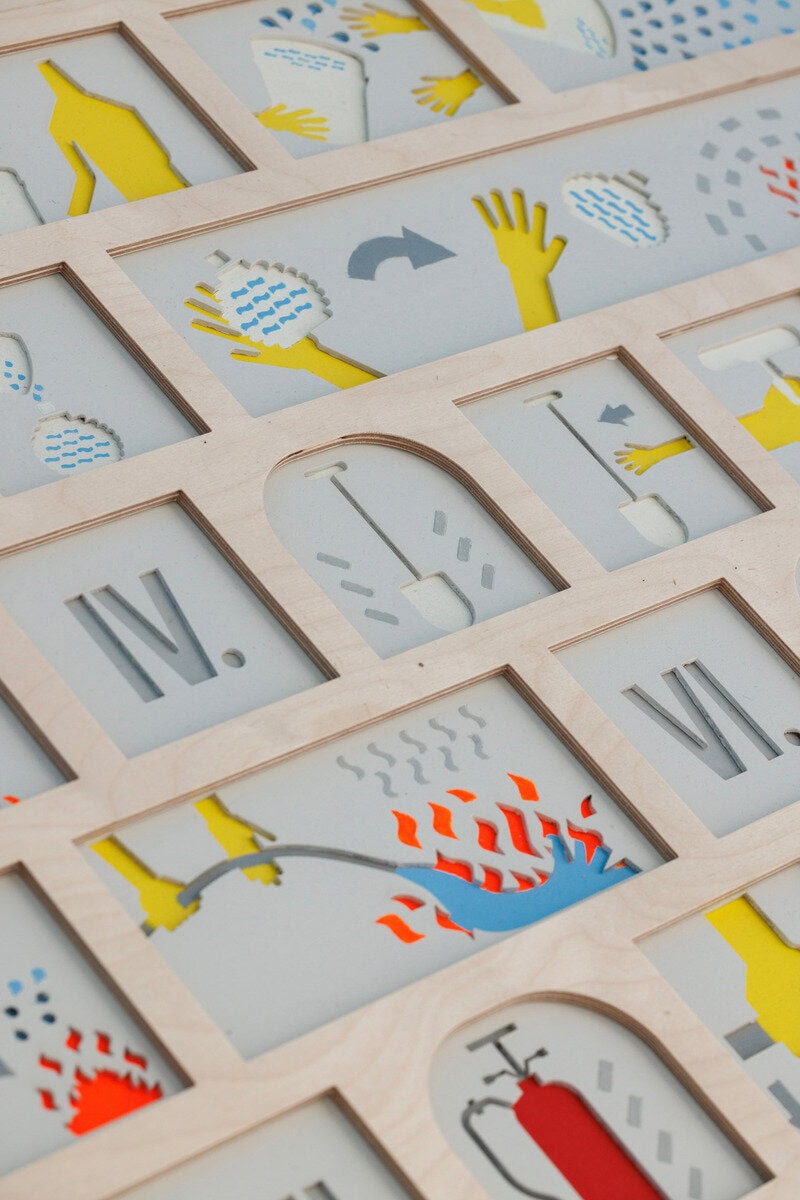
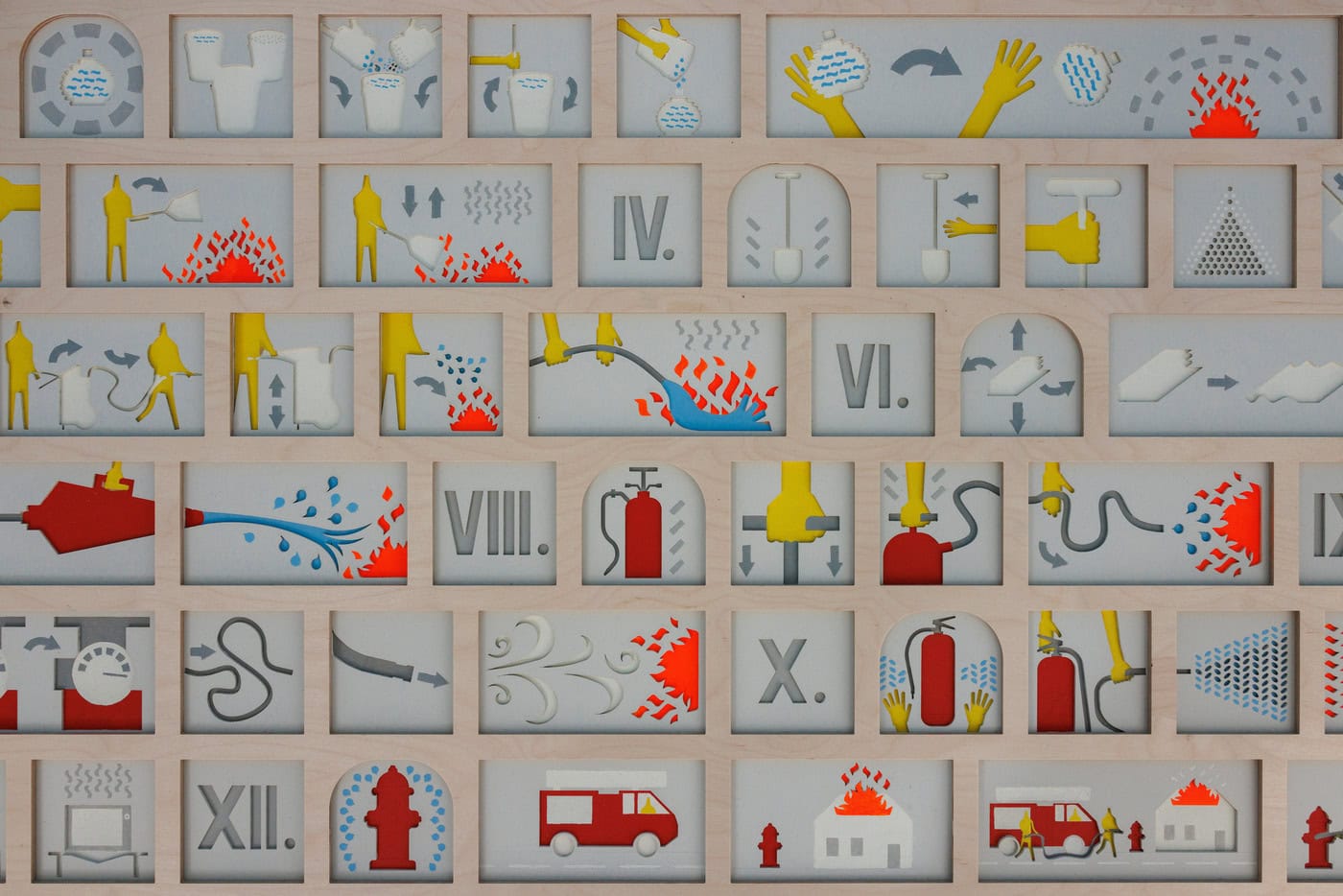
Instructional graphics by Maciej Siuda illustrating how to use a fire extinguisher—functional drawings integrated into the installation as part of a reflection on safety and everyday ritual
Photo credit: Jacopo Salvi, Zachęta archive
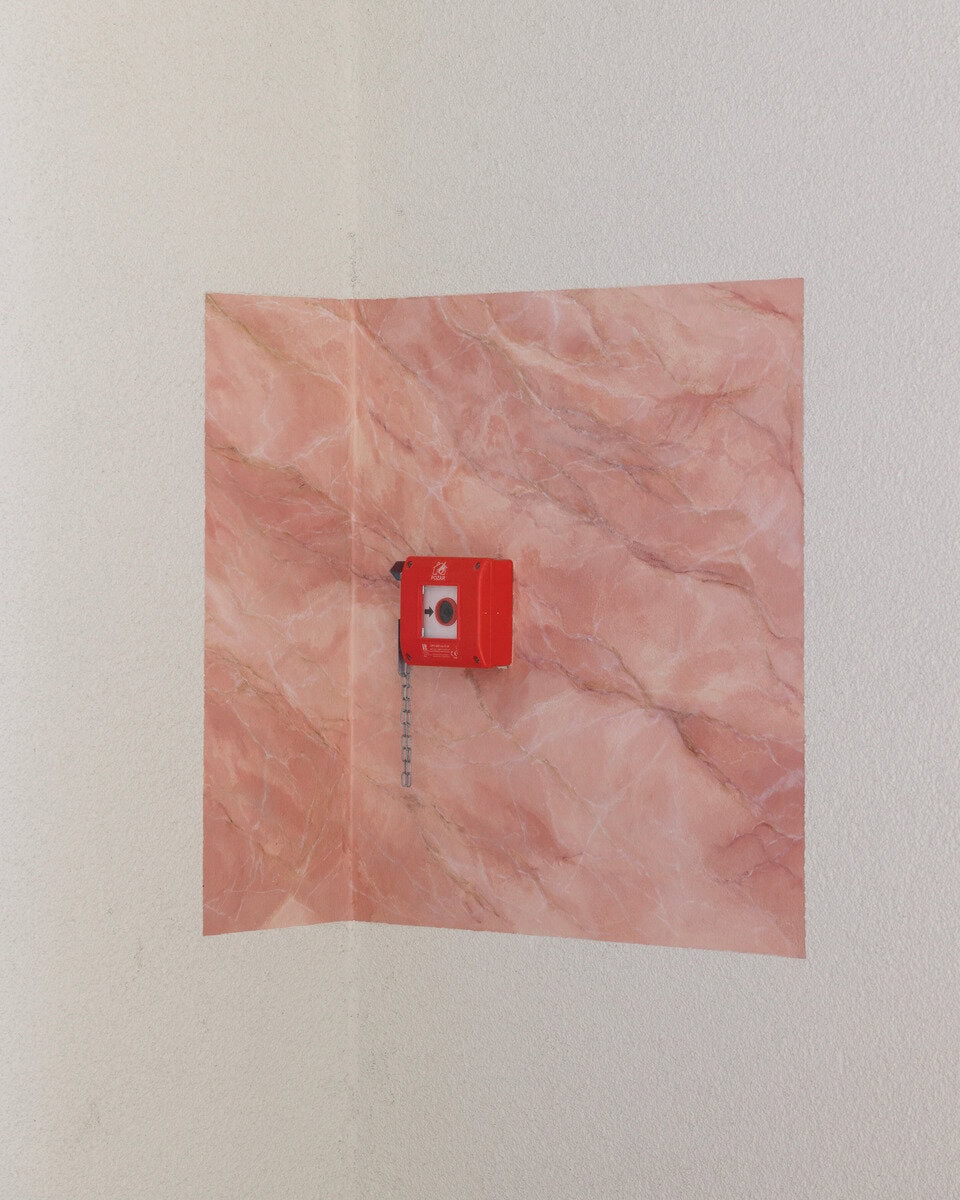
A real fuse from the Pavilion’s electrical system—usually concealed—deliberately exposed and framed within the exhibition, transforming a regulatory safety element into an integral part of the installation
Photo credit: Jacopo Salvi, Zachęta archive
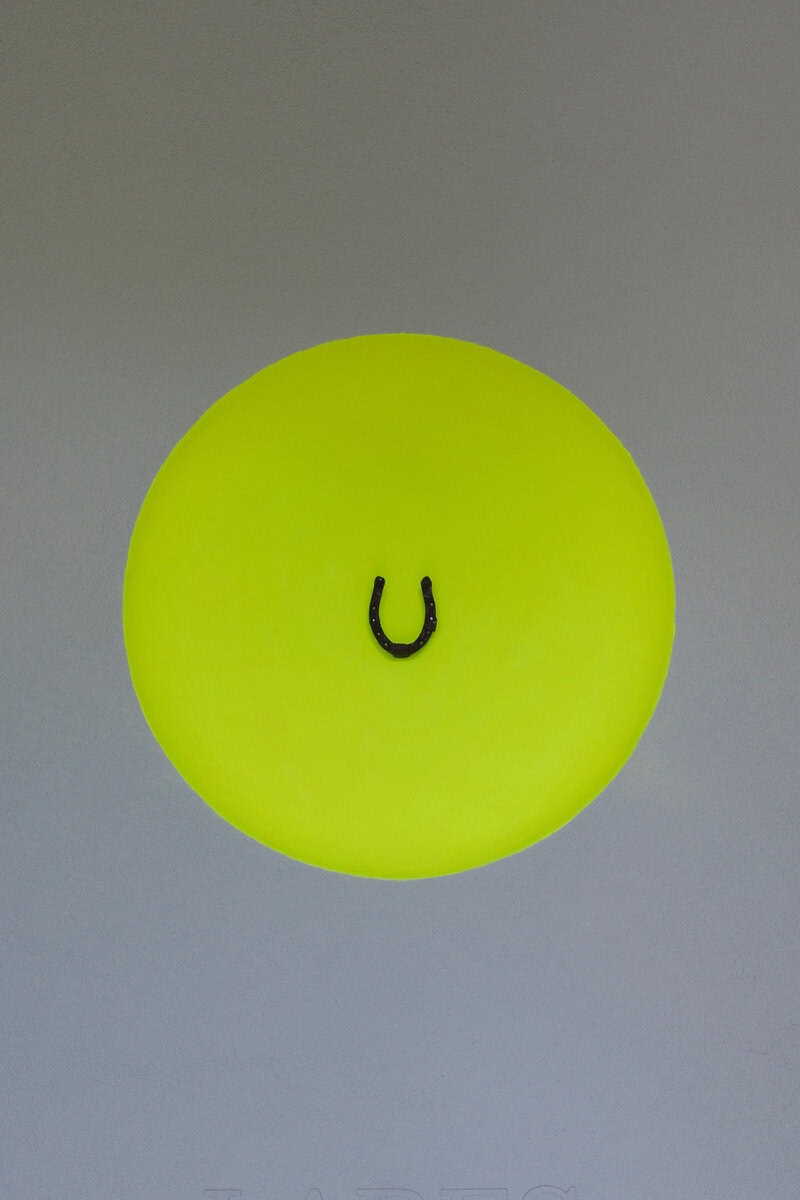
A found horseshoe, hung in a ‘U’ shape to keep luck from spilling out—presented here as part of an open-ended dialogue, without judgment, between ritual gestures, living myths, safety regulations, and emotional needs
Photo credit: Jacopo Salvi, Zachęta archive
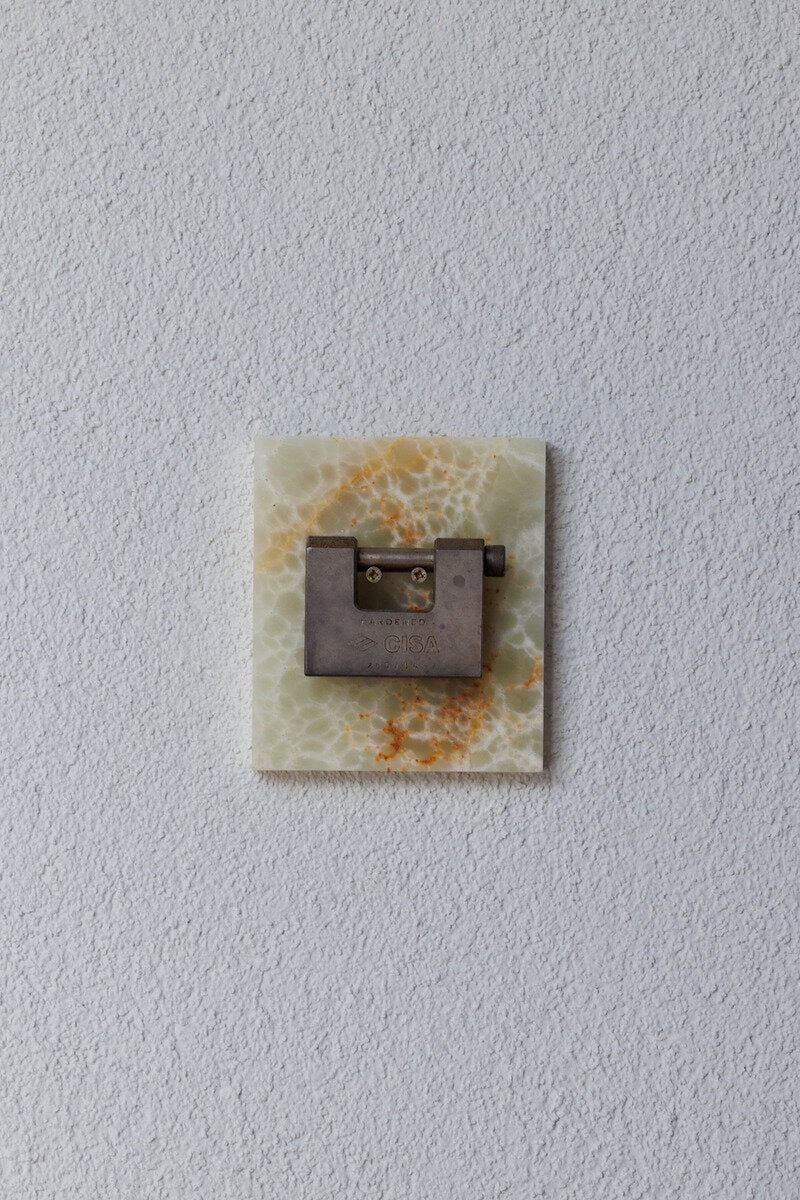
この展覧会では非常口や火災報知器など、現代の規制に沿った安全設備やインフラにも焦点を当てている。すでにパビリオンの建築の一部となっているこれらの要素は、額縁に入れられ、展示の一部となっている。また、覗き穴、警報装置、南京錠など、私たちが監視に使用する装置類も展示された。
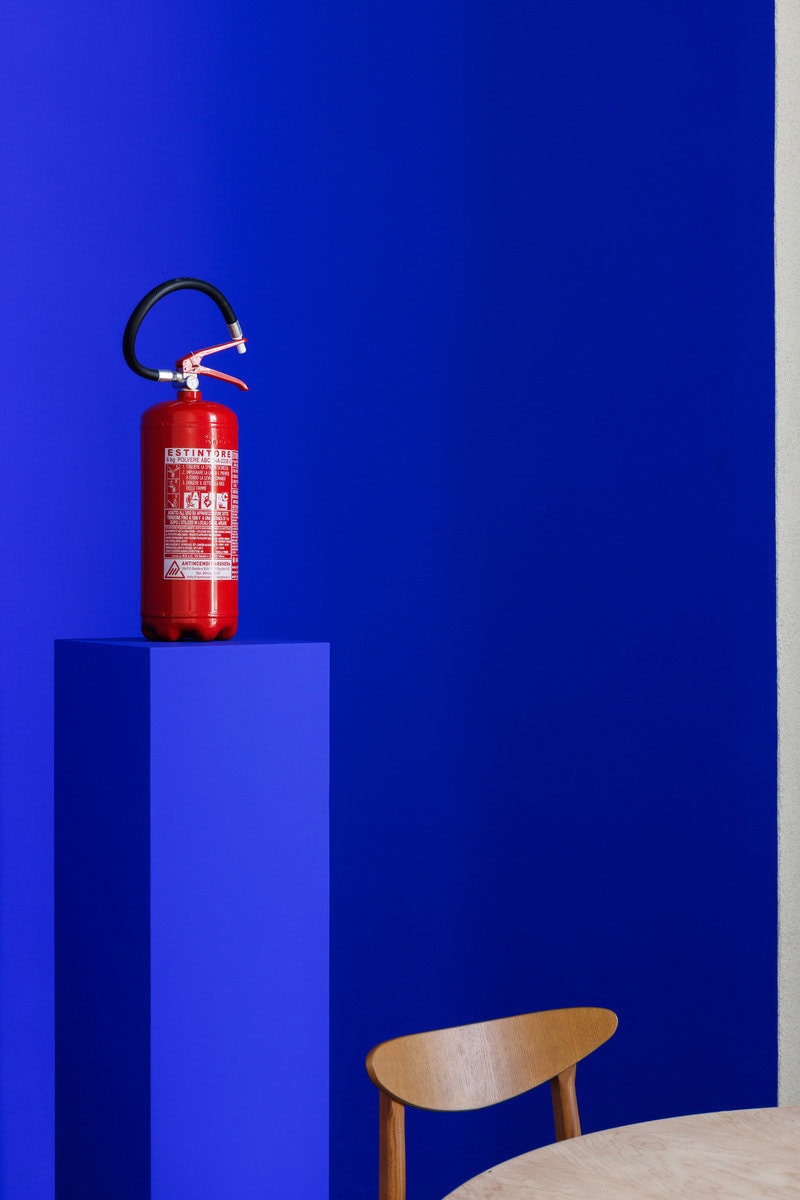
The modern archetype of protection: a fire extinguisher displayed with reverence, echoing centuries of firefighting evolution and domestic vigilance
Photo credit: Jacopo Salvi, Zachęta archive
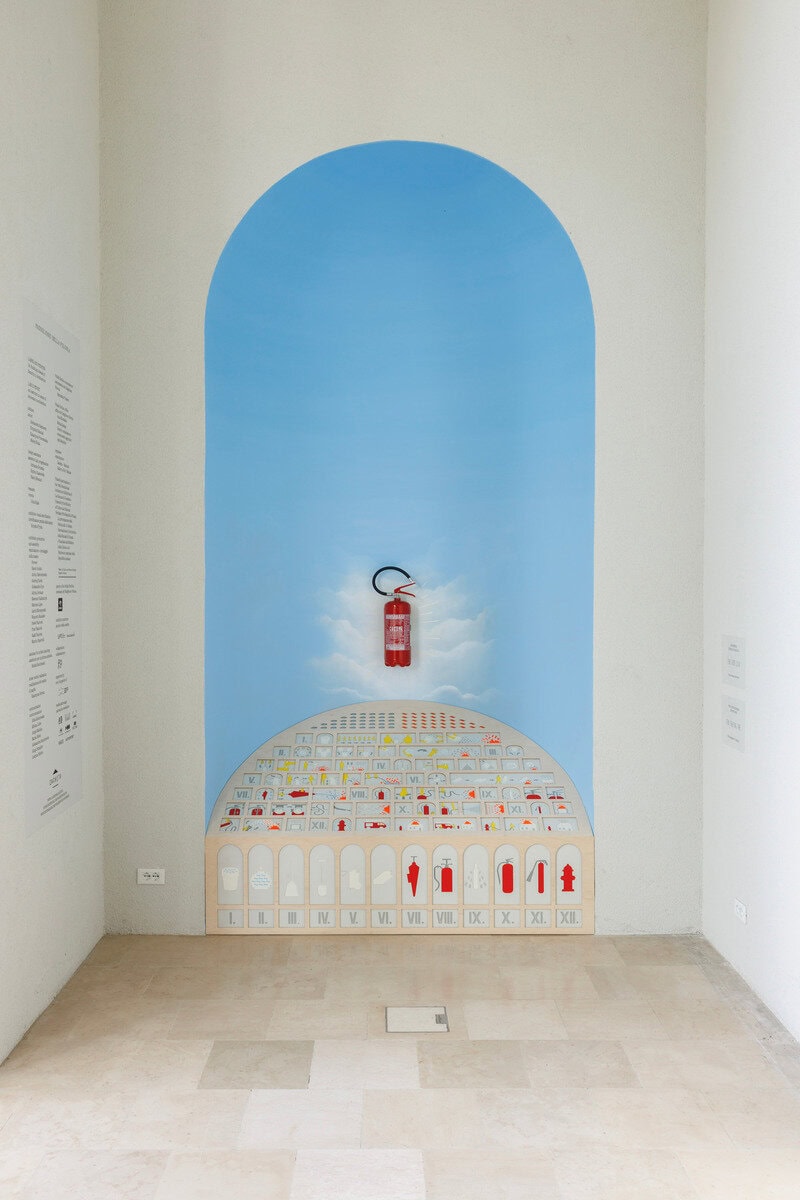
A hand fire extinguisher, part of a long history of firefighting tools—from bucket brigades to chemical cartridges—now reframed as both a safety device and a design element
Photo credit: Jacopo Salvi, Zachęta archive
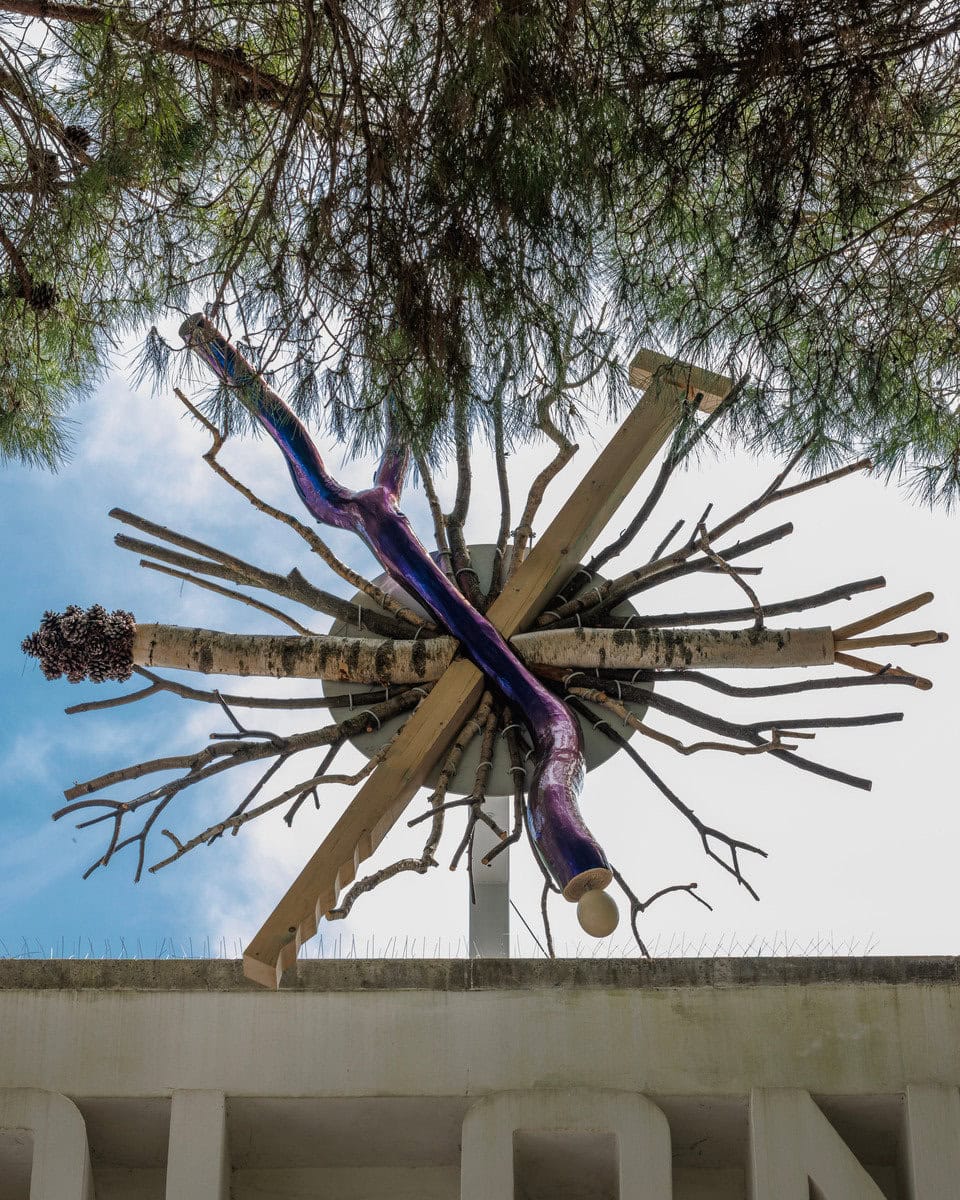
A wiecha—wreath of branches with ribbons and tools—placed atop the building to mark its structural completion, a tradition in Poland since the 15th century
Photo credit: Jacopo Salvi, Zachęta archive
ヒューマニスティックな観点で、本展は建築のルールと感情を常に織り交ぜた演出がなされている。フレスコ画のように装飾されたニッチや、ベネチア風のモザイクで縁取られた消火器は、その象徴として安心感を醸し出している。
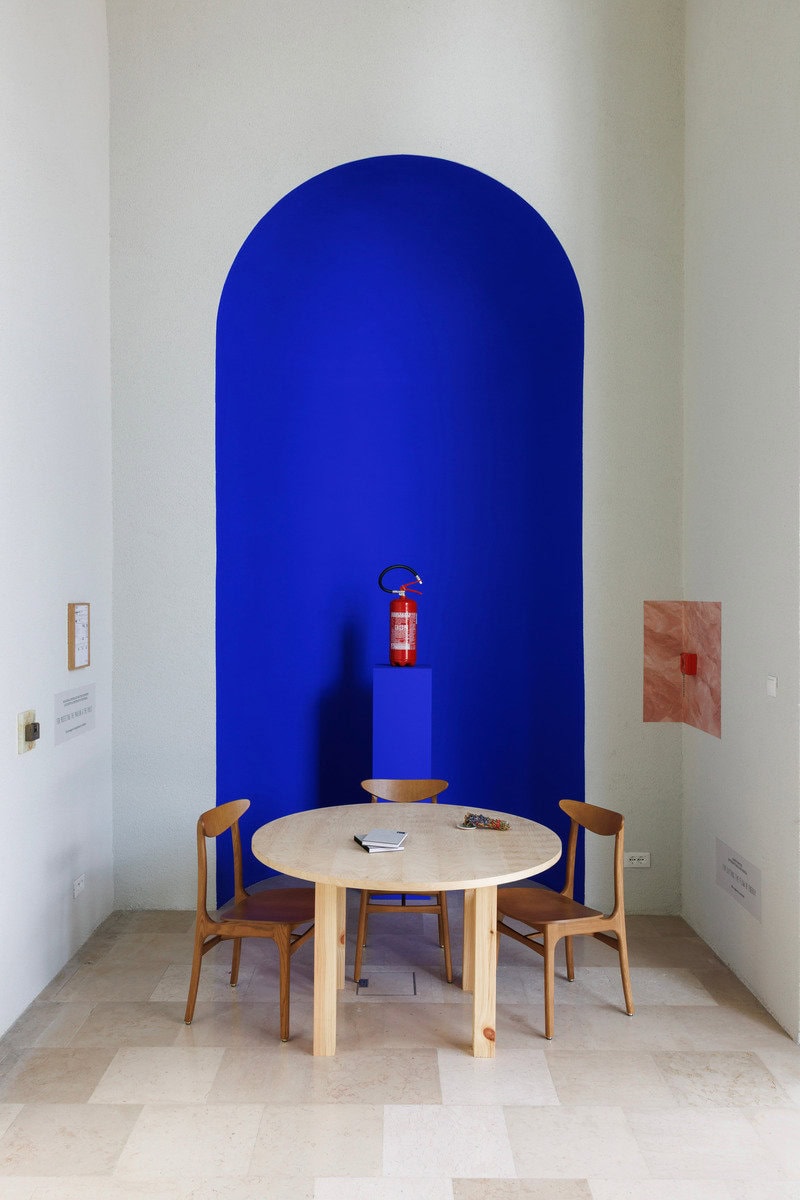
Entrance to the exhibition Lares and Penates: On Building a Sense of Security in Architecture, where visitors are invited into a space shaped by rituals, regulations, and everyday gestures of protection
Photo credit: Jacopo Salvi, Zachęta archive
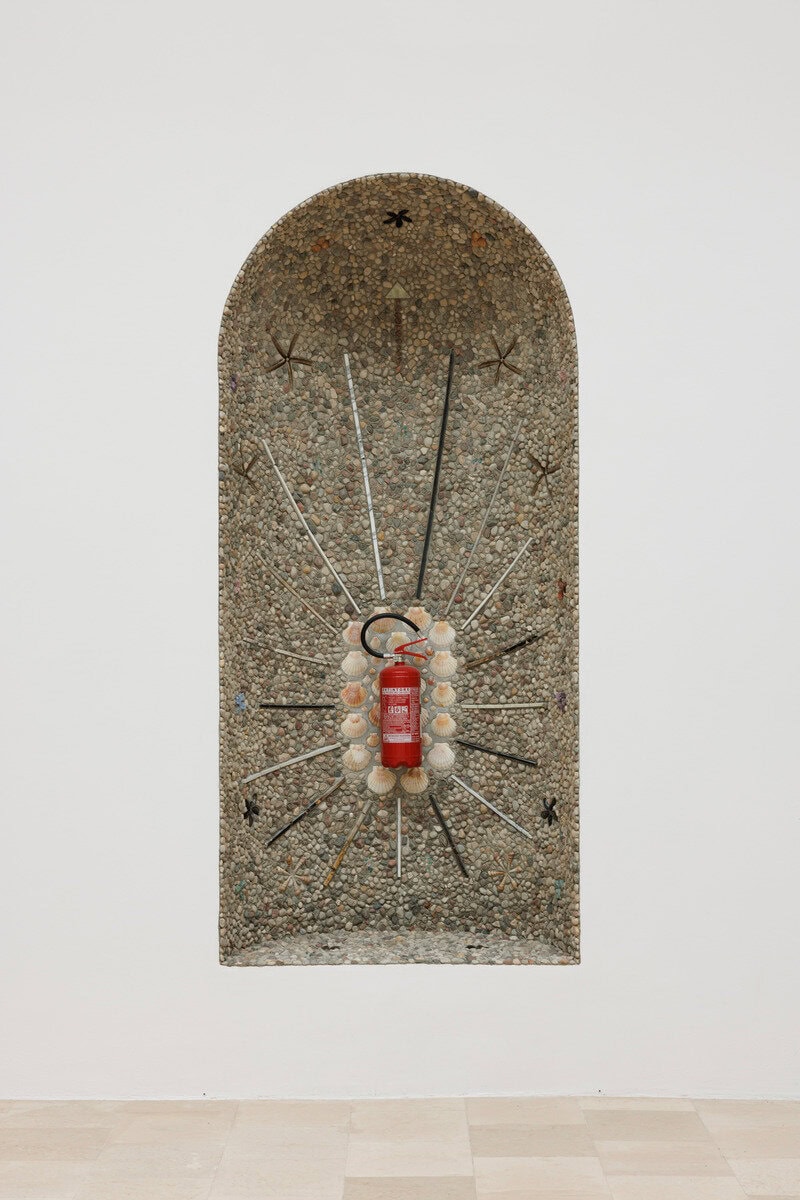
Presented as part of the building’s architecture, the fire extinguisher draws attention to the emotional dimension of functional safety elements
Photo credit: Jacopo Salvi, Zachęta archive
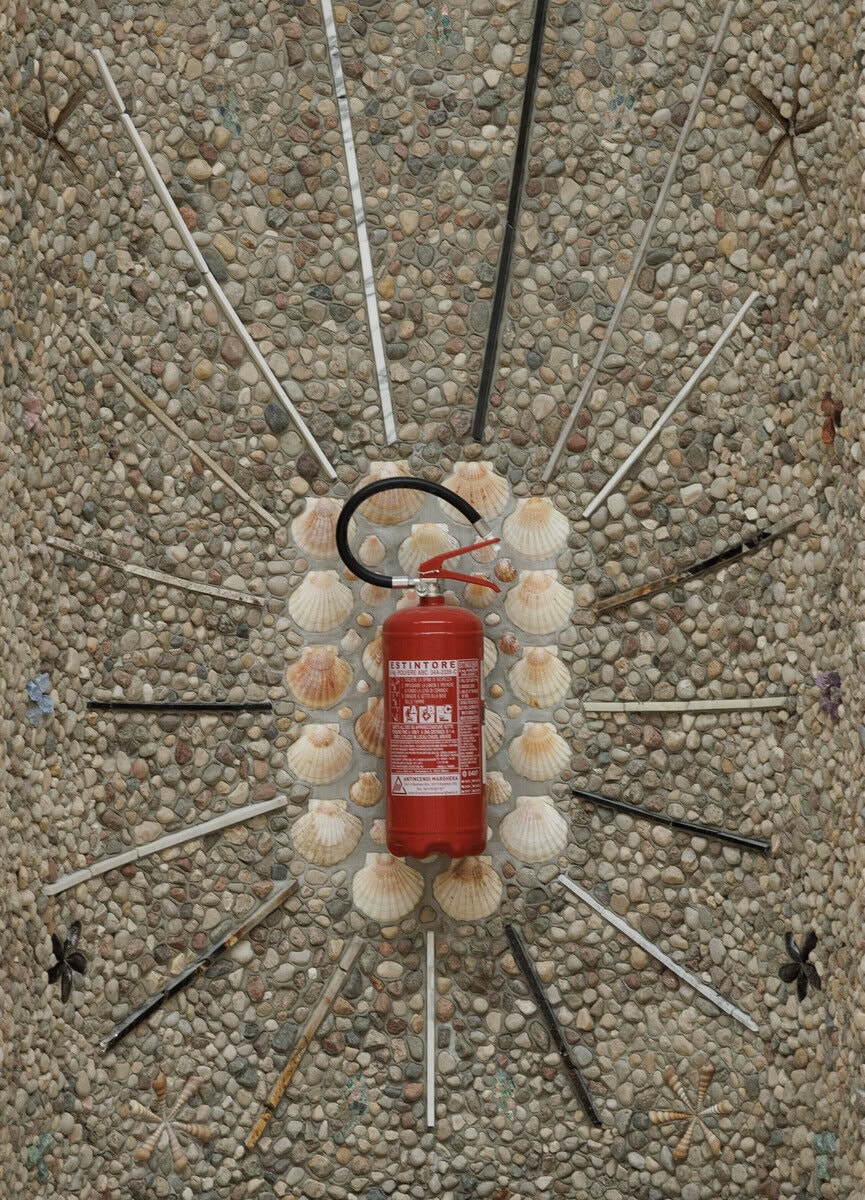
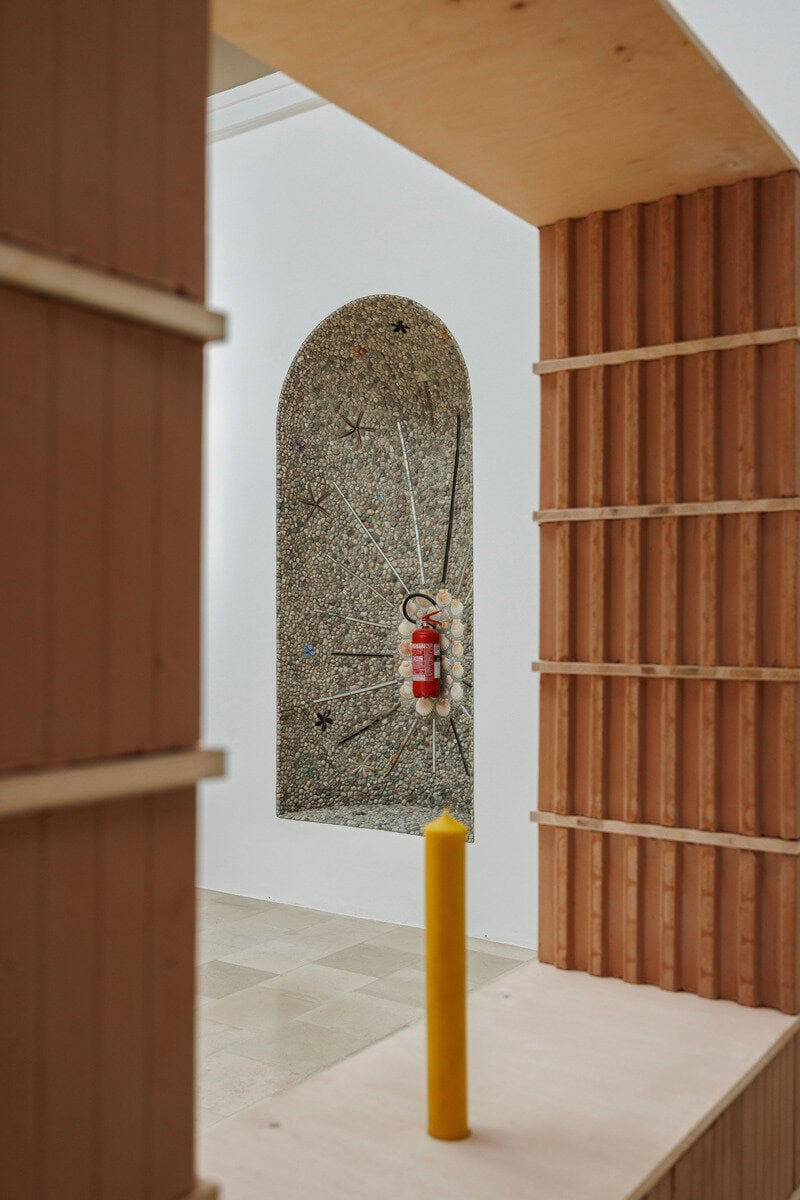
A fire extinguisher set into a niche decorated like a fresco, revealing its symbolic and reassuring presence within the domestic space
Photo credit: Jacopo Salvi, Zachęta archive
本展ではデジタルの抽象化を避け、その代わりに原寸大で展示された、 拾い集めた、あるいは組み立てられたオブジェの星座に来場者は遭遇する。これらの触覚的な立体模型は、共有された文化的記憶に根ざしている。
-

- From fire rituals to radiesthetic rods, from holy corners to certified safety devices—this exhibition invites us to rethink how architecture has always mediated our need for protection Photo credit: Jacopo Salvi, Zachęta archive
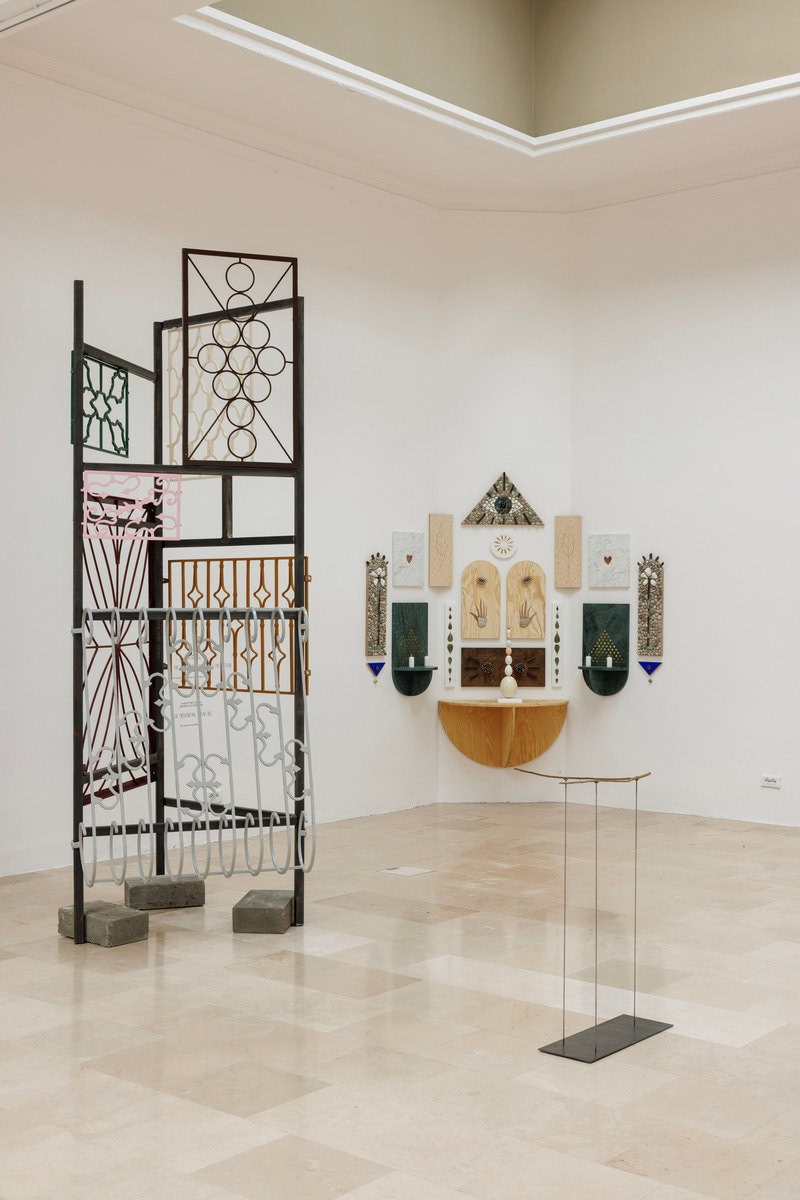
-
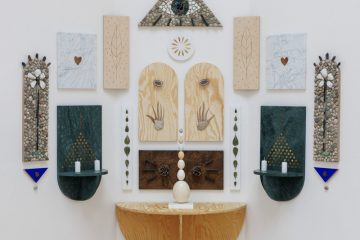
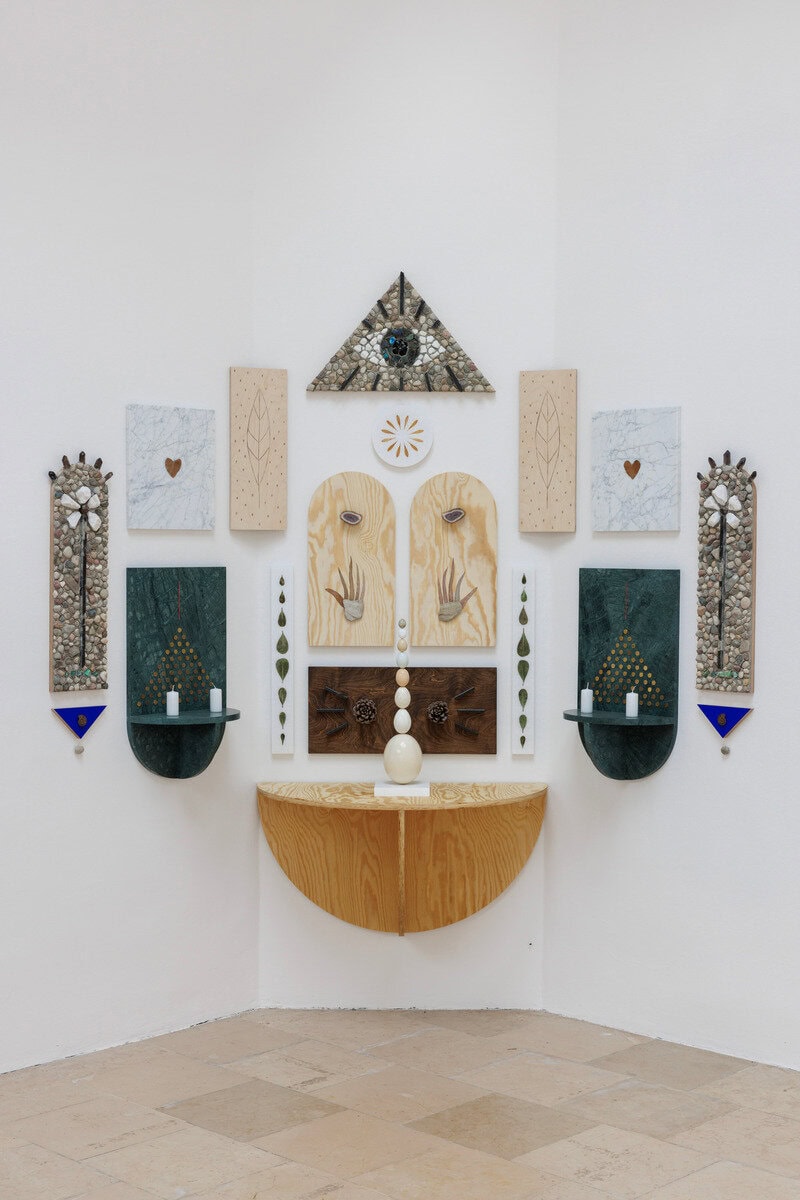
- The holy corner (pokuc), a sacred space in traditional Slavic homes, located opposite the entrance and adorned with icons, linen fabrics, and flowers—a domestic altar of protection and reverence Photo credit: Jacopo Salvi, Zachęta archive
-
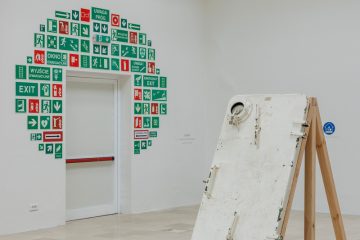
- Hermetically sealed armoured door, a standard element of underground shelters built to withstand shock waves and, in the case of nuclear shelters, to block radiation. Like all objects in the exhibition, it was selected by the curators as part of a dedicated research process—from real, existing pieces sourced and assembled specifically for this project Photo credit: Jacopo Salvi, Zachęta archive
-
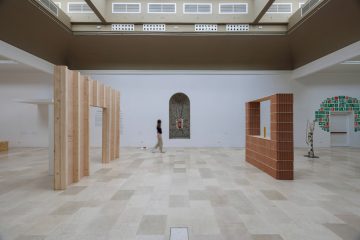
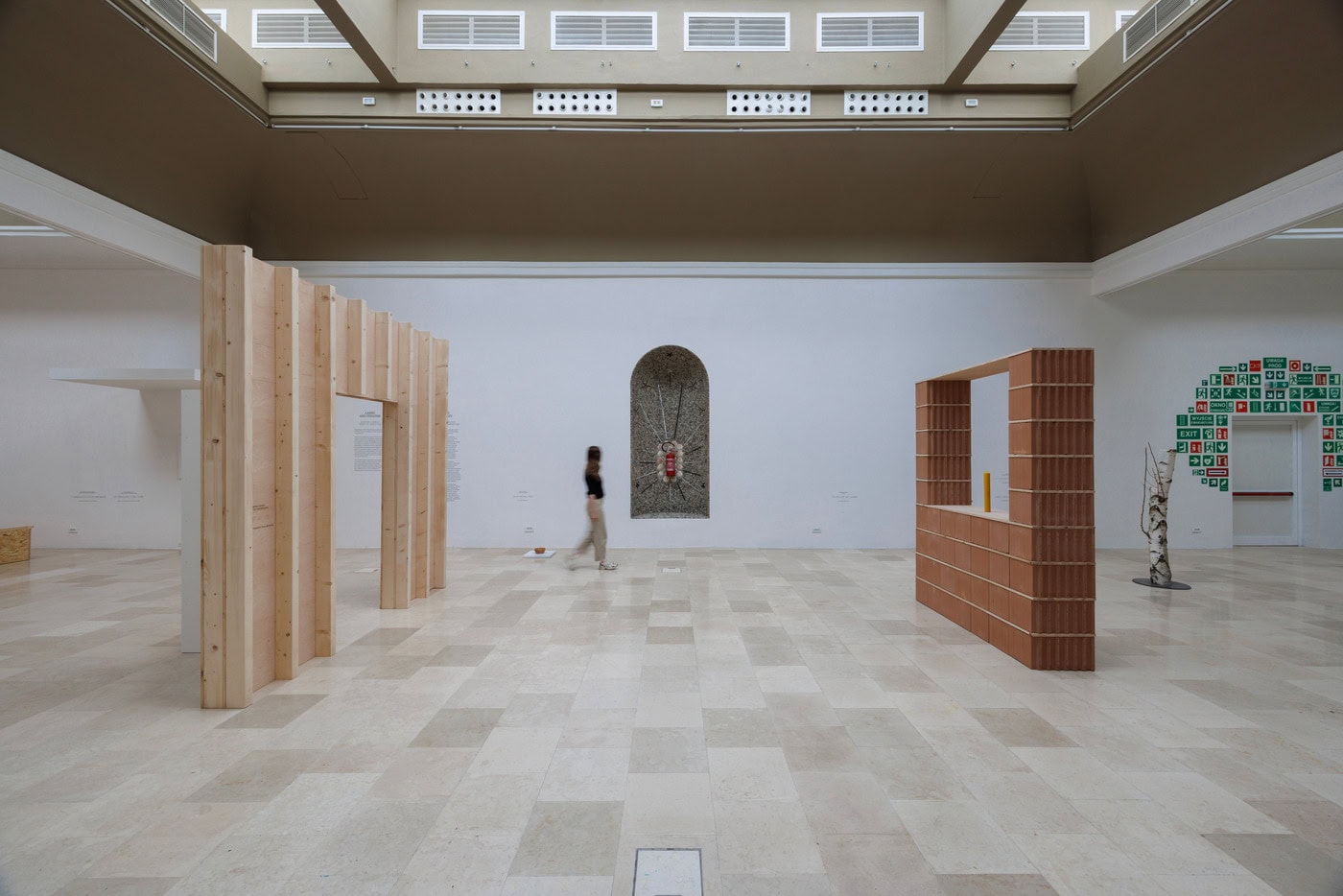
- Here, gestures old and new—placing a candle in the window, installing a fire alarm—are presented side by side, revealing the continuous thread between ancestral rituals and modern safety protocols Photo credit: Jacopo Salvi, Zachęta archive
-
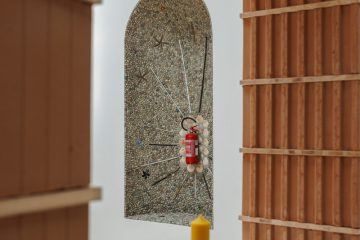
- The exhibition at the Polish Pavilion reflects on the continuity between ancient rituals and contemporary safety practices—where lighting a blessed beeswax candle and framing a fire extinguisher are gestures driven by the same human need for protection Photo credit: Jacopo Salvi, Zachęta archive
-
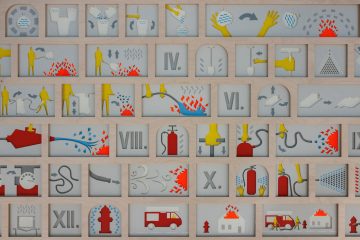
- Graphics by Maciej Siuda Photo credit: Jacopo Salvi, Zachęta archive
-
- The actual bolt used to lock the main entrance to the Polish Pavilion in the Giardini, here framed and displayed at the threshold of the exhibition—a gesture that turns a functional element into a symbol of security Photo credit: Jacopo Salvi, Zachęta archive
第19回ヴェネチア・ビエンナーレ国際建築展ポーランド館
| 所在地 | Giardini della Biennale, Sestiere Castello, 30122 Venice, Italy |
| URL | https://labiennale.art.pl/en/ |