日本語
日本語 English

The Chanel exhibition in Tokyo
The Chanel exhibition, titled “La Galerie du 19M Tokyo” and hosted at the Mori Museum in Roppongi from September 30 to October 20, 2025, was a hugely popular event, with daily attendance so high that it was almost impossible to visit.
After days of anticipation, the time has finally come to visit the exhibition. I never imagined I’d find myself at such a stimulating and surprising event, where the art of making and the poetry of detail come together in unison.

All Photo @Valentina Cannava
Entering the exhibition, I was completely absorbed in a suspended atmosphere, made of light, fabrics, and silences that speak of expert hands.
The installation by Parisian studio ATTA - Atelier Tsuyoshi Tane Architects - welcomes visitors with hats, shoes, bags, and other suspended elements, creating a playful yet harmonious atmosphere.
The space, titled “Le Festival,” includes the sparkling embroideries of Lesage, the ethereal feathers of Lemarié, the perfect drapes of Lognon, the artisanal jewelry of Goossens, the finely crafted gloves of Causse, the shoes of Massaro, the hats of Maison Michel, the buttons of Desrues, and others. This space does not display finished products, but rather tools, raw materials, and works in progress. The choice, a little unusual but very effective, is designed to capture the visitor’s attention, allowing him to fully understand the creative process and the savoir-faire that characterize “le 19M”
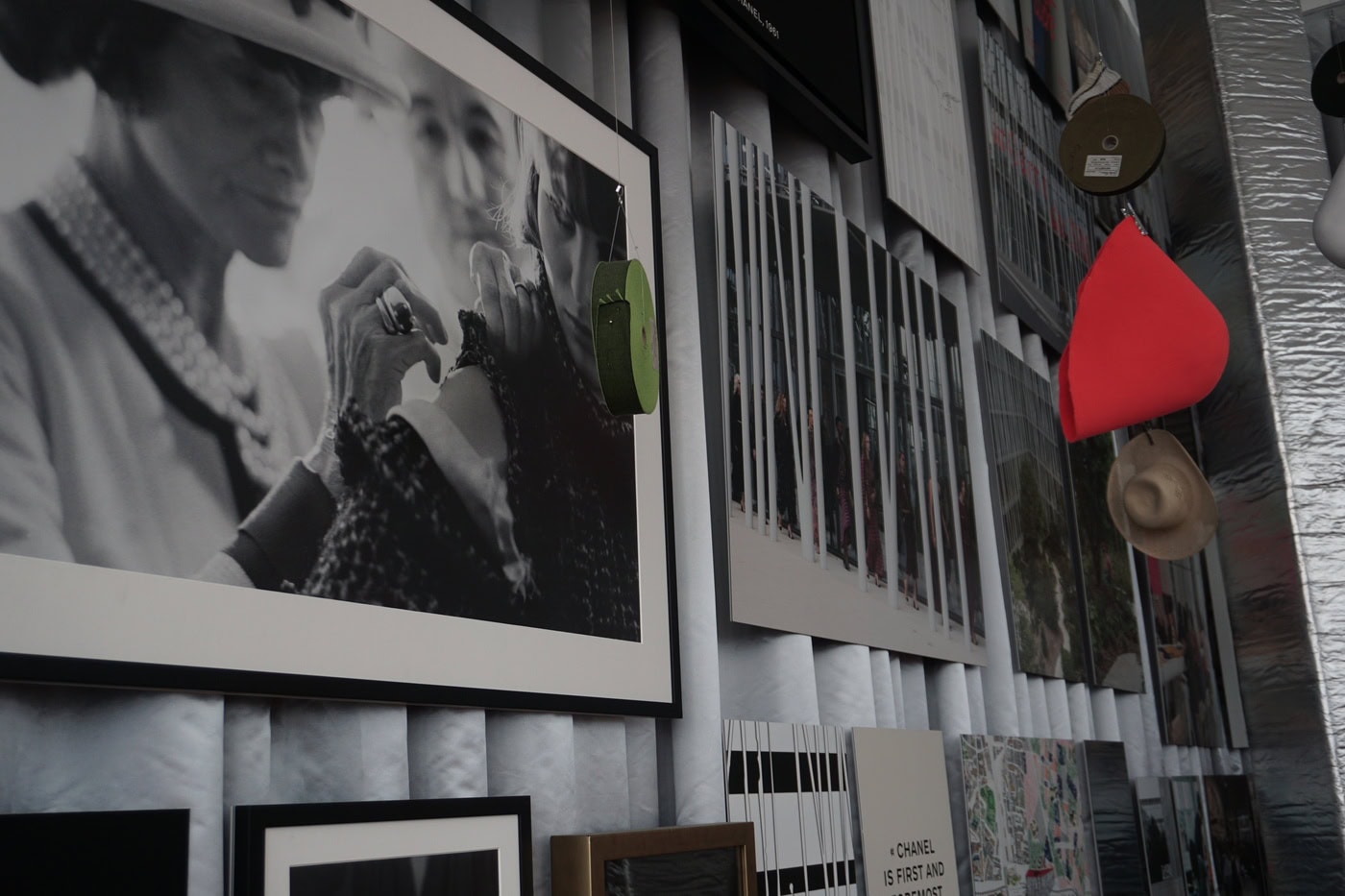
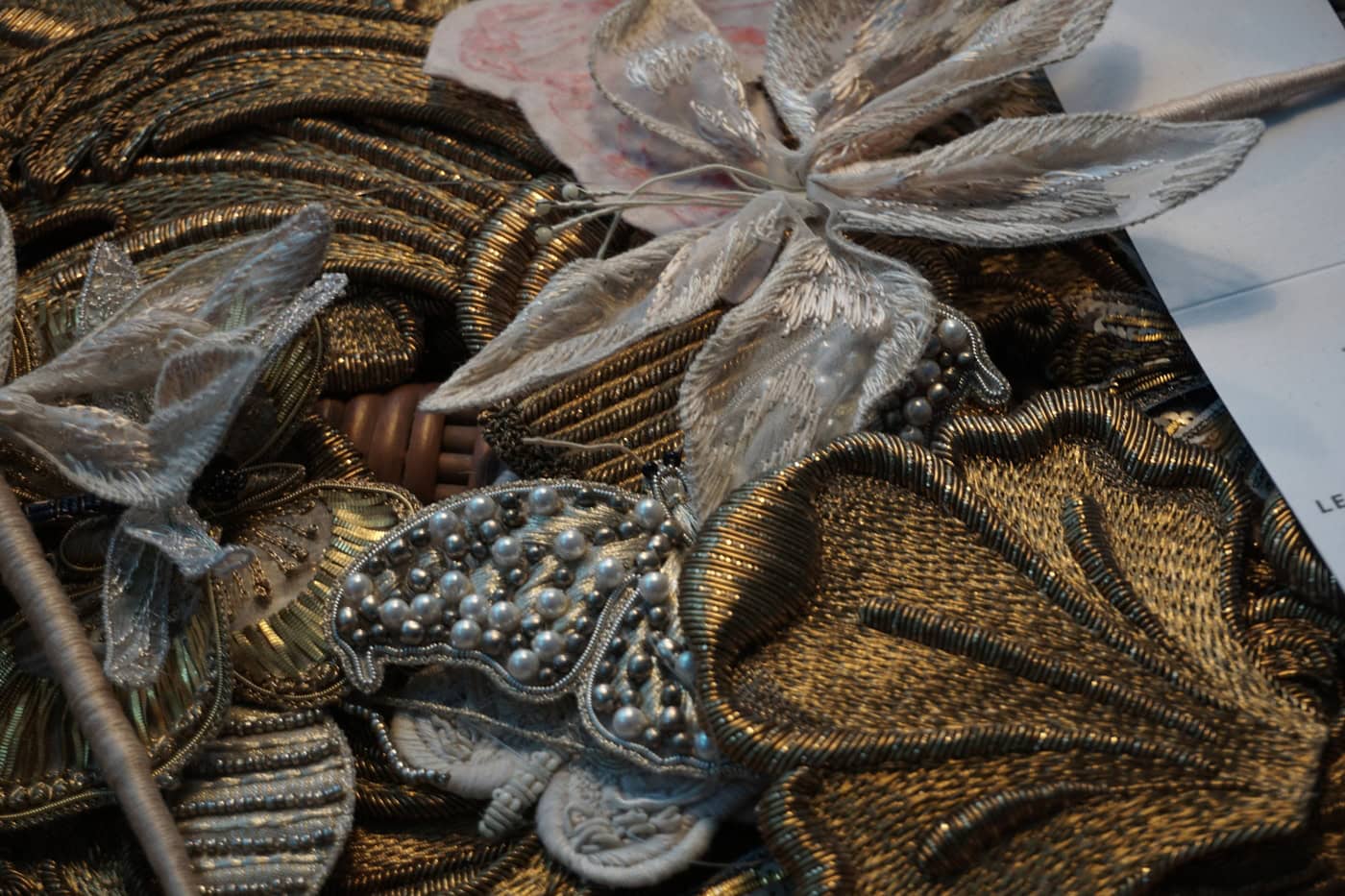
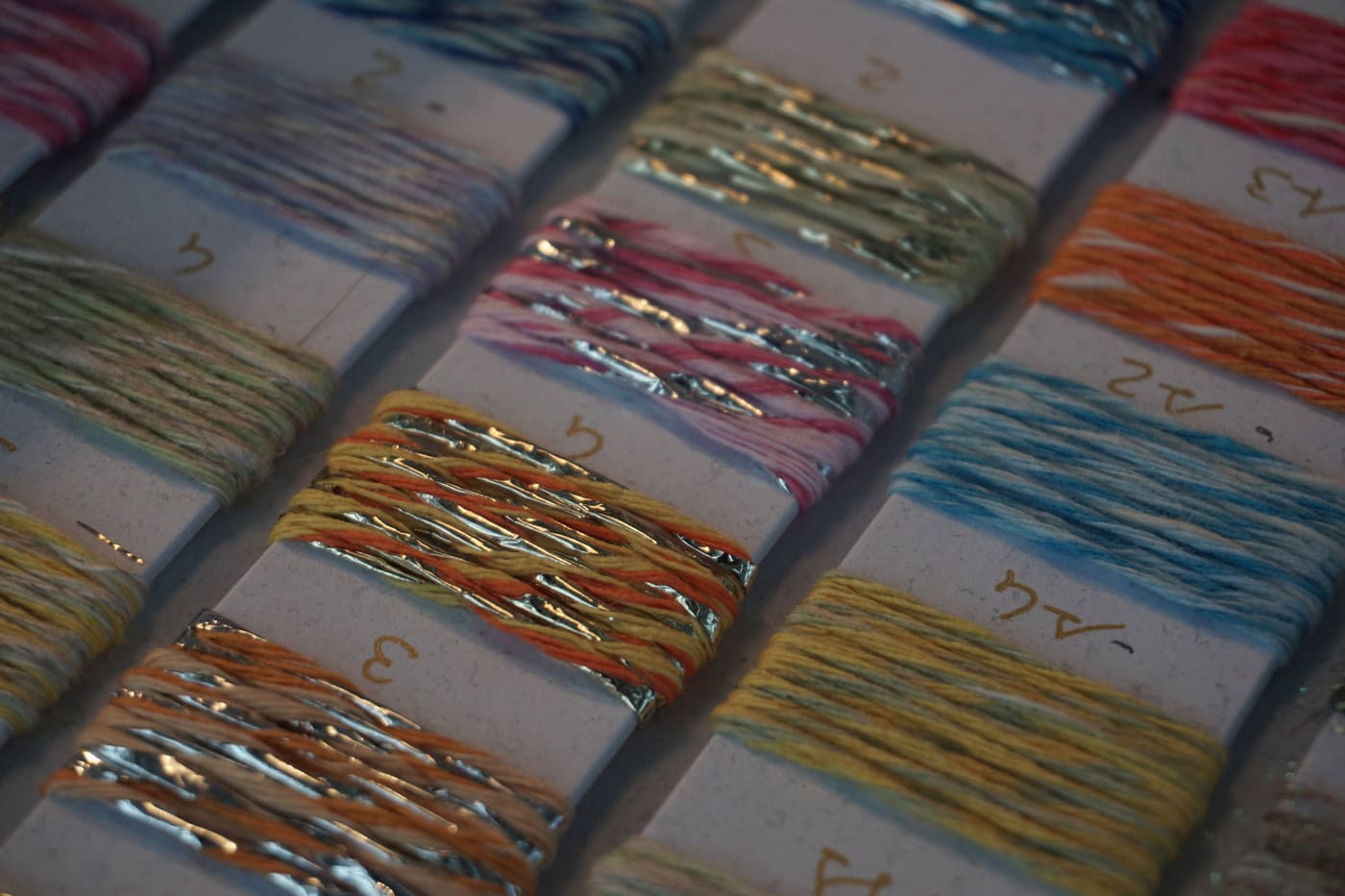
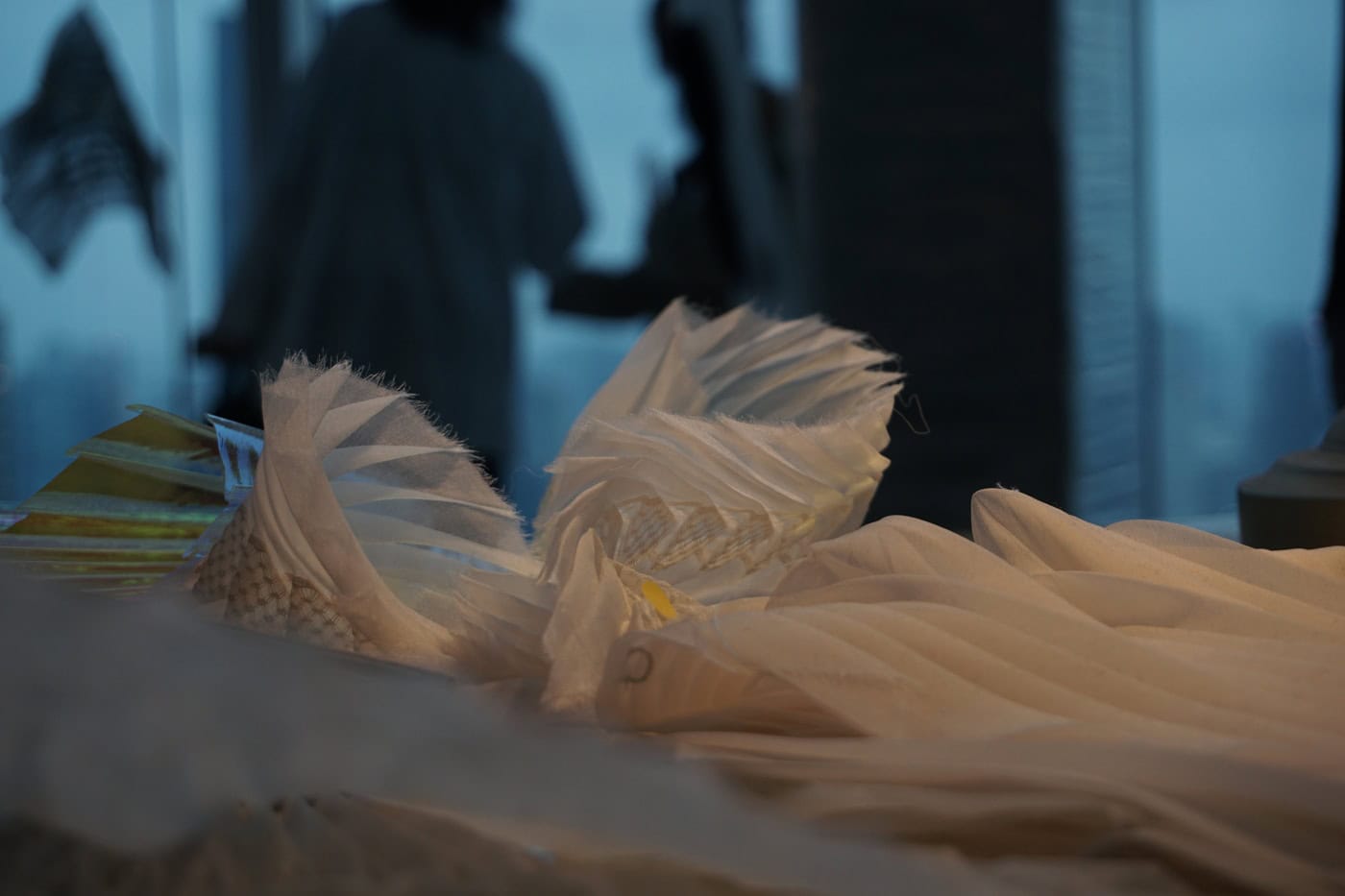
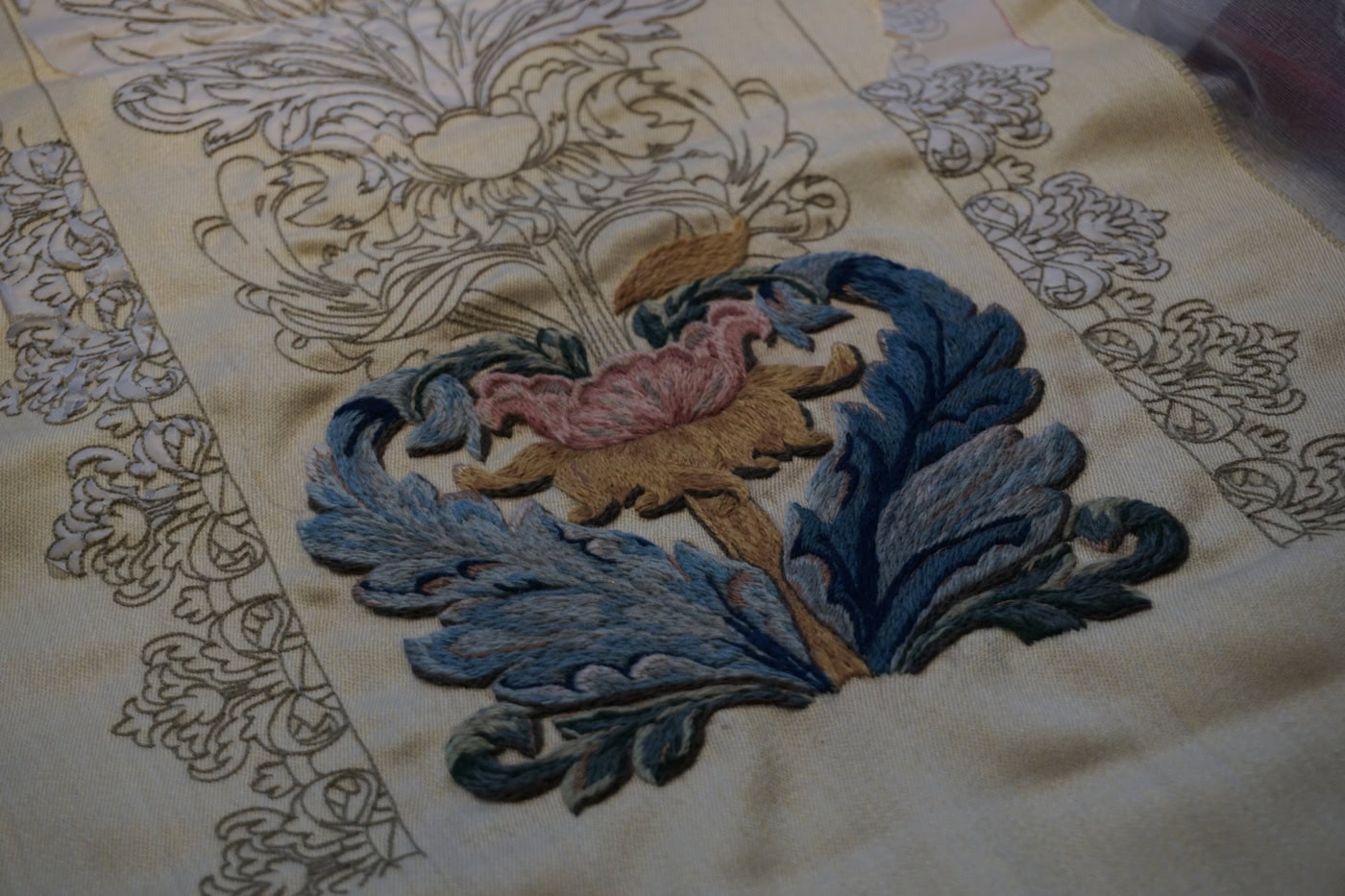
The “Le Festival” installation is just the preamble to a majestic adventure. From this point on, the doors open to the two main exhibitions that make up the “La Galerie du 19M Tokyo” event.
The exhibition is divided into two sections: the first entitled “Beyond our Horizon,” and the second “Lesage – 100 Years of Fashion and Decoration.”
Beyond Our Horizons, composed of six chapters: “le Passage,” “les Ateliers”,
“le Rendez-vous,” “la Forêt”, “Le Théâtre” and “la Magie,” presents a veritable village of artisans.
The exhibition is conceived as a small village where artisans and creatives work and showcase both their works and the process of making them. It's an environment far removed from the technology that so pervades us and often makes us forget that artisans are the true soul of creativity. This exhibition invites the public to immerse themselves in a world where artistic creation is inspired by nature and artisanal tradition, offering a return to craftsmanship and demonstrating how it can be contemporary, innovative, and profoundly creative.
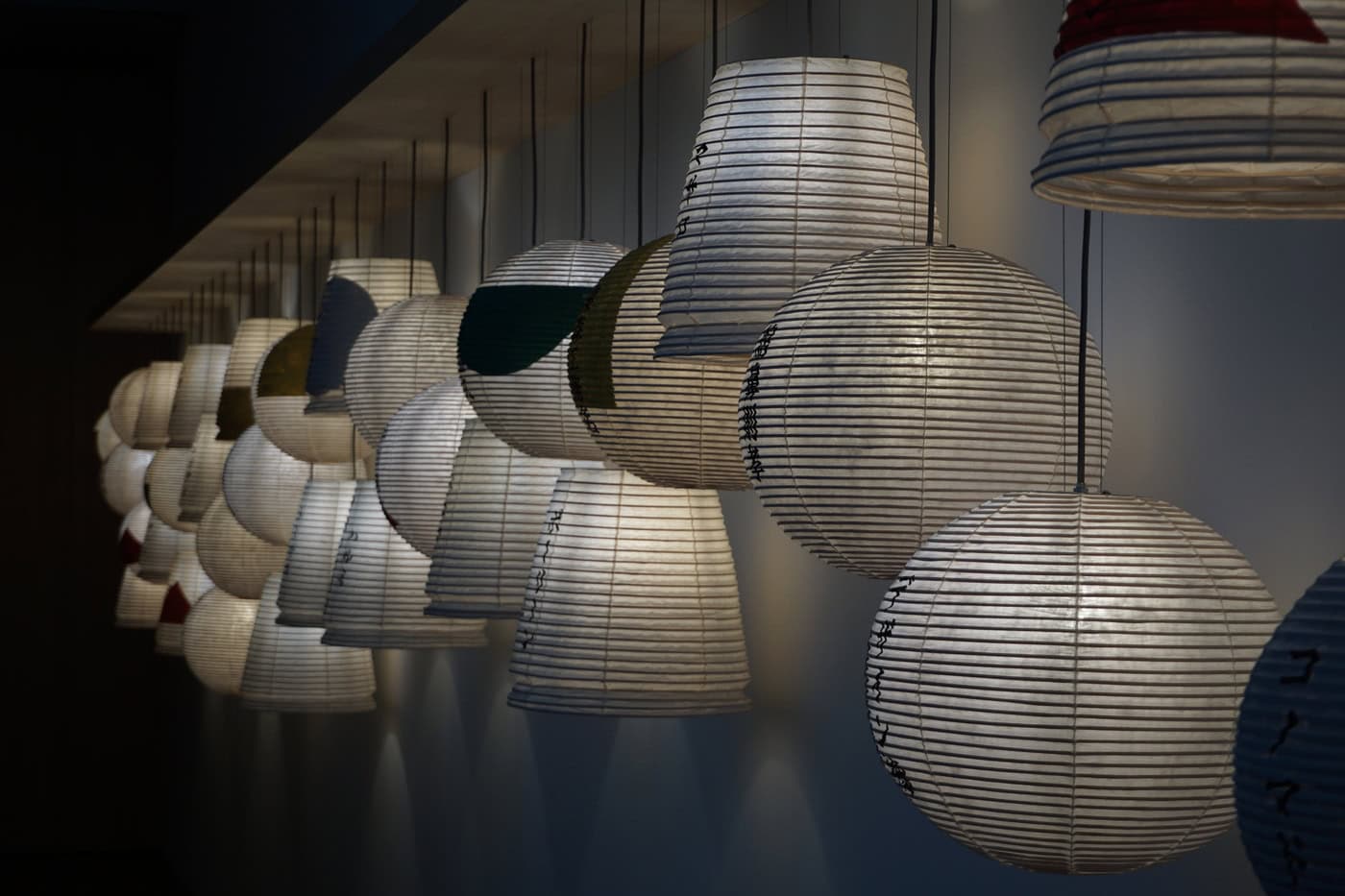
The entrance to the creative village opens with “le Passage” where visitors are greeted by lanterns in traditional and reinterpreted shapes - some lanterns are shaped like hats.
Born from a collaboration between Kojima Shoten, the custodian of Kyoto’s lanterns since the Edo period, and Maison Michel, a Parisian hat maker, each piece bears the name of the artist who contributed to the exhibition.
“les Ateliers” houses the Machiya - a traditional Japanese house or shop - with exhibitions by various artists, including Akiko Ishigaki, who works with natural elements from Iriomote Island, such as hemp. For this exhibition, she collaborated with Lesage to create the noren (woven cloth) positioned at the entrance and exit of the machiya.
Design Tochi, in collaboration with Atelier Lognon, brings together tradition and innovation, reinterpreting Japanese ajiro-bari weaving, born from fishing tools and bamboo rugs. The Textile House (Oriya) presents hand-woven fabrics using ancient spinning techniques. The Lemarié folding atelier, founded in 1853 and part of Chanel Métiers d’art since 2013, integrates fabrics from Yosano, Kyoto, creating a space that celebrates Japanese artisanal heritage with a contemporary twist.
“le Rendez-vous” celebrates the encounter between refined sukiya architecture and exquisite craftsmanship. In this space, tradition and innovation blend harmoniously, reflecting the Japanese philosophy in which aesthetics, balance, and time coexist in perfect harmony.
At the entrance, a wooden platform leads the visitor into a large room decorated with shoji screens embellished with organza embroidery, which evoke landscapes of Japan and France, created by Atelier Montex and Lesage Interieurs.
The space, overlooking a splendid view of Tokyo, is embellished with tweed tatami mats created by Takamuro Tatami Kogyosho. A particularly charming detail is the shoji handles, designed by Desrues - the renowned Maison that has been crafting buttons, jewelry, and fashion accessories for Chanel for decades - specially designed for the event, a perfect balance between Japanese tradition and Chanel style.
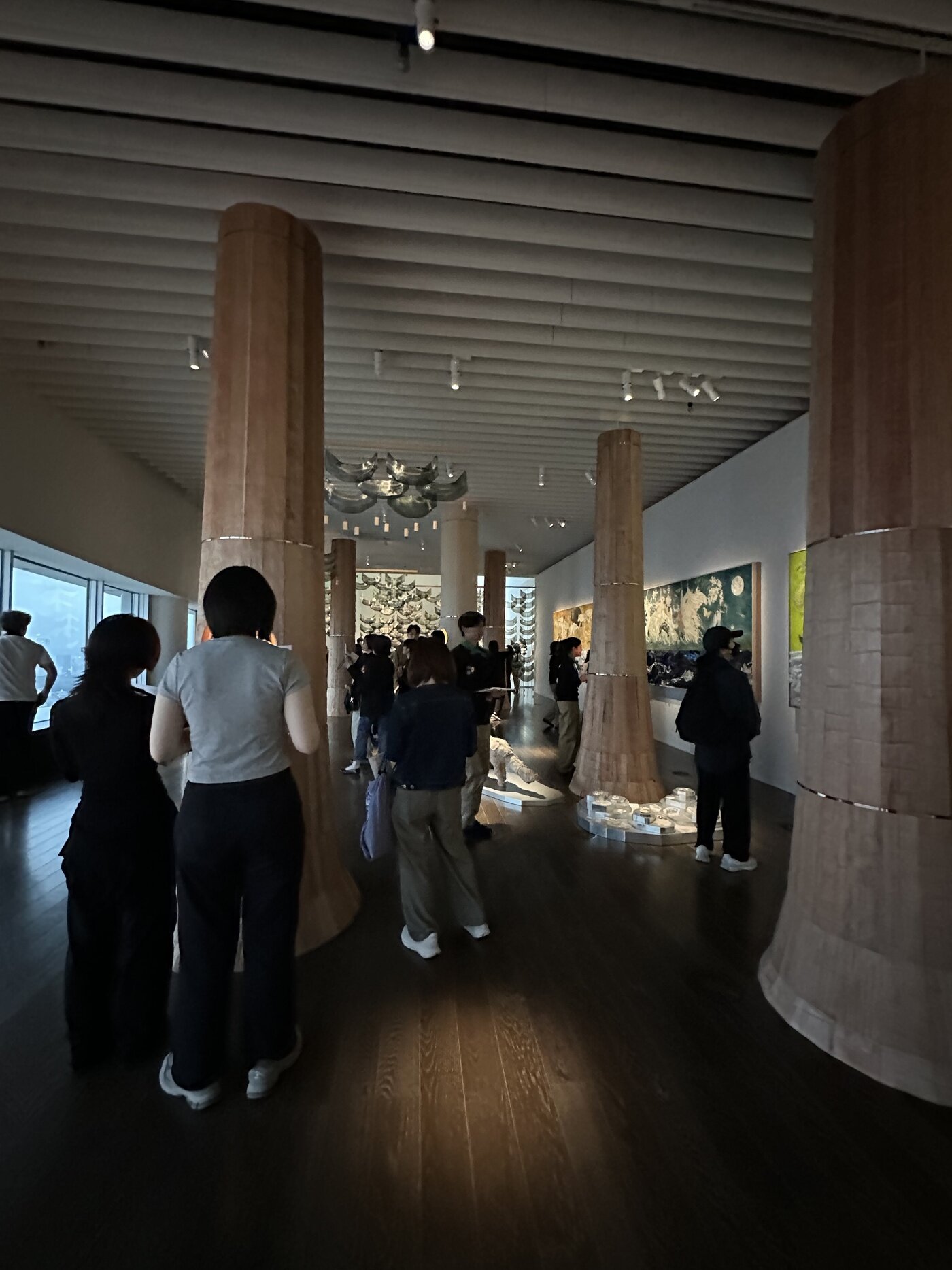
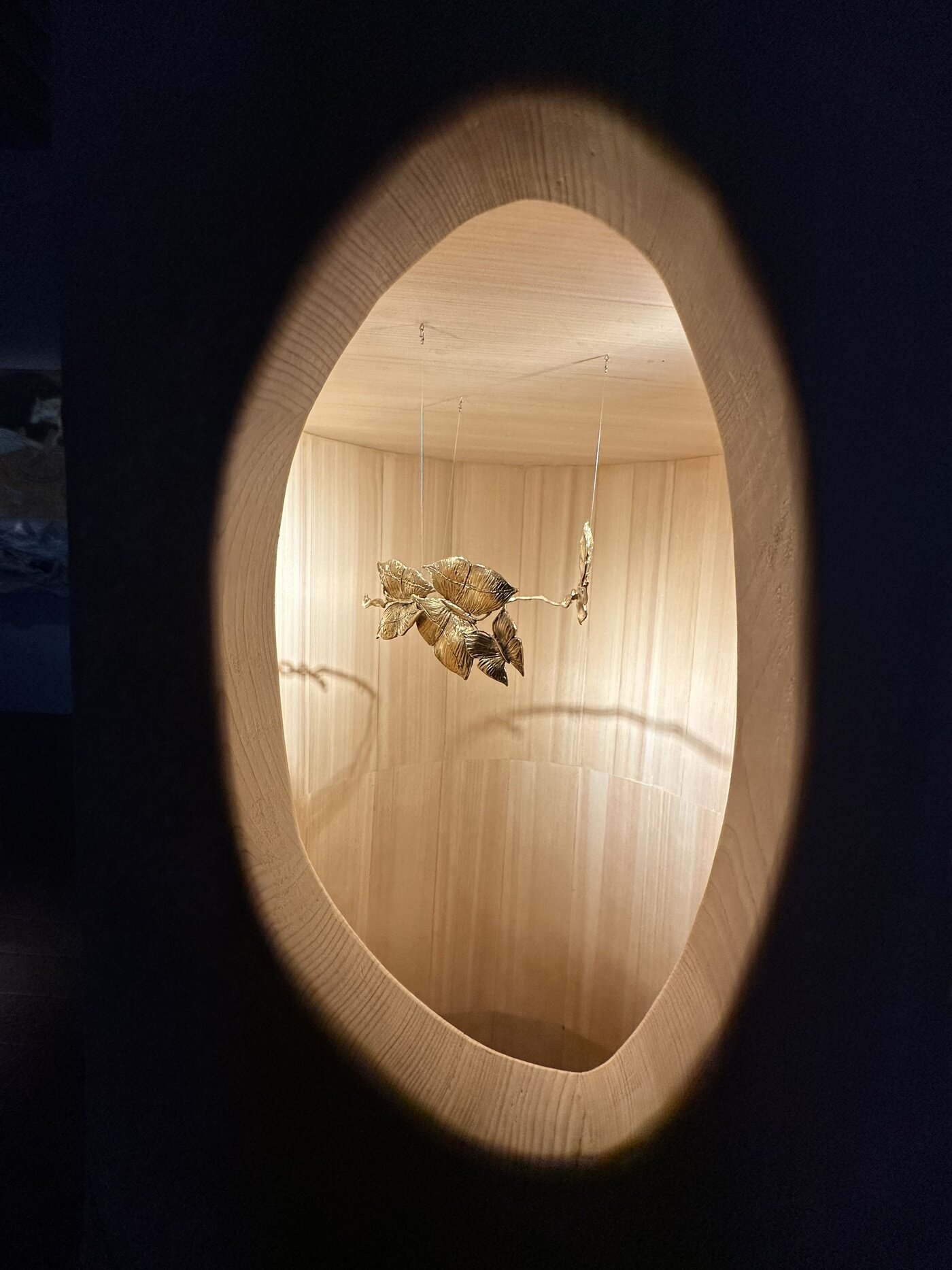
“la Forêt” celebrates nature as the origin of all creation and a source of inspiration for humanity. Thus, was born the forest of creation - a dialogue between art and craftsmanship - made of wooden trees by artist Shuji Nakagawa. The trees serve as a display, showcasing works created specifically for the occasion by artists such as Mitsuta Haruo, Clara Imbert, Harumi Klossowska de Rola, Daphne Guinness, Simone Pheulpin, Daisuke Igarashi, and Julian Farade.
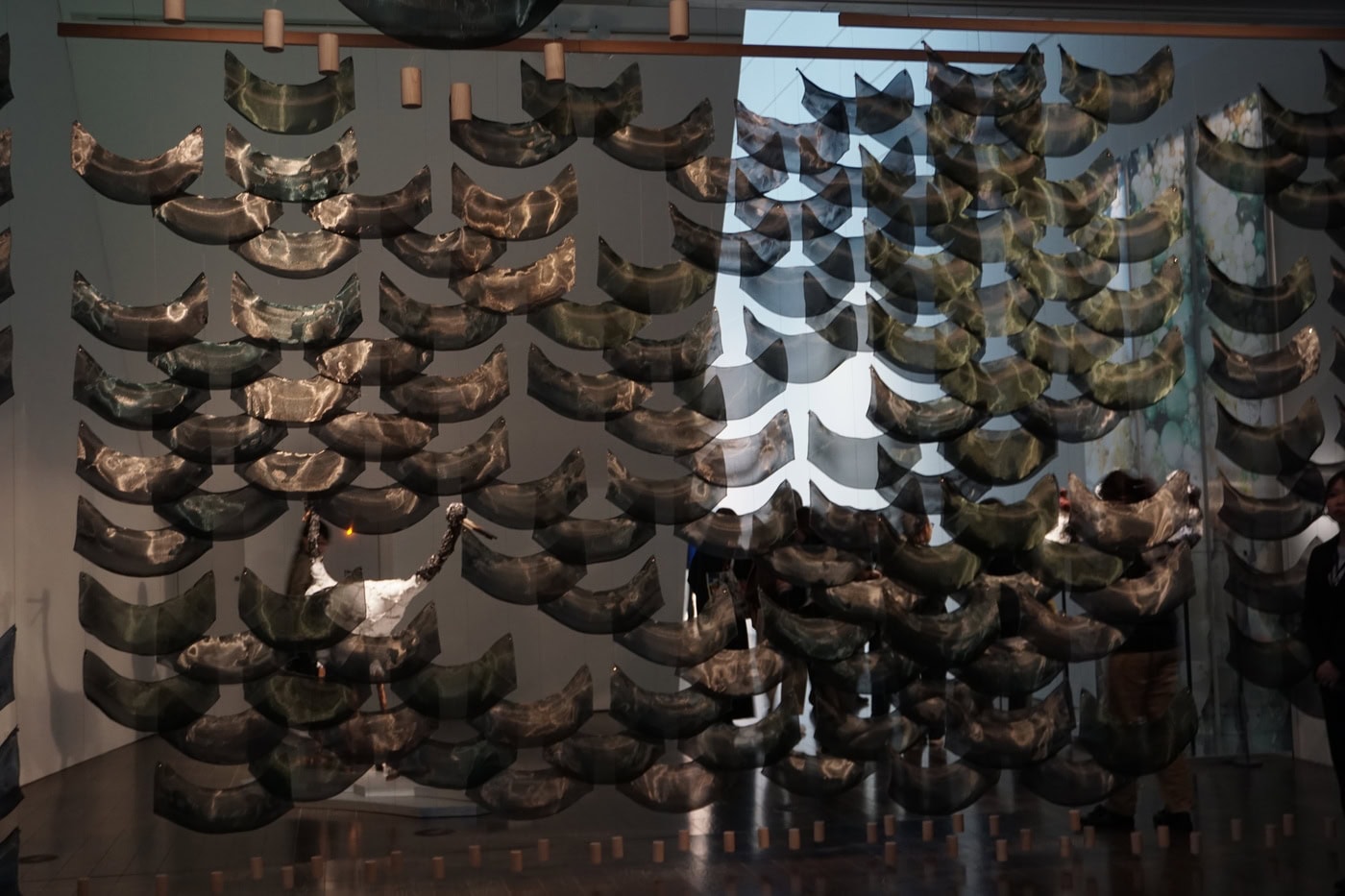
“La Forêt” concludes with an installation titled “Fog Screen,” a collaboration between Design Tochi and the Parisian studio Studio MTX, specializing in textiles, embroidery, and materials development.
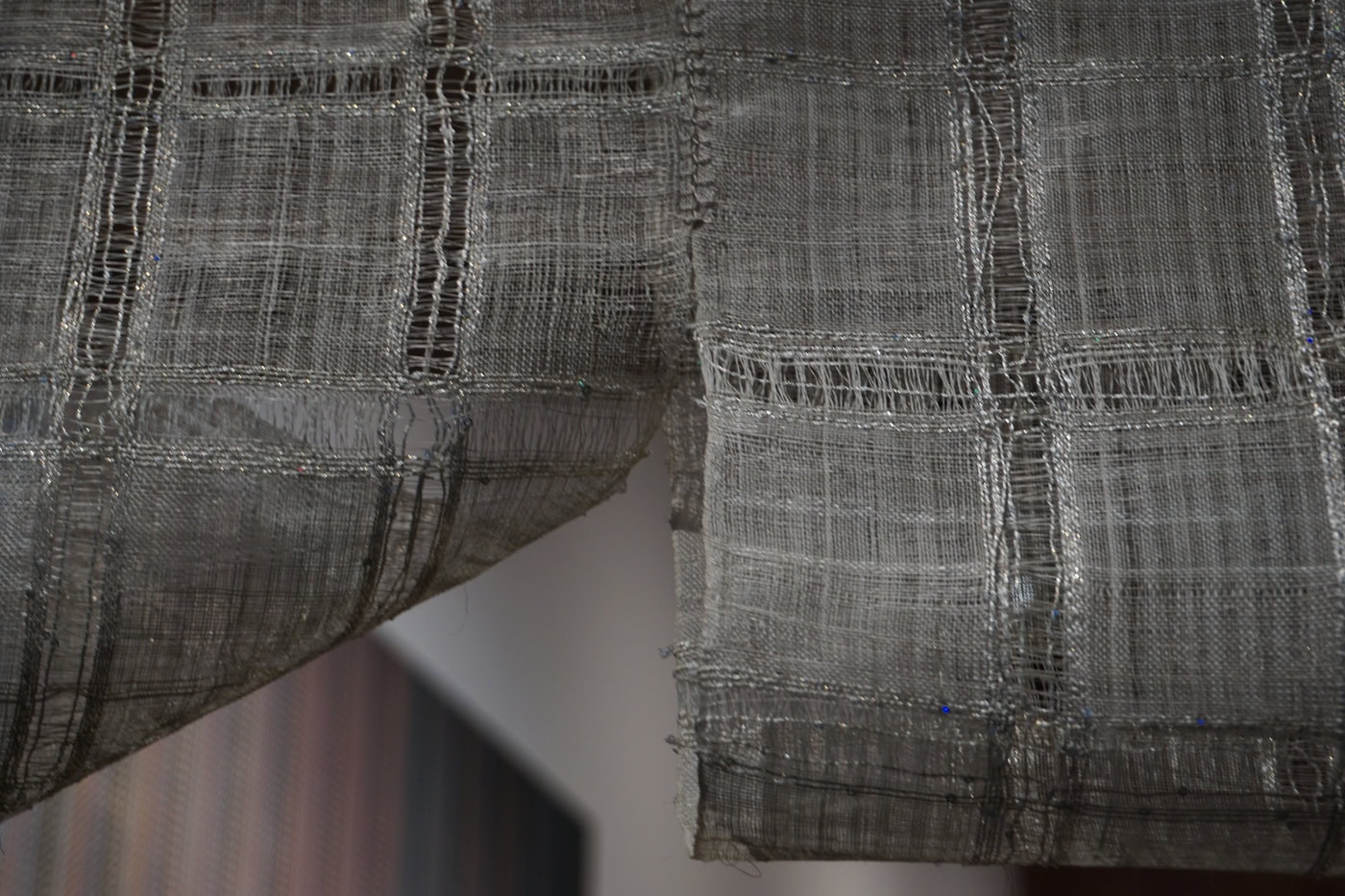
“Fog Screen” is an immersive art installation that recreates the fog at the edge of the forest, intertwining textile art, light, and matter. Here, the fabric transforms into an architectural element, creating an ethereal screen that evokes the presence of nature through transparencies and textures reminiscent of mist. A poetic work that symbolizes the boundary between art, nature, and space.
“Le Théâtre” is a space where arts and crafts merge into a single work. During the exhibition, it hosts workshops and meetings between artists and artisans from Beyond Our Horizons, offering unique and spontaneous experiences. A curtain created by Xavier Veilhan and Atelier Montex, previously exhibited at the Kabuki-za Theater, symbolically inaugurates the event.
The final stop of the creative village “la Magie” introduces us to a poetic world where two artists, A.A. Murakami and Konomad - Tomihiro Kono and Sayaka Maruyama - elevate traditional artistic techniques through contemporary approaches.


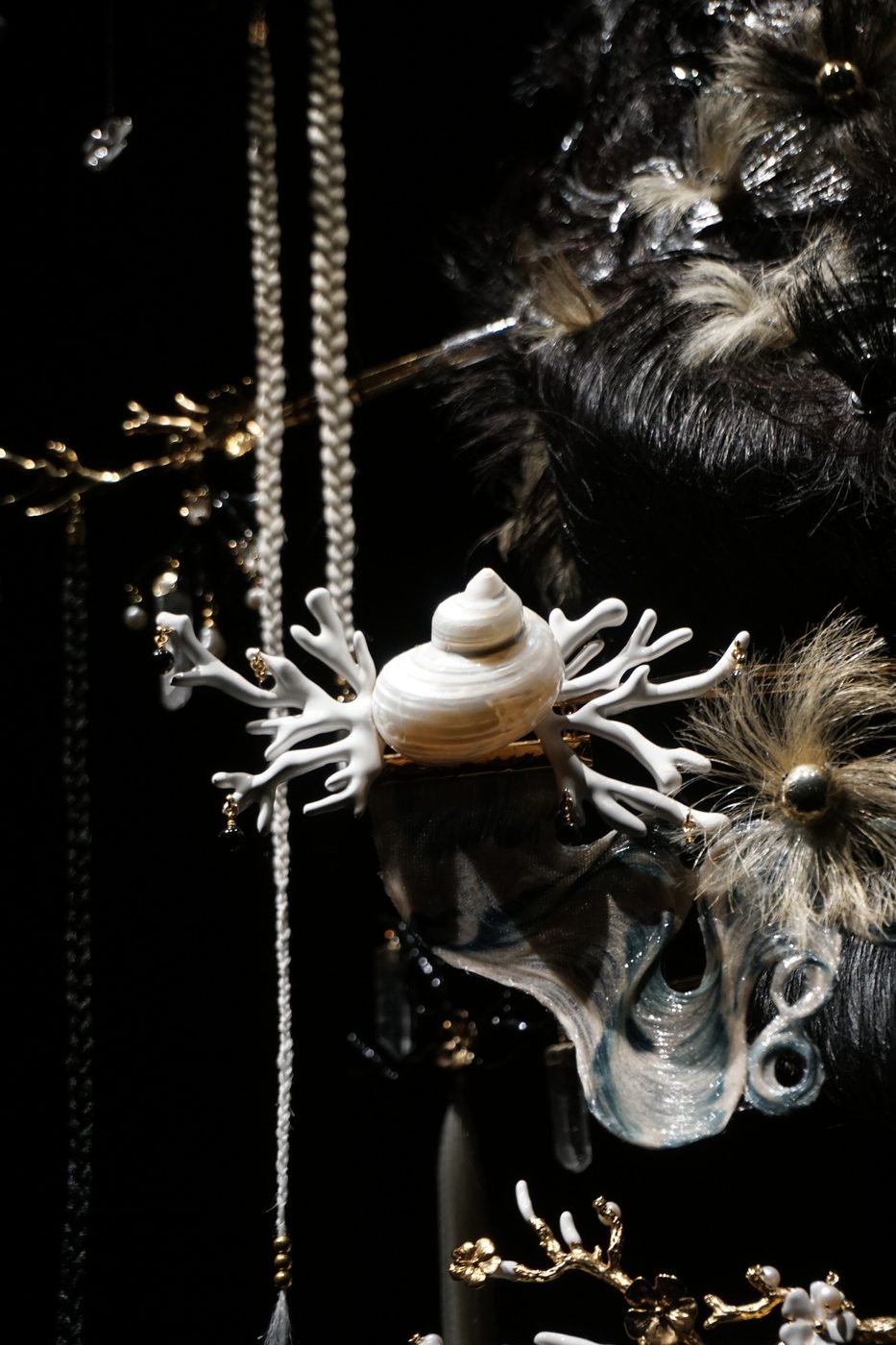
Leaving the creative village, we venture into the second part of the exhibition “Lesage – 100 Years of Fashion and Decoration.”
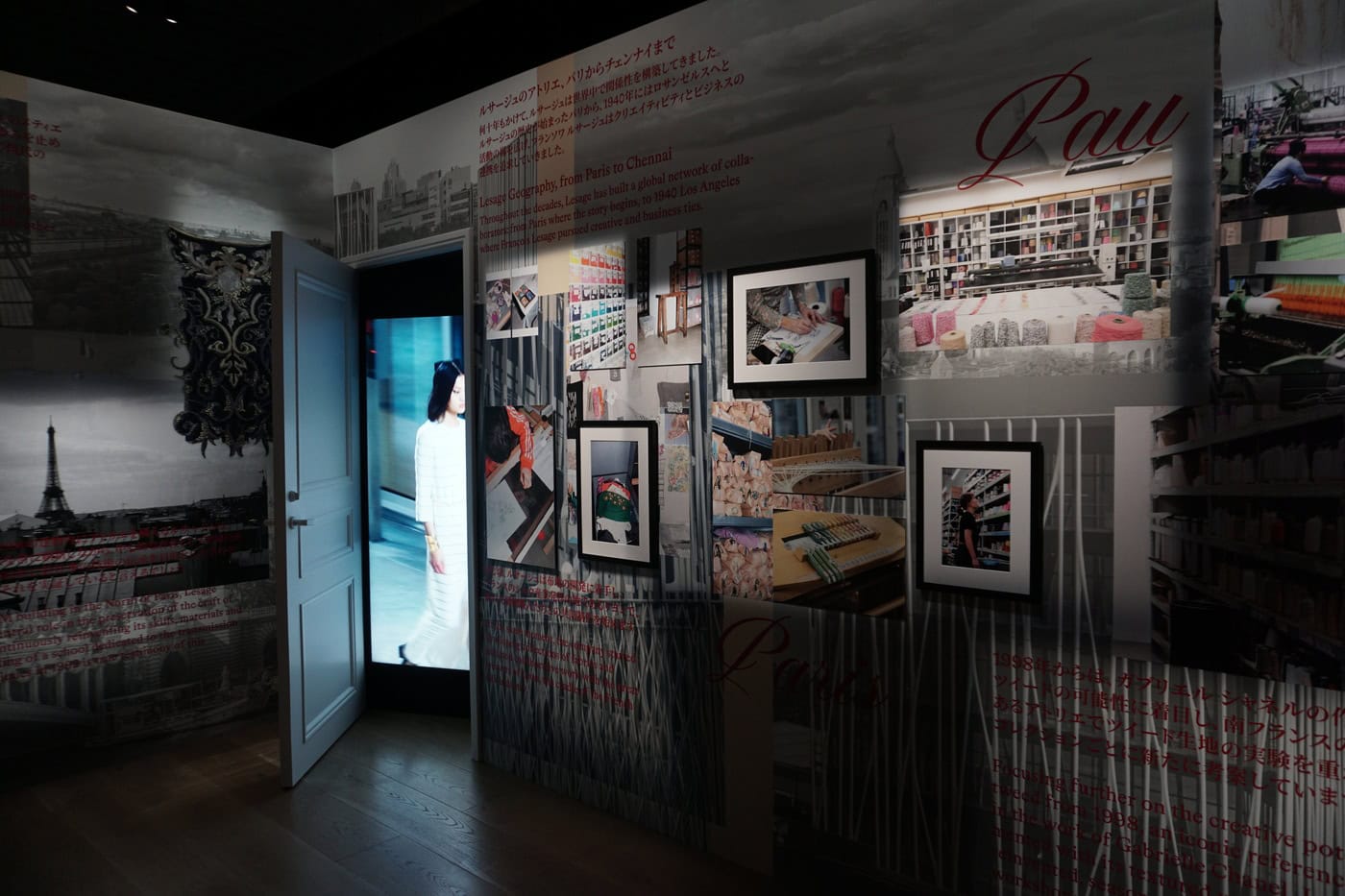
In 1924, Albert and Marie-Louise Lesage took over the Michonet embroidery atelier, founded in 1858 - which supplied the most illustrious names in Haute Couture - and founded Maison Lesage. The house soon became renowned for its avant-garde patterns, thanks to the new techniques and nuances developed by Marie-Louise Lesage.
In 1949, François Lesage took over the atelier, collaborating with great designers of the time such as Cristóbal Balenciaga, Yves Saint Laurent, and, of course, Chanel. Lesage joined Chanel Métiers d'art in 2002.
The exhibition “Lesage – 100 Years of Fashion and Decoration” is divided into seven chapters, “Lesage and Chanel: Couture, past and present”, “The workshops: Lesage, a century of Paris Couture”, “The archive of Lesage by Romain Cieutat”, “The Languages of Embroidery and Weaving”, “Lesage for Chanel. Reinvention and Subversion”, “The Cultural Value of Embroidery: Heritage and Excellence”, “Murmuration”.
“Lesage and Chanel: Couture, Past and Present” is a full immersion in the 110 years since Chanel’s first Haute Couture collection. From its origins to the present day, the House of Chanel has collaborated with weavers, embroiderers, and jewelers, strengthening the bond between creativity and craftsmanship.
From room to room, the fragrance of creativity permeates the spaces: fabrics and embroidery fill the spaces, a creativity that only the great designers of the time knew how to transform into masterpieces.
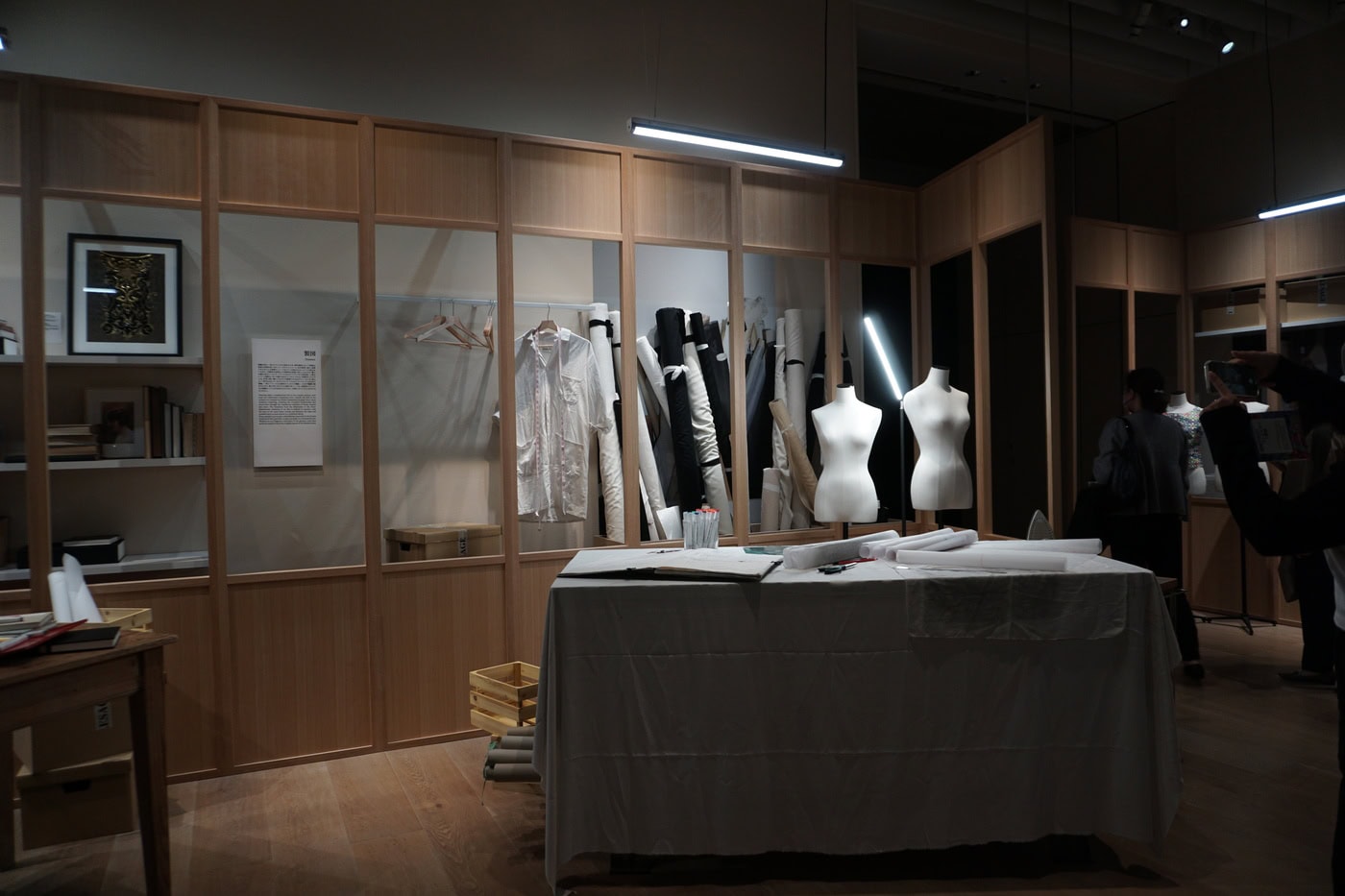
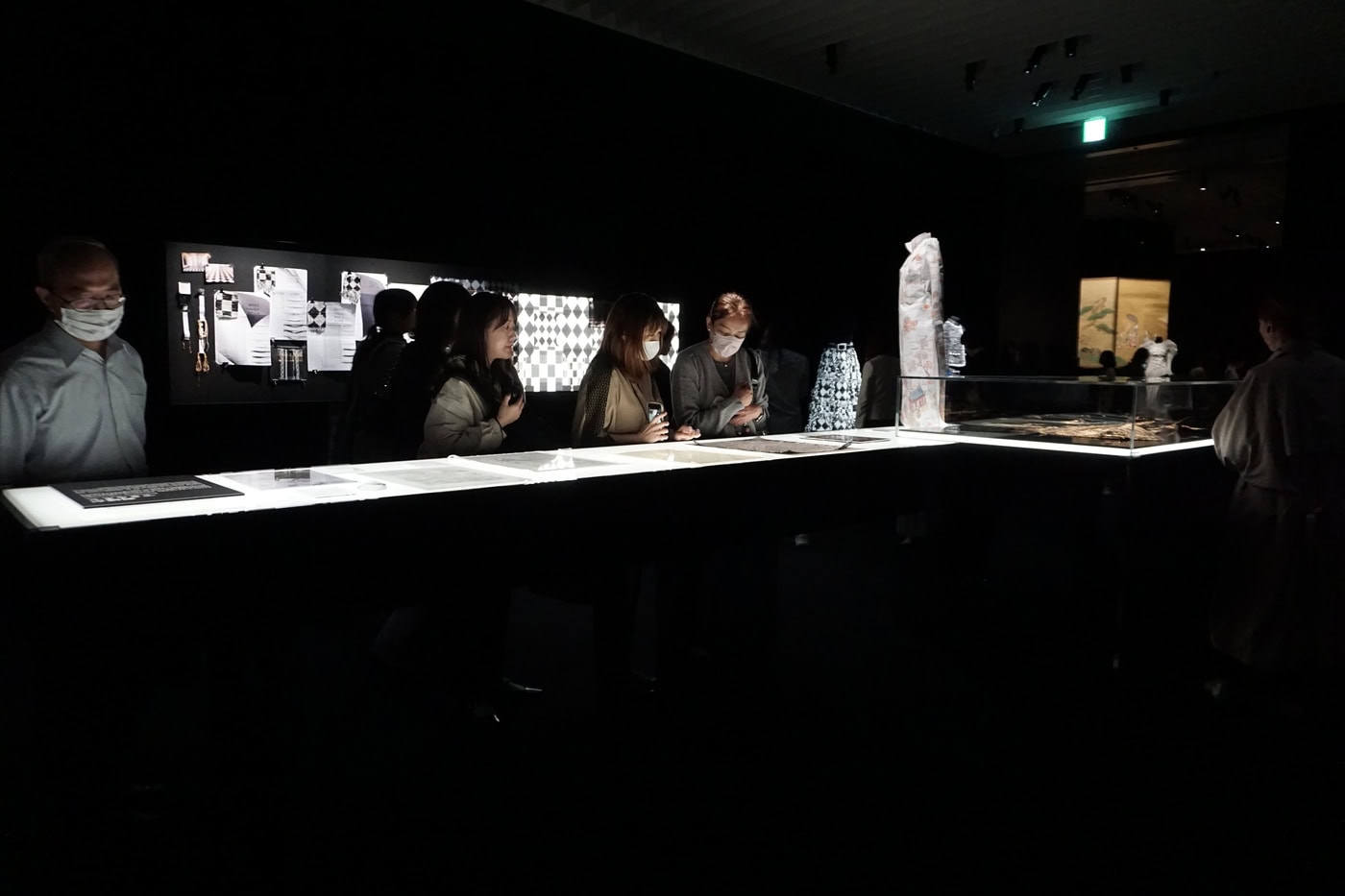
“The Workshops: Lesage, a Century of Paris Couture,” a true creative laboratory, where balls of yarn, sketches, colors, and tools intertwine to give life to a new embroidery or fabric. In this space, designed like a small workshop with open shelves, the art of craftsmanship is displayed in all its complexity, revealing, through small elements, the dedication and mastery of the artisans.

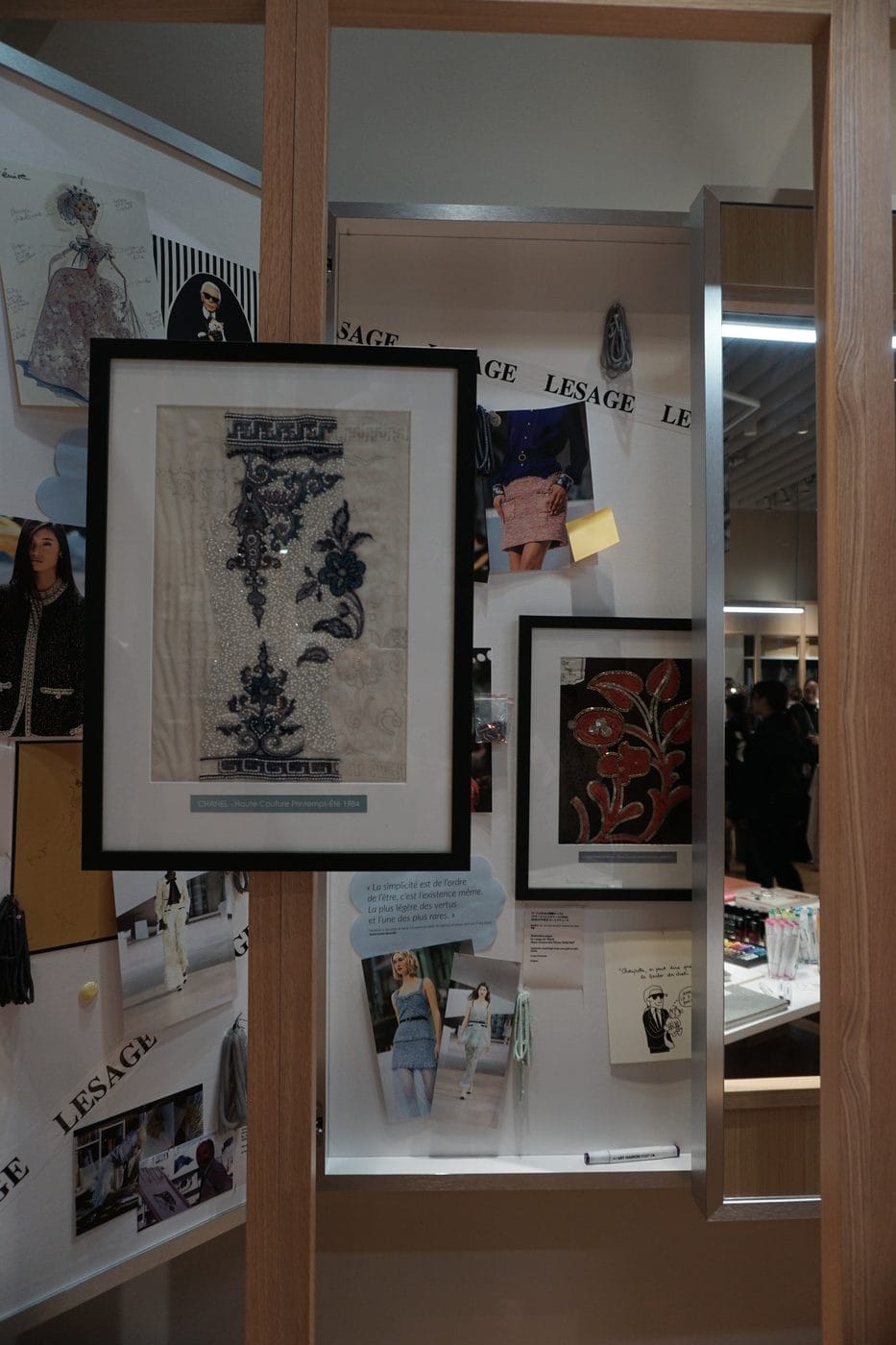
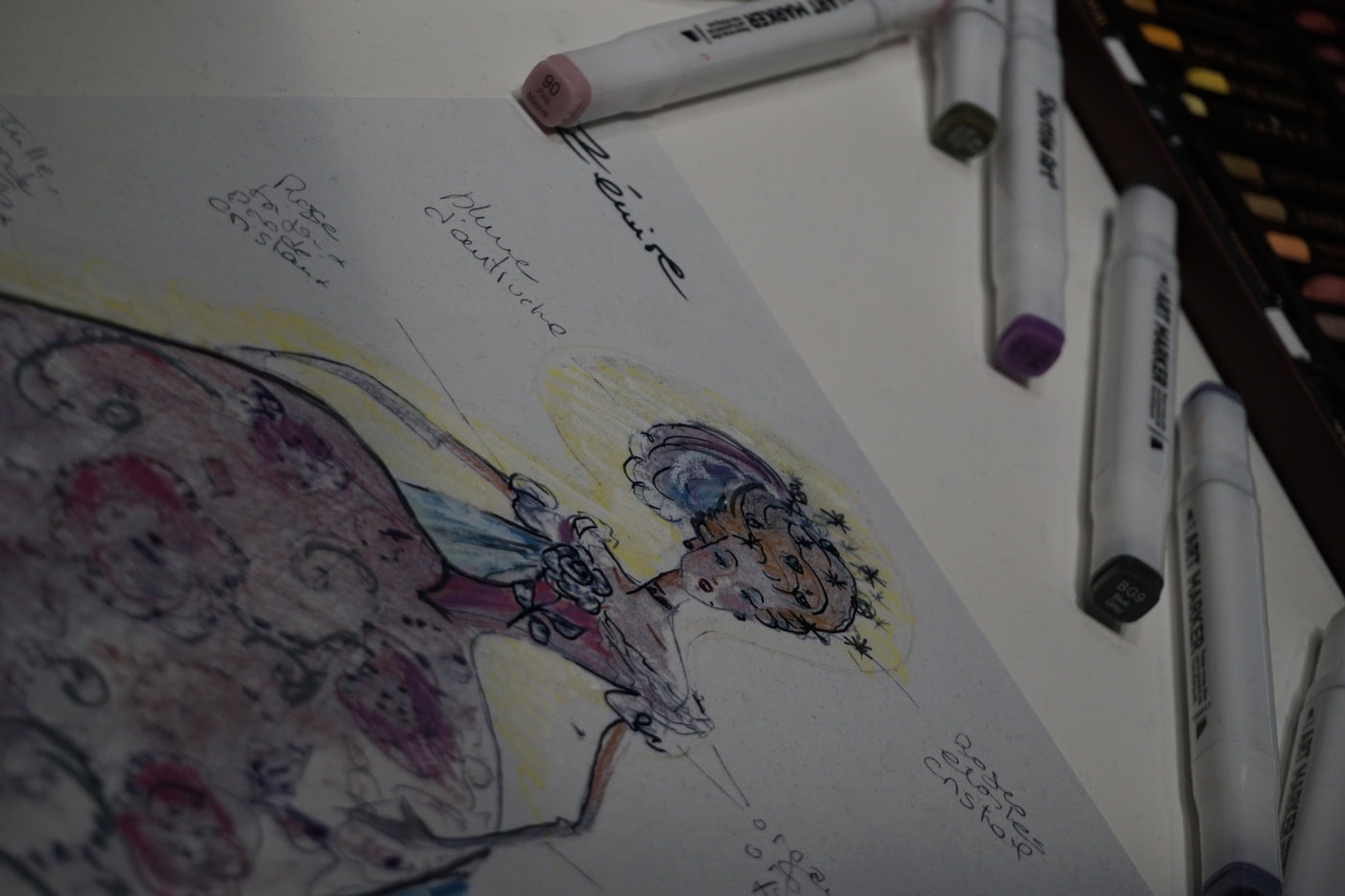
“The Archive of Lesage by Romain Cieutat” is a tribute to Lesage by visual artist Romain Cieutat. Using three-dimensional technology, the artist reinterprets five iconic samples from the Lesage archives, breaking down the embroideries and revealing their technical complexity and artisanal precision. The result is a new perspective on the art of embroidery, combining tradition and innovation.
“The Languages of Embroidery and Weaving,” a small corridor leading to a much larger space decorated with sketches, embroideries, and fabrics, explores the many embroidery techniques developed by Lesage over the years and its various collaborations with twentieth- and twenty-first-century designers. At the top of the room, an installation by artist Jeanne Vicérial captivates visitors.
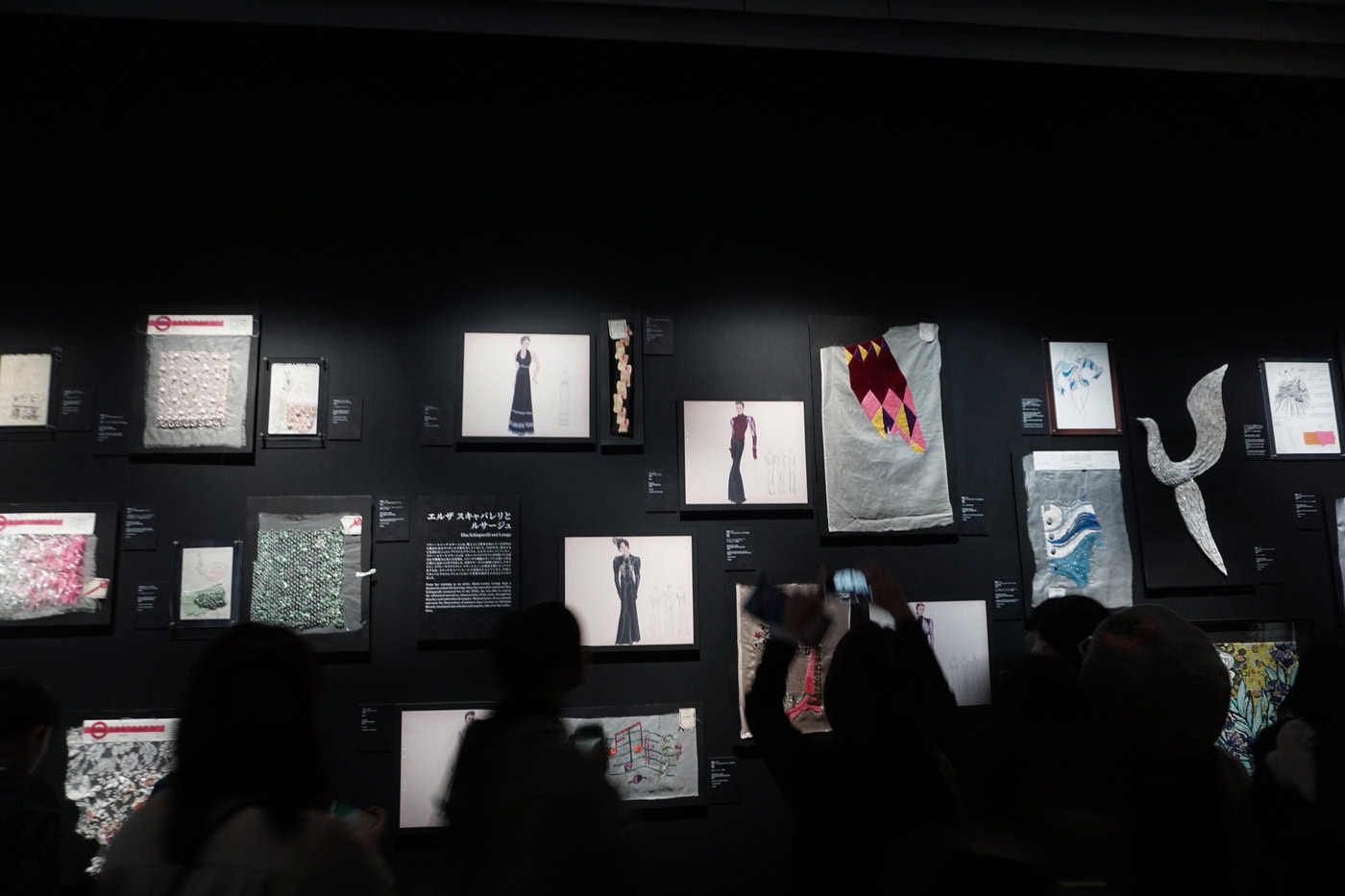

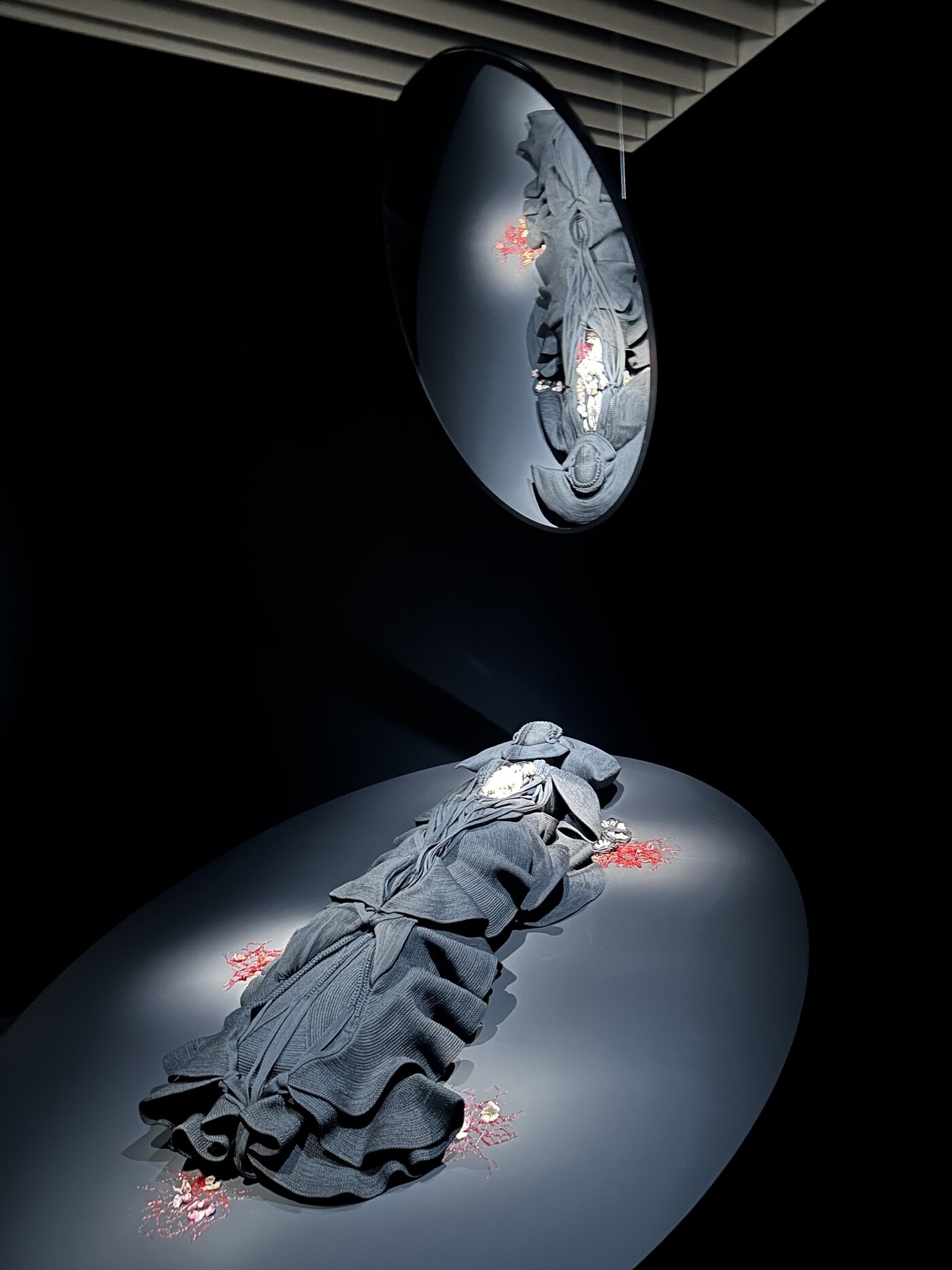
“Lesage for Chanel. Reinvention and Subversion” explores the bond between Lesage and designer Karl Lagerfeld, who joined Chanel in 1983 as creative director. Since then, Lagerfeld and Lesage have reinterpreted baroque and monochrome motifs, showcased the mastery of embroidery and transformed the contrasts between black and white into an innovative symbol of Chanel’s timeless style.
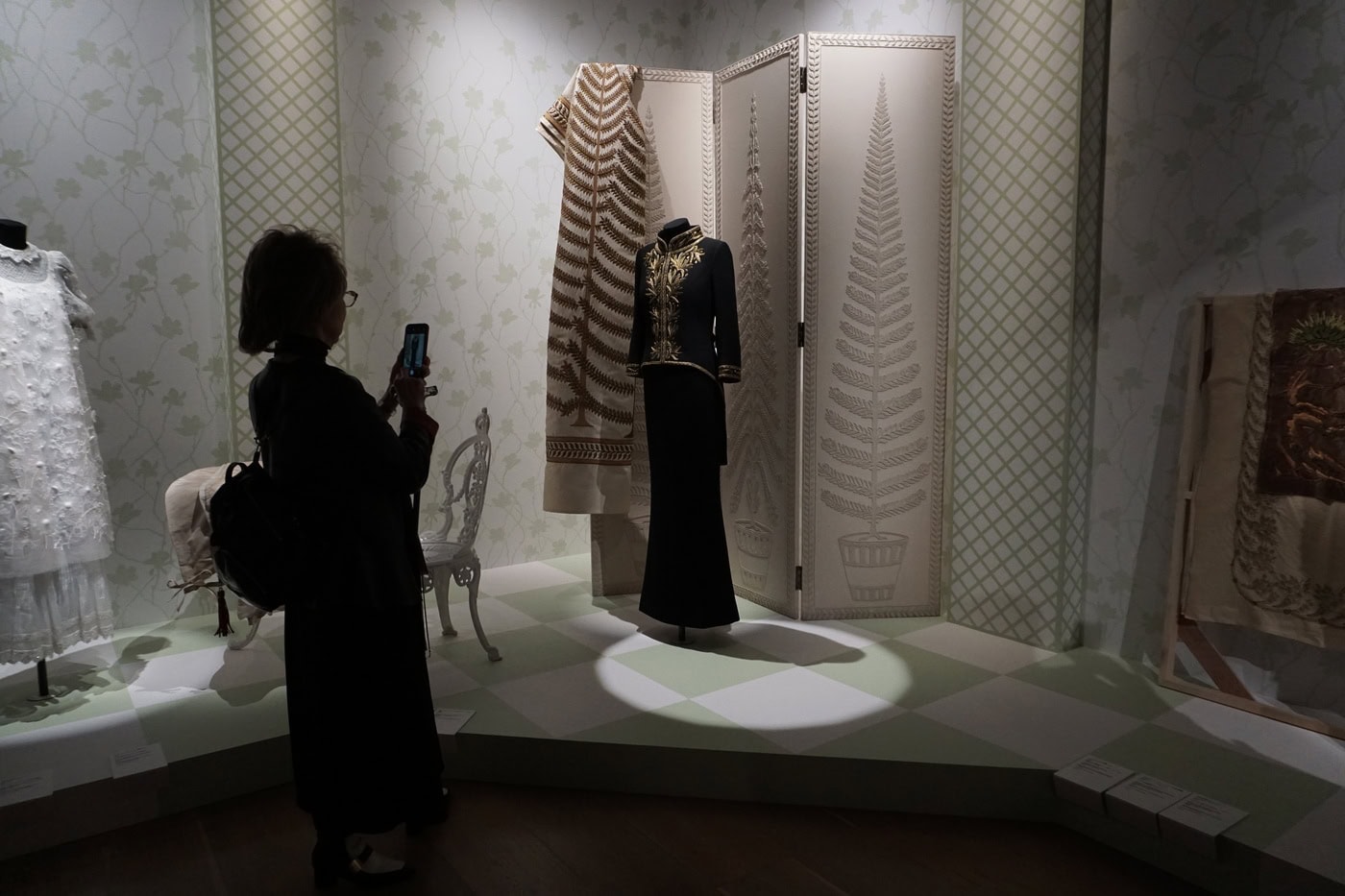
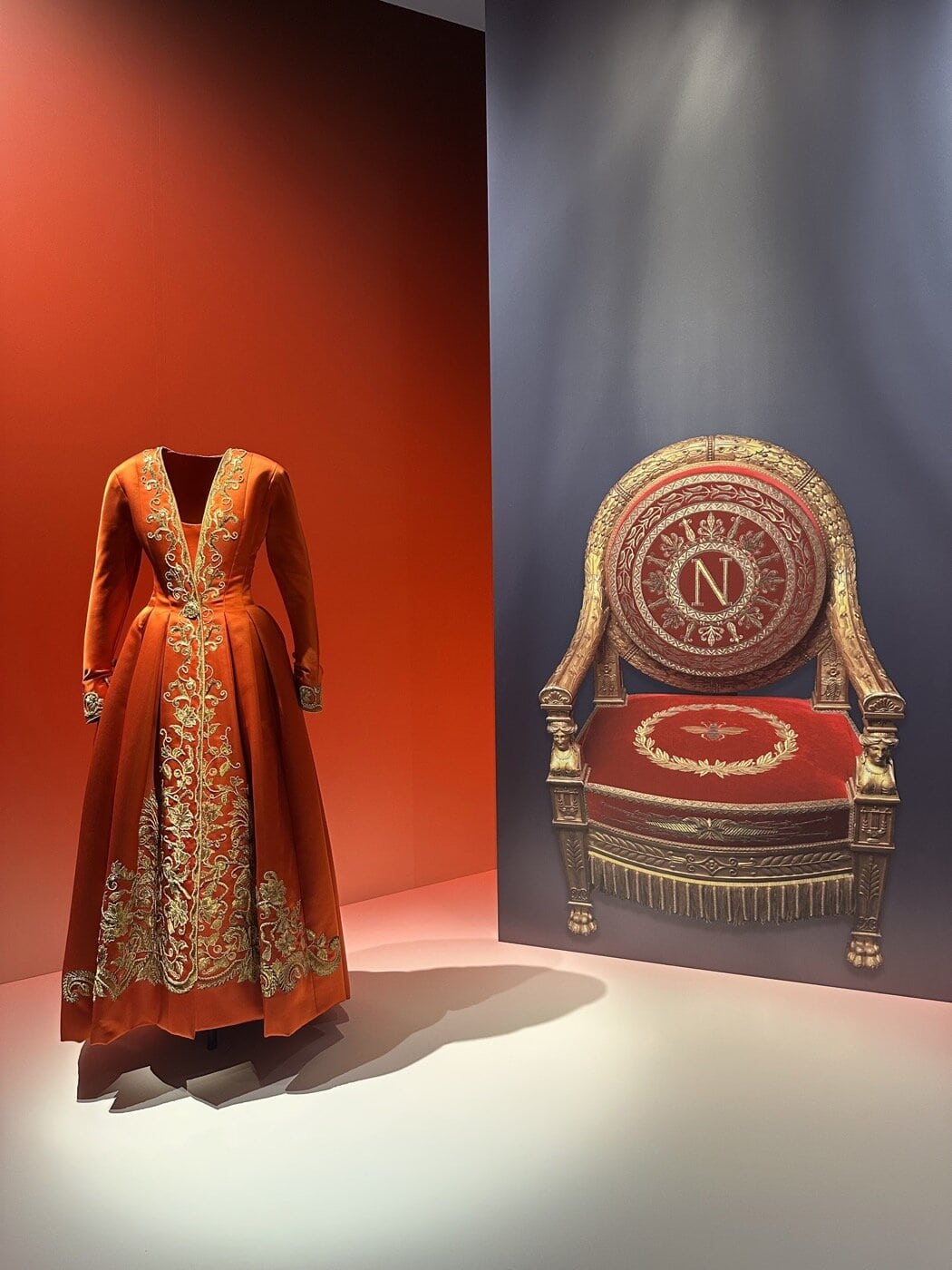
“The Cultural Value of Embroidery: Heritage and Excellence” illustrates the art of embroidery in aristocratic clothing. The pieces are displayed in various rooms - constructed with iron structures and covered in white fabric - with settings ranging from nature to the starry sky, all the way to the Napoleonic era.
The installation “Murmuration” by artist Aristide Barraud gently accompanies the visitor as they leave the exhibition. With this installation, the artist celebrated Lesage's centenary through a projection and veils embroidered with starlings. Inspired by the synchronized movements of birds, the installation pays tribute to the dedication and work of the artisans involved, from Paris to Marseille, from Venice to Dakar.
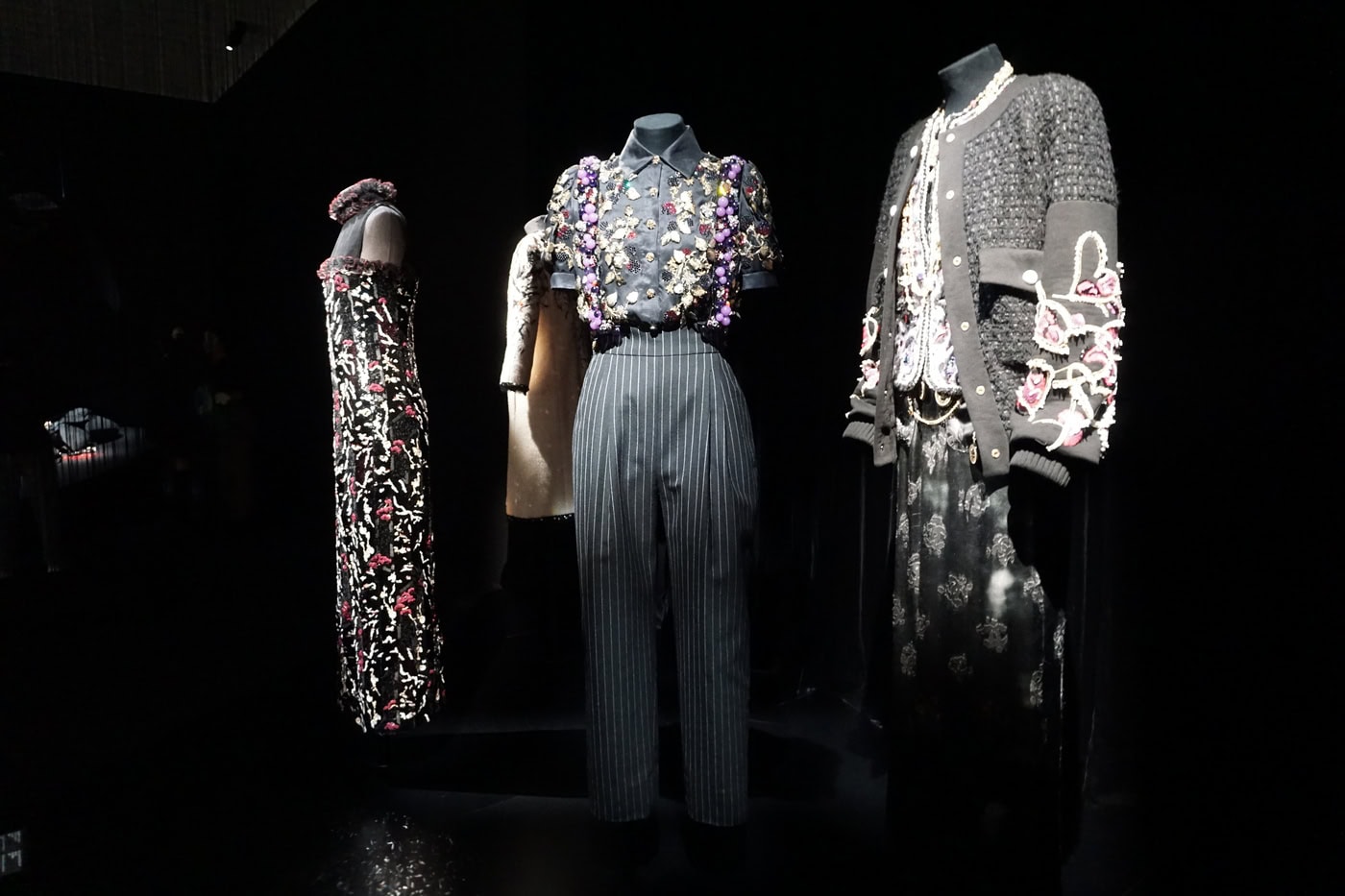
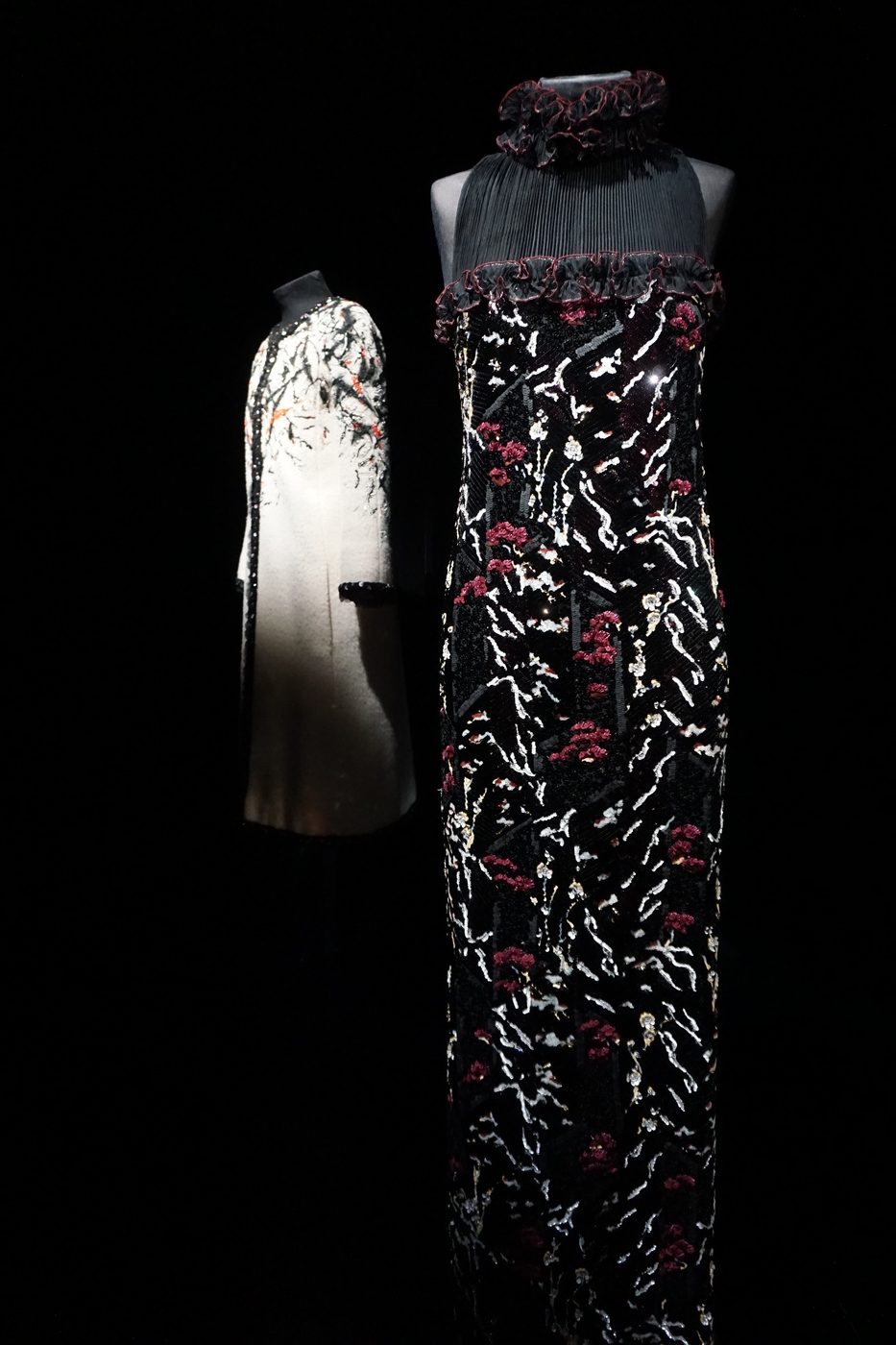

The Chanel exhibition was definitely a whirlwind of emotions and surprises. Designed not only to capture attention with spectacular displays but also to engage visitors with often overlooked aspects, it revealed the hidden soul of Haute Couture.
Artisans, the central hub of the creative world, played a fundamental role in this exhibition. We often forget that behind every garment, every little jewel, lies the expert hand of an artist who has studied, experimented, and perfected every detail until creating a true masterpiece.
Masterfully executed and meticulously crafted, the exhibition left visitors speechless, offering not only an aesthetic experience but also an intimate understanding of the dedication, technique, and passion that drive the beating heart of the Maison Chanel.