日本語
日本語 English

Eight Emerging Studios Rethink Architectural Models as Tools for Imagination, Critique, and Spatial Inquiry
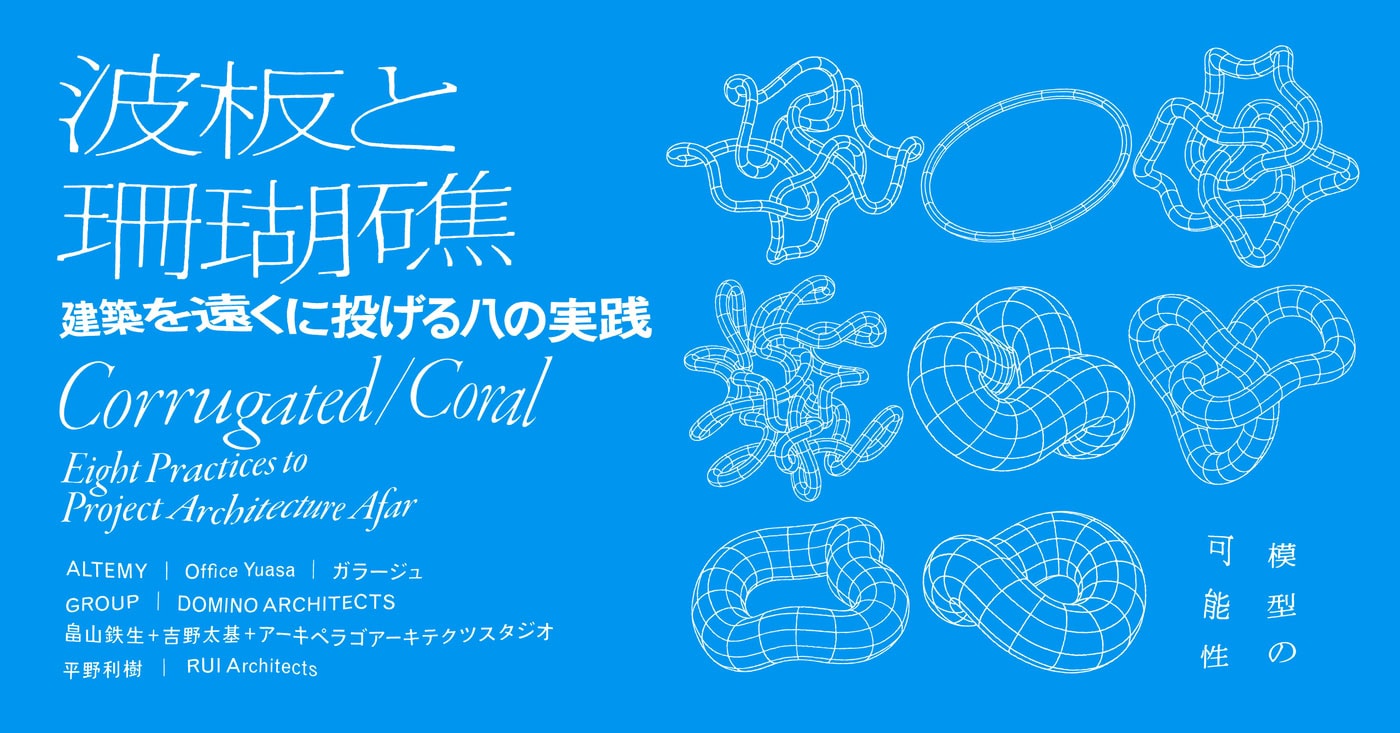
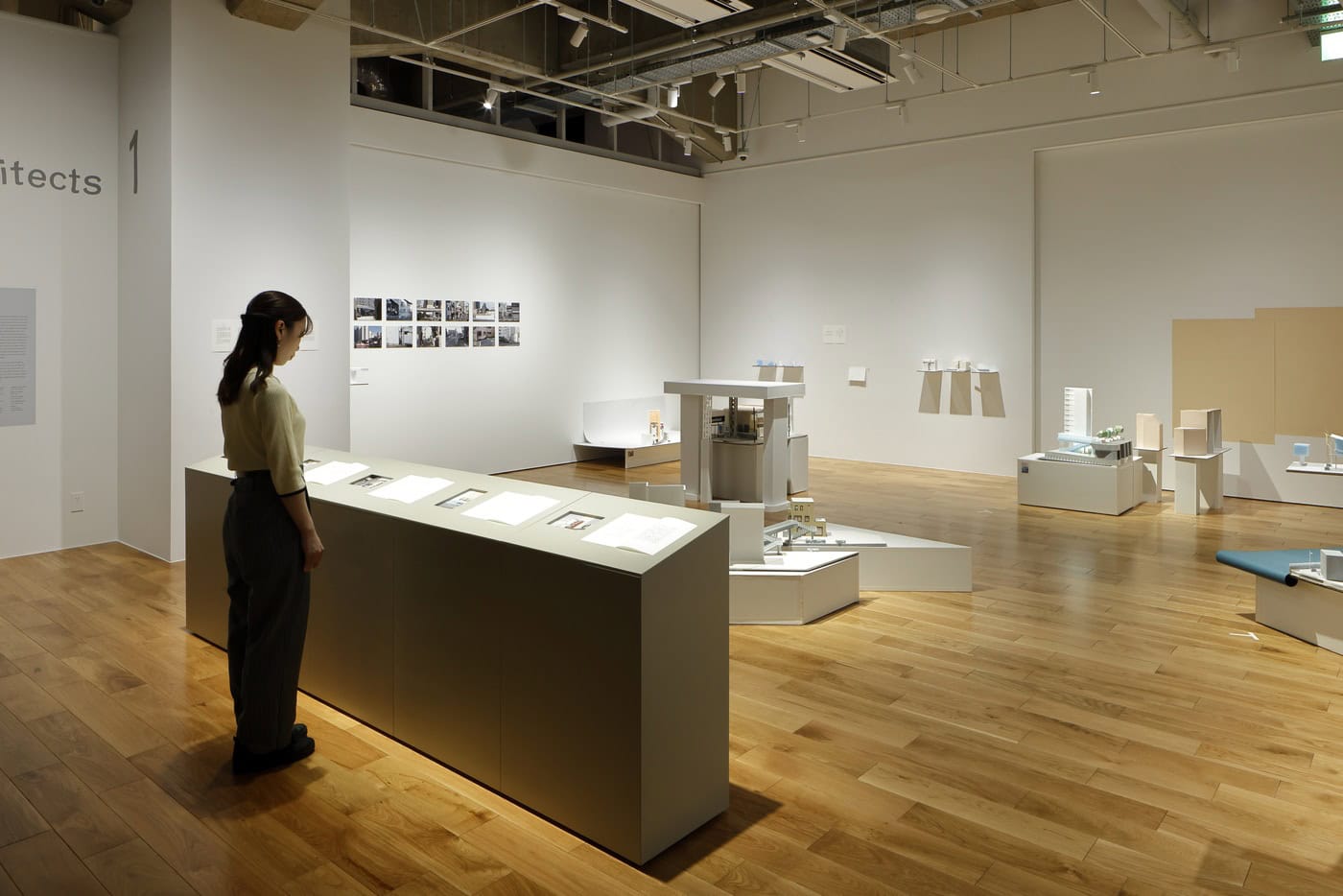
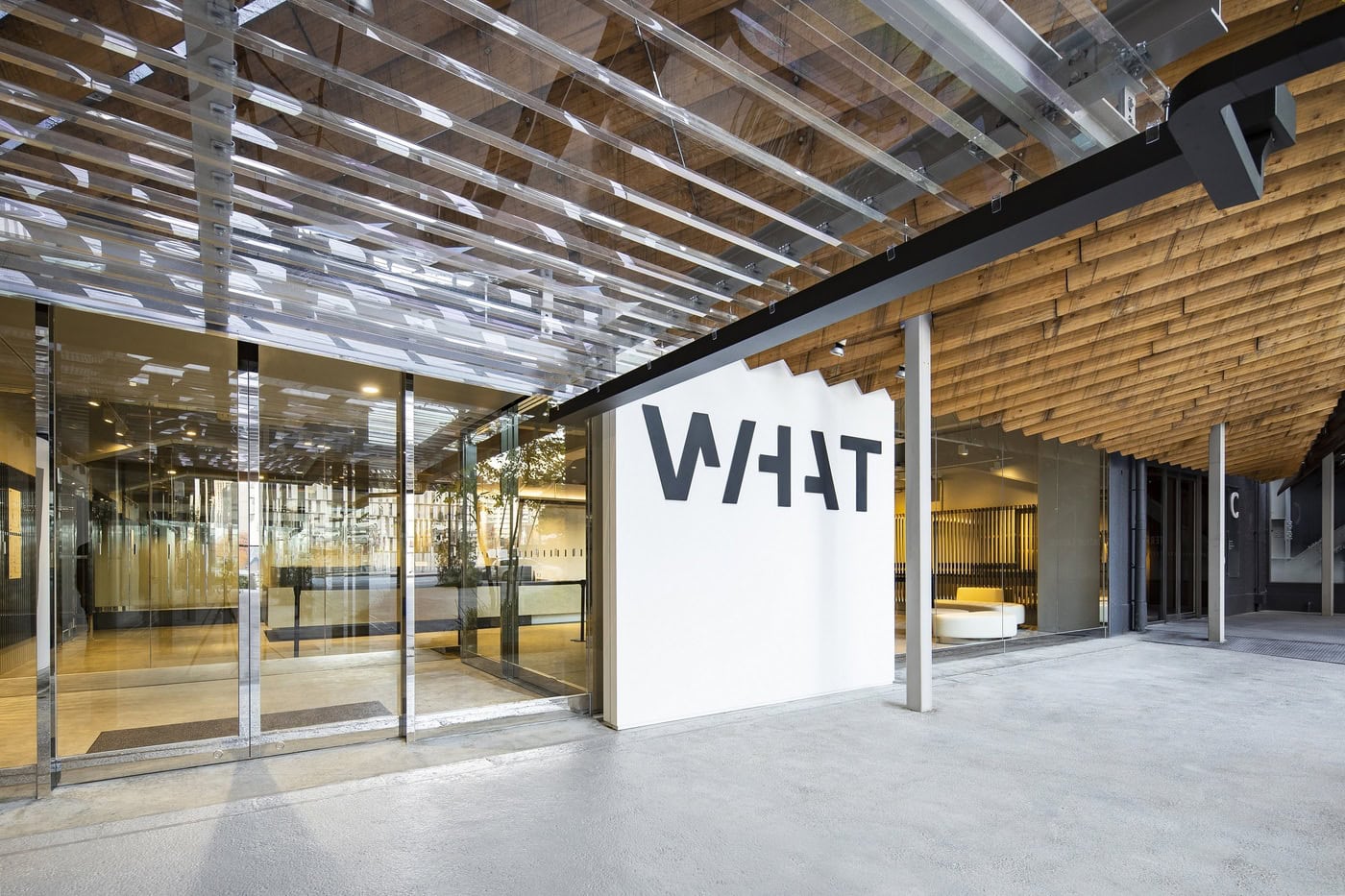
At WHAT MUSEUM in Tennoz, Tokyo, the exhibition Corrugated / Coral – Eight Practices to Project Architecture Afar offers a rare and valuable opportunity: to encounter architectural thinking before it has been absorbed by the authority of reputation. Architecture exhibitions often revolve around already established names, canonical works, or retrospective narratives. Here, instead, the focus is placed on eight emerging practices, mostly offices and architects who began their activities after 2010, invited to produce new works specifically for the exhibition. The result is not a conventional display of buildings, nor a collection of presentation models, but a set of intellectual and spatial propositions that attempt to expand the role of the architectural model as a medium of thought.
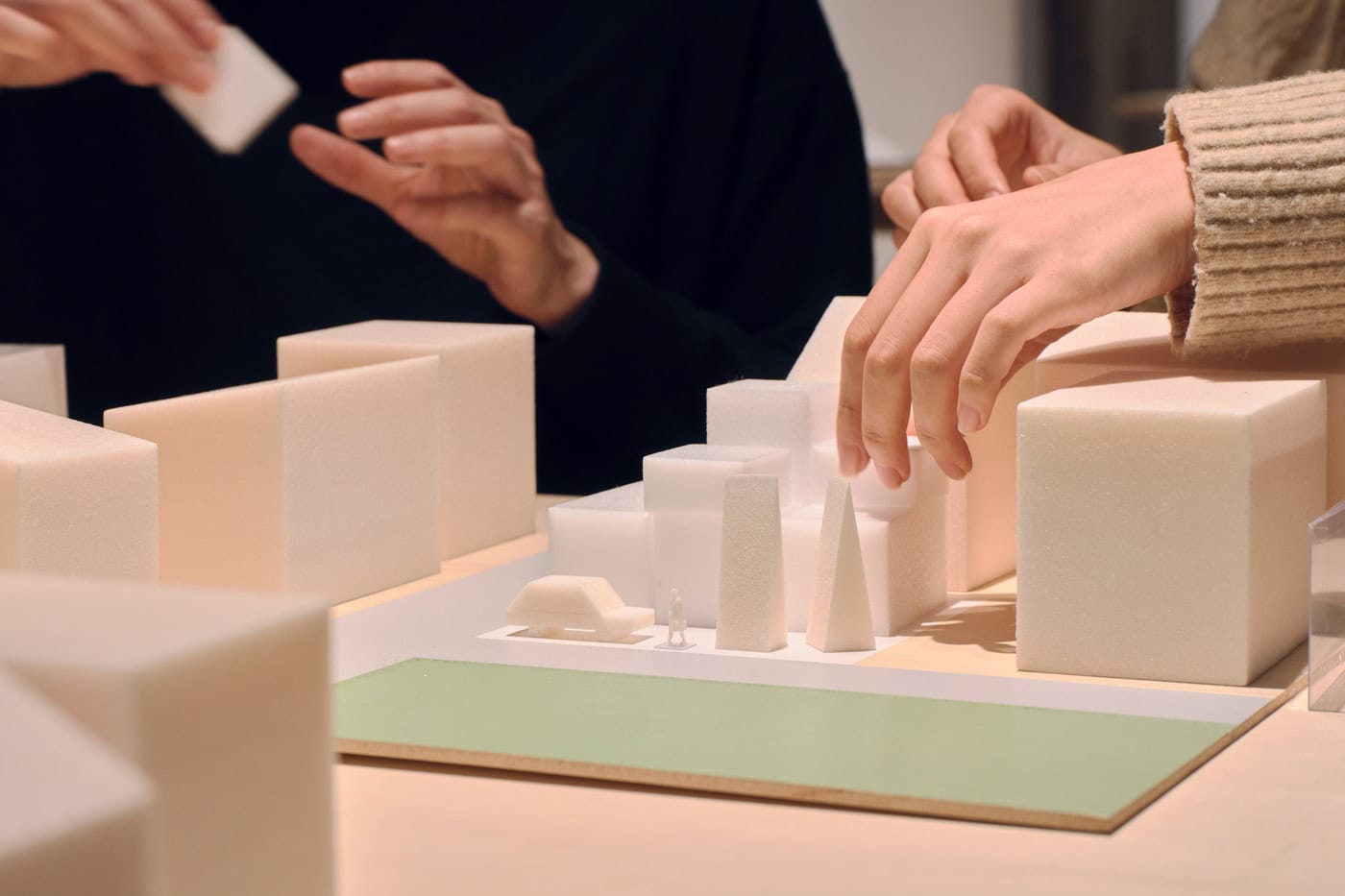
The importance of the exhibition lies precisely in this shift. Rather than using models as instruments to explain a finished project, Corrugated / Coral treats them as autonomous devices: fragments of research, imagination, doubt, and position. WHAT MUSEUM ARCHI-DEPOT has long worked with architectural models as cultural archives, storing more than 800 models entrusted by architects and firms. In this context, the exhibition asks visitors to approach the model not as a miniature, but as a condensed form of architectural thinking, capable of making visible what drawings or words alone cannot fully communicate.
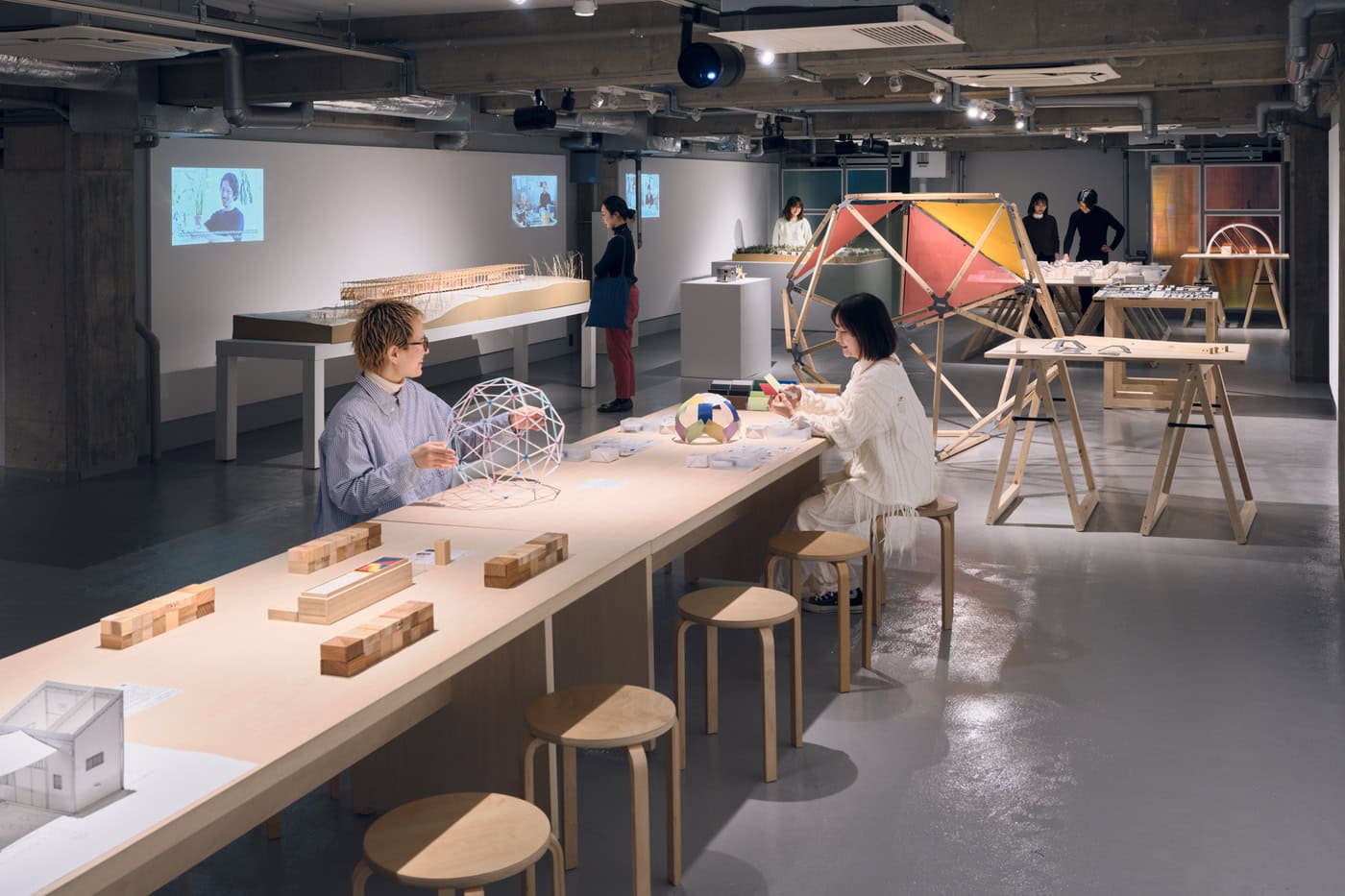
Photo by Katsuhiro Aoki
The title itself is one of the most effective conceptual keys to the exhibition. “Corrugated” refers to corrugated sheets: ordinary, industrial, familiar, often temporary materials associated with everyday landscape of building. “Coral,” by contrast, evokes natural formations produced over vast timescales, collective growth, accumulation, fragility, and ecosystems. According to the official description, the title suggests a condition in which different times, scales, and formation speeds overlap and coexist. It is an elegant metaphor: architecture as something caught between the short cycle of production and the long duration of the environment; between the artificial sheet and the living reef; between the immediacy of construction and the slow sedimentation of culture.
This tension is visible throughout the exhibition. Some works are direct, accessible, and immediately readable; others are more cryptic, requiring time, contextual information, or the audio guide to fully unfold. This is not necessarily a weakness. Architecture, especially when presented outside the framework of use or commission, often needs a certain opacity in order to preserve the density of its questions. Yet the exhibition also reveals a recurring issue in contemporary architectural culture: when the conceptual apparatus becomes too internal, the visitor may feel that the work is asking for interpretation more than offering experience. The best pieces in the exhibition are those that maintain both levels: they are intellectually precise, but also physically generous.
A broader observation concerns the ecological and environmental dimension. The exhibition’s official framing mentions architecture’s relationship with society and environment over extended periods, and the title itself appears to invite an environmental reading. Yet, at least in the works as presented, this theme does not always emerge with sufficient force. In a world marked by climate crisis, resource scarcity, energy transition, and the urgent need to rethink construction culture, the environmental question should no longer remain implicit. The exhibition is rich in intellectual and spatial experiments, but one sometimes wishes that the “coral reef” side of the title—its ecological, fragile, living dimension—were developed more directly and more politically.
Among the eight practices, ALTEMY’s Inter-Embodiment addresses the city as a field of reciprocal perception. Urban crowds and observers intertwine, each becoming a kind of architecture for the other. The work suggests that architecture is not only a physical structure, but also the condition through which bodies become visible, distinct, and mutually situated. This approach is particularly relevant today, when urban space is increasingly mediated by systems of surveillance, data, behavioral prediction, and crowd management. ALTEMY’s proposal is conceptually ambitious, and perhaps intentionally abstract, but it opens a productive question: can architecture be understood as the temporary formation of relationships between bodies rather than as a stable object? Its strength lies in shifting attention from built form to embodied perception.
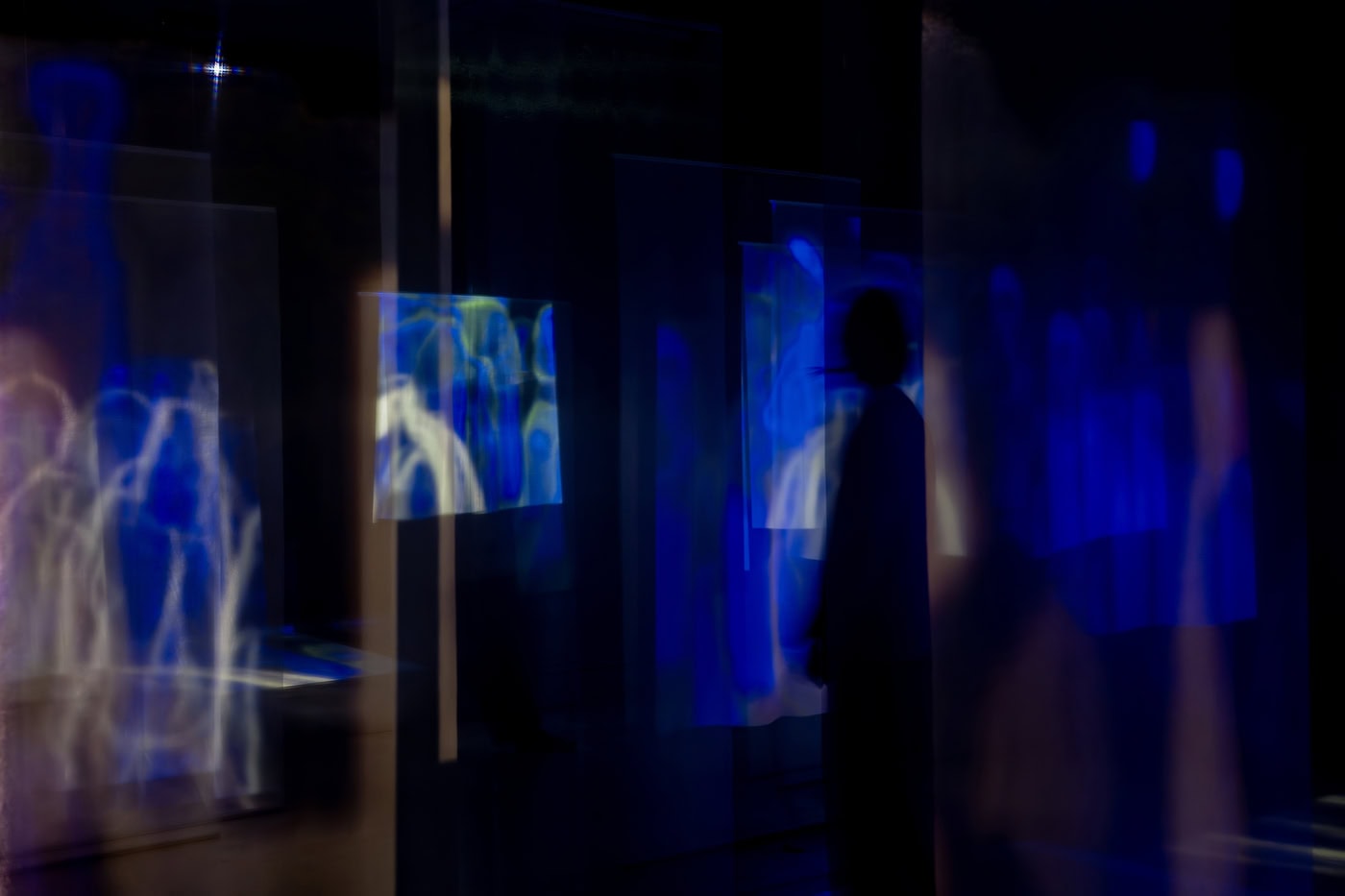
ALTEMY + risa kagami "Inter-Embodiment"©ALTEMY
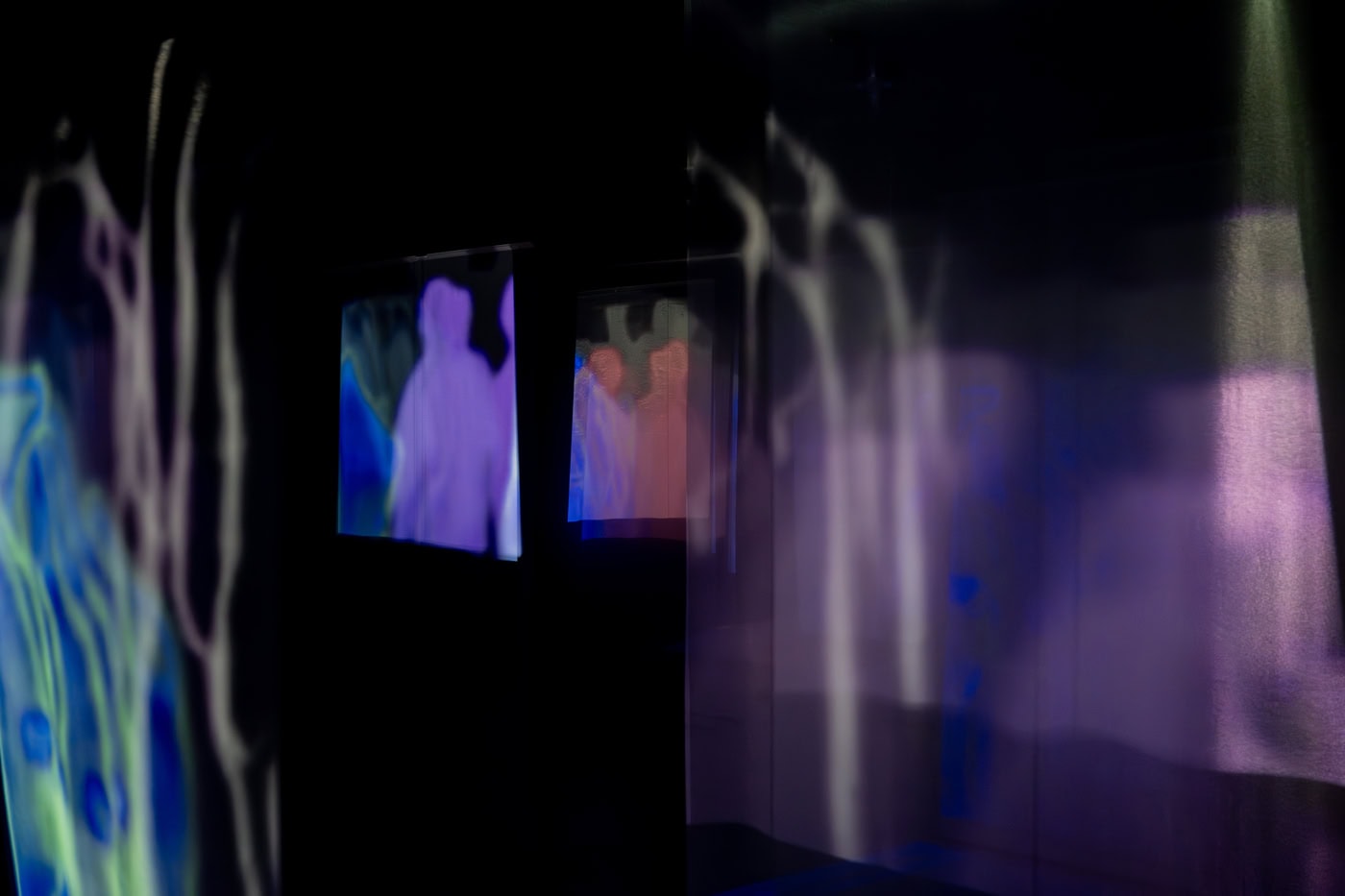
ALTEMY + risa kagami "Inter-Embodiment"©ALTEMY
Office Yuasa’s Darkness, Afterglow is one of the most poetic and immediate works in the exhibition. A wall and five reading desks with chairs are coated with phosphorescent paint; when the lights are turned off, the traces left by visitors’ lighting and reading slowly emerge as delayed glows. The work is delicate, almost literary. It transforms absence into material and turns the act of reading into a spatial event. In a culture dominated by instant visibility and rapid consumption, Yuasa introduces delay, afterimage, and memory. The architectural value of the piece is not in form alone, but in the way it stages time. It reminds us that architecture is also made of what remains after use: gestures, traces, habits, and the faint persistence of human presence.
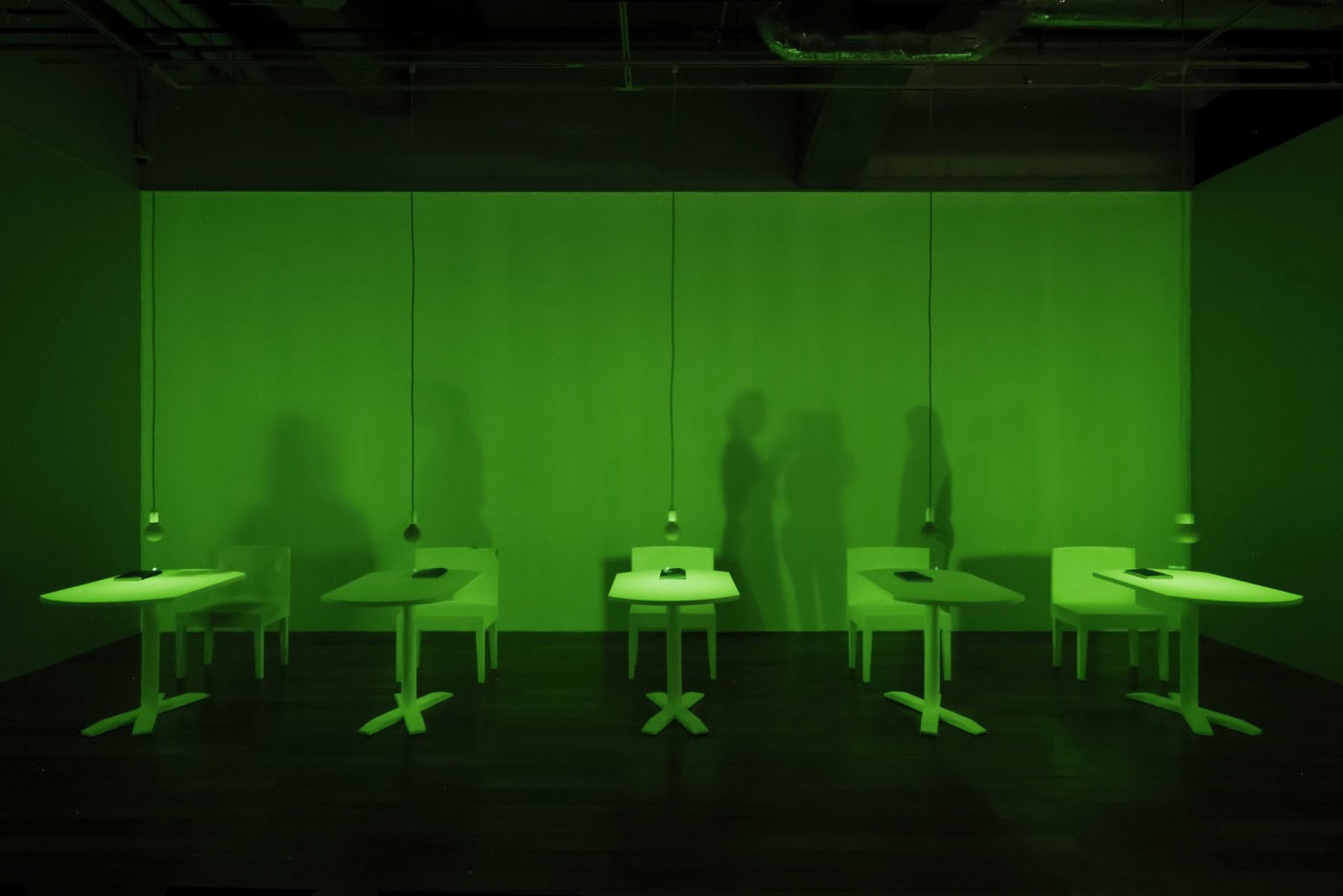
Office Yuasa "Darkness, Afterglow"Photo by Keizo KIOKU
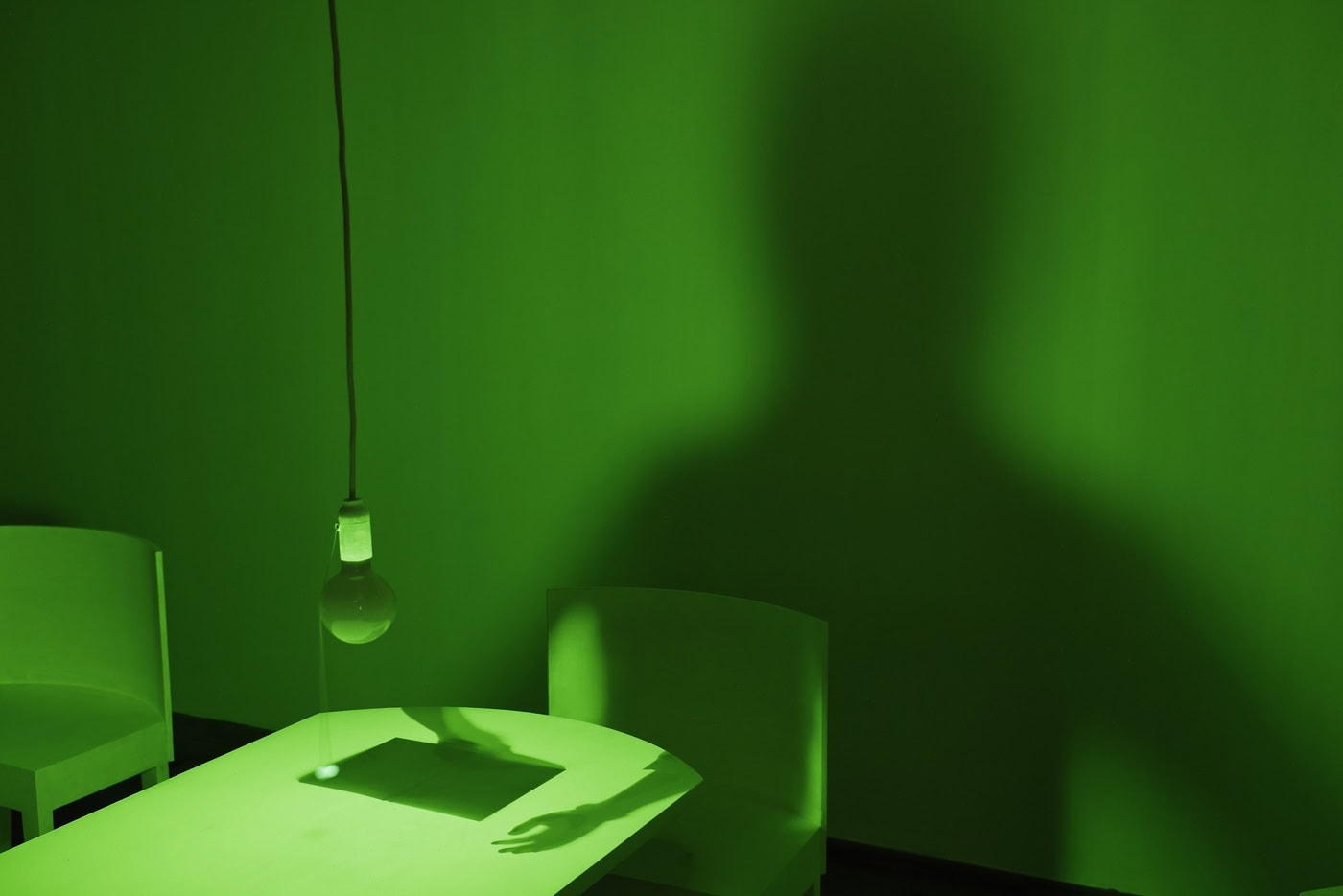
Office Yuasa "Darkness, Afterglow"Photo by Keizo KIOKU
Garage’s Disentangled Boundaries works on a more direct spatial register. The piece focuses on the collective and physical nature of architecture through an improvised temporary structure that opens and closes, connecting different domains. Described as a full-scale study model that also functions as a dramatic, festive space, it brings architecture back to its performative and communal roots. In comparison with the more conceptual works in the exhibition, Garage’s contribution has the advantage of bodily clarity: one understands it by approaching, entering, sensing the boundary as something unstable and negotiated. Its relevance lies in this refusal to treat boundaries as fixed lines. Instead, they become social devices, thresholds that can be loosened, rearranged, and collectively activated.
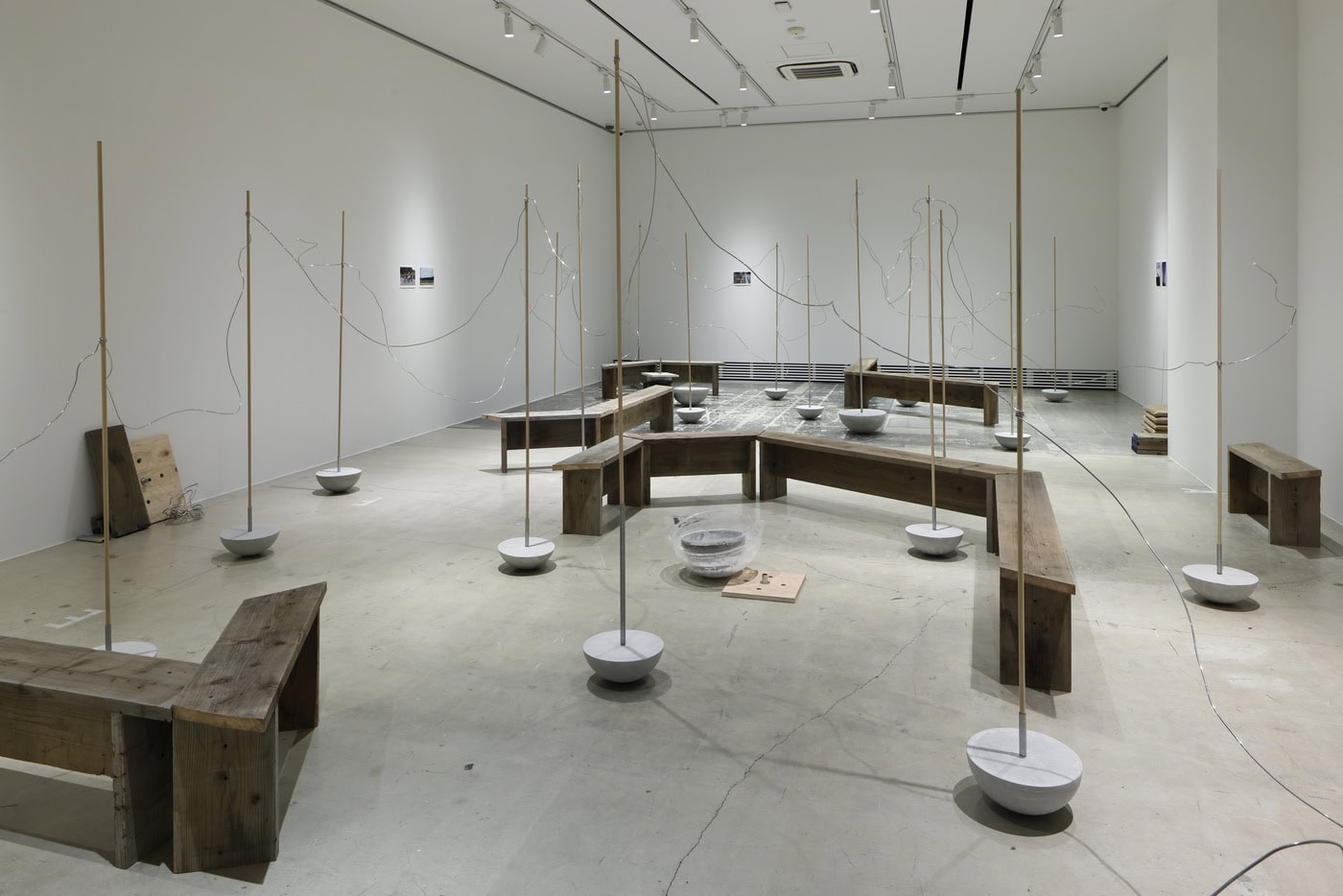
Garage "Disentangled boundaries" Photo by Keizo KIOKU
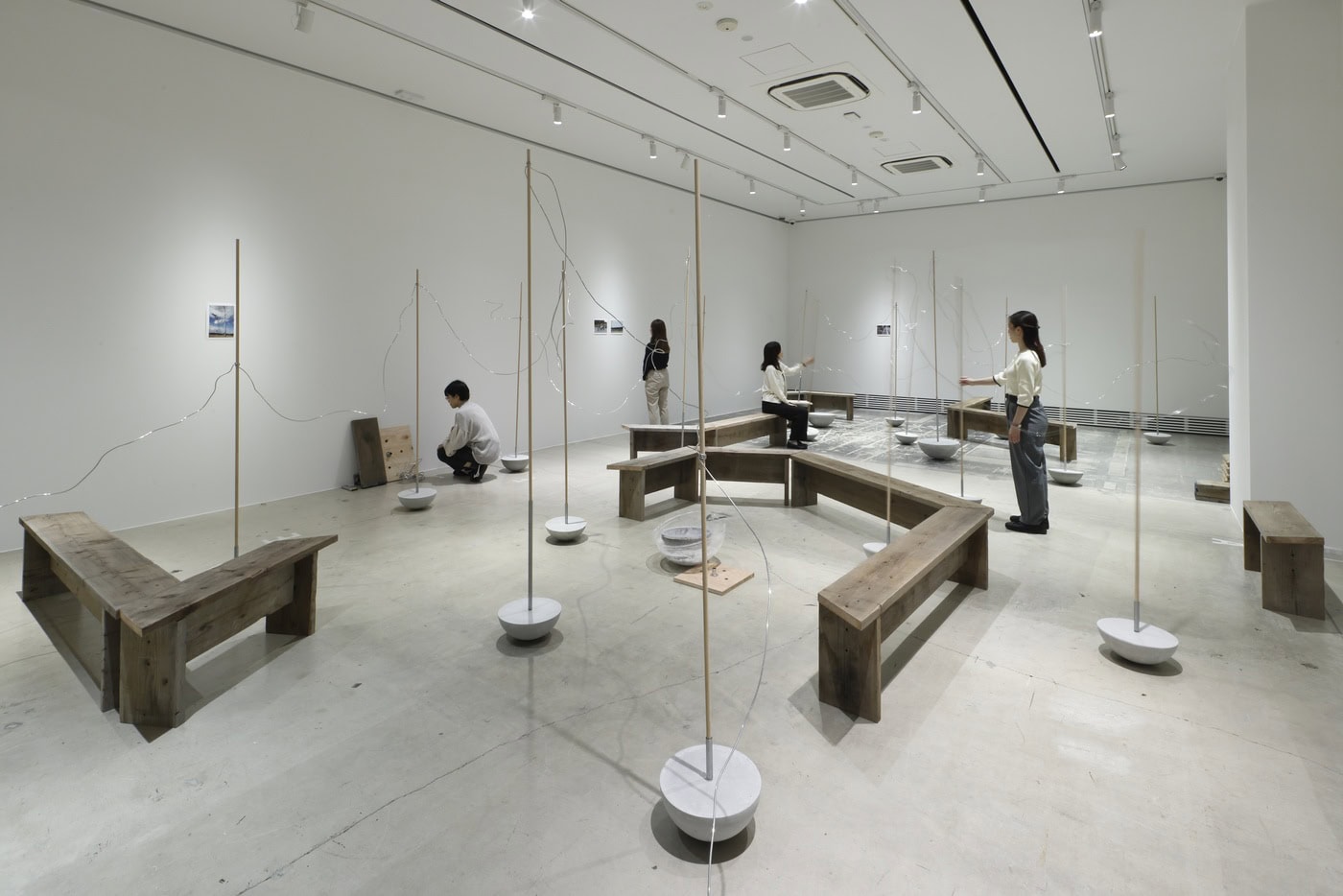
Garage "Disentangled boundaries" Photo by Keizo KIOKU
GROUP’s City Asleep is among the most urban and socially suggestive works. Starting from the phenomenon of people dozing in Shibuya, the project looks at sleep as an act that escapes zoning, program, and the expected use of public or semi-public spaces. According to a report on the press preview, GROUP framed urban napping as a deviation from planned functions: a behavior that reveals another possible city, one designed from unintended acts rather than prescribed programs. The exhibition uses drawings, models, video, and a time-based sequence to shift the visitor’s perception. This is an intelligent move. Sleep is private, vulnerable, and anti-productive; placing it at the center of an urban reflection becomes a subtle critique of the efficient city. The work is compelling because it identifies architecture not in buildings, but in the mismatch between planning and life.
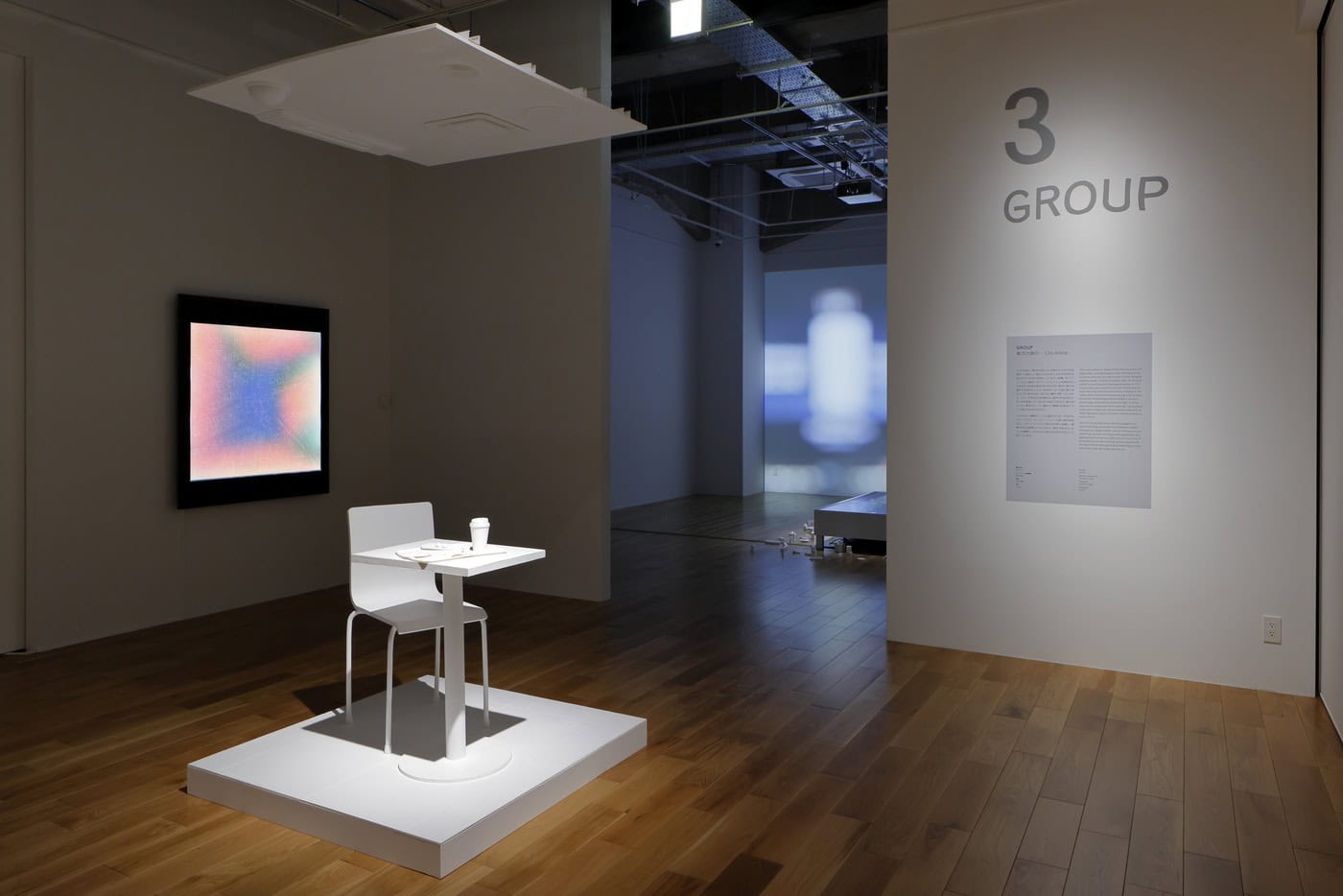
GROUP "City Asleep" Videography Yoshihiro Inada, Photo by Keizo KIOKU"
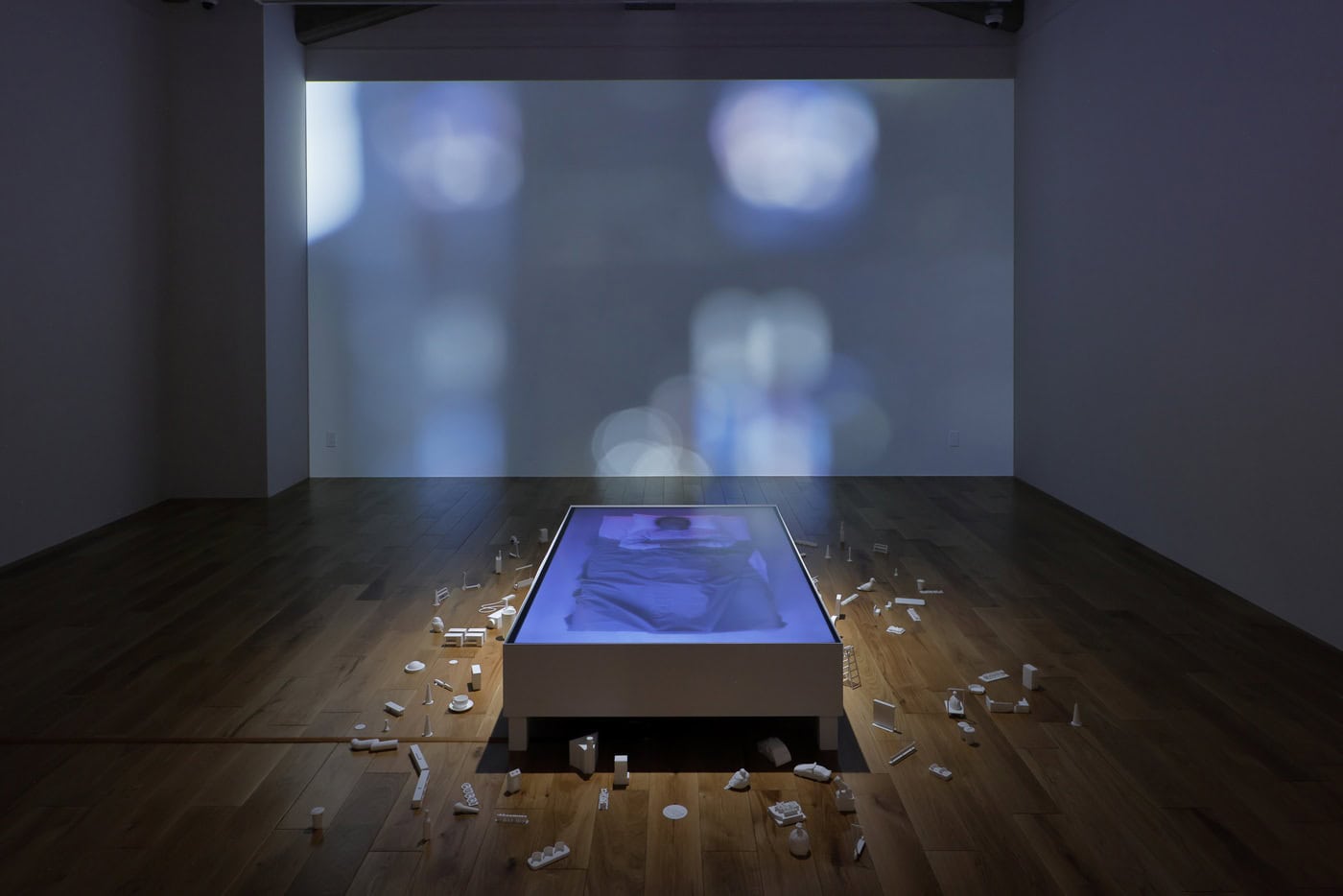
GROUP "City Asleep" Videography Yoshihiro Inada, Photo by Keizo KIOKU"
DOMINO ARCHITECTS’ PULP FICTION (jetway) is perhaps one of the most immediately engaging works, because it starts from a space almost everyone recognizes: the airport jetway. The project imagines a looping aerial walkway made by connecting movable boarding bridges, creating an endless passage between gate and aircraft, but without arrival. It is described as “a model for preserving and observing a thought experiment.” The strength of the work is its narrative clarity. The jetway is a transitional architecture, usually ignored because it is purely functional. By isolating and repeating it, DOMINO ARCHITECTS transforms a banal infrastructural object into an existential device: a corridor of permanent departure, a space of waiting without destination. The piece is playful, precise, and strangely melancholic.
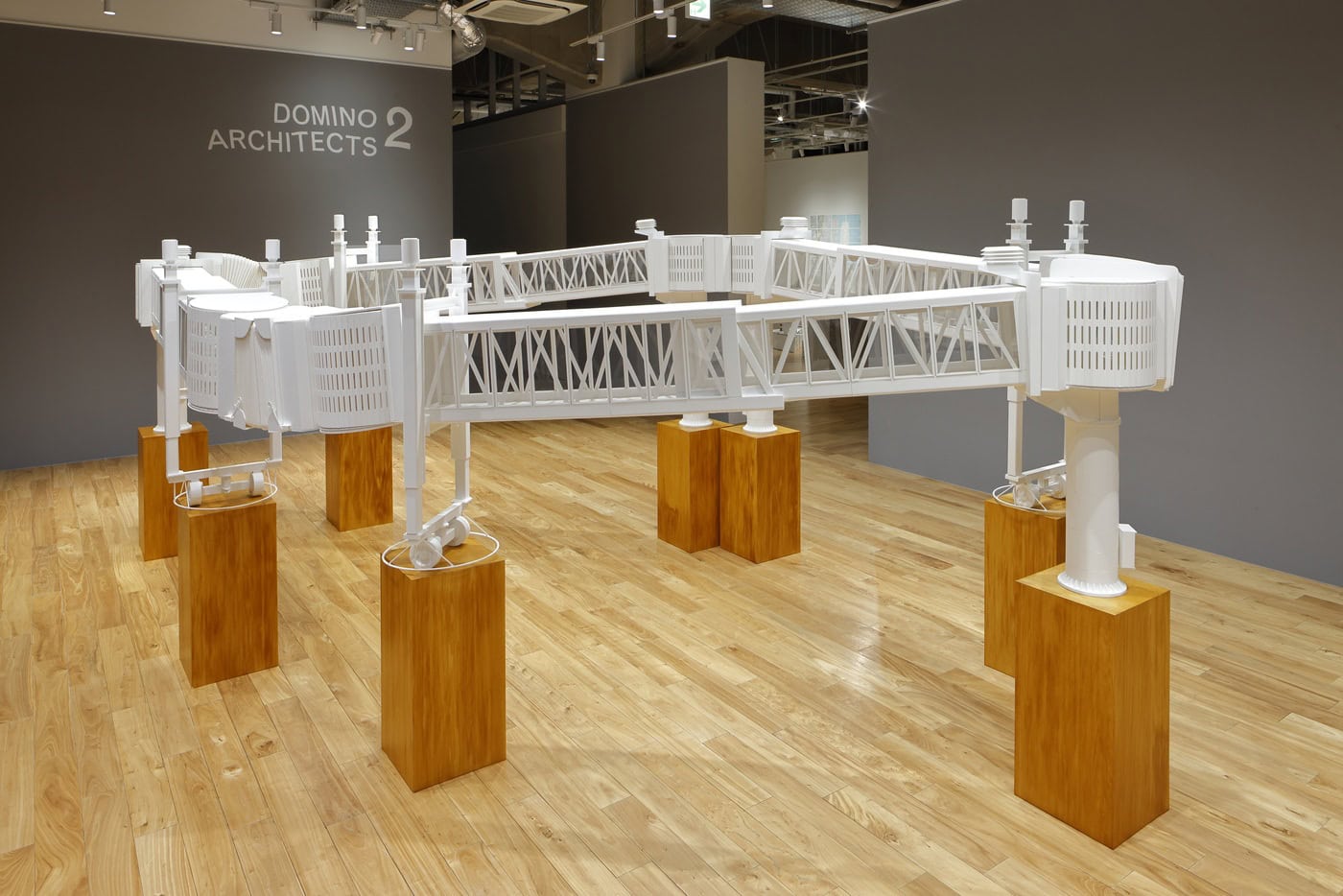
DOMINO ARCHITECTS "PULP FICTION (jetway)" Photo by Keizo KIOKU
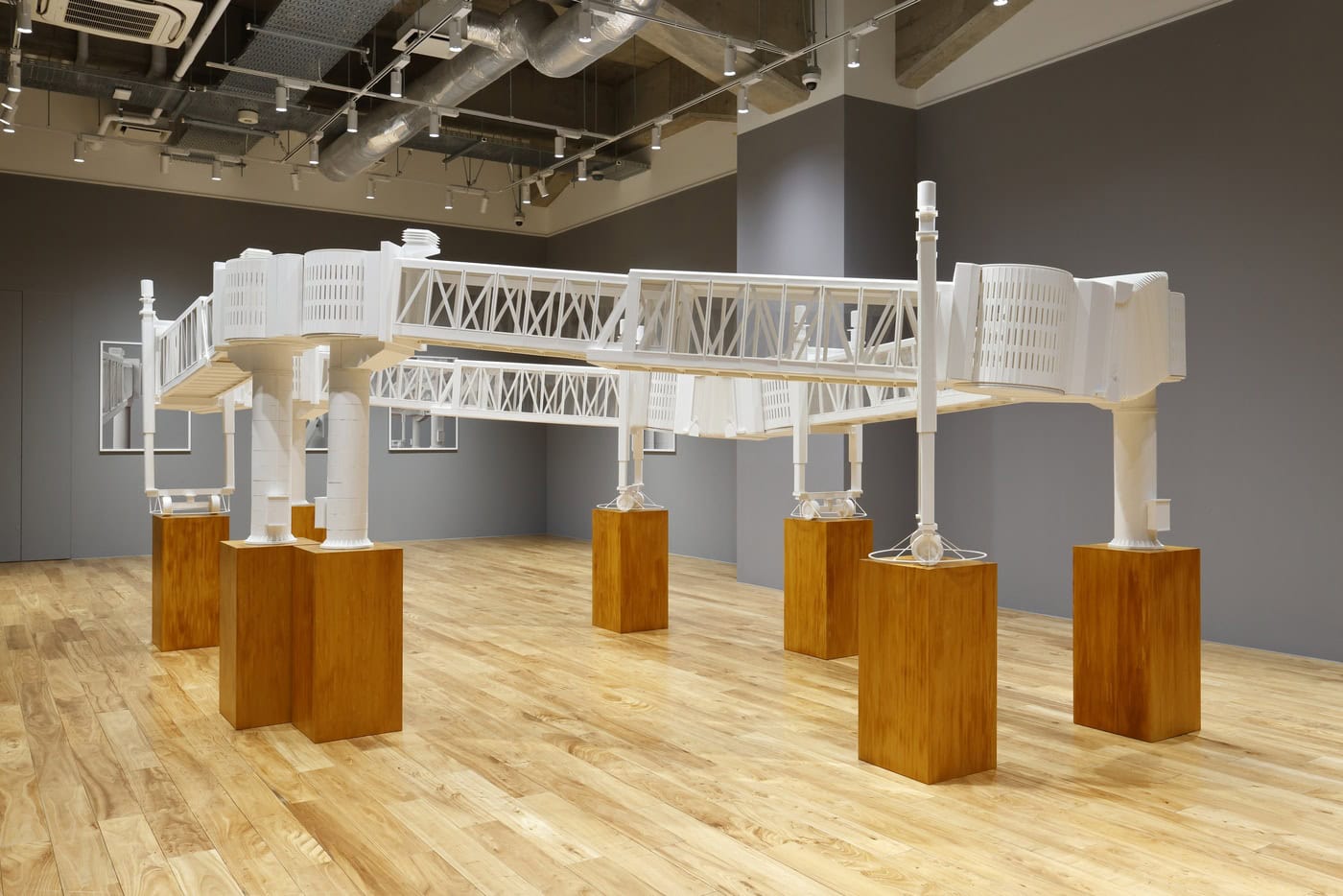
DOMINO ARCHITECTS "PULP FICTION (jetway)" Photo by Keizo KIOKU
What is ○△□ ?, by Tetsuo Hatakeyama + Taiki Yoshino + Archipelago Architects Studio, moves in a more elemental and philosophical direction. Circle, triangle, and square are among the most basic figures through which architecture has historically organized space, proportion, and meaning. The work asks whether we truly know these forms and what might appear—or disappear—if we could see them “as they are.” This is one of the more abstract contributions, and its effectiveness depends greatly on the visitor’s willingness to enter a speculative field. Yet its question is not marginal. Architecture often begins with apparently simple geometries, but those figures carry cultural, symbolic, structural, and perceptual histories. The work’s value lies in slowing down our relation to form, reminding us that even the most basic shapes are never neutral.
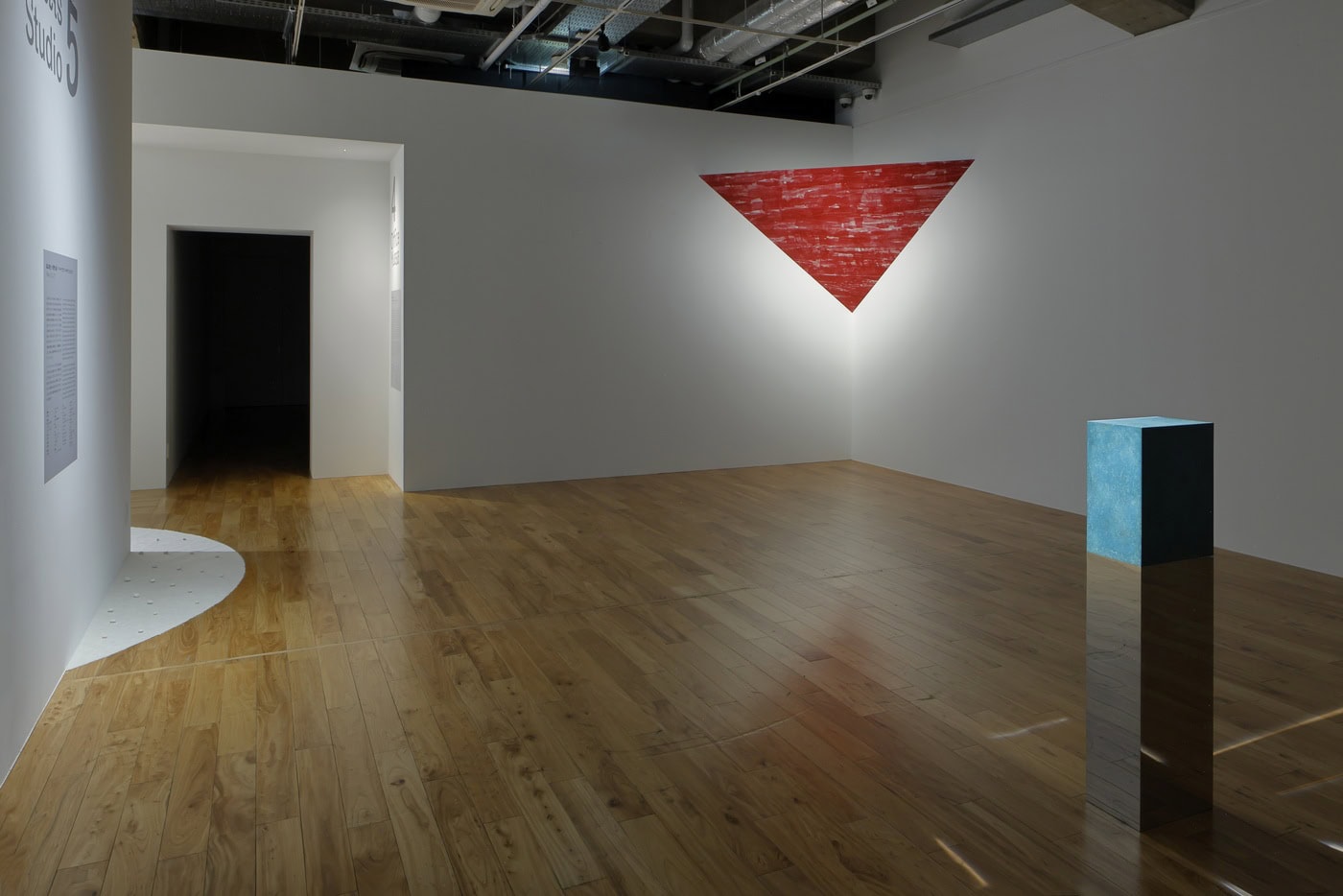
Tetsuo Hatakeyama + Taiki Yoshino + Archipelago Architects Studio "What is ○△□ ?" Photo by Keizo KIOKU
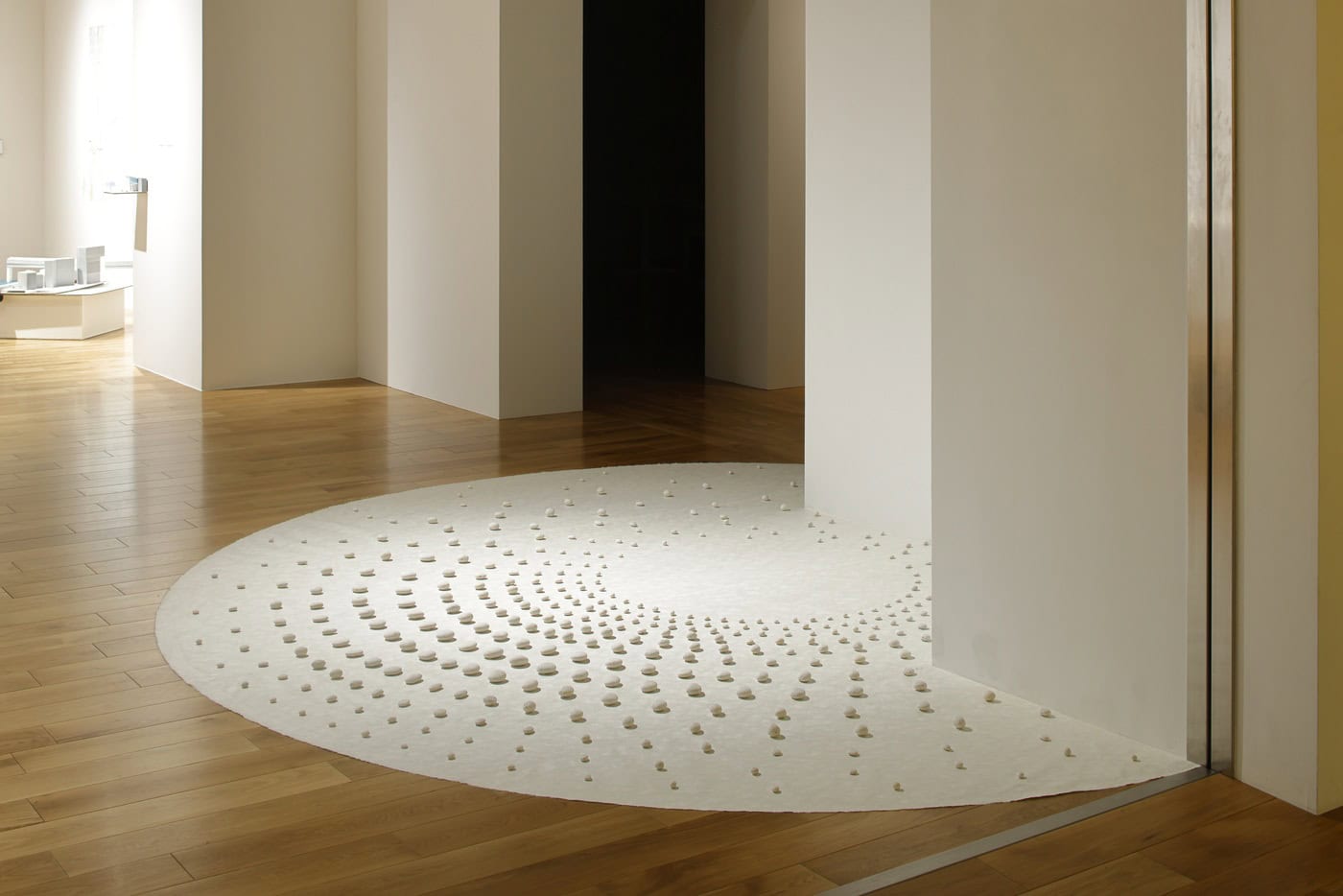
Tetsuo Hatakeyama + Taiki Yoshino + Archipelago Architects Studio "What is ○△□ ?" Photo by Keizo KIOKU
Toshiki Hirano’s A Hakoniwa Plan for Tokyo introduces a different kind of complexity, combining Hakoniwa therapy techniques, individual unconsciousness, personal obsessions, generative AI, and an urban-scale projection set within Tokyo Bay. The result is intriguing because it connects psychological interiority with metropolitan imagination. Tokyo is often described through infrastructure, density, economy, or disaster resilience; Hirano instead approaches it through the unconscious. This produces a productive displacement: the city becomes less a technical system than a mental landscape. The use of generative AI adds another layer, although it also raises a question that many contemporary works face: does AI deepen the architectural process, or does it risk becoming a seductive interface for already existing intuitions? In Hirano’s case, the strongest aspect is the attempt to make the personal and the urban coexist at the same scale.
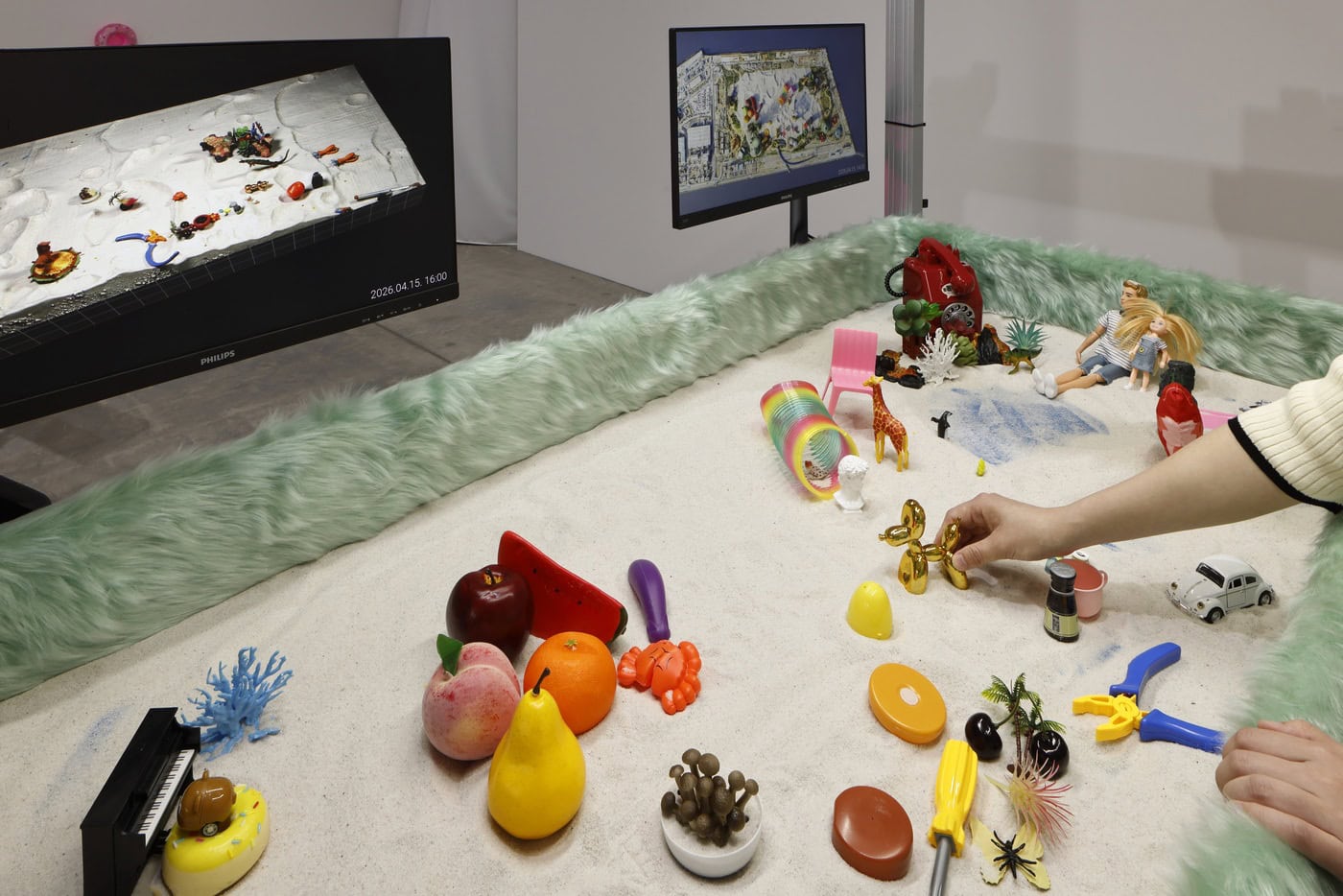
Toshiki Hirano "A Hakoniwa Plan for Tokyo" Photo by Keizo KIOKU"
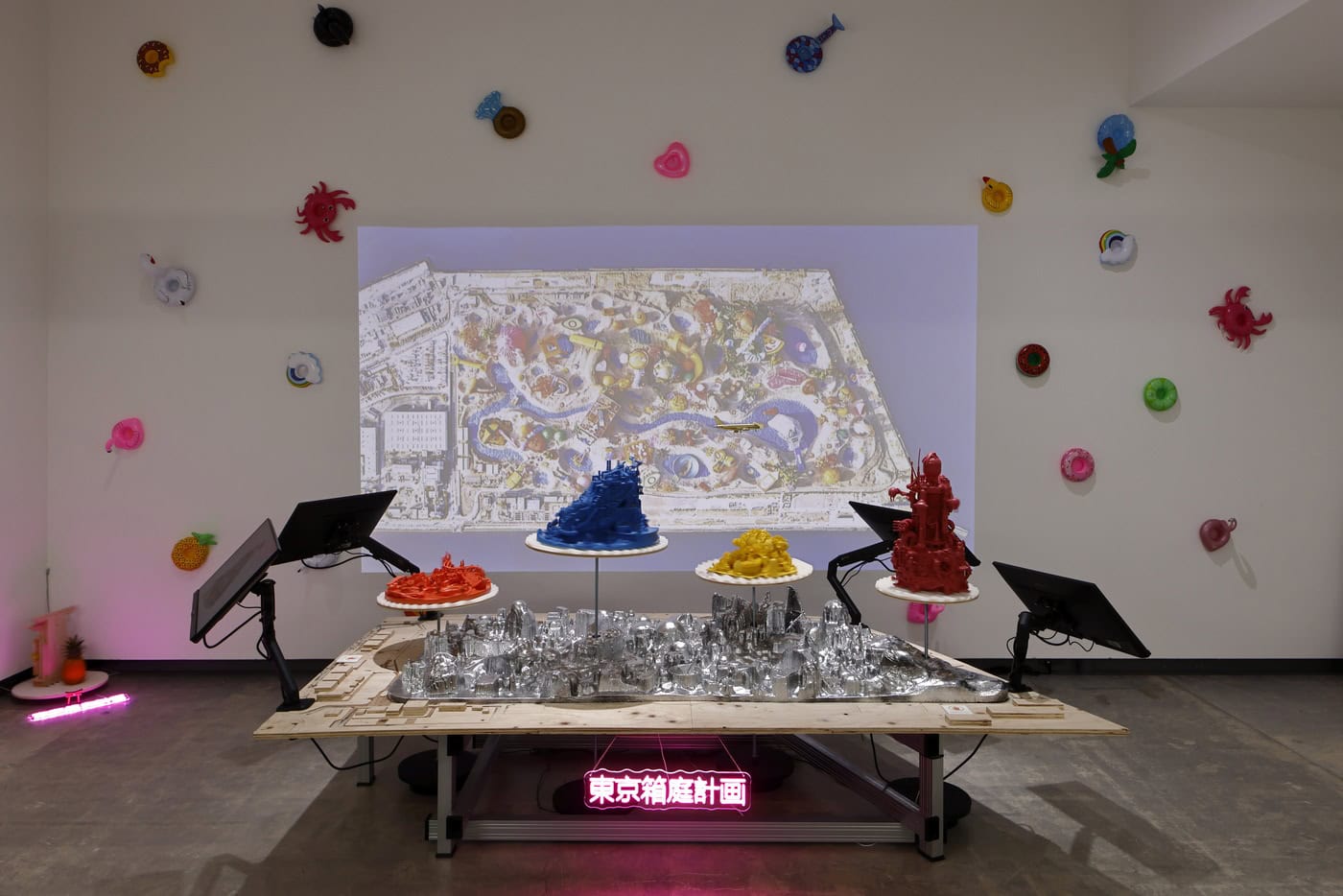
Toshiki Hirano "A Hakoniwa Plan for Tokyo" Photo by Keizo KIOKU"
RUI Architects’ Prop begins from walking through the city and making models of places that attracted attention—things that, in the architect’s words, seemed to have “made peace” with a world full of contradictions. The work attempts to capture humor and helplessness within the urban condition. This is a generous and quietly intelligent position. Rather than forcing the city into a theory, RUI Architects observe fragments, compromises, awkward encounters, and small situations that have somehow found equilibrium. The piece seems to understand architecture as a practice of attention. Its critical potential lies in the refusal of grand solutions: instead of heroic intervention, it values the strange dignity of existing things. In this sense, Prop may be one of the works closest to the everyday reality of architecture, where contradiction is not always resolved, but temporarily held together.
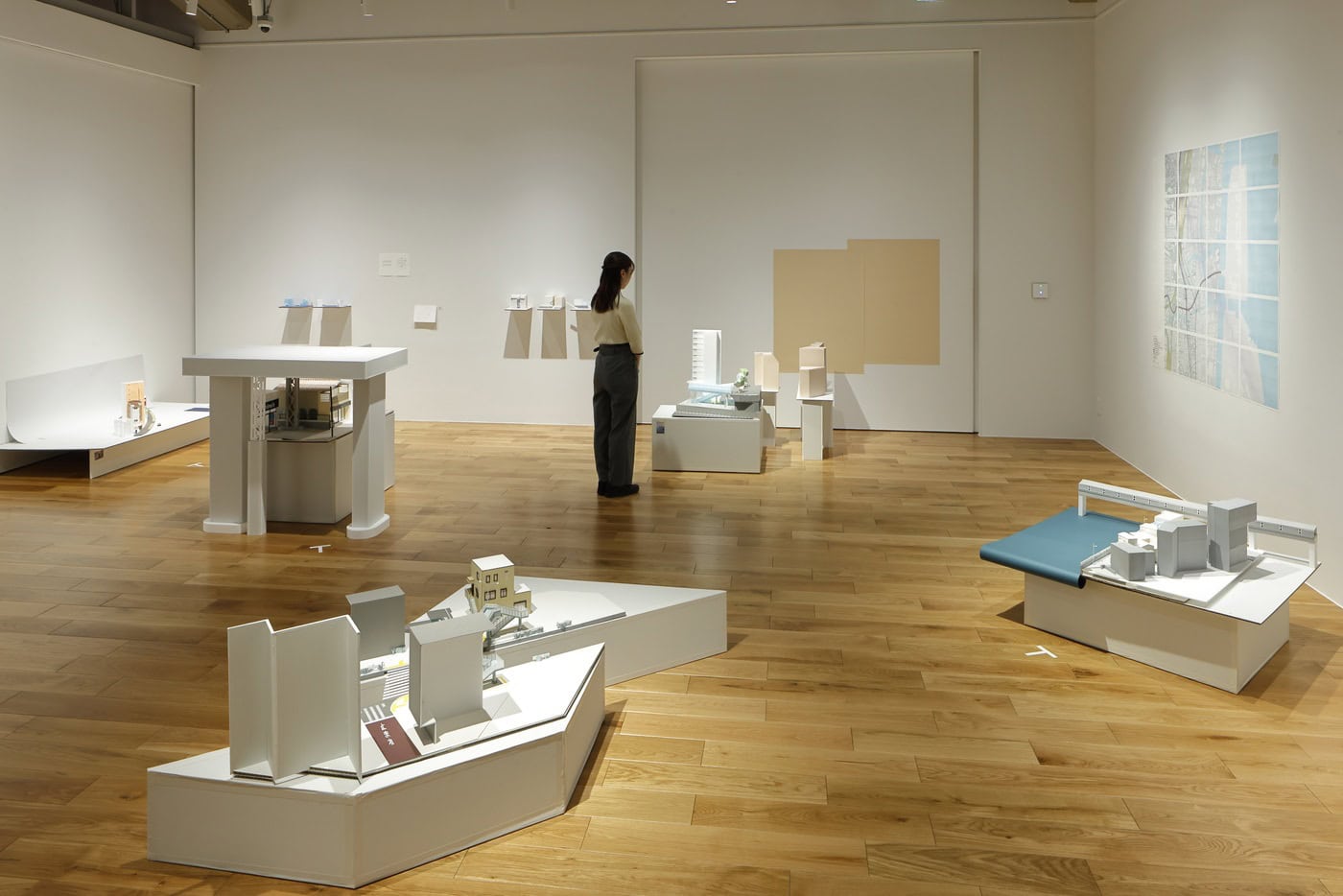
RUI Architects "Prop" Photo by Keizo KIOKU
RUI Architects "Prop" Photo by Keizo KIOKU
Taken together, the eight works reveal the diversity of approaches within a relatively close generational field. These architects do not share a single language, manifesto, or aesthetic. Some move through perception and the body; others through memory, fiction, geometry, psychology, urban observation, or collective space. This plurality is the exhibition’s greatest strength. It suggests that a younger generation of architects in Japan is not necessarily searching for a unified style, but for expanded instruments: models, videos, installations, interactive systems, full-scale fragments, narrative devices, and conceptual diagrams. Architecture is no longer presented only as the production of buildings, but as a way of thinking across matter, bodies, media, and time.
At the same time, the exhibition raises an important question for architecture exhibitions today. How can architectural thinking remain open to the public without becoming either oversimplified or excessively hermetic? Corrugated / Coral succeeds when the model becomes a bridge: between professional thought and bodily experience, between the architect’s private question and the visitor’s intuitive understanding. It is less successful when the work depends too heavily on explanatory text or internal conceptual codes. Yet even this difficulty is meaningful. It reflects the current condition of architecture itself: suspended between communication and research, between social urgency and intellectual autonomy, between the need to act and the desire to think further.
In this sense, “to project architecture afar” is not an escape from reality. It is a method of gaining distance from the present in order to see it more clearly. The exhibition asks architecture to move away from immediate problem-solving, from the short cycle of production, and from the narrow definition of utility. But distance must not become detachment. If the exhibition has a limitation, it is precisely here: the environmental and ecological dimension, strongly implied by the title, should perhaps be more explicitly confronted. In the coming years, young architects will not only be asked to imagine new spatial languages; they will be asked to rethink the very material, energetic, and ethical foundations of building.
Corrugated / Coral does not provide a single answer, and it should not. Its value lies in opening a field of questions. It gives emerging architects space to experiment, and it gives visitors the chance to encounter architecture in a state of becoming—before it becomes a building, before it becomes a brand, before it becomes a known name. In a cultural landscape often dominated by established figures, this alone is significant. The exhibition reminds us that architecture begins not only with commissions, clients, or construction, but with the act of throwing a thought forward—far enough to escape habit, but close enough to return transformed.