

 日本語
日本語 English

How Architecture is evolving beyond Vision to Shape Emotion, Memory, and Human Connection
Architecture has long been admired for what it allows us to see: the grandeur of a vaulted ceiling, the drama of light spilling across a corridor, the symmetry of a carefully arranged façade. But what if buildings could speak to us in ways far subtler than sight alone? Imagine a room where the gentle hum of air and soft vibrations underfoot evoke calm; where textures invite not just use but caress; where the air carries whispers of scent, and even taste becomes part of the experience.
Designers in 2030 are beginning to conceive of spaces not merely as shelters or stages for life, but as companions in our emotional lives—environments that touch, listen, and respond to the full spectrum of human sensation. In this article, we explore how the built world is learning to become profoundly, almost imperceptibly, human.
Sight
Future architecture will treat sight as more than decoration—it will become a subtle guide to human experience. Imagine offices where walls shift in translucency with the time of day, casting shadows that move like dancers, or museums where color gradients draw visitors naturally from one exhibit to the next, as if the building itself were narrating a story. Light and form will be orchestrated not just for aesthetics, but to influence mood, attention, and even memory, turning everyday spaces into visual symphonies.
Gardens by the Bay (Singapore) – The Supertree structures and conservatories use dramatic lighting and architectural form to guide visitors’ eyes and create awe-inspiring vistas, blending nature and futuristic design.
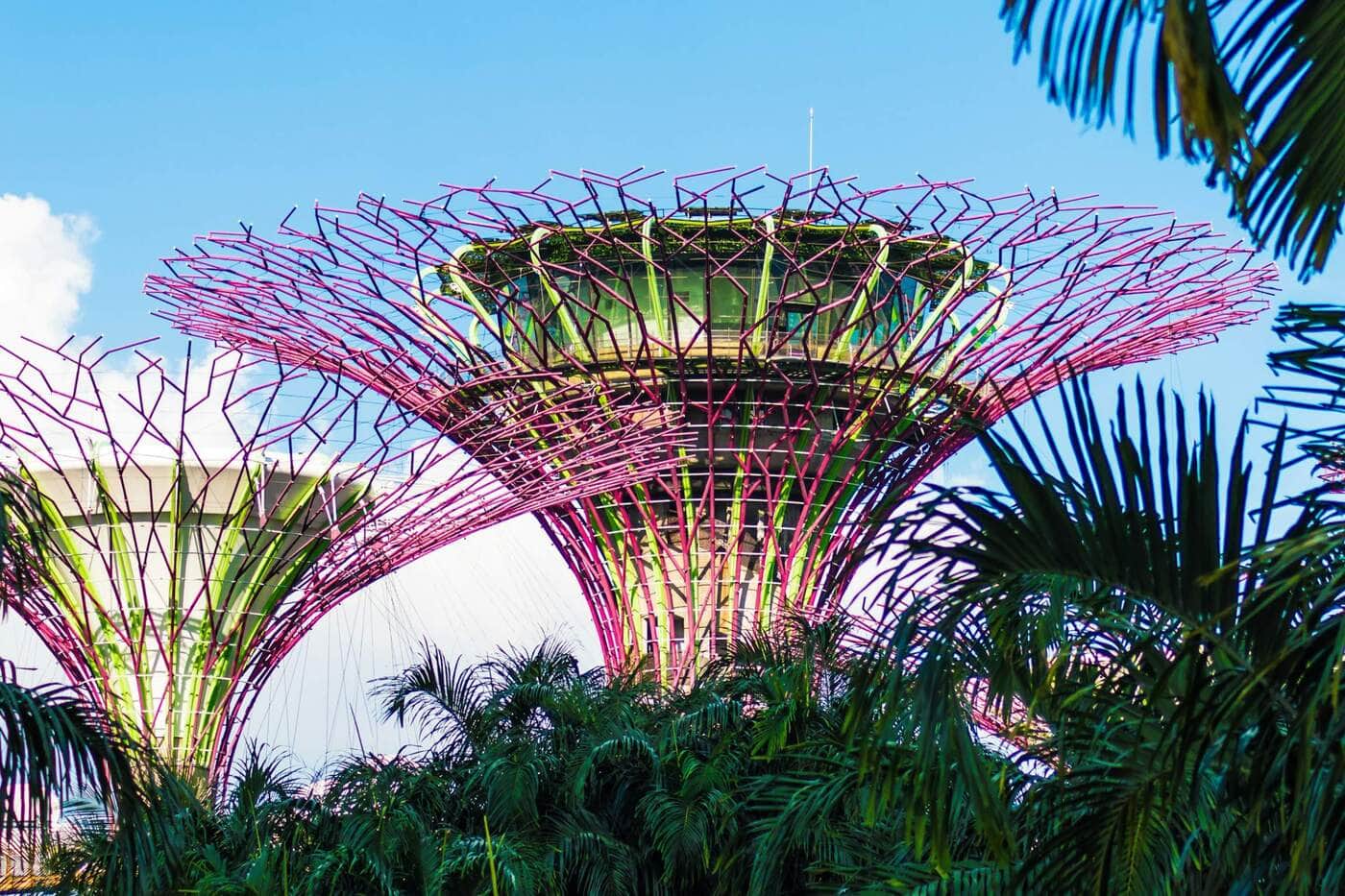
Gardens by the Bay (Singapore)
“The design of a space plays a crucial role in shaping mood and behavior, with comfort and clarity fostering focus and creativity. In my children’s rooms, toys are thoughtfully organized and rotated to keep play engaging without overstimulation, while a calming green palette and soft background sounds promote a peaceful environment. By limiting clutter and offering a few open-ended toys, the setup encourages creative thinking, allowing children to explore multiple ways of playing with the same toy rather than constantly switching between distractions,” said Amani Sabri, a Beirut-based educational counselor.
Touch
Materials will speak through the hand and the body. Floors may respond to footsteps with subtle temperature shifts, or walls might offer textures that invite touch and curiosity. Imagine a lobby where marble panels are cooled to evoke the freshness of mountain air, or seating surfaces woven to suggest the rhythm of natural landscapes. In future architecture, tactile experience will be an intentional language, connecting us physically to the spaces we occupy.
Suntory Museum of Art (Tokyo, Japan) – Interior surfaces include wood, stone, and textured finishes that encourage tactile engagement and highlight craftsmanship.
"True design doesn’t end with sight. My work with interior rock structures aims to bring nature's tactility indoors - to create spaces you can not only see, but also feel, breathe, and sense in silence,” said John Lazurko, a designer and self-proclaimed rocks creator.
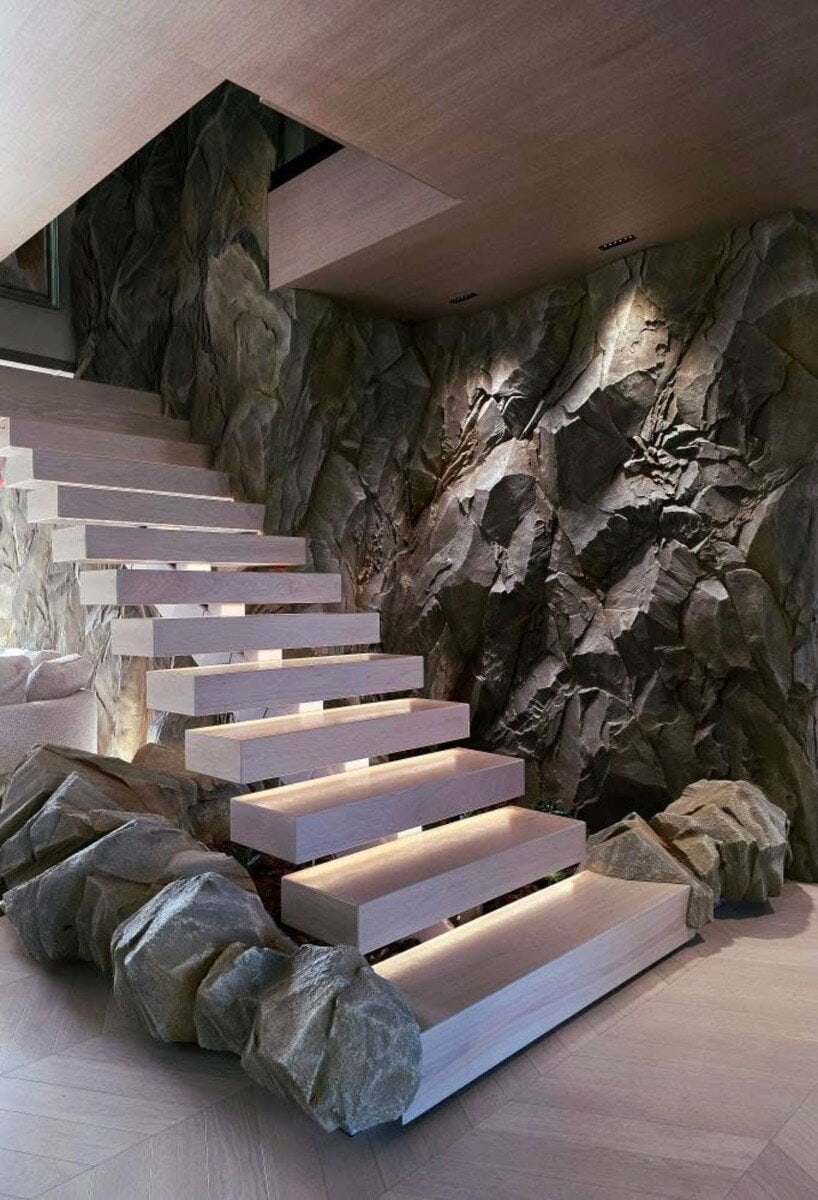
Works by John Lazurko
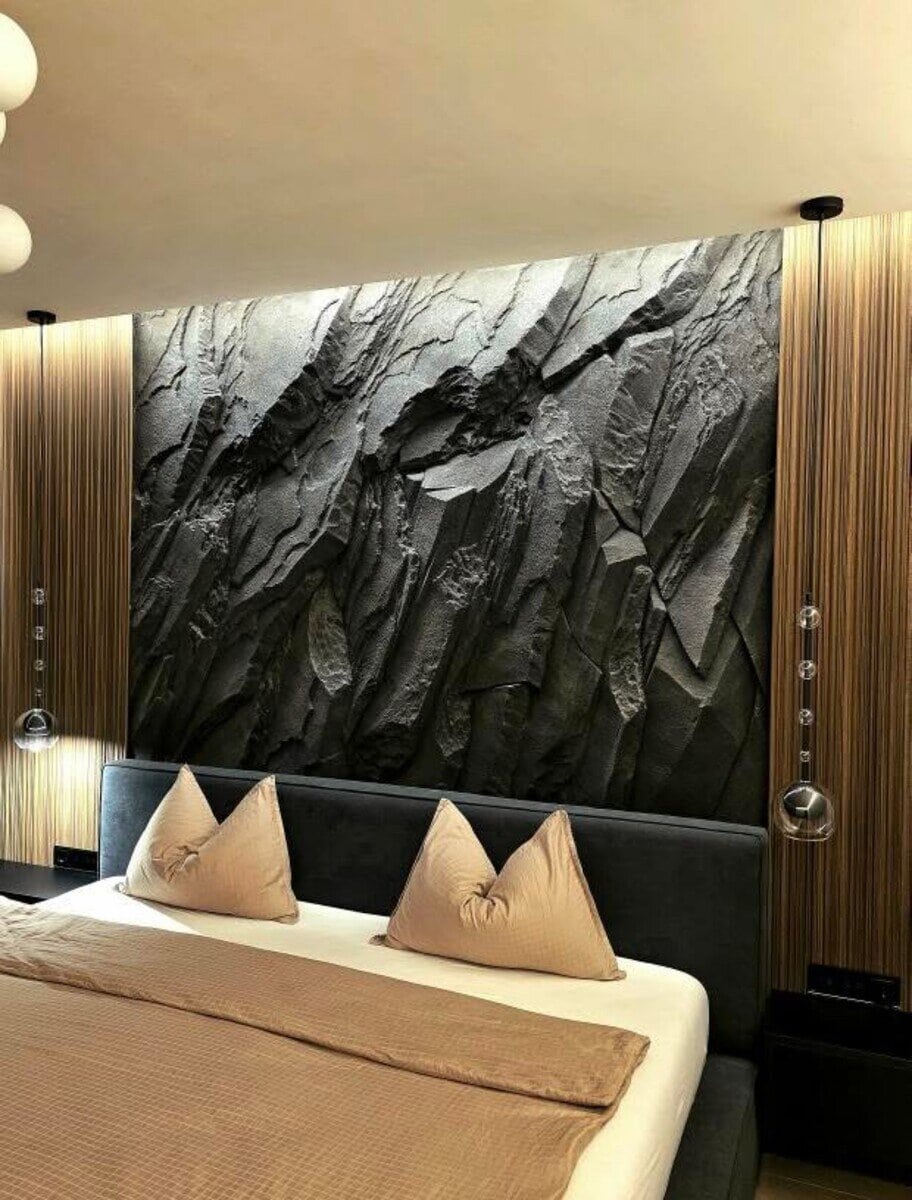
Works by John Lazurko
Sound
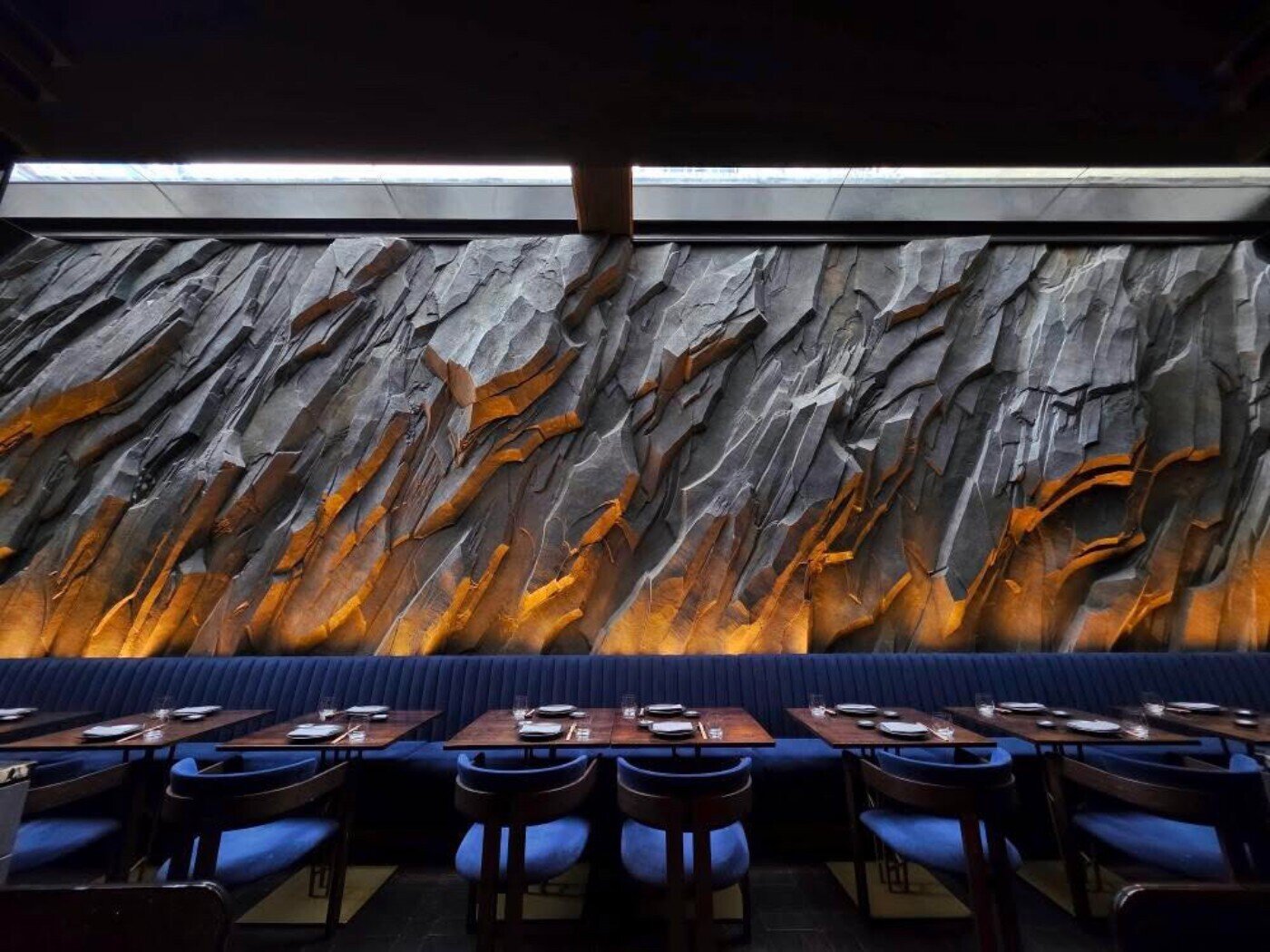
Works by John Lazurko
Buildings will listen as much as they are seen. Floors may hum softly to encourage calm, ceilings may capture city noise and filter it like acoustic curtains, and open-plan spaces will use soundscaping to guide movement and interaction. A hospital corridor might echo softly like a gentle river, encouraging patients to slow their pace, while a library uses subtle vibrations in walls to create zones of focus. Sound will no longer be incidental—it will be designed to shape how we inhabit space.
Museo Soumaya (Mexico City, Mexico) – Curved interior walls and ceilings are designed not only for visual impact but to subtly control reverberation, ensuring that visitor conversations and footsteps don’t overwhelm the space.
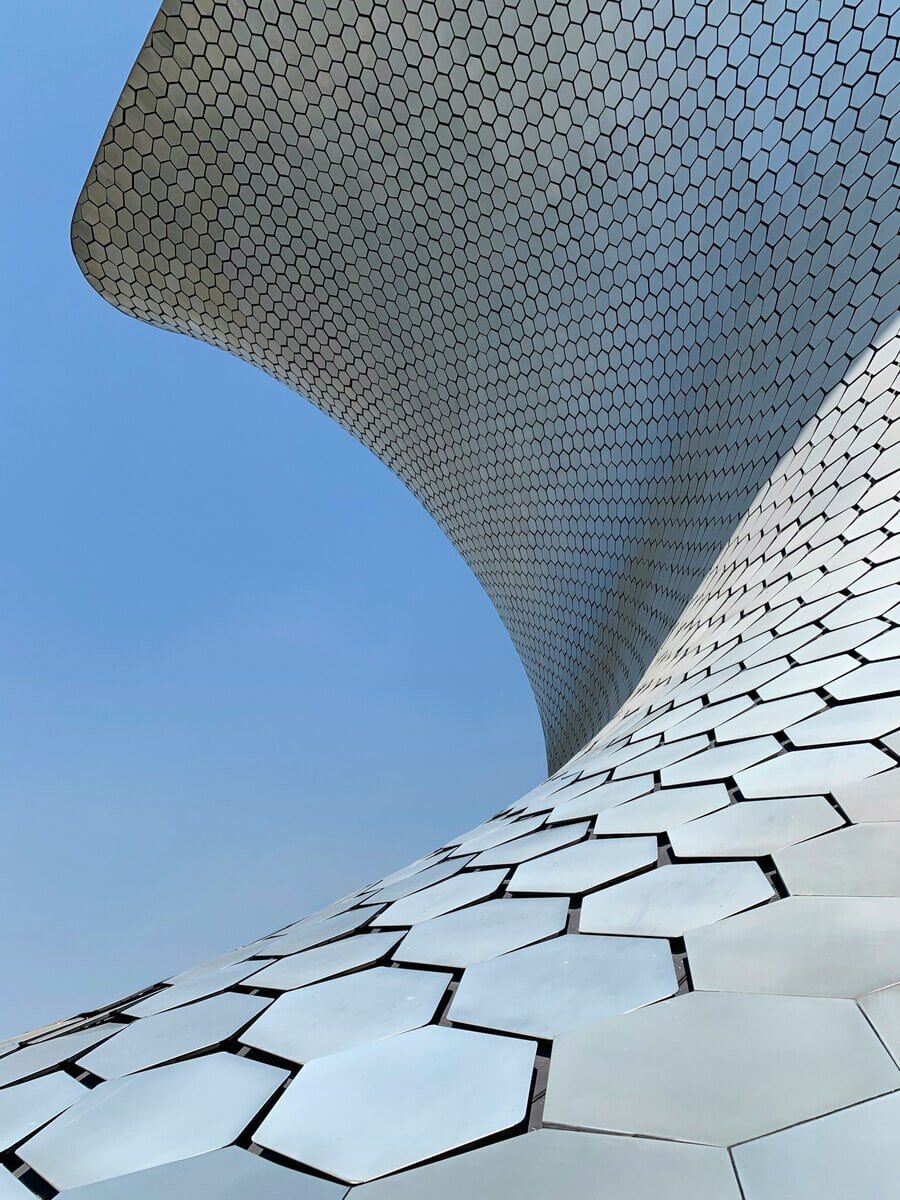
Museo Soumaya (Mexico City, Mexico)
Smell
Corporate lobbies could diffuse calming hinoki aromas to ease first-day jitters, while wellness centers might use seasonal scents to synchronize visitors with nature’s cycles. Even residential architecture could embed subtle smells in common areas, reminding inhabitants of home, nostalgia, or quiet moments. In this way, scent becomes a silent architect, shaping perception and mood without a word.
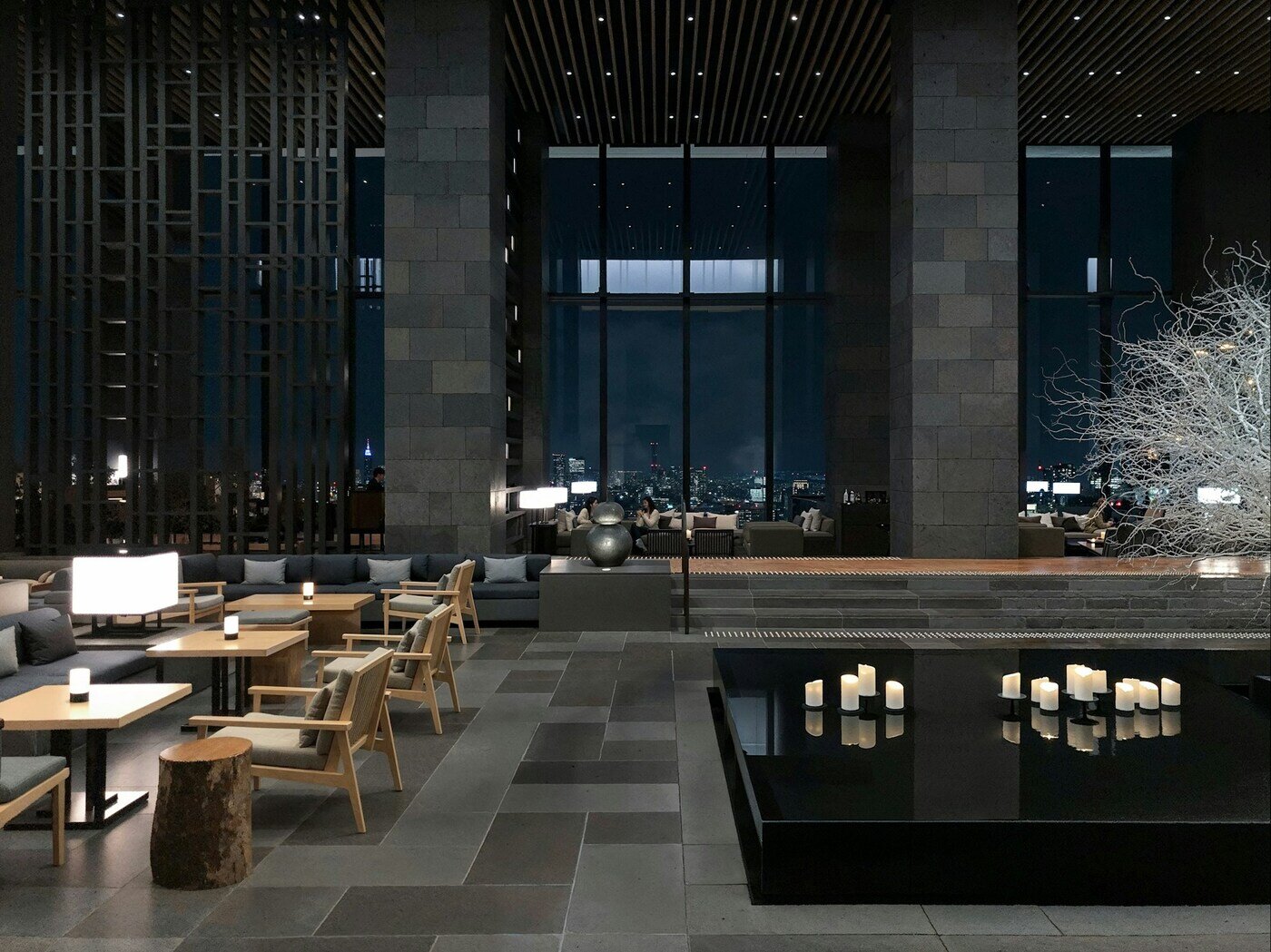
Aman Tokyo
Aman Tokyo Hotel (Tokyo, Japan) – Uses subtle scents (hinoki wood, incense-inspired fragrance) in lobbies and wellness areas to create calm and a sense of place.
Taste
Though the most unconventional, taste may become an integrated aspect of experiential design. Restaurants, wellness centers, or communal courtyards could grow herbs and edible flowers whose flavors mirror the visual and olfactory themes of the space, creating multi-layered experiences. A tea pavilion might serve blends designed to reflect the surrounding garden, allowing occupants to consume the essence of their environment. In future architecture, taste will be another medium through which buildings communicate with their inhabitants.
Bosco Verticale (Milan, Italy) – Vertical forest includes edible plants and herbs in communal areas, linking taste and place.
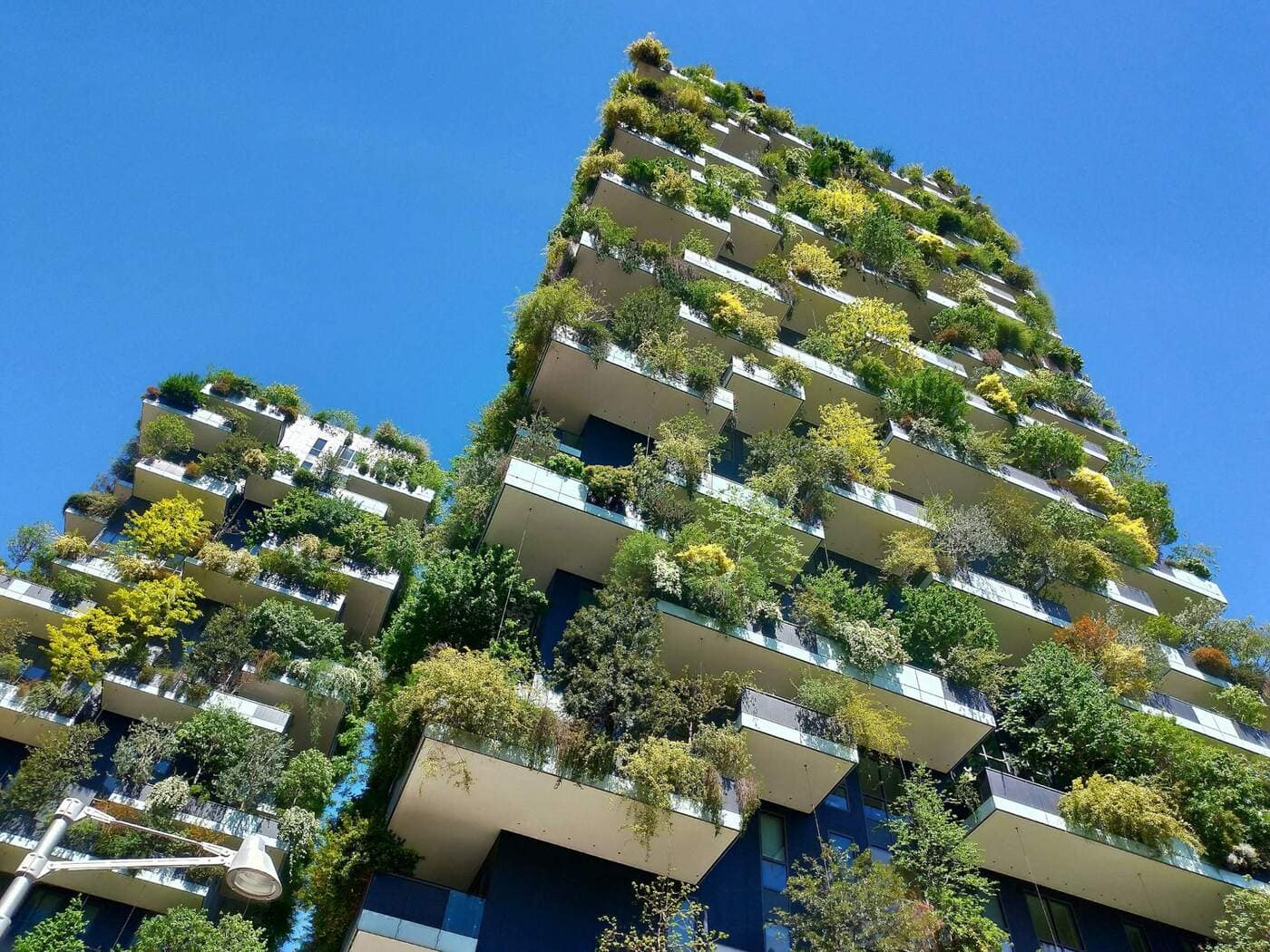
Bosco Verticale (Milan, Italy)
While the idea of architecture engaging all five senses may sound like science fiction, in reality, the most immediate and achievable innovations lie in sight, sound, and touch. Architects are already experimenting with light, color, textures, and acoustics to shape mood and behavior, and these elements will continue to evolve in increasingly sophisticated ways. Smell and taste, while conceptually fascinating, remain largely experimental—reserved for luxury spaces, art installations, or immersive exhibitions where designers can control them carefully. The future of sensory design, then, is not about every building becoming a multi-sensory wonderland, but about intentionally creating environments that feel more alive, more human, and more attuned to the needs of the people within them. In this measured vision, sensory design is less a fantastical promise and more a deliberate philosophy: to craft spaces that do more than occupy space—they nurture, inspire, and respond to us in subtle, tangible ways.

