English
 日本語
日本語

Historic Preservation Meets Contemporary Living
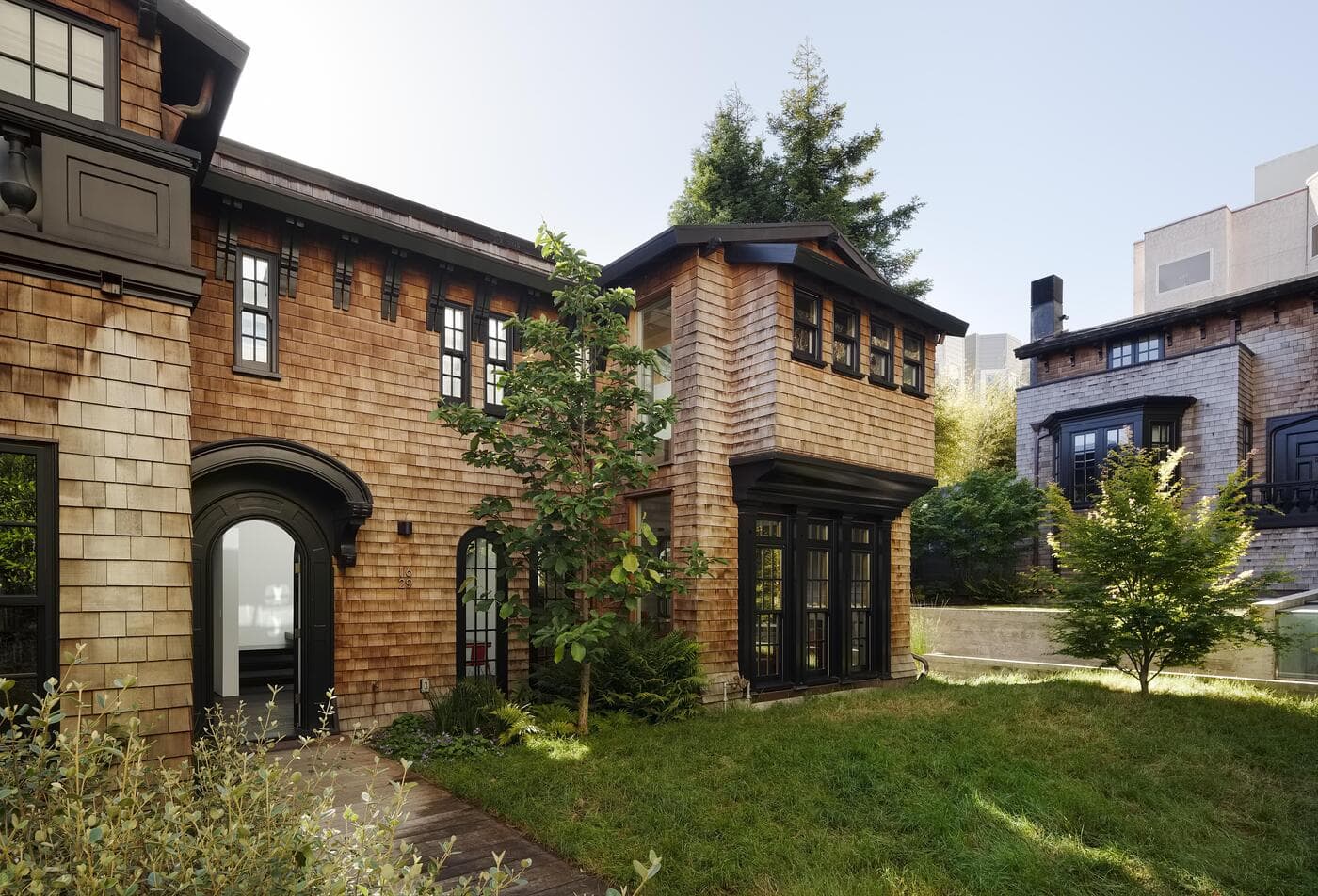
San Francisco–based Mark English Architects has completed the renovation and modest expansion of a two-story family home in the city’s Cow Hollow neighborhood, originally designed in 1917 by architect Elizabeth Austin. One of the few practicing female architects in early 20th-century America, Austin’s legacy informed a careful approach that sought to preserve the original vision while adapting the residence for modern life.
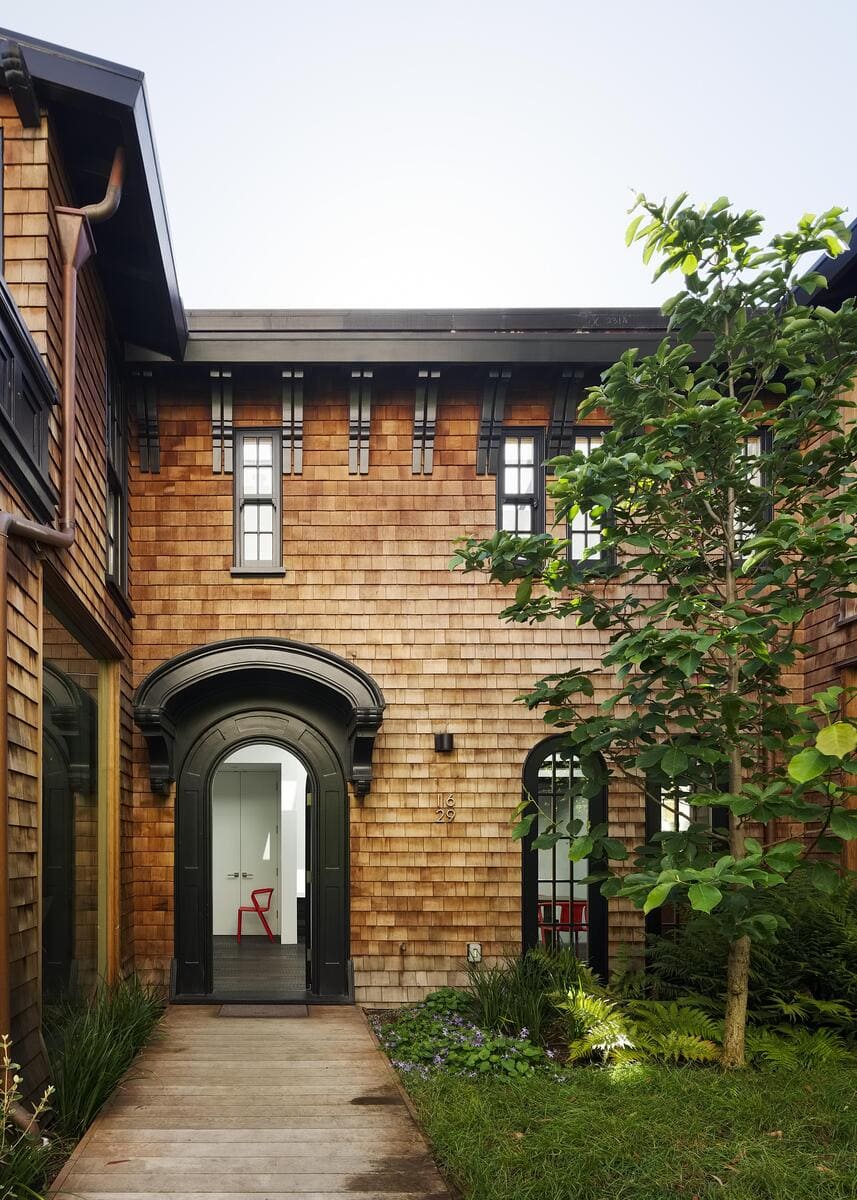
Primary Facade
Photo credit: Joe Fletcher
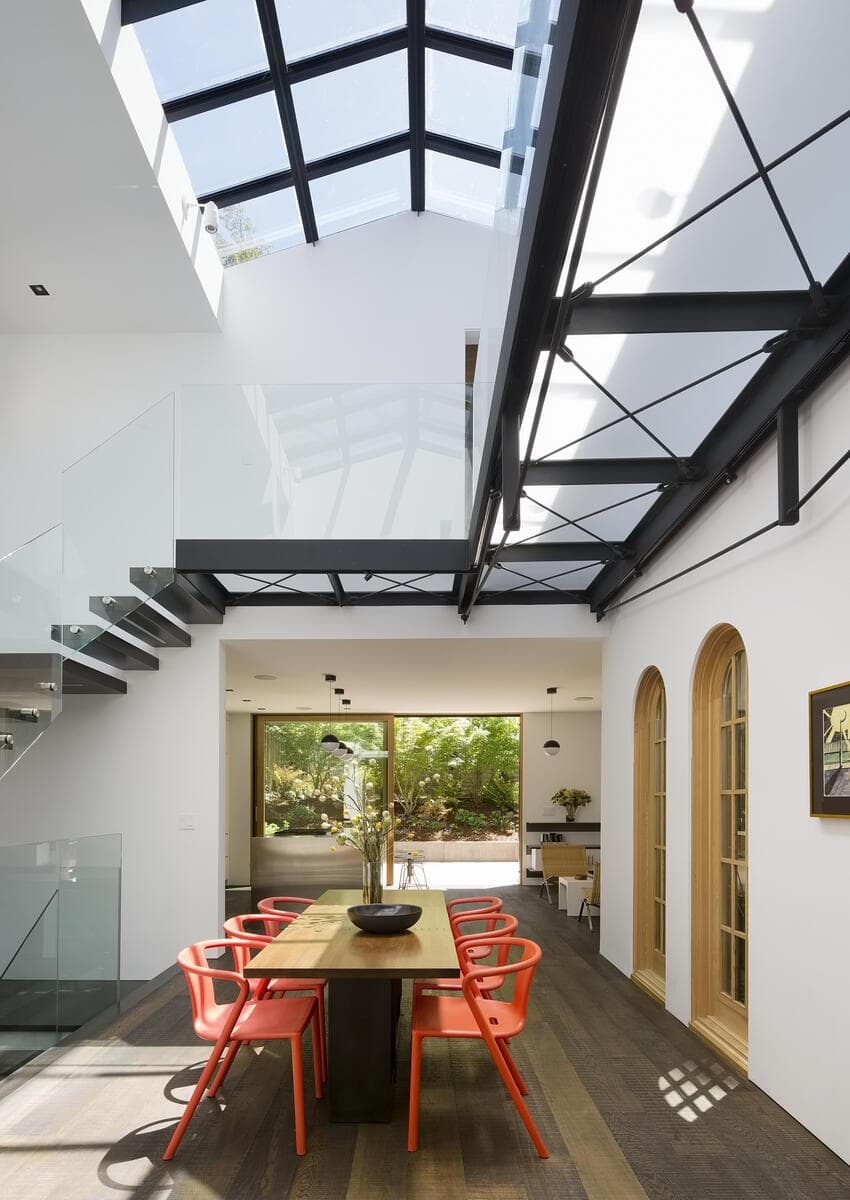
Photo credit: Joe Fletcher
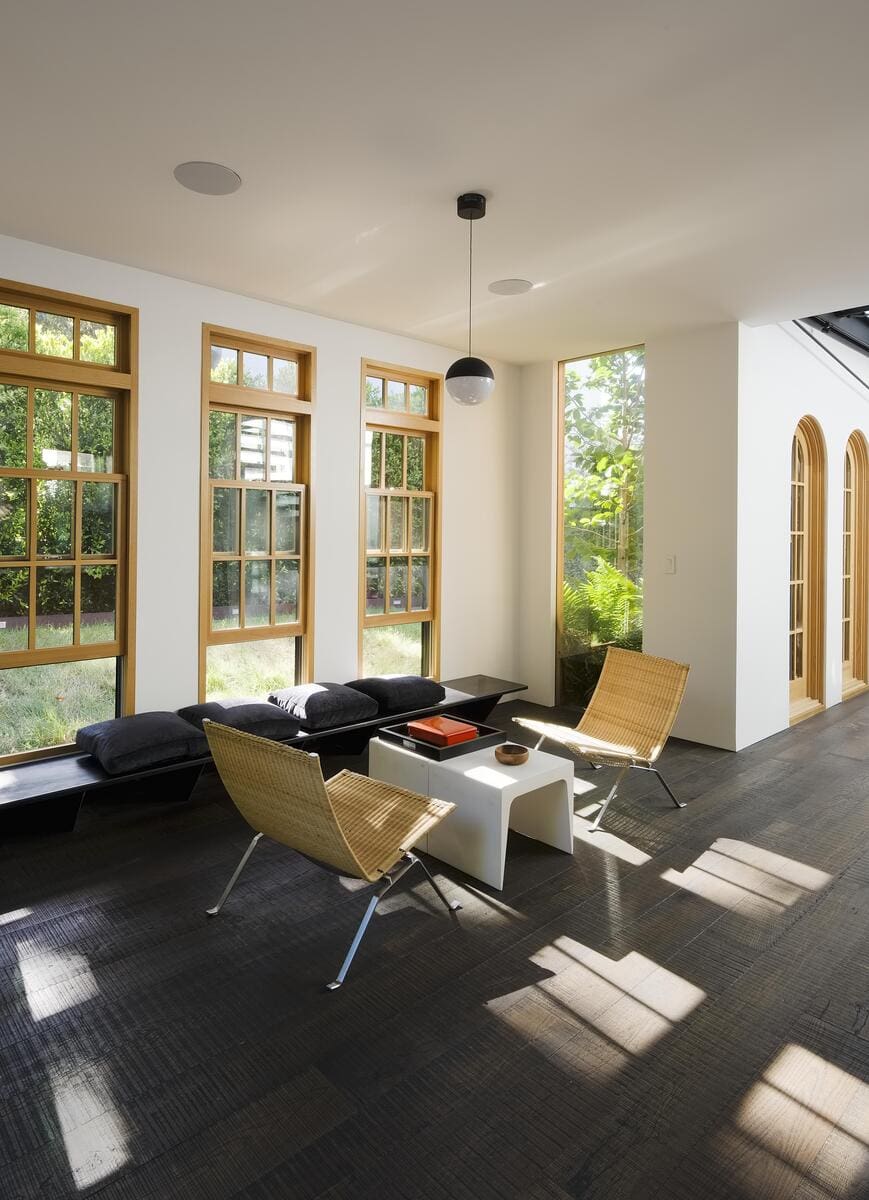
Photo credit: Joe Fletcher
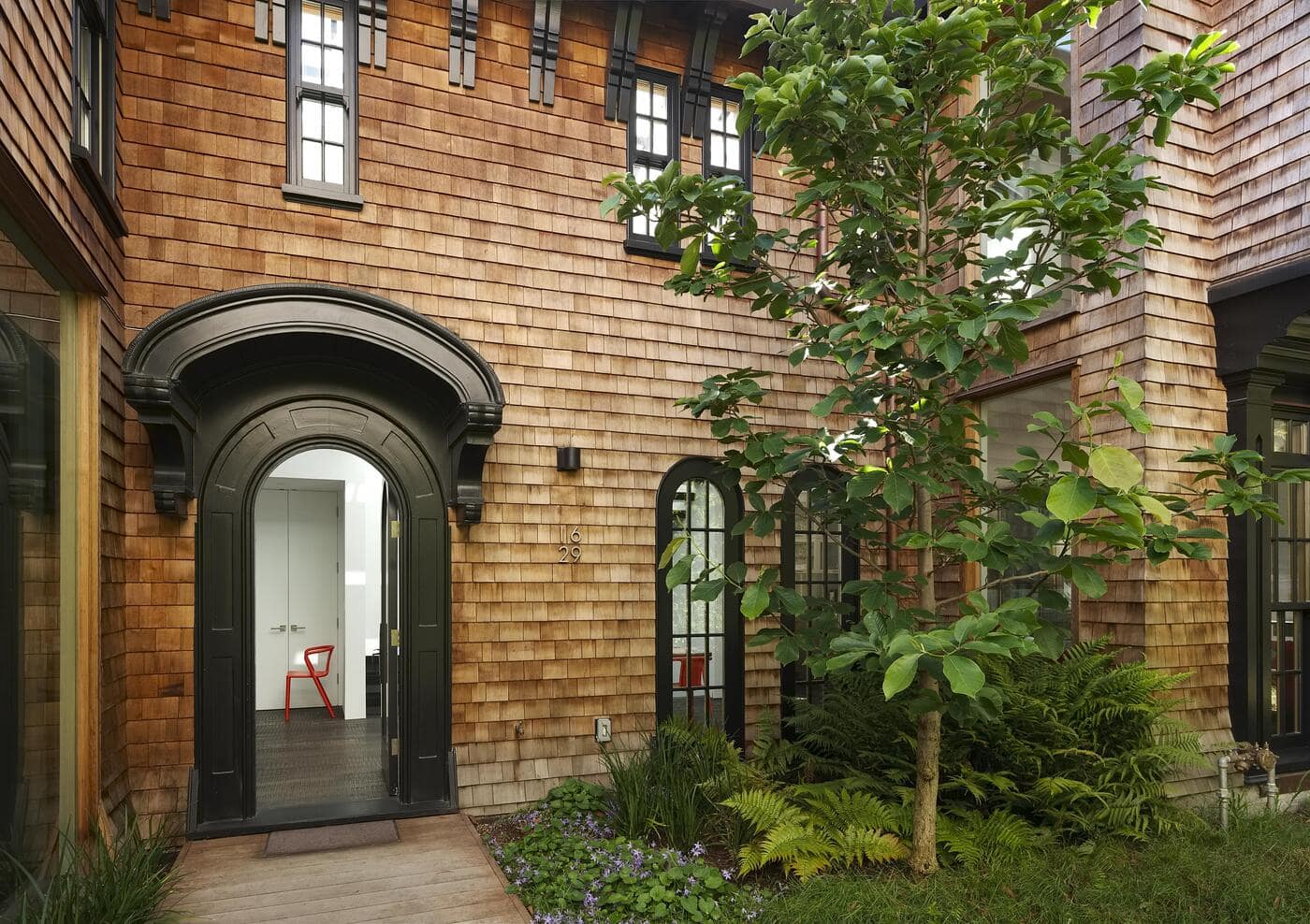
Designated as a historically significant structure, the house falls under a landmark preservation framework requiring rigorous planning review. In response, the project team undertook a meticulous restoration of the facade, removing and cataloguing each ornamental element during construction before reinstalling them. Alongside this effort, a series of precise architectural interventions and additions were introduced to enhance the existing structure without compromising its character.
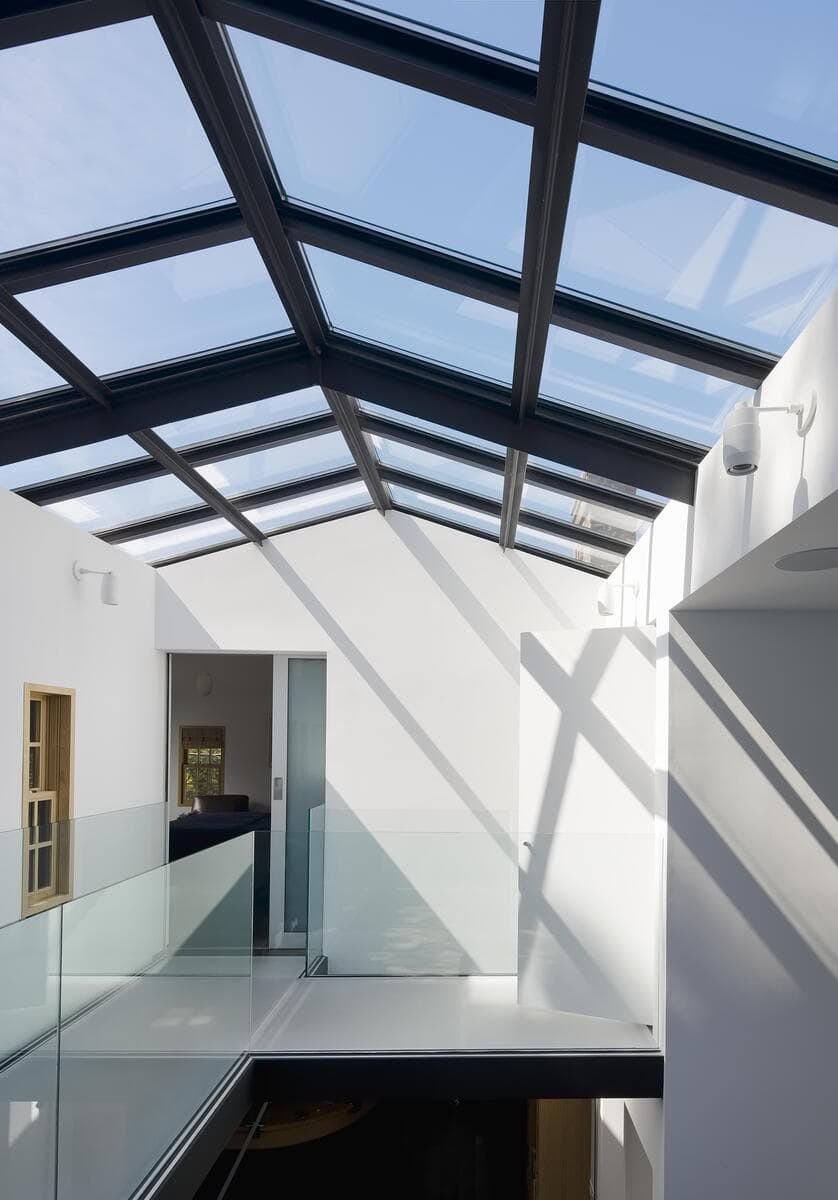
Photo credit: Joe Fletcher
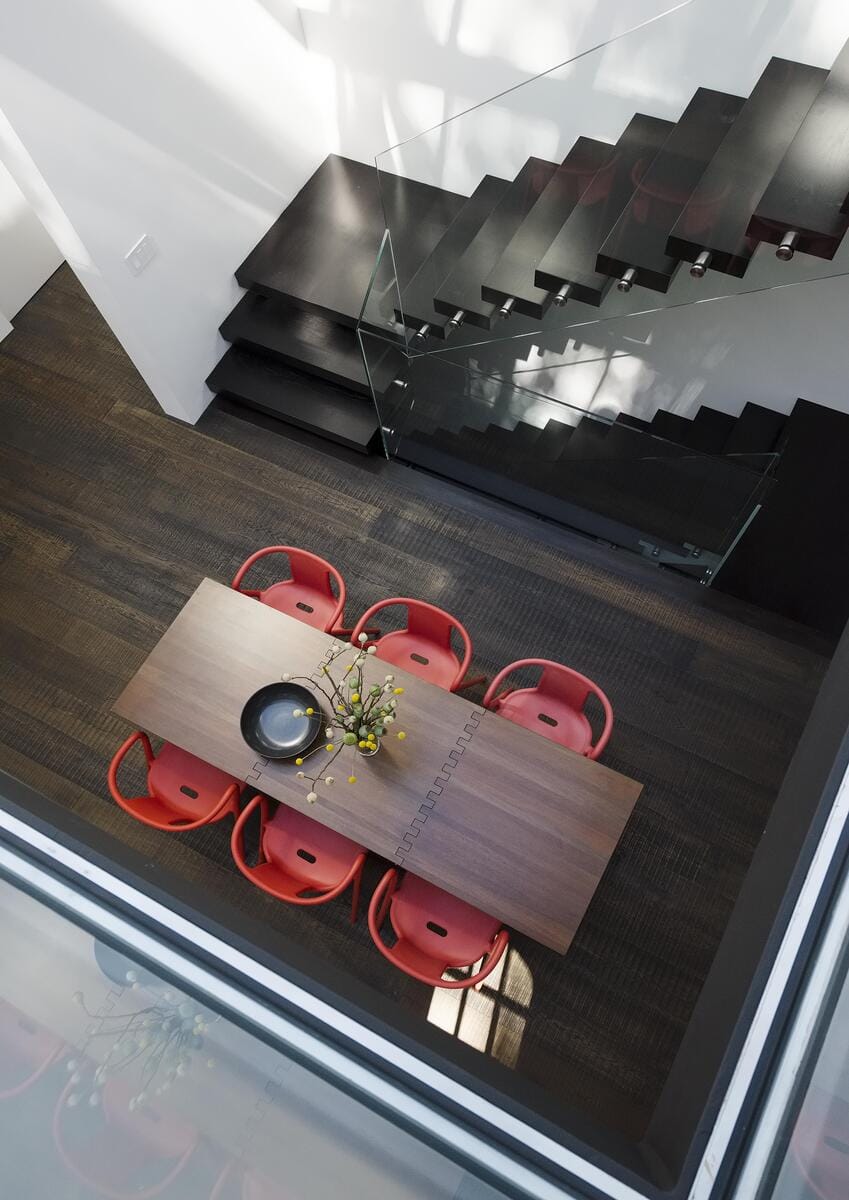
Photo credit: Joe Fletcher

Photo credit: Joe Fletcher
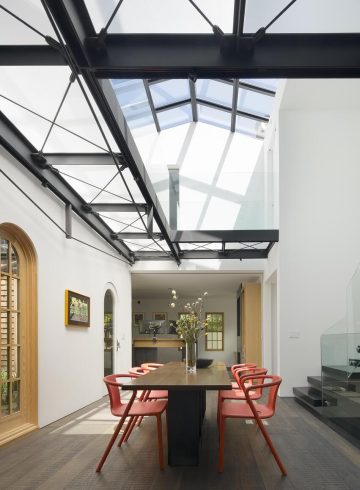
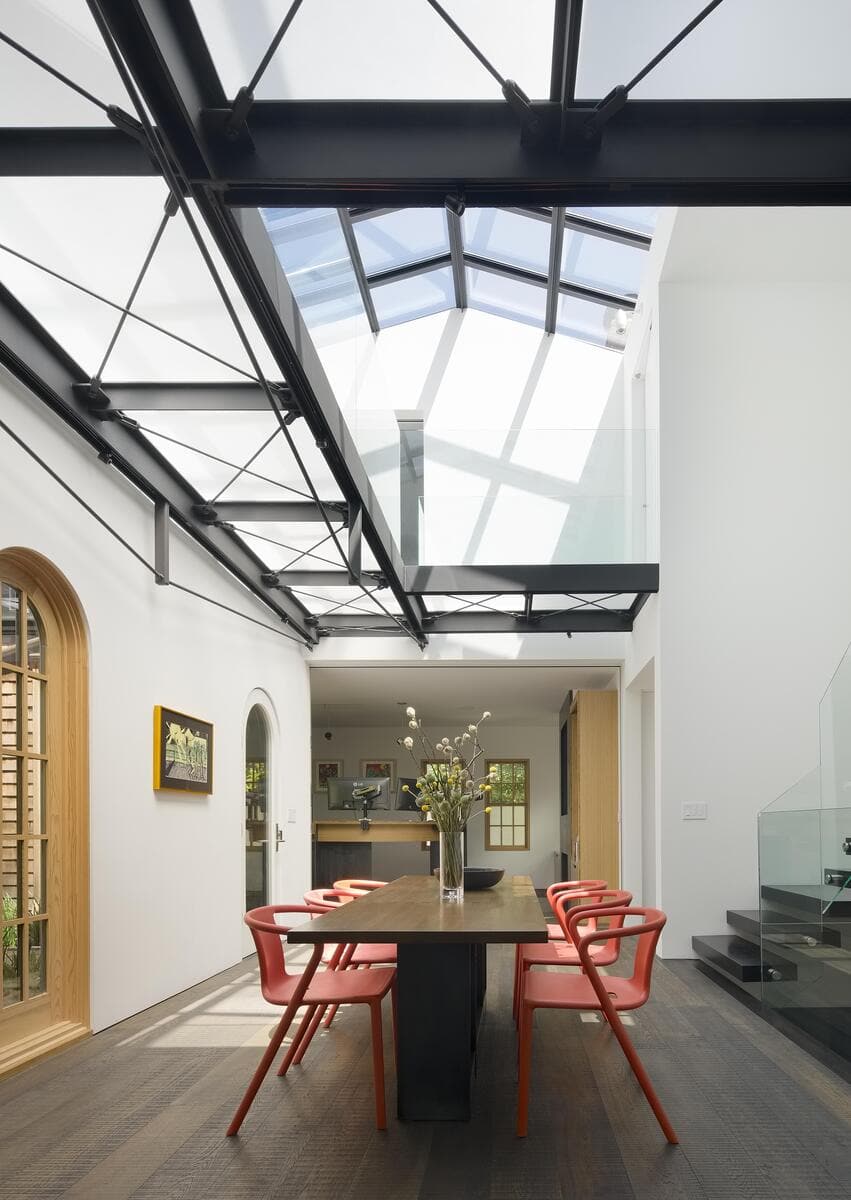
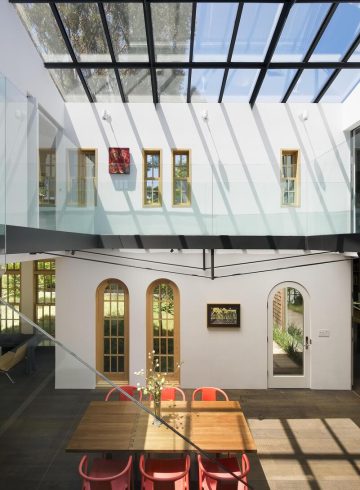
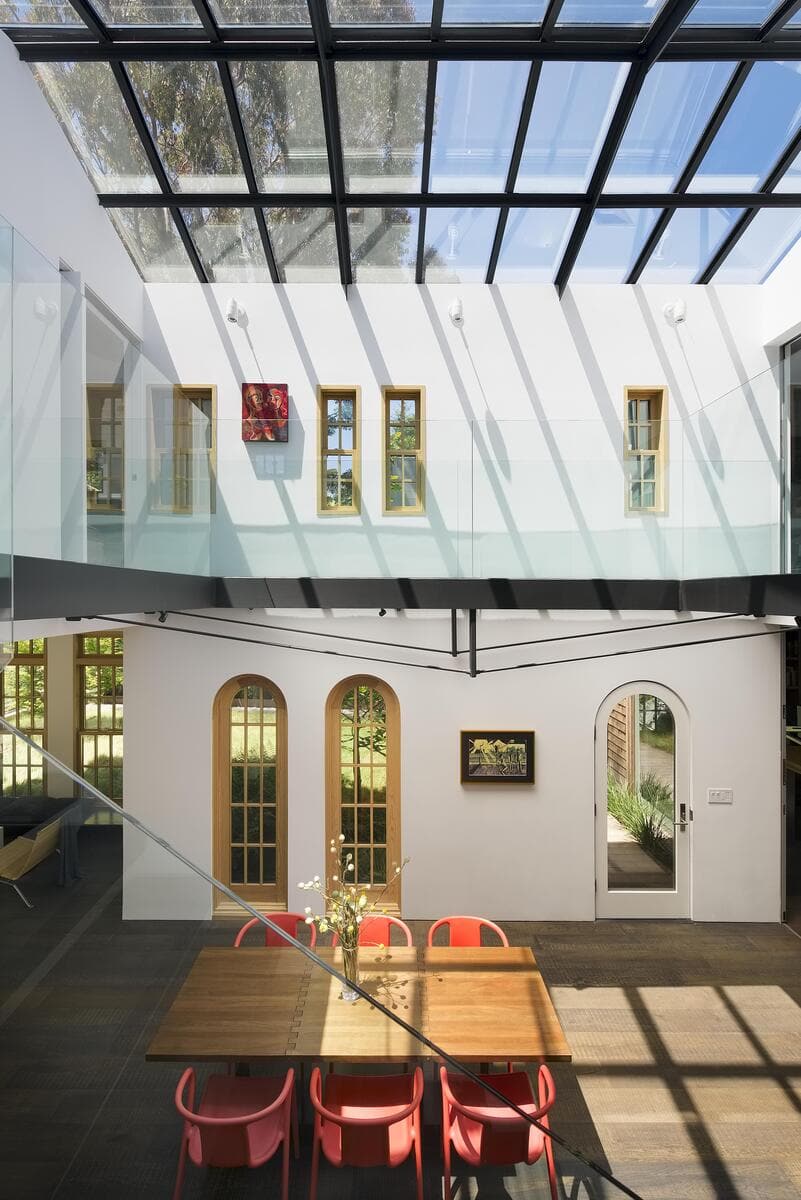
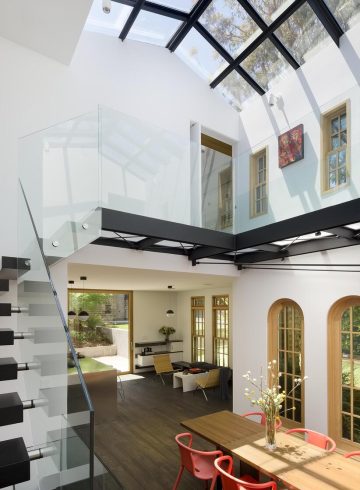
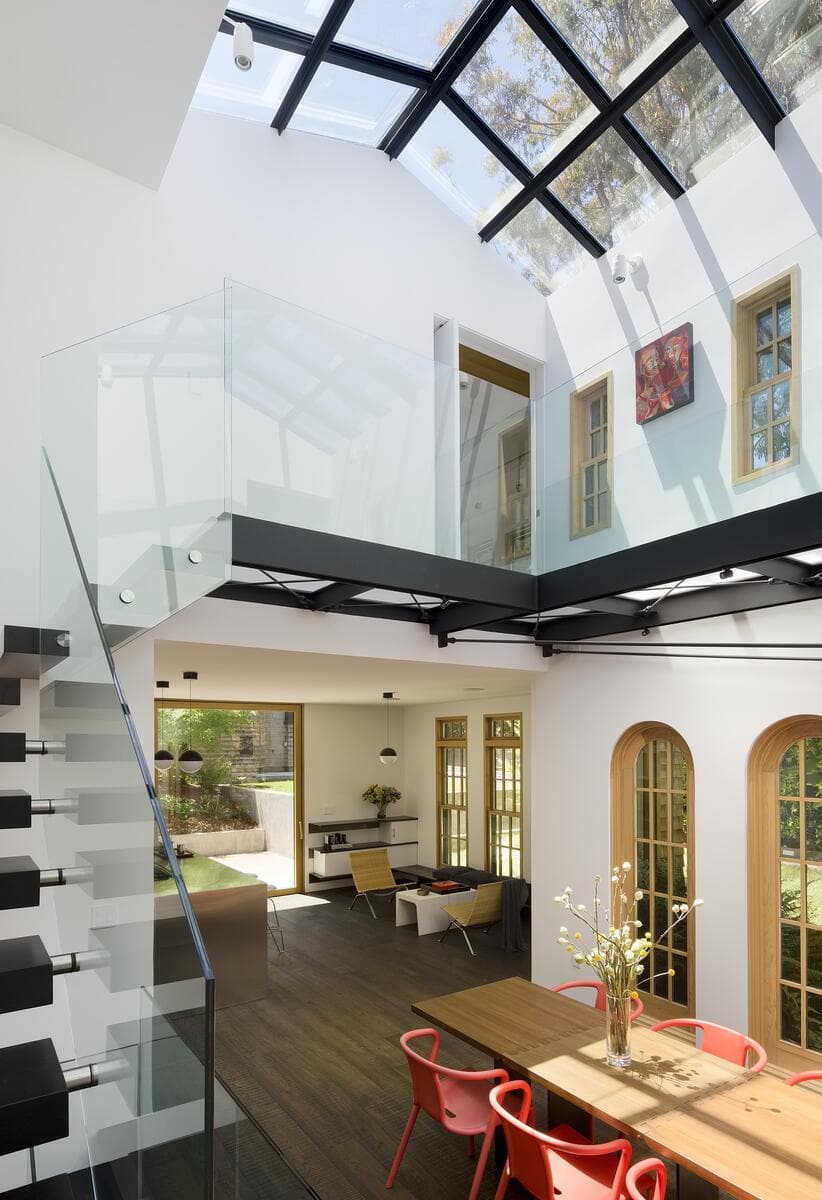
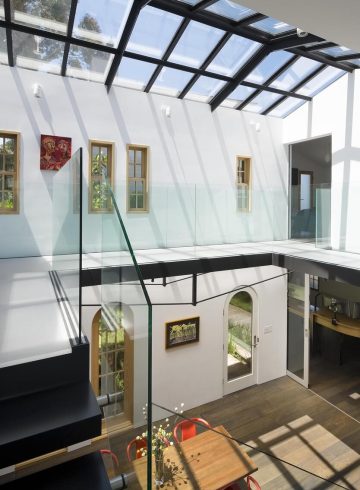
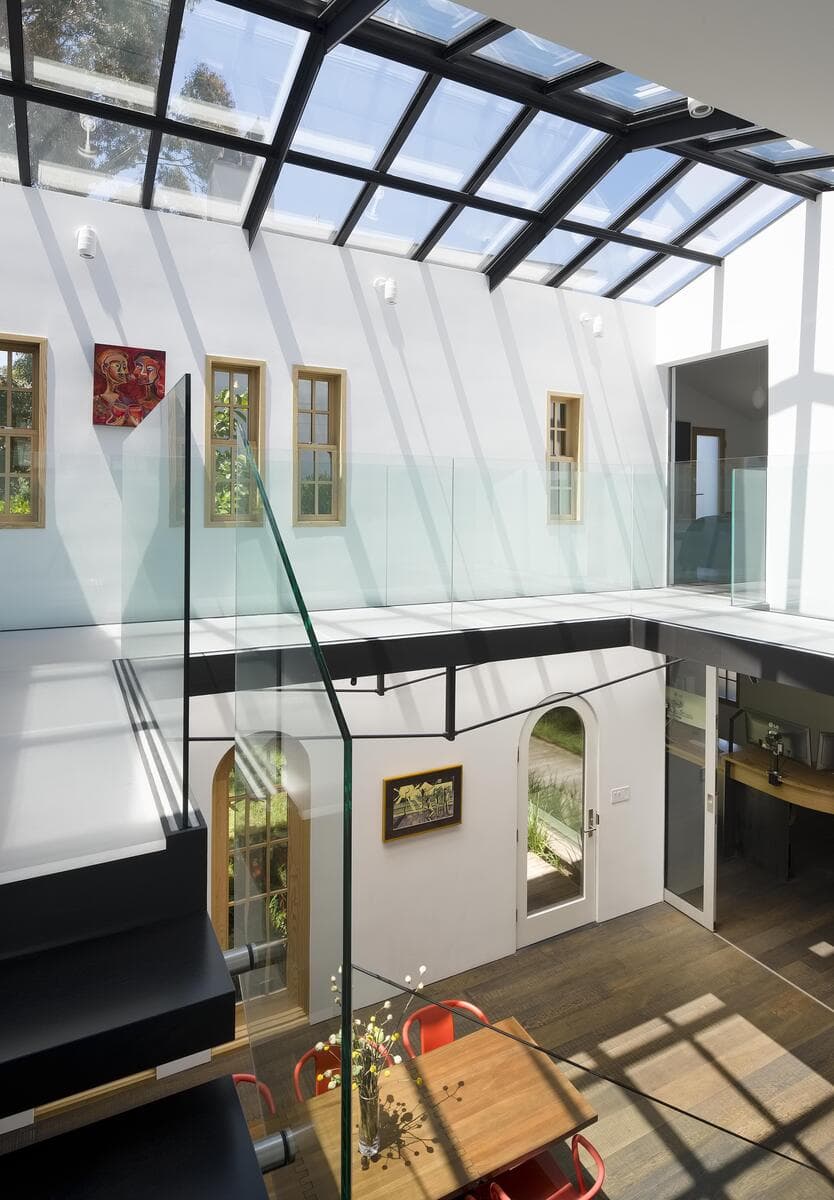
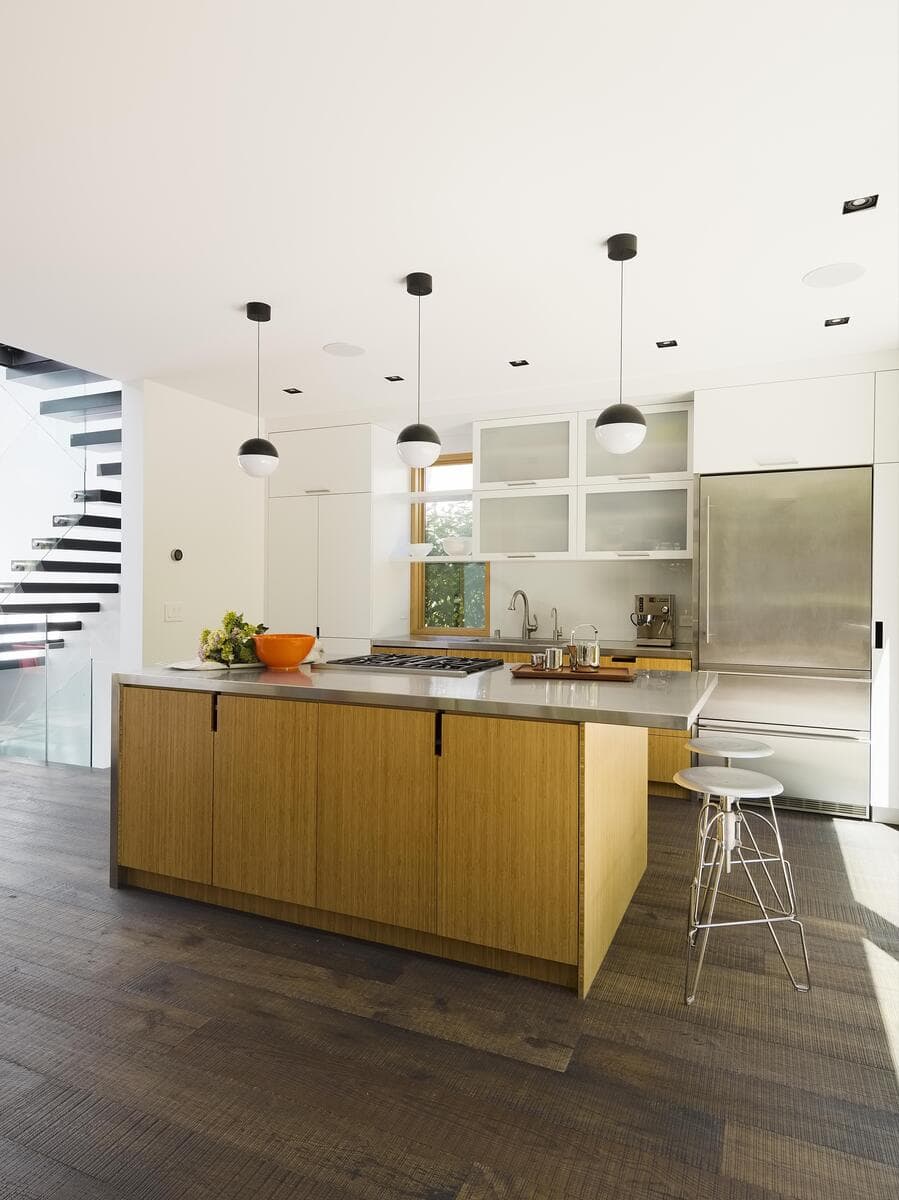
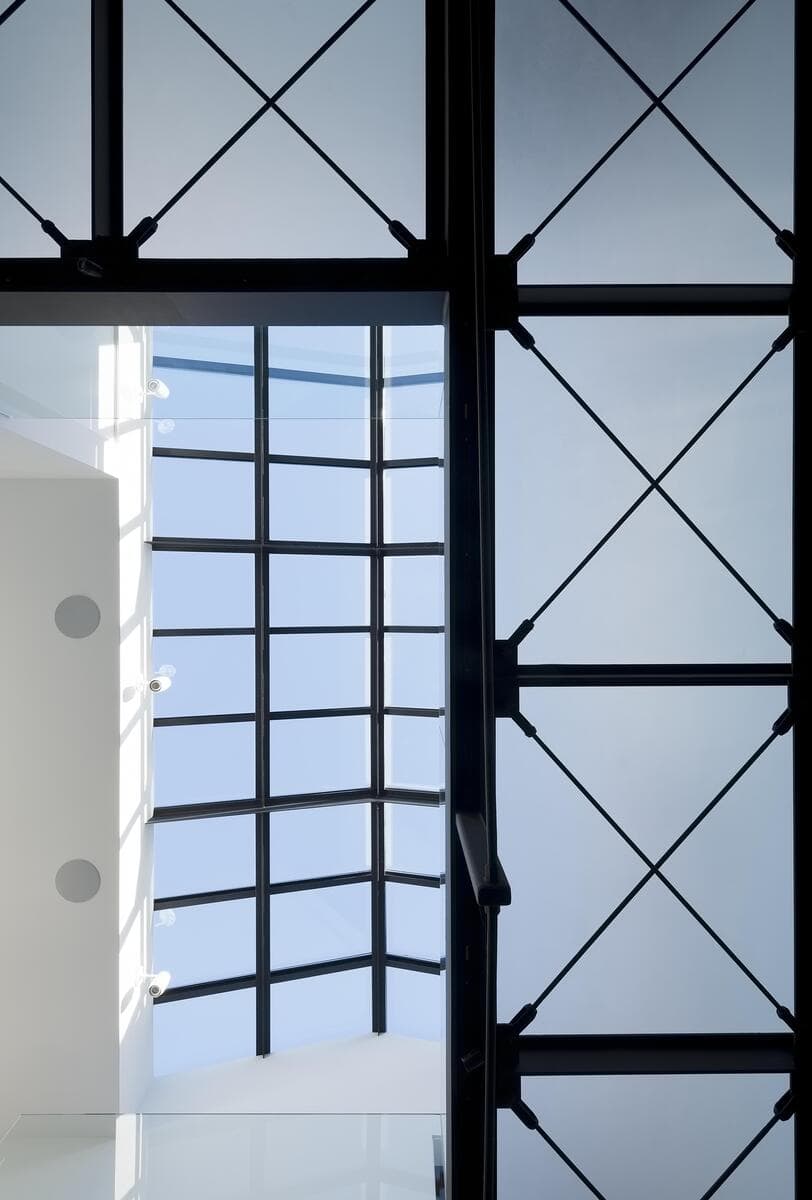
Internally, the home was reconfigured to better accommodate contemporary living patterns. The architects converted previously unused crawl space into habitable area and introduced new volumes at both the first and second floors. A key move involved opening up the center of the U-shaped plan and removing much of the second level, resulting in a double-height dining space that now serves as the focal point of the house.
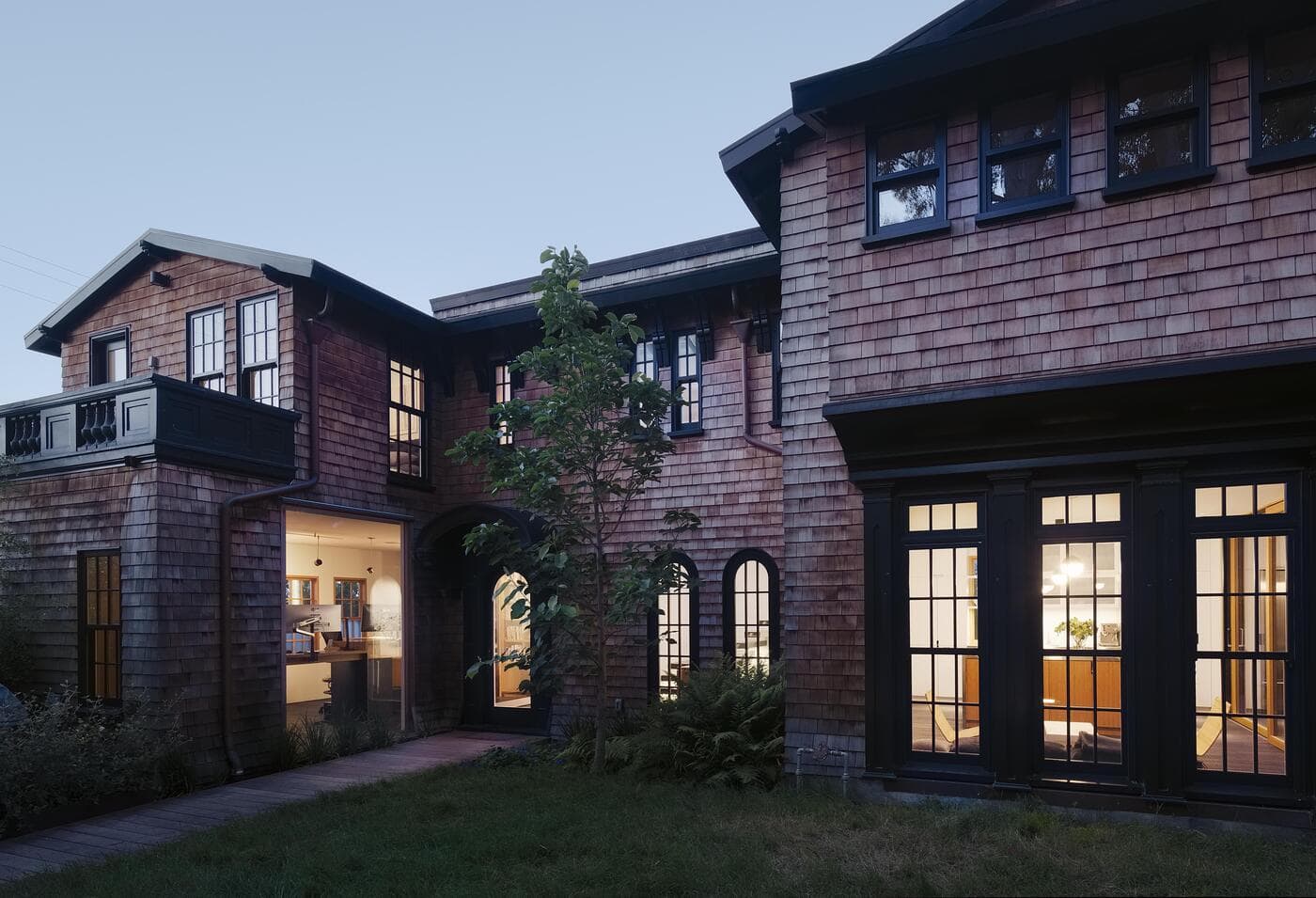
Photo credit: Joe Fletcher
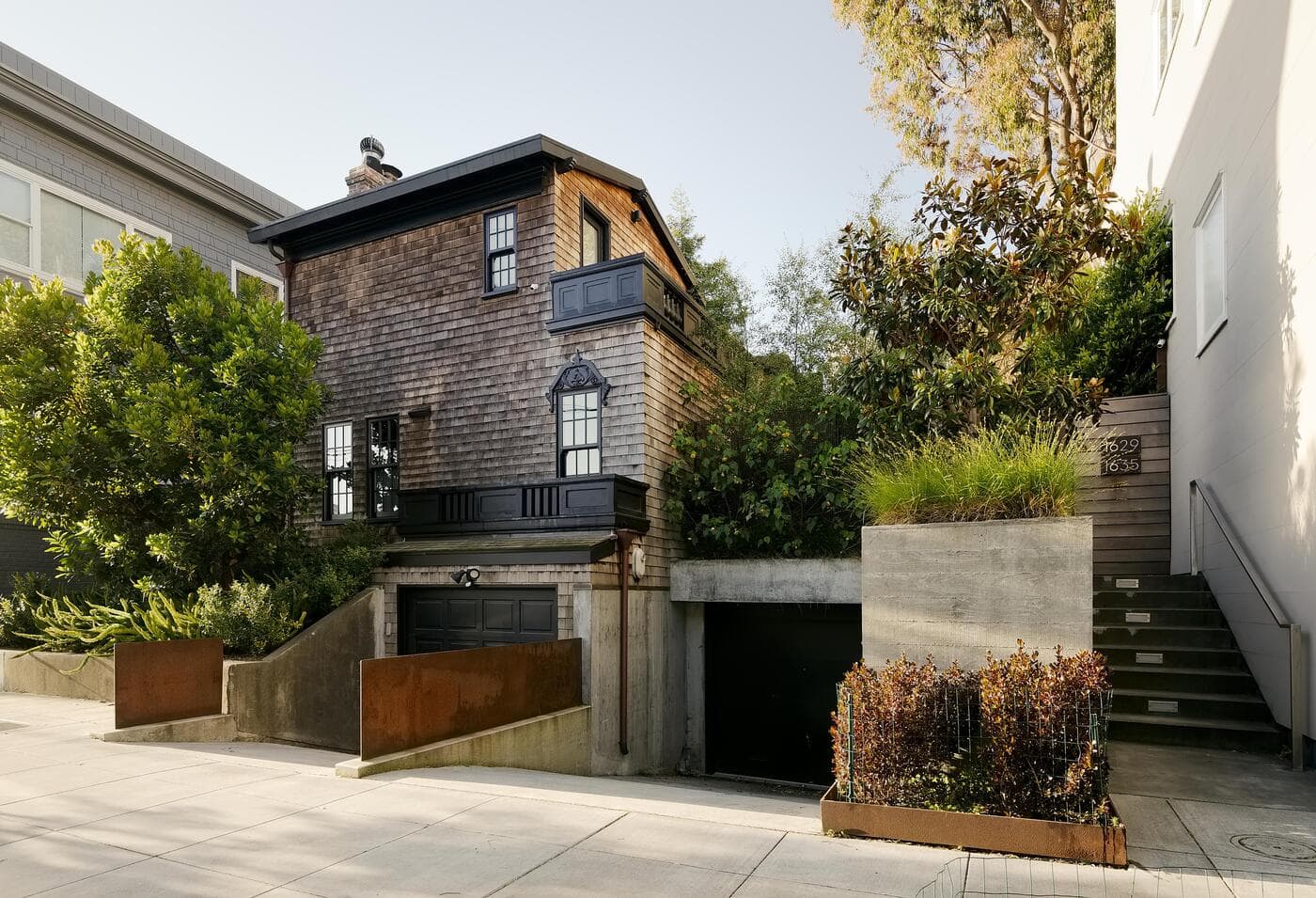
Front Facade
Photo credit: Joe Fletcher
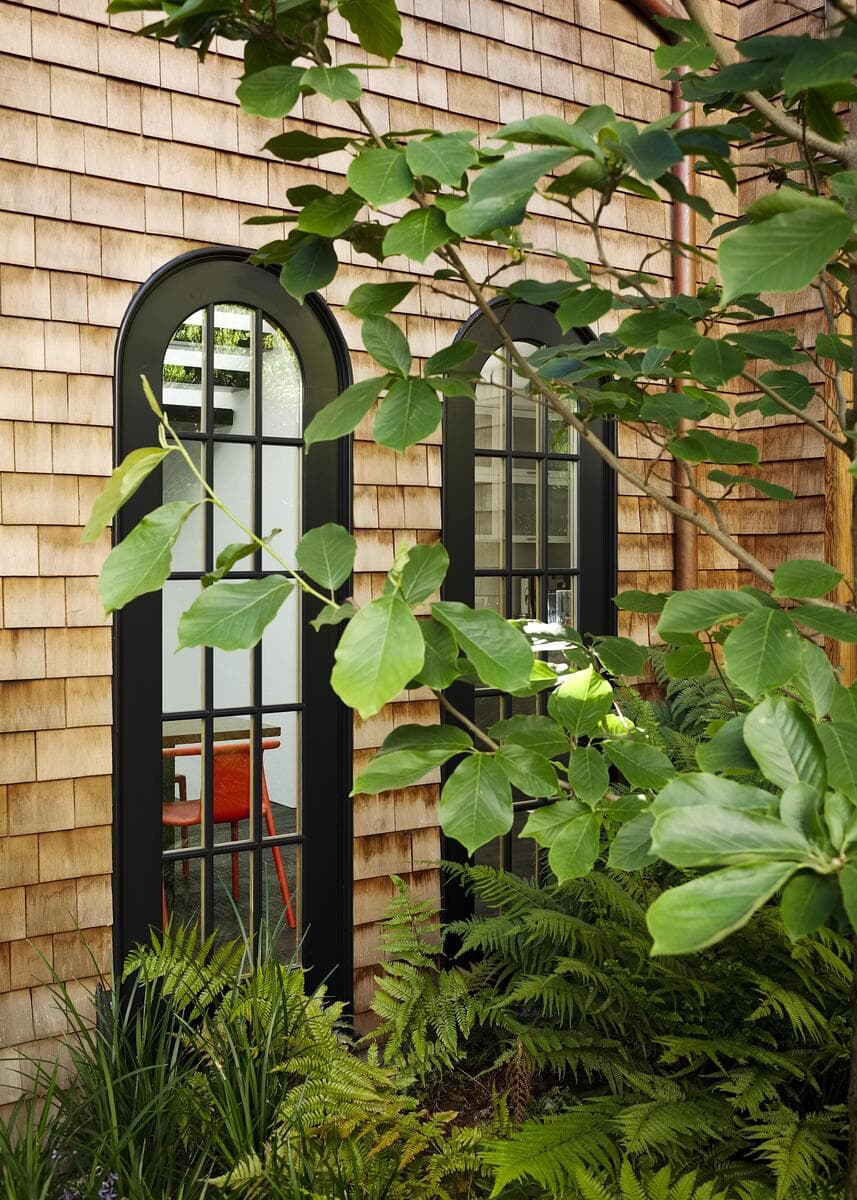
Photo credit: Joe Fletcher
The project reflects a broader trend in heritage architecture: balancing preservation with transformation, and ensuring that historic homes remain relevant for future generations.
-
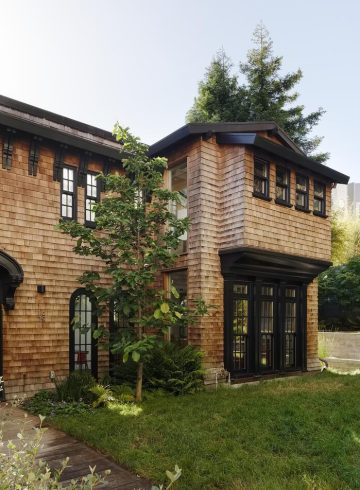

- Primary Facade Photo credit: Joe Fletcher
-
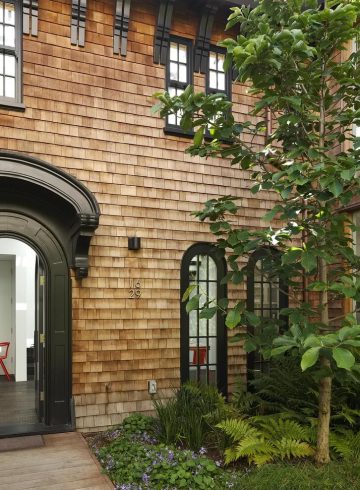
- Photo credit: Joe Fletcher
-
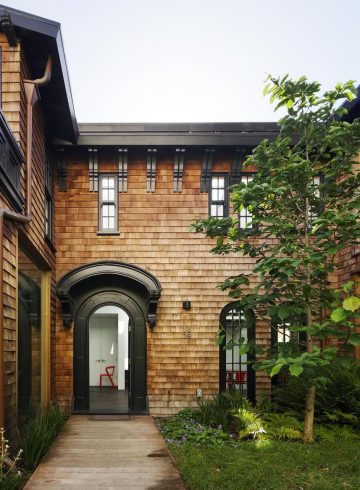
- Primary Facade Photo credit: Joe Fletcher
-
- Photo credit: Joe Fletcher
-
- Photo credit: Joe Fletcher
-
- Photo credit: Joe Fletcher
-
- Photo credit: Joe Fletcher
-
- Photo credit: Joe Fletcher
-
- Photo credit: Joe Fletcher
-

- Photo credit: Joe Fletcher
-
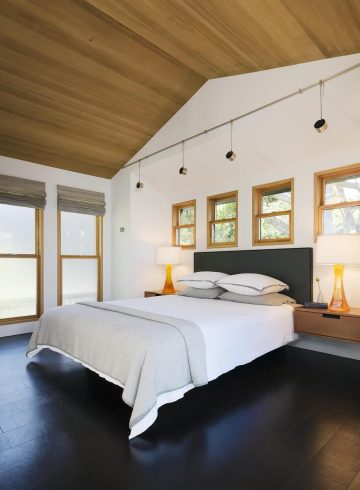
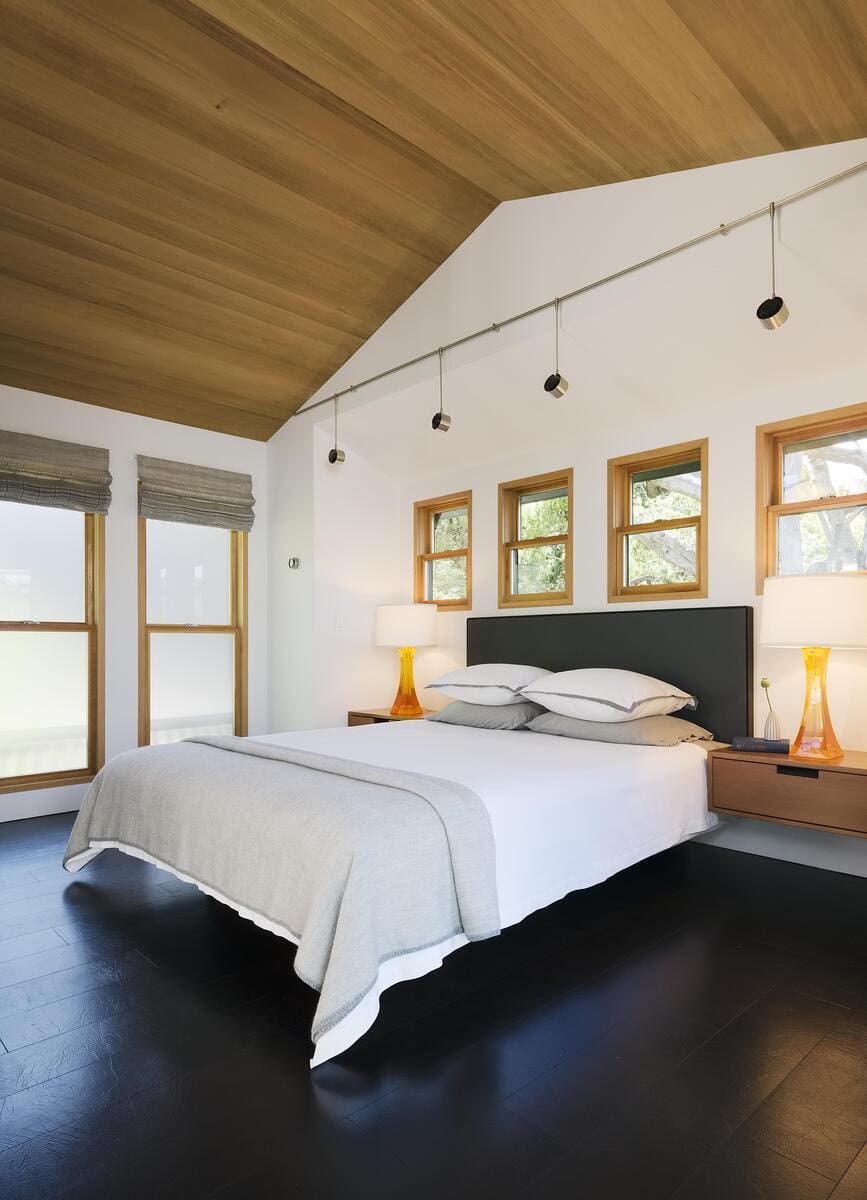
- Primary Bedroom Photo credit: Joe Fletcher
-
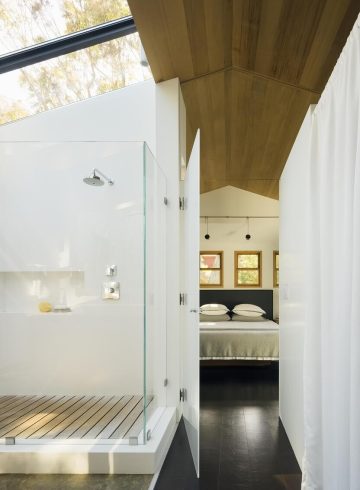
- Photo credit: Joe Fletcher
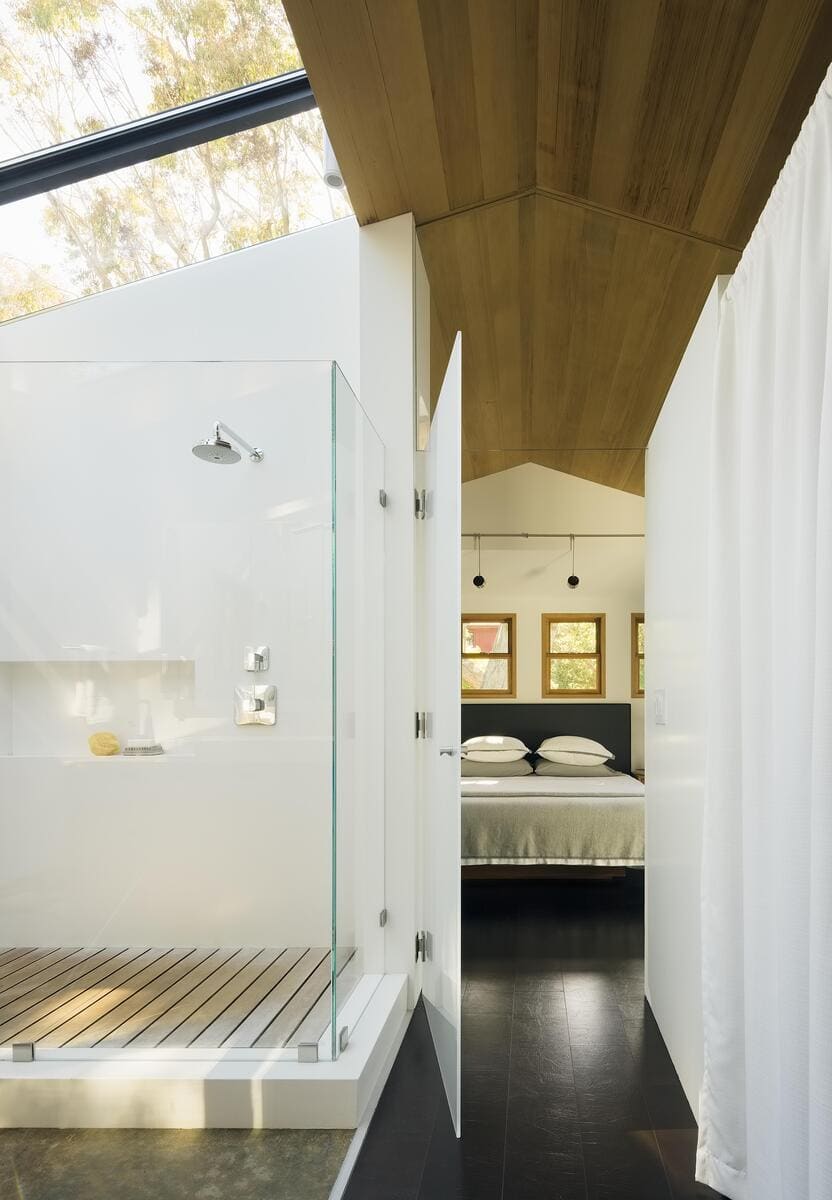
Mark English Architects
Mark English, AIA, founded his practice in 1992. A Bay Area native, he offers a designer’s sense of artistry supported by practical knowledge gained from years of direct hands-on building experience. The practice is built on providing design that is sustainable because it is sensible and flexible, and built to last. Mark earned a bachelor of architecture degree at California Polytechnic University, San Luis Obispo, and a master of architecture degree at the Syracuse University campus in Florence, Italy. Mark served as a board member at AIA San Francisco 2011-2014, AIA California 2014 – 2016, and AIA National Small Firm Exchange 2016 – 2019. He has also served as a member of many design awards.