English
 日本語
日本語

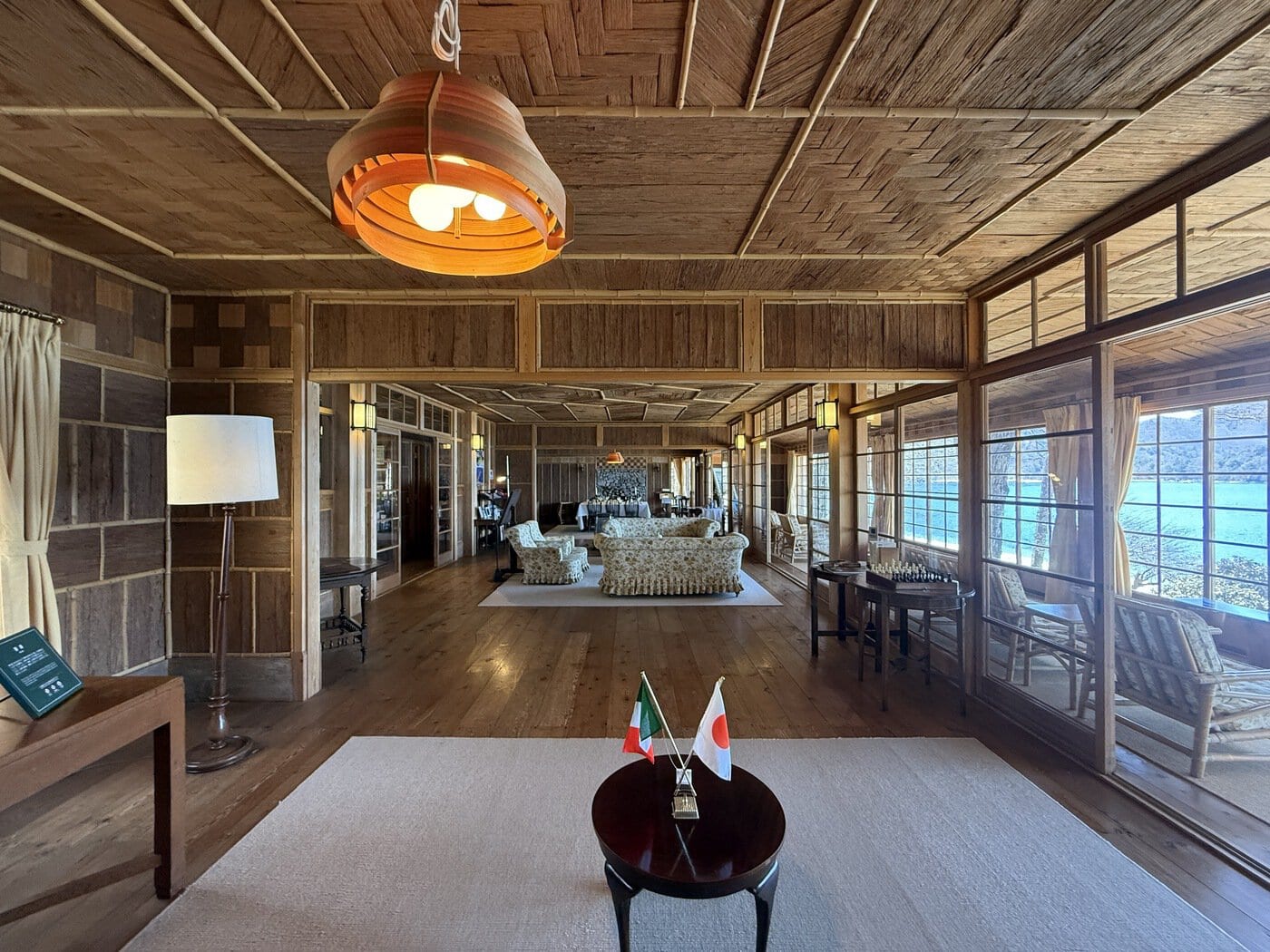 There are buildings that do not speak loudly. They do not announce themselves with bold gestures or monumental facades. Instead, they wait — half-hidden among trees, pressed against the shore of a volcanic lake, wrapped in the bark of the very forest that surrounds them. The former Italian Embassy Villa at Lake Chuzenji, in the mountains of Nikko, is one such building. Completed in 1928 and designed by the Czech-American architect Antonin Raymond, it is a place where architecture dissolves into landscape, where diplomacy becomes domesticity, and where the legacies of two of the twentieth century’s most consequential architects — Raymond and his master, Frank Lloyd Wright — converge in silence.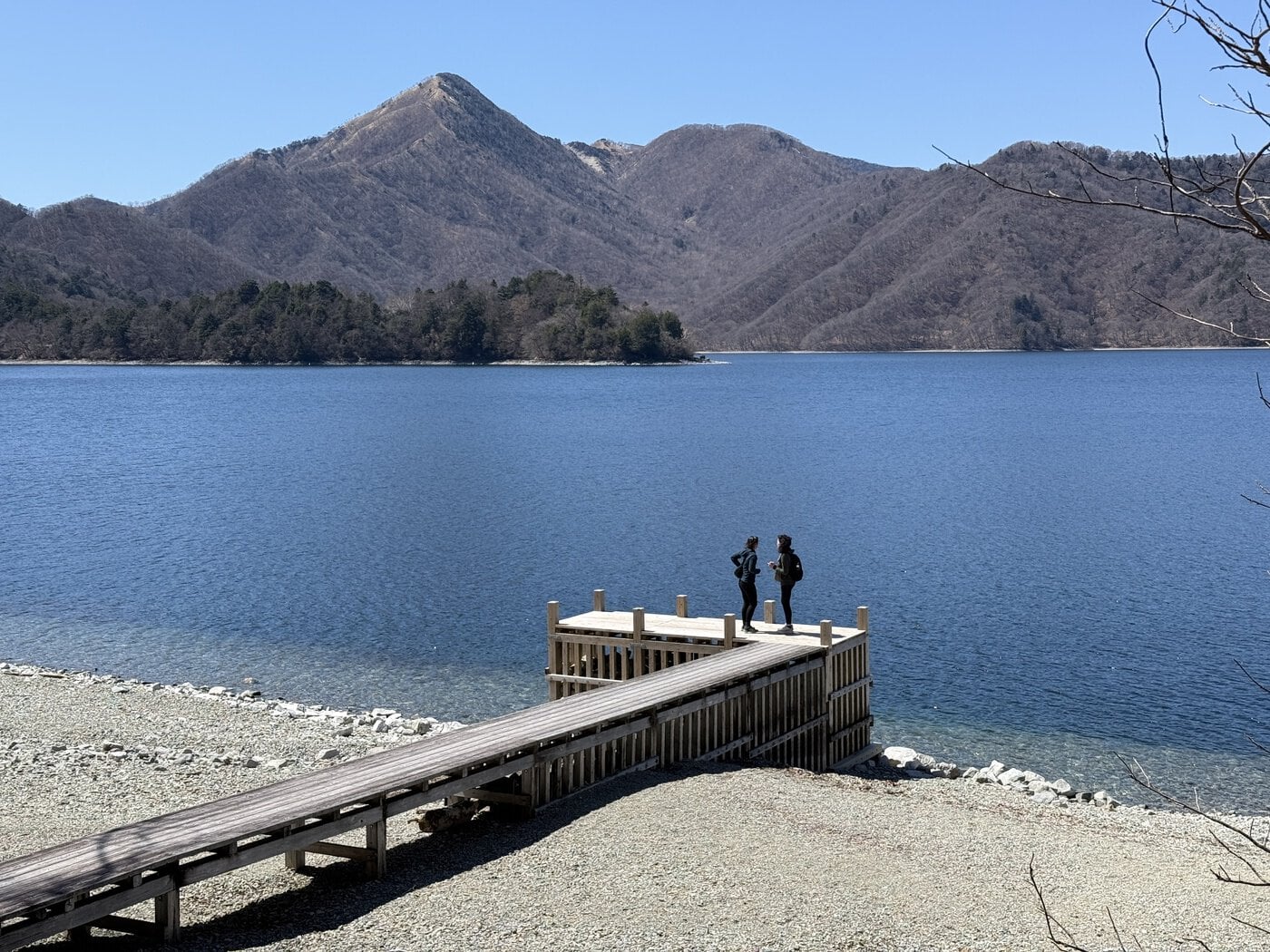
To reach the villa, one must first ascend. Lake Chuzenji sits at 1,269 metres above sea level, the highest natural lake of its size in Japan. In the late nineteenth century, when the railway between Utsunomiya and Nikko opened in 1890, the area began attracting foreign diplomats in Tokyo desperate for relief from the summer heat. Sir Ernest Satow, the British diplomat and scholar, built a lakeside retreat in 1896 and persuaded colleagues to do the same. By the early twentieth century, Lake Chuzenji had earned the title of “the summer capital of the Ministry of Foreign Affairs.” Embassies erected villas along the shore; yachting and fly-fishing became rituals. The lake, once sacred and remote, became a theatre of international sociability.
It was into this refined microcosm that Italian Ambassador Giulio della Torre di Lavagna commissioned, in 1927, a summer residence for himself and future ambassadors. His choice of architect was inspired: Antonin Raymond, then in his mid-thirties, already a rising figure in Japanese modernism. Raymond’s trajectory, however, cannot be understood without first tracing the shadow of the man who shaped him — Frank Lloyd Wright.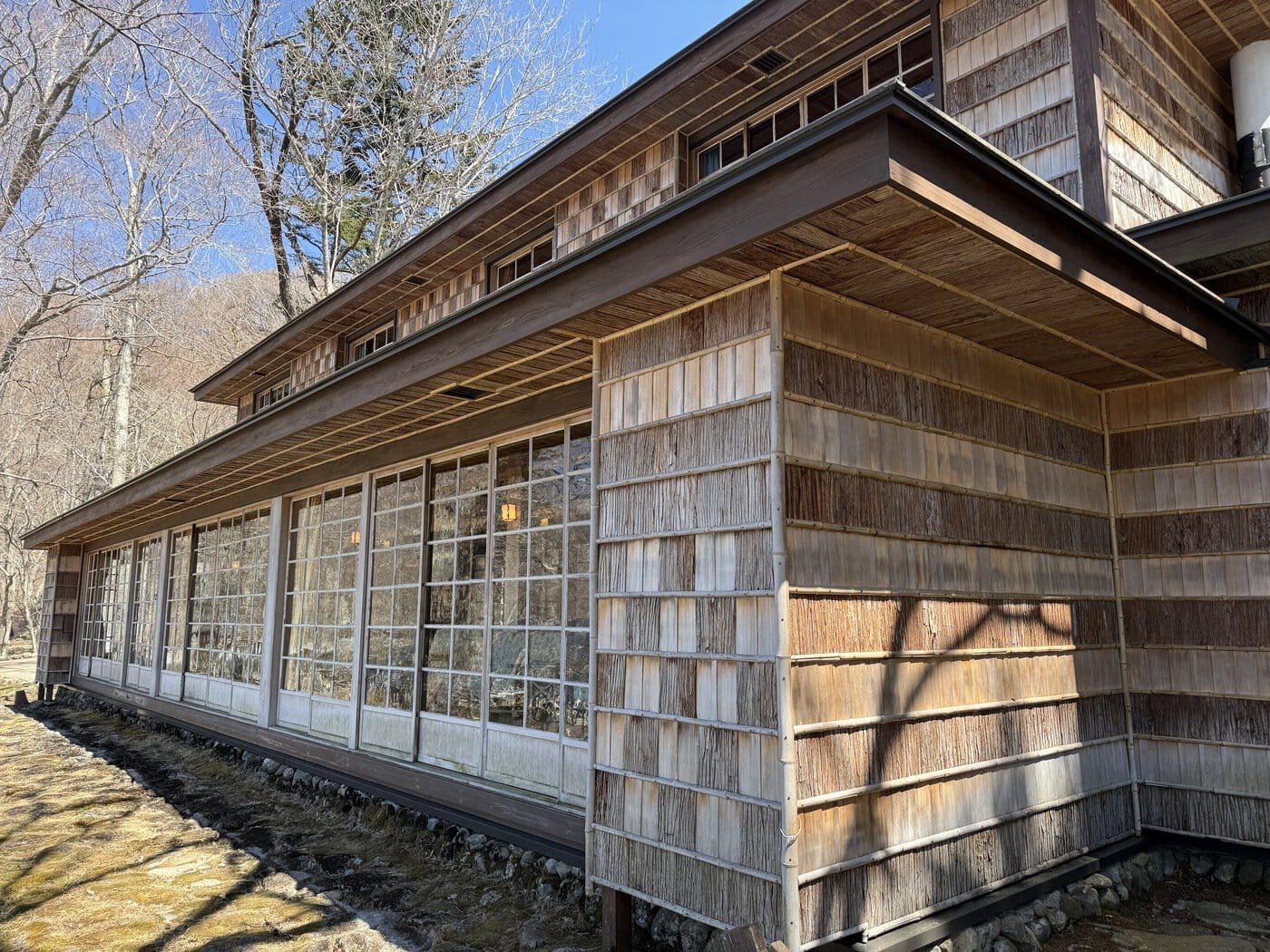
Raymond was born Antonin Reimann in 1888 in Kladno, Bohemia, and studied architecture at the Czech Technical University in Prague. He emigrated to the United States in 1910 — the same year a monumental portfolio of Wright’s work was published in Berlin, electrifying a generation of European architects. By 1916, Raymond was employed at Taliesin, Wright’s studio in Spring Green, Wisconsin, working alongside his French-born wife, the artist Noémi Pernessin. When Wright received the commission for the Imperial Hotel in Tokyo, he persuaded the Raymonds to accompany him to Japan in late 1919.
The Imperial Hotel was Wright’s grand statement: a monumental structure of oya stone and reinforced concrete, famously resistant to the Great Kanto Earthquake of 1923. But for Raymond, the experience was as formative as it was frustrating. He served as Wright’s chief assistant for roughly one year but grew increasingly uneasy. The design, he later remarked, “had nothing in common with Japan, its climate, its traditions, its people and its culture.” Where Wright imposed a vision from the outside — brilliant, self-contained, unapologetically Western in its formal rhetoric — Raymond sought a different path. He wanted architecture that listened to the place, that absorbed rather than resisted.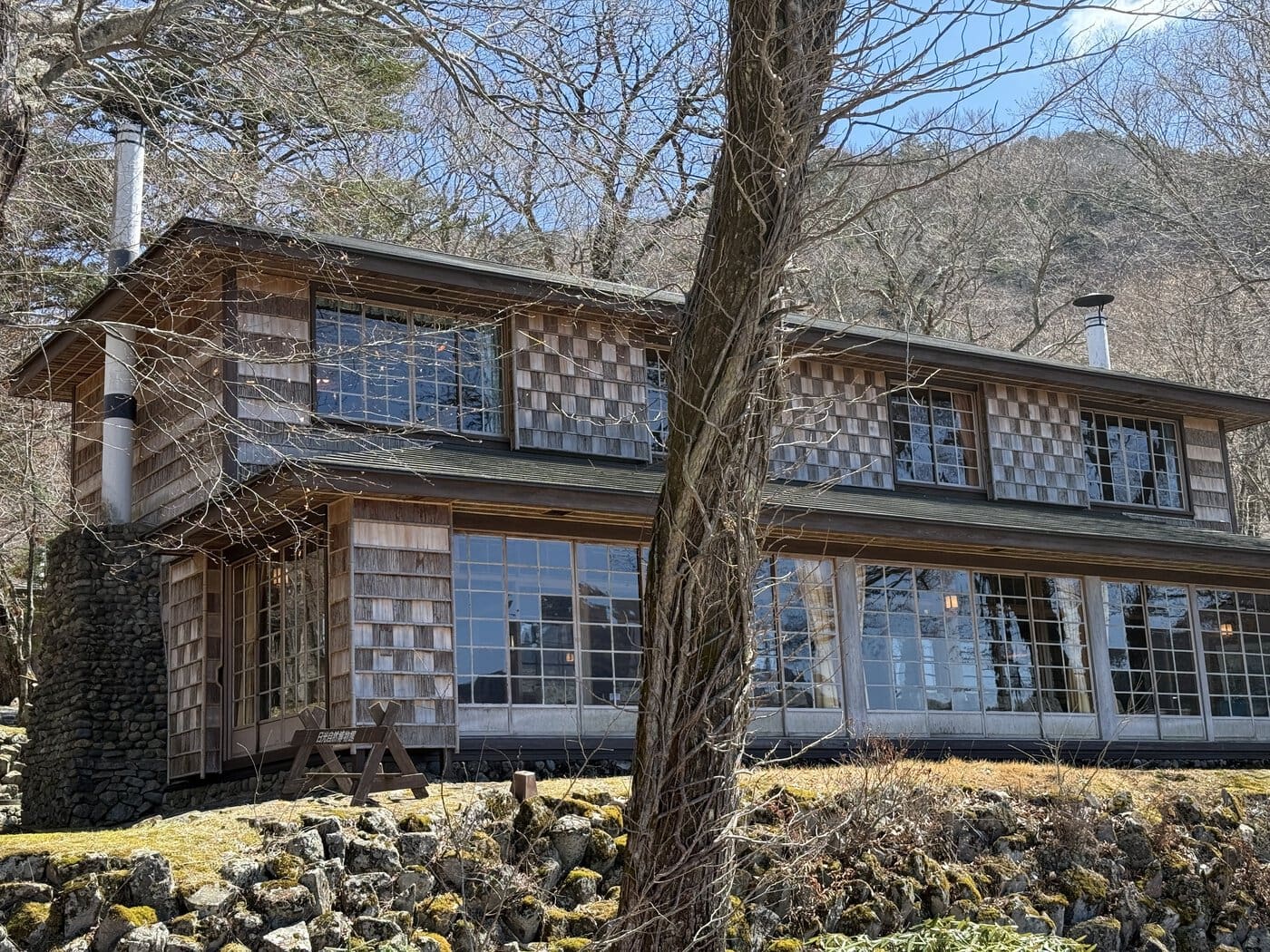
In January 1921, Wright dismissed Raymond. The parting was not amicable, but it was liberating. Within weeks, Raymond established his own practice in Tokyo, and for the next four decades he would build residences, embassies, churches, universities, and factories across Japan — over four hundred projects in total. Along with the British architect Josiah Conder, Raymond is today recognised as one of the fathers of modern architecture in Japan. His pupils and collaborators — Junzo Yoshimura, Kunio Maekawa, Kenzo Tange — would go on to define the nation’s architectural identity for the rest of the century.
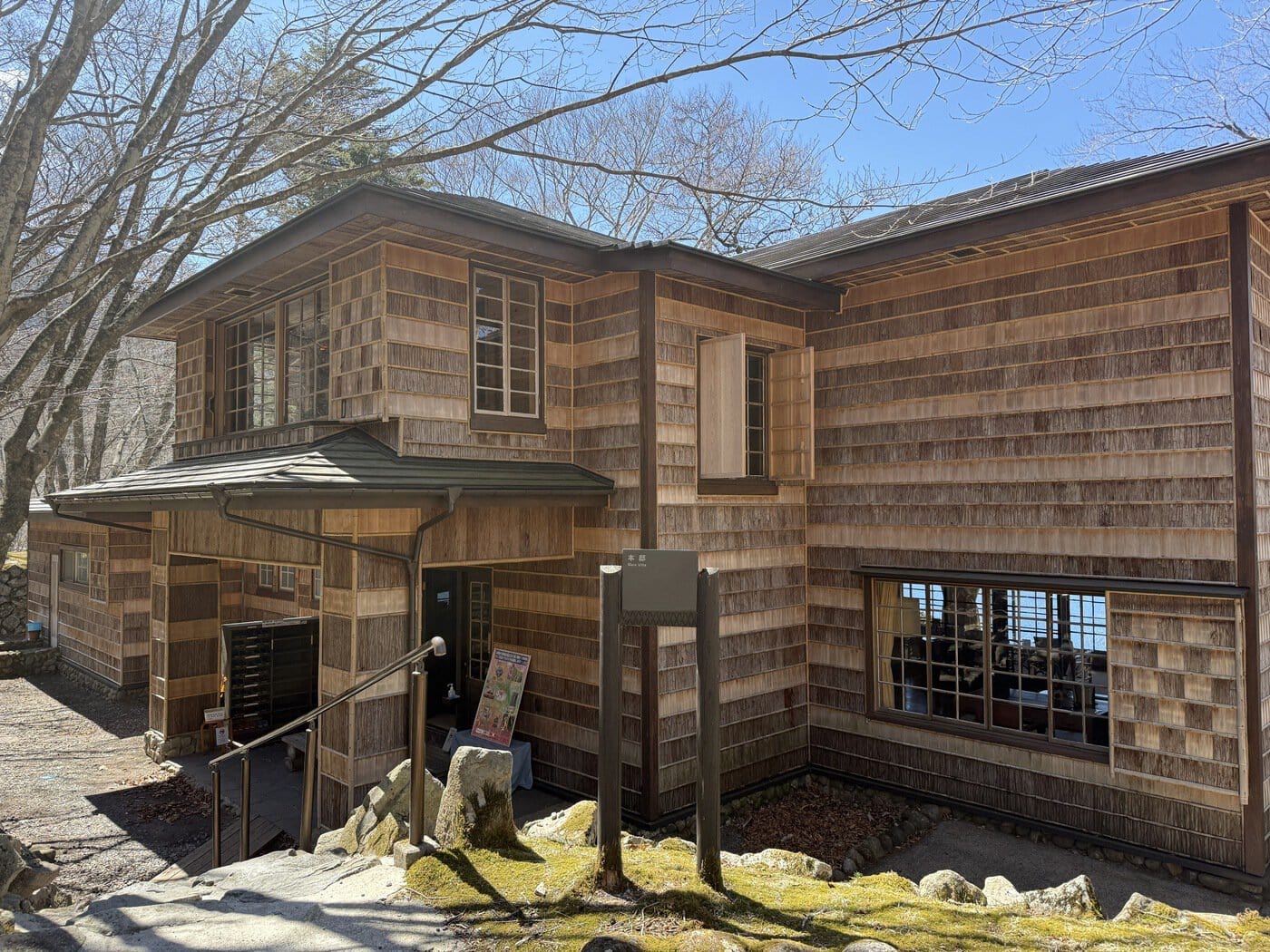
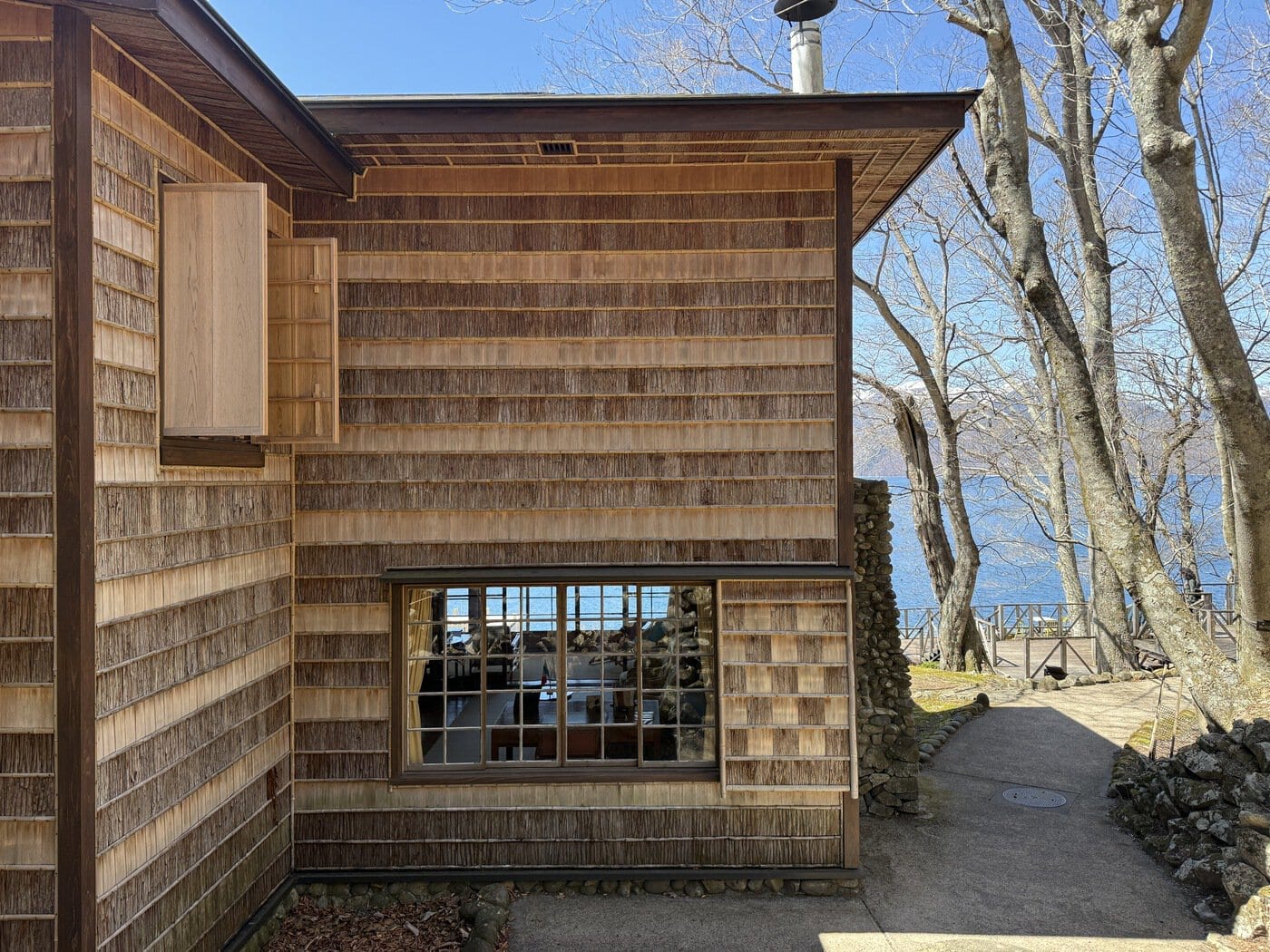
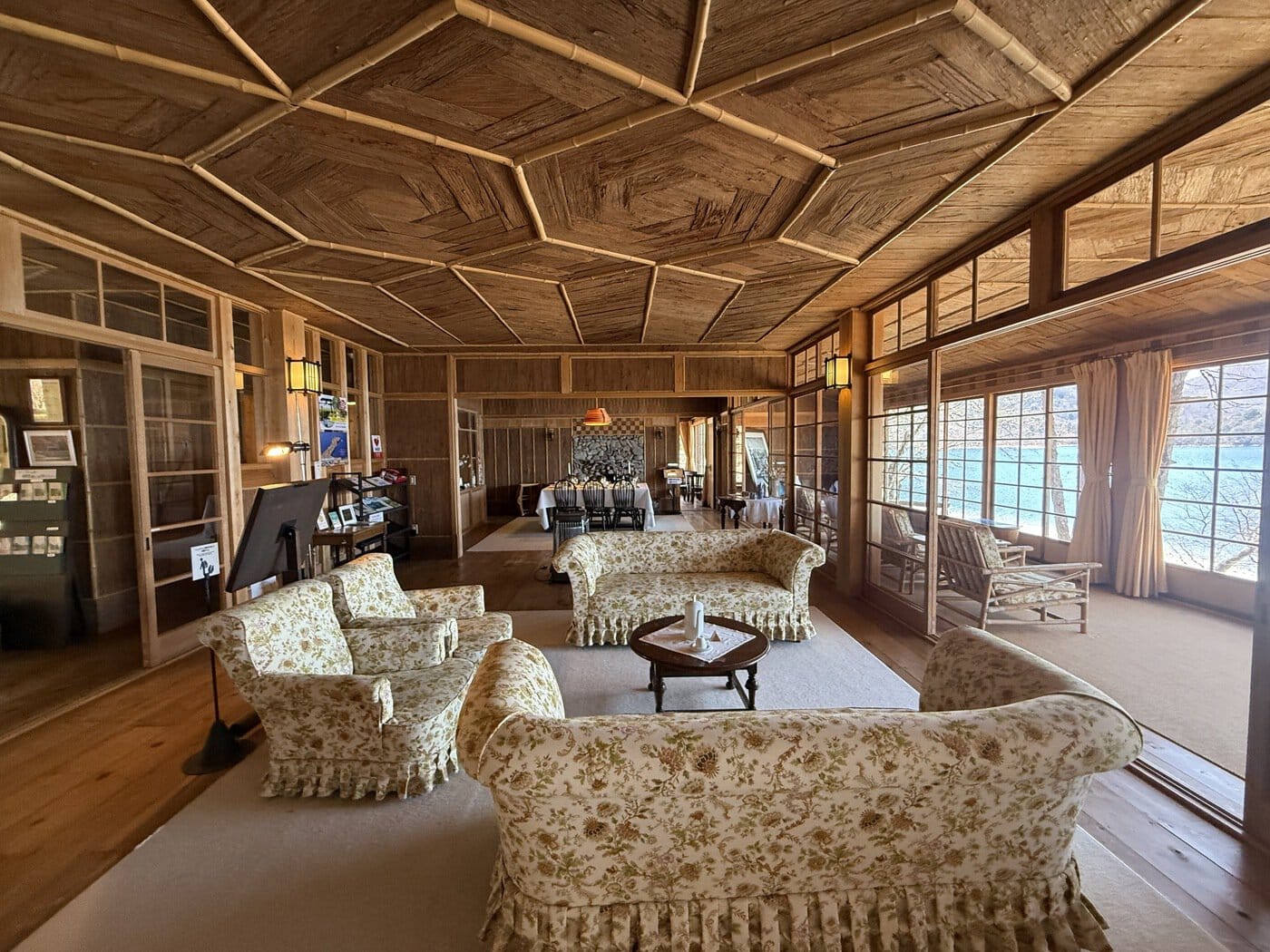
The Italian Embassy Villa at Lake Chuzenji, built just seven years after Raymond’s break from Wright, is one of the most eloquent demonstrations of this new sensibility. It is a two-storey wooden structure, intimate in scale, where modern architectural thinking and traditional Japanese craftsmanship converge without friction. Raymond asked local artisans to propose appropriate materials, and the answer was, inevitably, Nikko sugi — the Japanese cedar that blankets the surrounding mountains. What followed was an extraordinary exercise in material honesty.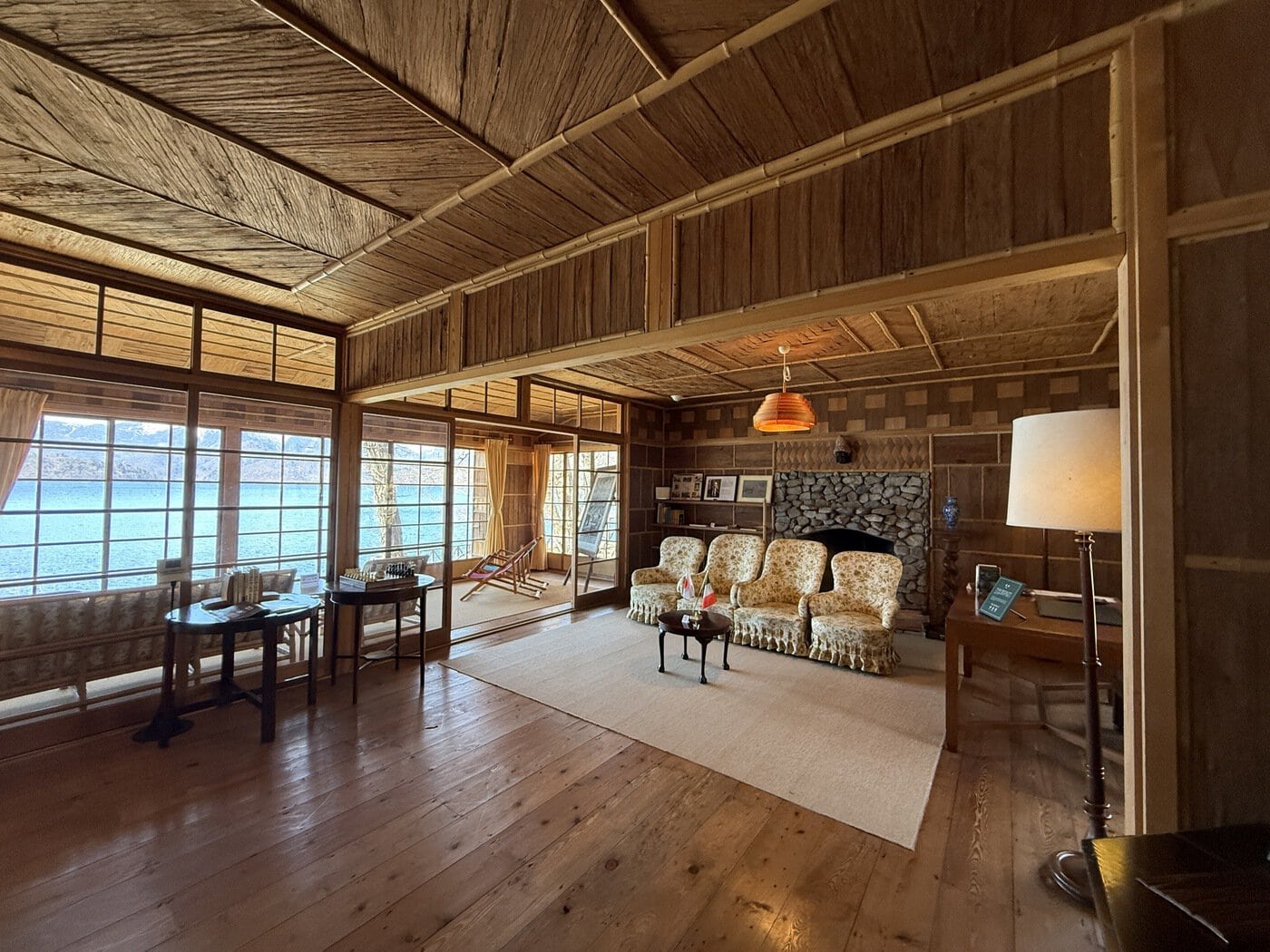
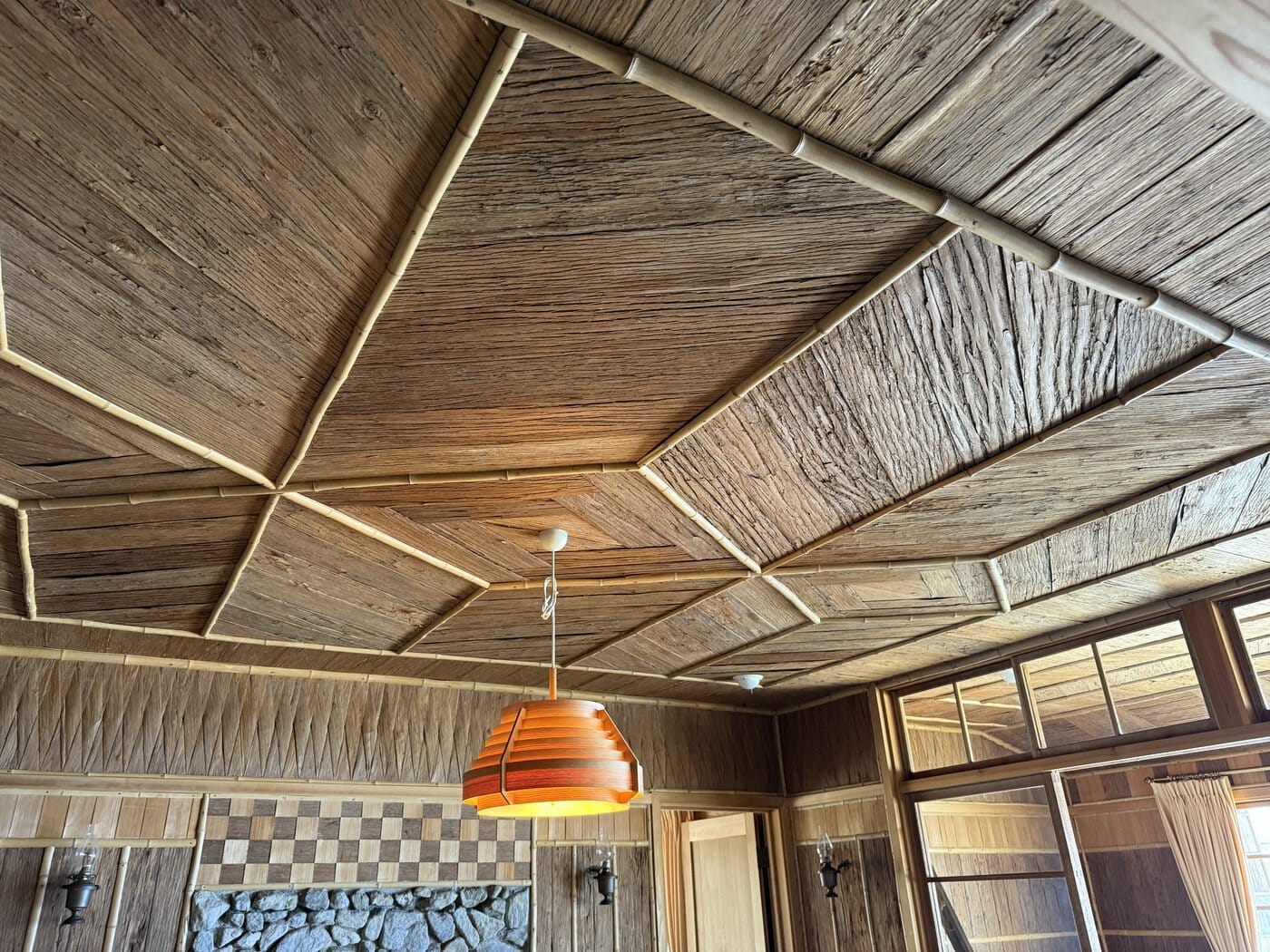
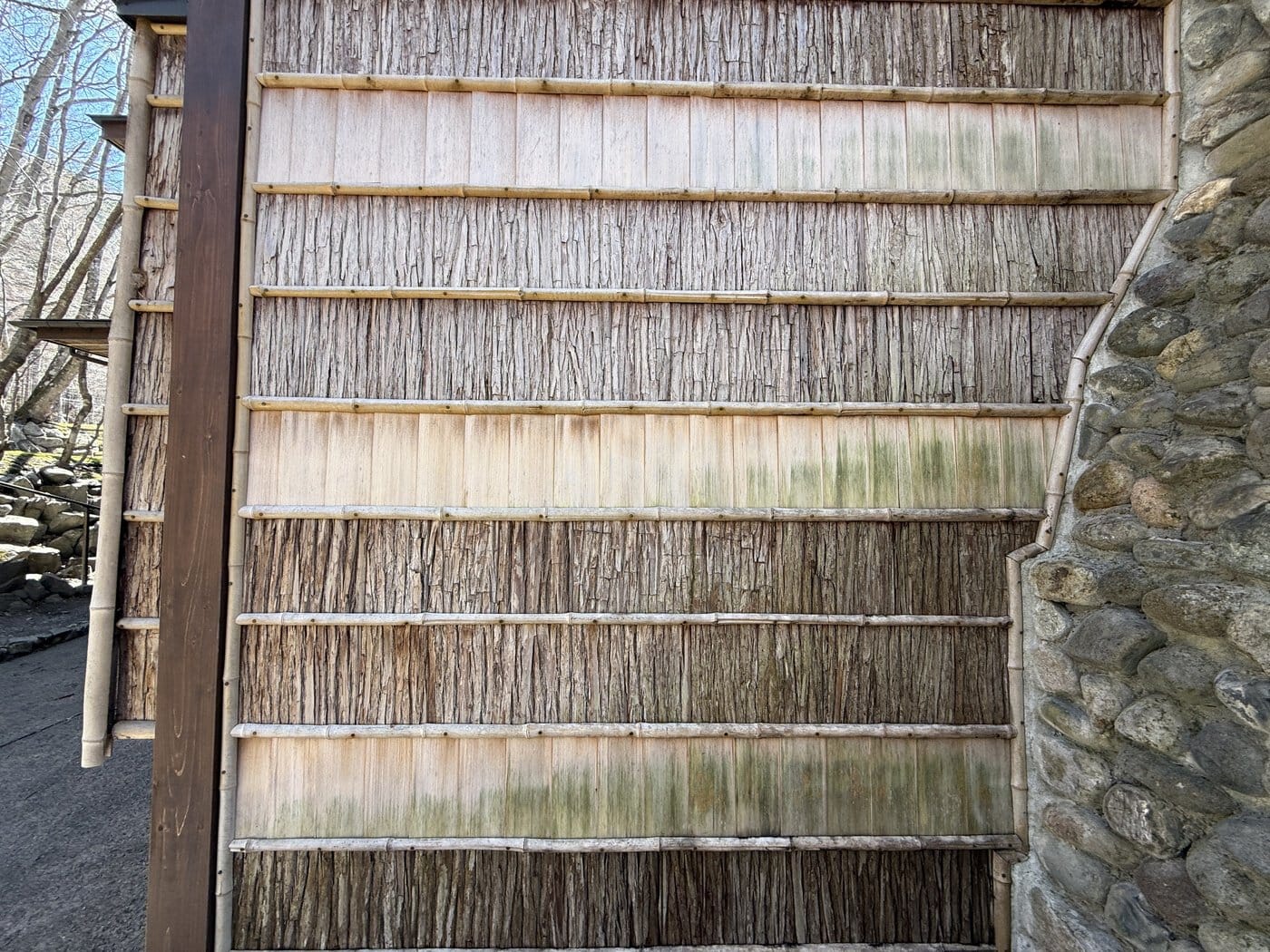
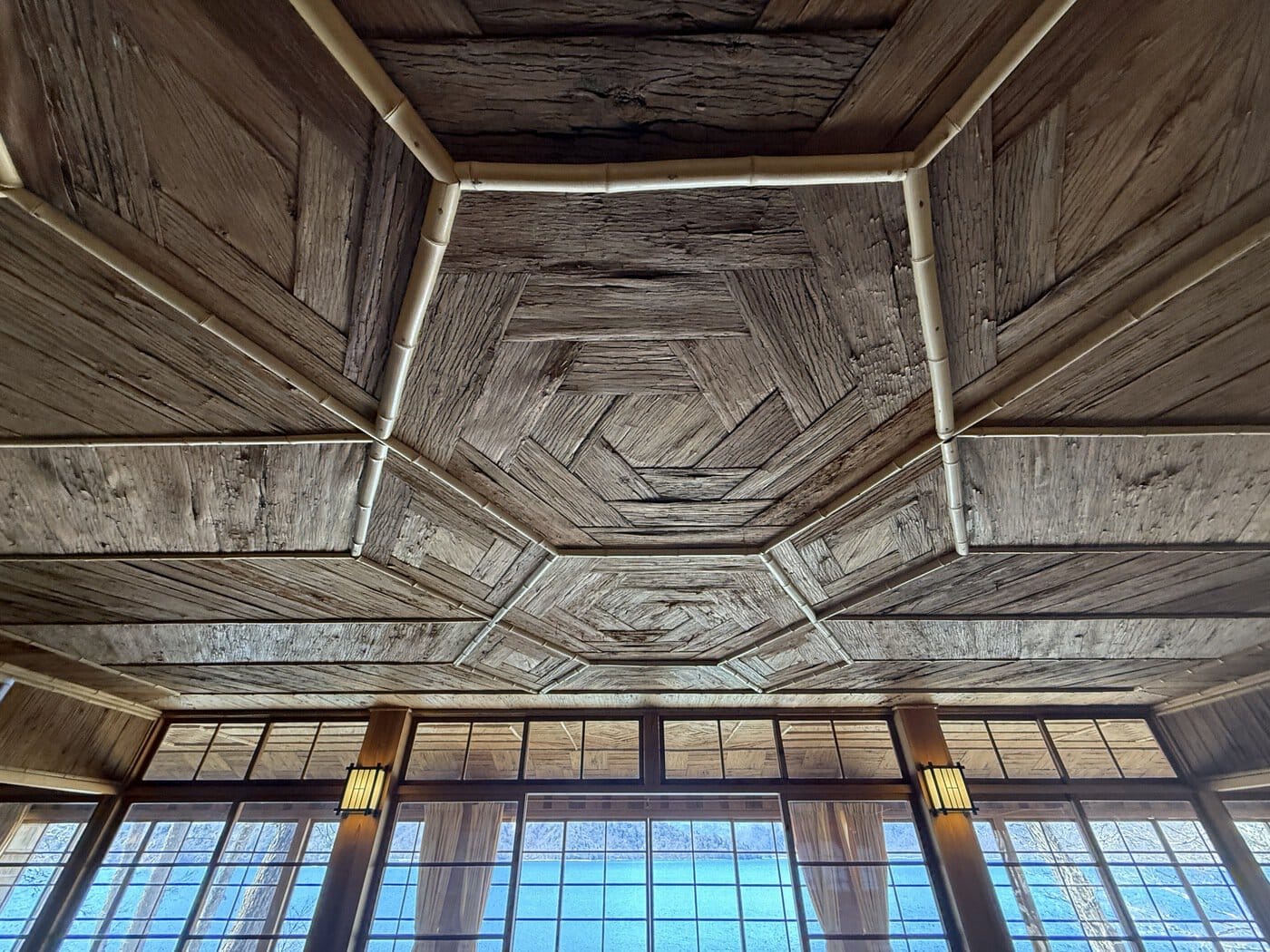
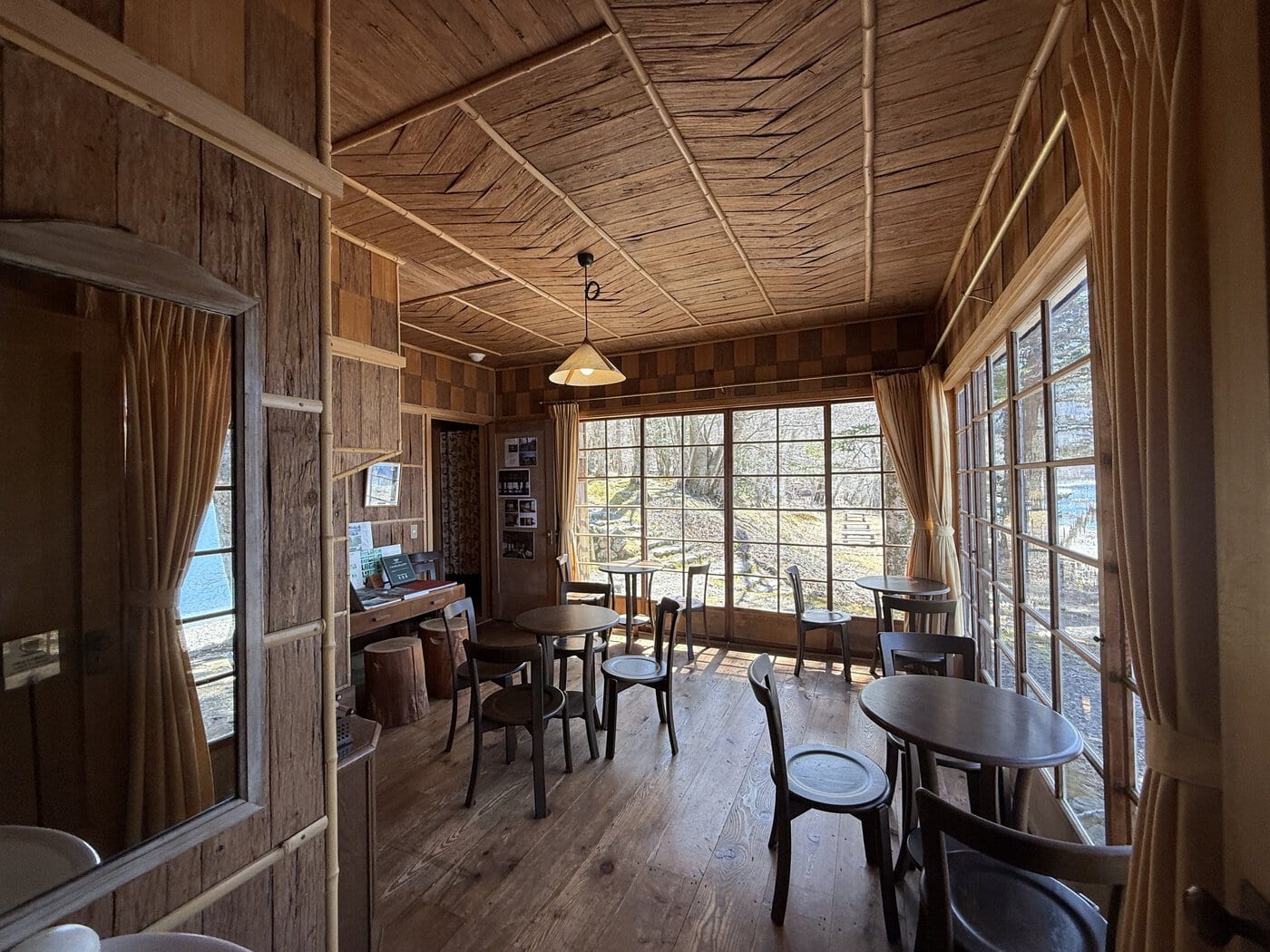 The exterior walls are clad in cedar bark and thin boards arranged in a checkerboard pattern, a motif that reads as simultaneously modern and vernacular — a geometric abstraction born of natural material. Inside, the ground-floor ceiling is entirely composed of cedar bark worked in ajiro, a traditional wickerwork technique associated with the sukiya style of Japanese architecture. The patterns shift from room to room: ichimatsu (checkerboard), kikko (tortoiseshell), yabane (herringbone) — each space defined not by partition walls but by the rhythm of the ceiling above. Split bamboo strips hold the bark panels together, giving the overhead surface a textile quality, as though the building were upholstered rather than constructed.
The ground floor unfolds as a sequence of interconnected spaces — living room, dining room, study — flowing toward a broad veranda that opens onto the lake. This veranda, the emotional centre of the house, frames Lake Chuzenji and the forested hills beyond in a composition so deliberate it recalls the borrowed-landscape principle of Japanese garden design, shakkei. One does not merely sit in this room; one inhabits a view. Noémi Raymond, whose contributions are often underestimated, designed the furnishings and lighting fixtures — as she did for most of her husband’s projects — creating an interior atmosphere that is warm, precise, and unadorned.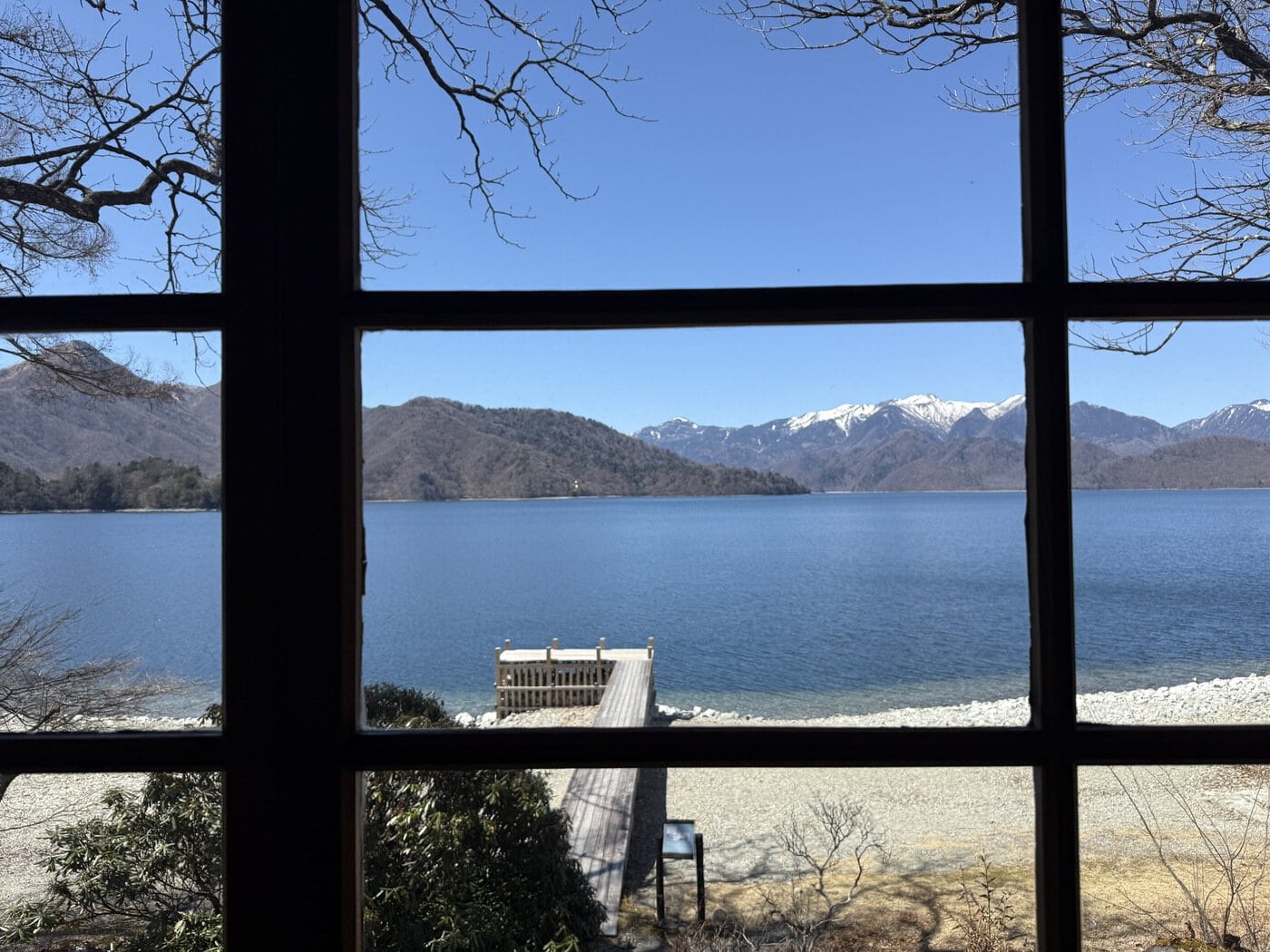
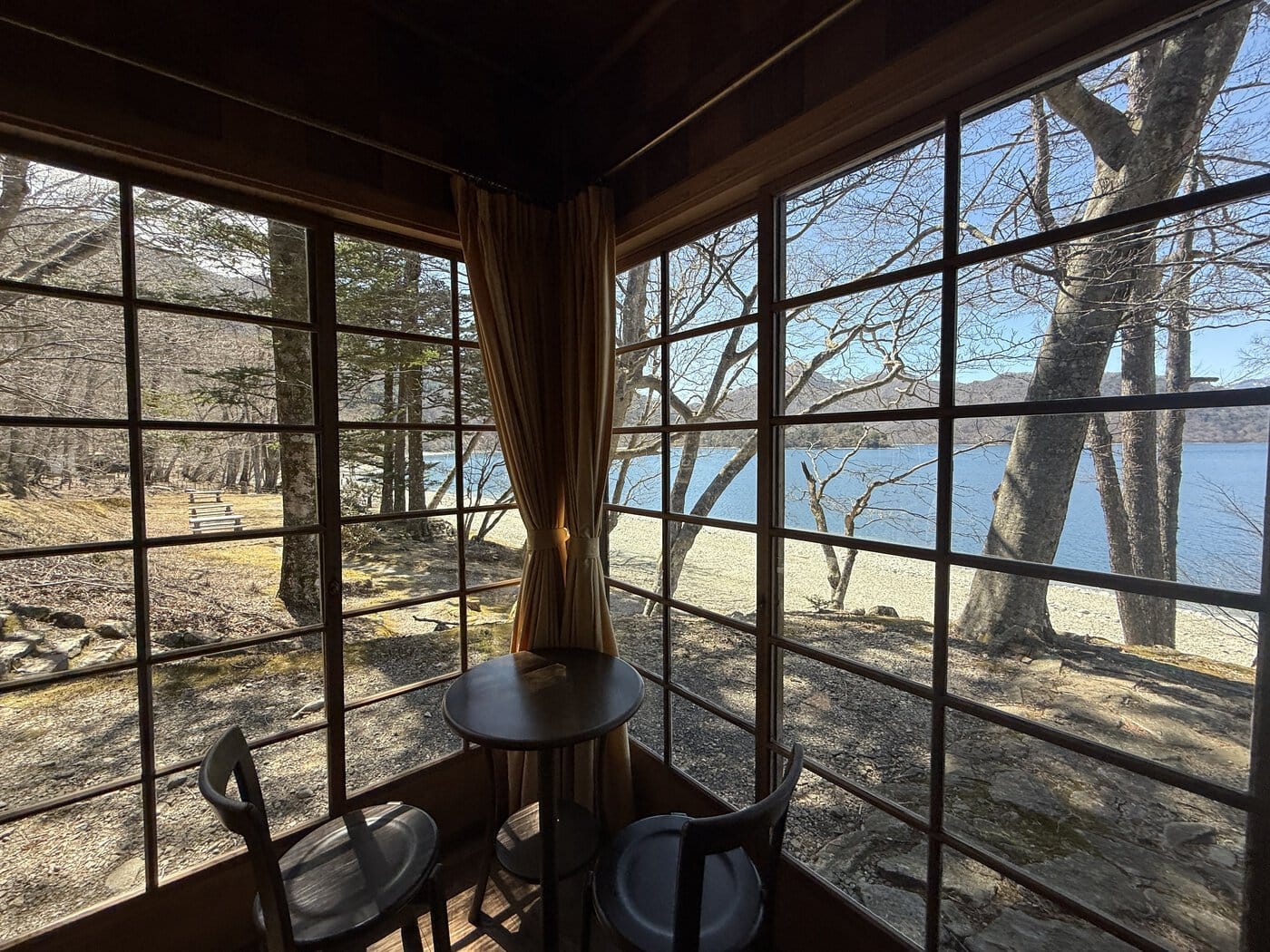
Here, the dialogue with Wright becomes most visible — and most subtle. Wright’s principle of organic architecture, the idea that a building should grow from its site as naturally as a plant from the soil, is palpable in every detail of the Nikko villa. Yet where Wright often achieved this through dramatic formal invention and the deployment of exotic materials — as in the oya stone of the Imperial Hotel — Raymond pursued the same ideal through restraint. He did not import a language; he adopted one that was already there, in the bark, the cedar, the bamboo, the ajiro technique. If Wright’s genius lay in transforming nature into architecture, Raymond’s lay in letting architecture return to nature.
This distinction is not merely aesthetic; it is philosophical. Wright worshipped the Japanese aesthetic of elimination, the radical simplicity he discovered through the prints of Hiroshige and Hokusai. But his architectural response remained an act of authorial will. Raymond, having absorbed those lessons, took a different step: he allowed the local context to become the author. The Nikko villa does not feel like an imported object placed in Japan from the outside. It feels grounded, as if modernity had passed through the site rather than been imposed upon it.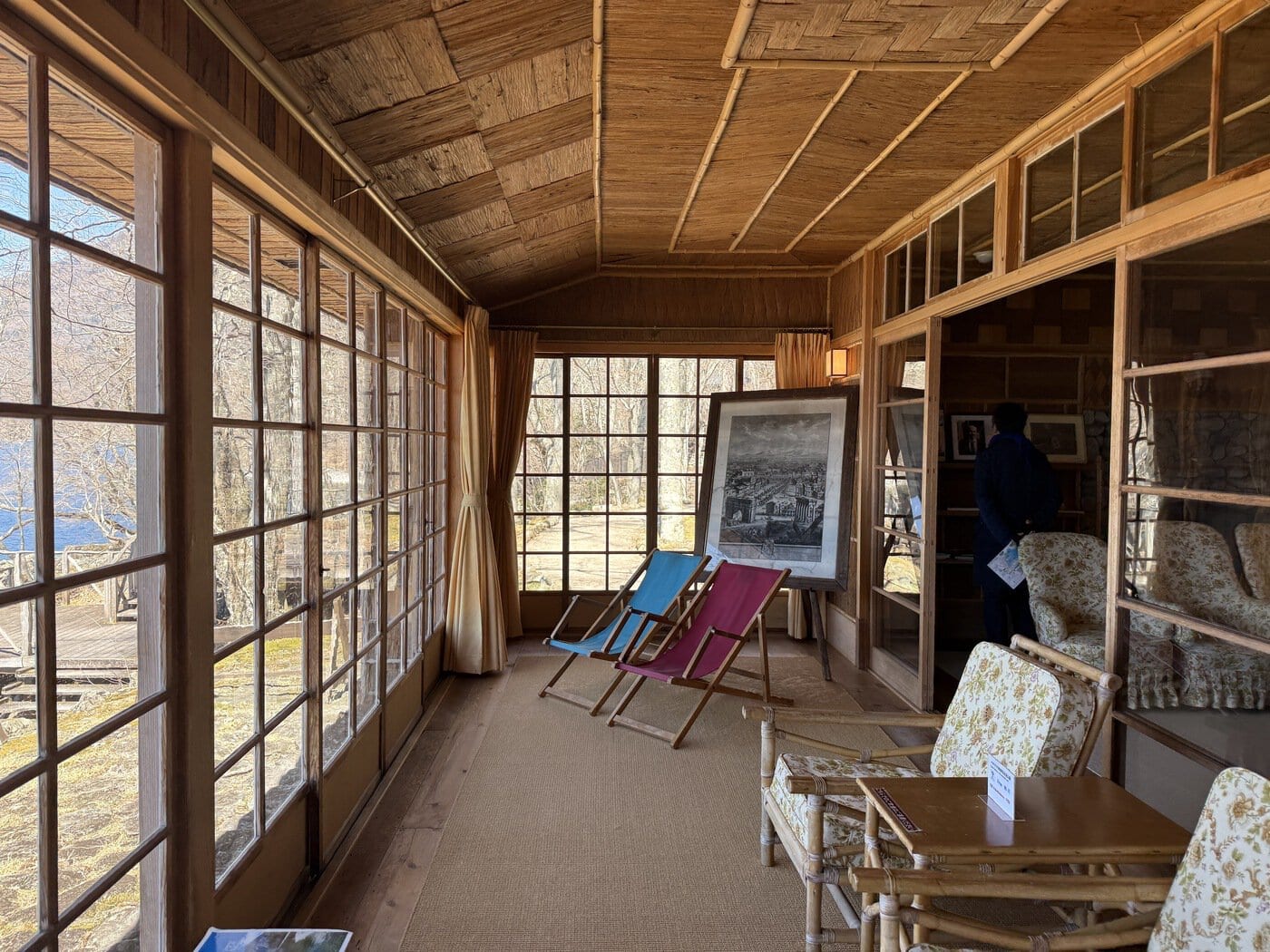
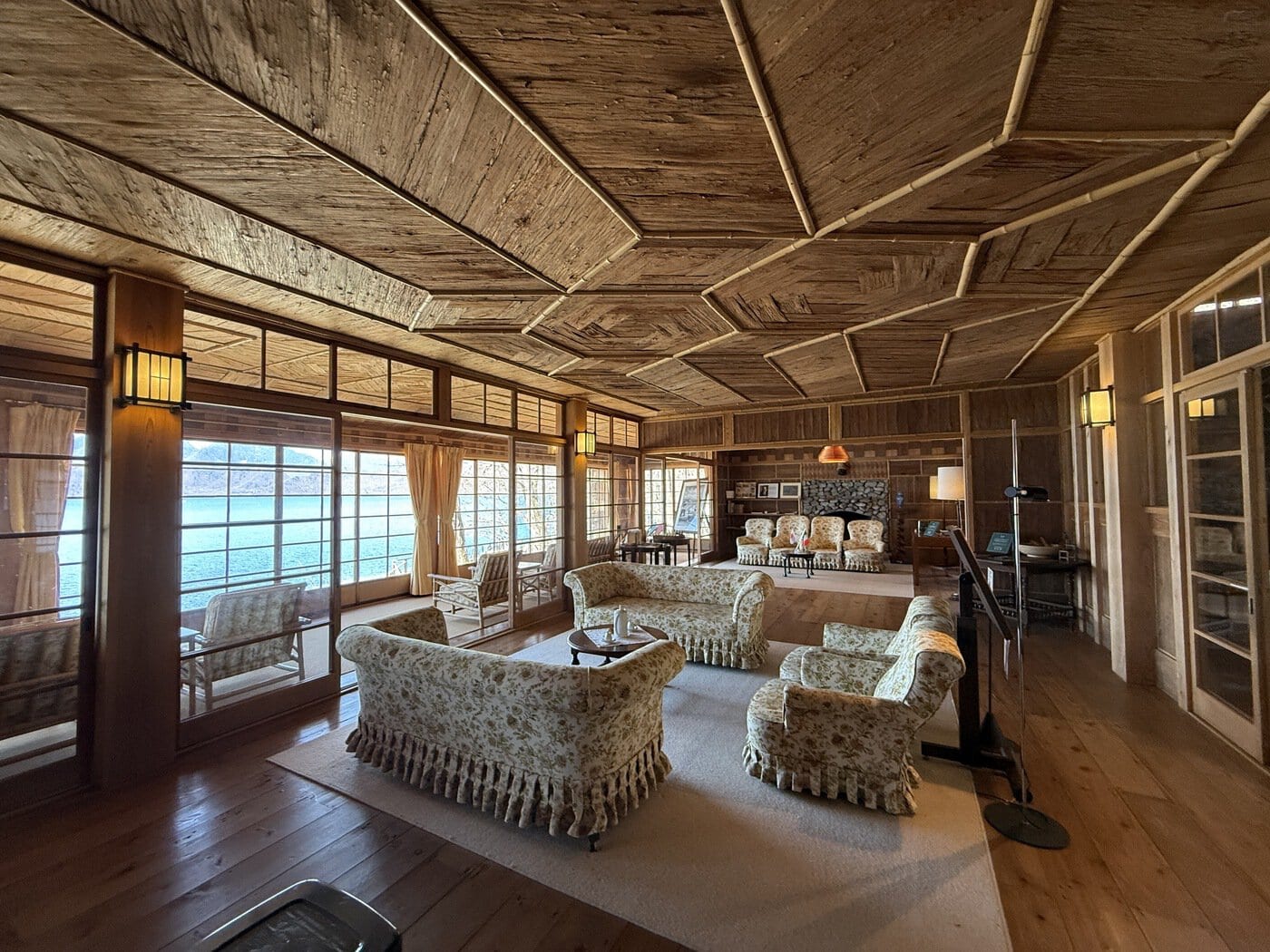
The villa served successive Italian ambassadors for nearly seventy years, until 1997, when Tochigi Prefecture acquired the property, restored it with care, and opened it to the public as the Italian Embassy Villa Memorial Park. A secondary building now functions as the International Summer Resort History Museum, documenting the cosmopolitan chapter of Lake Chuzenji’s past. The main residence, with its original furniture, fireplaces, and cedar-bark walls, stands as a living archive of a vanished diplomatic culture — and as an enduring symbol of the friendship between Italy and Japan.
That friendship, formalised in 1866 when the Italian corvette Magenta dispatched by King Vittorio Emanuele II arrived in Yokohama to offer a treaty of friendship and commerce, now approaches its 160th anniversary. Over these sixteen decades, both nations have sustained a remarkable mutual capacity for recognition. Both are cultures of makers, countries where the hand and the eye collaborate with an intimacy that industrial modernity has not entirely erased. Italian design was not received in Japan as something radically foreign: its balance of elegance and pragmatism, craft and industry, sensuality and restraint, found in Japan a culture already attuned to similar frequencies.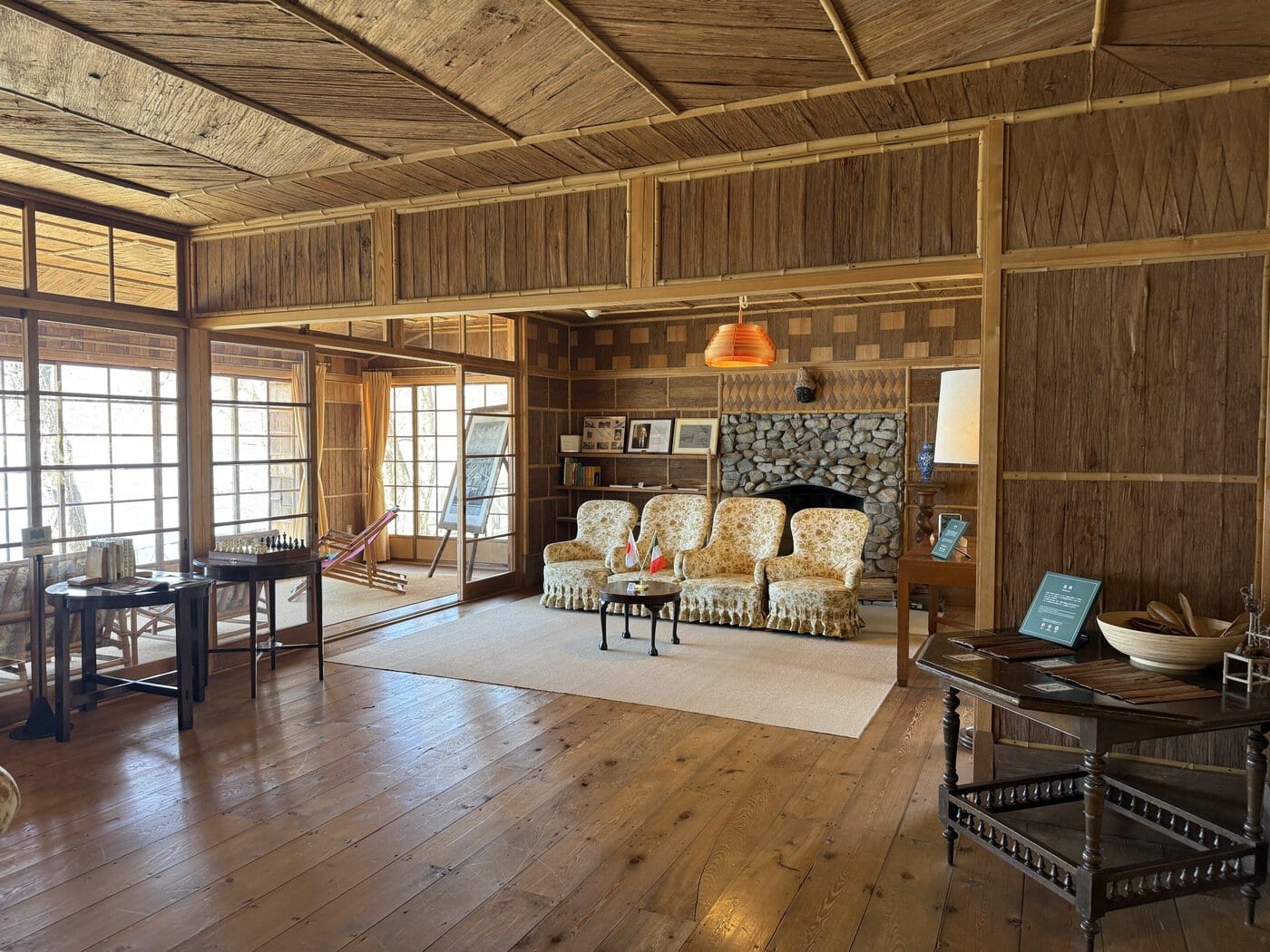
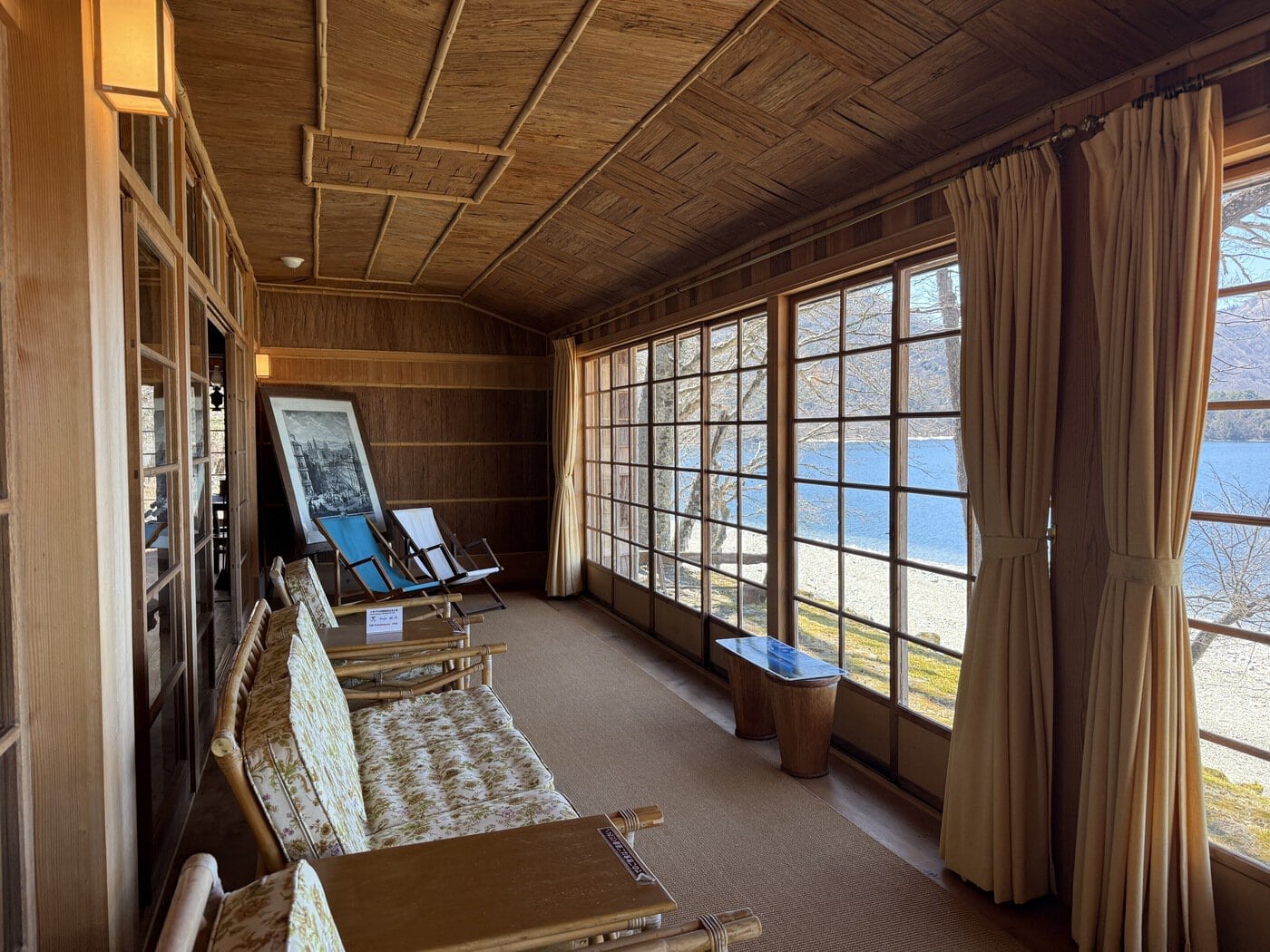
The Italian Embassy Villa embodies this affinity. A building designed by a Czech-American architect trained by an American master, built by Japanese craftsmen using local materials, for the diplomatic representatives of Italy — it is a palimpsest of cultural exchange, a place where identities overlap rather than collide. It reminds us that the most meaningful architecture often emerges not from a single vision but from a conversation between civilisations.
It is precisely this spirit of conversation that makes the villa — and the memorial park surrounding it — an ideal stage for future cultural initiatives celebrating Italian design in Japan. One could envision, for instance, a seasonal exhibition series inviting contemporary Italian designers and craftspeople to create site-specific installations responding to Raymond’s material palette of cedar, bark, and bamboo. A summer programme of talks and workshops on Italian furniture design, ceramics, or textile arts, held on the villa’s veranda overlooking Lake Chuzenji, would offer a setting no museum gallery could rival.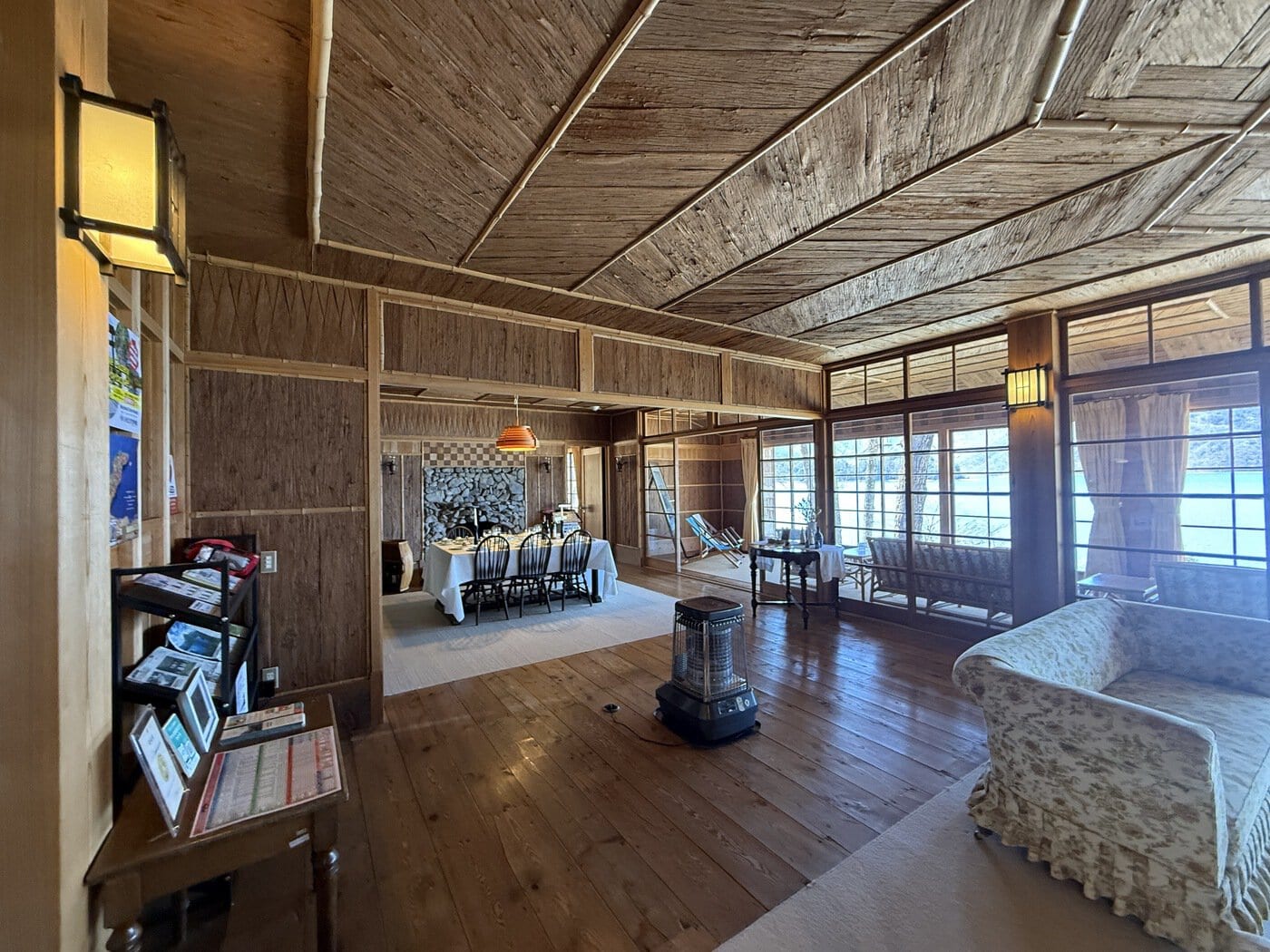
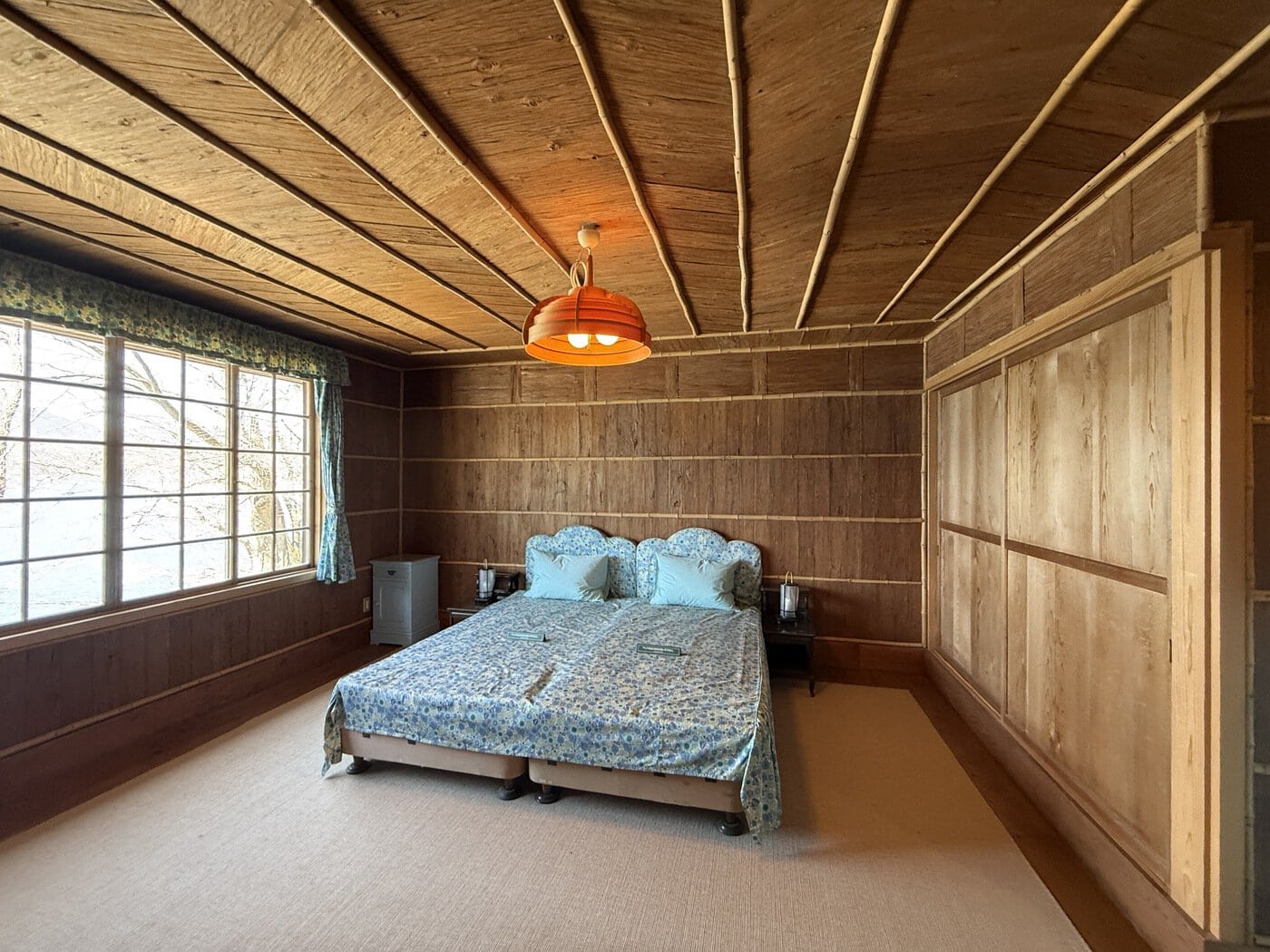
Another compelling possibility would be a biennial symposium on sustainable architecture, bringing together Italian and Japanese practitioners to explore shared traditions of material intelligence and environmental sensitivity — themes already embedded in Raymond’s 1928 design. The villa could also host a residency programme for young Italian architects and designers, studying Japanese craftsmanship firsthand and developing projects in dialogue with local artisans. Such initiatives would not only honour the historical bond between the two countries but would actively renew it, demonstrating that cultural diplomacy need not be confined to embassy receptions and ministerial summits. Sometimes, it begins with a ceiling made of bark.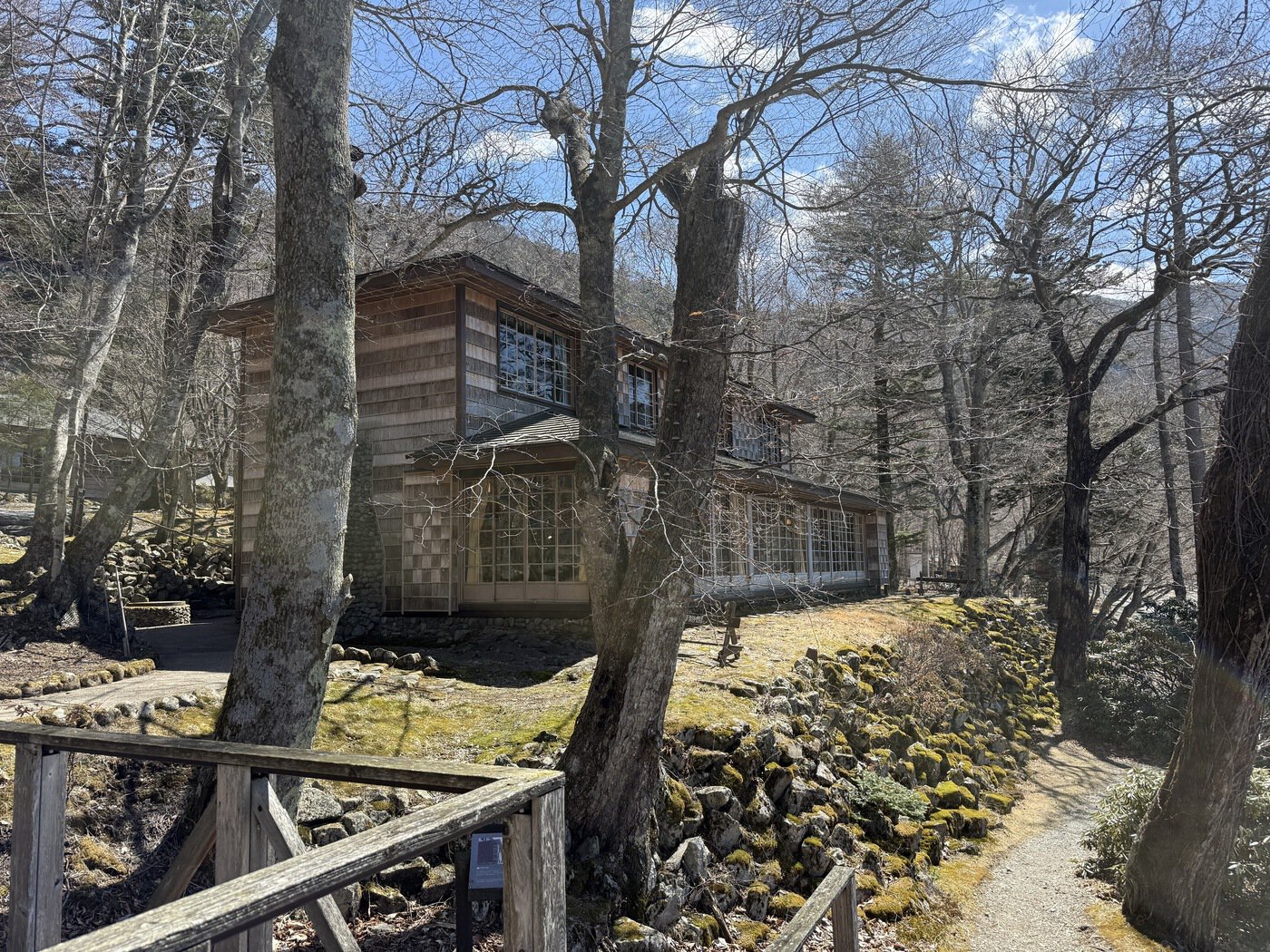
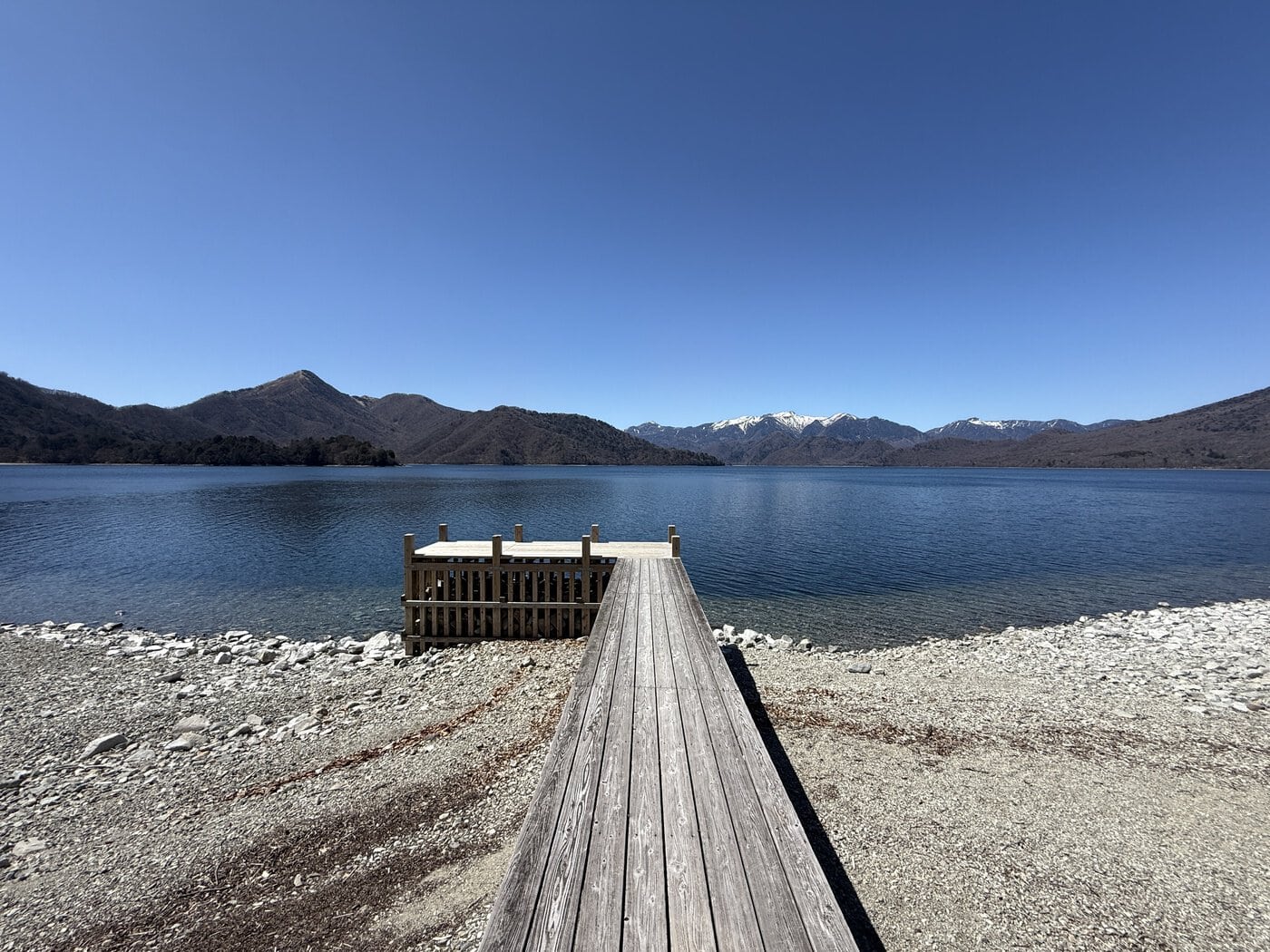
Nearly a century after its construction, the Italian Embassy Villa at Lake Chuzenji continues to teach. It teaches that modernity need not mean the erasure of place. That the most profound architectural gestures are often the quietest. That a student can honour his master not by imitating him but by listening more deeply to the world the master pointed toward. Raymond arrived in Japan in the wake of Frank Lloyd Wright, but he stayed long enough to hear what Wright, for all his brilliance, could not: the voice of the forest, the grain of the bark, the silence of a lake at altitude. In that listening, he built something that belongs — at once to Italy, to Japan, and to architecture itself.