English
 日本語
日本語

Mass tourism, consumerism and irony: a Paris exhibition reads the contemporary world through the lens of Martin Parr
How can art confront injustices and absurdities in the world? Many painters responded by abandoning all idealising illusions and academic decorum, embracing a lucid and disenchanted realism, and moving their attention to subjects once considered unworthy of pictorial representation: labour, misery, or the everyday life of the lower classes, as in Honoré Daumier …
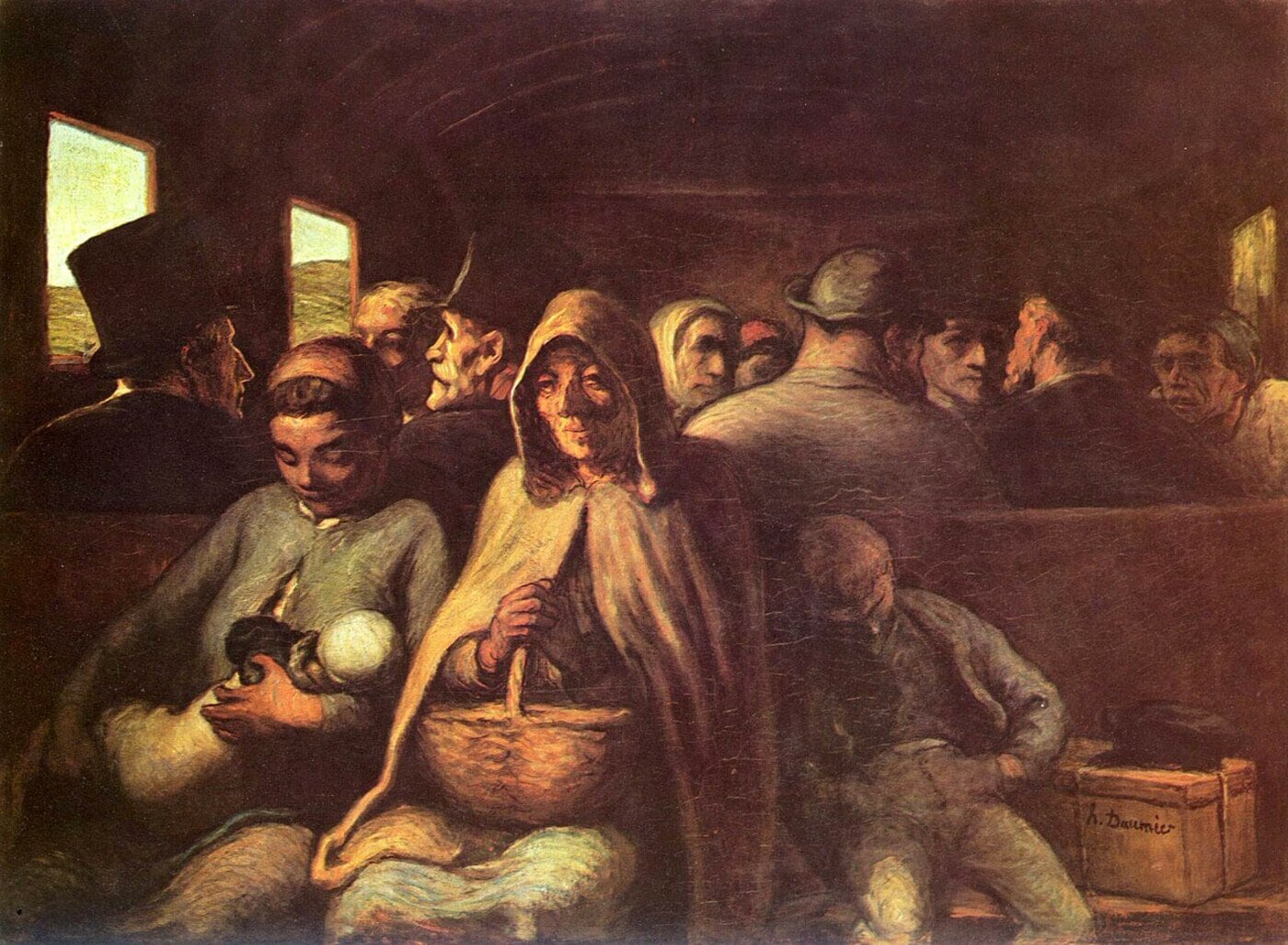
Figure 1 Honoré Daumier, Le Wagon de troisième classe, 1862-1865
Other forms of art, however, did not simply narrate: they shouted. Turning away from the restrained restraint of realism, these practices sought a direct visual impact and a heightened emotional tension, with protest conveyed through searing, lacerating images. Otto Dix is a clear example of this approach, his work forcing the viewer to confront directly the drama of our existence …
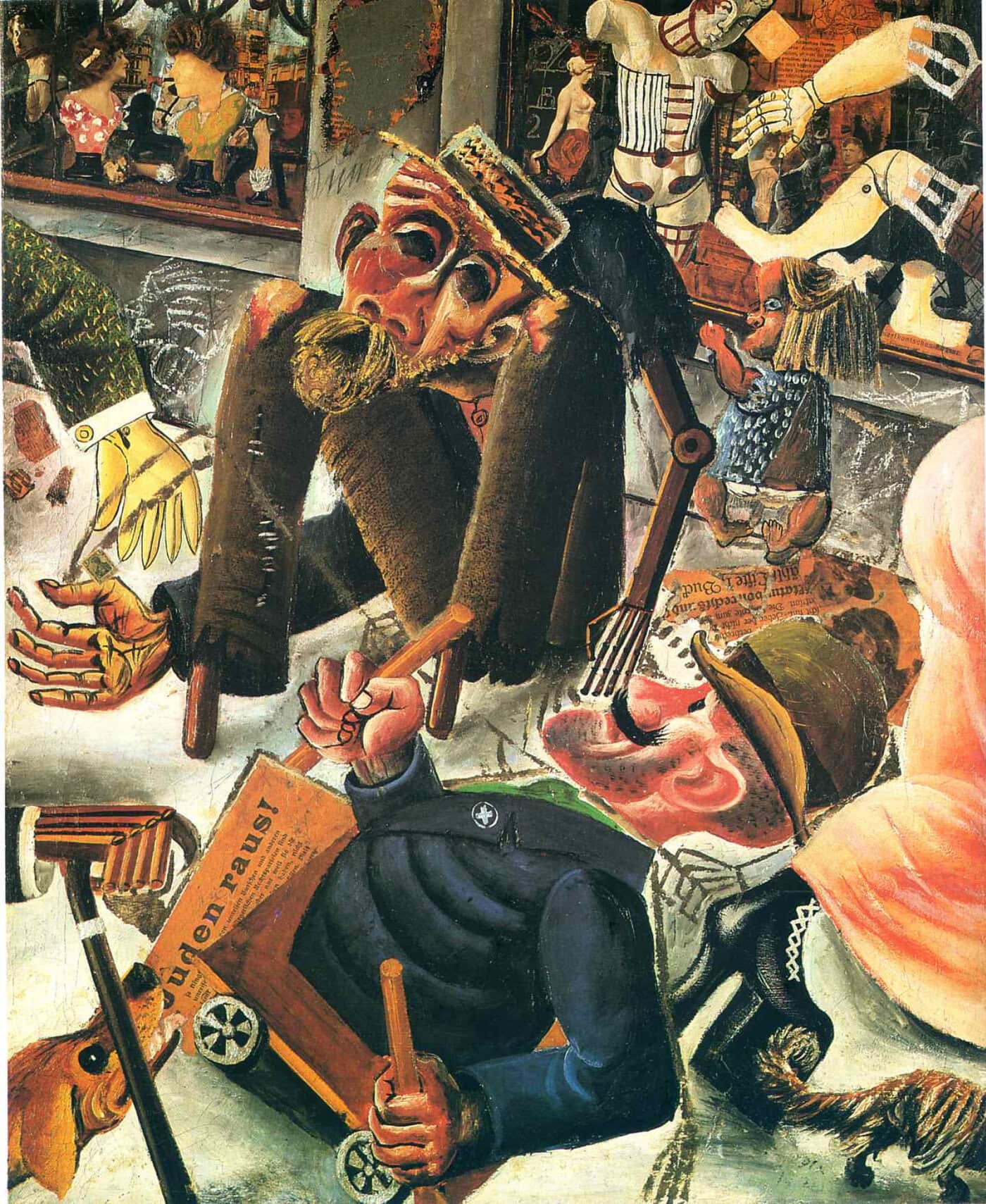
Figure 2 Otto Dix, Prager Straße, 1920
A third approach proves, however, possible: irony. A subtle and penetrating instrument, it runs through the entire history of culture, from the gentle irony of Horace to the epic irony of Ludovico Ariosto, right into British figurative tradition which, from William Hogarth to Banksy, does not uses humour merely to provoke laughter or smiles, but as a gateway to unmask the contradictions of our reality, and to make visible what often remains implicit or repressed. Often coupled with the brilliance of visual invention, irony can penetrate deeper into the observer’s inner life, sharpening their gaze upon the world.
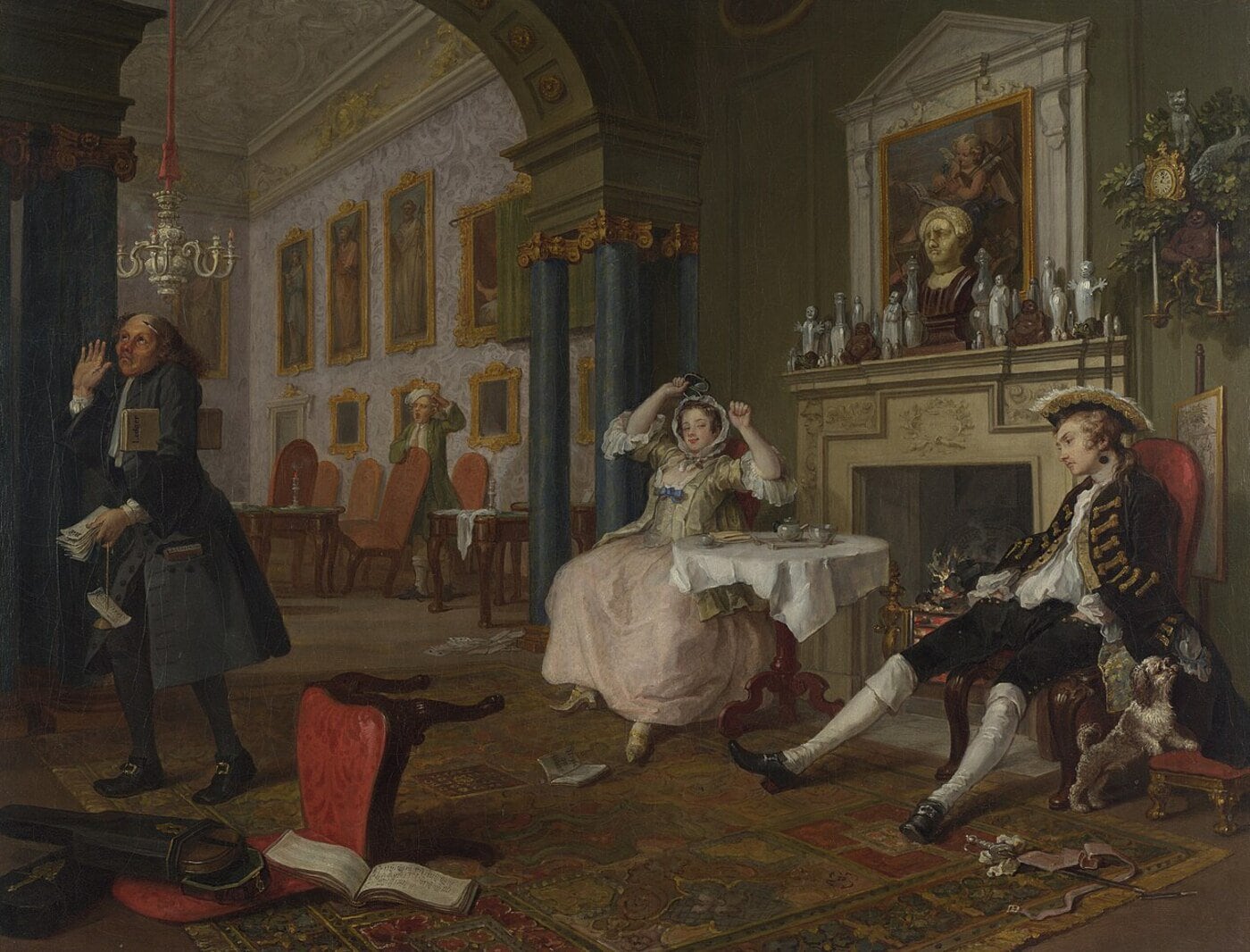
Figure 3 William Hogarth, Marriage A-la-Mode, The Tête à Tête, 1743-1745
Among the British artists who have adopted this ironical approach is the photographer Martin Parr. Without ever descending into dry moral judgement, Parr has spent over half a century documenting the habits and pathologies of our contemporary crises: mass tourism, unbridled consumerism, dependence on technology, and an often ambivalent relationship with the natural world. Despite the seriousness of the themes he addresses, his work ironically builds upon a seductive visual language, with tight framings and intensely saturated colours, drawing on the aesthetics of advertising and postcards, then turning them against themselves to expose their contradictions from within, offering a sharp yet playful reading of the Anthropocene. The Musée du Jeu de Paume in Paris has dedicated the exhibition “Martin Parr – Global Warning” to his oeuvre, showcasing around 180 works spanning over fifty years of production, from his early black-and-white work to his most recent pieces.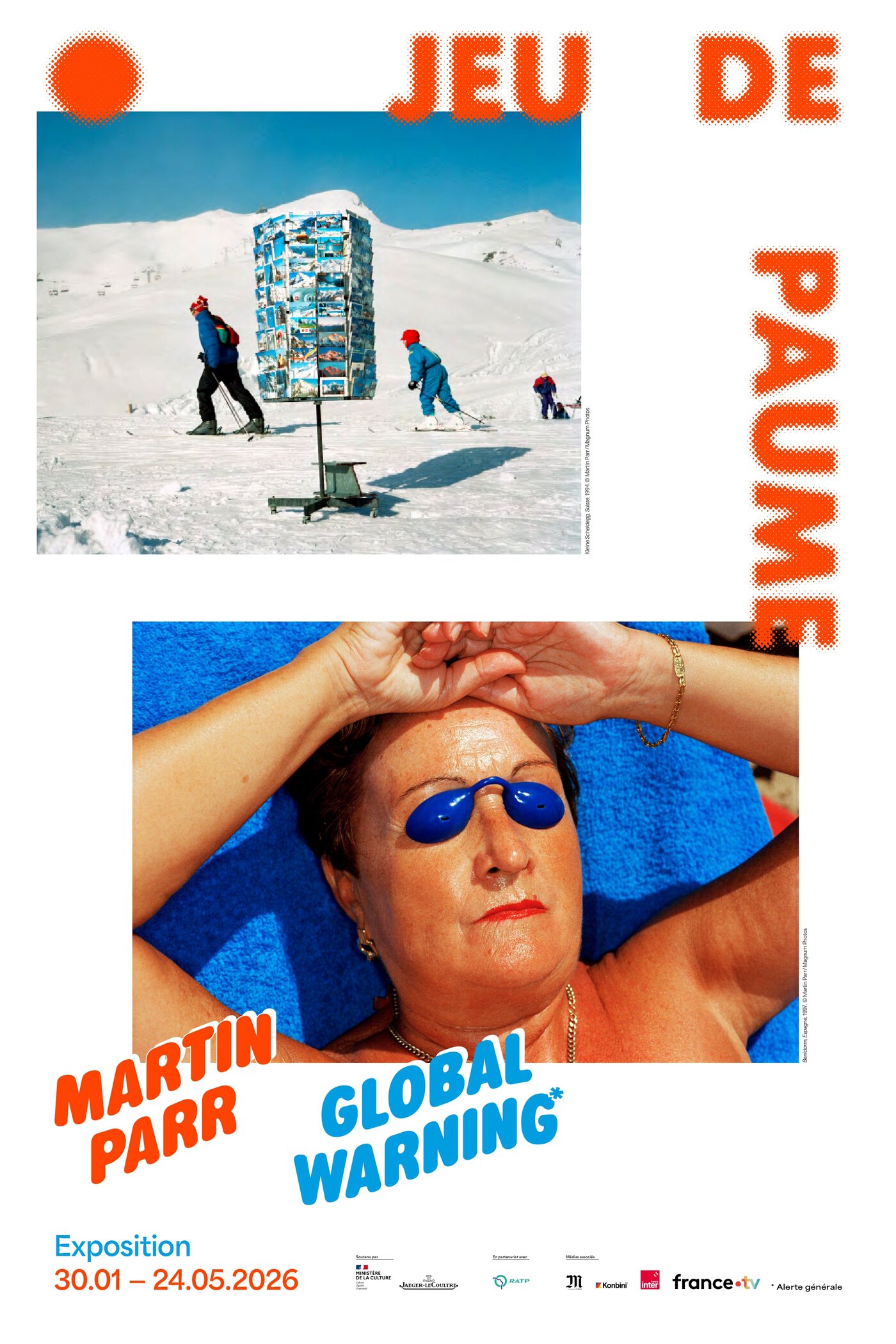
The opening section of the exhibition explores how our contemporary landscapes are shaped by the expanding reach and growing pressure of human practices. In Parr’s visual investigation, a central role is assigned to beaches, viewed not as settings for escapism or as remnants of an unspoilt nature, but as an emblematic synthesis of the tensions inherent in the leisure industry. The coastline - whether the artificial, estranging environment of the Seagaia Ocean Dome in Miyazaki or the chaotic, dazzling shore of Benidorm in Spain - appears as a densely anthropized environment, simultaneously unified and fragmented, saturated with bodies, colours and consumerist practices. In this scenario, the experience of leisure manifests itself in close coexistence with the material traces it produces, revealing a dimension in which Eros and Thanatos, pleasure and annihilation, are not separable.
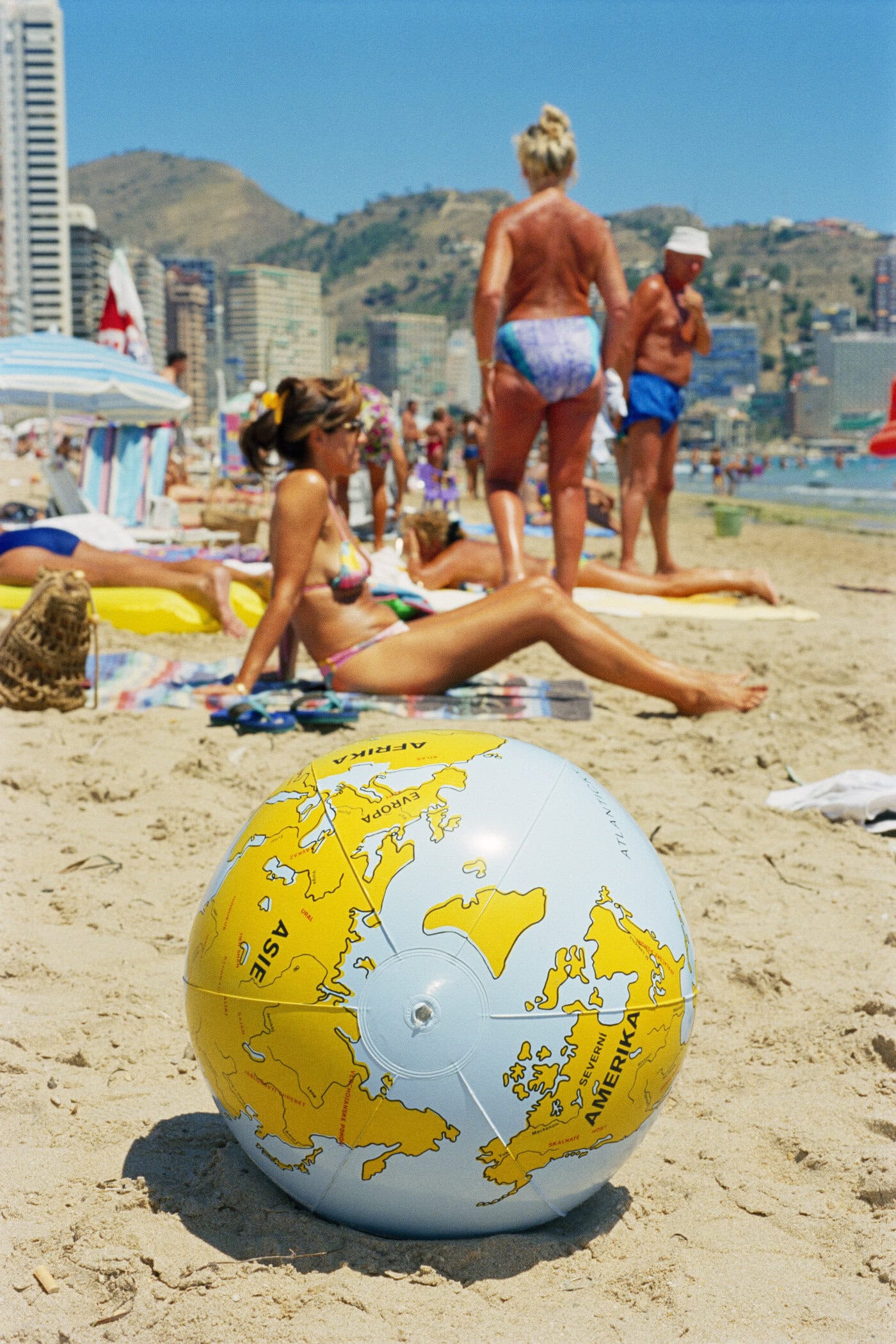
Figure 1 Martin Parr, Benidorm, Espagne, 1997
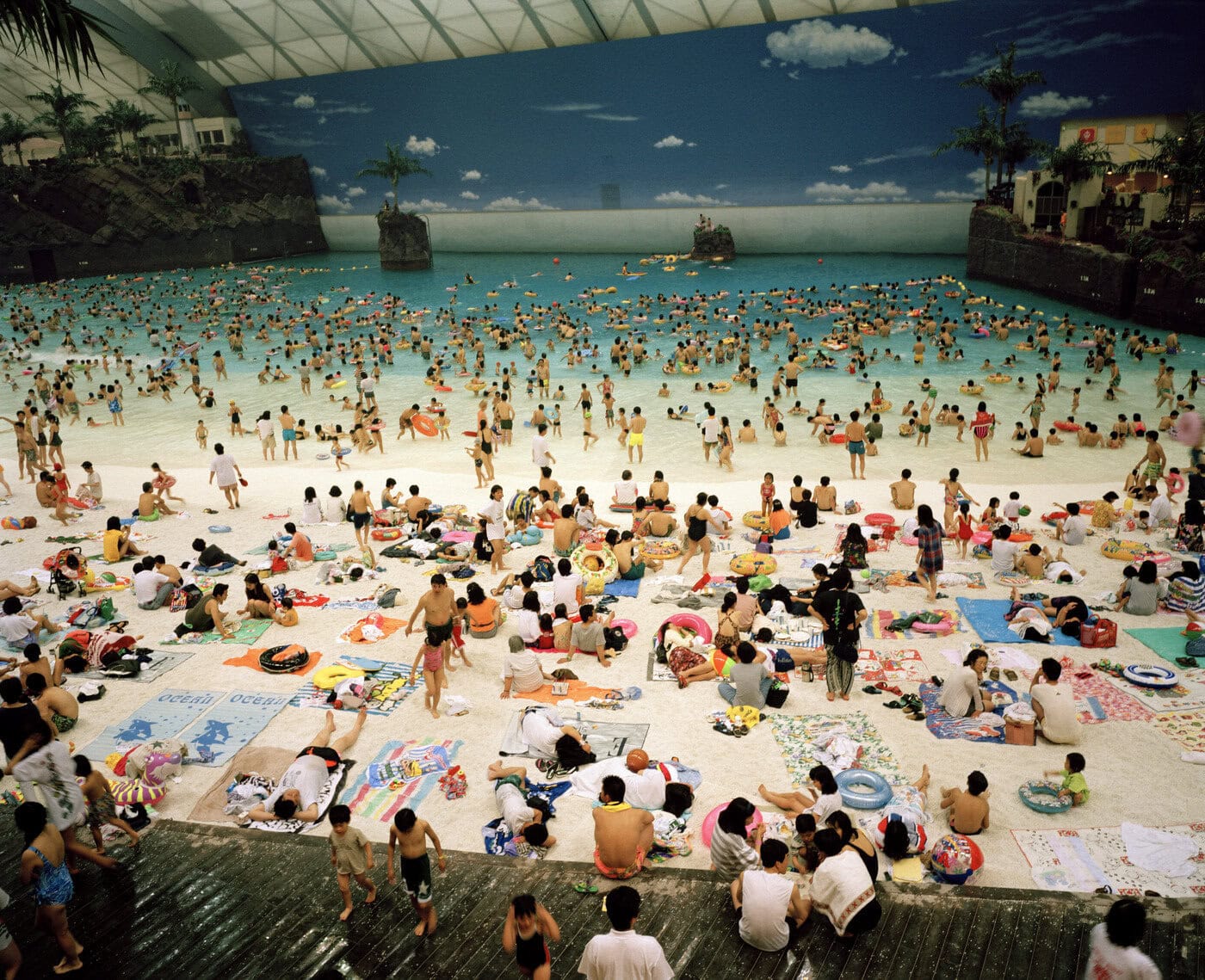
Figure 2 Martin Parr, Seagaia Ocean Dome, Miyazaki, 1996
In the second room of the exhibition, Parr’s works address a field that, in 1980s Thatcherite England, had largely remained outside photographic focus: consumption, in particular that of the middle class, whose aesthetic codes, aspirations and daily rituals are dissected. The result is a sort of catalogue, at once ironic and merciless, of objects and practices of consumption, laying bare the quiet and pervasive liturgy of this new form of devotion. Formally, this enquiry draws from the languages of commercial photography: insistent close-ups and brilliantly saturated colours construct a deliberately exuberant register, in which kitsch dominates. Spaces such as supermarkets, shopping centres, exhibitions and trade fairs are transformed into performative spaces, stages for a continuous and almost feverish movement. Within this circuit, the individual appears increasingly absorbed by the logic of exchange, to the point of losing their own distinctiveness and merging with what they consume, reduced to a presence amongst presences, a commodity amongst commodities …
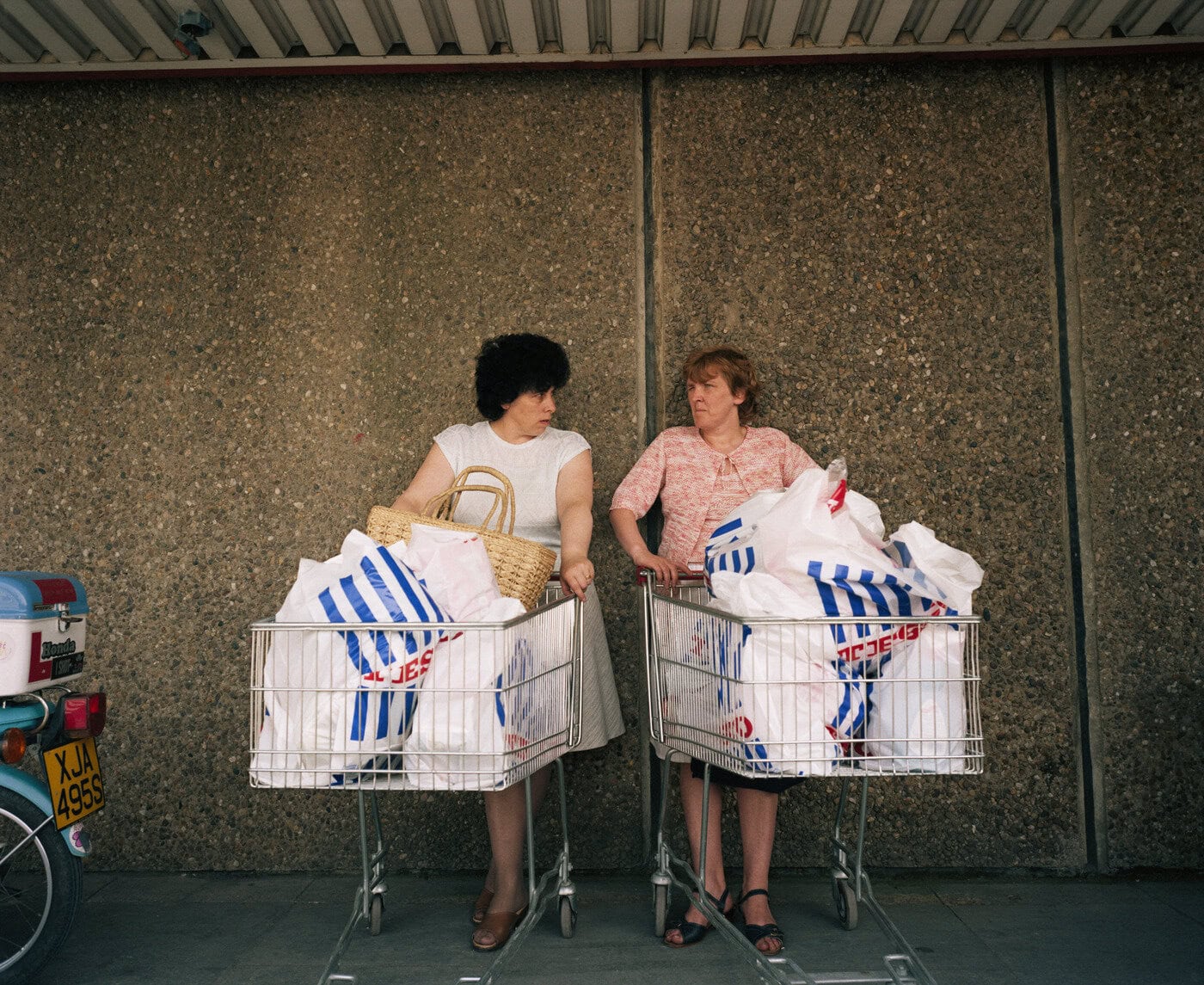
Figure 3 Martin Parr, Salford, United Kingdom, 1986
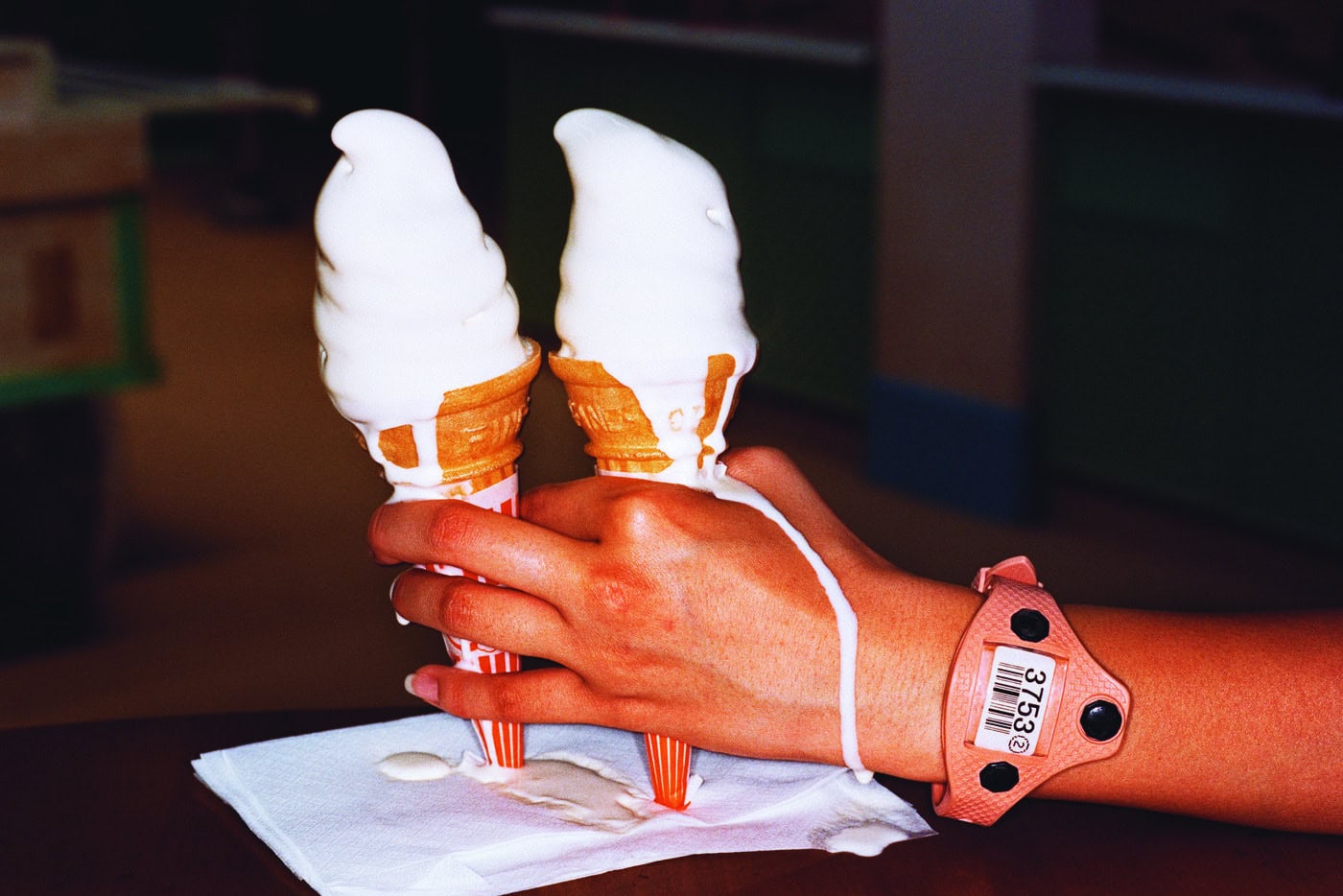
Figure 4 Martin Parr, Tokyo, Japan, 1986
Free from overtly moralistic intents, Parr acknowledged his own direct involvement in this system: he did not position himself outside, but within that very same circuit of practices and desires. His work takes the form of a visual counter-narrative, almost an iconographic guerrilla campaign aimed at undermining glossy imagery and dominant conventions. A similar approach also shaped his treatment of tourism, which also shifted to a widespread and accessible practice rooted in the logic of contemporary consumption. Parr followed the global tourist across all latitudes and cultures, from Japan to Europe, from North to South. What emerges is a striking uniformity: postures, habits and dress codes tend to repeat themselves, generating a shared grammar of tourist behaviour. This standardisation stands in tension with the austere and solemn permanence of the sites themselves, producing a stark contrast that is at times tinged with melancholy. The spaces appear saturated, perspectives compressed, and images charged with anxiety: repetition and simplification proliferate. From this standpoint, the glossy, reassuring aesthetic of the postcard is systematically disarticulated: the most recognisable landmarks are no longer depicted in their idealised form, but are reduced to a degraded, worn-out state, in which the icon is broken apart …

Figure 5 Martin Parr, Bali, Indonesia, 1986
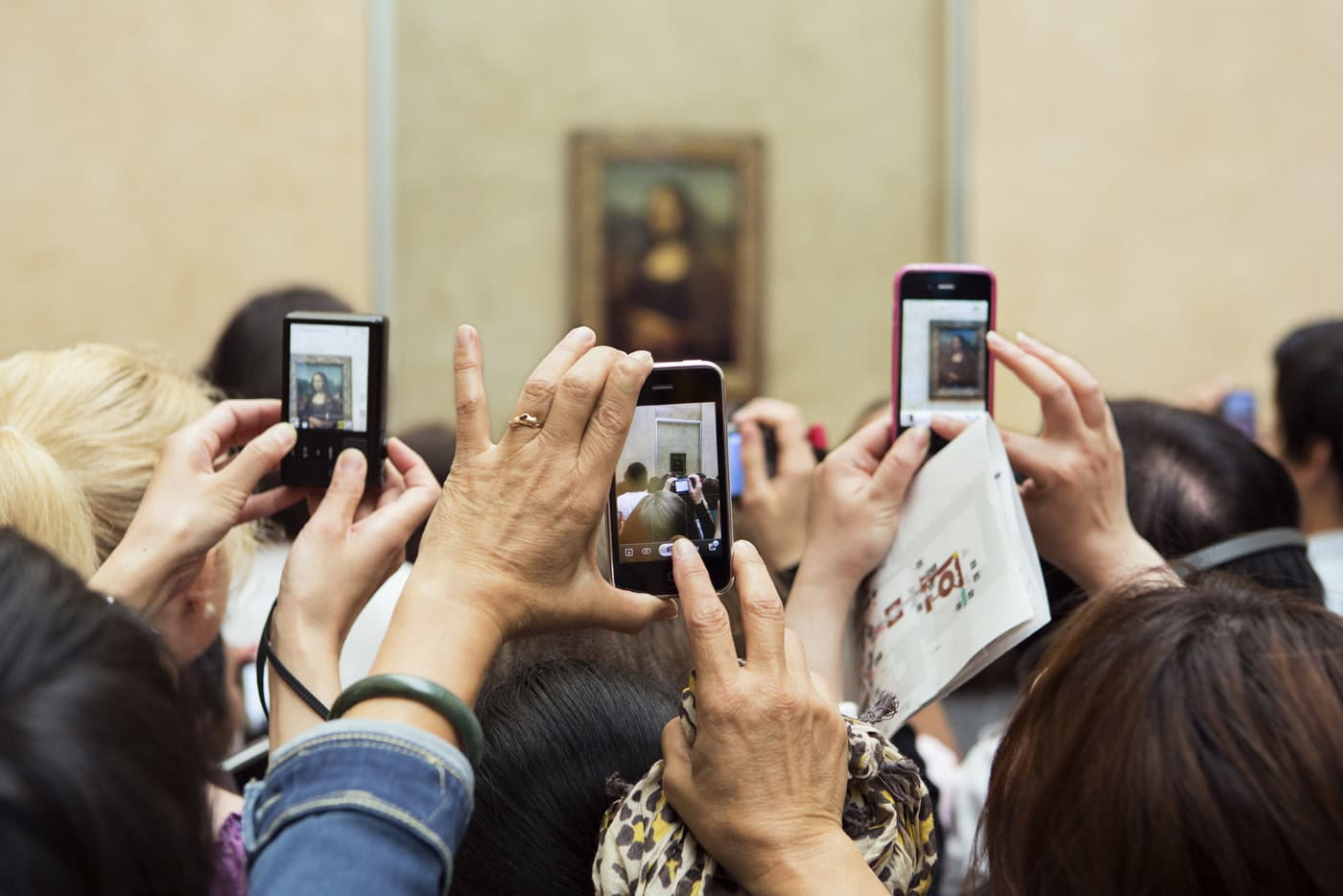
Figure 6 Martin Parr, Musée du Louvre, Paris, France, 2012
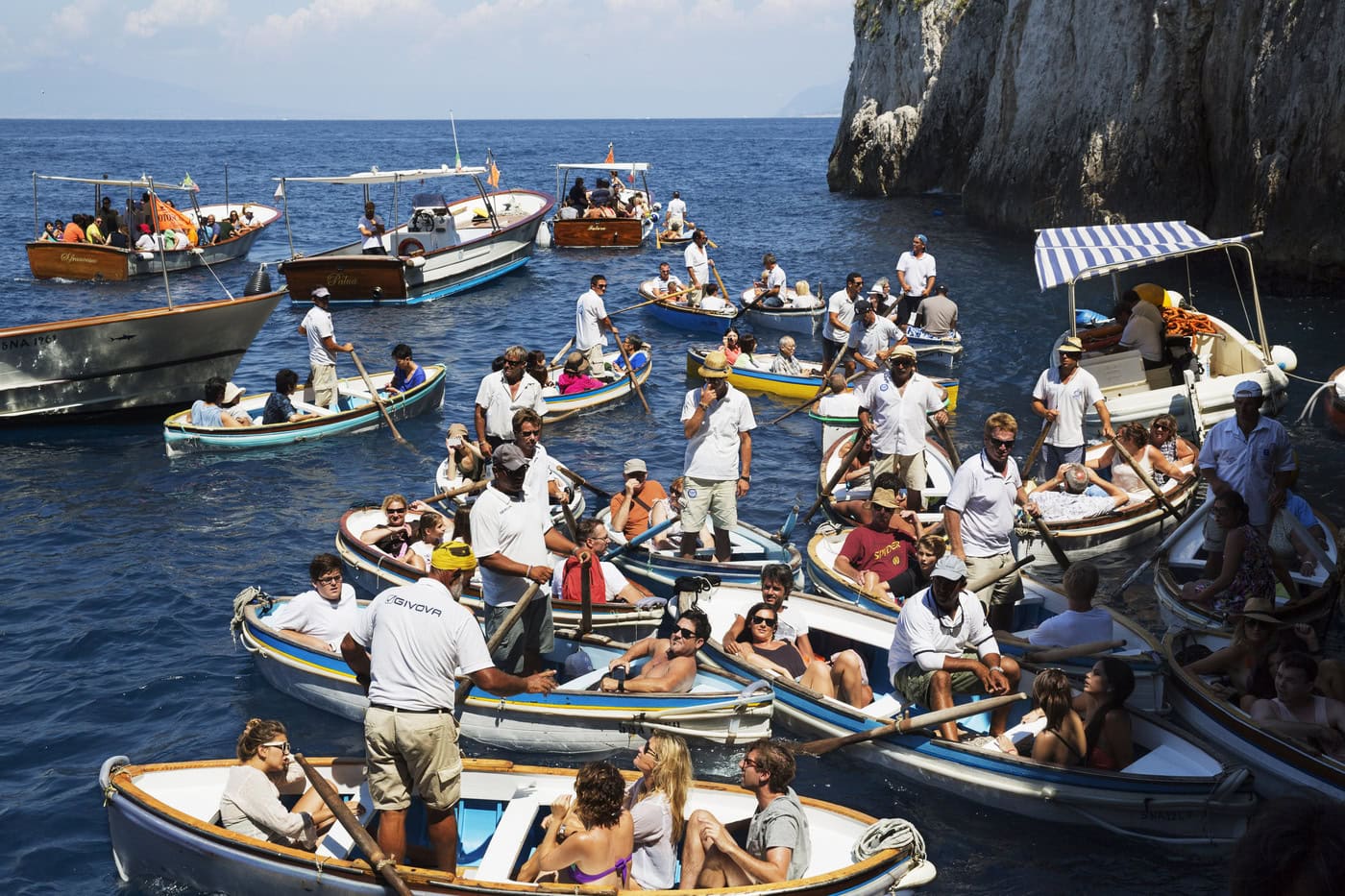
Figure 7 . Martin Parr, Blue Grotto, Capri, Italy, 2014
The relationship between humans and animals also plays a significant role in Parr’s work. No longer idealised, free creatures in an idyllic and unspoilt world, animals here are fully embedded within the dynamics of contemporary society, where they become integral yet ambivalent presences. Indeed, they appears to be cared for and loved, yet also confined and domesticated, sometimes consumed, other times subjected to other forms of control or exploitation, constantly oscillating between emotional closeness and domination, between anthropomorphic projection and reduction to an object, between care and appropriation …
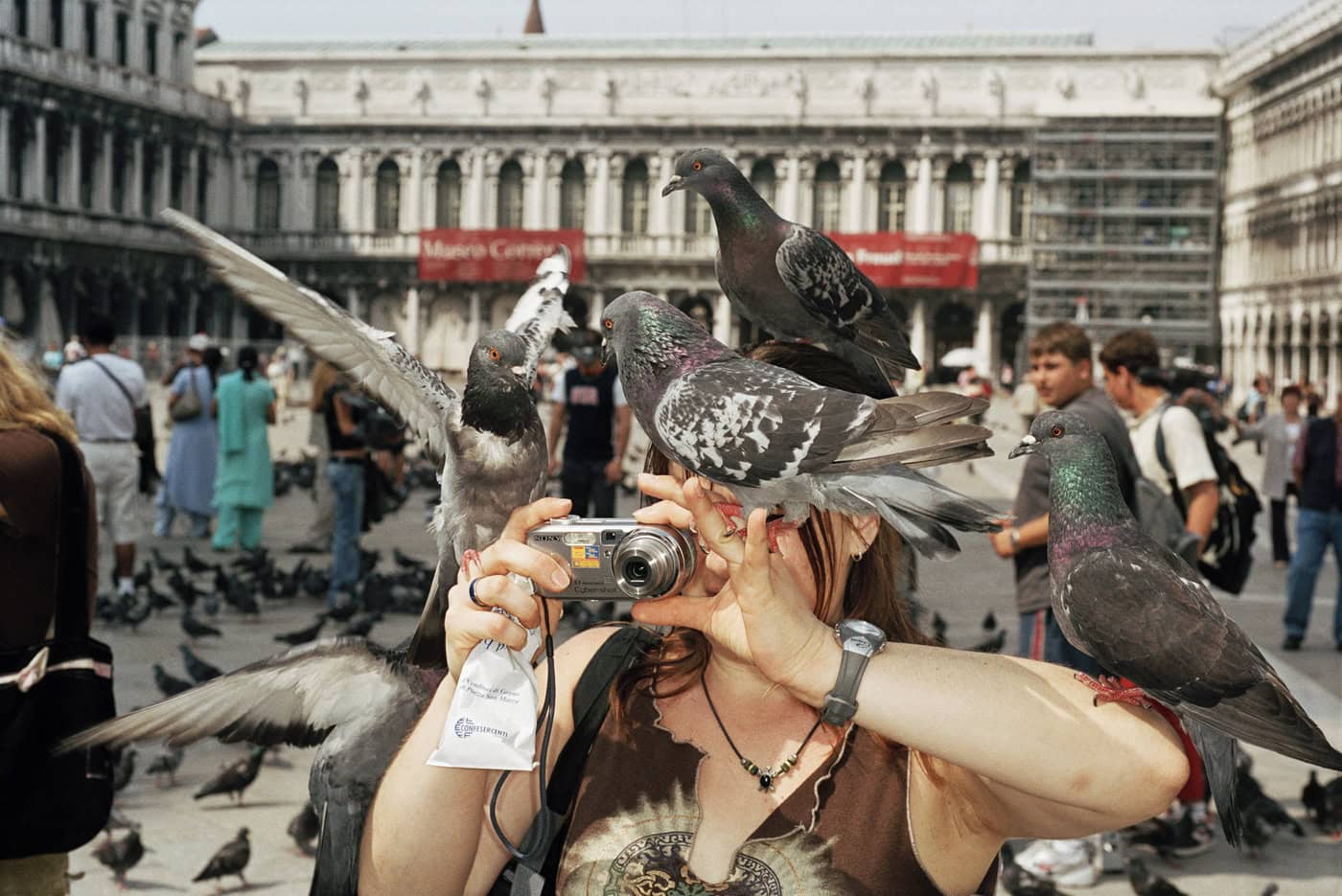
Figure 8 Martin Parr, Venice, Italy, 2005

Figure 9 Martin Parr, Venice Beach, California, United States, 1998
The final section of the exhibition explores the relationship in Parr’s works between humans and technology, tracing a sort of genealogy of all those devices which, over time, have reshaped our everyday experience: from the car in the 1980s to the mobile phone in the 1990s, right up to the recent proliferation of screens and digital devices such as computers, tablets, smartphones and consoles. The exhibition follows this evolution, highlighting how our body progressively adapted to the technologies surrounding it, and how these devices ultimately shaped our gestures and perceptions. It also highlights the increasing presence of these objects in the contemporary imagination, leading to an increasingly close and dependent relationship between individuals and their devices.
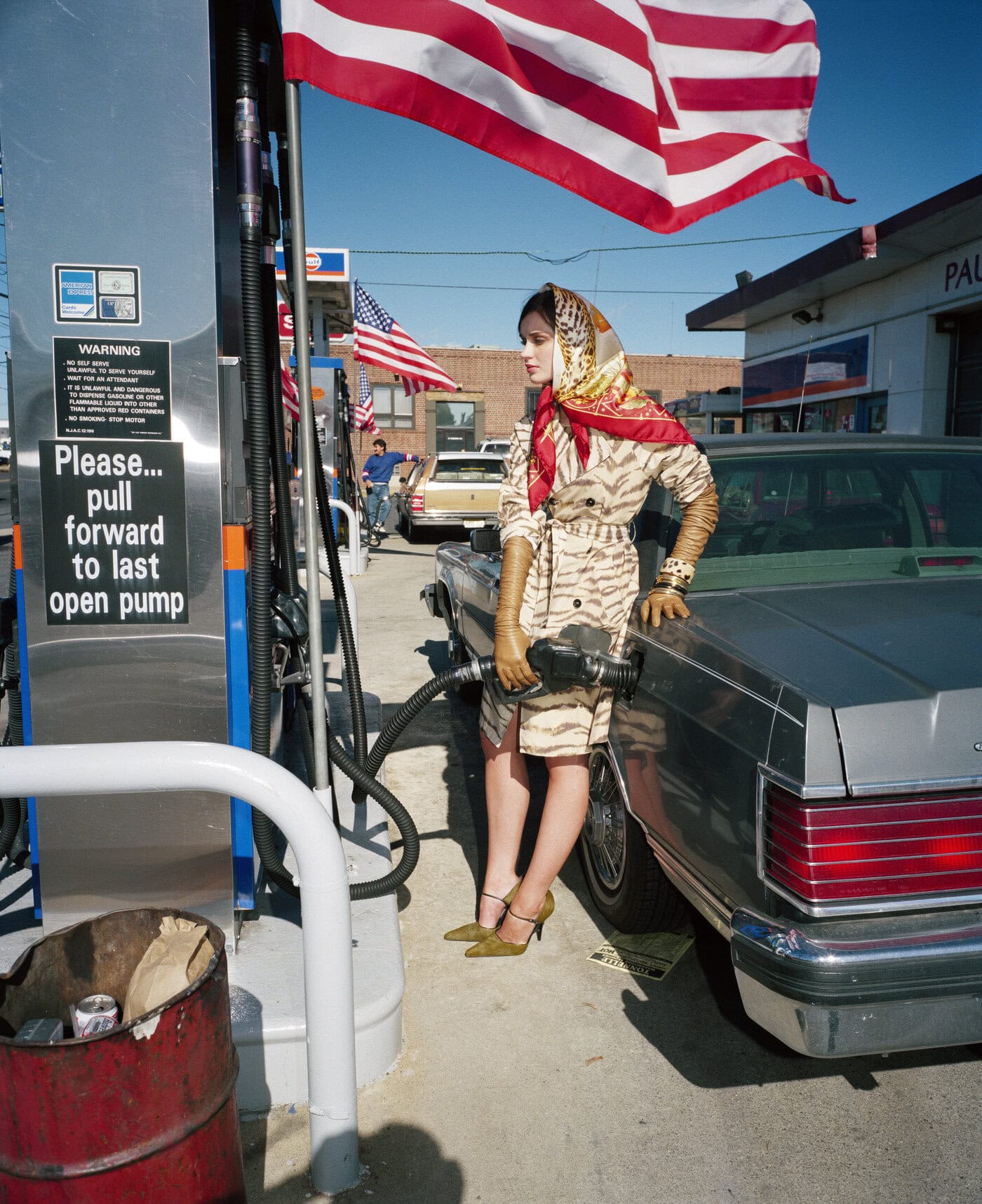
Figure 10 Martin Parr, New York, United States, 1999
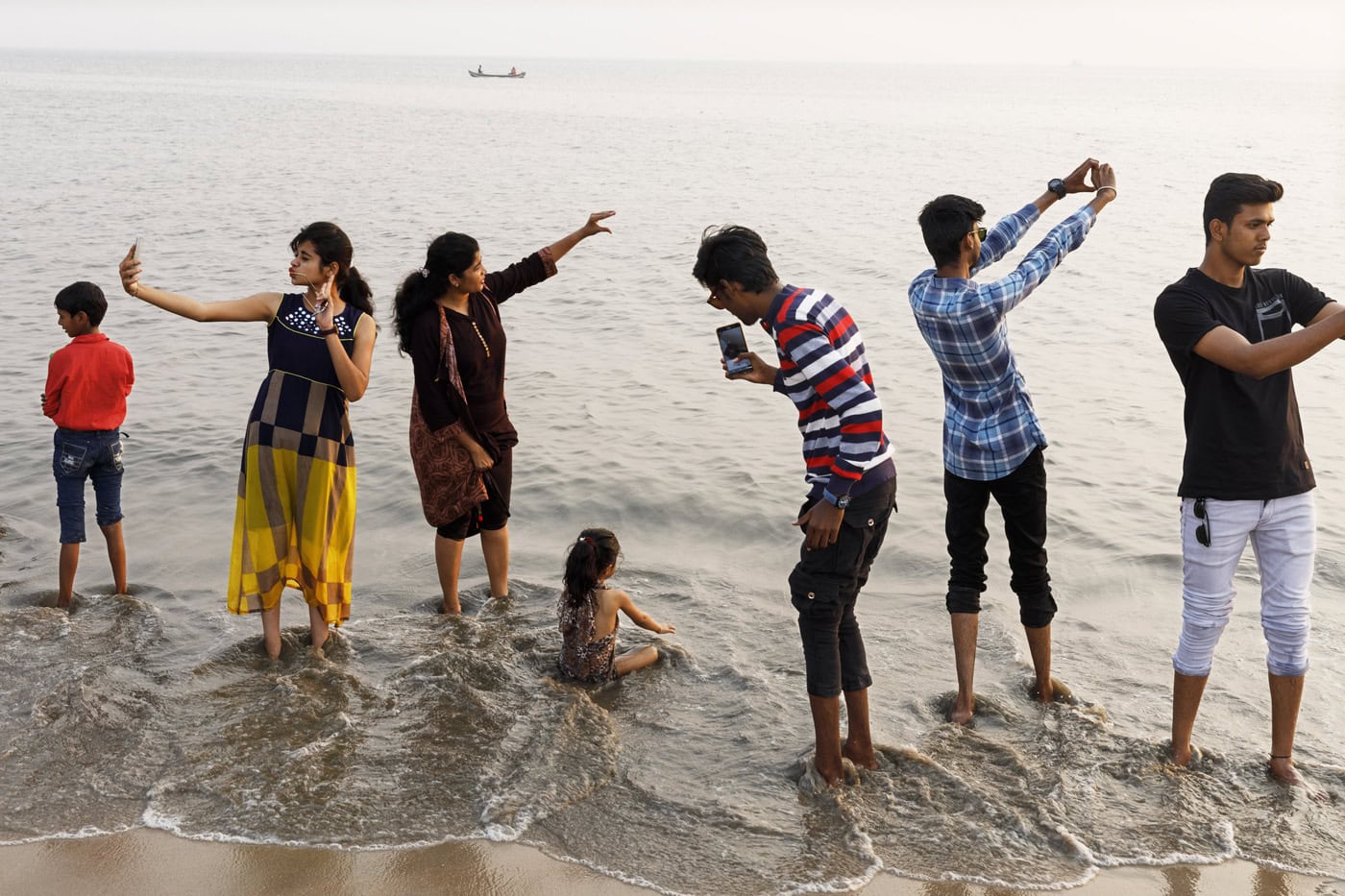
Figure 11 Martin Parr, Mumbai, India, 2018
In conclusion, the exhibition offers a coherent and stratified interpretation of the contemporary world through Parr’s lens, bringing together spheres that are only seemingly distinct - tourism, consumerism, nature, technology - but are in fact united by the same logic governing the circulation of our images and desires. The ironically playful tone avoids any external or judgemental position, and instead operates from within what it depicts: in doing so, it brings forward a visual universe that is at once jolly, seductive and unsettling, where contradictions are revealed without being resolved, but left open as traces of a present that is constantly in metamorphosis.