English
 日本語
日本語

Reimaging Luxury Through Place-Sensitive Design
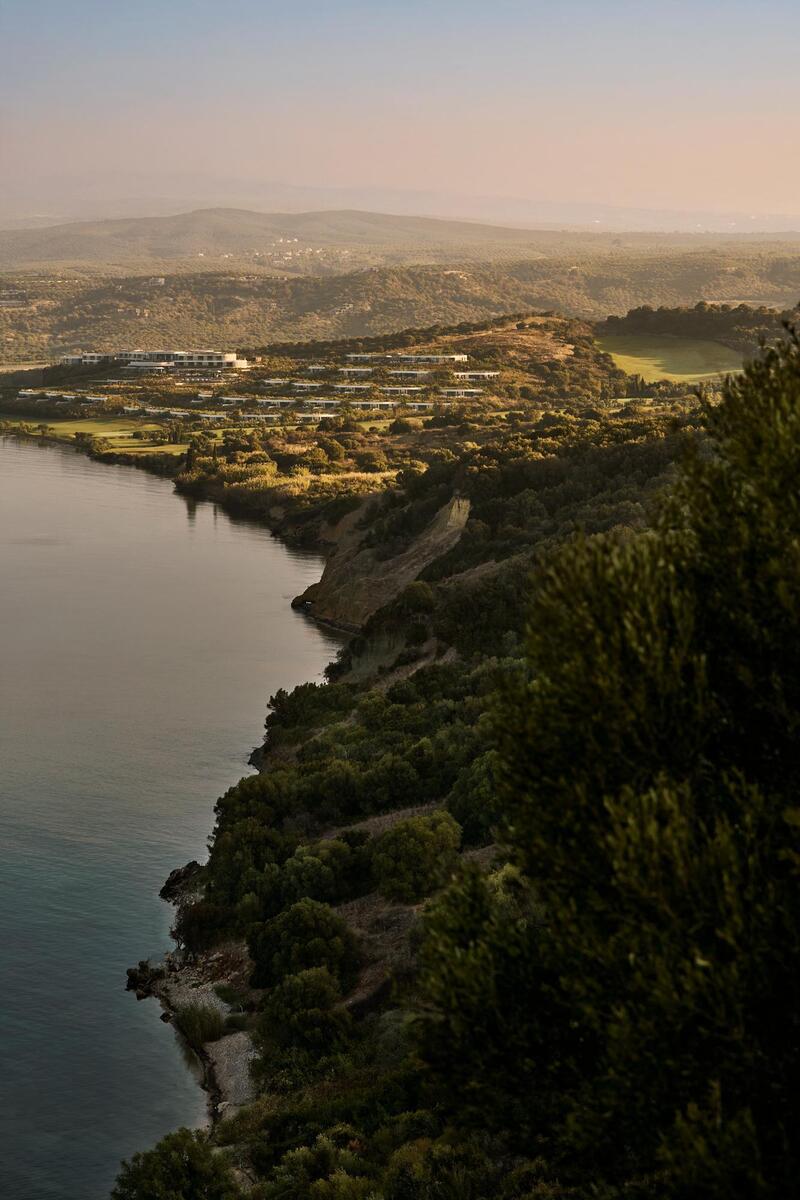
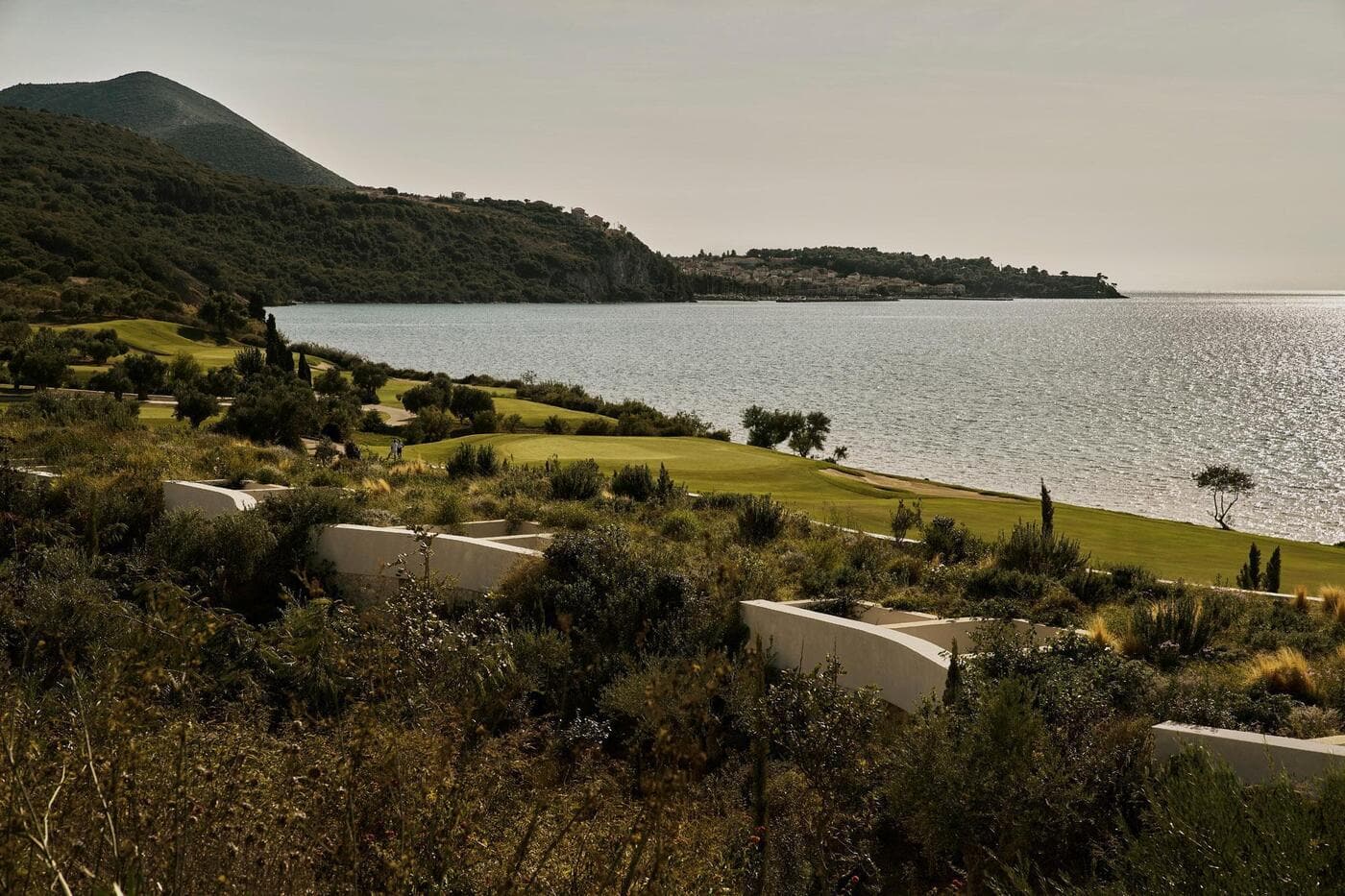
Perched above Navarino Bay in Greece’s Peloponnese region, Mandarin Oriental, Costa Navarino designed by Alexandros N. Tombazis and Assosiates Architects + K-Studio, demonstrates how contemporary luxury hospitality can be deeply connected to its landscape while meeting the expectations of a global luxury brand. Rather than relying on spectacle or iconic gestures, the resort embraces a design approach grounded in local history, ecology and climate, creating a destination that balances exclusivity with environmental sensitivity.
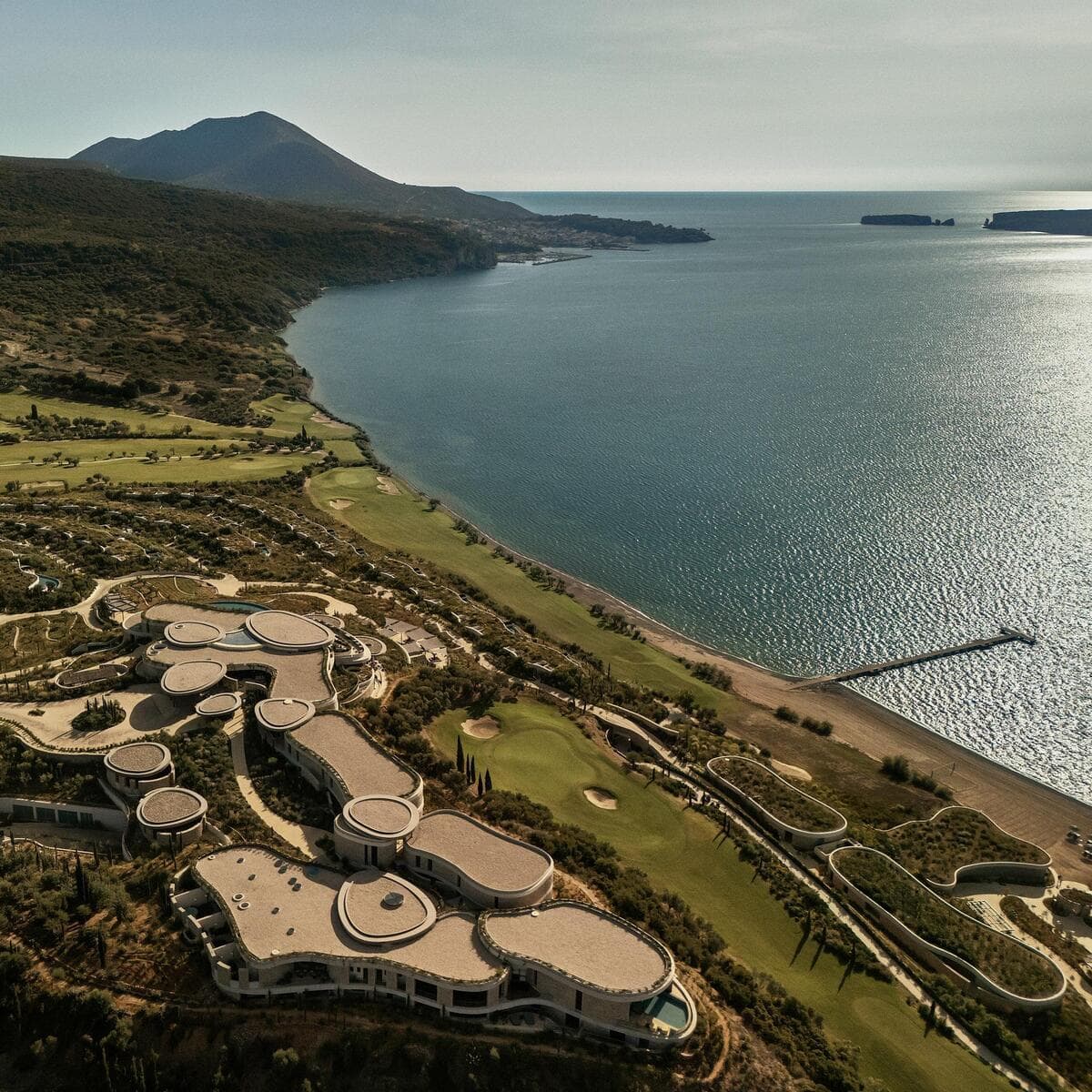
Photo credit: BREBA Claus Brechenmacher & Reiner Baumann
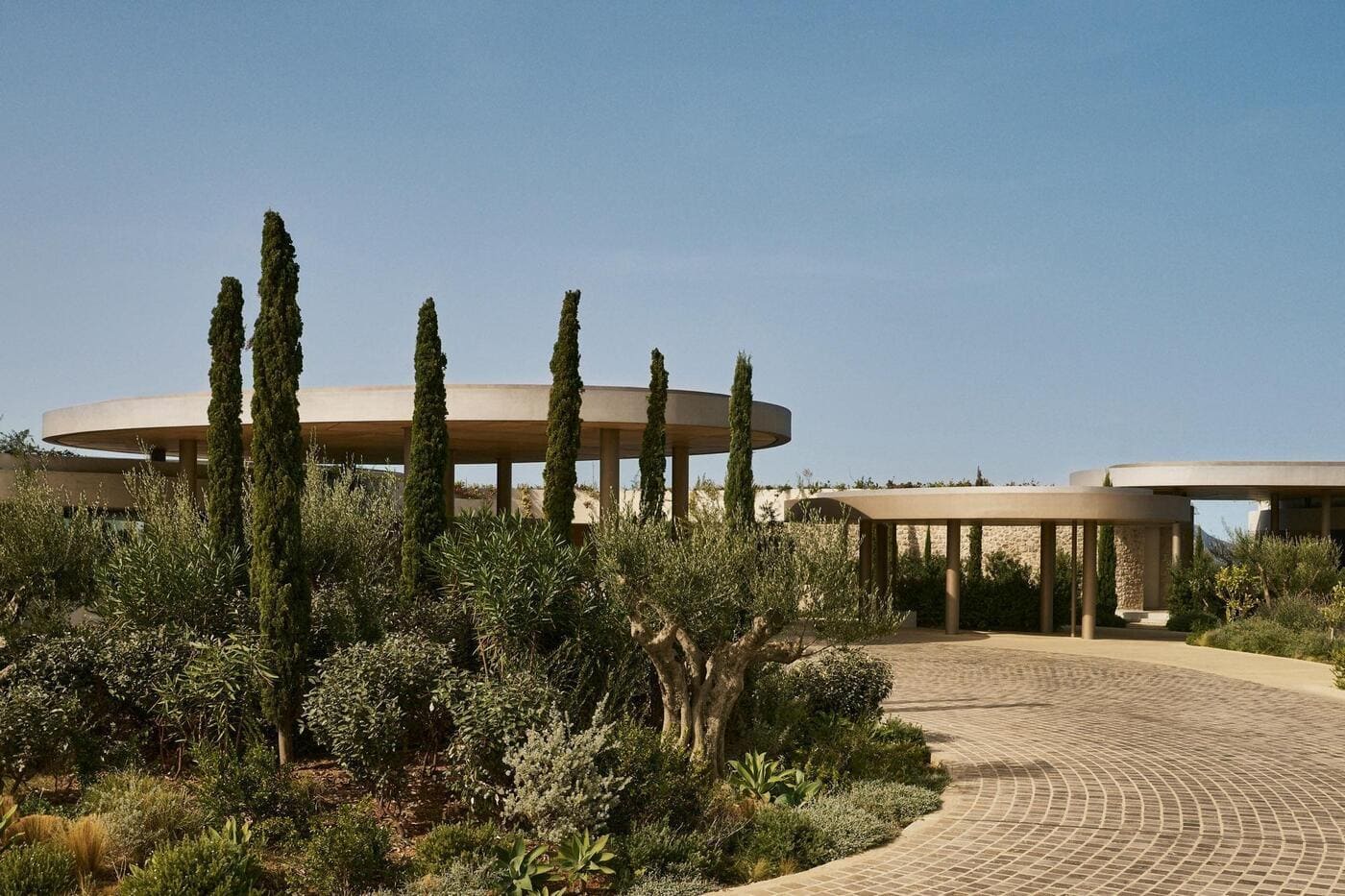
Photo credit: BREBA Claus Brechenmacher & Reiner Baumann
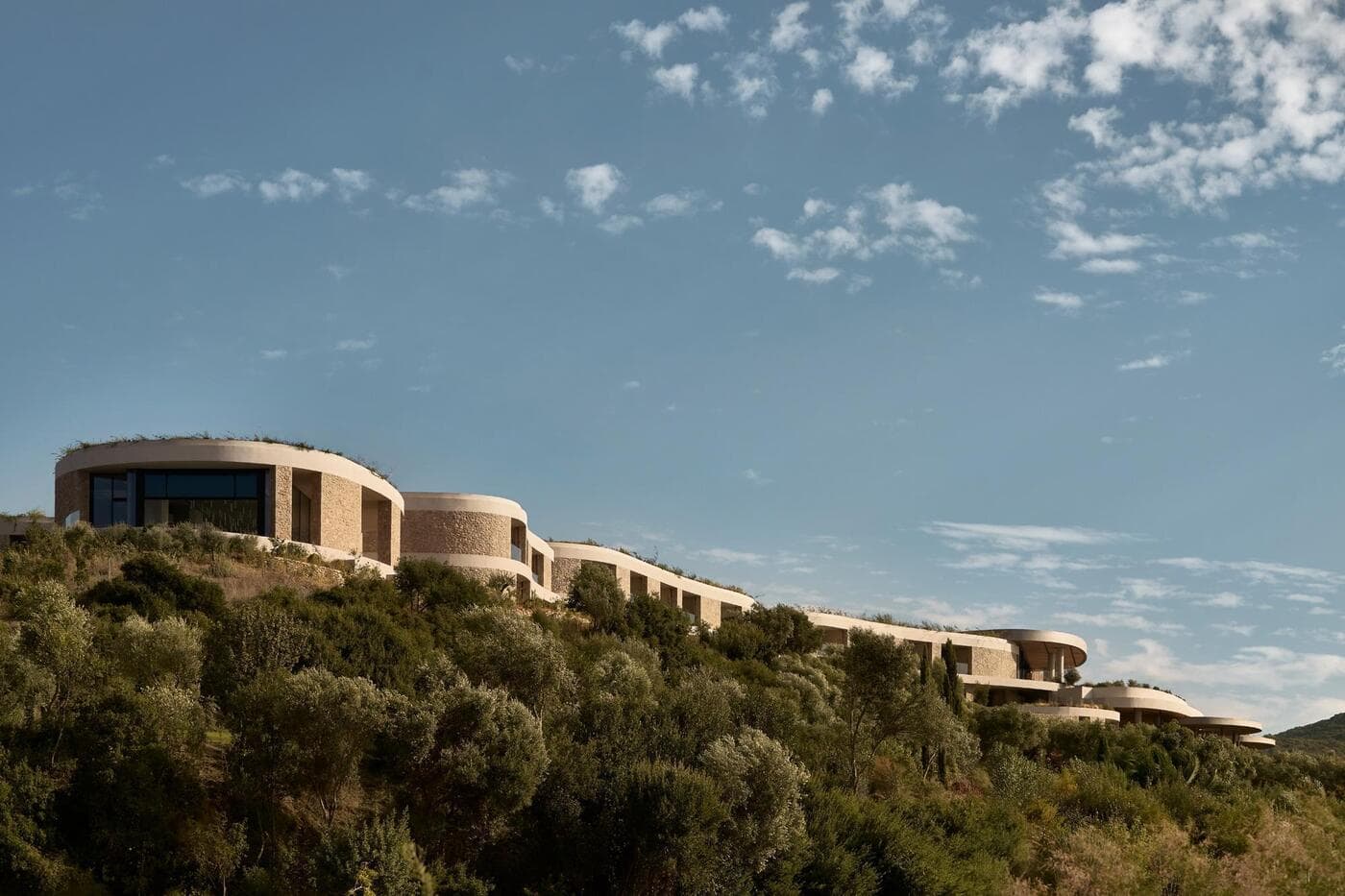
Photo credit: BREBA Claus Brechenmacher & Reiner Baumann
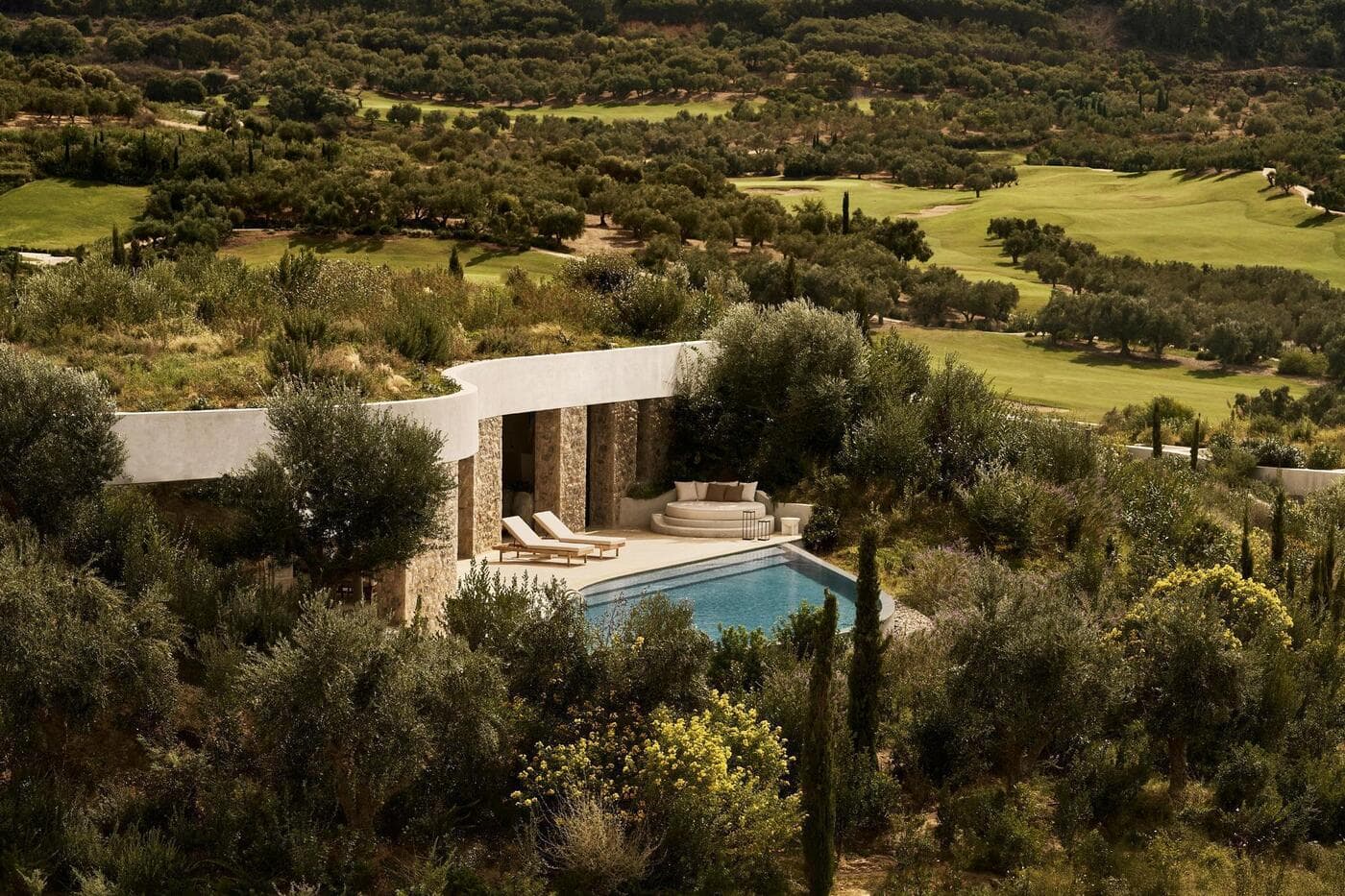
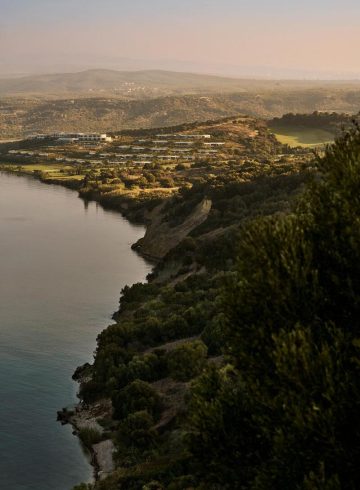
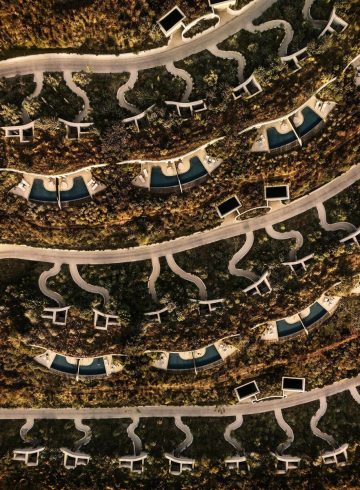
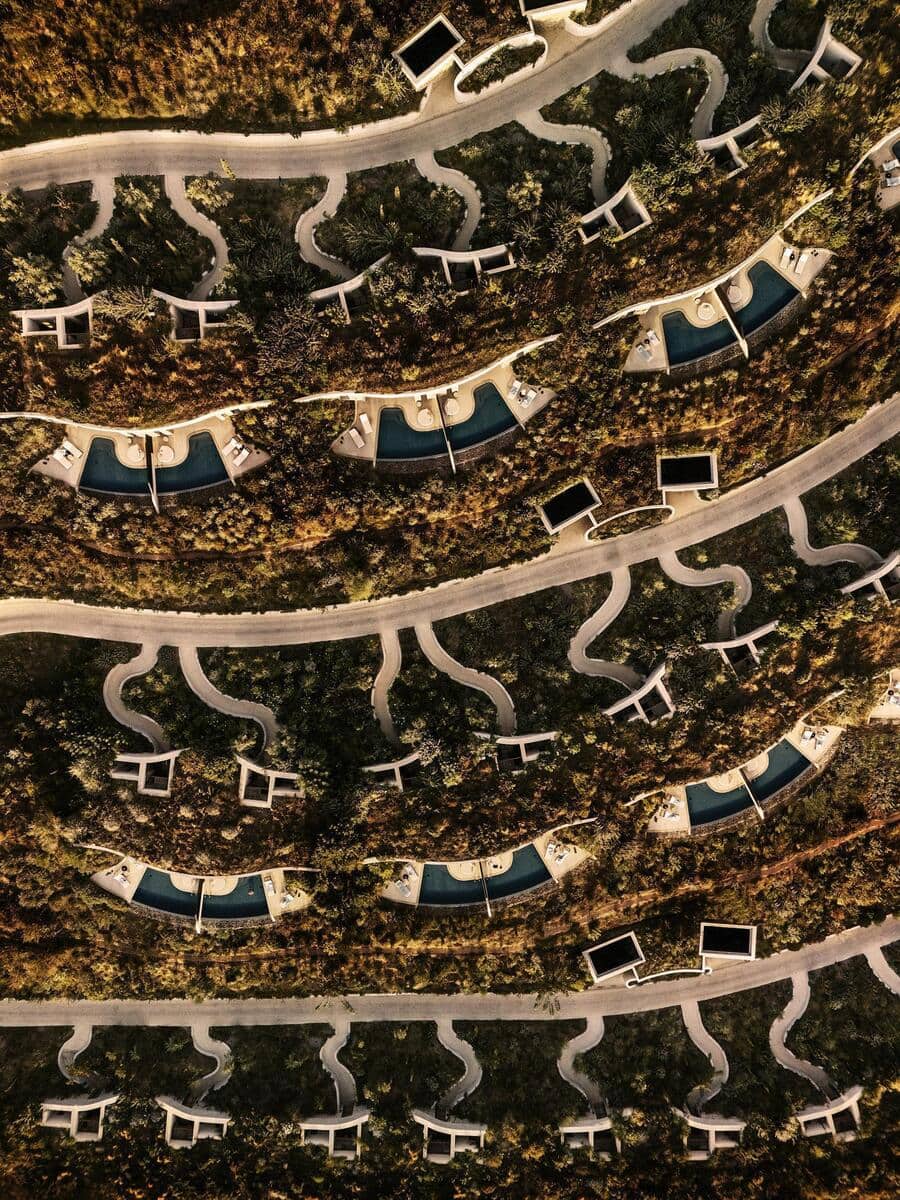
The project occupies a site of exceptional natural beauty and cultural significance. In response, the design team developed a decentralized masterplan inspired by traditional Greek rural settlements, particularly the mandria—organic stone enclosures that evolved in direct response to the surrounding terrain. Reinterpreting this vernacular model at a much larger scale, the resort organizes its accommodations into clusters that follow the contours of the hills, minimizing visual impact while strengthening the relationship between architecture and landscape.
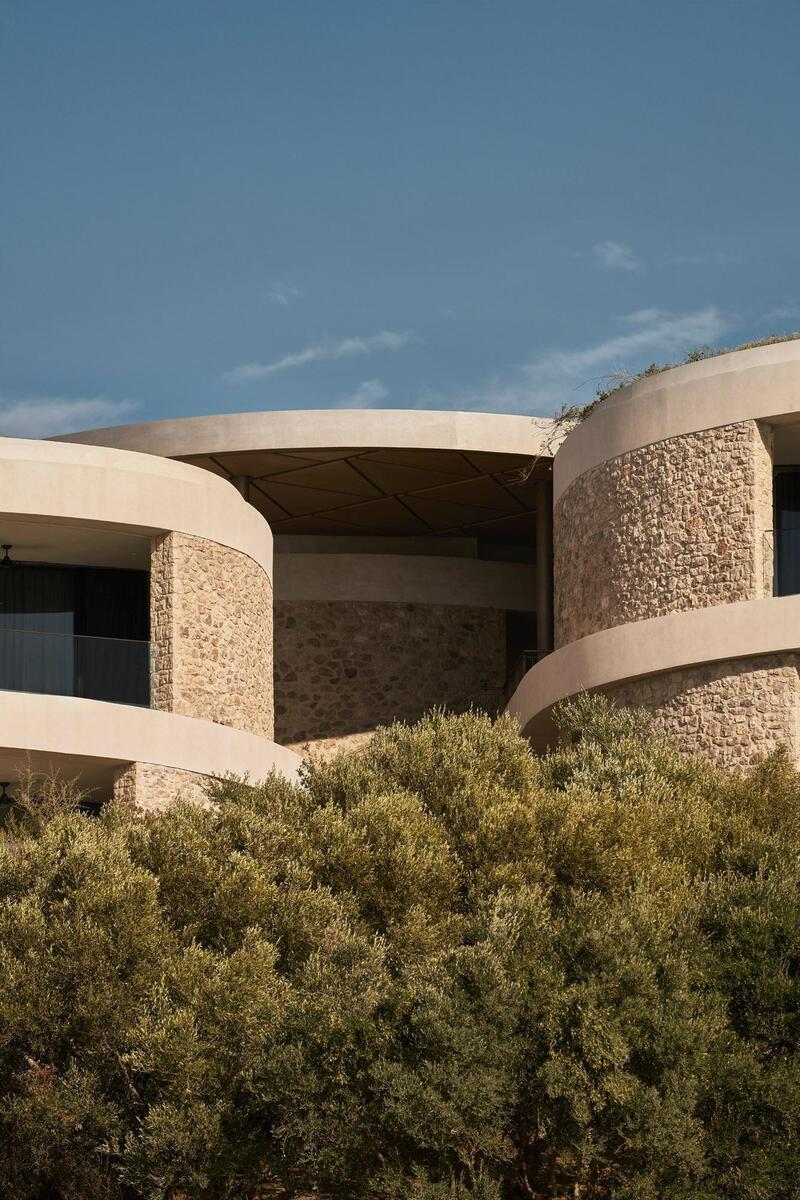
Photo credit: BREBA Claus Brechenmacher & Reiner Baumann
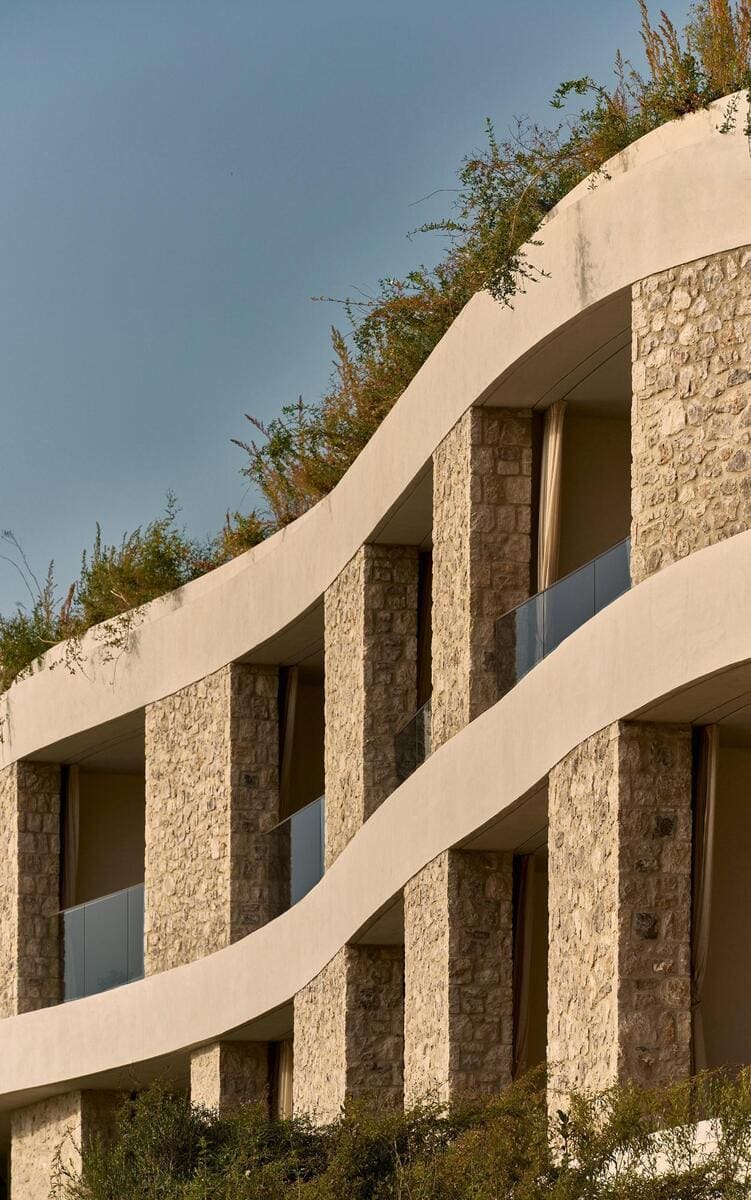
Photo credit: BREBA Claus Brechenmacher & Reiner Baumann
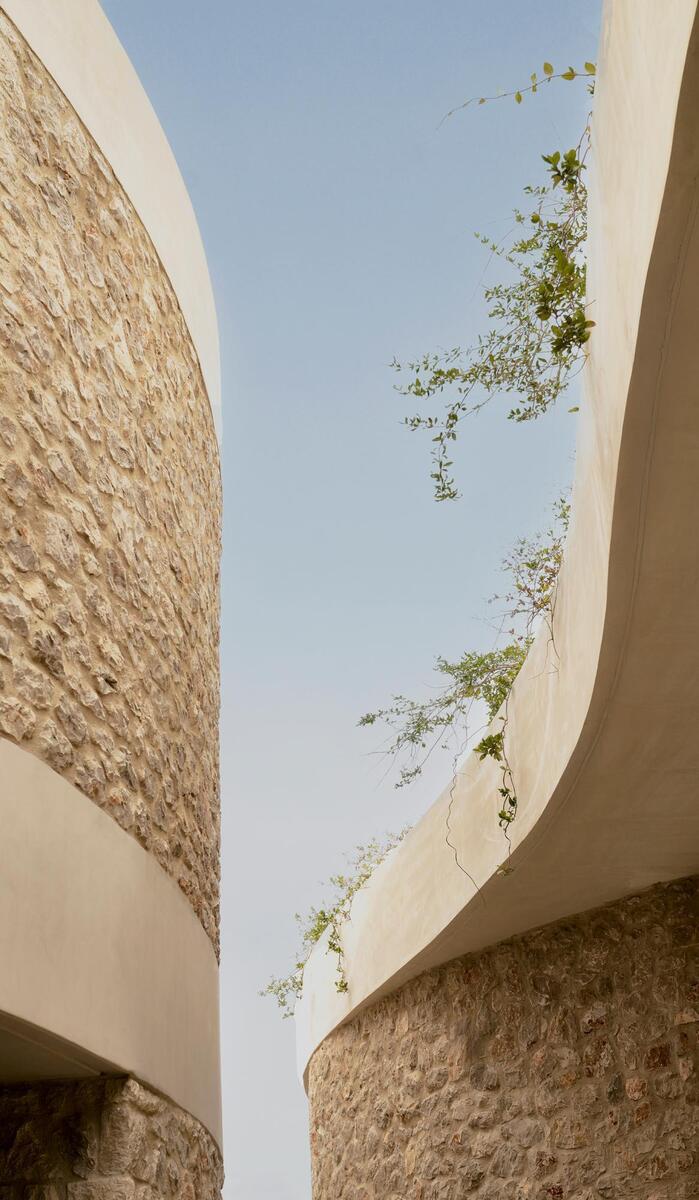
Photo credit: BREBA Claus Brechenmacher & Reiner Baumann
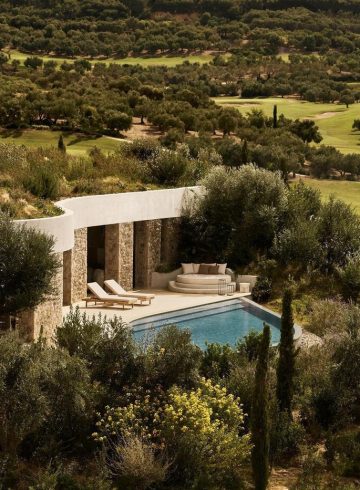
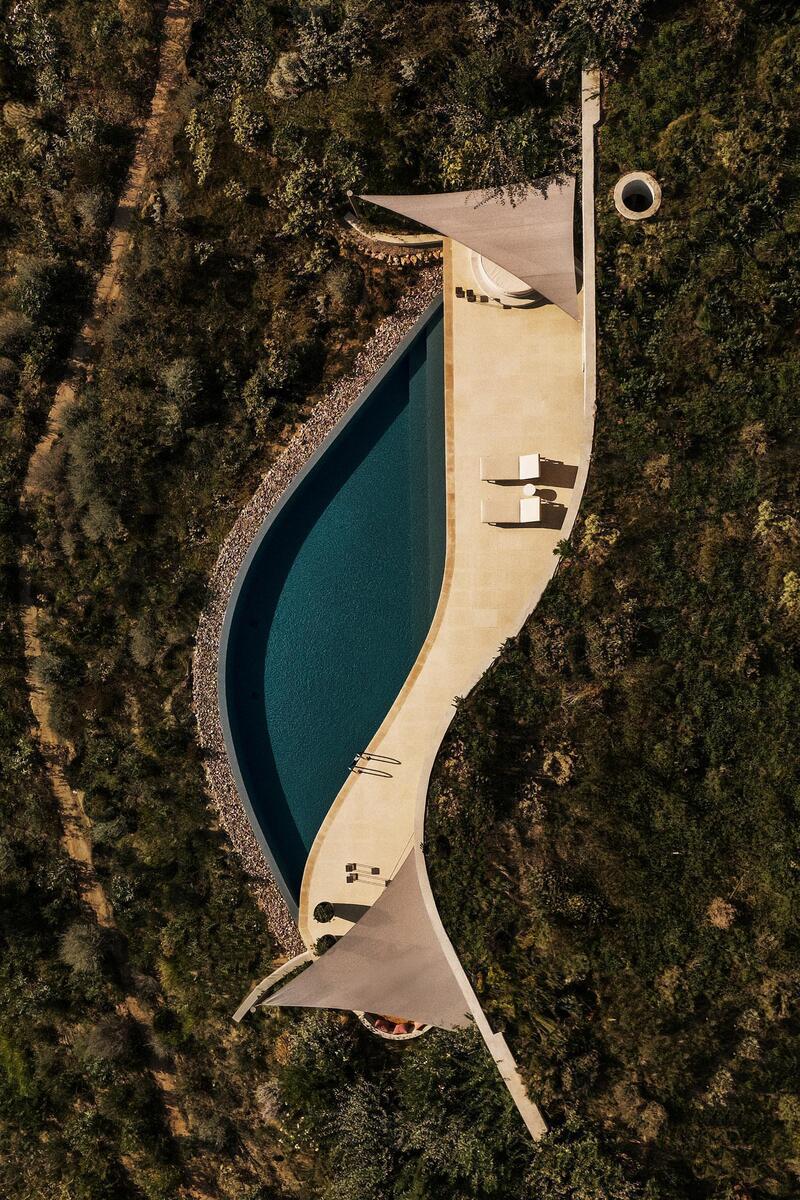
A defining feature of the resort is its collection of 48 earth-sheltered private villas, each equipped with a swimming pool and surrounded by gardens. The dispersed layout prioritizes privacy and autonomy while allowing guests to experience the site in a more intimate way. Interiors extend seamlessly into shaded outdoor living areas, creating a layered sequence of indoor, semi-outdoor and open-air spaces. Architectural elements such as deep overhangs, recessed openings and carefully framed views contribute to a sense of refuge without disconnecting guests from the surrounding environment.
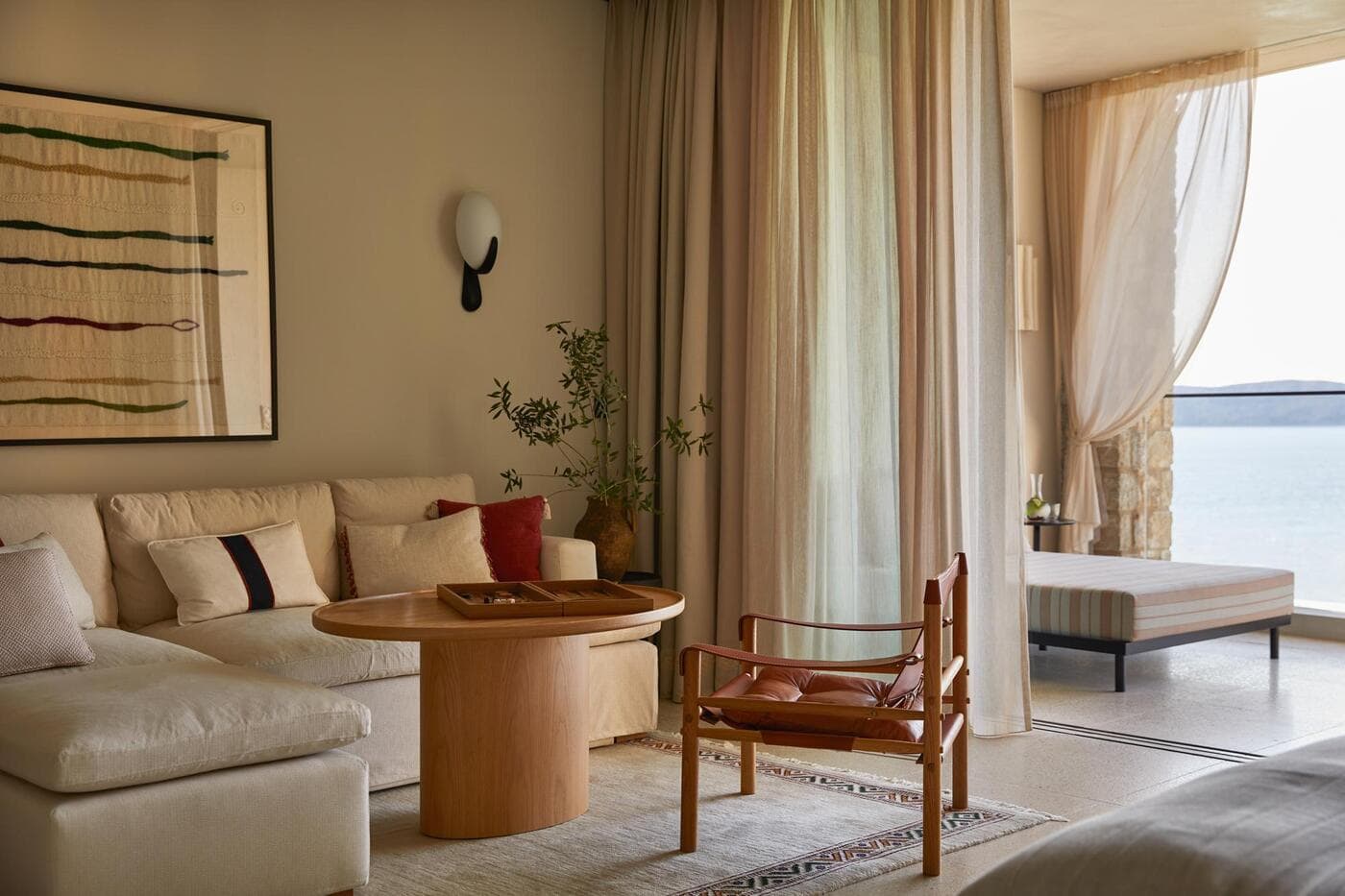
Photo credit:
Helen Cathcart
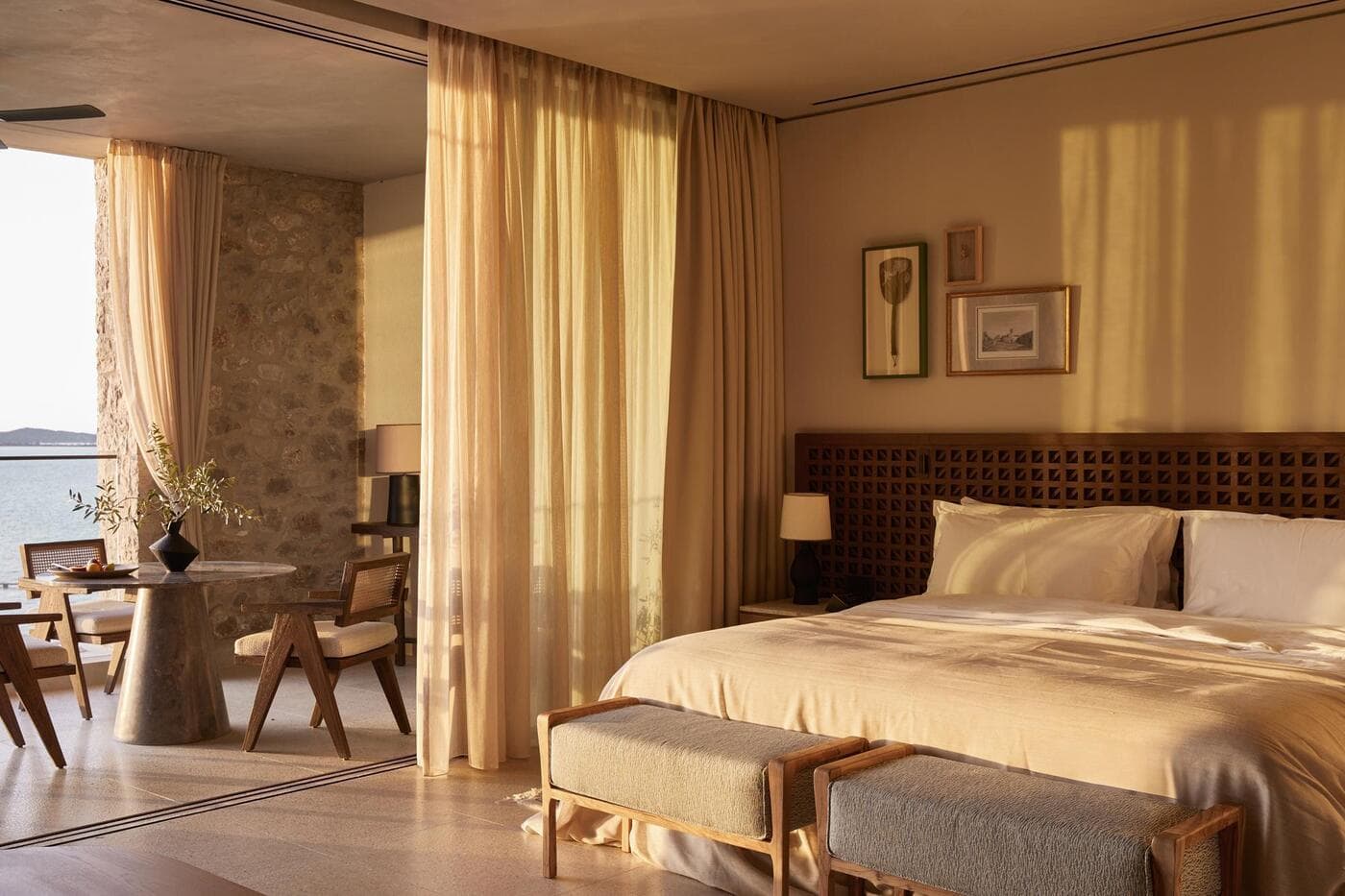
Photo credit: Helen Cathcart
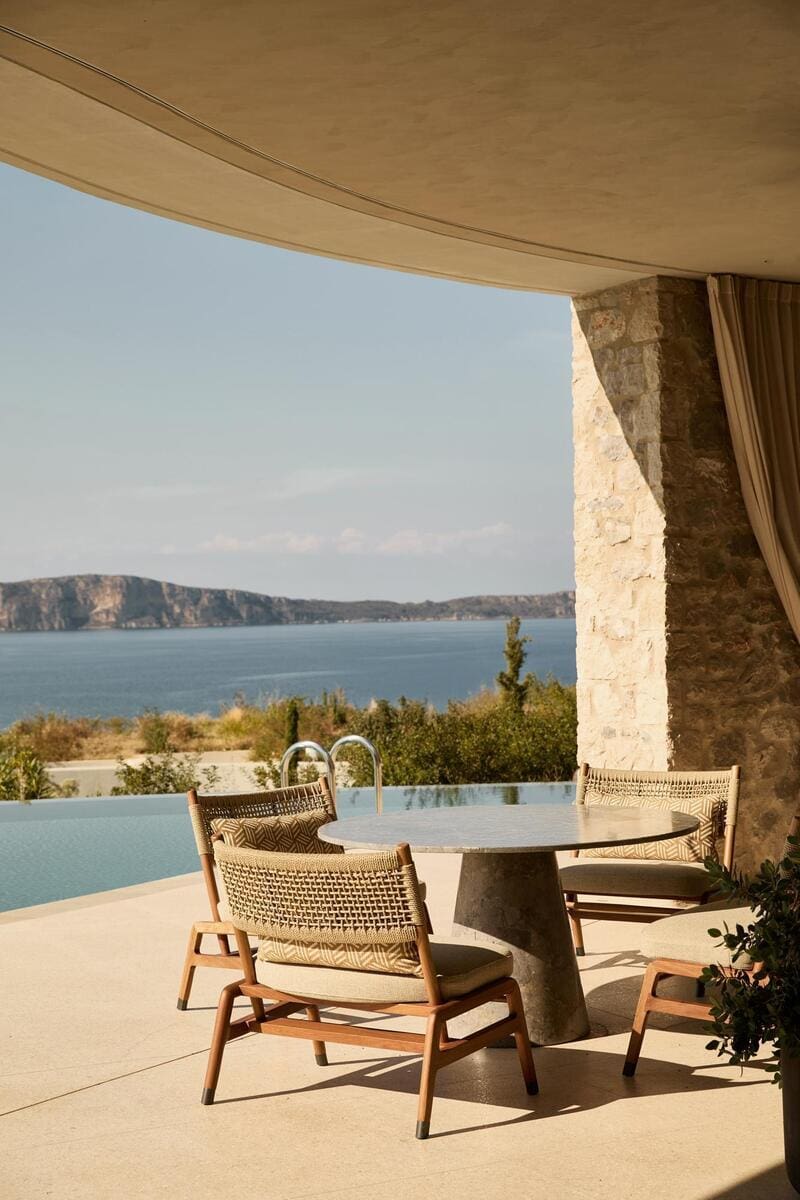
Photo credit: Helen Cathcart
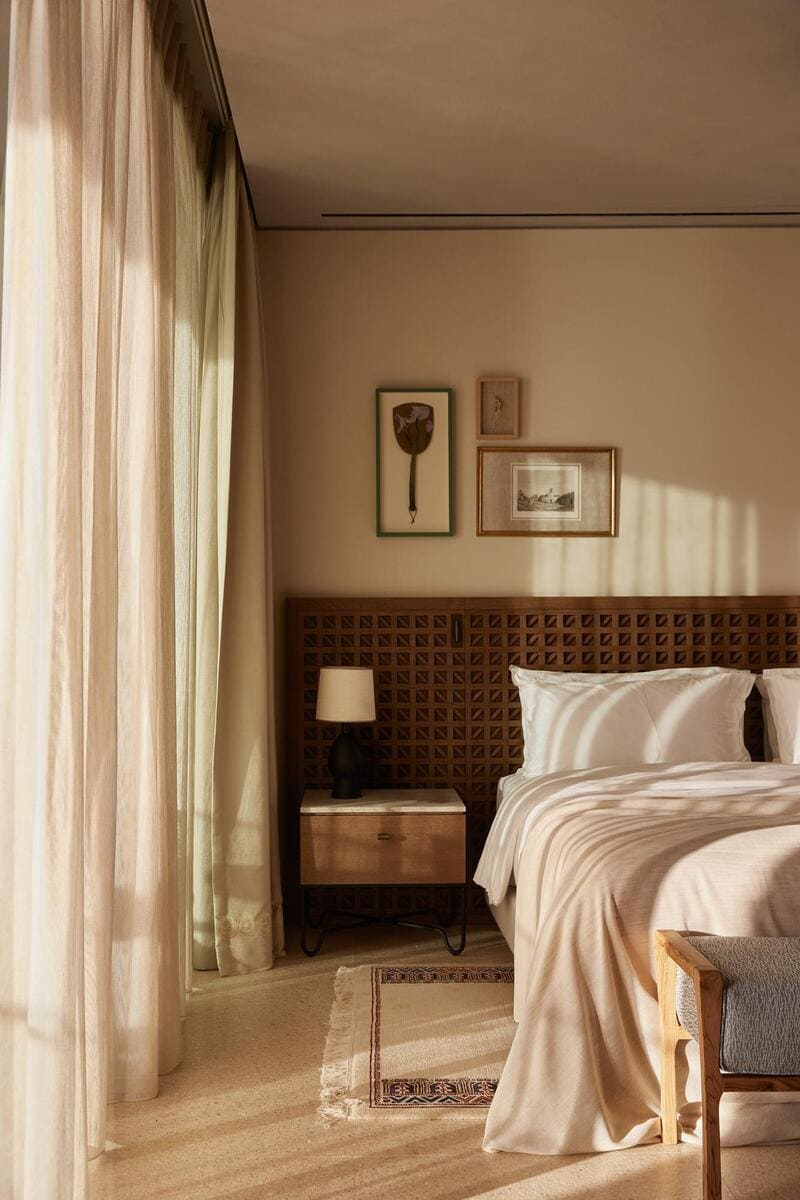
Materiality and interior design reinforce this connection to place. Natural stone and terrazzo are used with restraint, while Mediterranean-inspired textures and colors create a warm, tactile atmosphere. At the same time, carefully curated international influences introduce a sense of cosmopolitan sophistication. Throughout the resort, intuitive planning and clear circulation ensure that guests remain oriented and connected to key views of the landscape.
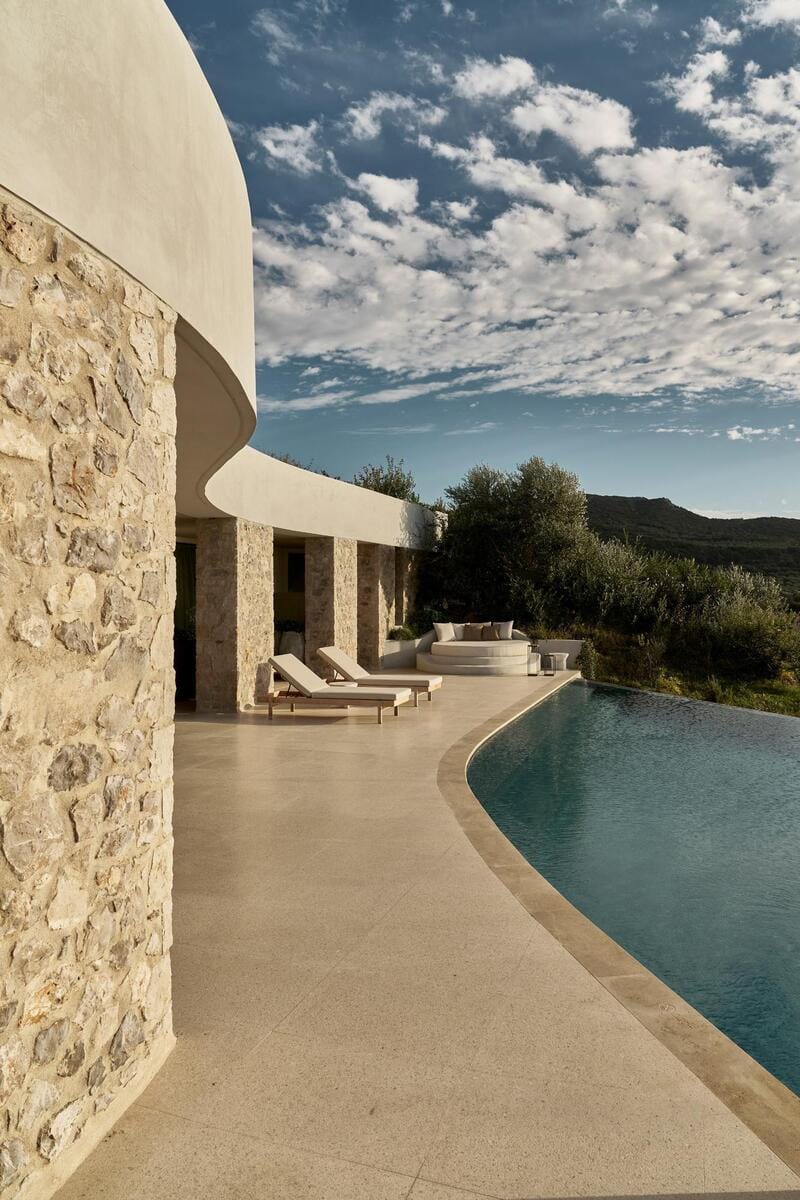
Photo credit: BREBA Claus Brechenmacher & Reiner Baumann
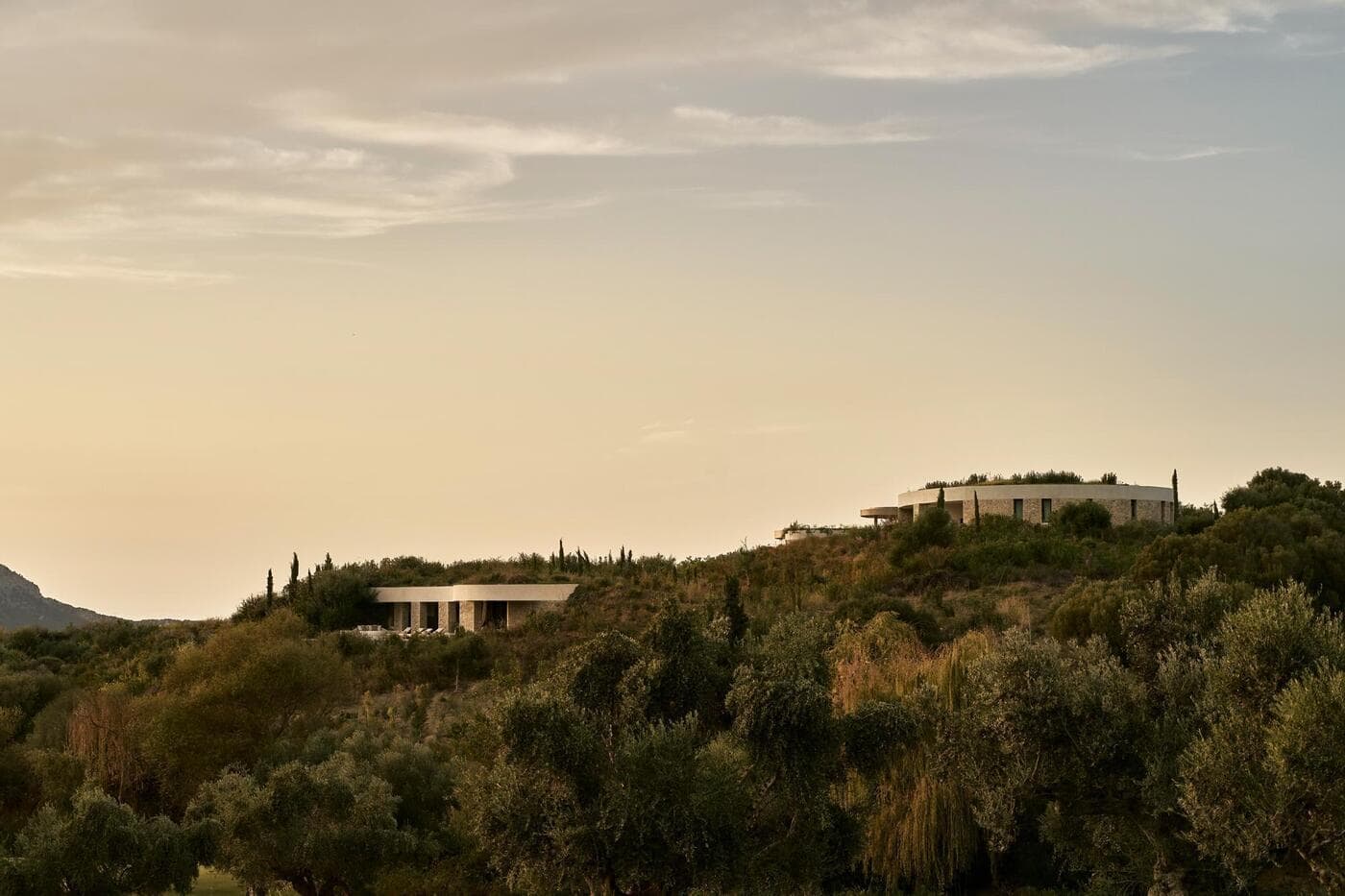
Photo credit: BREBA Claus Brechenmacher & Reiner Baumann
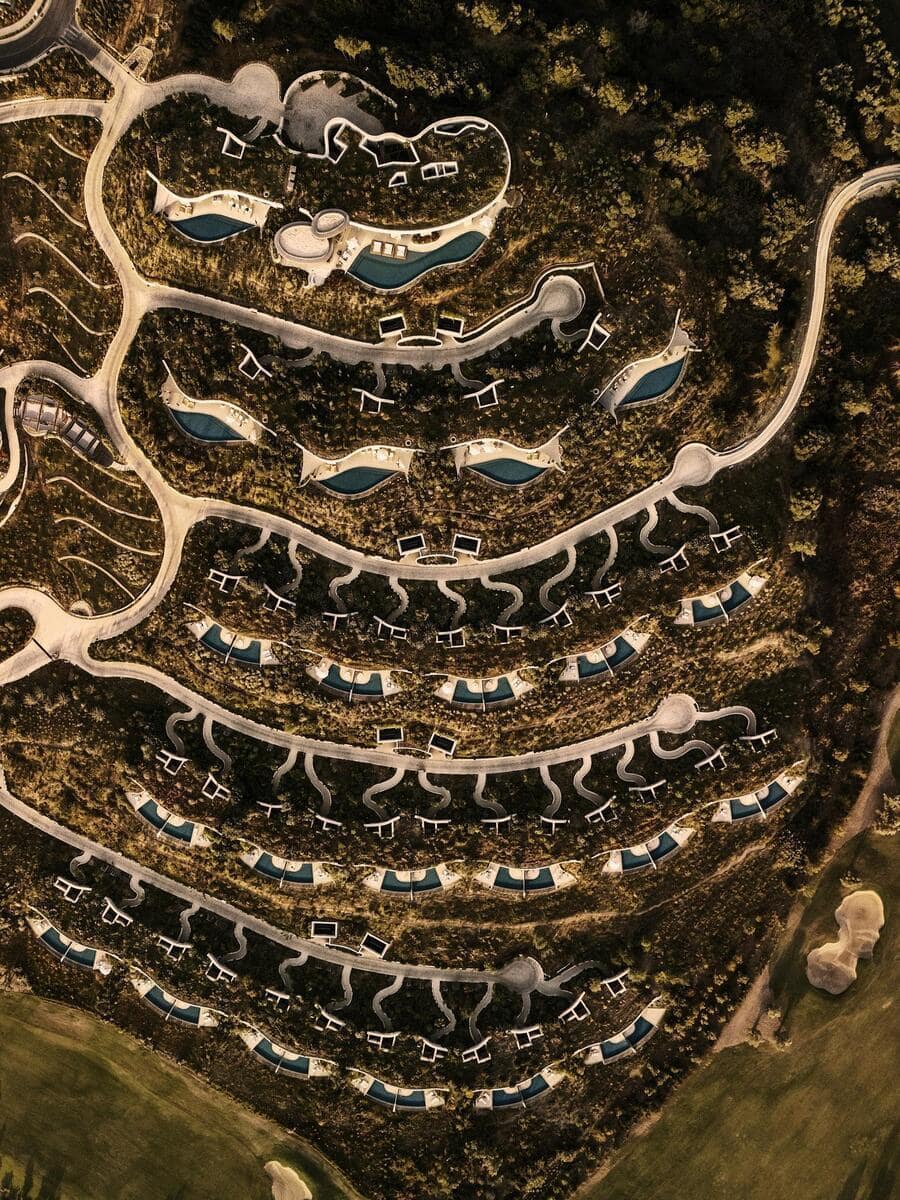
Photo credit: BREBA Claus Brechenmacher & Reiner Baumann
Operational flexibility also played a significant role in the project’s development. The clustered organization of rooms and villas allows portions of the resort to be activated or closed seasonally, improving efficiency and reducing energy consumption. Outdoor circulation routes further decrease the need for conditioned interior corridors, while covered terraces and sheltered courtyards help moderate temperature extremes and enhance comfort through passive means.
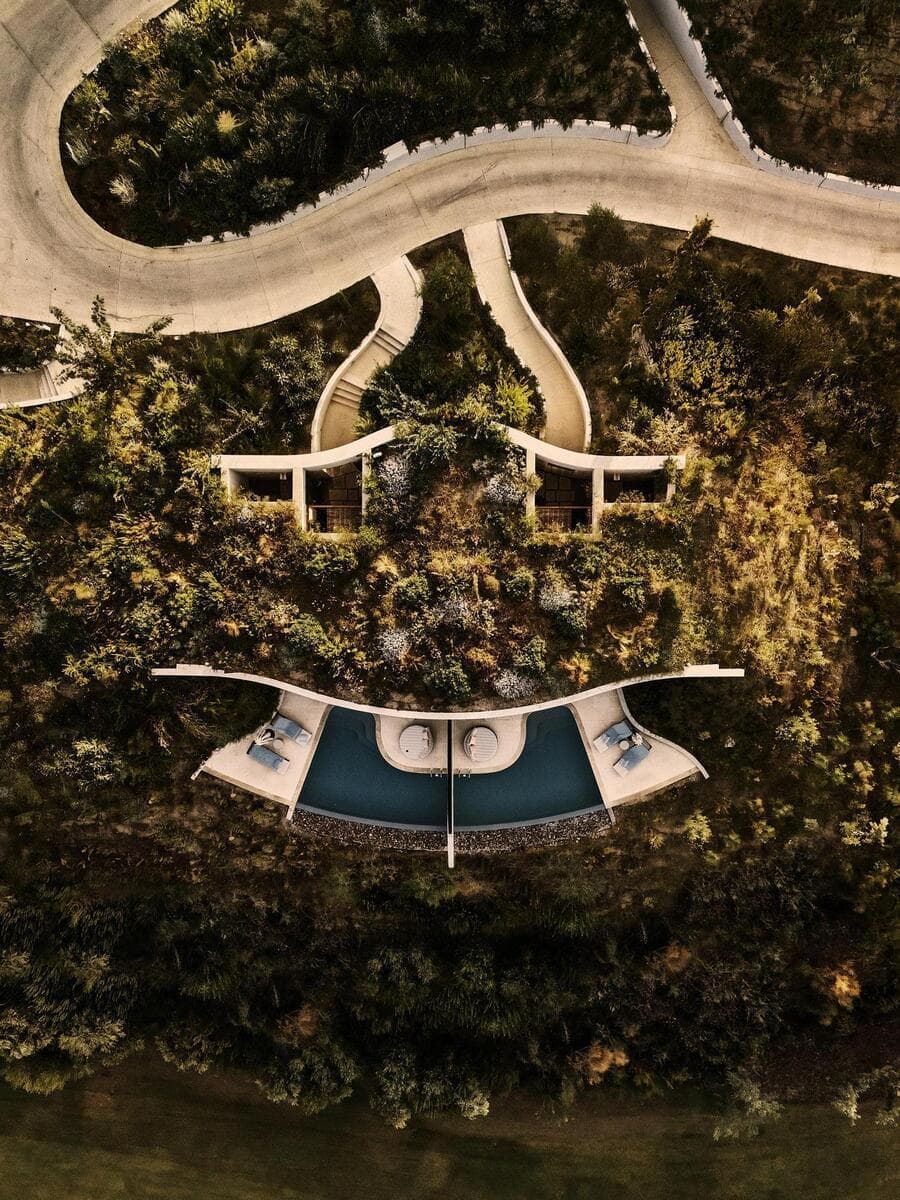
Photo credit: BREBA Claus Brechenmacher & Reiner Baumann
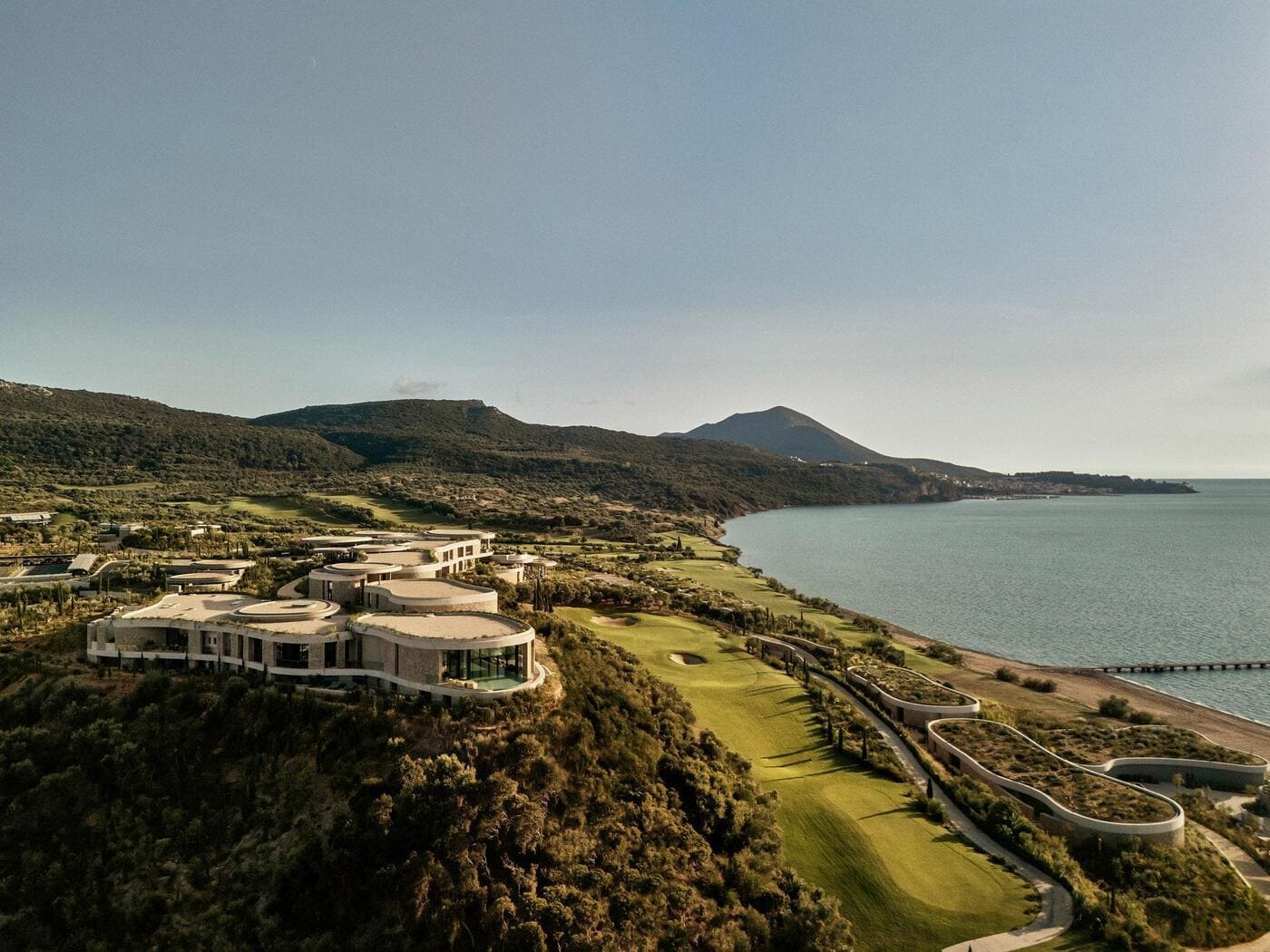
Photo credit: BREBA Claus Brechenmacher & Reiner Baumann
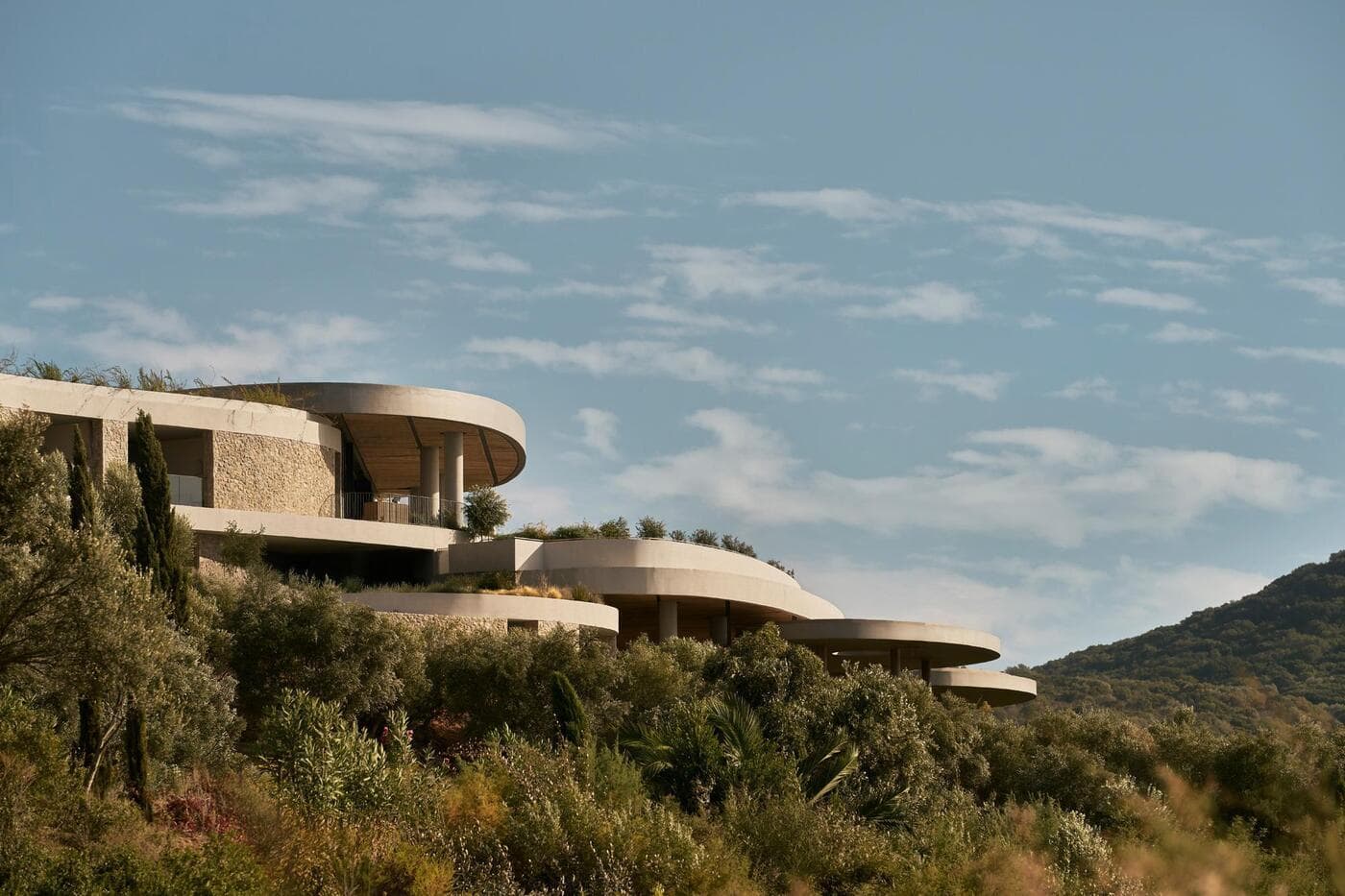
Photo credit: BREBA Claus Brechenmacher & Reiner Baumann
Rather than replicating historical architecture, the project seeks to reinterpret it. Traditional forms and settlement patterns are abstracted into a contemporary architectural language that respects local heritage without resorting to imitation. This strategy produces a distinctive hybrid typology that feels both modern and rooted in its setting.
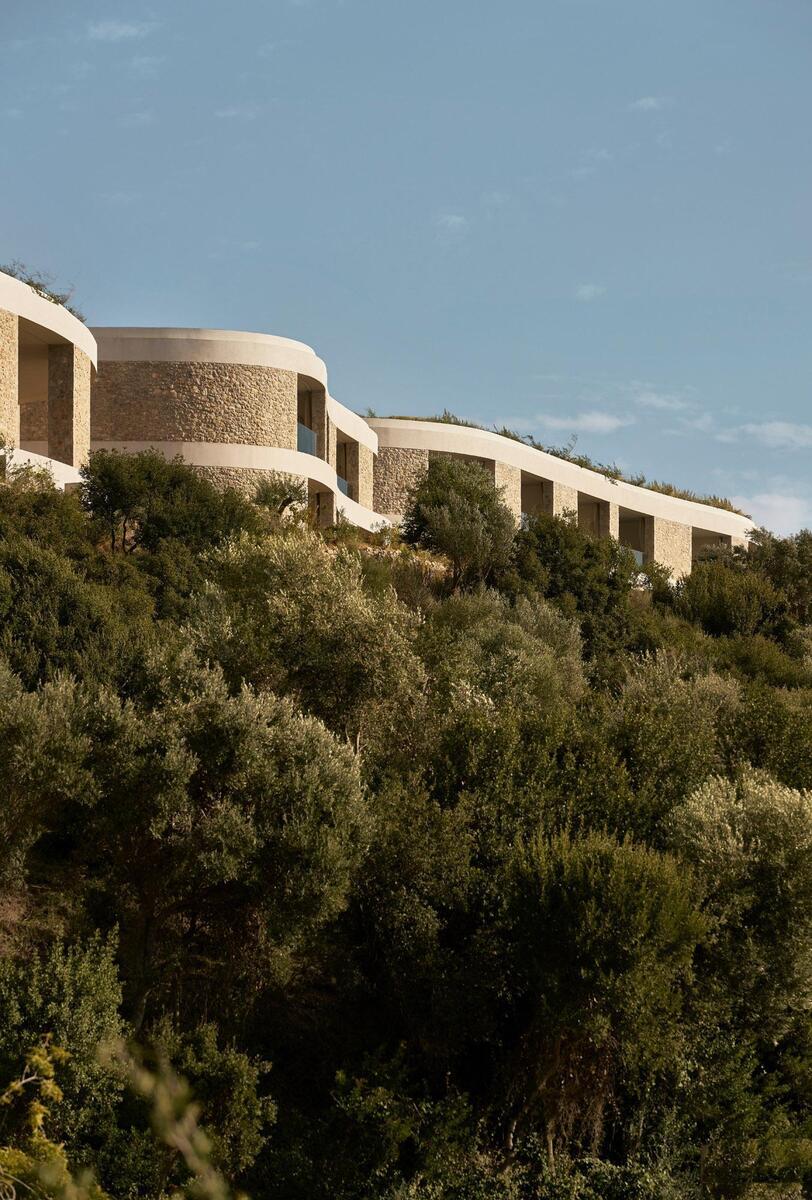
Photo credit: BREBA Claus Brechenmacher & Reiner Baumann
Sustainability informed the project at every scale. Passive environmental measures—including planted roofs, thermal mass and cross-ventilation—work alongside locally sourced materials, water-efficient landscaping and carefully controlled lighting systems to reduce environmental impact. Energy zoning strategies further support the resort’s long-term operational performance.
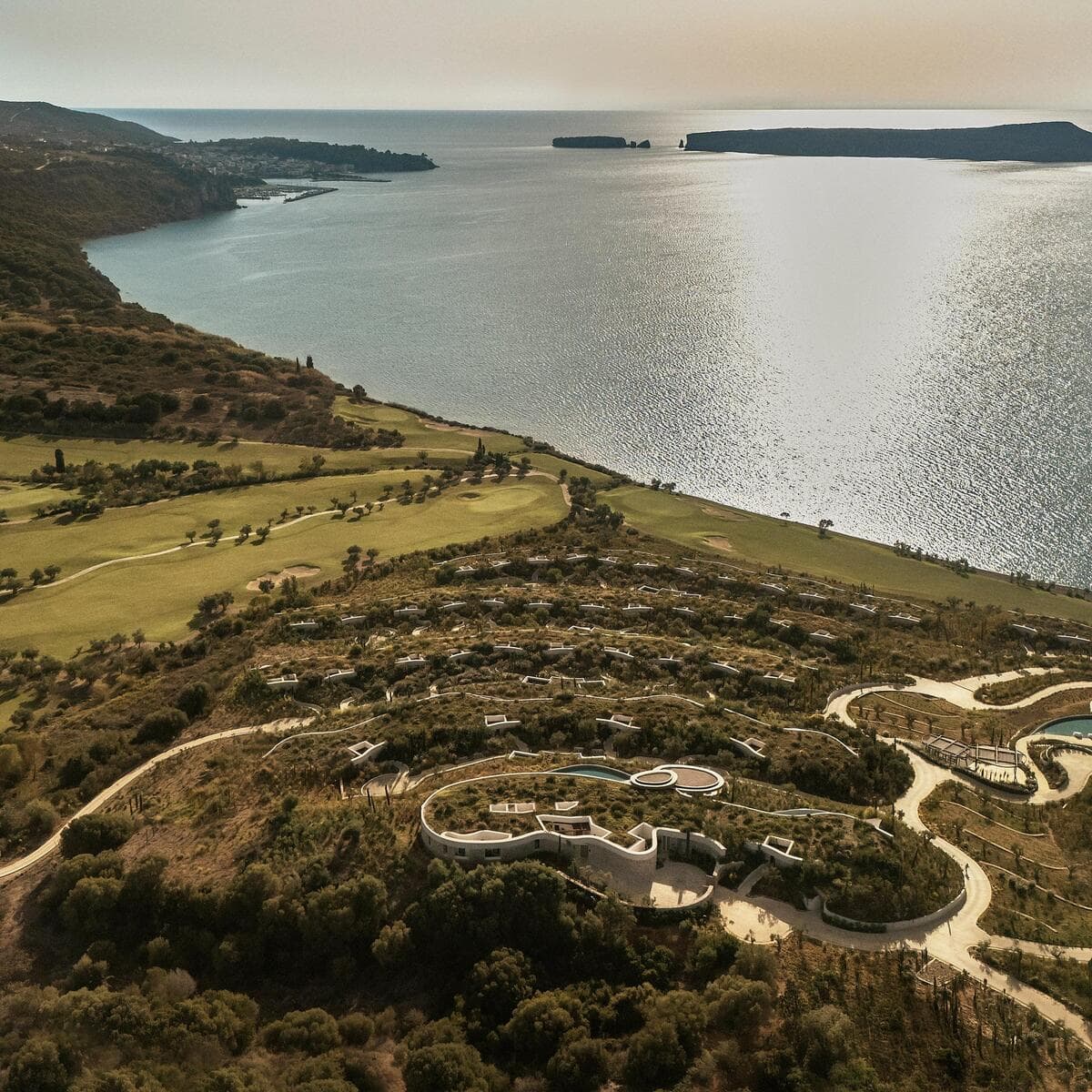
Photo credit: BREBA Claus Brechenmacher & Reiner Baumann
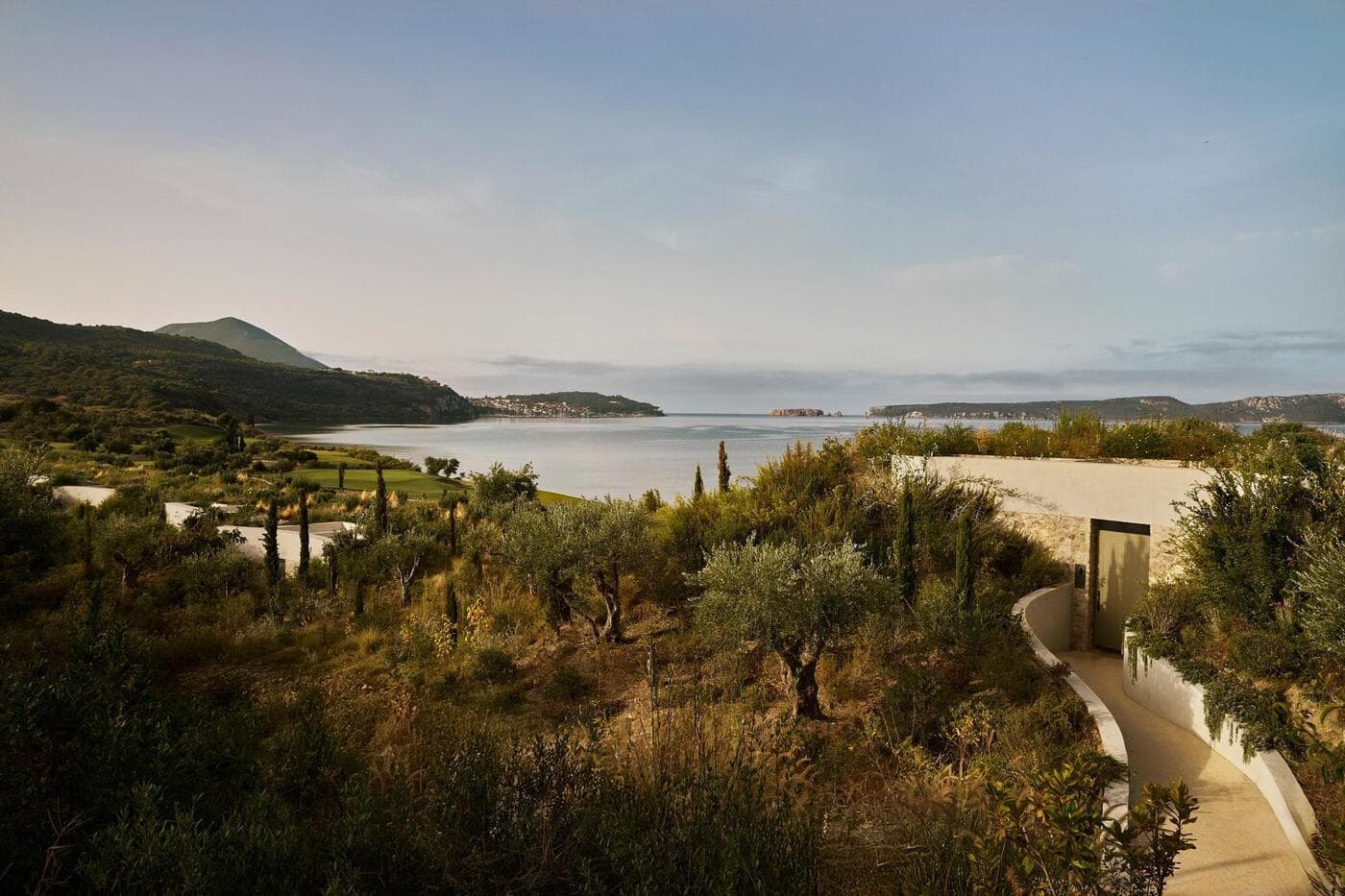
Photo credit: BREBA Claus Brechenmacher & Reiner Baumann
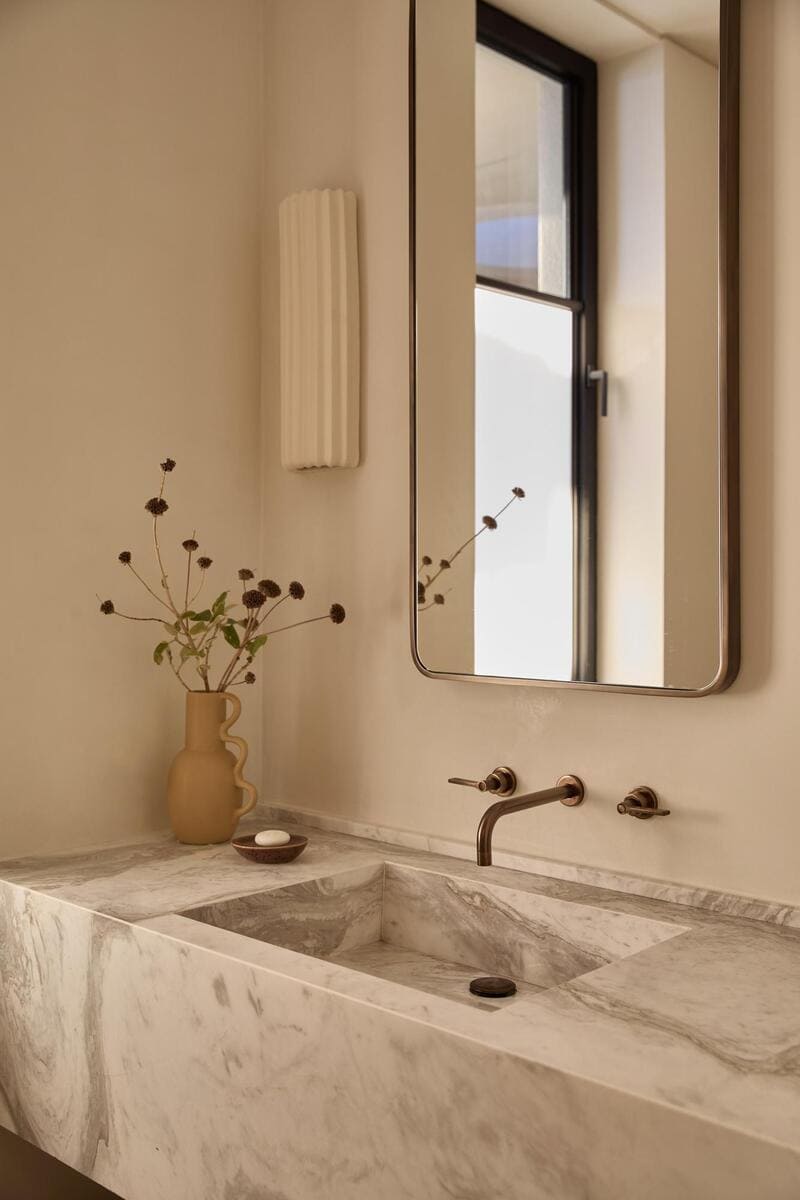
Photo credit: Helen Cathcart
By prioritizing relationships with land, climate and culture over visual excess, Mandarin Oriental, Costa Navarino presents an alternative vision for luxury resort development. The project illustrates how high-end hospitality can be simultaneously international and local, luxurious and environmentally responsible, offering a model for destination resorts that seek lasting connections with their surroundings rather than merely occupying them.
-

- Photo credit: BREBA Claus Brechenmacher & Reiner Baumann
-
- Photo credit: BREBA Claus Brechenmacher & Reiner Baumann
-
- Photo credit: BREBA Claus Brechenmacher & Reiner Baumann
-
- Photo credit: BREBA Claus Brechenmacher & Reiner Baumann
-
- Photo credit: BREBA Claus Brechenmacher & Reiner Baumann
-
- Photo credit: Helen Cathcart
Alexandros N. Tombazis & Associates Architects
Alexandros N. Tombazis & Associates Architects was founded in 1963. Over the years the studio has designed buildings of almost any type and scale. Based in Athens, the studio has undertaken commissions which have been constructed in Portugal, the Netherlands, Bulgaria, Romania, Ukraine, Cyprus, Abu Dhabi, Oman and China.
In the late 1970s Tombazis Associates introduced bioclimatic design in Greece at a time when the term was still widely unknown and became renowned for their holistic and context-sensitive approach, integrating architecture with energy-conscious and sustainable design principles. Paraphrasing Mies van der Rohe, their motto is ‘less is beautiful’ – less meaning a creative and responsible judgement of what is necessary in each case.
K‑Studio
K‑Studio is a design practice based in Athens, Greece for over 20 years. Founded by brothers Dimitris and Konstantinos Karampatakis, the studio comprises a multidisciplinary team working across hospitality, residential and the public realm. The practice is grounded in a considered, curious approach to its projects that produces immersive designs that are rooted in heritage and context, creating spaces that are built to last.