English
 日本語
日本語

Reinterpreting through Sculpted Precast Concrete
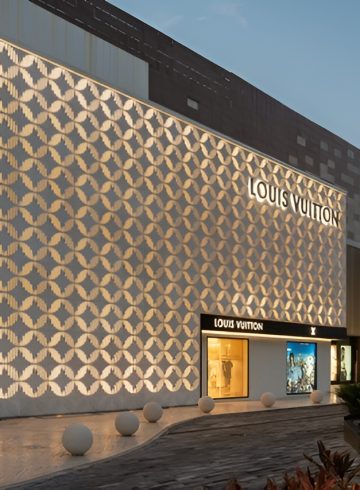
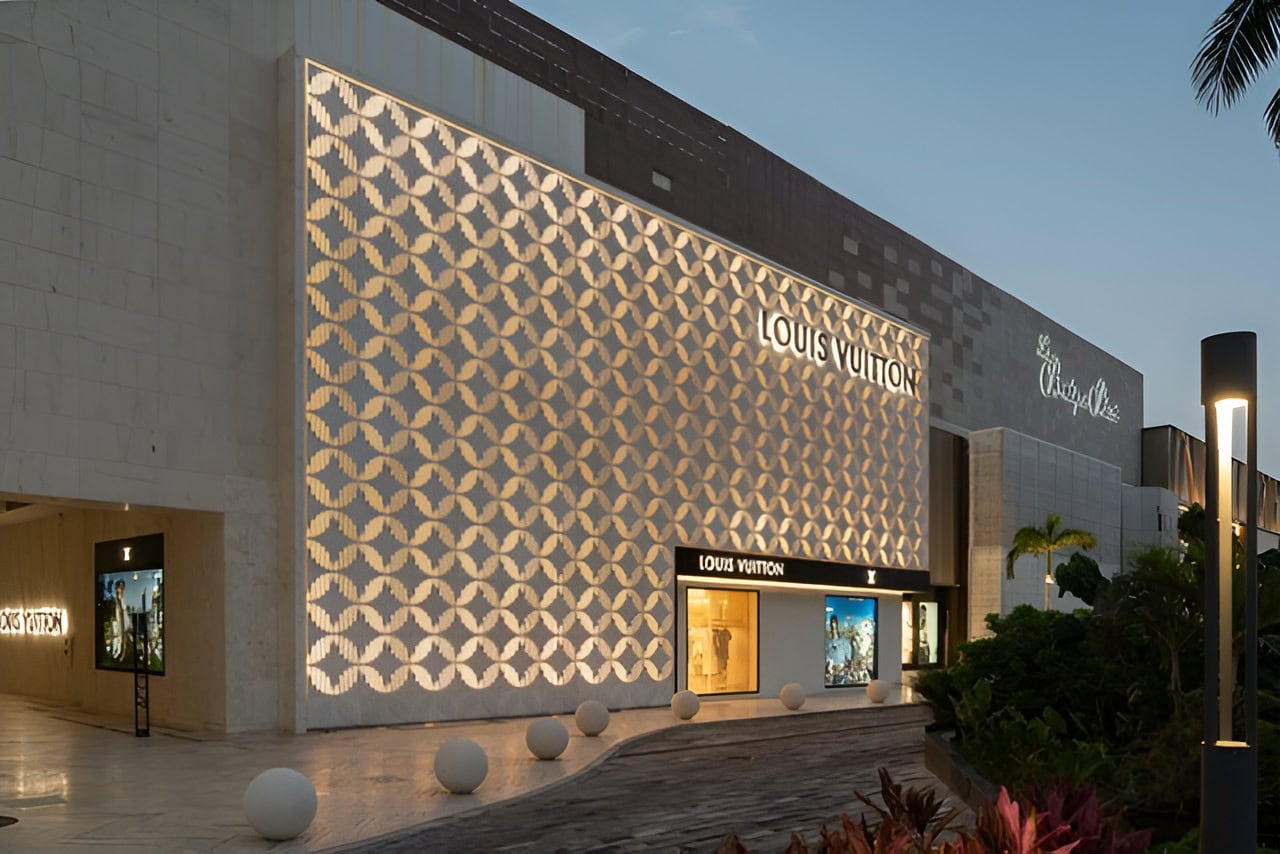
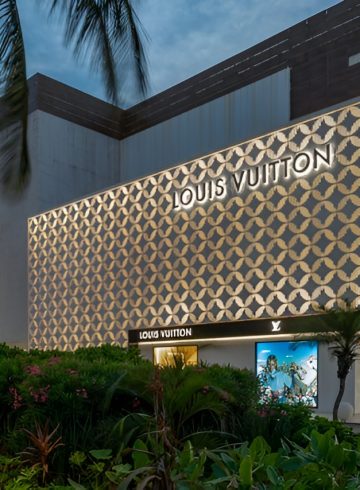
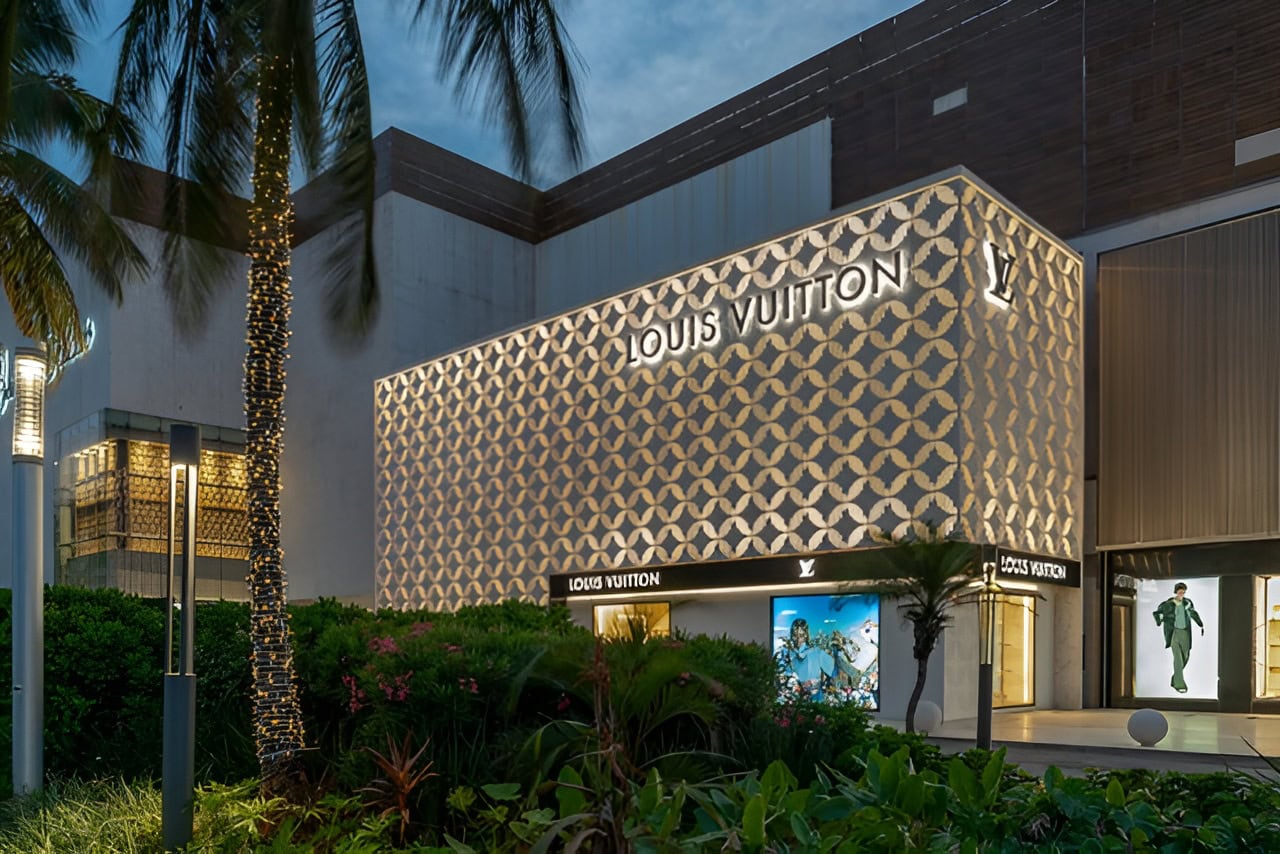
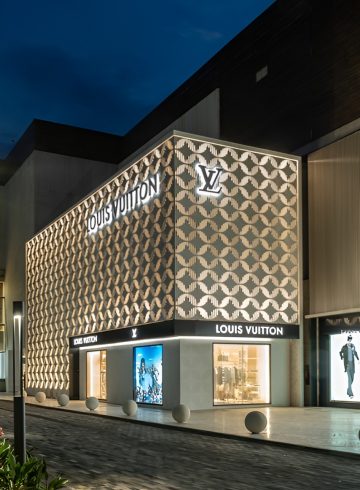
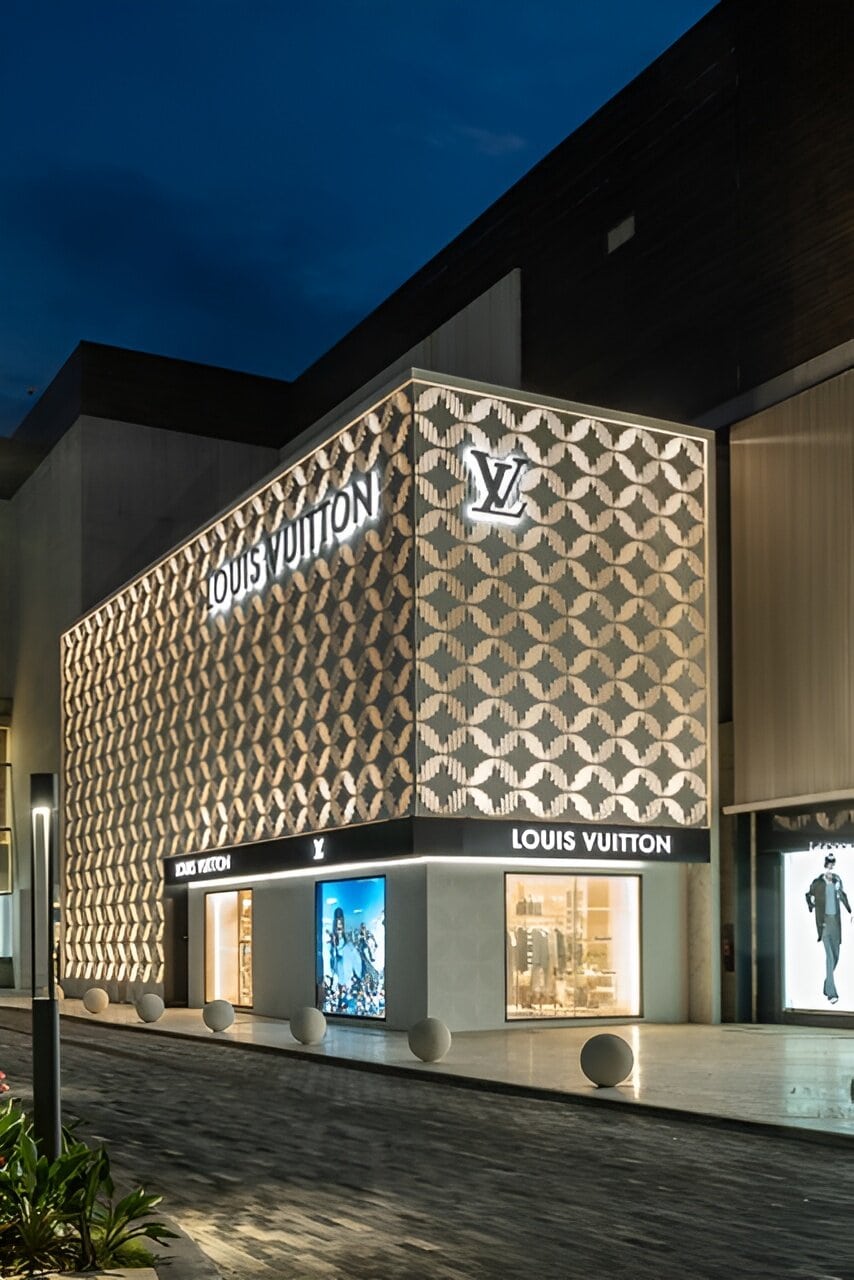
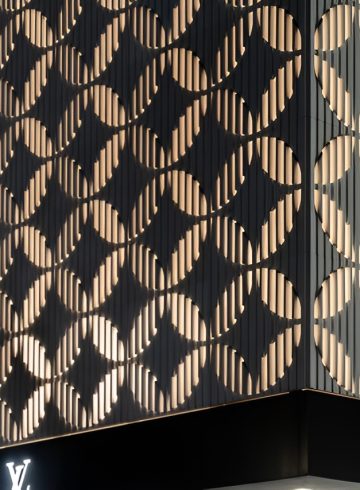
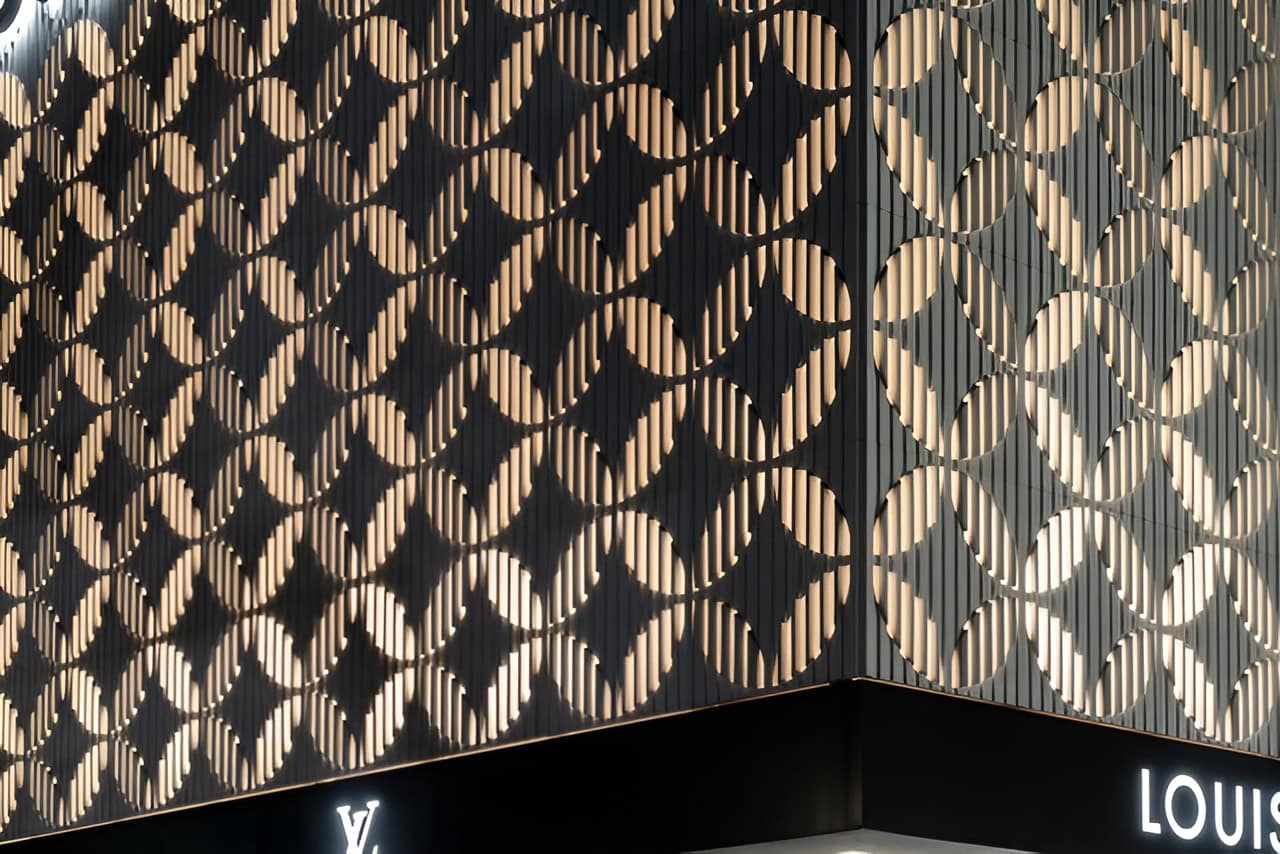
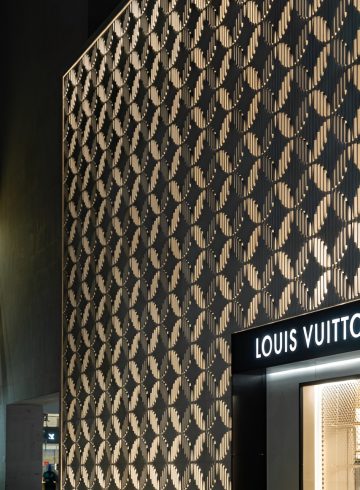
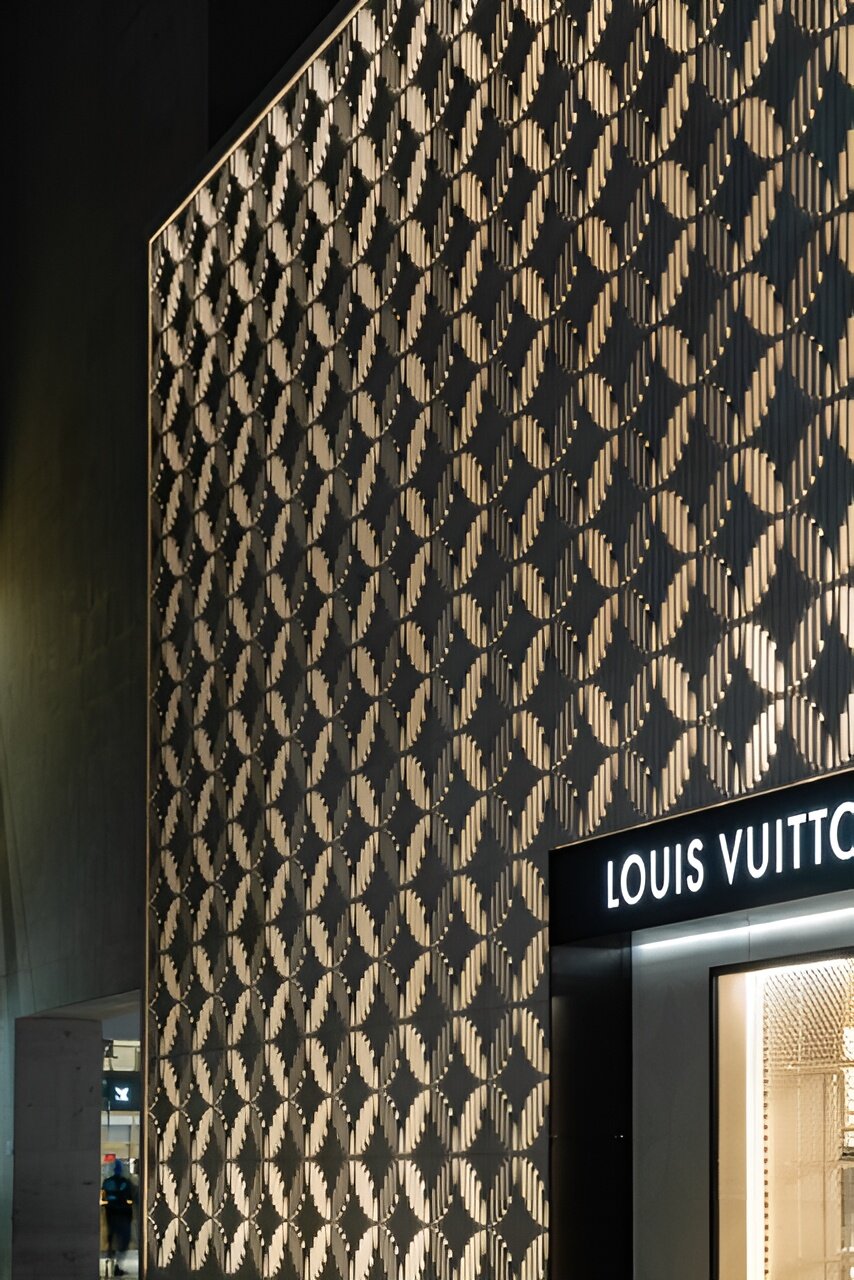
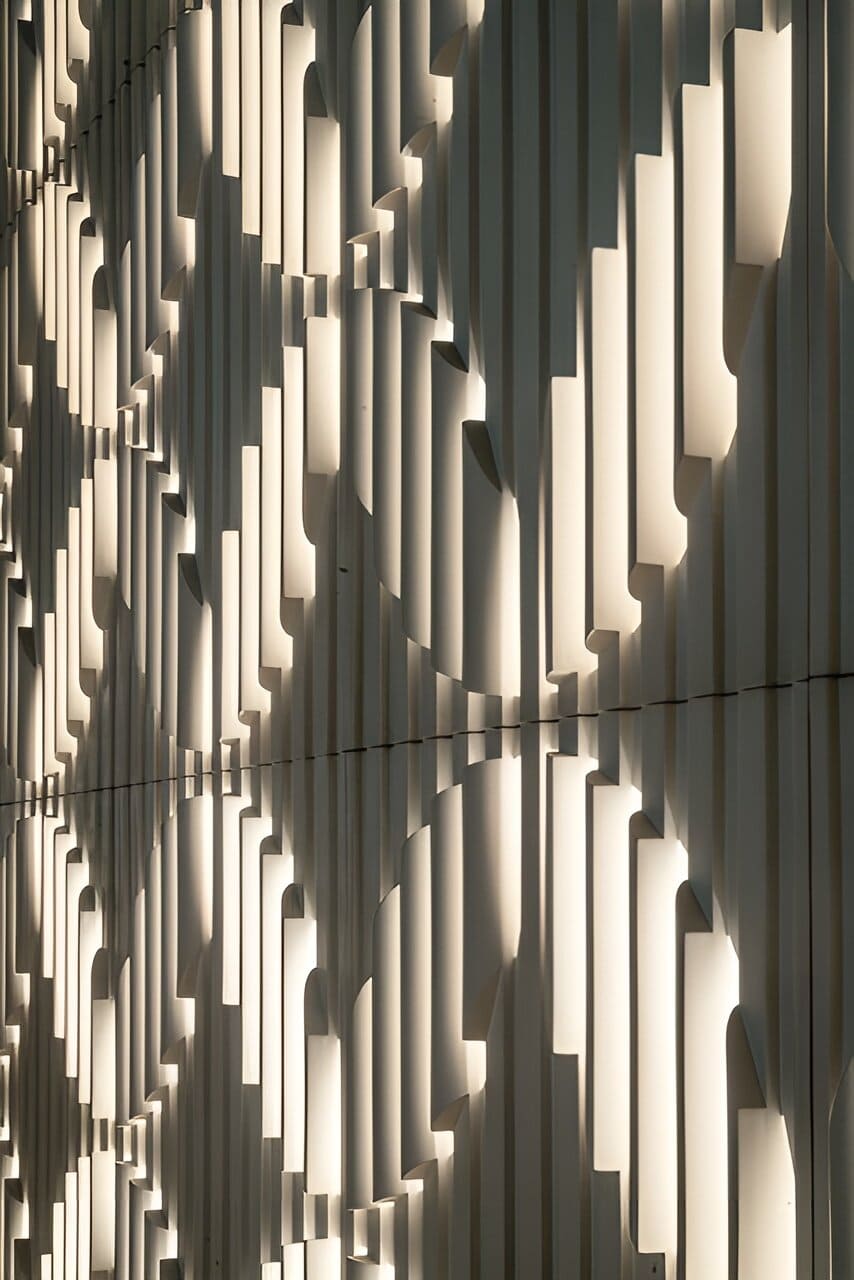
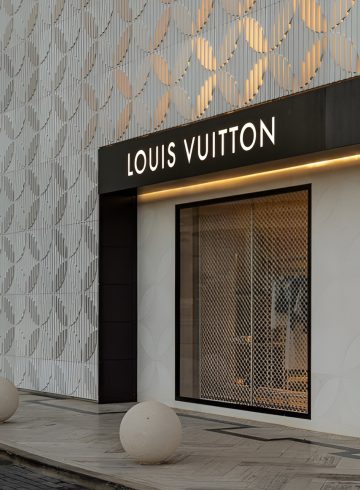
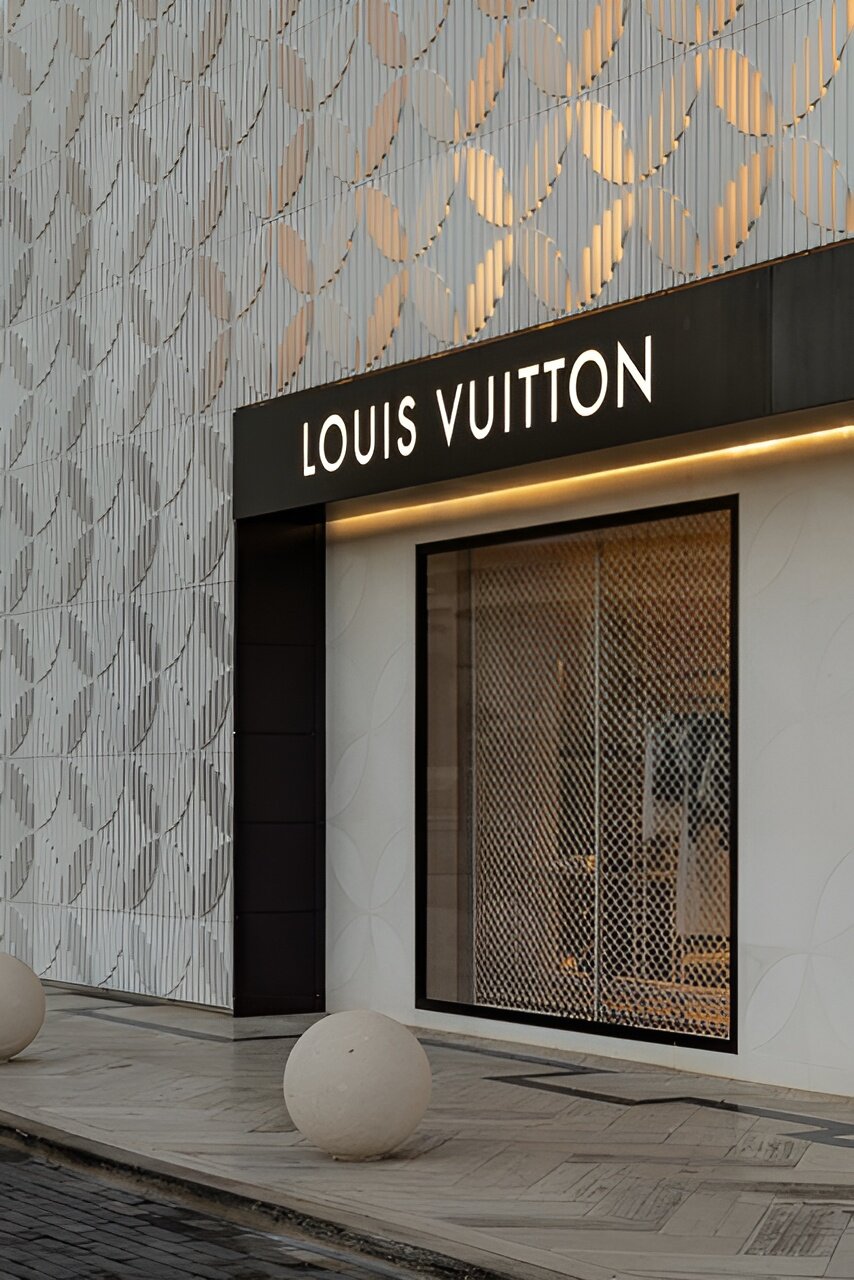
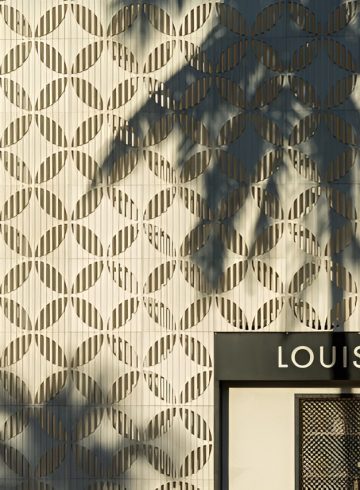
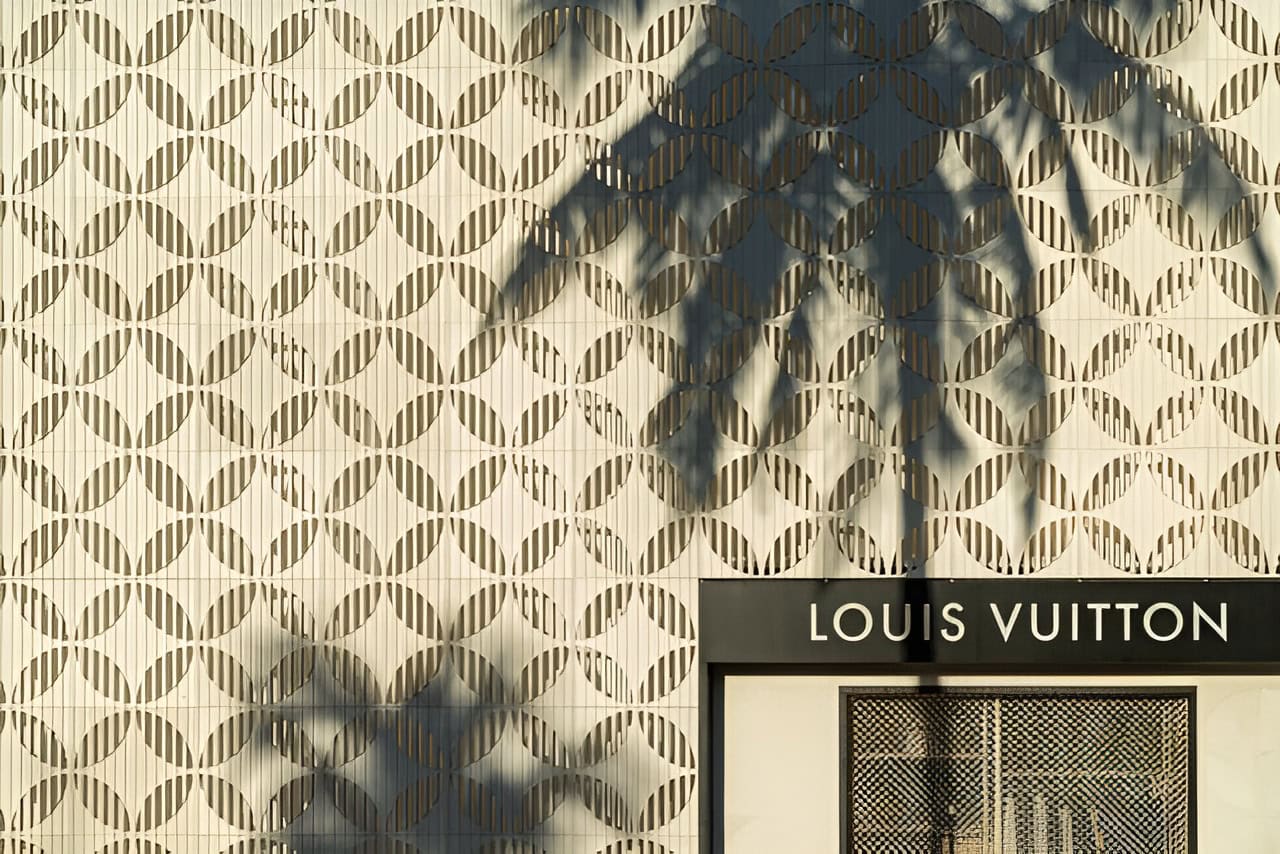
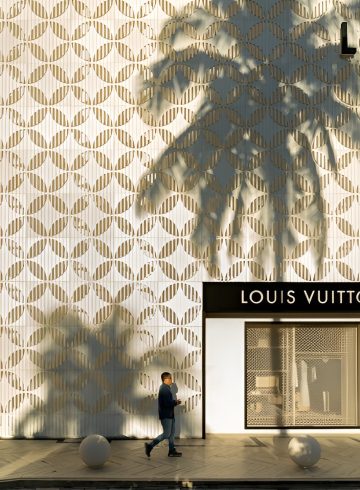
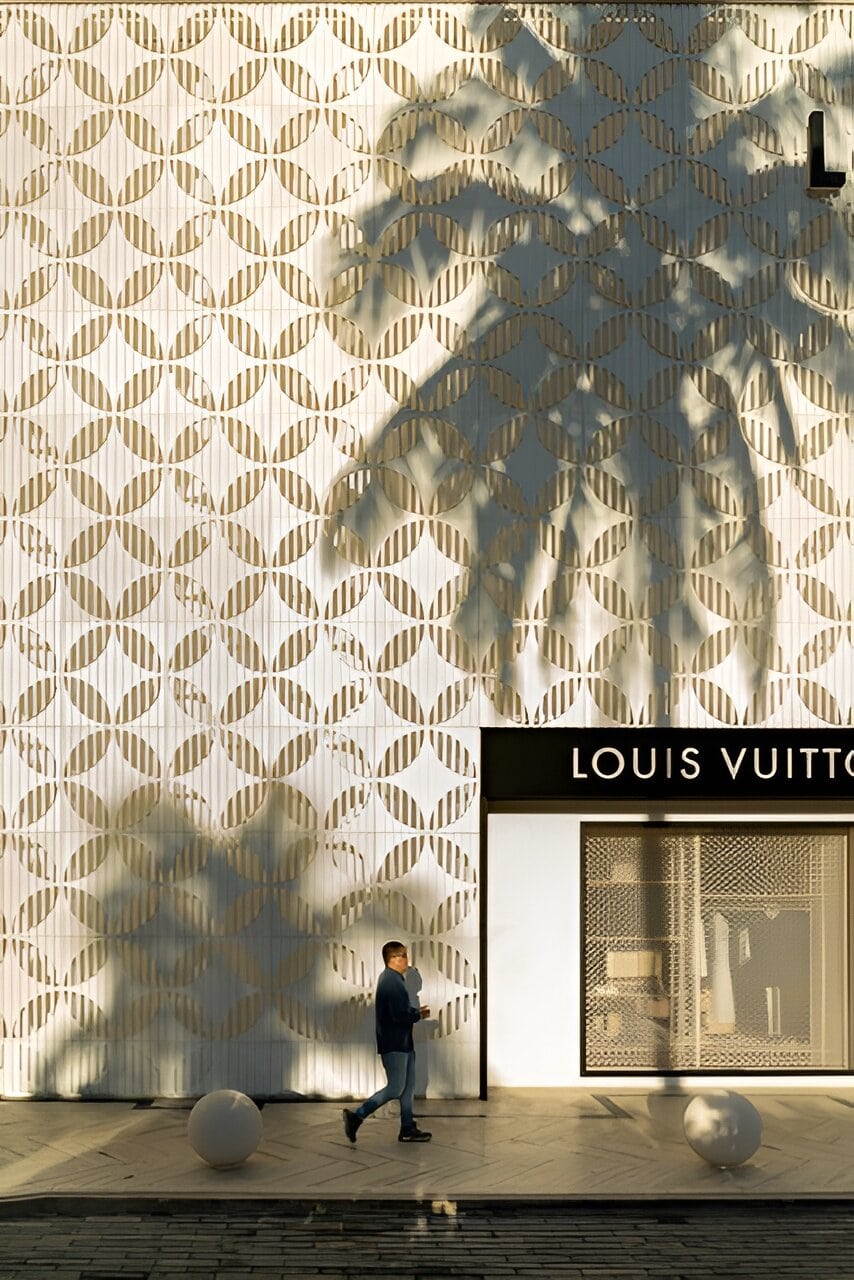
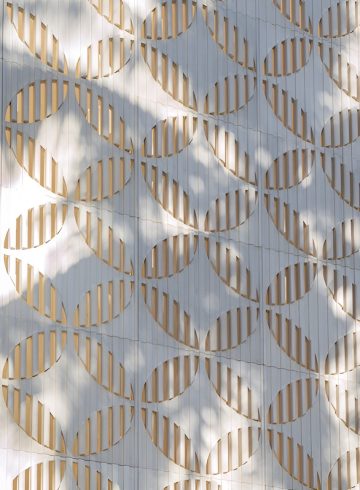
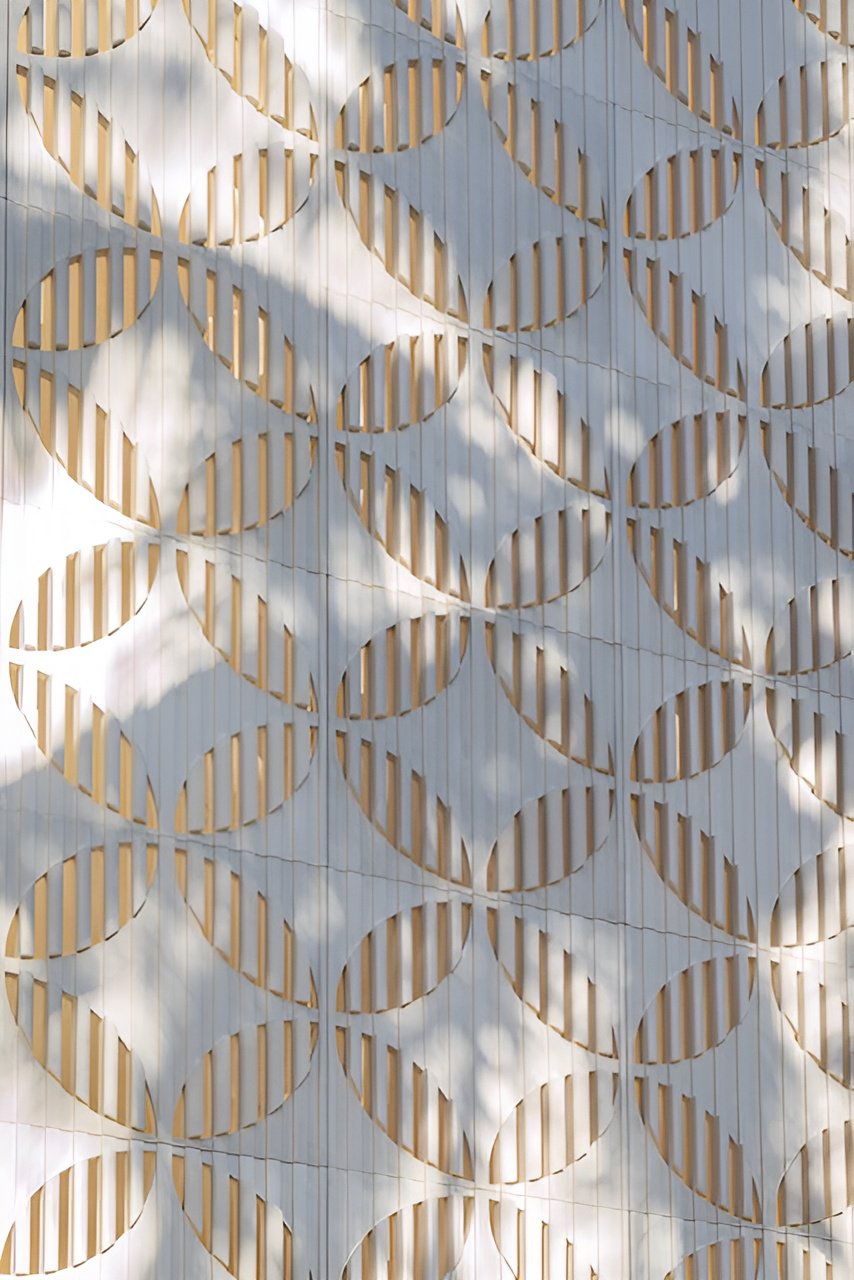
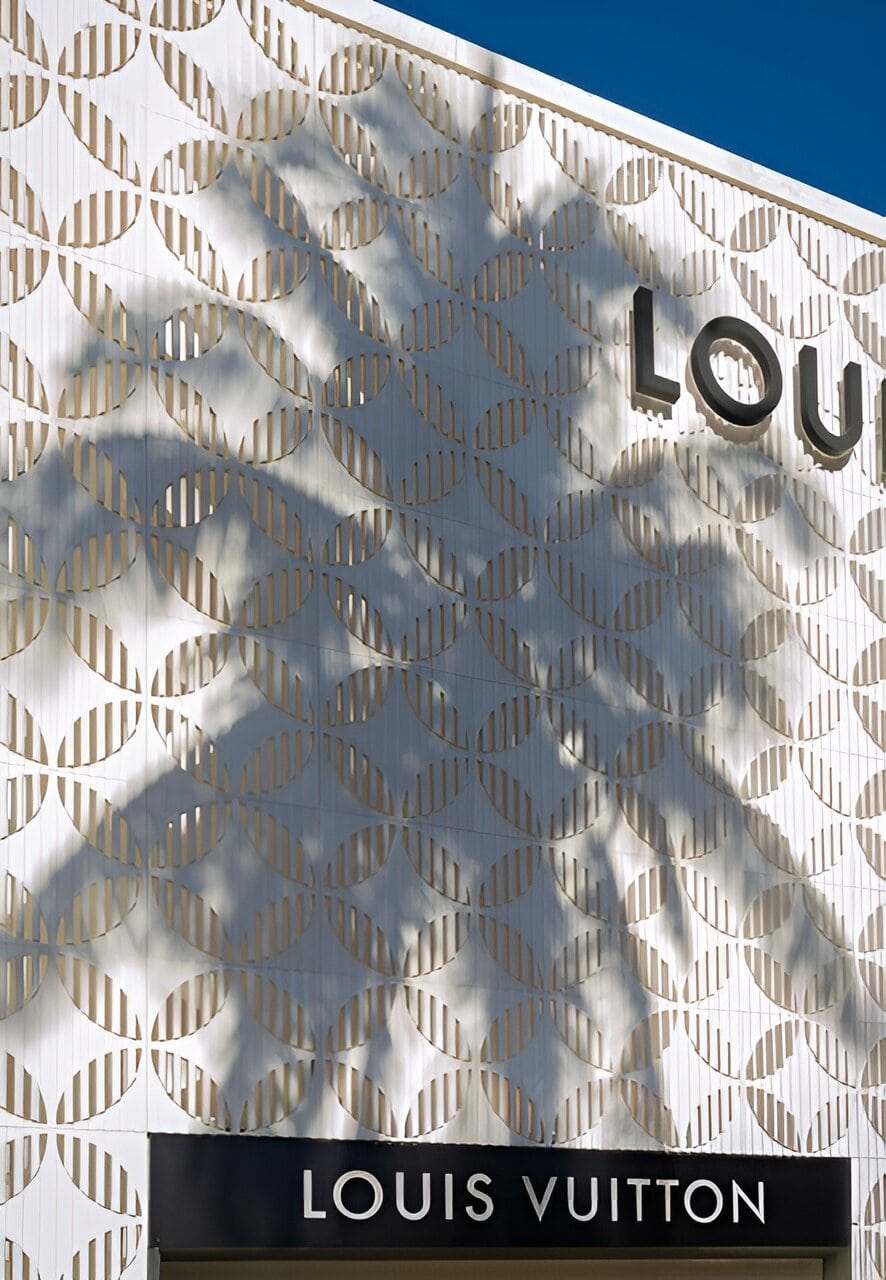
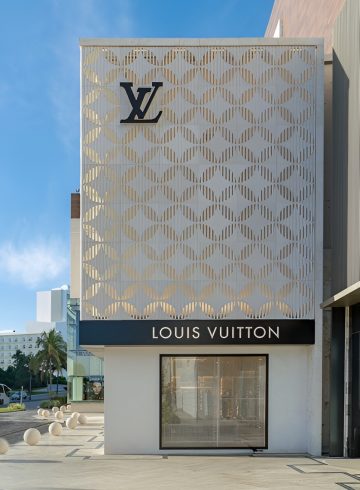
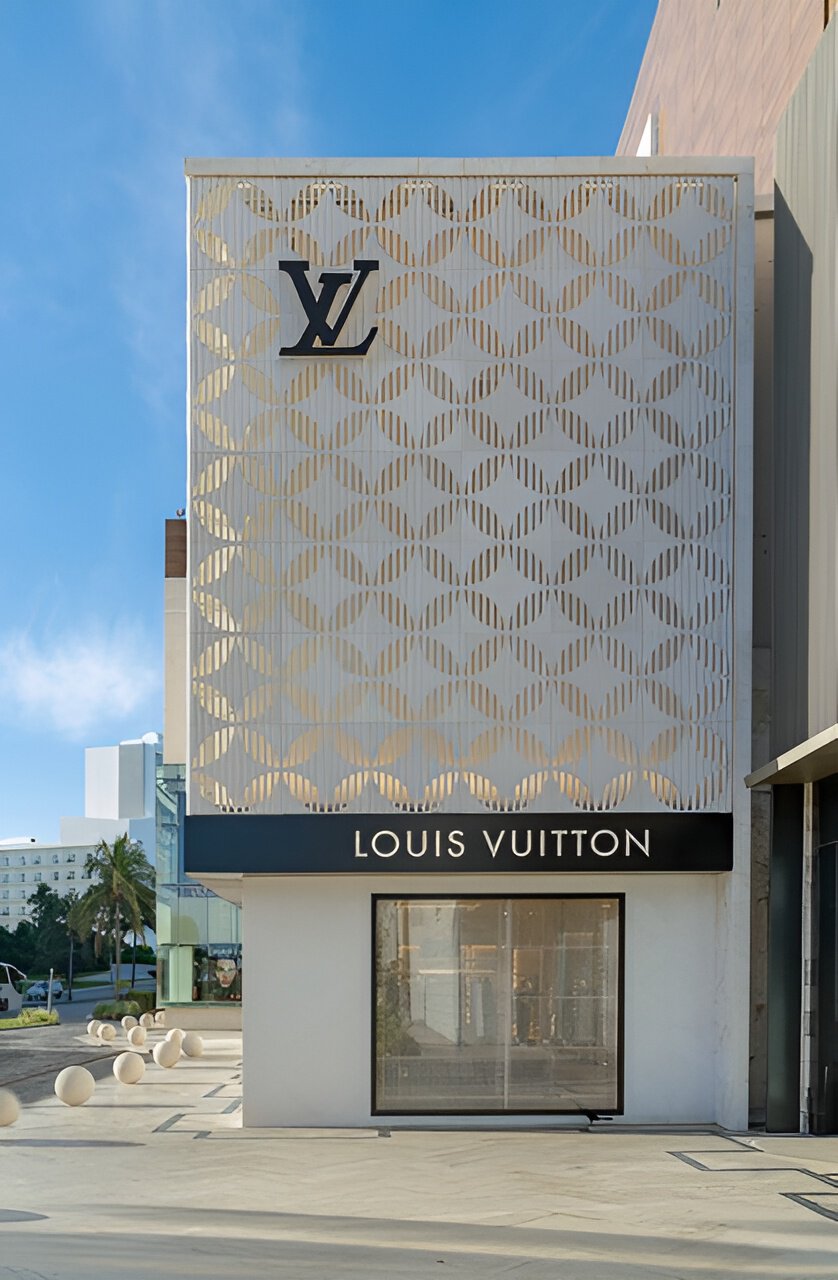
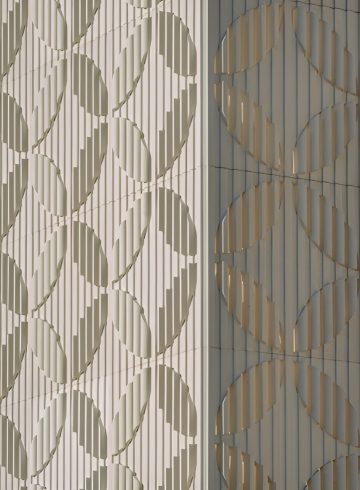
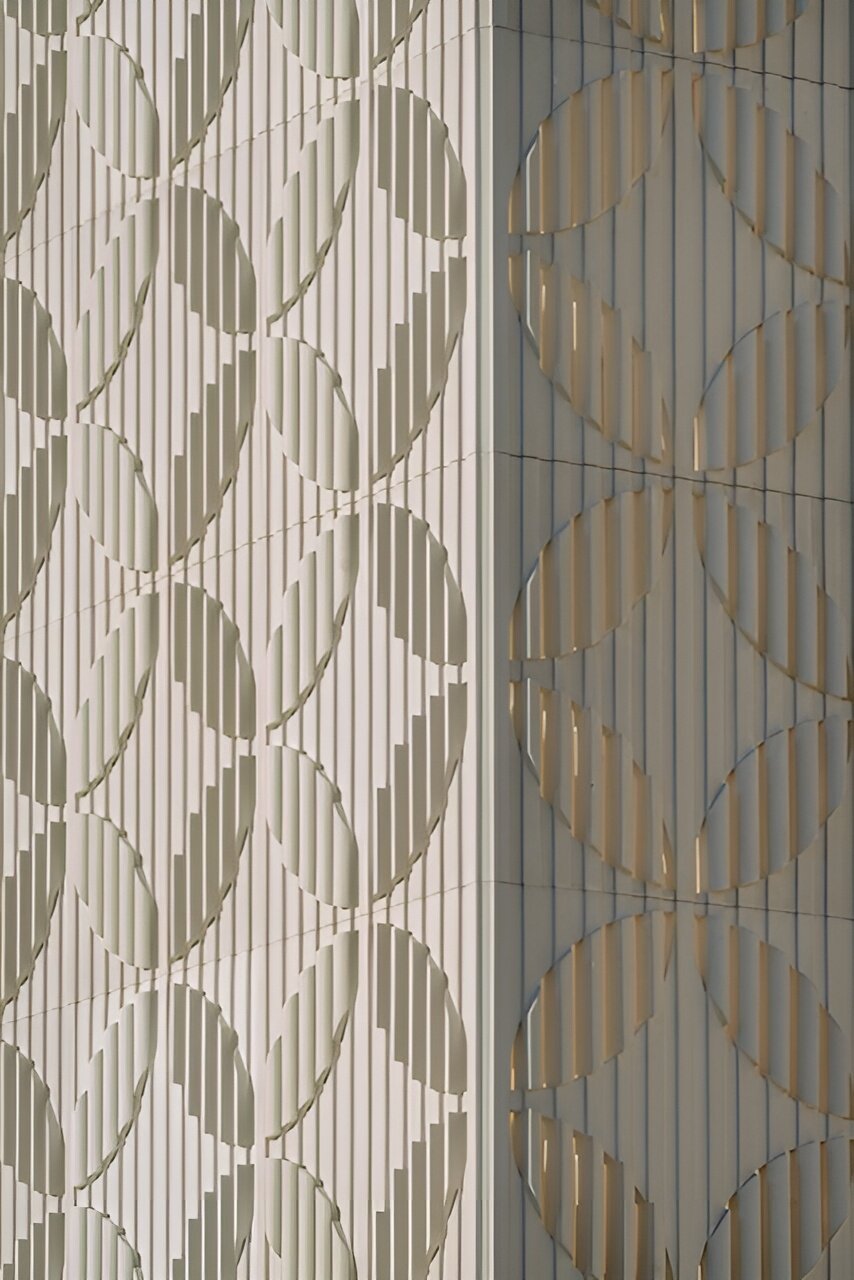
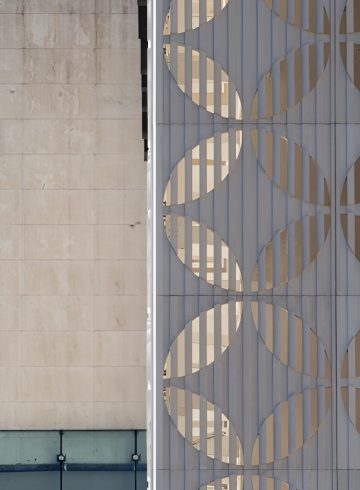
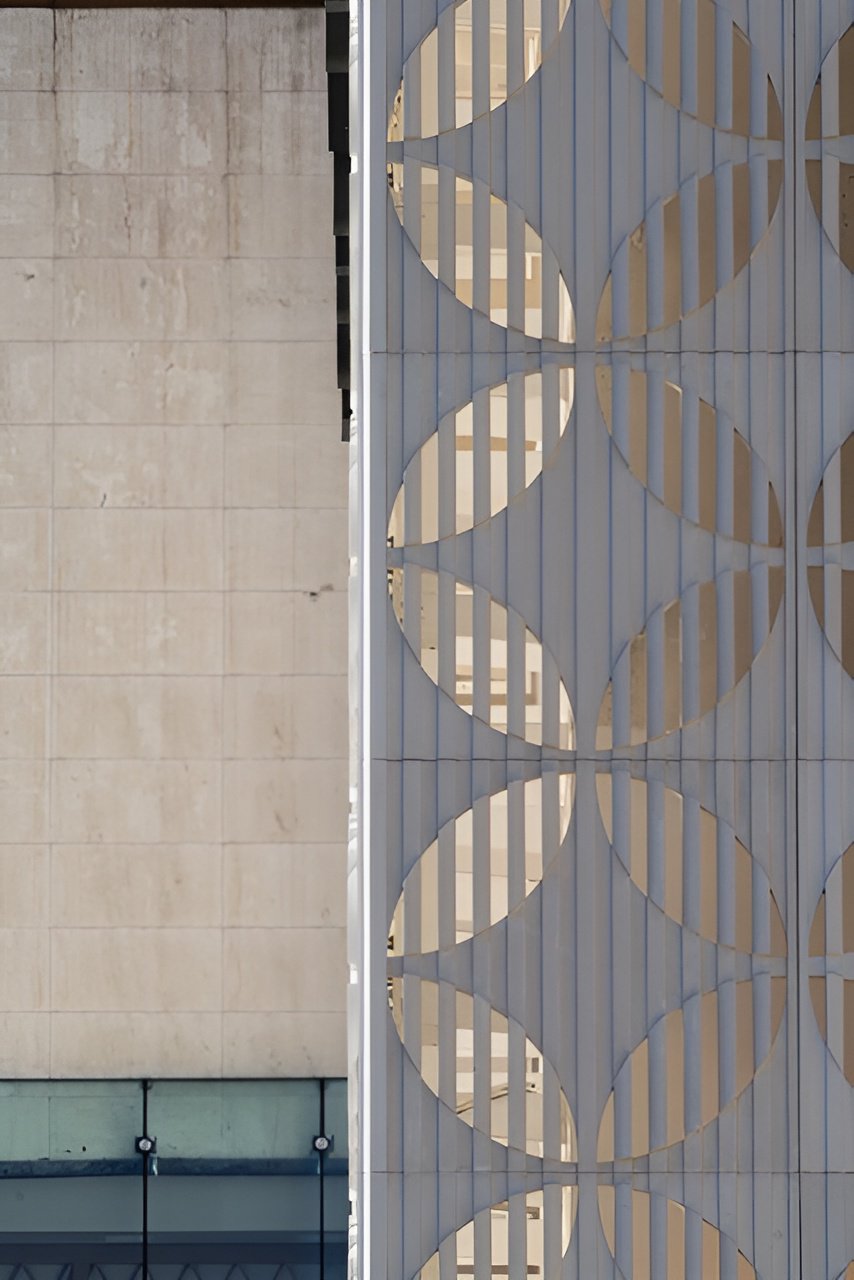
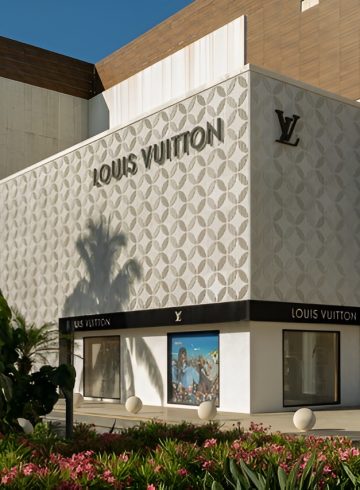
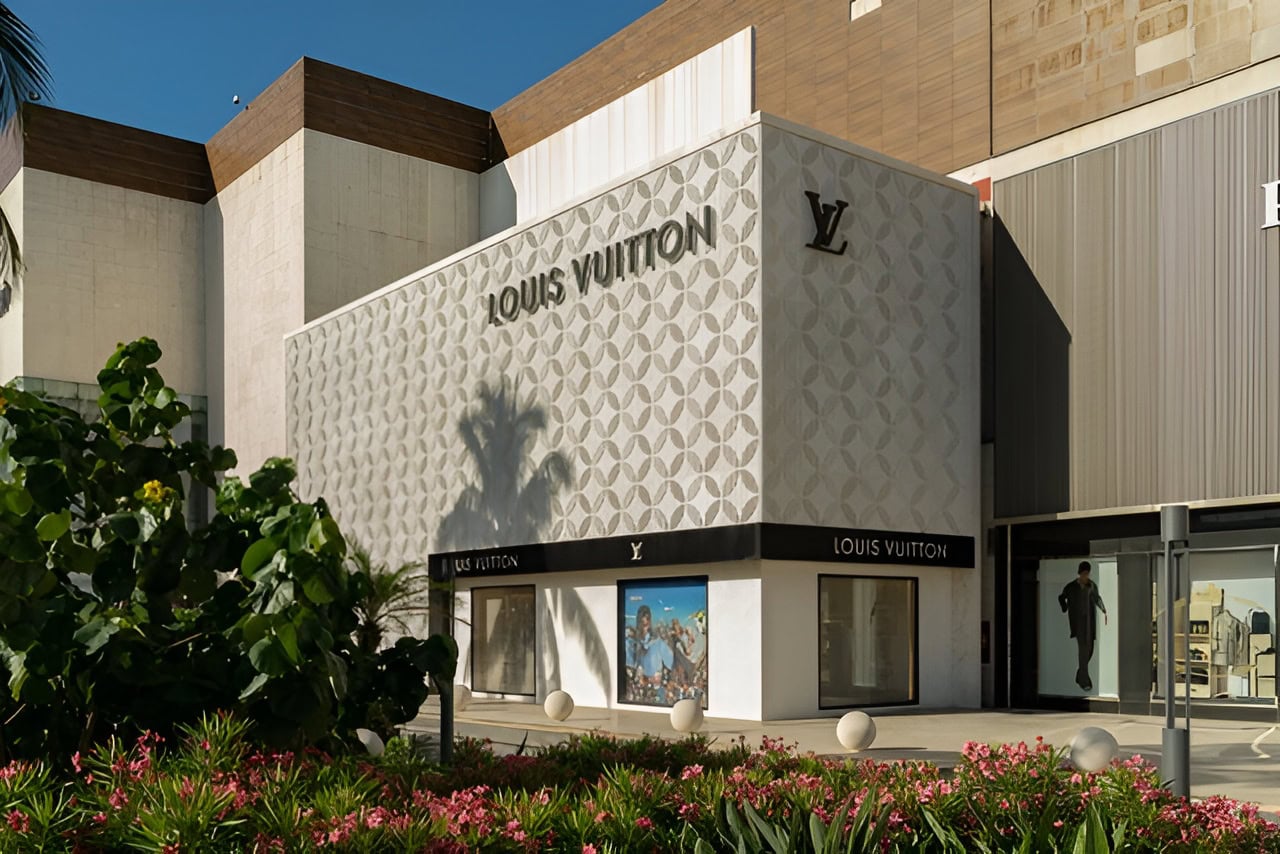
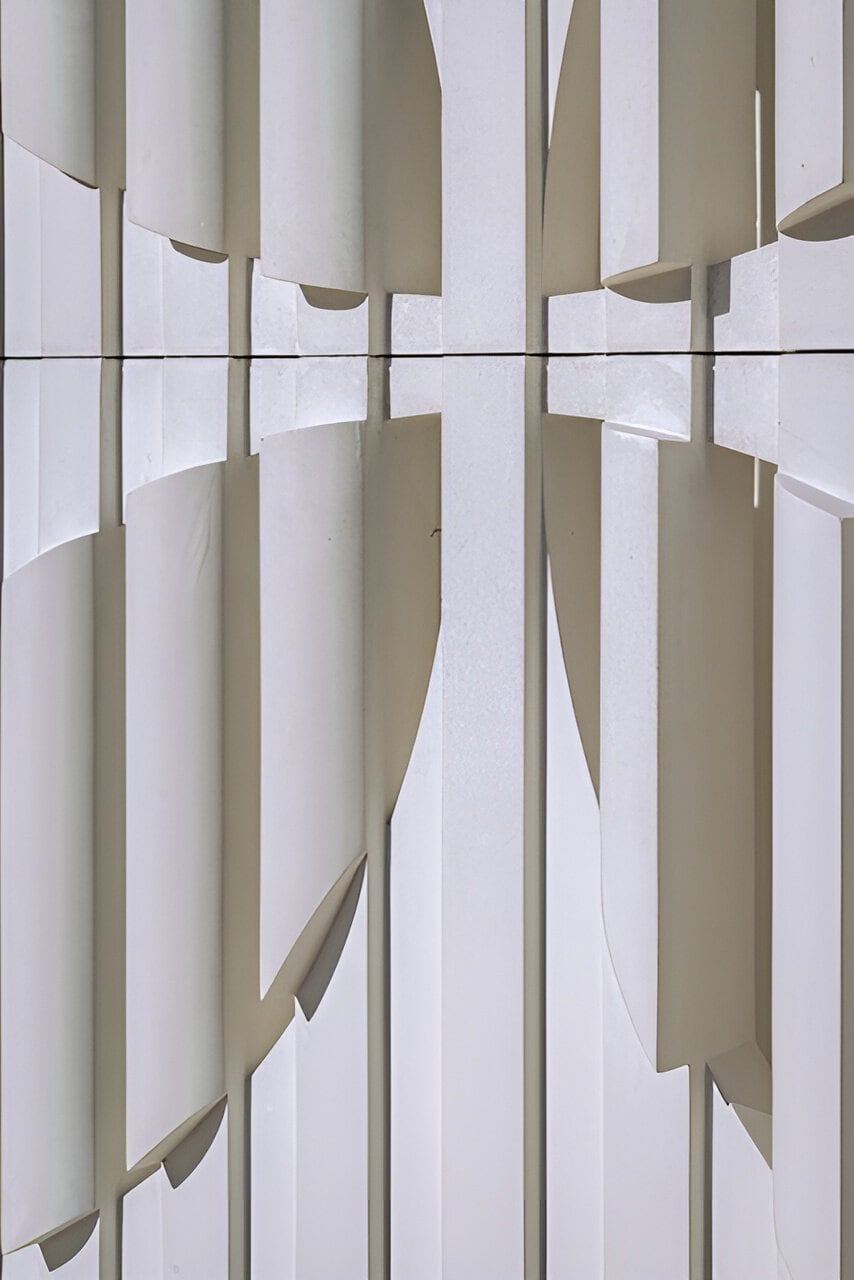
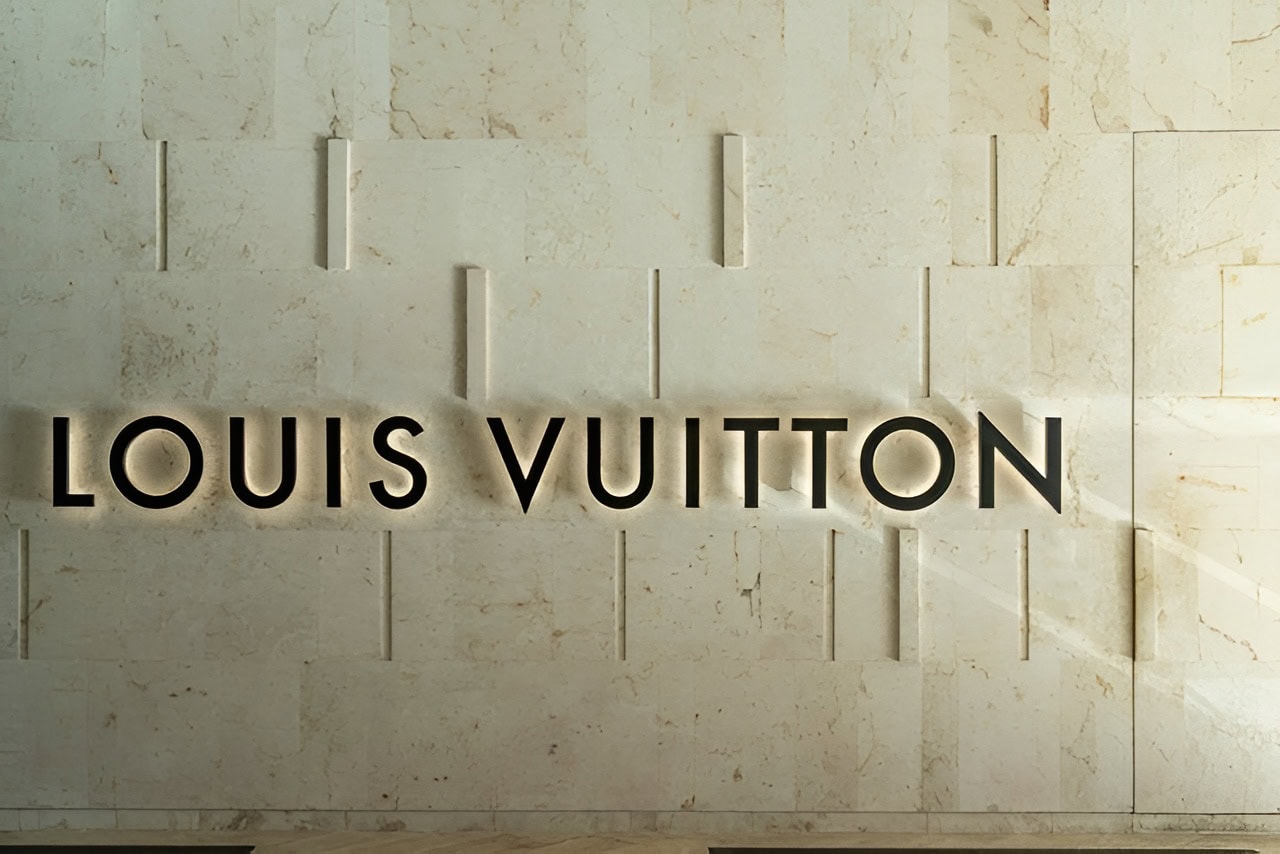
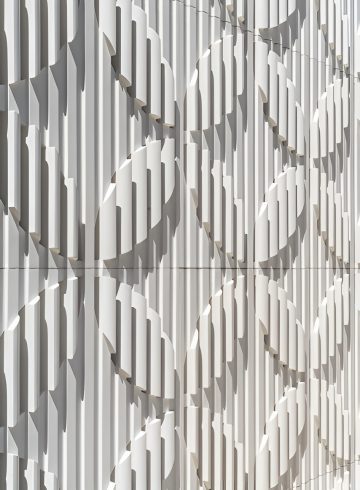
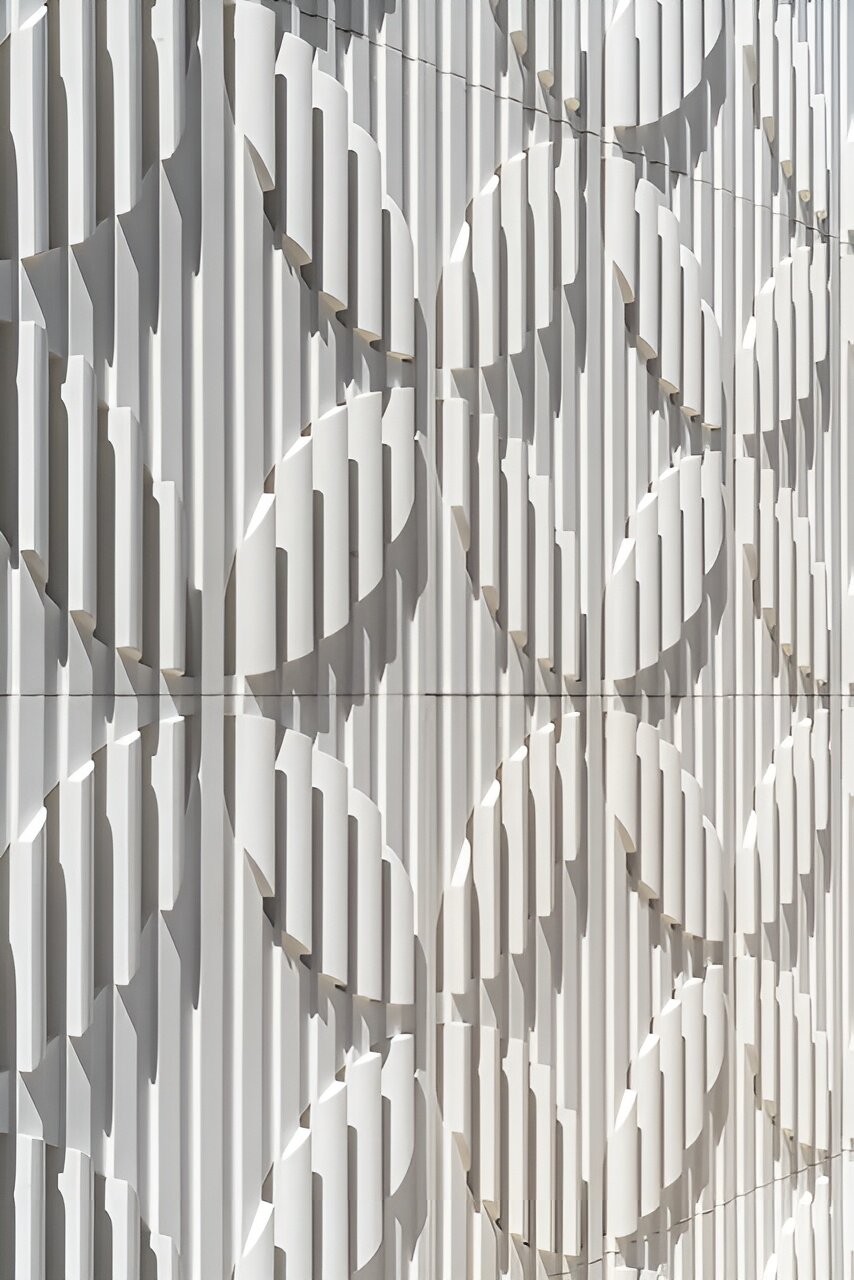
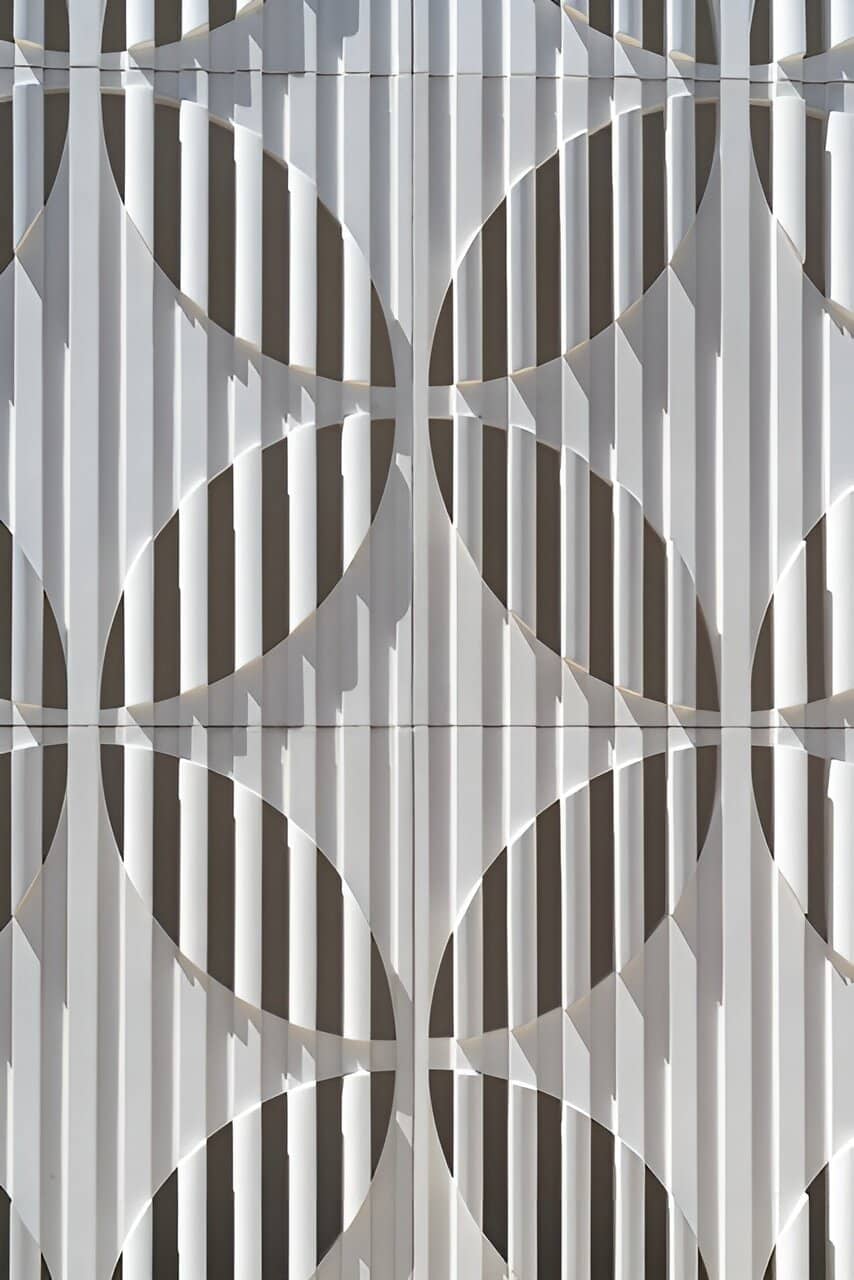
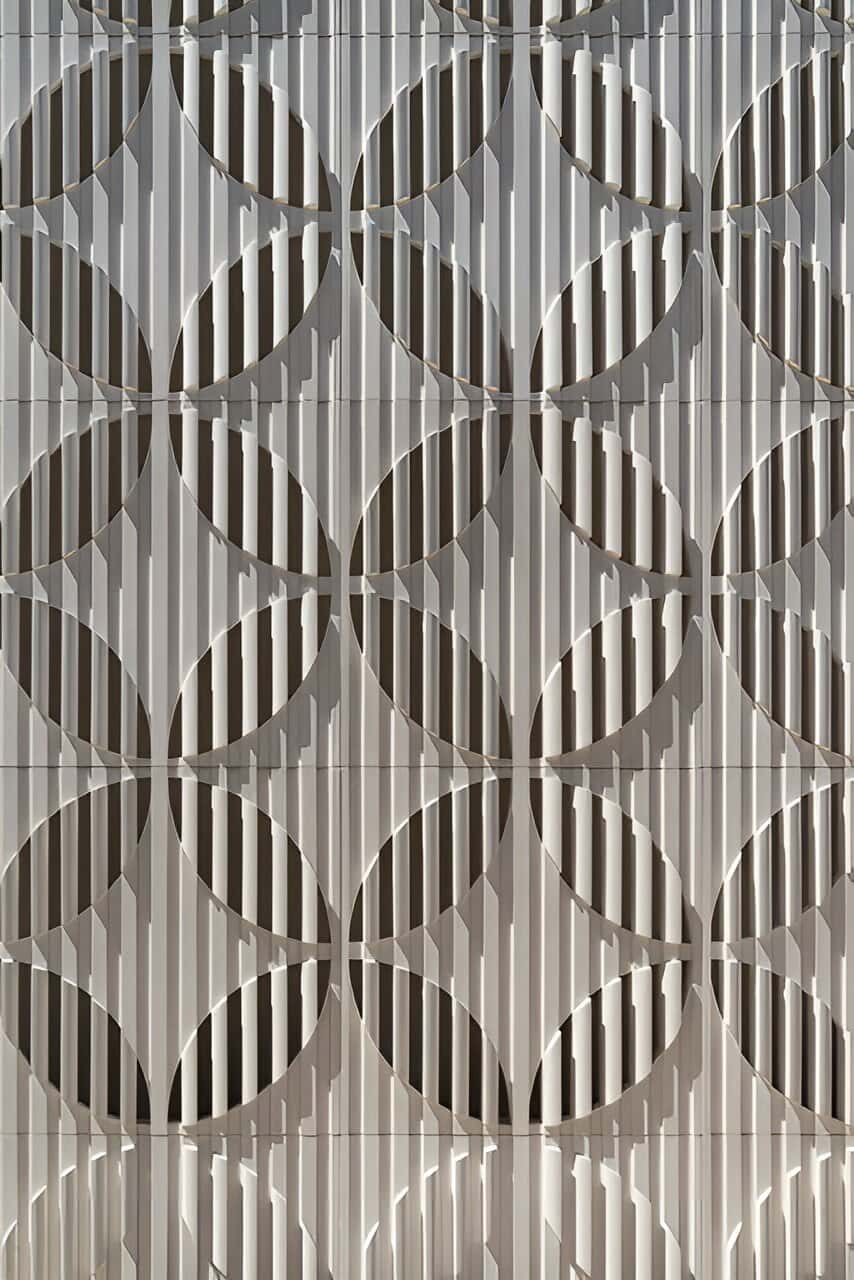
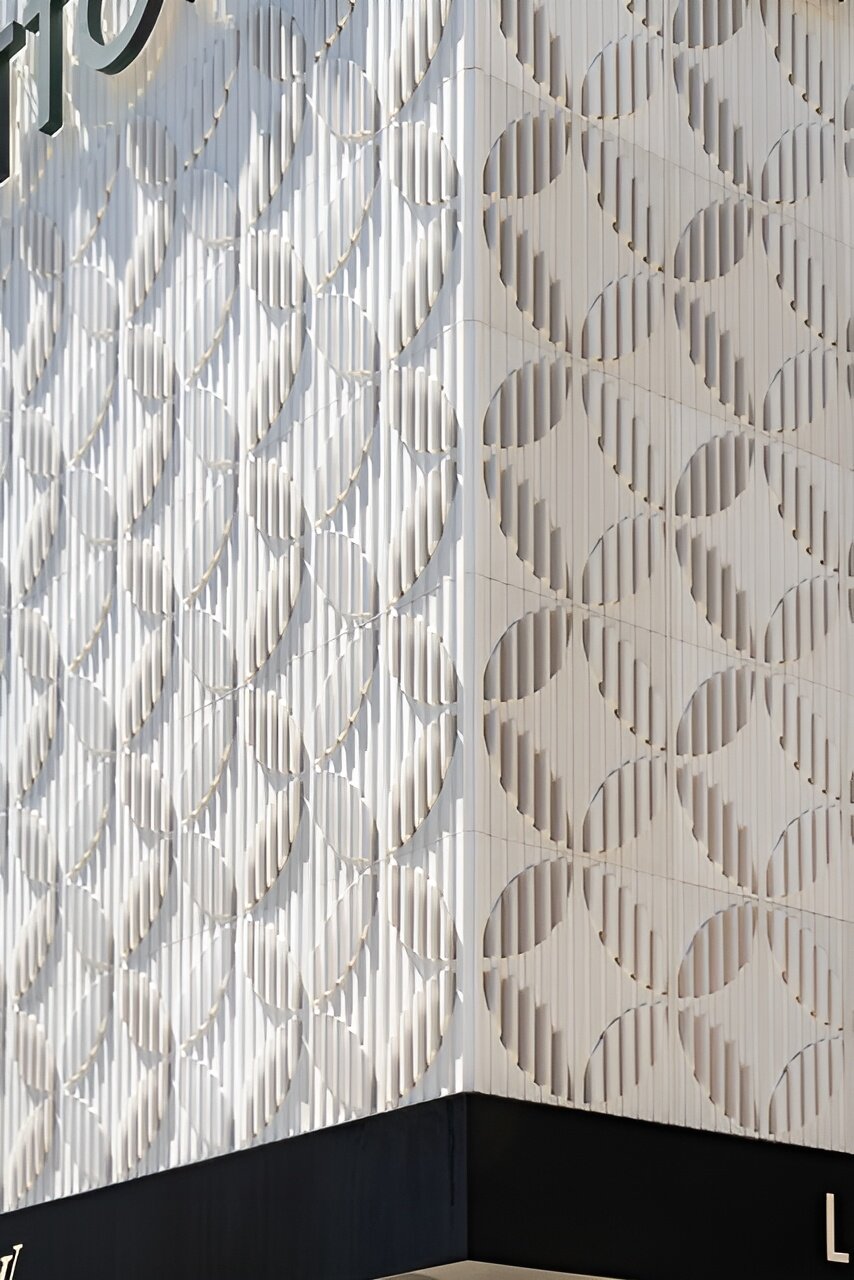
Twelve years after its first collaboration with Louis Vuitton in Cancún, the Mexico-based studio Materia has returned to the site with a new architectural intervention that transforms the boutique’s façade into a dynamic, sensorial envelope. Revisiting themes explored in its earlier wooden-panel installation, the studio now shifts focus to precast concrete, leveraging the material’s plasticity to reinterpret the iconic Louis Vuitton flower as a sculptural relief animated by light and shadow.
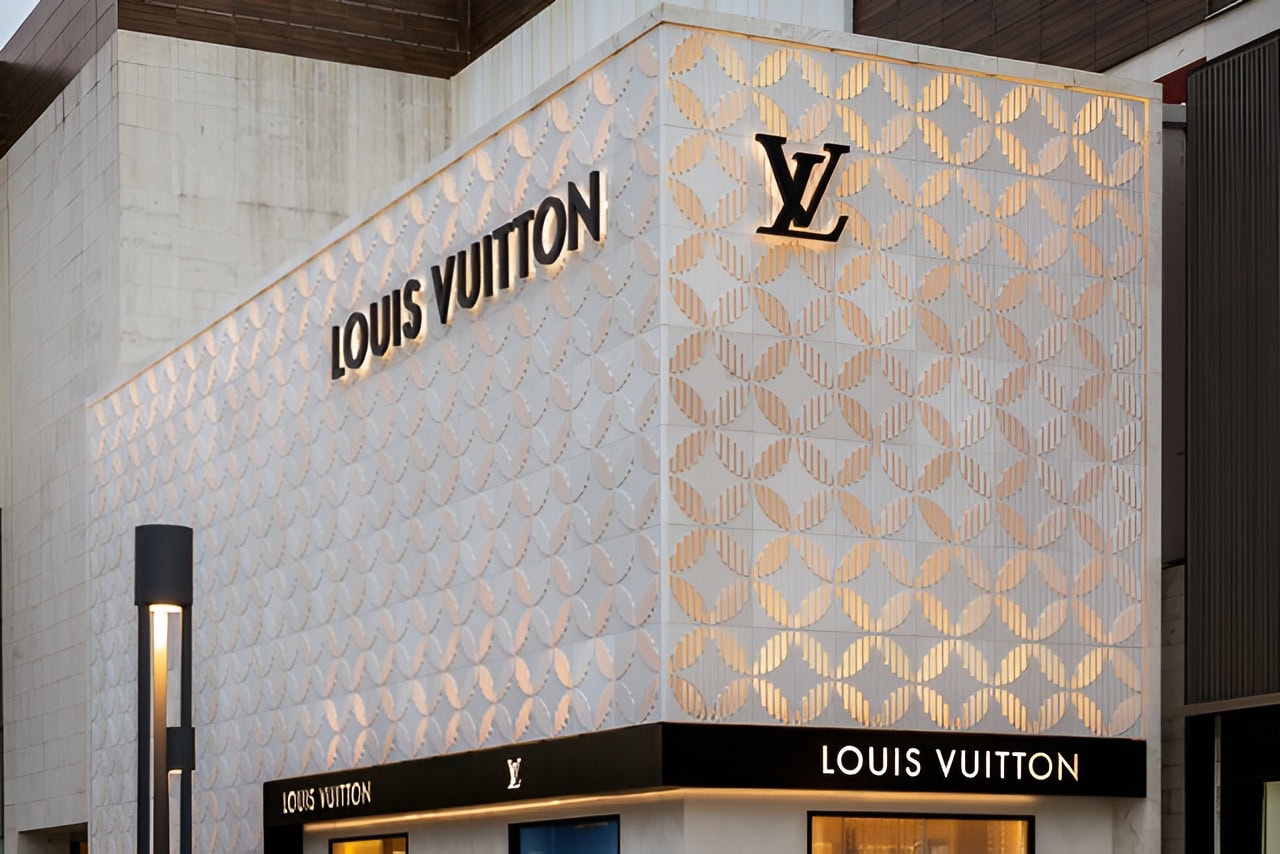
Photo: Jaime Navarro Soto
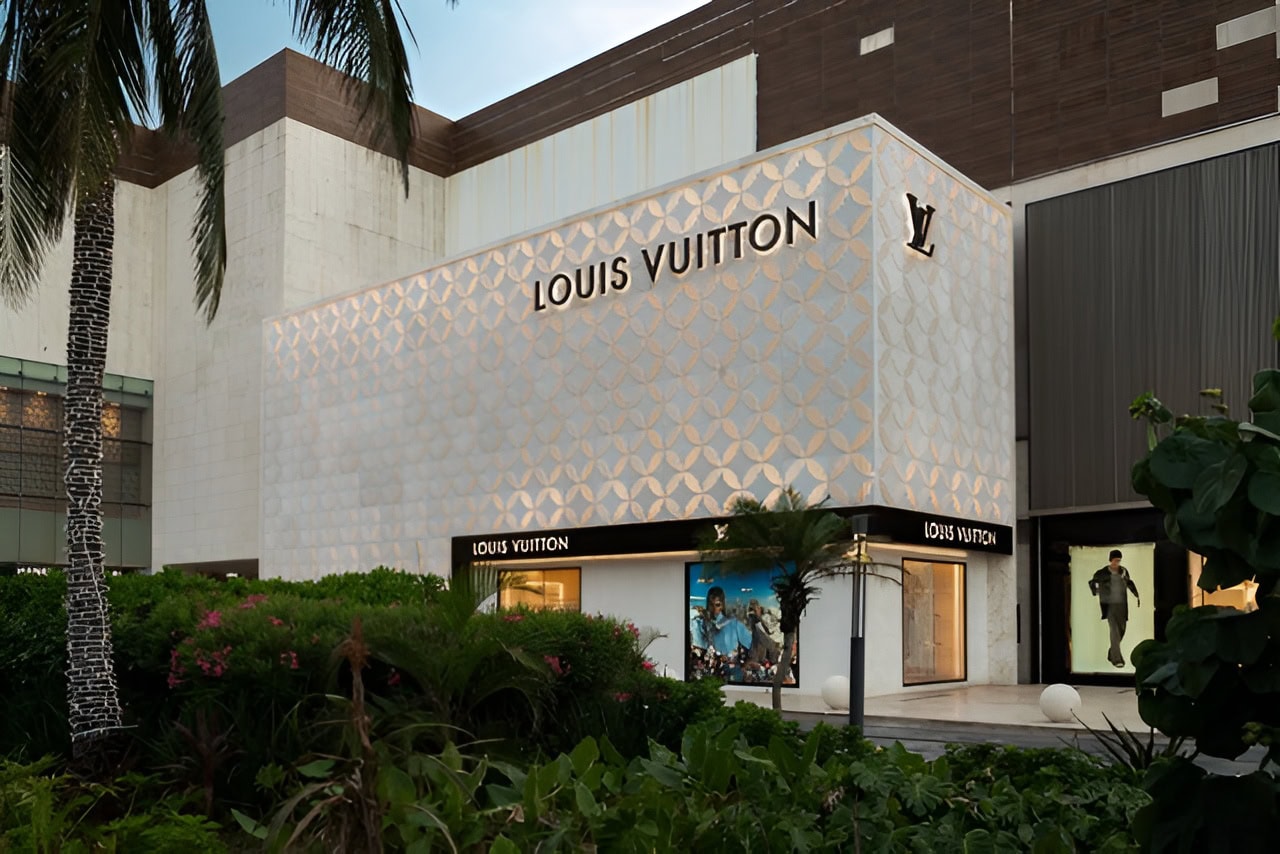
Photo: Jaime Navarro Soto
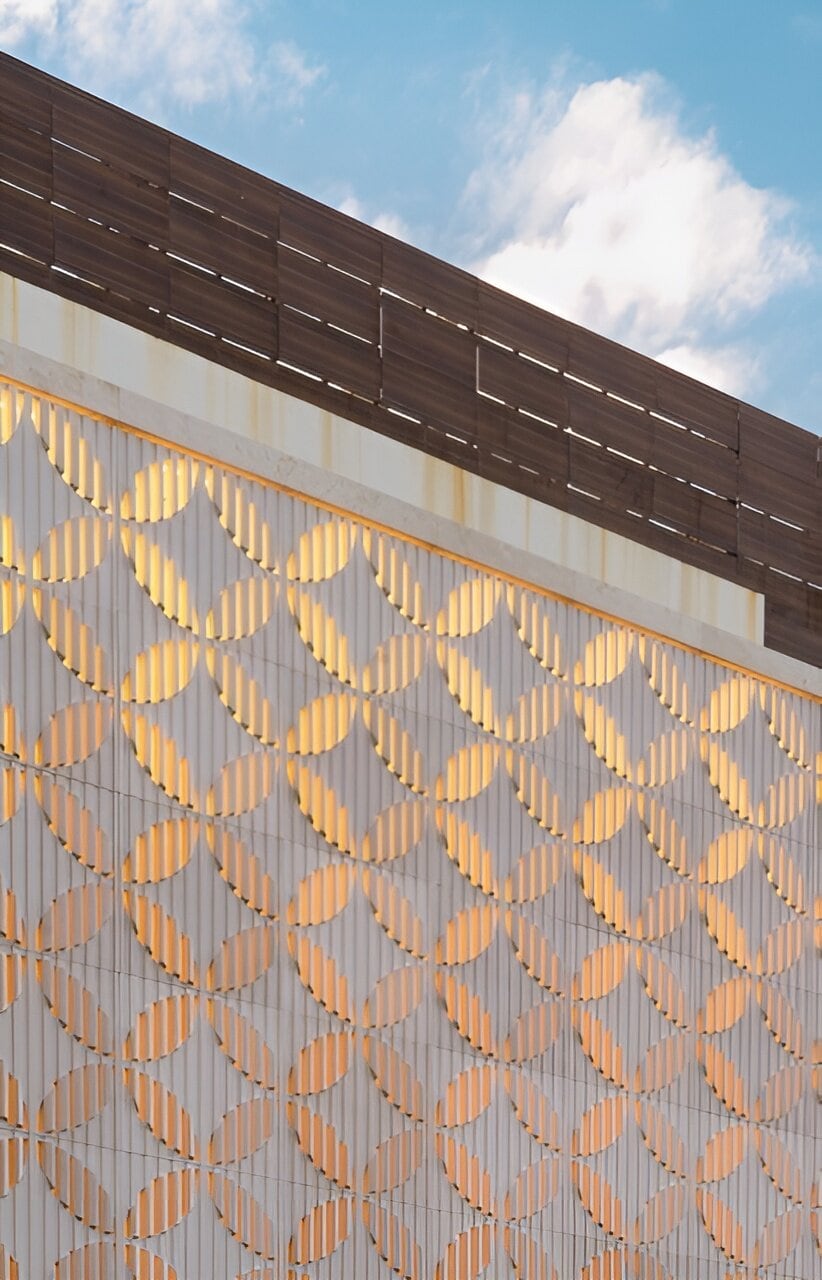
Photo: Jaime Navarro Soto
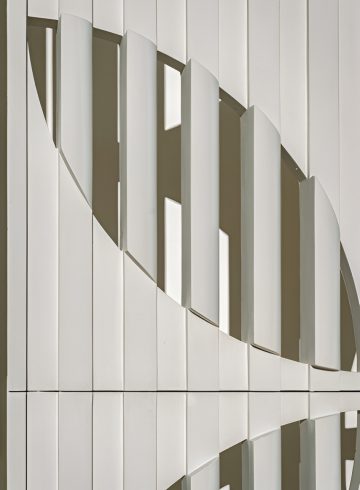
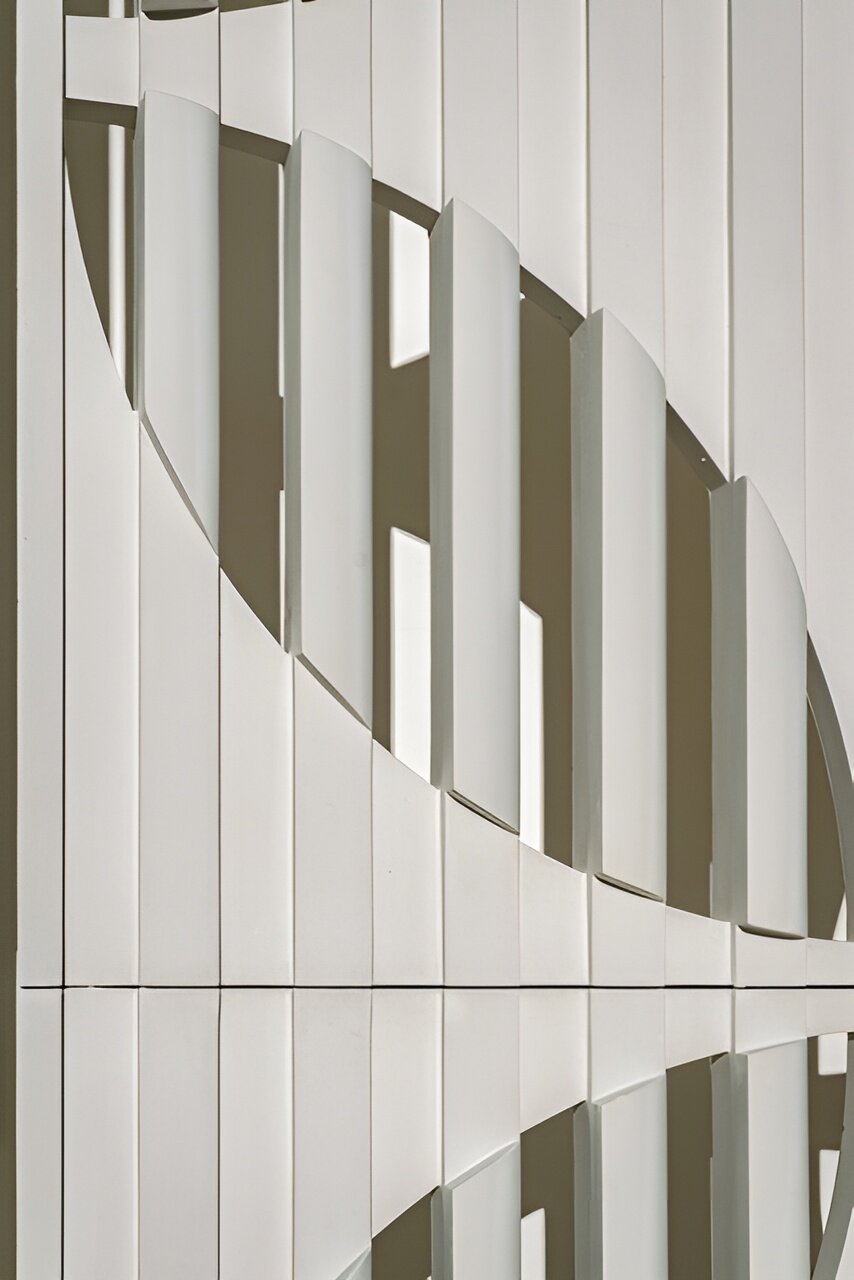
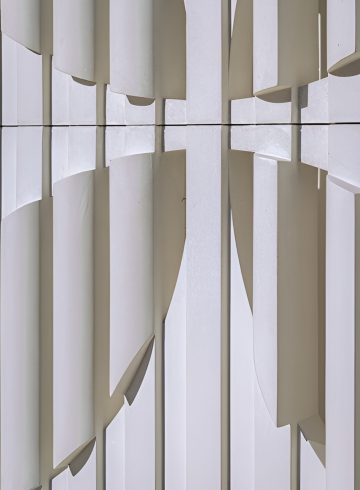
The façade is generated from a single modular element that, when repeated, forms a continuous and visually active surface. Each precisely engineered unit operates simultaneously as a structural component and a mediator of light, contributing to a cohesive architectural identity. As a system, the modules move beyond their individual roles, synthesizing the memory of the original design with concrete’s capacity for expressive detail and emotional resonance.
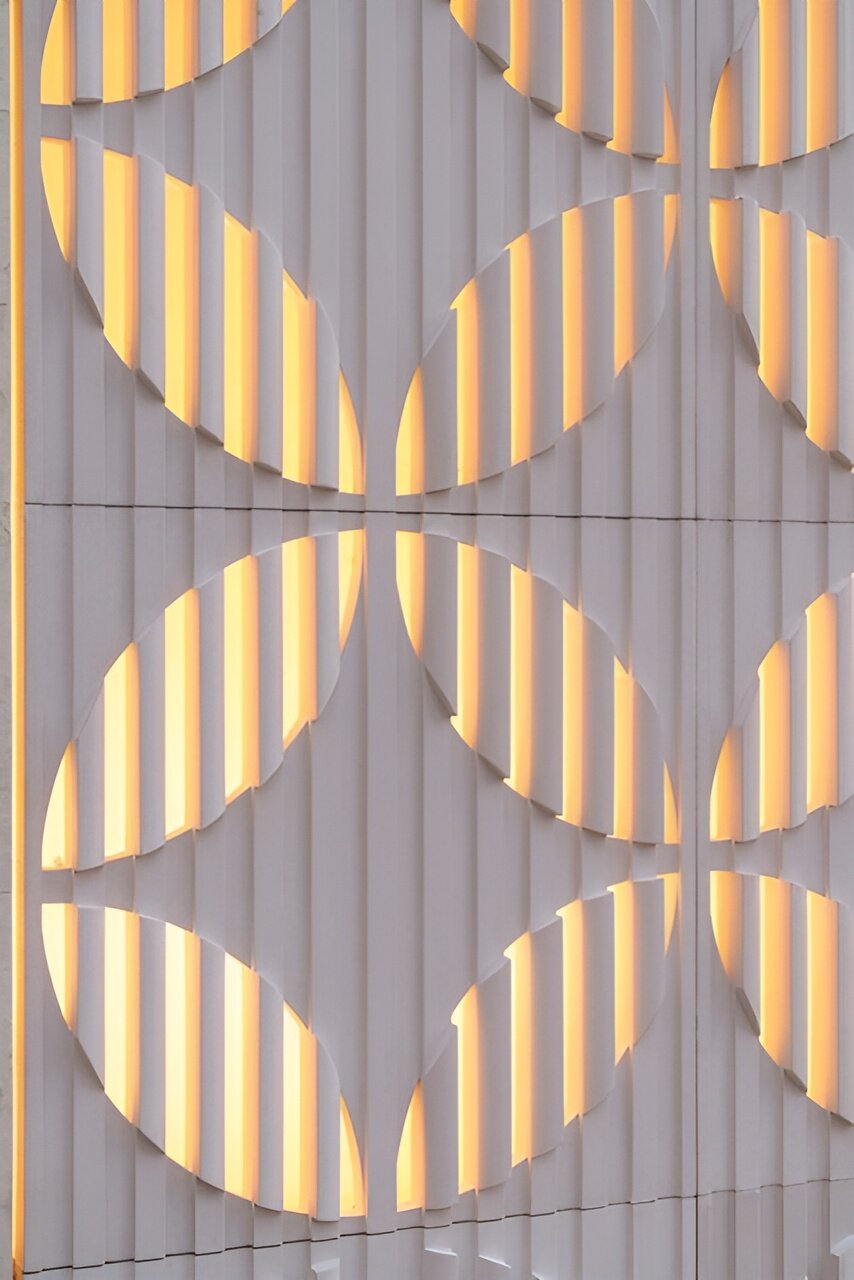
Photo: Jaime Navarro Soto
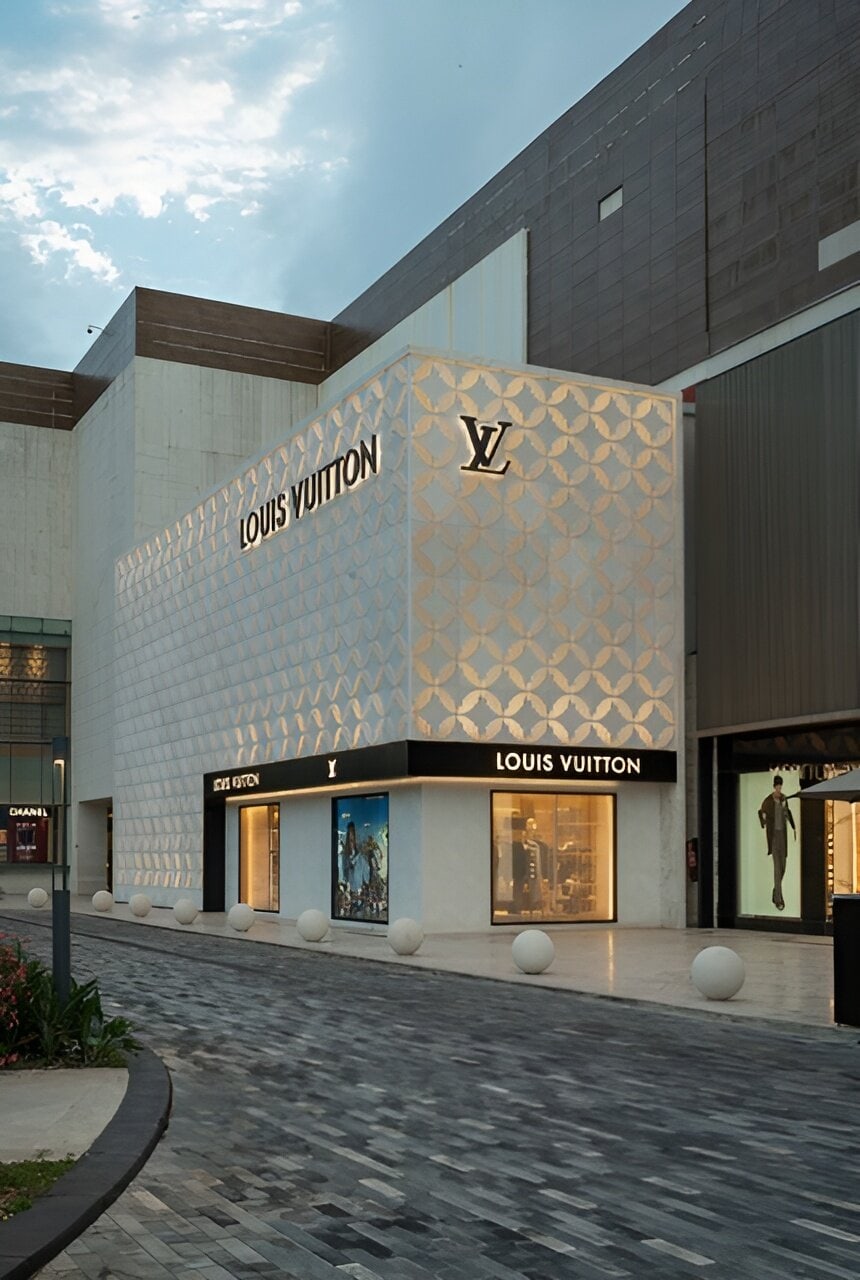
Photo: Jaime Navarro Soto
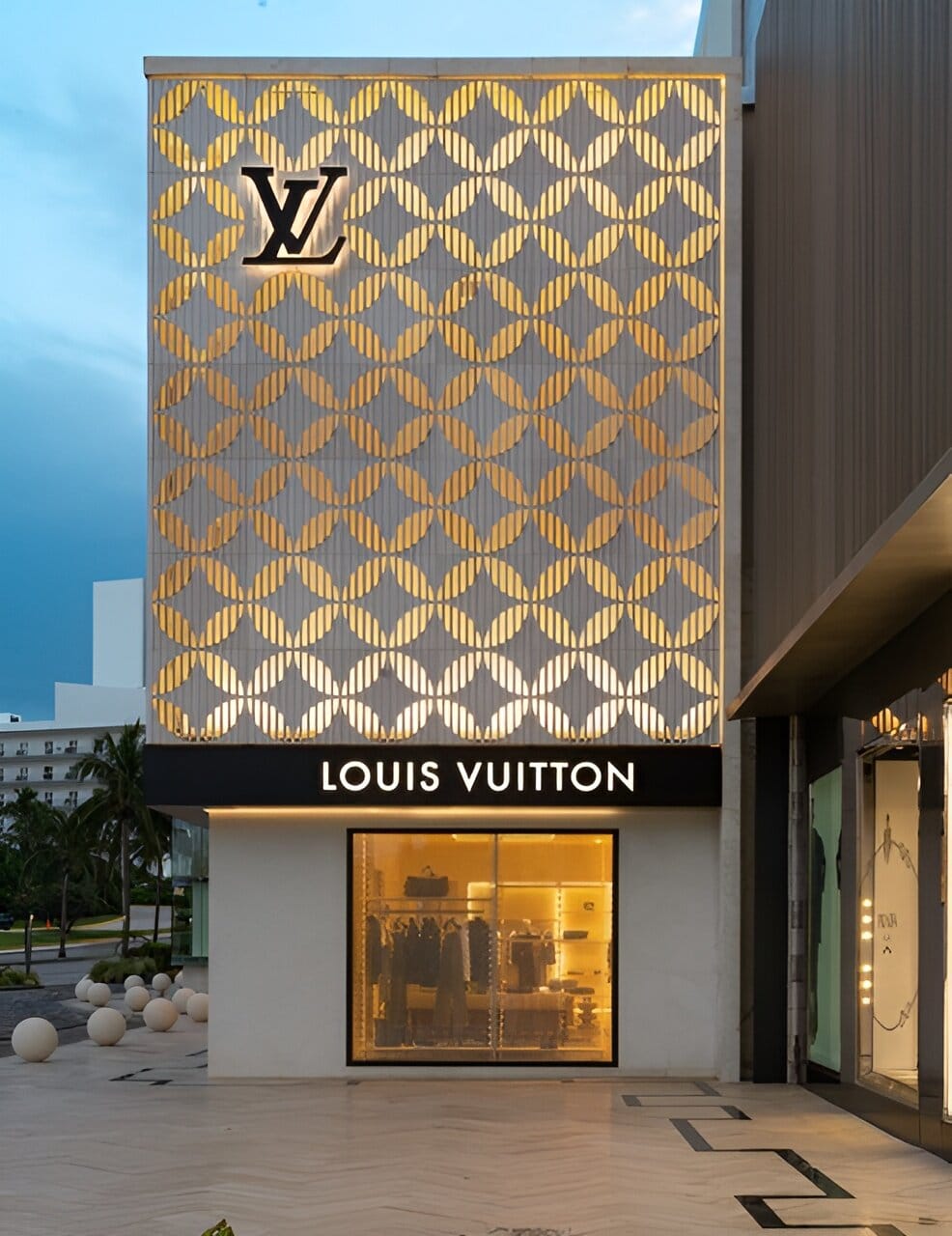
Photo: Jaime Navarro Soto
Through this project, Materia underscores its ongoing commitment to material research and expressive construction, reinforcing an architectural approach that prioritizes sensory experience as much as formal and technical precision.
-

- Photo: Jaime Navarro Soto
-
- Photo: Jaime Navarro Soto
-
- Photo: Jaime Navarro Soto
-
- Photo: Jaime Navarro Soto
-
- Photo: Jaime Navarro Soto
-
- Photo: Jaime Navarro Soto
-
- Photo: Jaime Navarro Soto
-
- Photo: Jaime Navarro Soto
-
- Photo: Jaime Navarro Soto
-
- Photo: Jaime Navarro Soto
-
- Photo: Jaime Navarro Soto
-
- Photo: Jaime Navarro Soto
-
- Photo: Jaime Navarro Soto
-
- Photo: Jaime Navarro Soto
-
- Photo: Jaime Navarro Soto
-
- Photo: Jaime Navarro Soto
-
- Photo: Jaime Navarro Soto
-
- Photo: Jaime Navarro Soto
-
- Photo: Jaime Navarro Soto
-
- Photo: Jaime Navarro Soto
-
- Photo: Jaime Navarro Soto
-
- Photo: Jaime Navarro Soto
Materia
Founded in 2006 by Gustavo Carmona and Lisa Beltrán, MATERIA is an international architecture practice based in Mexico City. Our work is characterized by the development of integral projects through intimate atmospheres closely related to the craft of materials, the needs of each client and the immediate context. The design process begins with the understanding of the project’s needs and the characteristics of the surroundings to create spaces that combine the program and sensory experience, expressed by a contemporary architectural language. We believe that spaces should be points of inflection and perceptual experiences: ATMOSPHERE DETAILED.