

 English
 日本語
日本語

To fly a drone in Japan
Many creators visiting Japan for tourism or work may want to capture aerial footage. However, with the rise of overtourism, incidents of foreign tourists flying drones without permission have also increased.
Japan is known for having some of the world’s strictest drone laws and penalties, and these regulations are only becoming more stringent. The application process is also complicated, making it difficult for visitors to fly drones freely. For most creators, the safest and most practical option is to hire a local pilot certified under Japan’s national drone licensing system.
That said, some creators may still wish to operate a drone themselves to capture specific footage, or bring a trusted pilot with them. This article provides an overview of Japan’s drone regulations, key points to keep in mind, and the procedures required for aerial shooting.
1. Drone Registration Procedures
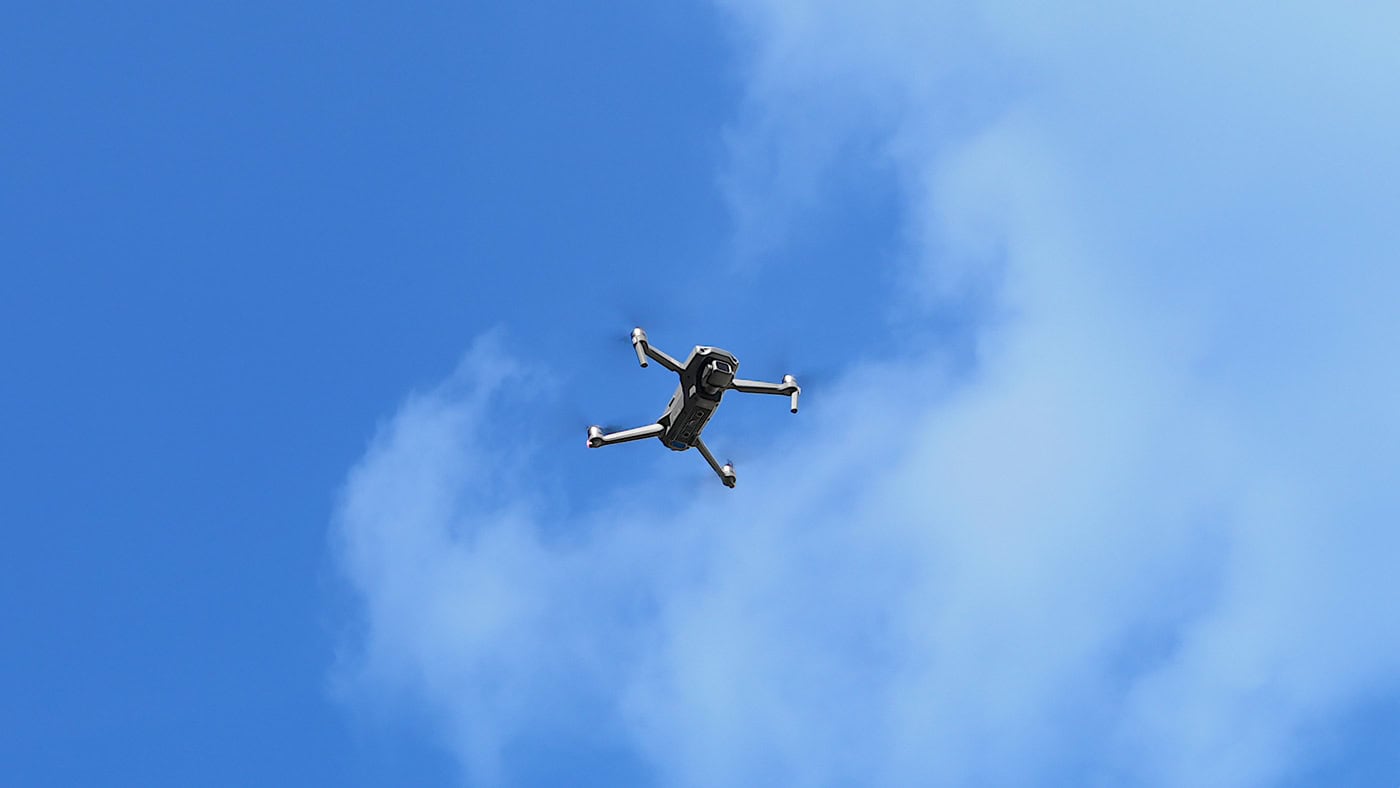
In Japan, all drones and radio-controlled aircraft weighing 100 grams or more must be registered. Flying such an unregistered aircraft outdoors is illegal.
- Indoor flight is allowed without registration. However, if there is a chance the drone could exit through an opening (such as a window), it is not considered indoor flight and is illegal.
- Toy drones under 100g do not require registration, but they still cannot be flown in restricted areas such as airports, military facilities, the Imperial Palace, the National Diet Building, the Prime Minister’s residence, embassies, cultural heritage sites, or nuclear facilities.
Registration procedure:
- Access the DIPS 2.0 system.
- Verify your identity (passport accepted) and create an account. (A Japanese address is required―you may need to use your hotel or temporary residence address with permission.)
- Enter aircraft information (manufacturer, model, weight, serial number, etc.).
- Pay the registration fee online (¥900 per aircraft).
- Display the registration marking on the aircraft following strict specifications.
- Register the Remote ID to the drone.
Important notes:
- Aircraft without Japan’s Technical Conformity Mark cannot be registered.
- Drones must have Remote ID, unless declared as purchased/used before June 19, 2022.
- Foreign registrations (e.g., FAA, EASA) are not valid―separate registration in Japan is required.
- Registration may take over 10 days, so apply at least two weeks before your intended flight.
- Homemade, modified or minor drones may be difficult or impossible to register.
2. Drone Flight Application Procedures
In Japan, flights are classified into three categories: those that do not require an application, those that require certification or an application, and those that require both certification and an application.
Drone operations are also categorized into four levels based on risk:
- Level 1: Low-risk flights, such as flying in open areas away from people and buildings.
- Level 2: Moderate-risk flights, for example flying near people or structures but with safety measures in place.
- Level 3: Higher-risk flights, such as flying over populated areas or during special conditions, which require certification and approval.
- Level 4: High-risk operations, including flights over crowds at events without assistants, which require the highest level of certification and strict approval procedures.
This categorization helps determine what applications, permits, or certifications are needed for different types of flights.
You may fly without an application if all of the following conditions are met:
- Aircraft is registered (or weighs under 100g)
- Flight avoids no-fly zones (airports, DID = Densely Inhabited Districts and e.t.c...)
- Altitude is below 150m above ground
- Flight occurs during daylight (between sunrise and sunset)
- Flight remains within visual line of sight (you must see the aircraft directly at all times; monitor operation is illegal)
- At least 30m distance is maintained from people and buildings
- Flight is in permitted airspace
- Flight is within the drone’s performance limits
If any condition is not met, you must apply for permission or hold a Japanese national drone qualification.
One key issue for aerial shooting is the visual line of sight rule. If you are shooting while monitoring a screen, this counts as BVLOS (Beyond Visual Line of Sight), which requires special approval. In practice, creators should assume an application is always required for professional aerial shooting.
Other important restrictions:
- Night flights require permission (sunrise/sunset defined by the Japan Meteorological Agency).
- Automated functions like fully hands-off flight are prohibited for drones 100g or more.
- Manned aircraft always take priority; drones must yield and avoid interfering.
Special exception: Flights tethered with a rope/wire of 30m or less may be exempt from some restrictions (e.g., DID areas, BVLOS, night flights). However, exemptions do not apply if the tether is longer than 30m, attached to a moving vehicle, or if the aircraft is unregistered or unsafe.
Flights requiring application and approval:
- Within airports or DID areas
- BVLOS flights
- Night flights
Pilots with a Japanese Class II certificate (with BVLOS/night endorsements) may conduct such flights without application. However, foreigners on short-term stays will find it nearly impossible to obtain this certificate (the exam is Japanese-only). For visitors, submitting an application in advance is the practical path. Licenses obtained outside Japan are not valid for flying in Japan, but they may be attached as supplementary documents to demonstrate skills when applying for flight permission.
Application process overview:
- Log in to the DIPS 2.0 (or create an account if you do not already have one) and submit a flight application.
- Provide pilot details, including documents that demonstrate your flying experience―such as flight logs or foreign certifications, which may be requested as supporting evidence.
- Provide flight plan (location, date/time, altitude, route, safety system)
- Include aircraft details (model, registration, conformity mark, capabilities)
- Submit assistant plan (mandatory for BVLOS/flights over people), emergency manual, and proof of drone insurance valid in Japan
- Await approval; resubmit if corrections are requested
Permissions focus on safety. If skills, equipment, or conditions raise doubts, approval will not be granted. High-risk flights (dense urban areas, flights over event crowds, BVLOS without assistants) are rarely approved without advanced Japanese training certifications.
3. Other Considerations
- Property rights: Flying over private property is generally allowed at safe altitudes (over 30m above building – below 150m above ground), but complaints about noise or intrusion can still cause issues. Trespassing occurs if launching/landing on the private property without permission.
- Public land: Flying over rivers, ports, national parks, or cultural sites often requires separate permissions from relevant agencies (river offices, port authorities, Ministry of the Environment, local governments, etc.). Many parks and public spaces prohibit drones under local ordinances.
- Photography rights: While incidental appearance of buildings in landscapes is fine, photographing people’s faces, private property interiors, or copyrighted architecture may infringe privacy, portrait, or copyright laws. Commercial use of footage with identifiable facilities or logos may also require permission.
- Operational rules: Pilots must mark off flight areas, keep flight logs, and perform inspections before and after flights.
- Causing harm to third parties or their property due to a crash or accident may result in both civil and criminal liability, including compensation claims and penalties. In the event of an accident, the pilot must immediately stop the flight, land the drone to prevent further damage, prioritize lifesaving assistance and fire prevention, and promptly report the details of the incident to the Minister of Land, Infrastructure, Transport and Tourism via the DIPS 2.0 system.
- If the drone crashes, the pilot is required to recover the aircraft without delay in order to prevent secondary hazards such as fire caused by lithium-ion batteries.
- For more detailed and up-to-date information on no-fly zones and operational rules for drones in Japan, please refer to the Ministry of Land, Infrastructure, Transport and Tourism (MLIT), such as their “Flight Rules for Unmanned Aircraft (Drones and Model Aircraft, etc.)” page on the MLIT website.
Conclusion
Japan’s drone regulations are complex, strict, and spread across multiple laws. Even Japanese residents often struggle to understand exactly where drones can be flown. Foreign pilots are particularly likely to attract attention or suspicion.
It is not impossible for visiting creators to fly drones in Japan, but the hurdles are significant. Flying without proper registration, knowledge, or permits risks severe penalties. Unless you have a compelling reason to operate yourself, the most practical and low-risk approach is to hire a certified Japanese drone pilot.

