English
 日本語
日本語

Winner of the Grand Prize from the Cultural Buildings Category, Keisuke Koike
Hosted by NPO Aoyama Design Forum (ADF), the "ADF Design Award 2026" has chosen Keisuke Koike's work as the Grand Prize in the Cultural Buildings Category. Here is an interview article with Keisuke Koike to introduce the award-winning work and the story behind the designing process.
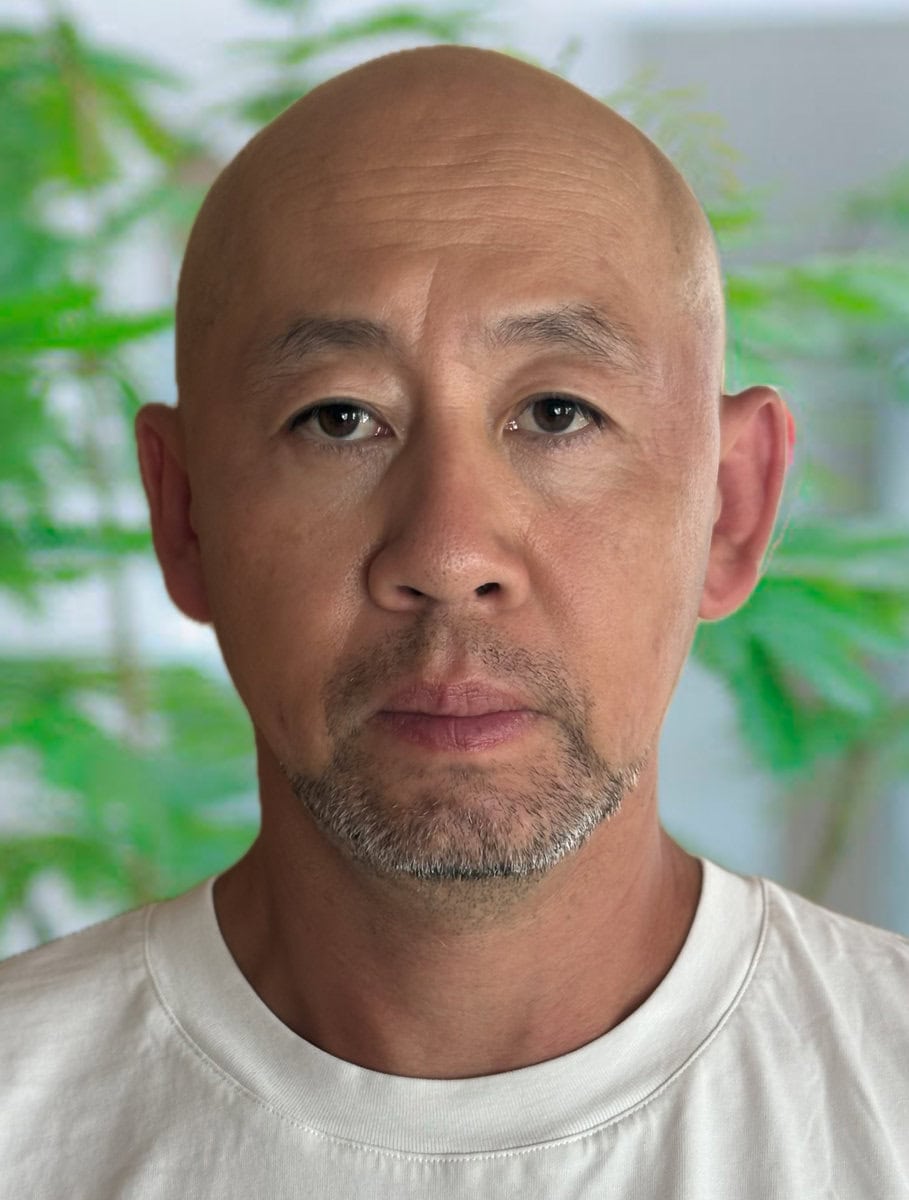
小池啓介 / Keisuke Koike
Could you tell us about your background as an architect?
I am currently based in Tokyo. I was born in a town near Tokyo surrounded by sea and mountains, and grew up in an old traditional Japanese house. That house stood at the center of the site, surrounded by dense greenery. Inside, it was dimly lit, and as a child, I found it a little frightening—it was precisely the kind of space Junichiro Tanizaki described in "In Praise of Shadows ". I vividly remember the dappled sunlight filtering through the trees in the garden, reflecting off the tatami mats and softly illuminating the room. It was an experience that felt like the boundary between the surrounding environment and the architecture itself dissolved. This is my primal landscape, and I constantly strive to create such relationships between architecture and its environment.
Within architecture, are there particular fields or project phases in which you specialize?
I don't have any particular areas of expertise. Whether it's small or large-scale architecture, private residences, or public facilities, it goes without saying that we strive to create the best possible plan for the given conditions, such as the required use and scale. However, what I consider even more important is what kind of space is best for the people who will be there, and how the architecture should relate to its surrounding environment. Therefore, I aim to be capable of handling any type of architecture. Furthermore, I believe architecture is created together with many people—clients, the community, collaborators, and builders—and communication for this purpose is crucial.
When generating ideas, what inspires you, and do you have any personal methods or philosophies for organizing your thoughts and developing concepts?
I believe it is crucial to interpret the surrounding environment. By observing and analyzing the history, nature, and culture inherent to a place, I gain insight into how architecture should exist. In doing so, I strive daily to maintain a critical stance even toward what is considered common sense, returning to the origins of architecture to contemplate what it should be in the present.
What kinds of creative fields outside of architecture interest you? Do you ever incorporate them into your architectural work?
I have a deep interest in all forms of art—music, painting, film, books—and also in cooking. The creativity that unfolds in that calculated moment when a dish is completed in the mouth exists on a different timeline than architecture, and I find it truly remarkable. While I don't consciously reference these arts when thinking about architecture, I'm certain they influence me.
Could you share the background of your awarded project and the process that led to its completion?
This project began at the request of a physician friend. The site was located along a busy arterial road, a typical, characterless location common in rural Japan. While the client specified necessary rooms and planning requirements, everything else was left entirely to my discretion. Therefore, I aimed not only to create the best possible architecture but also to positively influence the surrounding environment. In a hospital setting, “waiting” becomes a central element of the patient's stay. This is because medical procedures—such as examinations, consultations, and surgeries—often place patients in a passive role for extended periods. While this waiting time is typically seen as a period to pass the time using TVs or smartphones, I wanted to transform this “waiting” into a positive, active experience through architectural means. To achieve this, we planned various features, including creating a garden. This allows people to sit wherever they like, inside or outside the building. While waiting for tests or examinations, their gaze can fall upon the garden, where they can enjoy the changing expressions of nature over time, enriching their waiting period. We aim for this building to be a welcoming space for local people, like a park that is open yet offers a touch of privacy. Though it appears small and very simple in composition, intricate details are found throughout. We are deeply grateful to the builders whose skill and effort made this vision possible.
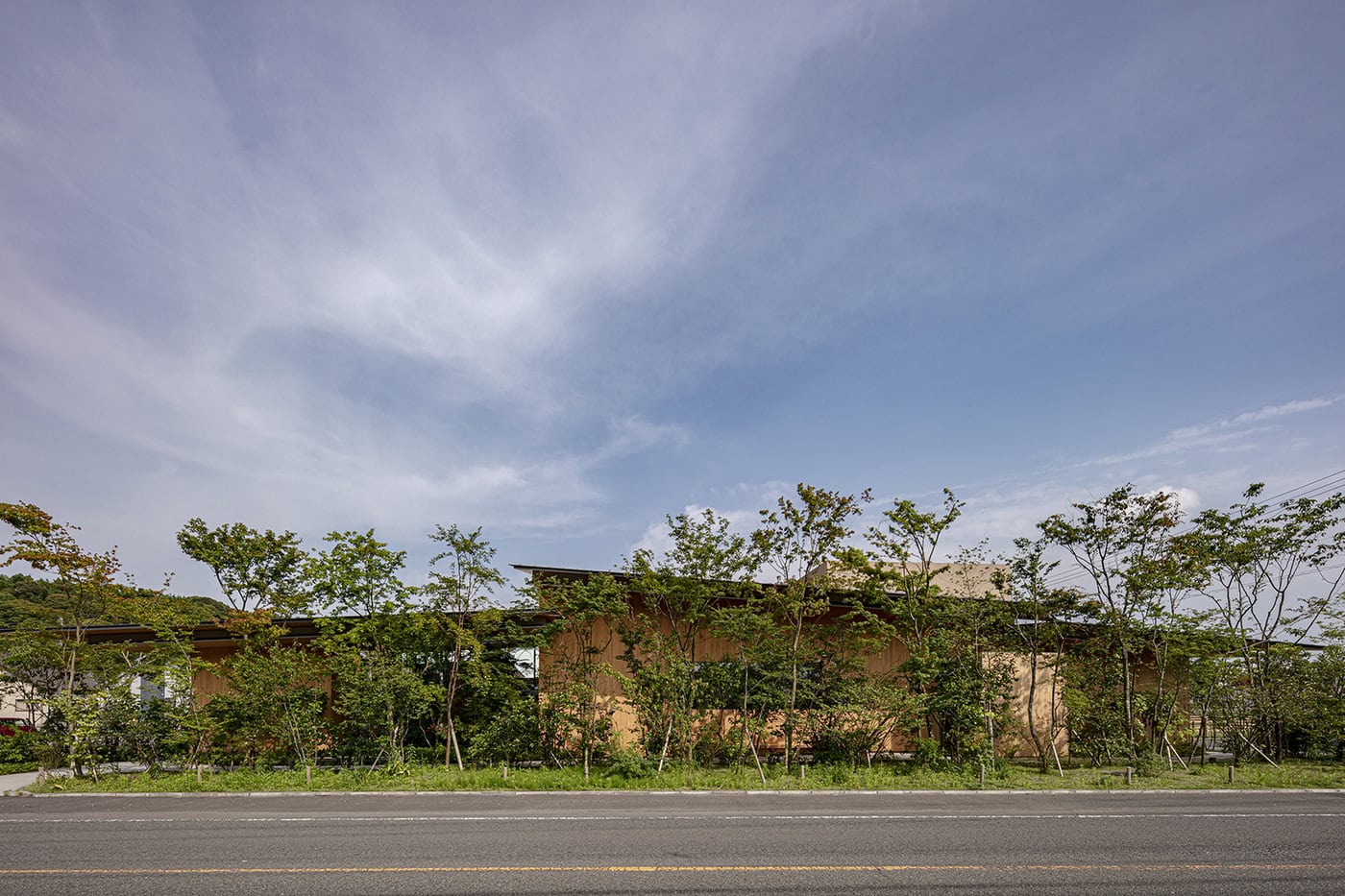
都城こみぞ眼科 / Miyakonojo Komizo Eye Clinic
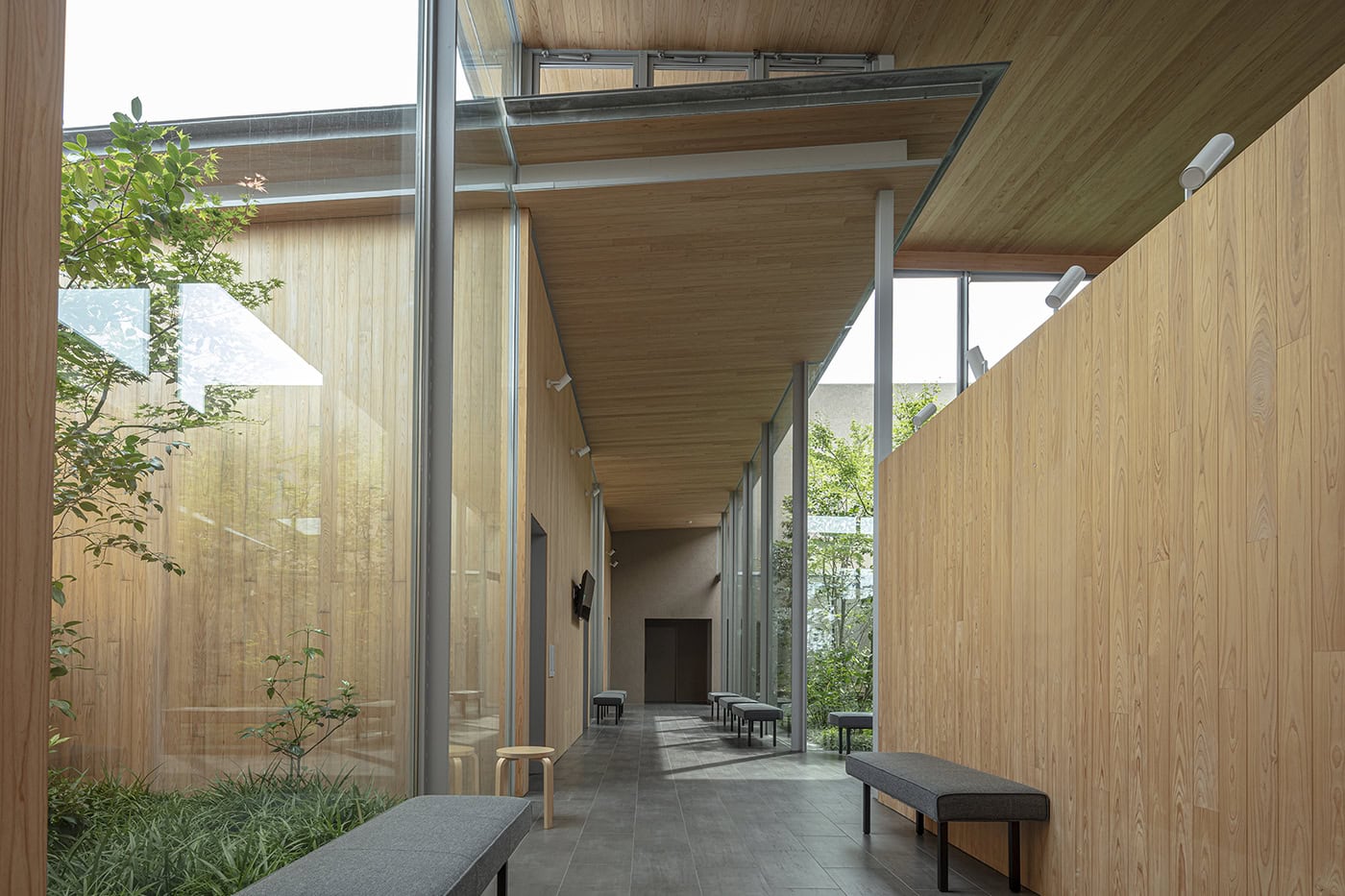
都城こみぞ眼科 / Miyakonojo Komizo Eye Clinic
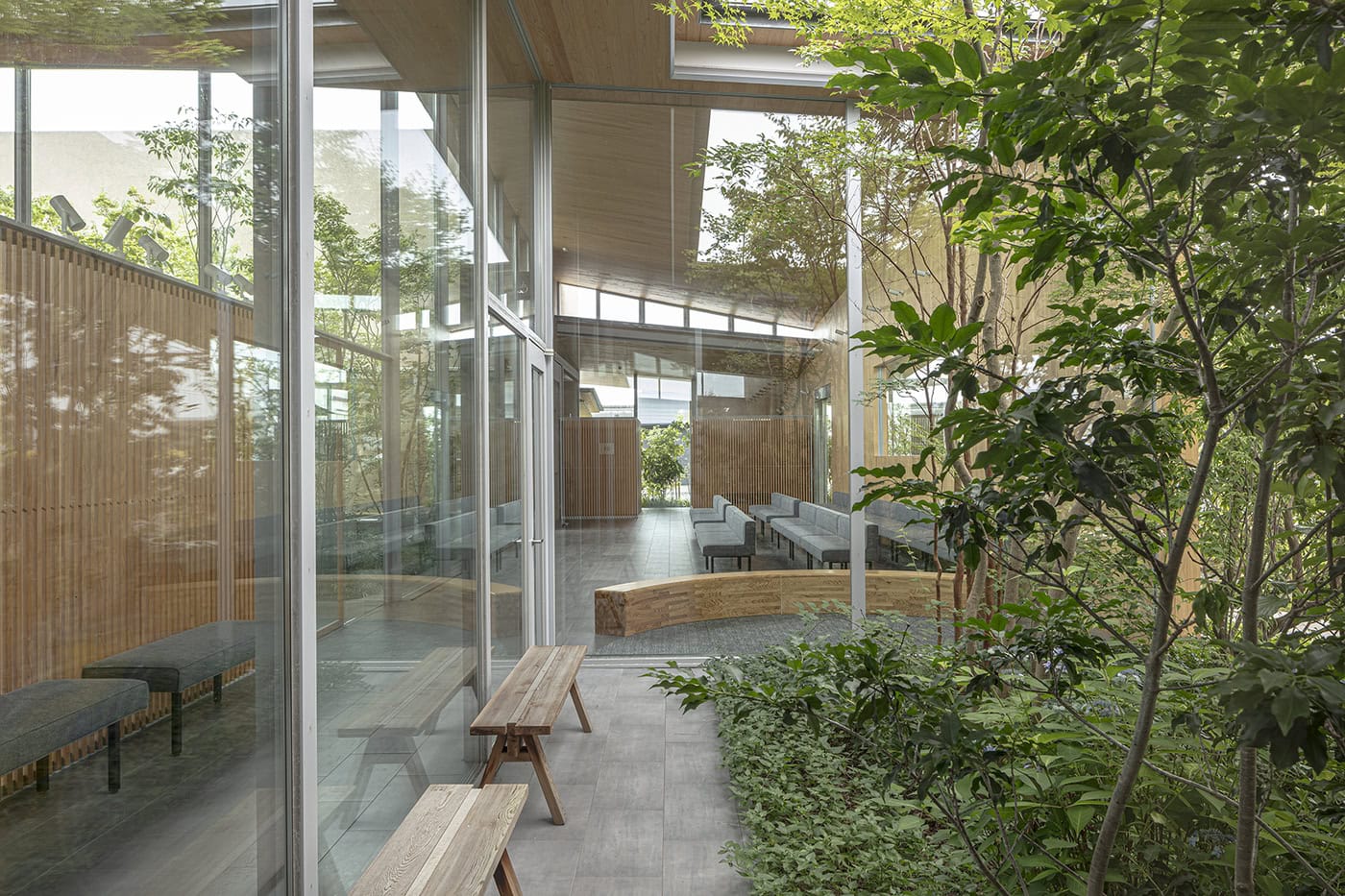
都城こみぞ眼科 / Miyakonojo Komizo Eye Clinic
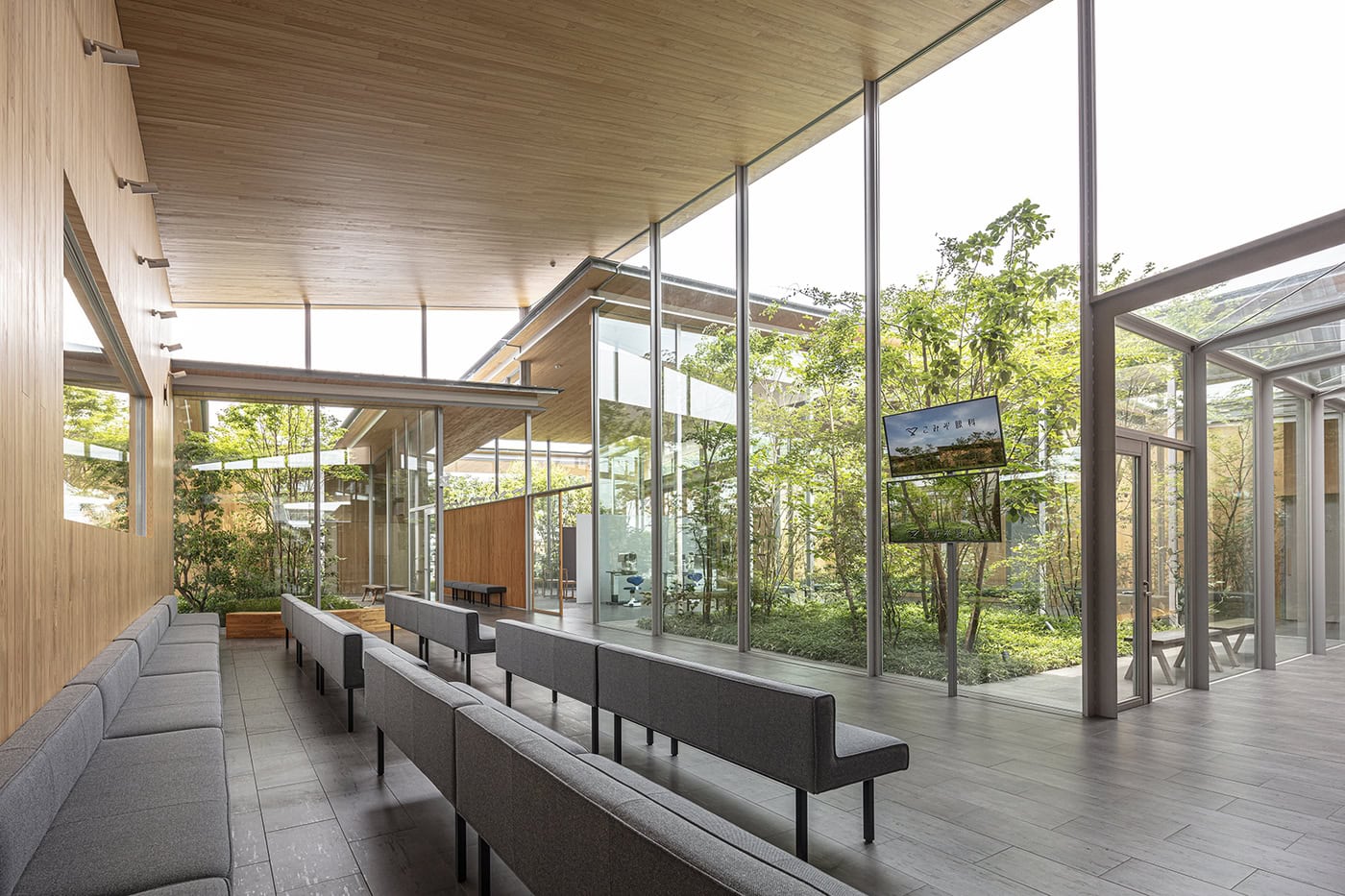
都城こみぞ眼科 / Miyakonojo Komizo Eye Clinic
What kind of work would you like to create in the future?
We aim to create spaces where the construction of buildings enhances the surrounding environment and enriches people's lives.
What are your impressions of ADF?
In Japan, architects do not enjoy as high a social standing as in Europe and other countries, and unfortunately, it cannot be said that they are an absolutely essential profession. Given this situation, I think it is wonderful that an international award originating in Japan has been created to try to establish design as an integral part of society.