English
 日本語
日本語

Exploring Oil, an Industrial Resource, through Contemporary Art and Experiential Exhibition Design
A new museum dedicated to exploring oil as a cultural, social, and artistic phenomenon has opened in Riyadh, Saudi Arabia. Located inside the landmark KAPSARC building designed by Zaha Hadid Architects, the BLACK GOLD MUSEUM introduces an immersive museum model that combines art, design, technology, and storytelling to examine humanity’s complex relationship with petroleum.
Black Gold Museum_Logo by Anamorphee
Photo credit: La Méduse
Developed around the idea that oil is deeply embedded in modern life yet often remains invisible in everyday awareness, the museum approaches petroleum not as an industrial commodity but as a force that has shaped civilizations, environments, economies, and collective imagination. The project seeks to reposition oil within a broader cultural framework, inviting audiences to reflect on its historical influence and continuing impact.
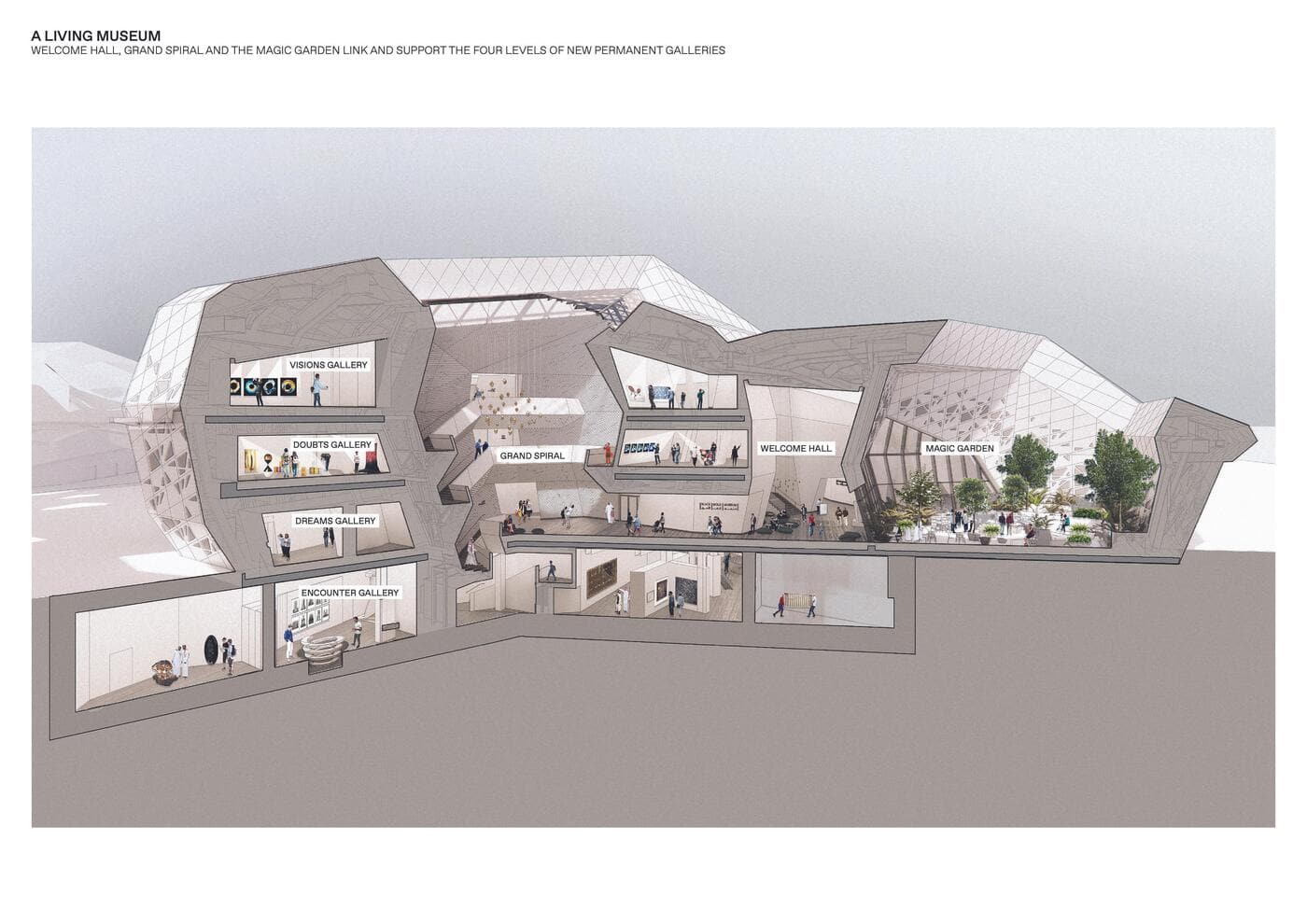
Black Gold Museum_A living museum
Photo credit: DaeWha_Kang_Design
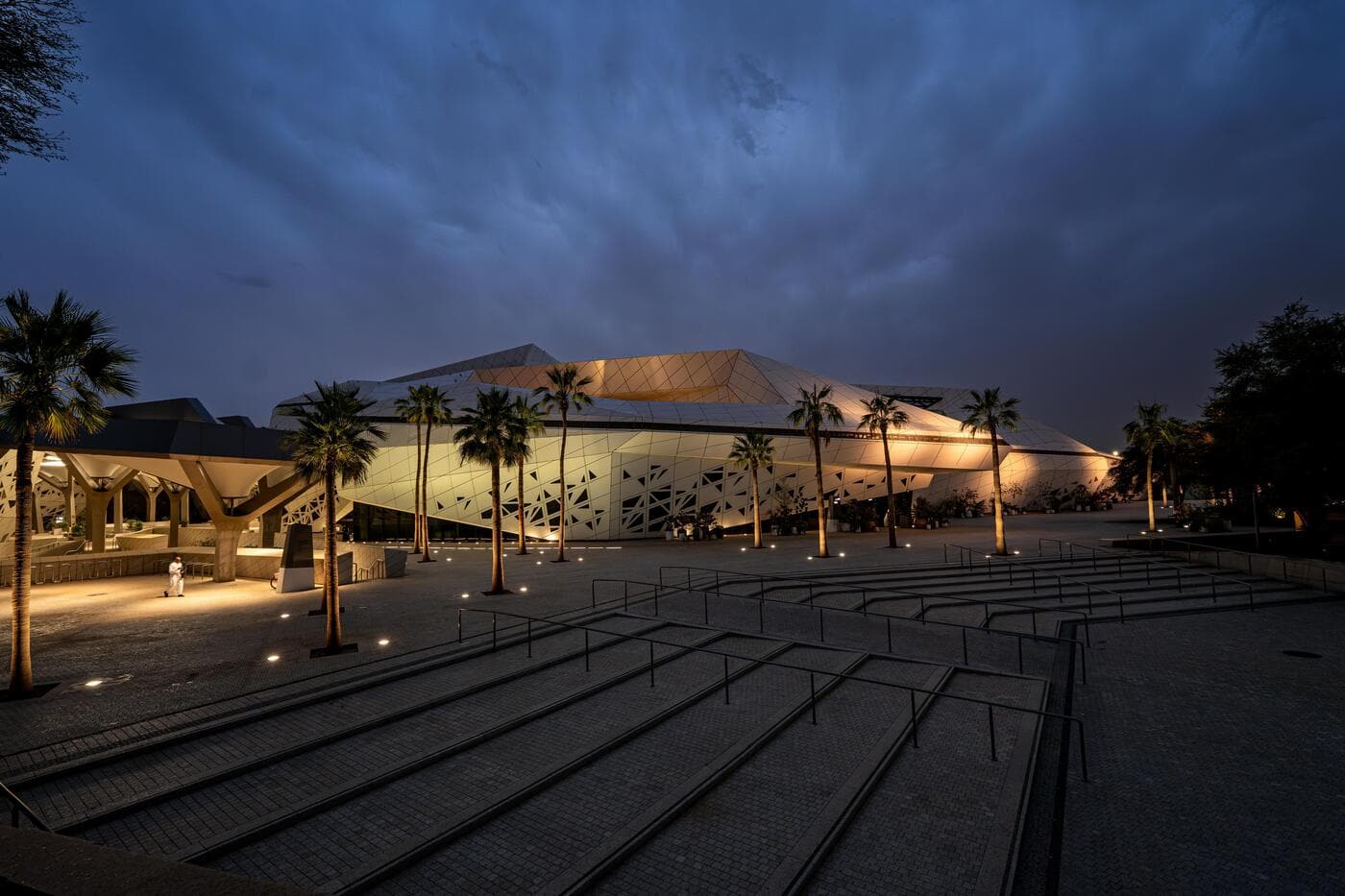
Kapsarc_Zaha Hadid building
Photo credit: Black Gold Museum
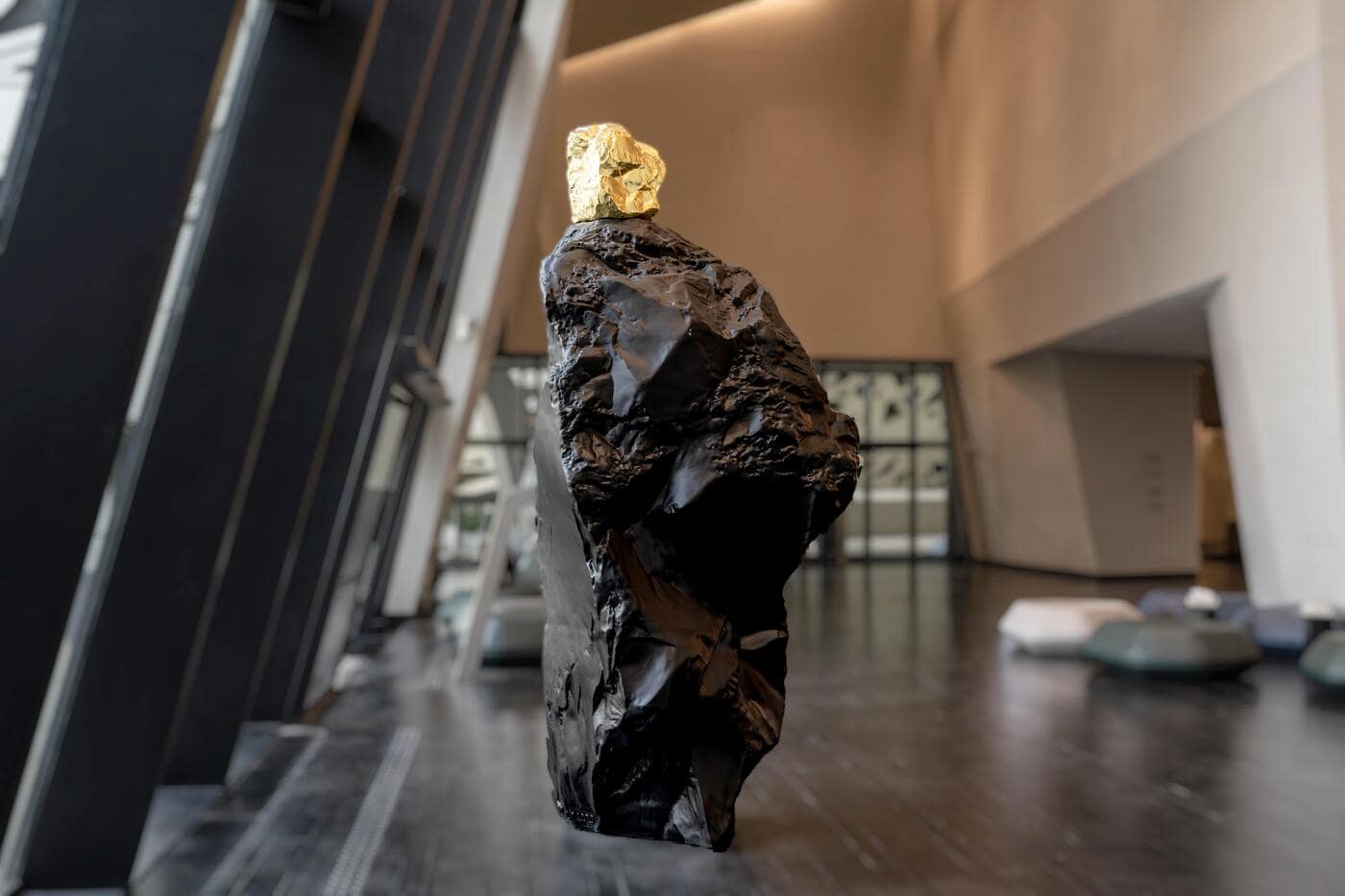
Black Gold Museum_Hall, Ugo Rondinone
Photo credit: Black Gold Museum
The initiative emerged from a curatorial vision led by Christian Janicot, who conceived the museum as an artistic investigation into how oil has transformed contemporary society. Rather than presenting petroleum solely through scientific or economic narratives, the institution uses creative disciplines to explore dependence, progress, consumption, and future possibilities.
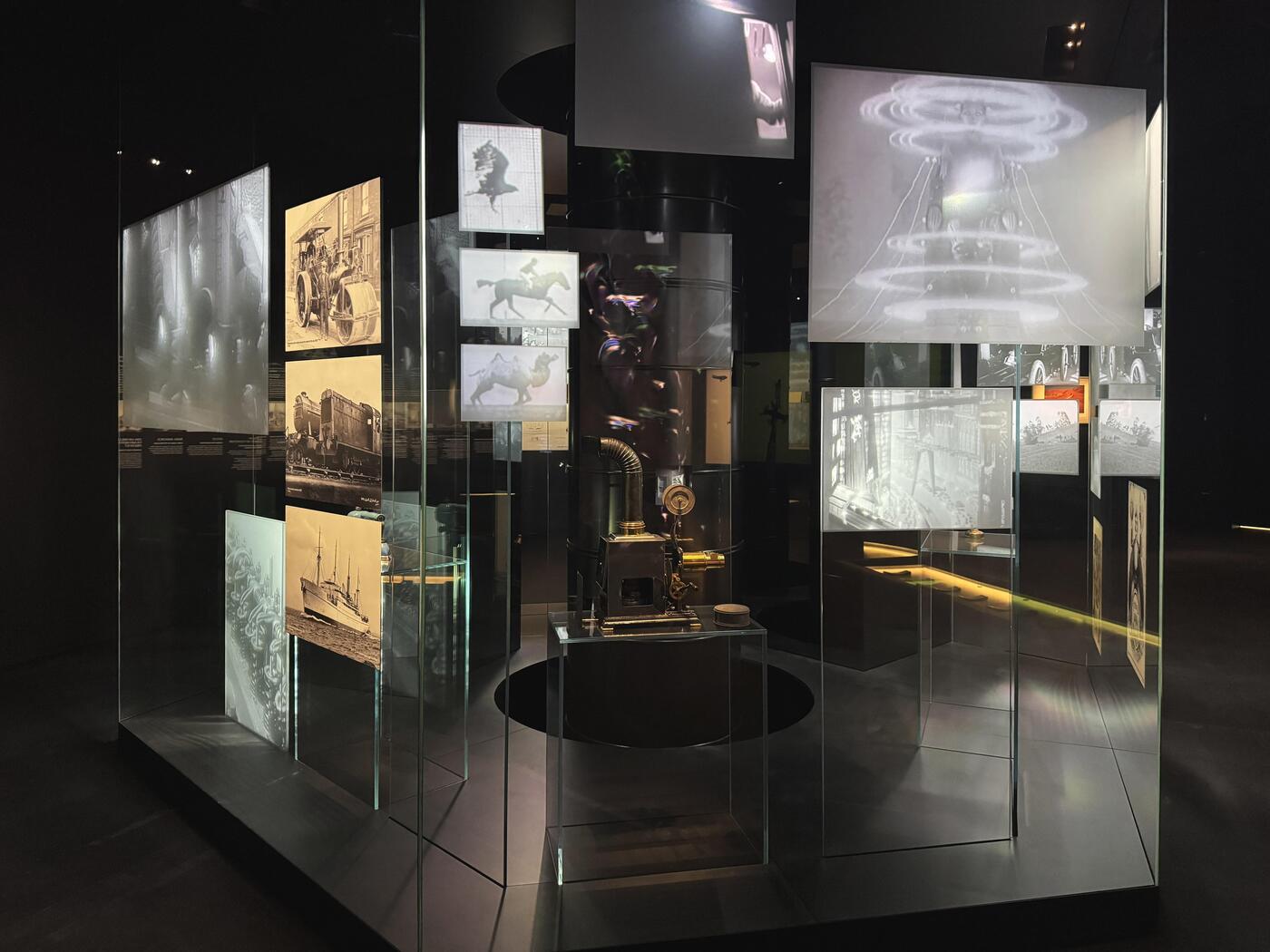
Black Gold Museum_Birth of Modern World mediation
Photo credit: La Méduse
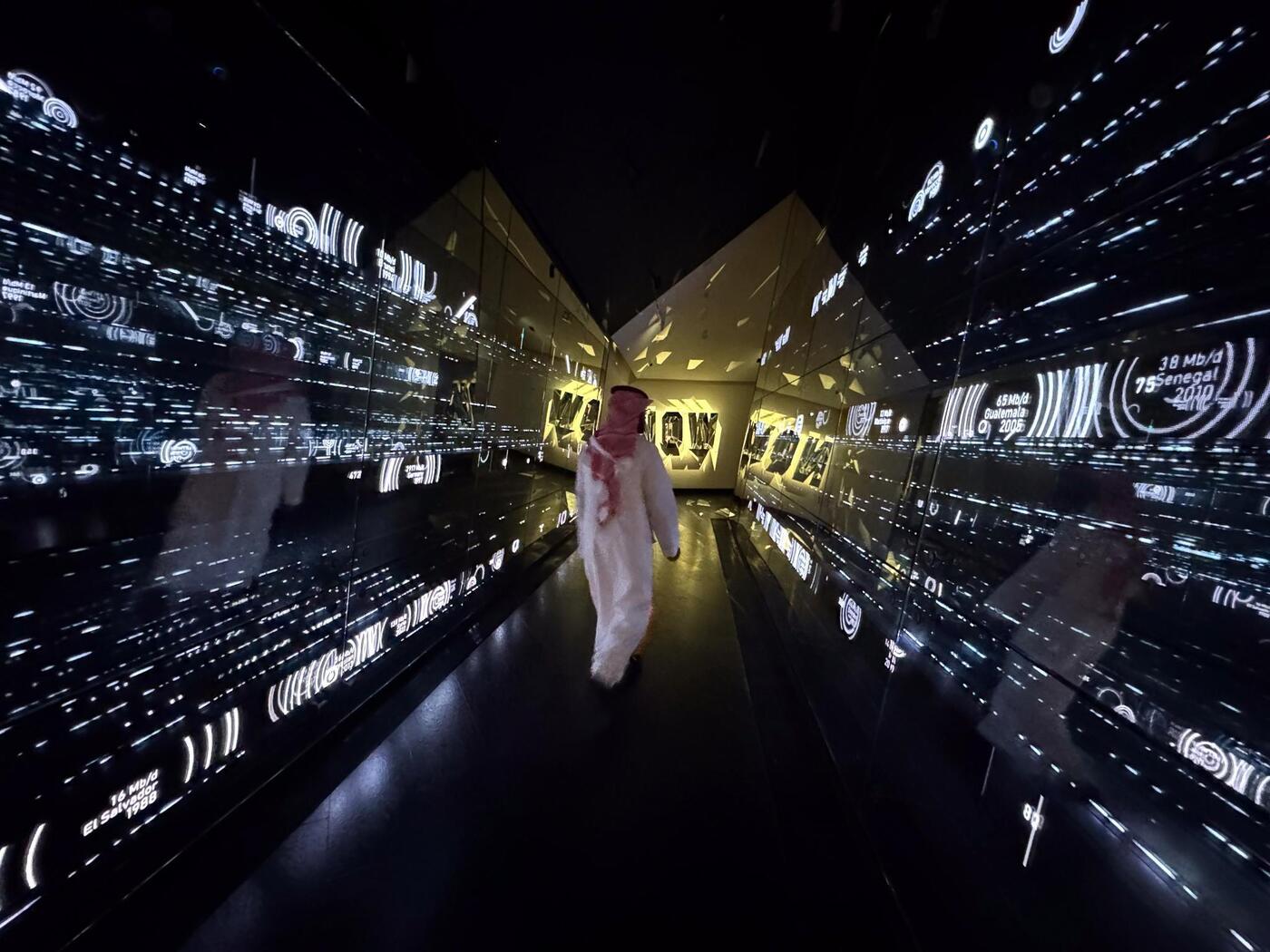
Black Gold Museum_Now, Immersive installation
Photo credit: La Méduse, Nokinomo
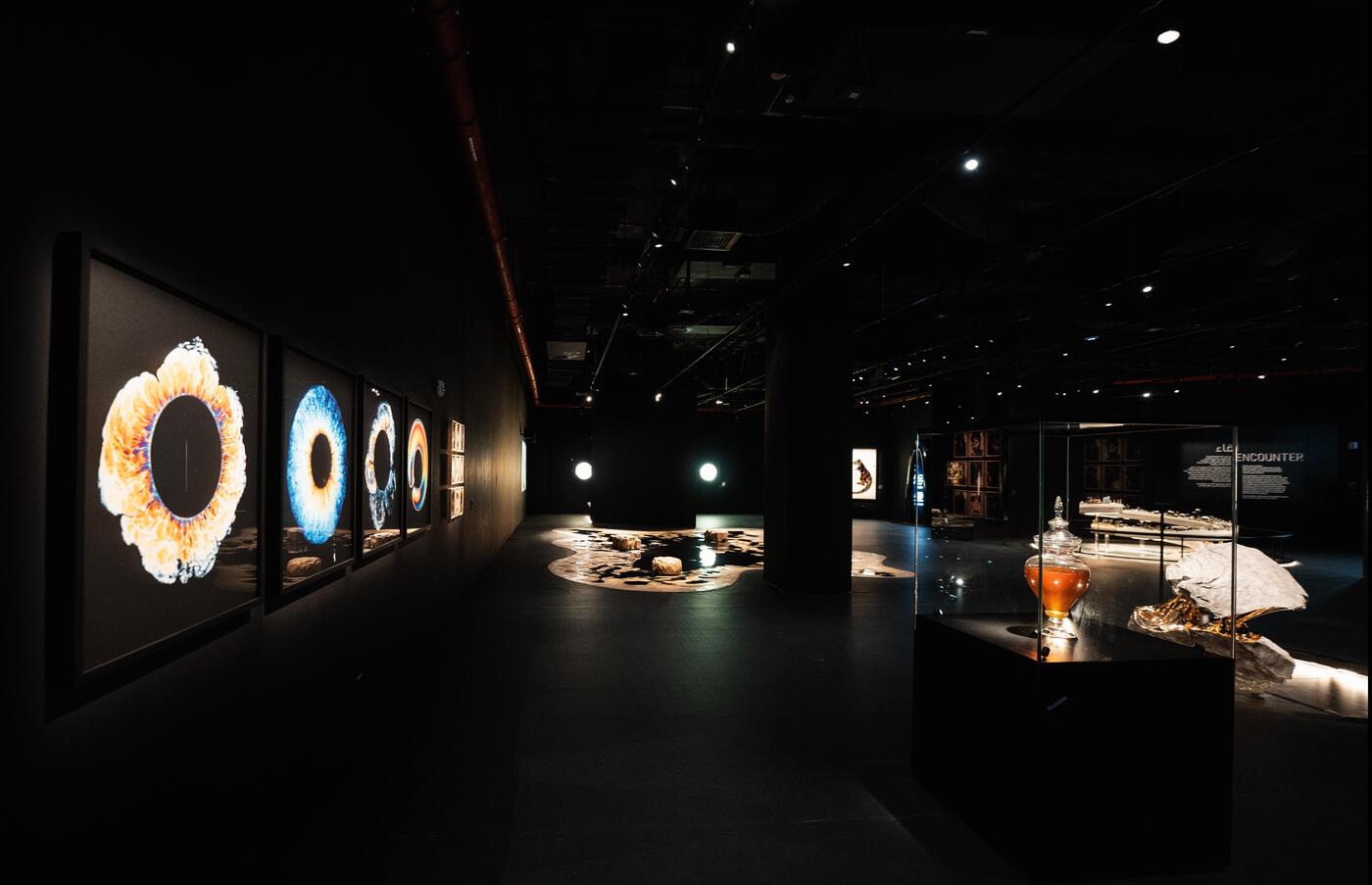
Black Gold Museum, Encounter Section
Photo credit: Black Gold Museum
The museum was developed through a collaboration involving Saudi Arabia’s Museums Commission under the Ministry of Culture, the Ministry of Energy, and KAPSARC. Together, the partners supported an approach that treats oil as a civilizational subject to be explored through art, design, and immersive experience rather than through conventional industrial interpretation.
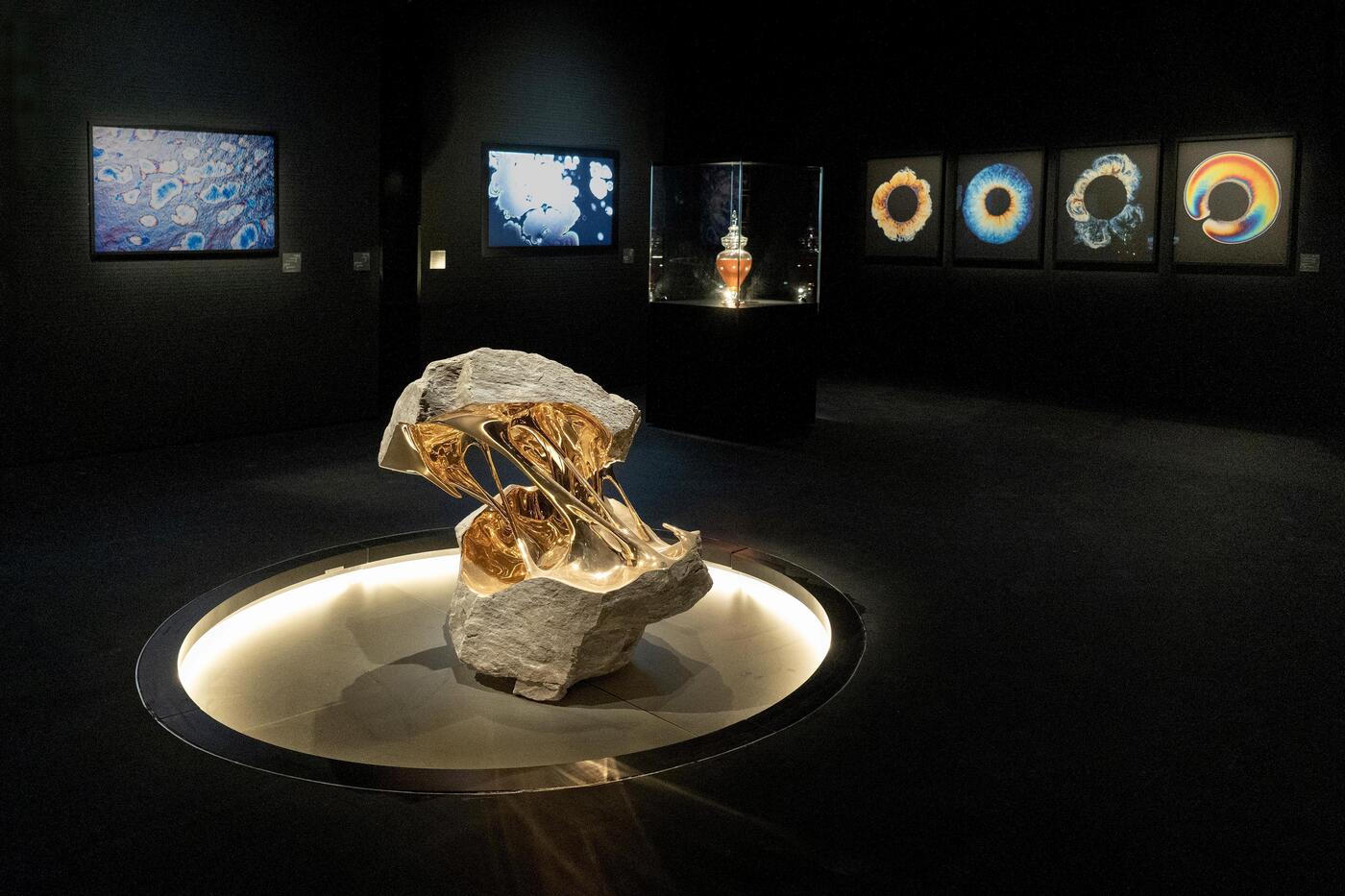
Black Gold Museum, Encouter Section
Photo credit: Black Gold Museum
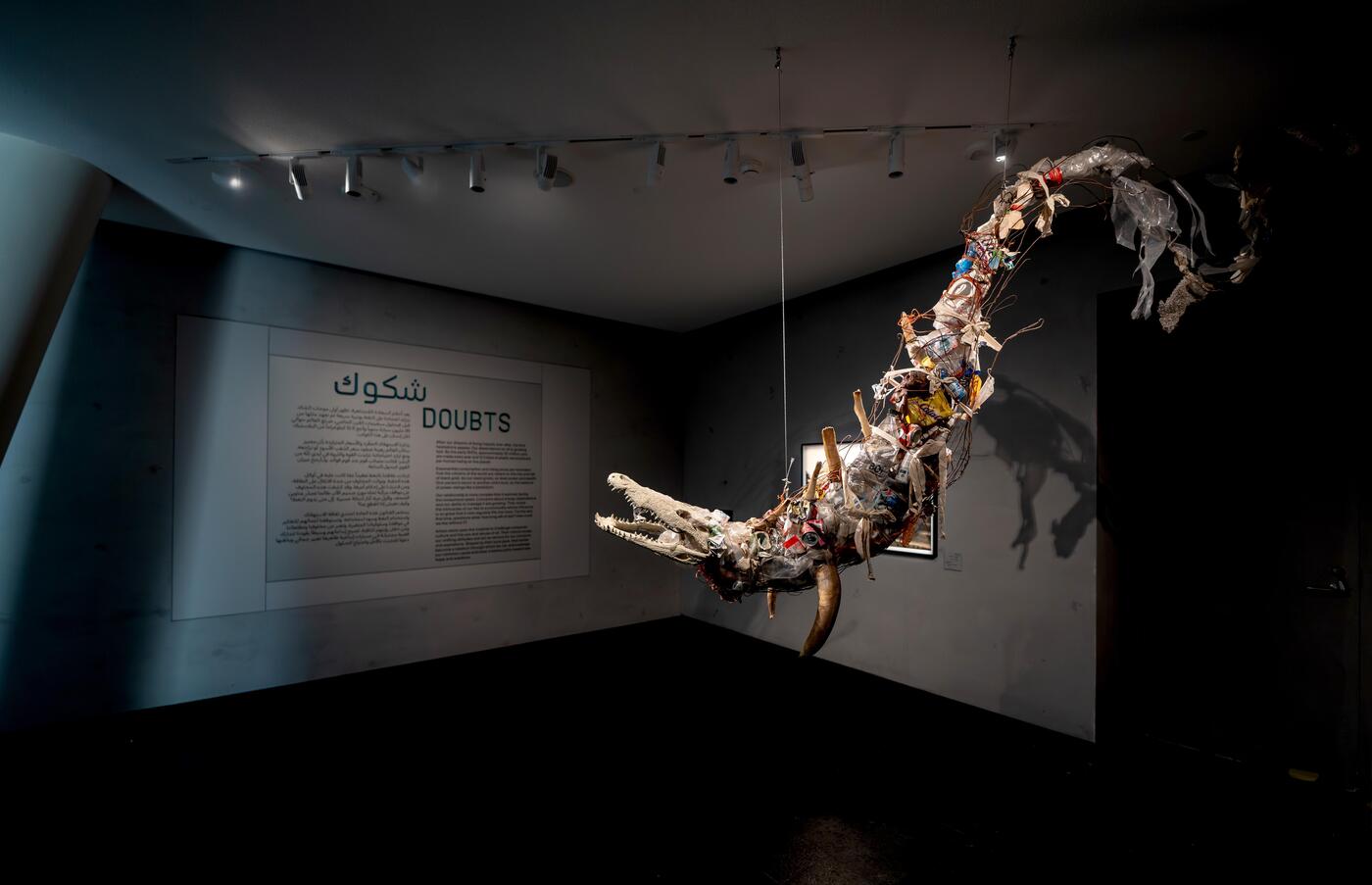
Black Gold Museum, Alvaro Arpa
Photo credit: Black Gold Museum
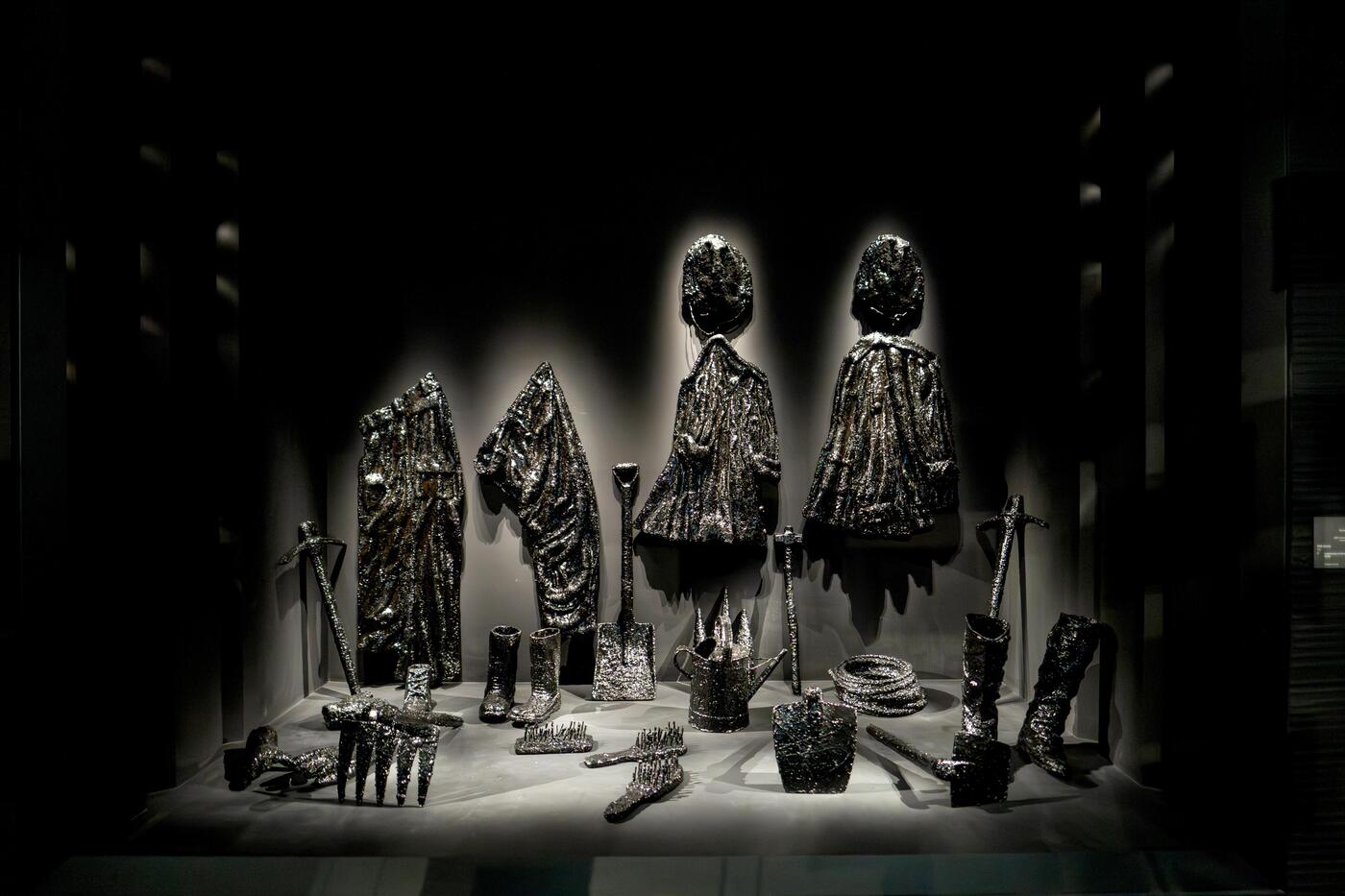
Black Gold Museum, Kriti Arora
Photo credit: Black Gold Museum
More than 350 works by leading international and Saudi artists are brought together across disciplines including photography, sculpture, installation, painting, film, fashion, comics, design, and digital media. Artists featured include Wim Delvoye, Adel Abdessemed, Jimmie Durham, Edward Burtynsky, Christo, and Ugo Rondinone, alongside Saudi artists Ahmed Mater and Muhannad Shono.
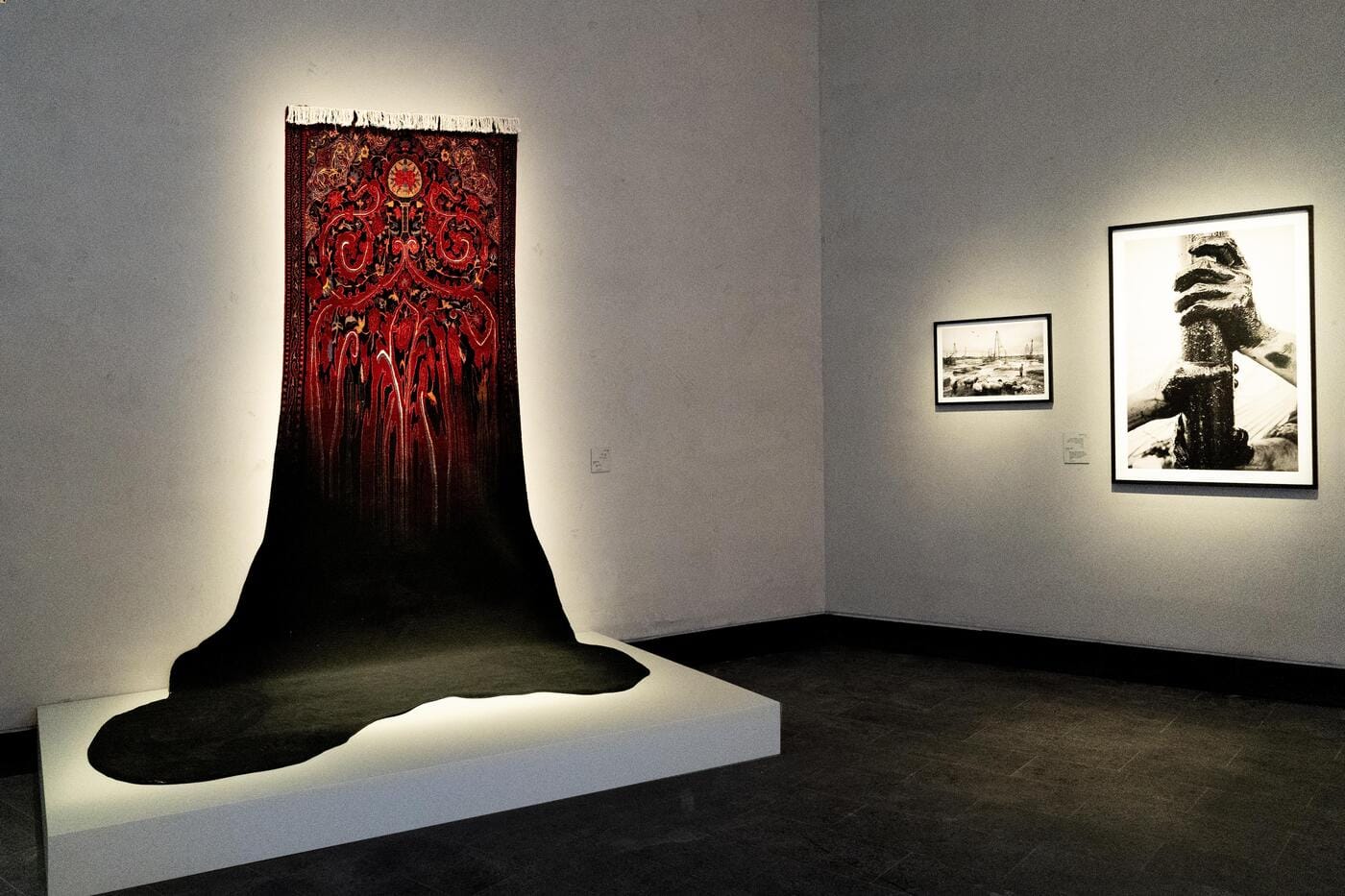
Black Gold Museum, Doubts Section, Faig Ahmed, Didier Ruef
Photo credit: La Méduse
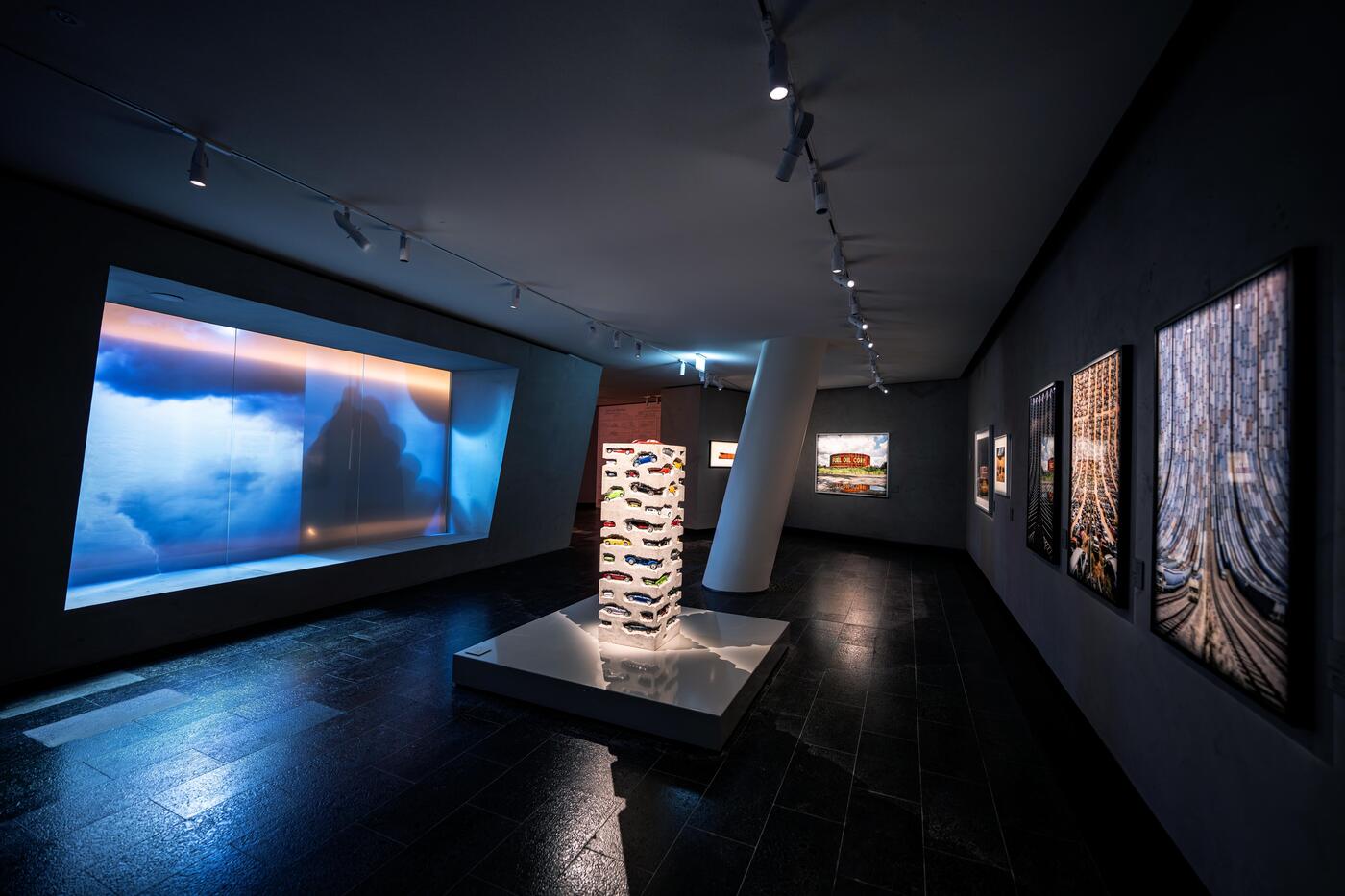
Black Gold Museum, Doubts Section
Photo credit: Black Gold Museum
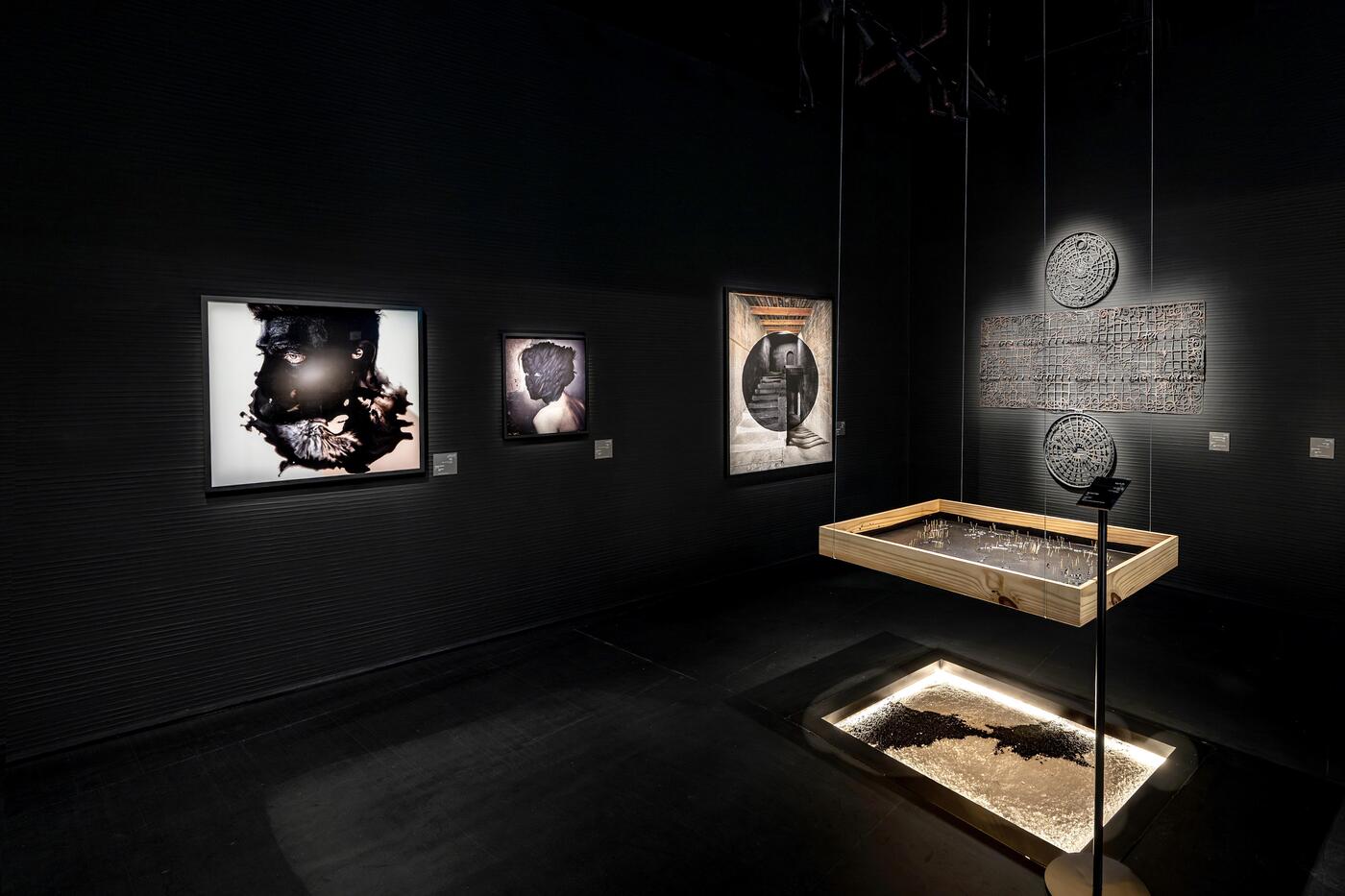
Black Gold Museum, Encounter Section
Photo credit: Black Gold Museum
The exhibition is organized into four thematic chapters — Encounter, Dreams, Doubts, and Visions — creating a chronological and emotional journey through humanity’s evolving relationship with oil. From early fascination and industrial expansion to questions of dependency and transformation, each section connects artworks with broader social, historical, and environmental contexts.
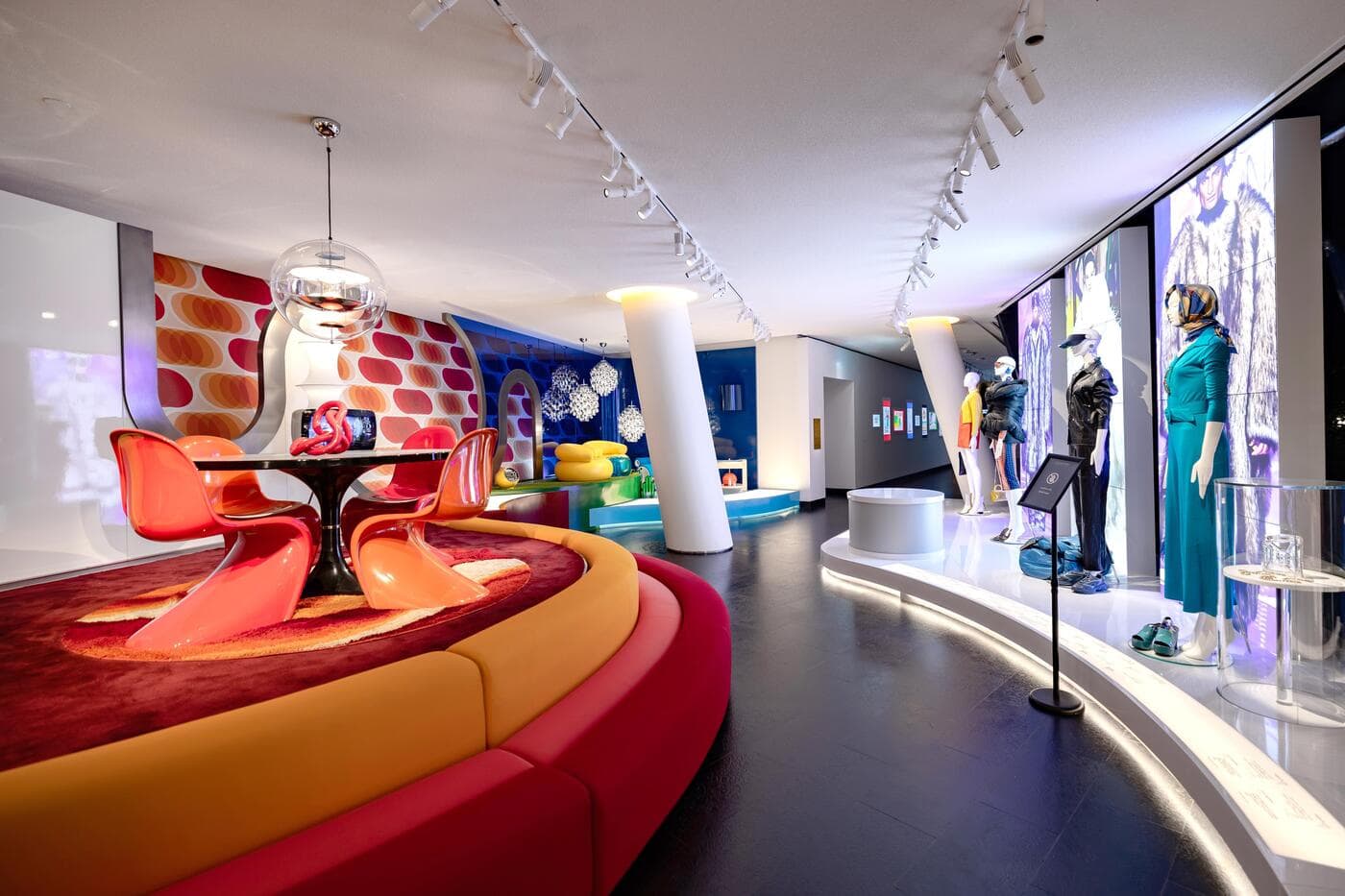
Black Gold Museum, Design and Fashion Period Room
Photo credit: Black Gold Museum
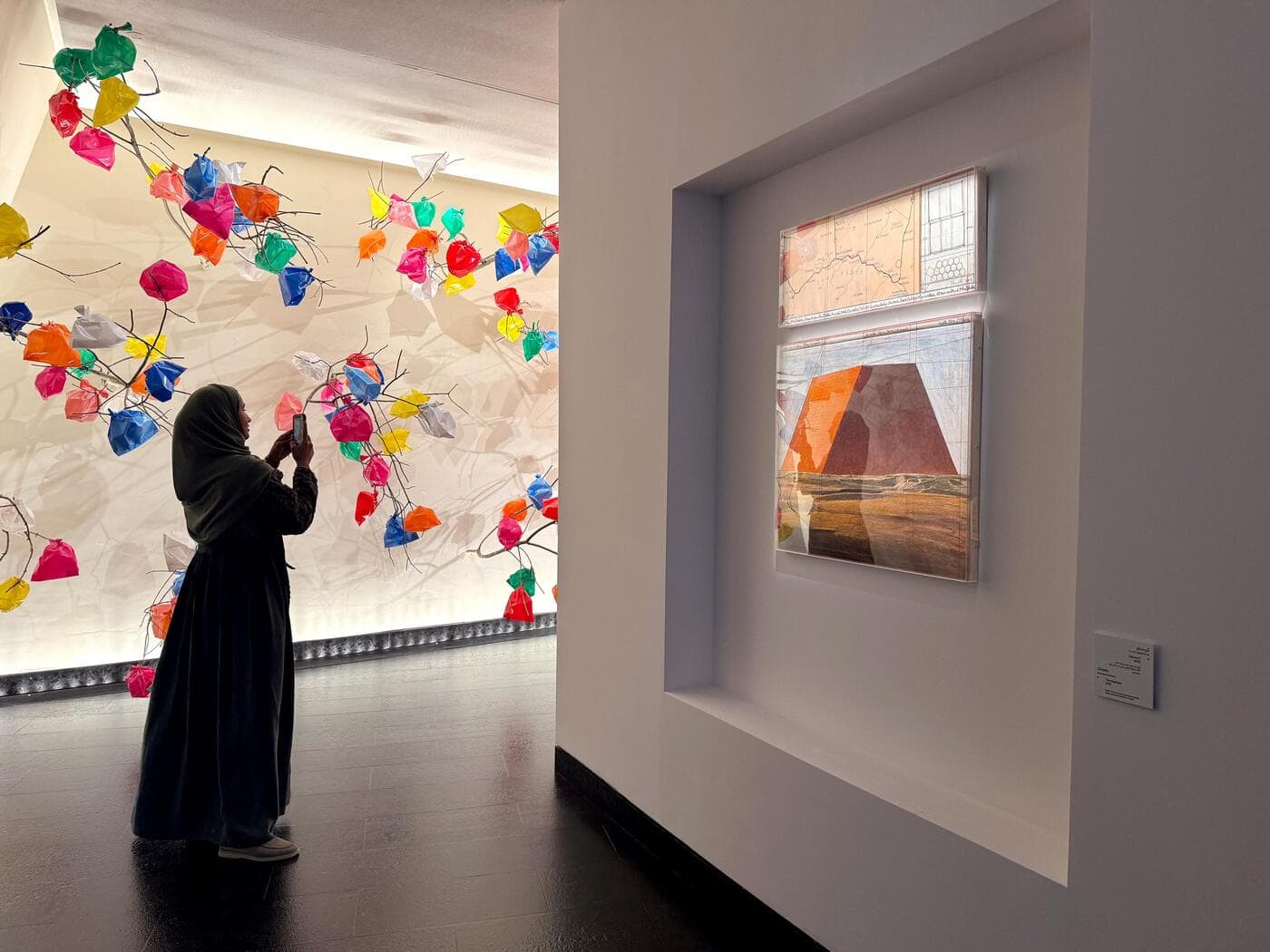
Black Gold Museum, Dreams Section, Pascale Marthine Tayou, Christo
Photo credit: La Méduse
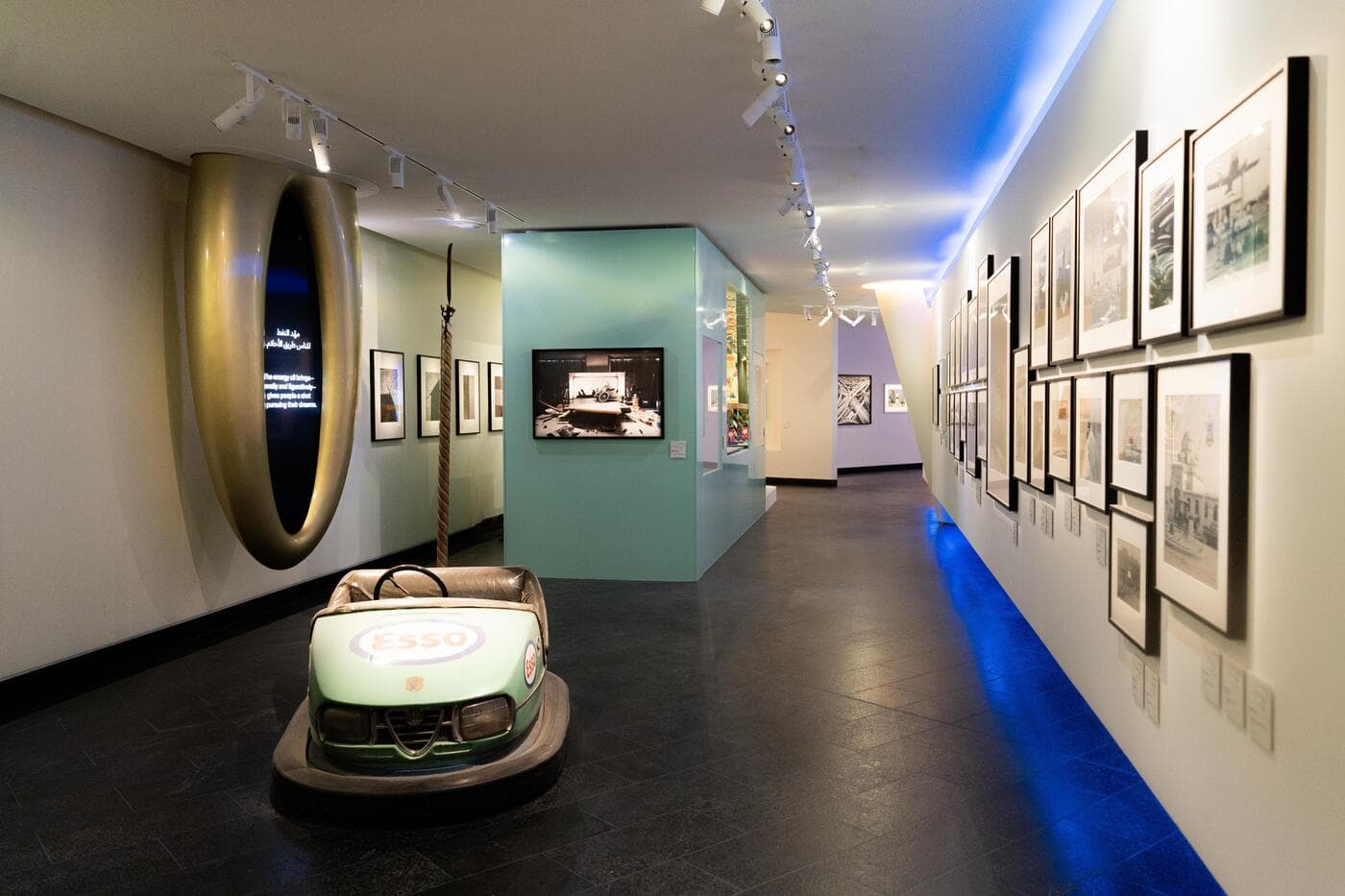
Black Gold Museum, Dreams Section
Photo credit: La Méduse
Designed as a fully immersive experience, the museum integrates architecture, scenography, lighting, graphics, and digital installations into a unified narrative environment. Exhibition design studio Agence NC developed spatial sequences that shift in atmosphere and materiality throughout the visitor journey, moving from dense, mineral-inspired spaces toward brighter and more open environments.
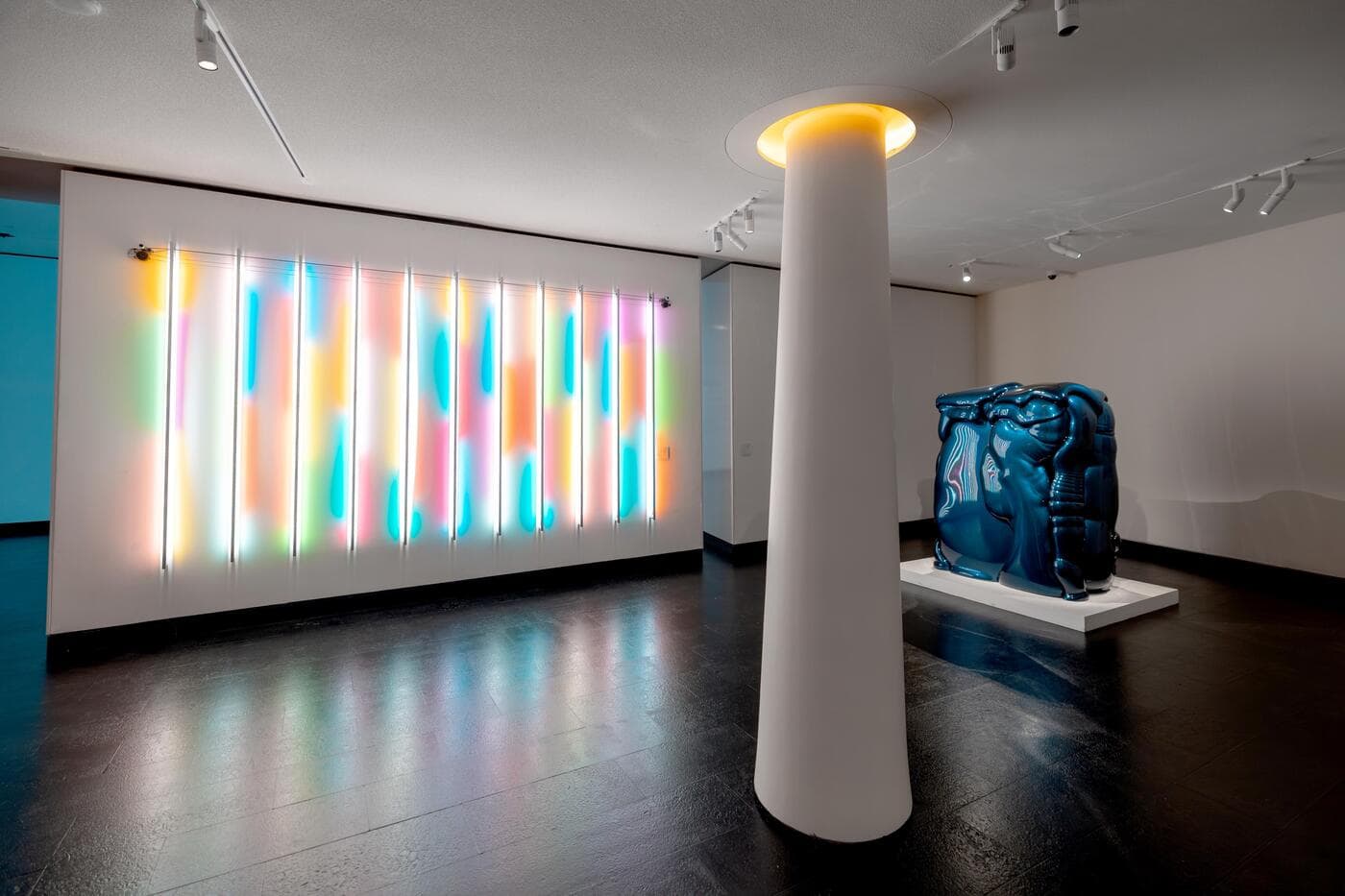
Black Gold Museum, Dreams Section, Pe Lang, César
Photo credit: Balck Gold Museum
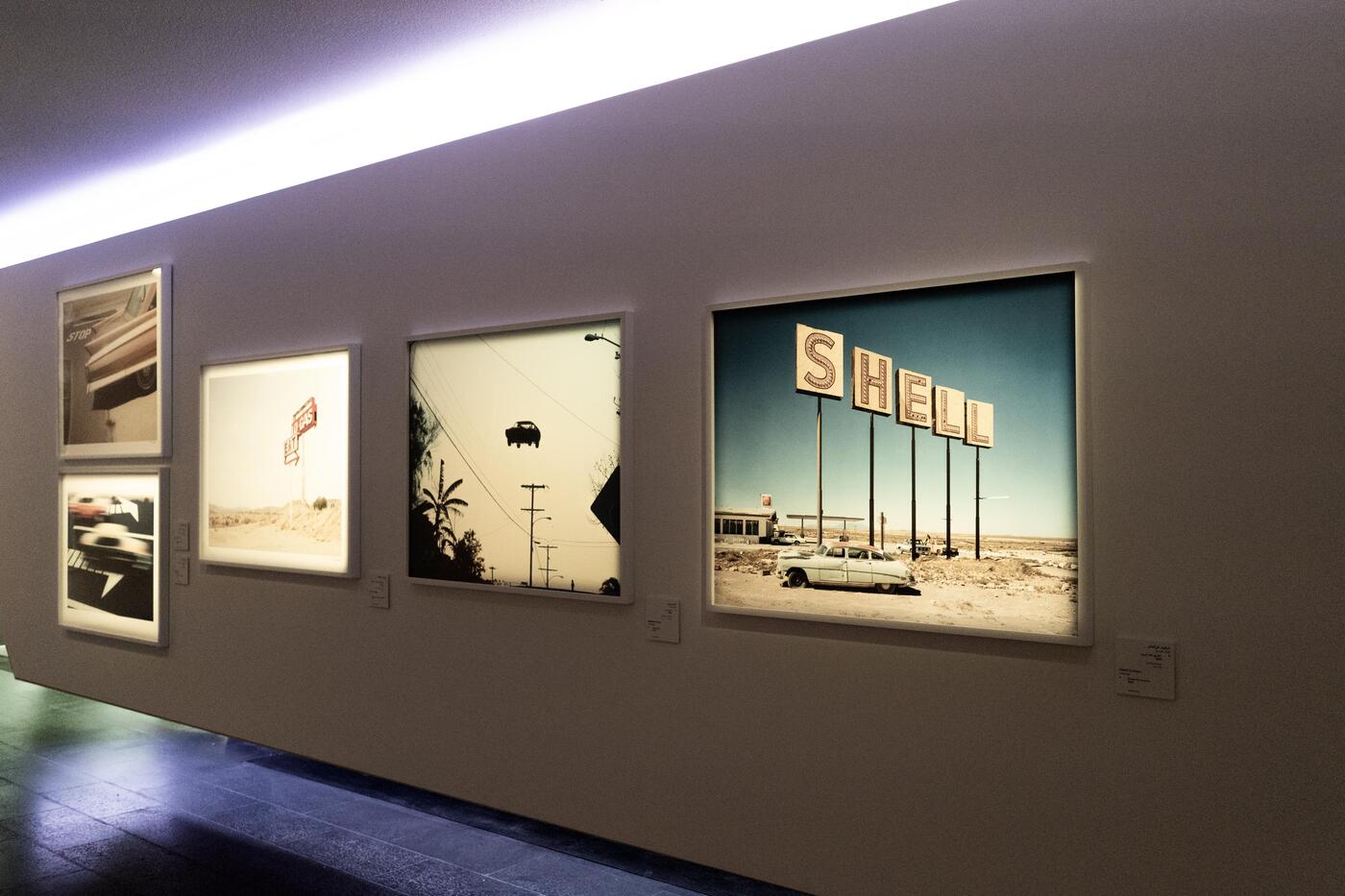
Black Gold Museum, Dreams Section
Photo credit: La Méduse
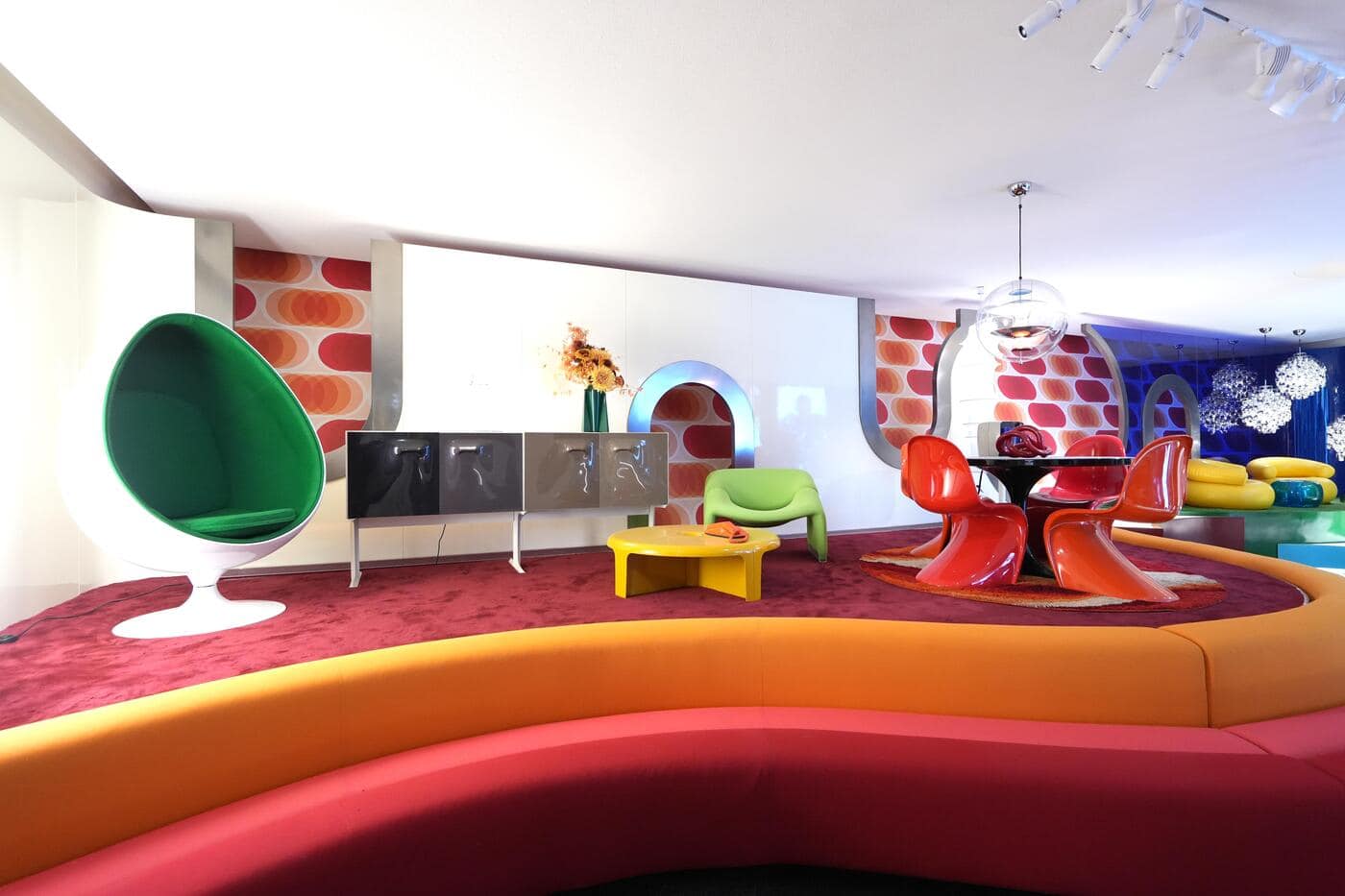
Black Gold Museum, Design Period Room
Photo credit: Black Gold Museum
Lighting design by Lightemotion plays a key role in shaping perception and emphasizing both the architecture and artworks, while immersive media studios La Méduse and Nokinomo created bespoke digital installations incorporating moving images, data visualization, interactivity, and sensory environments.
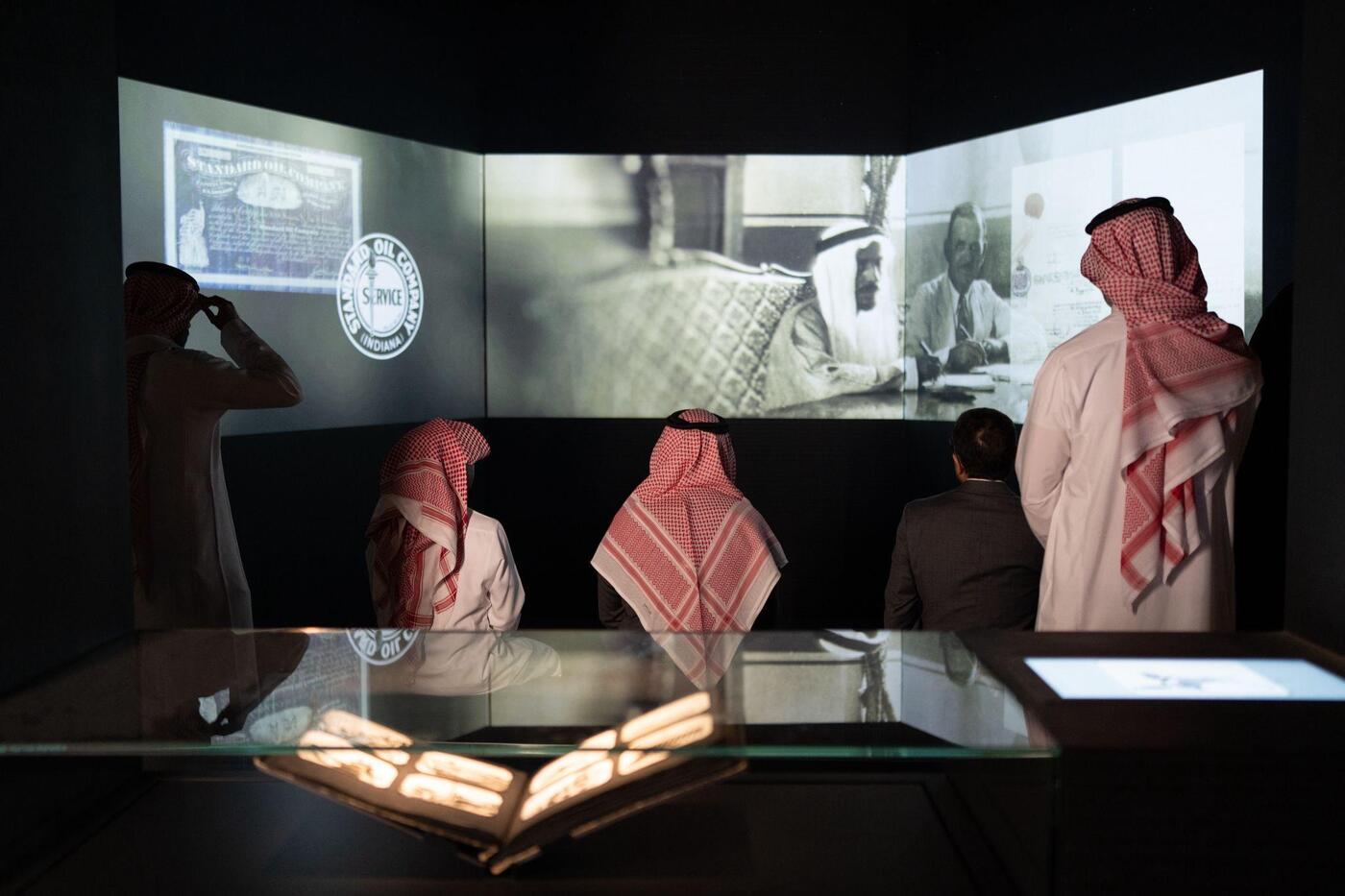
Ecounter section, Immersive documentary, Oil in Saudi
Photo credit: Black Gold Museum
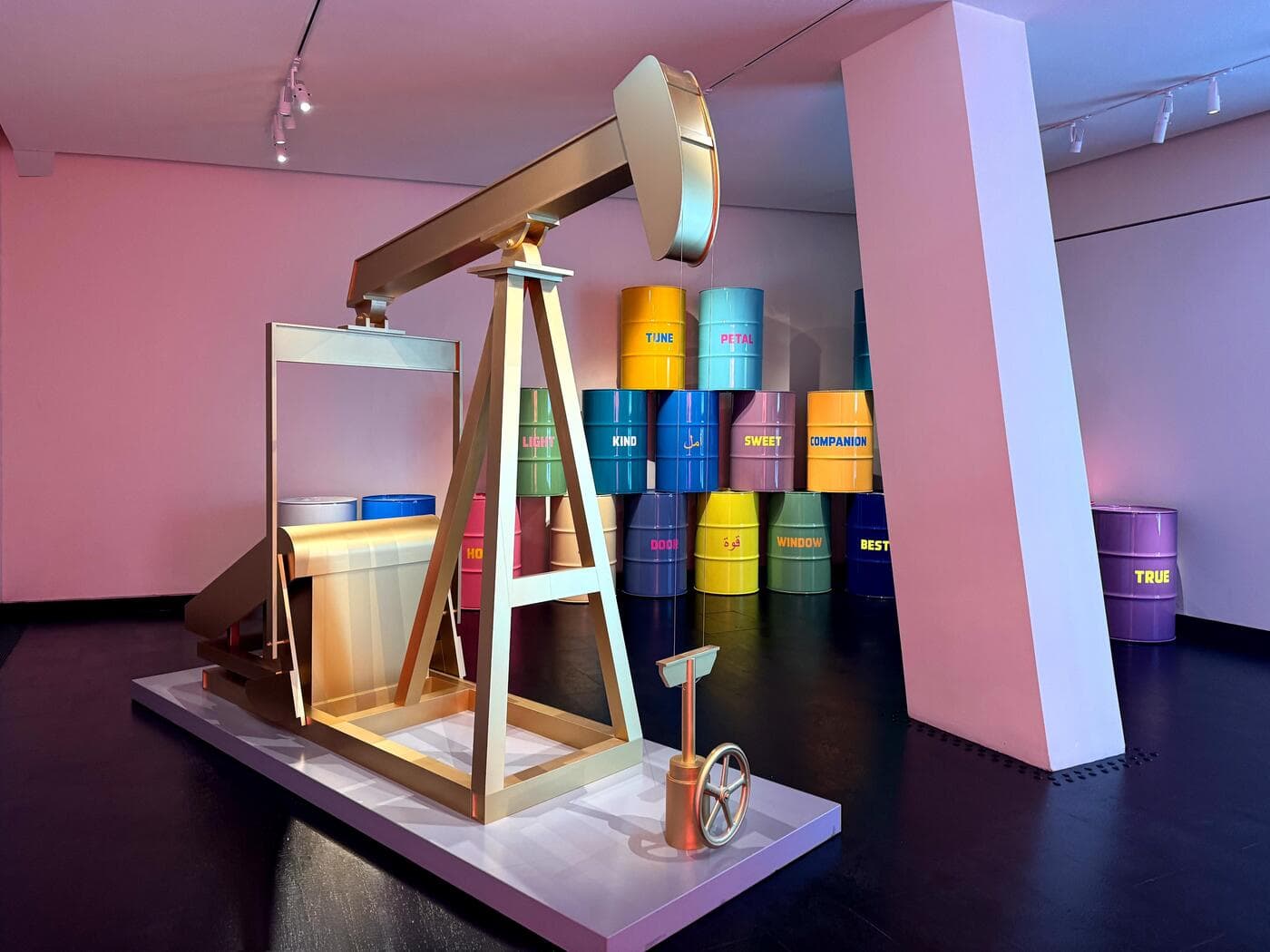
Black Gold Museum_Dream section, Jota Castro, Jimmie Durhan
Photo credit: Black Gold Museum
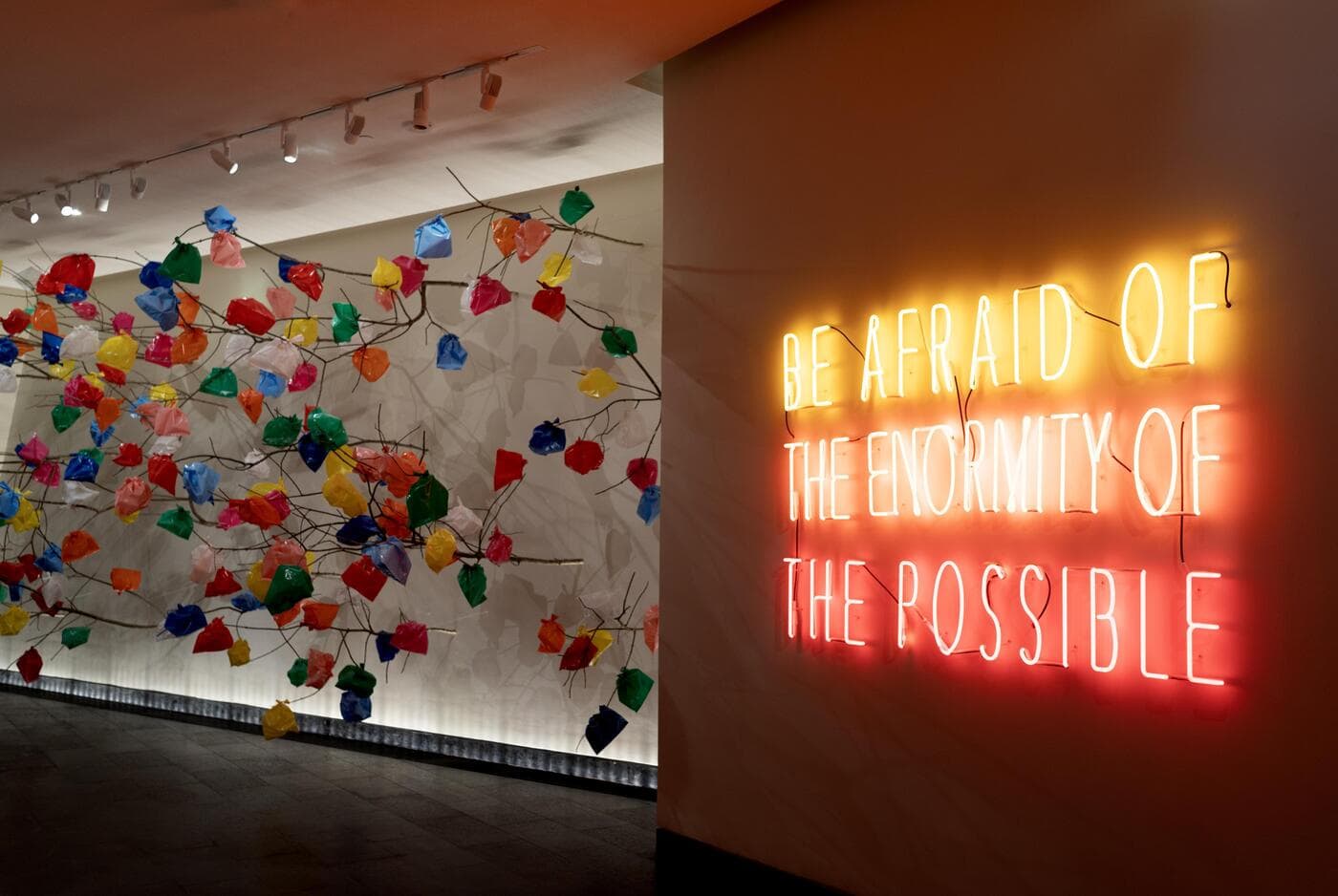
Black Gold Museum, Dream section, Alfredo Jaar, Pascale Marthine Tayou
Photo credit: La Méduse
Visual identity studio Anamorphée developed the museum’s graphic language, establishing a contemporary system intended to strengthen orientation, narrative clarity, and visitor engagement.
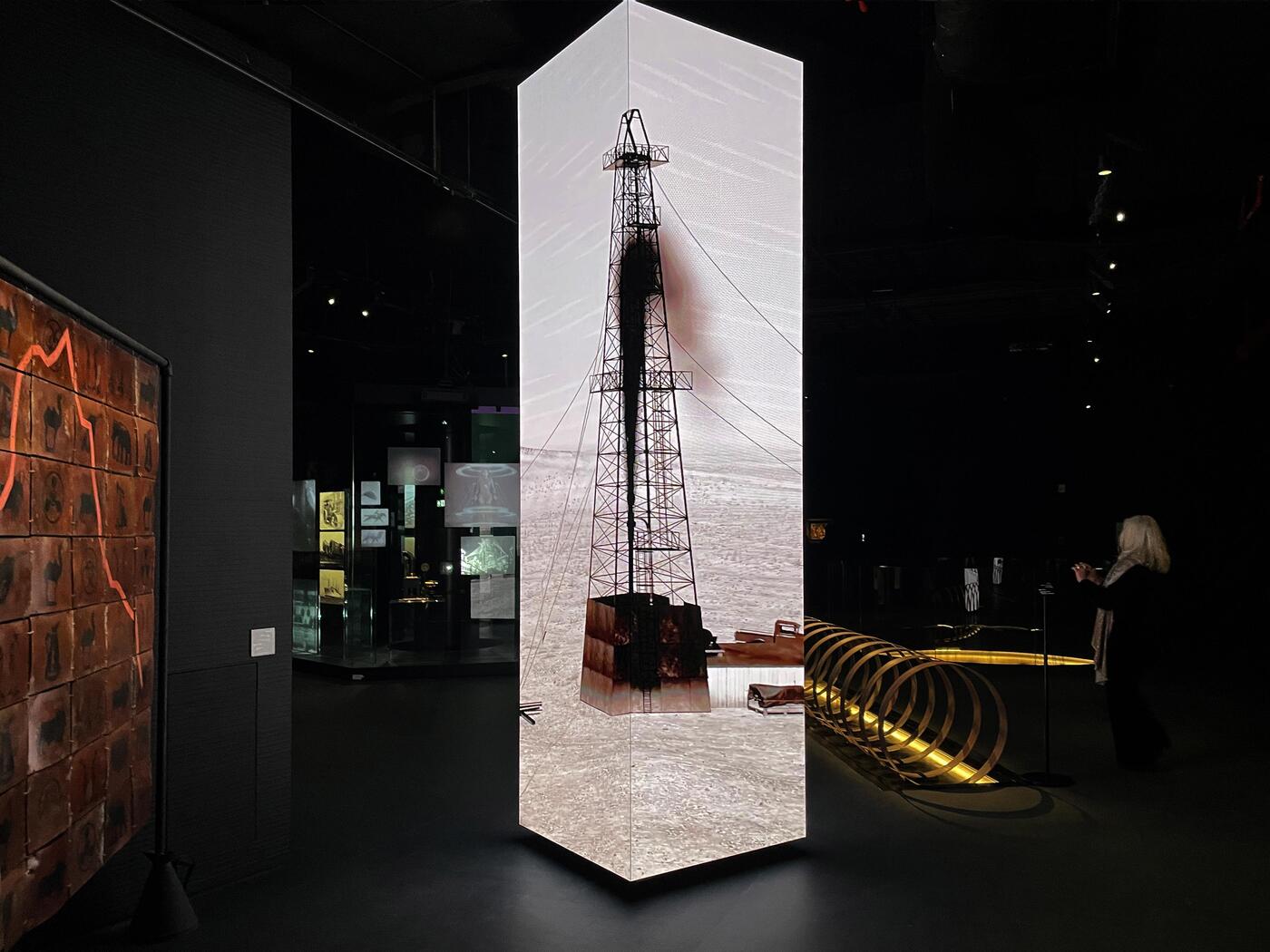
Black Gold Museum_Well N.7
Photo credit: La Méduse
La Méduse oversaw the project’s creative direction over a six-year development period, coordinating curatorial and design teams to maintain coherence across narrative, spatial design, and immersive components. The museum occupies a building originally designed as a research library within the KAPSARC campus, which was transformed by DaeWha Kang Studio into a four-level exhibition environment with a continuous visitor flow.
The BLACK GOLD MUSEUM emphasizes interactivity beyond traditional museum displays, encouraging engagement through movement, perception, and emotional response rather than information delivery alone. Monumental installations, digital environments, and sensory storytelling are central to the institution’s approach.
Opening at a time when oil remains central to geopolitical, environmental, and economic debates, the museum proposes a new framework for understanding one of the defining materials of modern civilization. By bringing together contemporary art, immersive design, and cultural storytelling, BLACK GOLD MUSEUM positions itself as part of a broader evolution in museum practice — one in which knowledge is experienced as much as it is presented.