English
 日本語
日本語

A Sensitive Model for Residential Densification in Montreal’s Former Industrial District
In many cities undergoing rapid transformation, former industrial areas are increasingly being converted into residential neighborhoods. Yet these redevelopments often erase the physical and cultural traces of the past in favor of generic urban housing. Vivre 2, a residential project designed by ACDF Architecture in Montreal, offers a more nuanced alternative—one that treats industrial heritage not as an obstacle to redevelopment, but as a foundation for contemporary urban living.
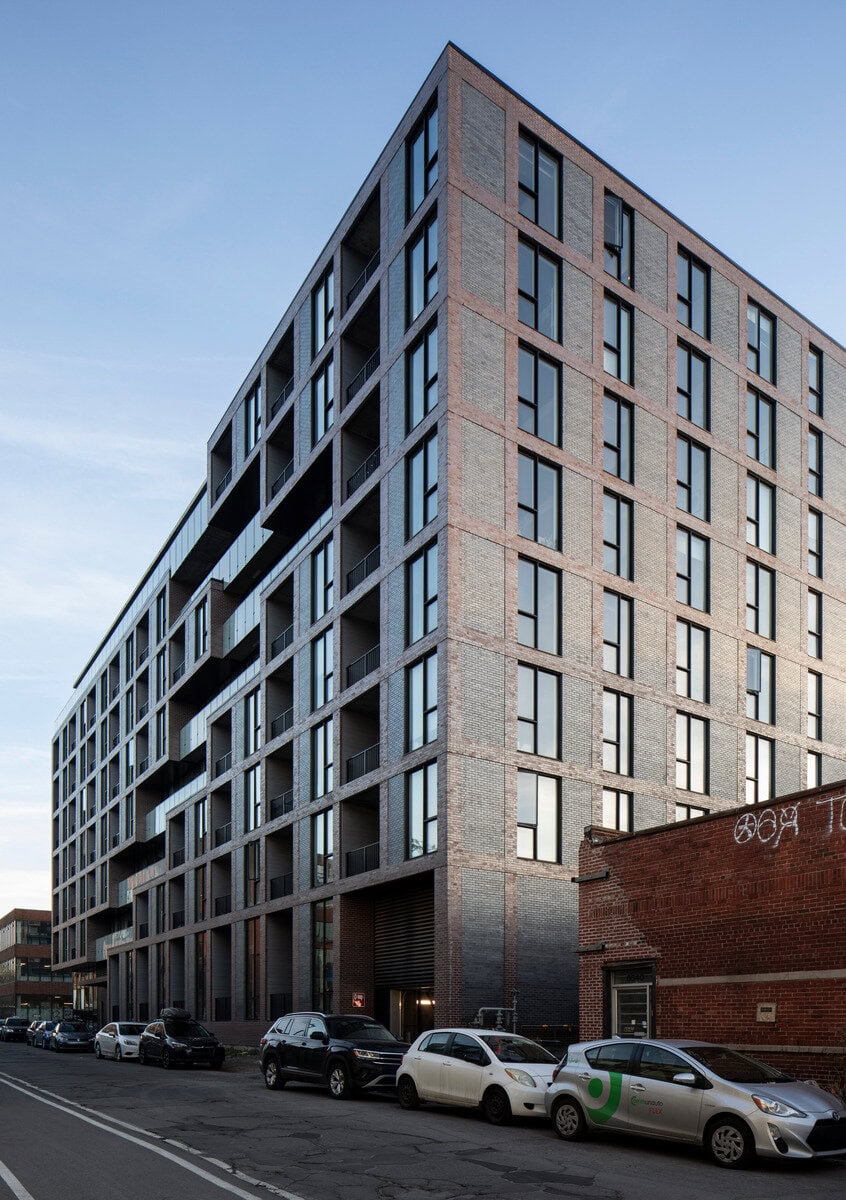
Photo credit: Adrien Williams
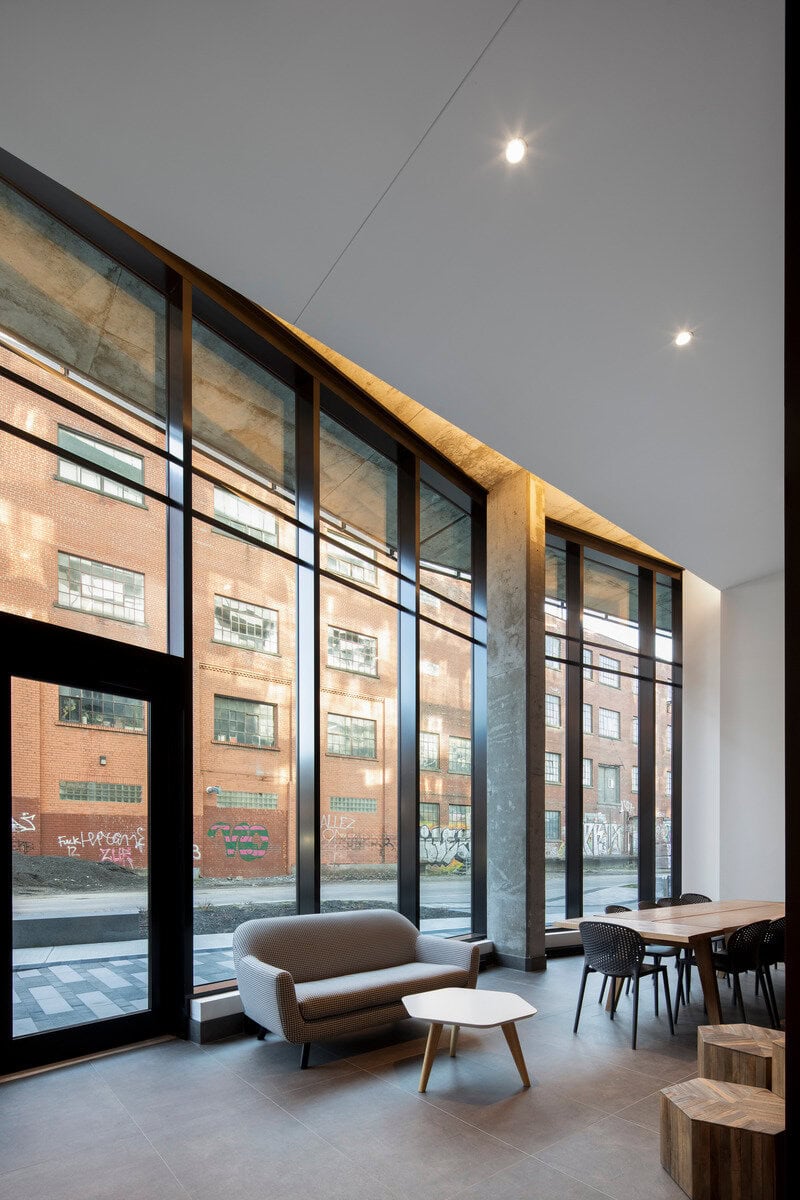
Photo credit: Adrien Williams
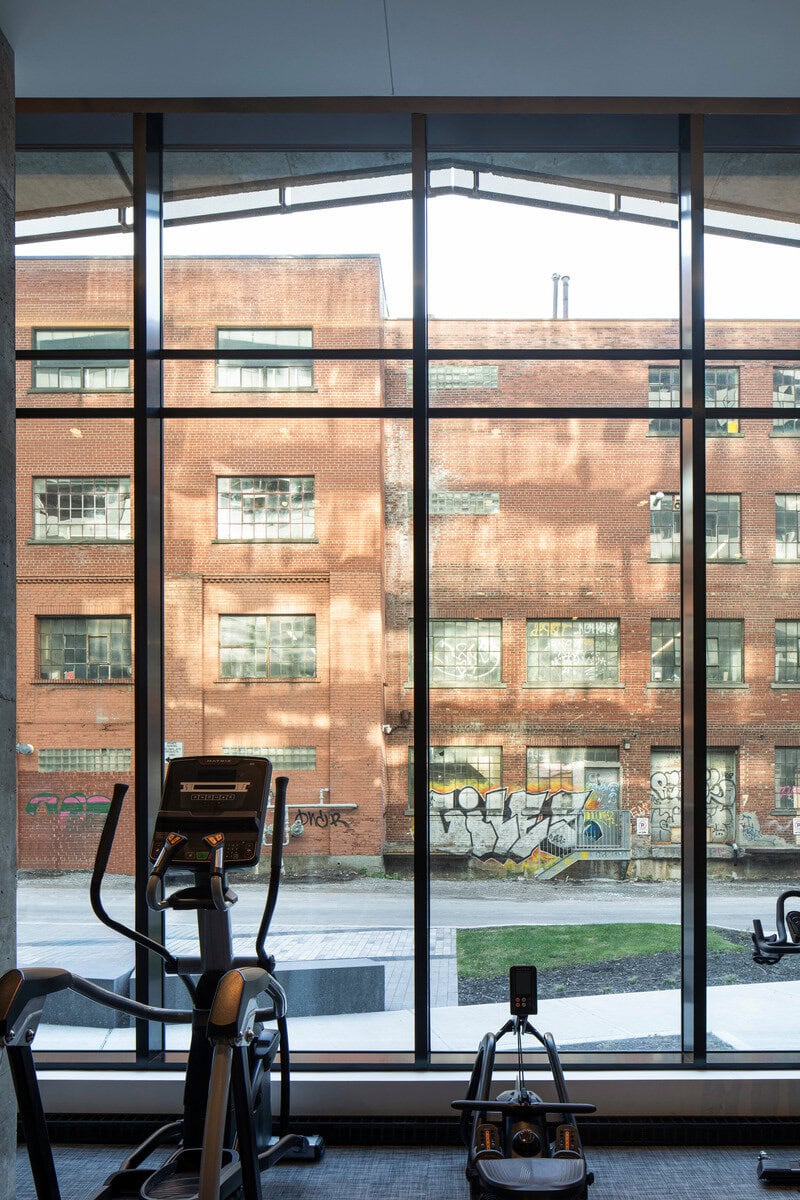
Photo credit: Adrien Williams
Located in the Atlantic sector of Montreal’s Outremont borough, behind the newly developed Université de Montréal campus, Vivre 2 occupies a site that was long closed off for industrial use. The recent introduction of Thérèse-Lavoie-Roux Street has reconnected the district to the broader city, opening the area to new residential and civic possibilities. Within this changing urban landscape, Vivre 2 continues the transformation initiated by the nearby Vivre 1 project, also designed by ACDF Architecture.

Photo credit: Adrien Williams
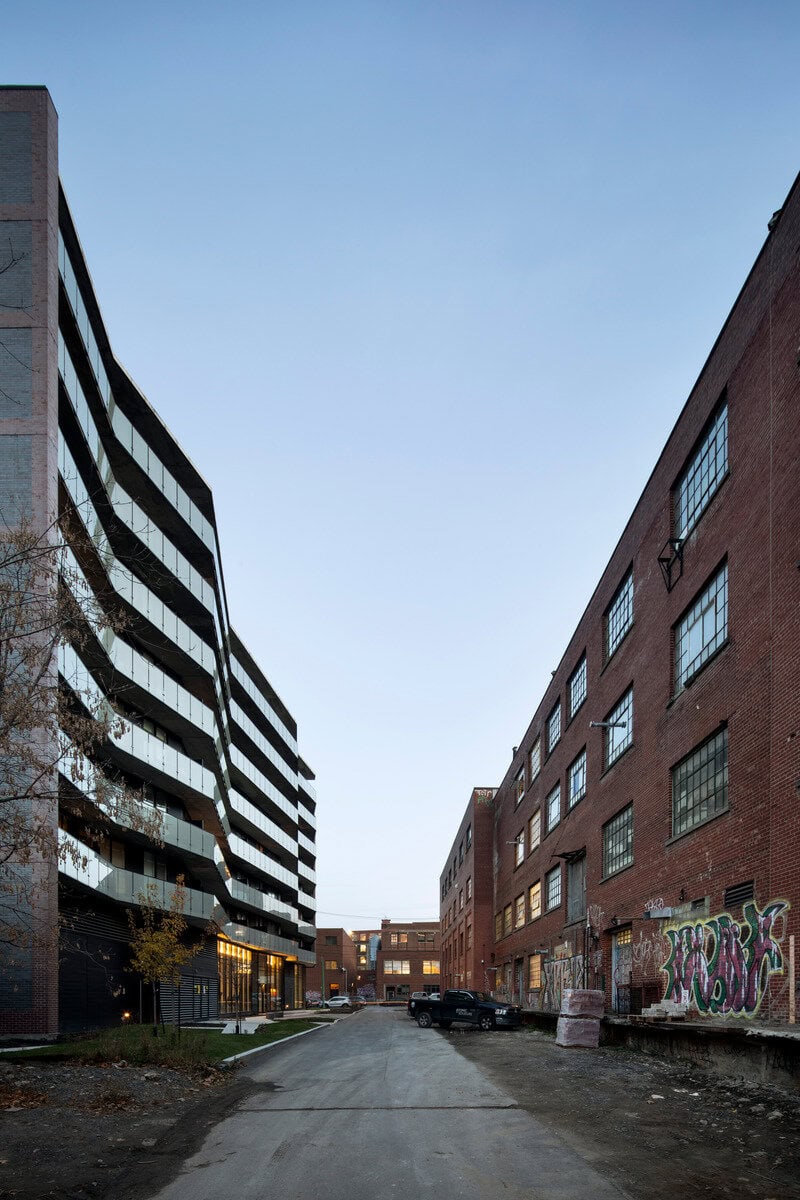
Photo credit: Adrien Williams

Photo credit: Adrien Williams
Rather than adopting a conventional condominium model, the project draws directly from the district’s industrial vocabulary. Its massing recalls the warehouses that once defined the area, while a carefully articulated façade composition introduces a contemporary sense of movement and lightness. A diagonal fragmentation across one of the main façades, emphasized by glass guardrails, softens the building’s monolithic form and creates a more dynamic urban presence.
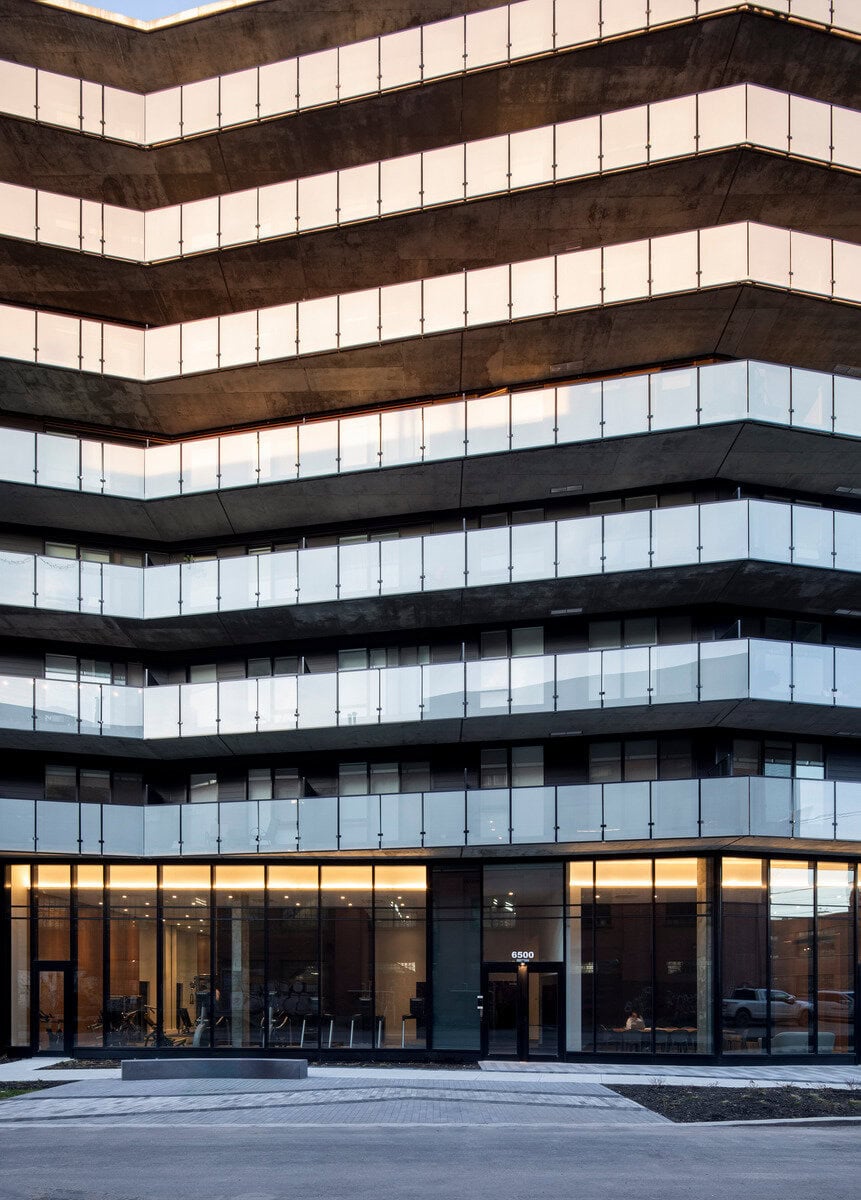
Photo credit: Adrien Williams

Photo credit: Adrien Williams

Photo credit: Adrien Williams
Materiality plays a central role in anchoring the project within its context. Two tones of clay brick establish a visual rhythm across the façade: one articulates the structural grid, evoking the concrete frames and utilitarian brick architecture typical of the neighborhood’s industrial past, while the other fills the interstitial spaces. This layered approach allows the building to reference historical industrial typologies without resorting to nostalgia or imitation.
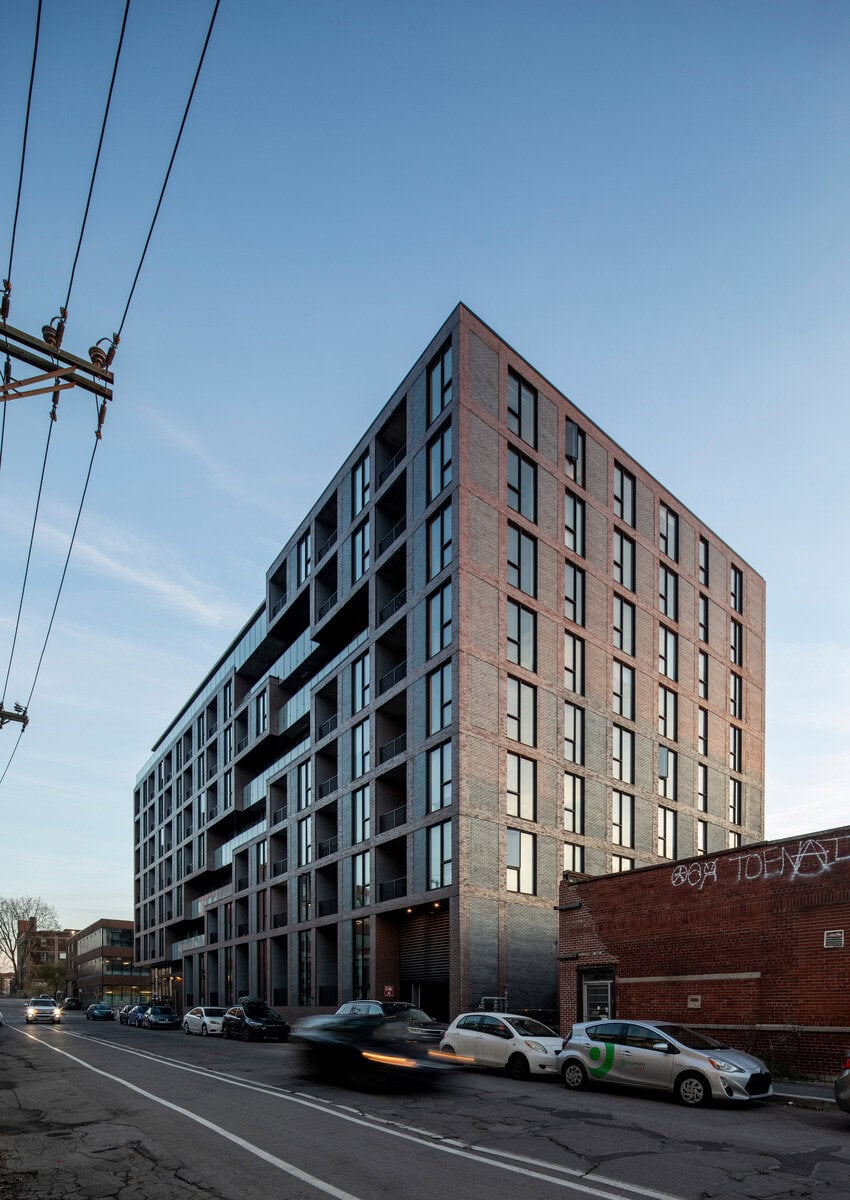
Photo credit: Adrien Williams

Photo credit: Adrien Williams

Photo credit: Adrien Williams
The project also differentiates itself through its treatment of public and semi-public space. While the street-facing façades maintain a restrained and robust expression in keeping with the district’s industrial character, the alley-facing side adopts a more animated and open identity. Here, the architecture encourages the reactivation of overlooked urban spaces, transforming the alley into a shared social environment rather than a purely functional service corridor.

Photo credit: Adrien Williams
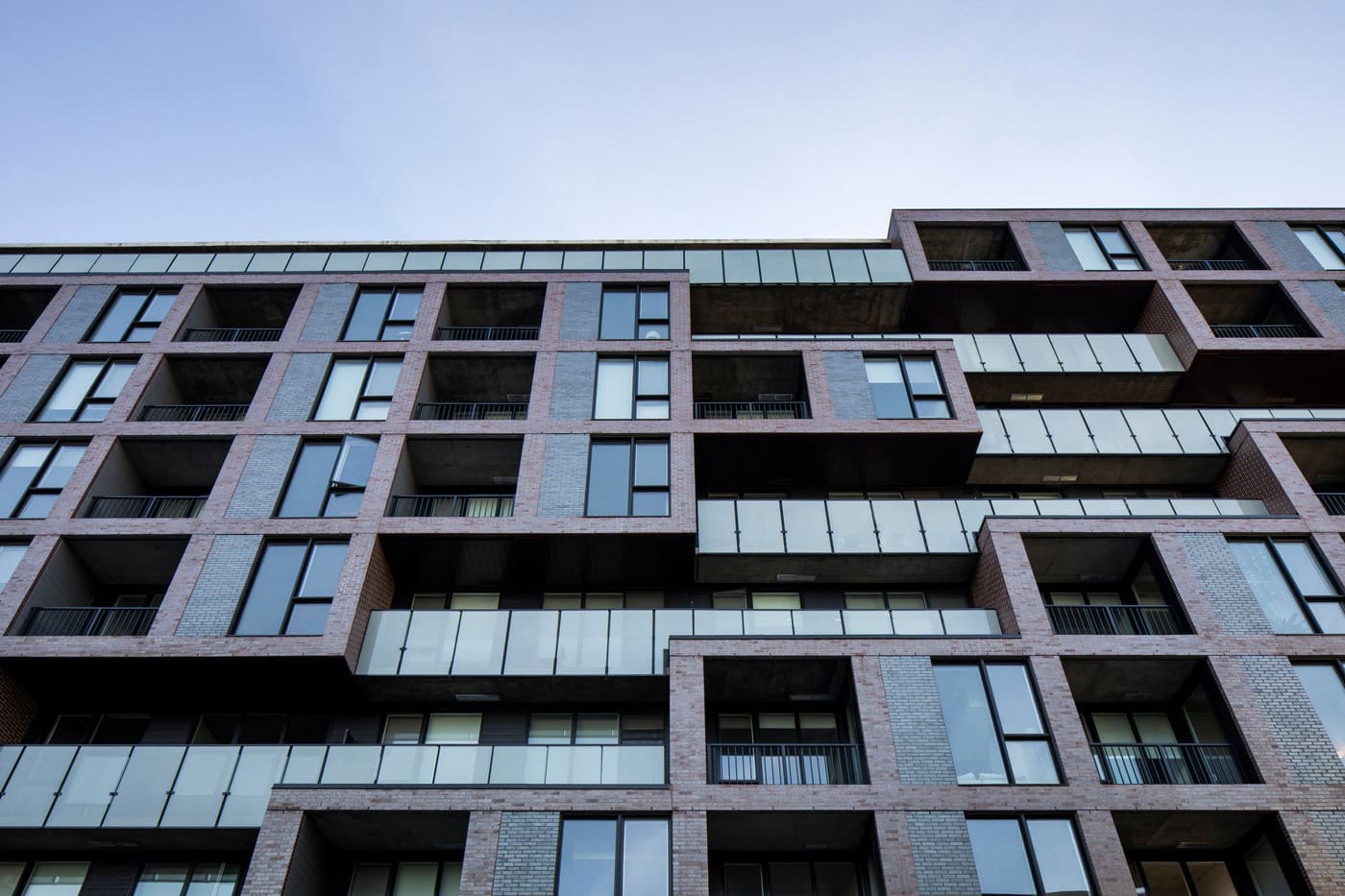
Photo credit: Adrien Williams

Photo credit: Adrien Williams
This strategy extends into the building’s programmatic organization. Instead of locating communal amenities on the roof—a common feature in contemporary residential developments—ACDF placed common areas at ground level along the alley. The move strengthens connections between residents and the surrounding neighborhood while increasing activity and visibility at the pedestrian scale. In doing so, the project proposes a more participatory model of urban living, one rooted in everyday interaction and local engagement.
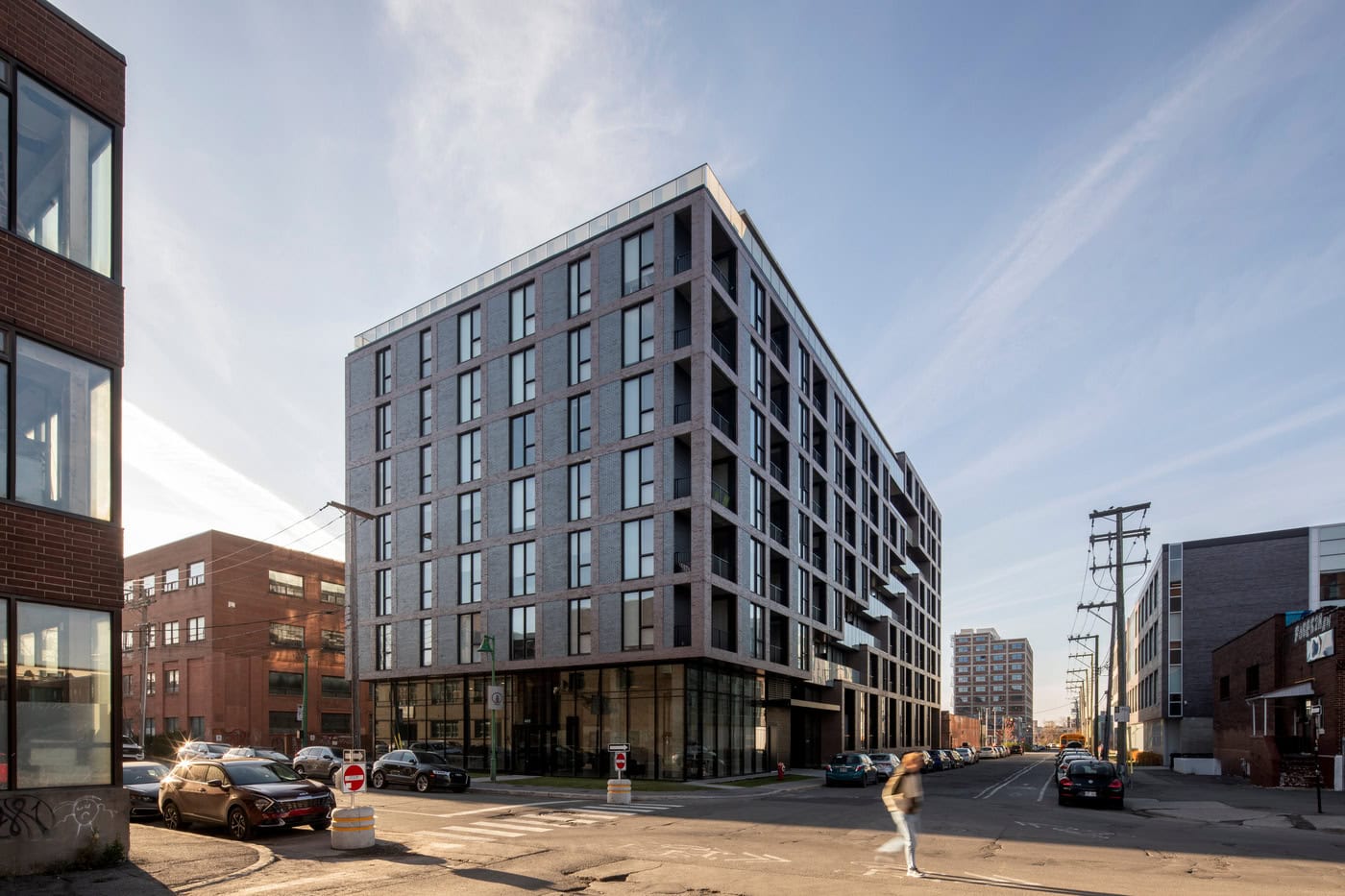
Photo credit: Adrien Williams
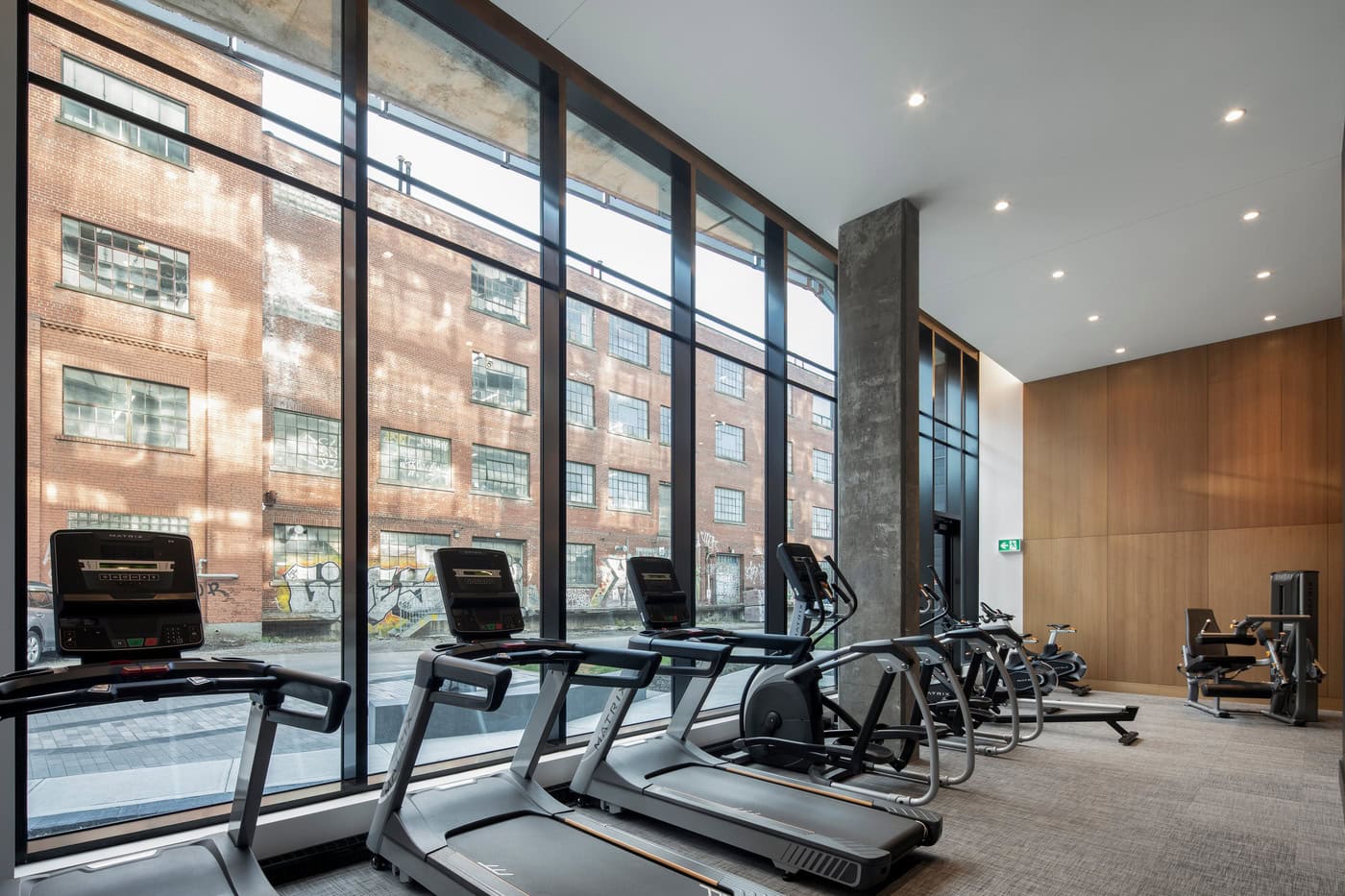
Photo credit: Adrien Williams
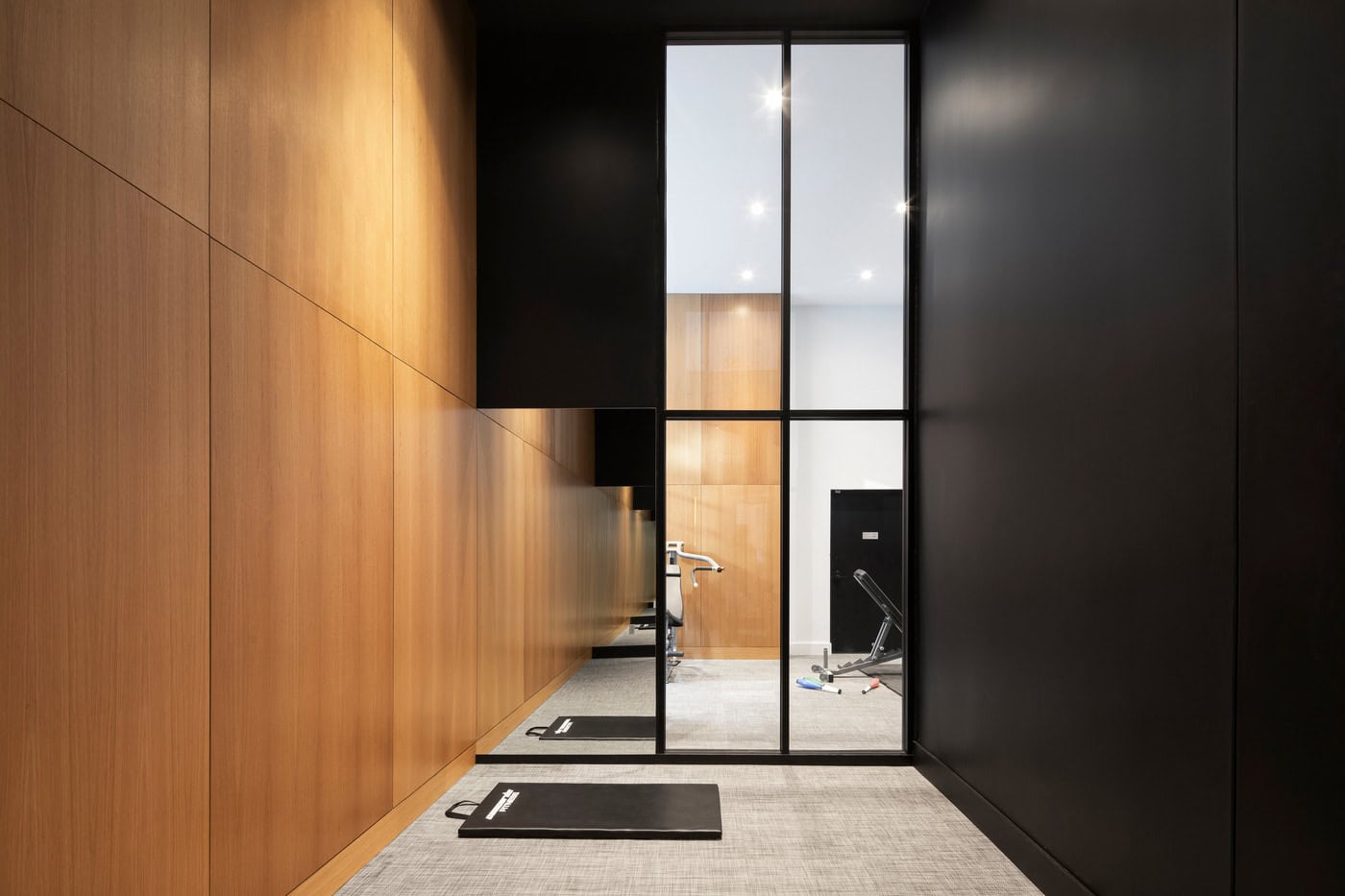
Photo credit: Adrien Williams
Vivre 2 ultimately demonstrates how residential densification can occur without sacrificing the identity of a place. Through its careful attention to scale, materiality, and urban relationships, the project presents a compelling model for transforming post-industrial districts into livable contemporary neighborhoods while preserving the memory and character embedded within the site.
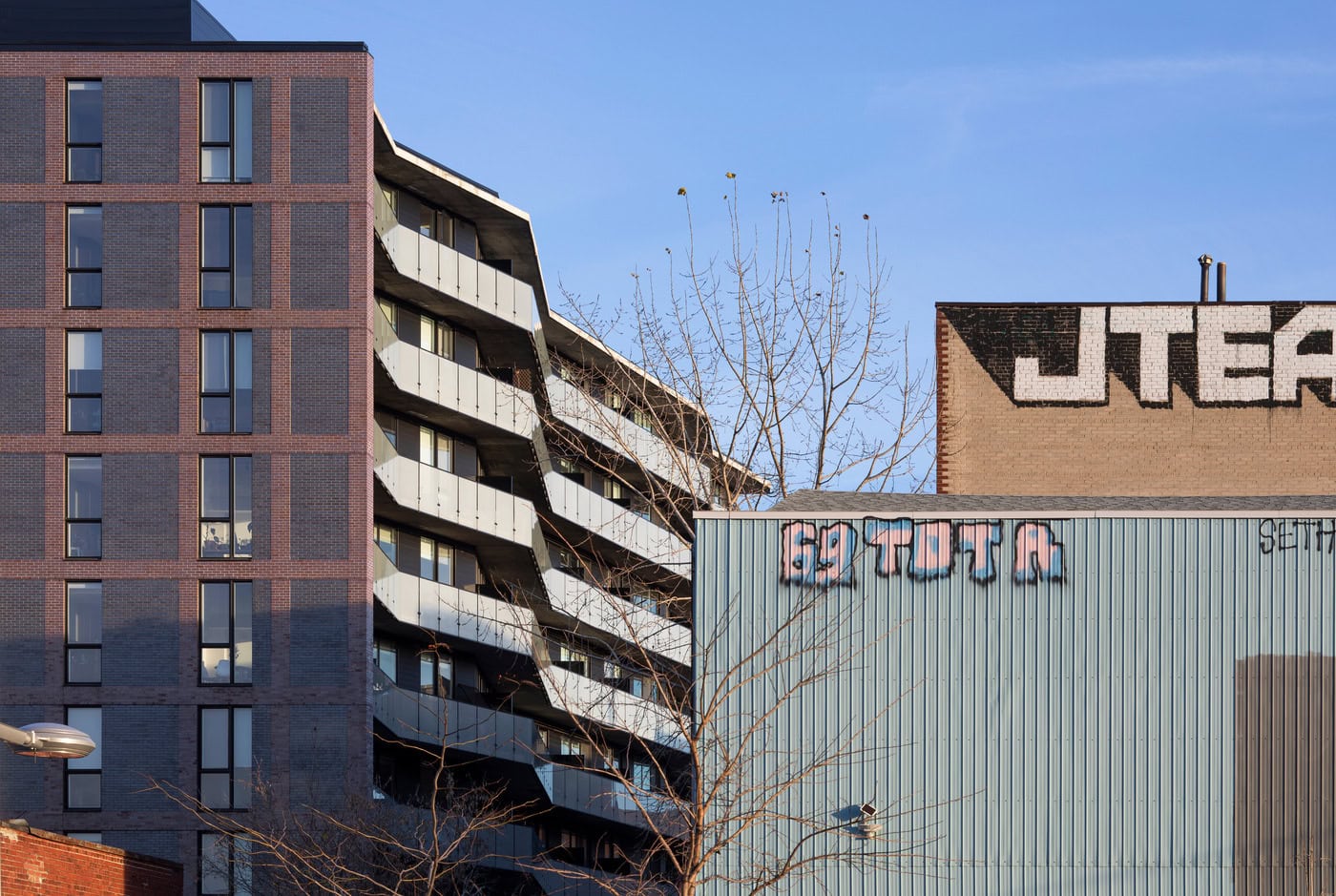
Photo credit: Adrien Williams
ACDF Architecture
With a portfolio of ambitious and design-savvy commercial, residential, hospitality, interior, and master planning projects, ACDF is recognized as one of Canada’s most forward-thinking architecture firms. Under the direction of Maxime-Alexis Frappier, Joan Renaud, and Etienne Laplante Courchesne, the firm’s harmonious designs of large-scale projects have received numerous awards and accolades in recognition of their progressive approach to a new generation of meaningful and impactful buildings.
ACDF is built upon a foundation of pragmatism and creativity, embracing the belief that every building should serve its inhabitants and passersby. Beyond the status of grand gestures and iconic appearances, the firm believes that buildings should be experiences infused with emotive and democratic architecture that touches and benefits all who come in contact with it. That process begins with practical solutions and creative designs that foster harmonious architecture, ensuring that every finished structure projects a sense of meaning and mission.