

 English
 日本語
日本語

Reframing Coastal Infrastructure through Adaptive Urban Design
A speculative urban proposal titled City on the Loop by Ruxuan Zheng reimagines Brooklyn’s Canarsie Pier as a phased, flood-adaptive urban system designed to respond to long-term sea-level rise. The project proposes a continuous loop that reframes the relationship between architecture, infrastructure, and climate resilience along the Belt Parkway waterfront.
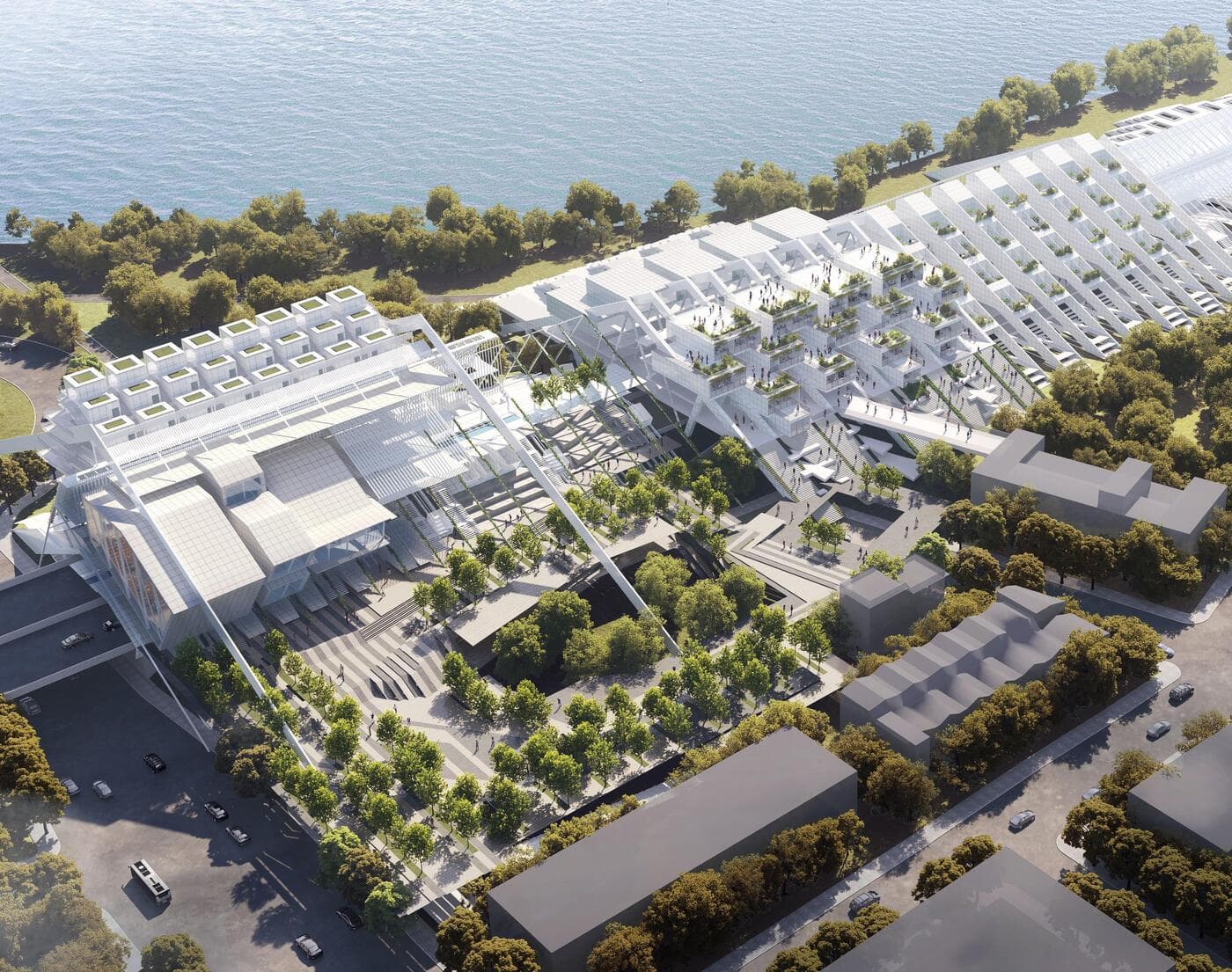
Loop Overview
Photo credit: Ruxuan Zheng, Haoyuan Wang
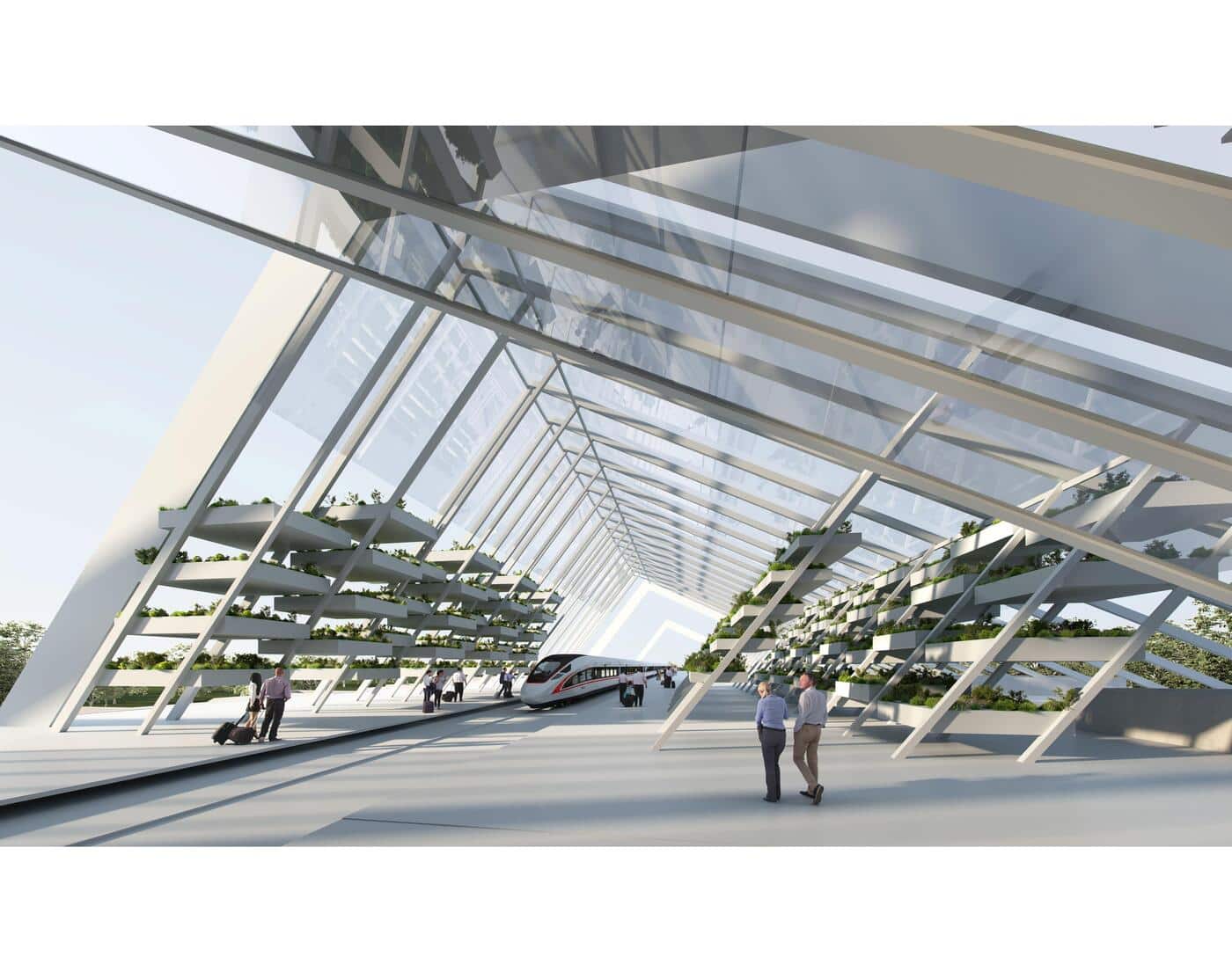
Phase future
Photo credit: Ruxuan Zheng, Haoyuan Wang
The design is structured in three phases. Phase One transforms the Belt Parkway—historically a physical and social barrier between the neighborhood and Jamaica Bay—by elevating a new housing and transit spine above the roadway. Phase Two expands this looped framework with additional residential development, light rail infrastructure, and water-based transit connections. In Phase Three, the waterfront edge is activated through a hotel and commercial district intended to bring public life back to the shoreline while increasing awareness of long-term coastal sustainability.

Phase I
Photo credit: Ruxuan Zheng, Haoyuan Wang

Phase I
Photo credit: Ruxuan Zheng, Haoyuan Wang
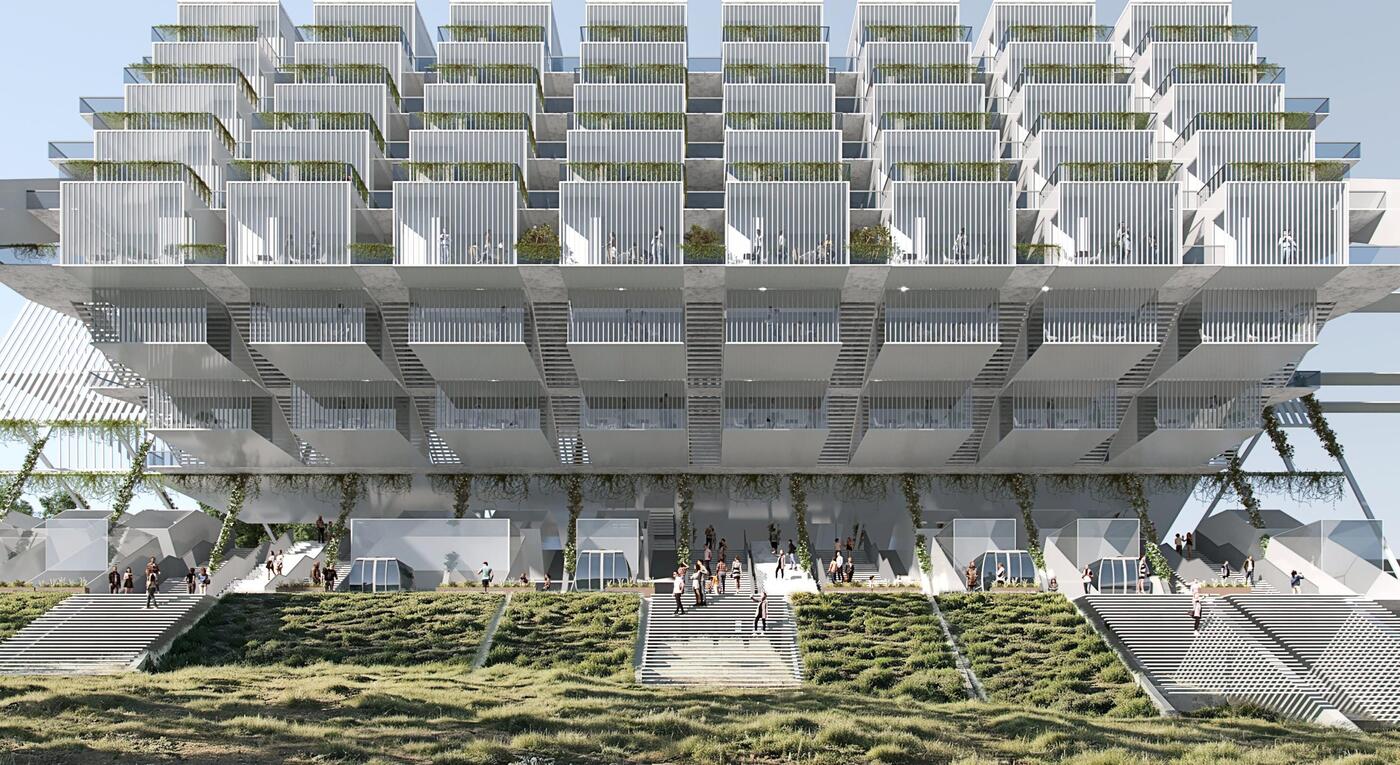
Phase I
Photo credit: Ruxuan Zheng, Haoyuan Wang
Each phase is calibrated to projected 100-year flood levels for Canarsie in 2025, 2050, 2100, and 2500, based on FEMA data. Rather than relying on a fixed defensive strategy, the structure is designed to grow vertically over time, incorporating green roofs, terraces, and elevated walkways as water levels rise.

Phase II
Photo credit: Ruxuan Zheng, Haoyuan Wang
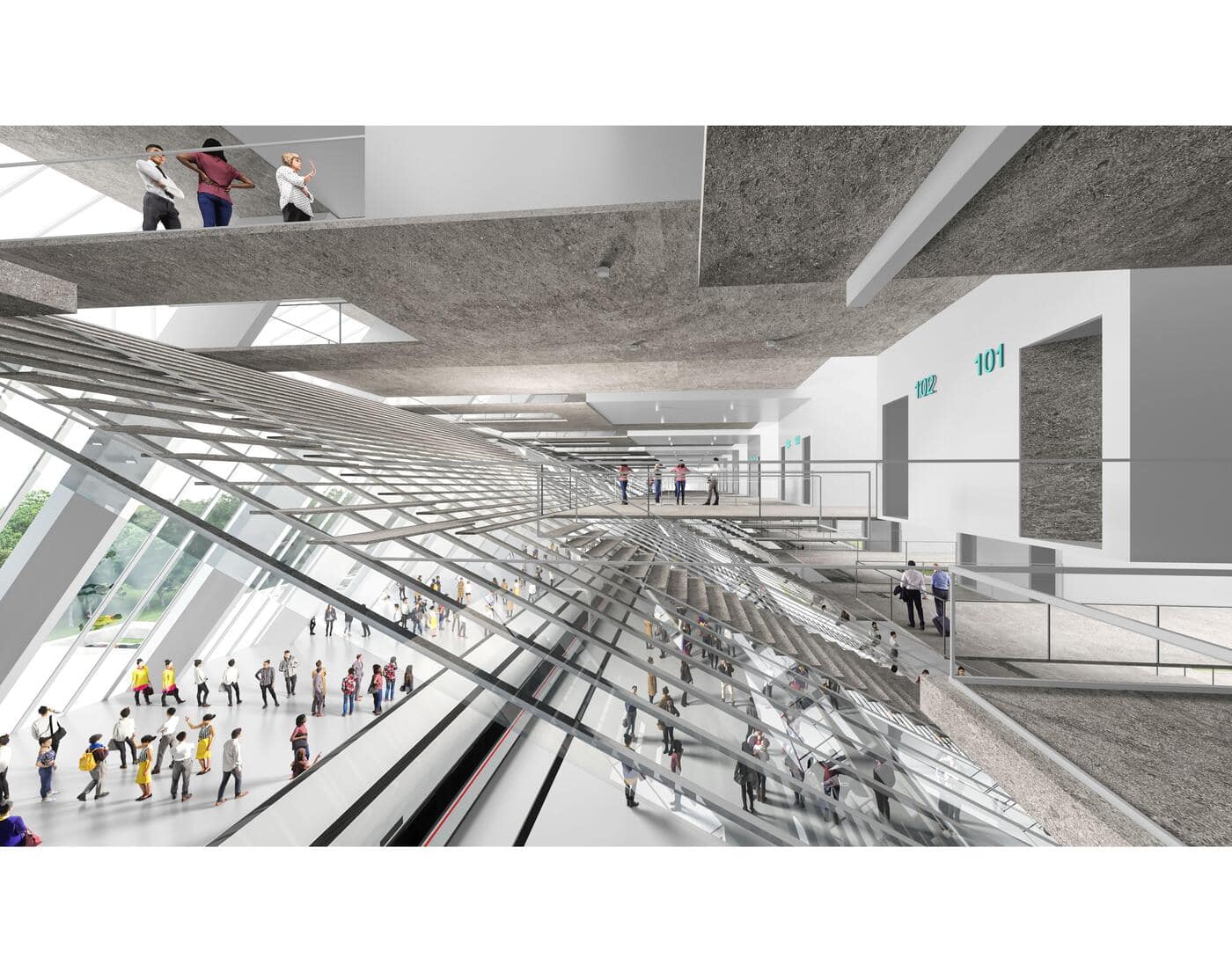
Phase II
Photo credit: Ruxuan Zheng, Haoyuan Wang
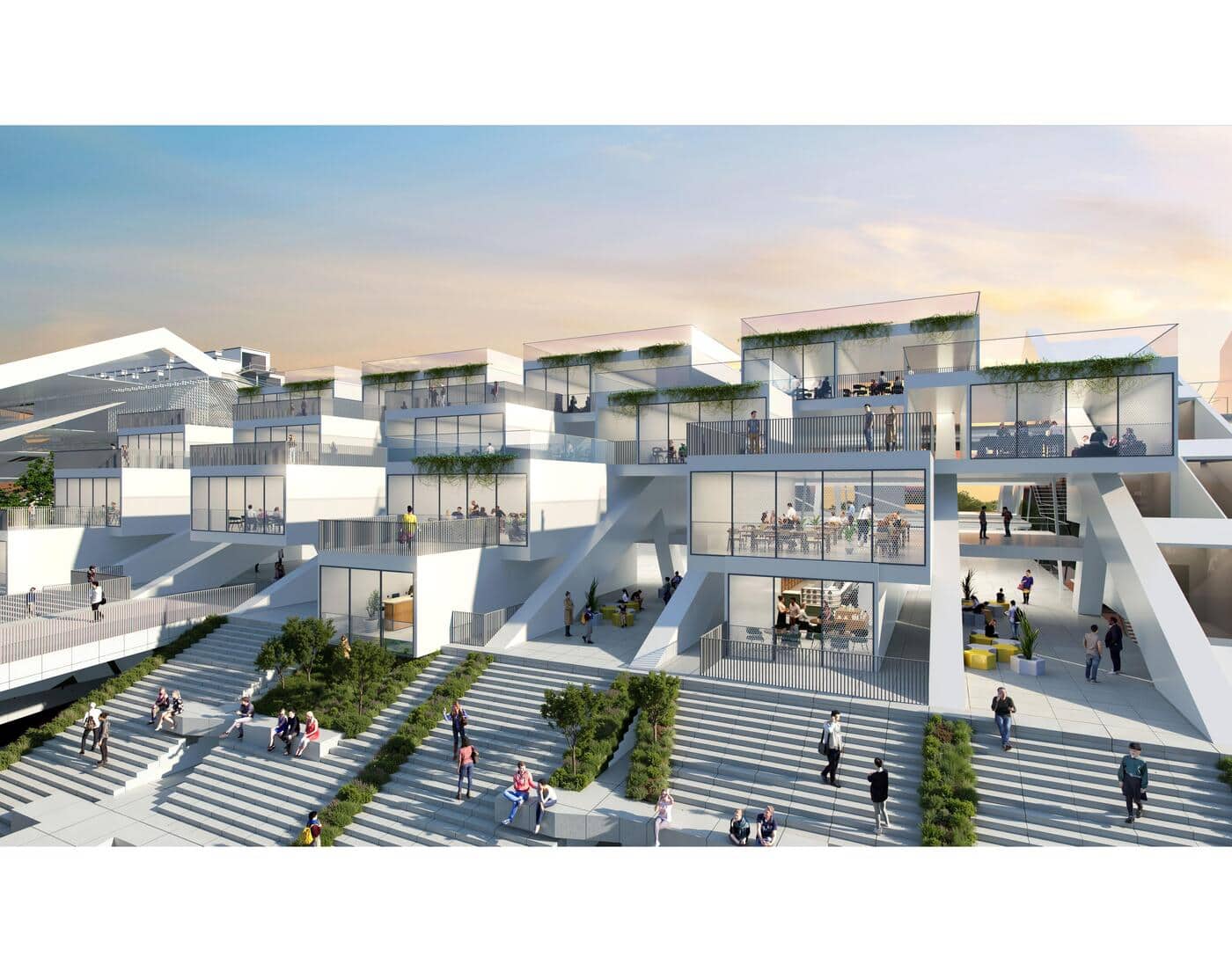
Phase III
Photo credit: Ruxuan Zheng, Haoyuan Wang
Central to the proposal is a shift in how coastal infrastructure is conceived. Instead of resisting the sea through singular protective barriers, City on the Loop frames resilience as a form of coexistence. Wetland buffers, elevated gardens, and public platforms are integrated into the urban fabric, allowing natural and built systems to adapt together. The loop functions not as a hard line of defense, but as a flexible, continuous, and community-oriented edge.
“We wanted to treat sea-level rise not only as a threat, but as an opportunity to rethink how we live, move, and relate to the coast,” said project lead Ruxuan Zheng. “Architecture can act as a dynamic mediator between land, water, and people.”
Although unbuilt, the project contributes to broader discussions about the role of speculative design in addressing climate change. It demonstrates how architectural proposals can engage practical concerns—such as housing, transportation, and environmental risk—while simultaneously reshaping the cultural and spatial identity of coastal cities.
Conceived as a replicable system rather than a singular solution, City on the Loop could, in theory, extend along the Belt Parkway, forming a new urban shoreline for New York and offering a model adaptable to other vulnerable coastal regions.
Ruxuan Zheng
The firm operates as an independent design collaboration, rather than a formal company. Their work focuses on speculative architecture, infrastructure, and ecological adaptation, with a particular interest in coastal conditions and how design can respond to long-term environmental challenges while shaping new public and residential typologies.

