English
 日本語
日本語

A privately backed museum signals how China’s tech wealth is reshaping cultural infrastructure and urban space in Shenzhen
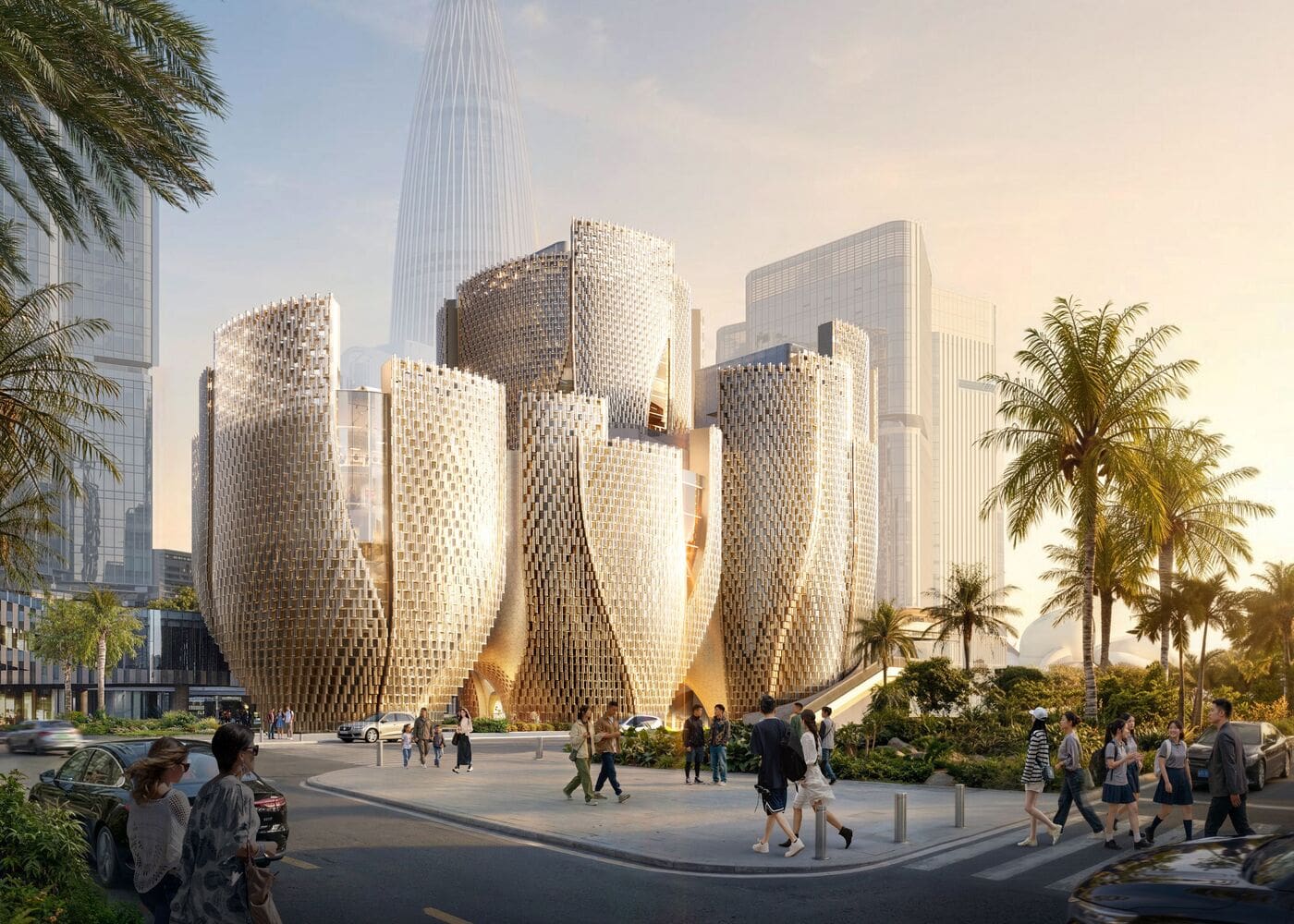
Büro Ole Scheeren has unveiled the design for the Róng Museum of Art, a new cultural institution under development in Shenzhen’s Nanshan District. Commissioned by Tenova Future, a private initiative of the founder of Tencent, the museum reflects a broader shift in which major technology figures in China are investing in public cultural infrastructure. Focused on visual culture of the 20th and 21st centuries, the museum will encompass art, design, architecture, and film, positioning itself as a platform for both physical and digital cultural production.
Ole Scheeren © Buro-OS
Ole Scheeren © Buro-OS
The project forms a central component of the larger Houhai Hybrid Campus, a mixed-use development also designed by Ole Scheeren. This urban complex integrates residential, commercial, and hospitality functions into a continuous, 24-hour environment, linking living, working, and cultural experiences. Within this context, the museum operates not as an isolated institution but as a connective civic space embedded in the daily life of the district.
Ole Scheeren © Buro-OS
The emergence of the Róng Museum of Art is closely tied to Shenzhen’s rapid economic growth and its status as a global technology hub. Nanshan District alone rivals the economic output of smaller countries, while Shenzhen’s overall GDP is comparable to that of mid-sized nations. Against this backdrop, the museum represents an effort to translate technological and economic success into cultural capital, contributing to the city’s evolution as a global cultural center with its own identity.
Ole Scheeren © Buro-OS
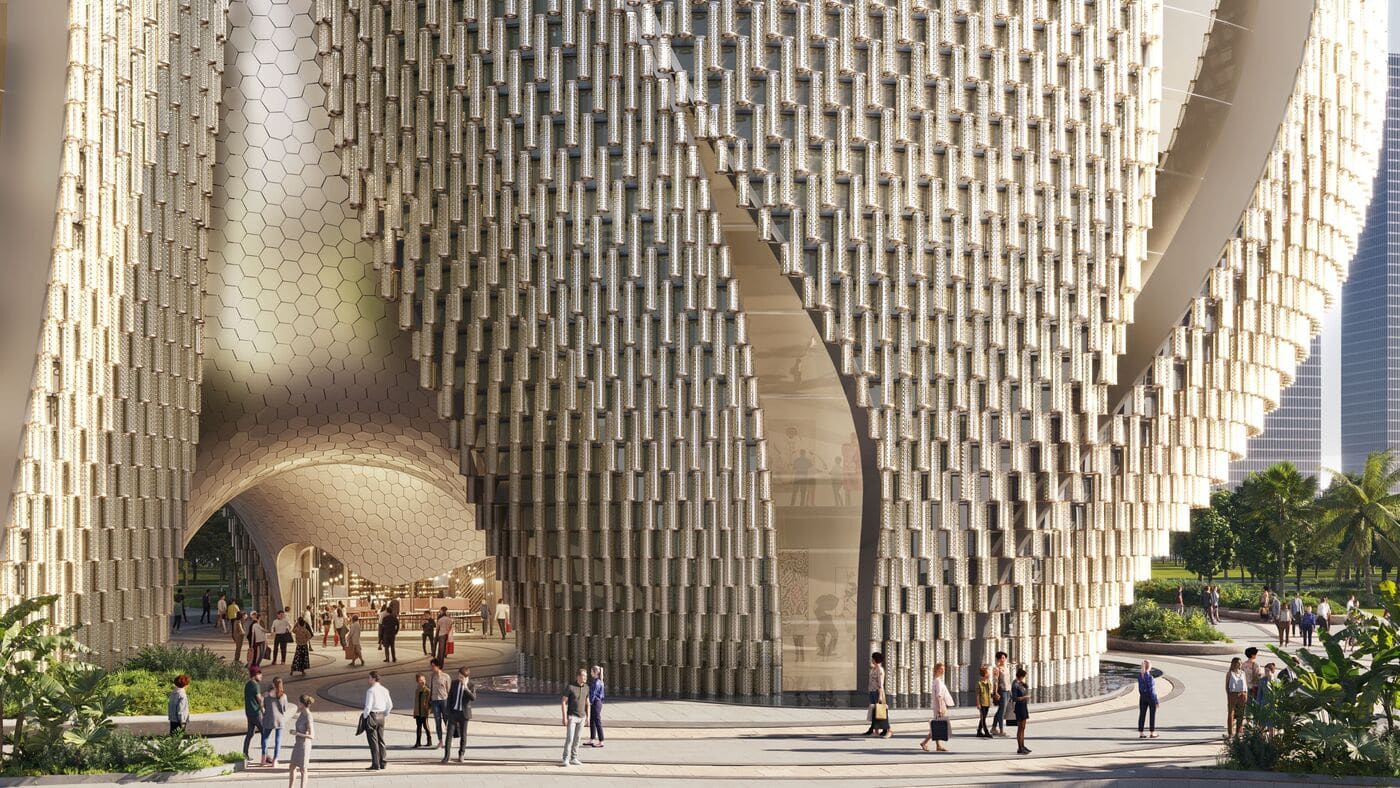
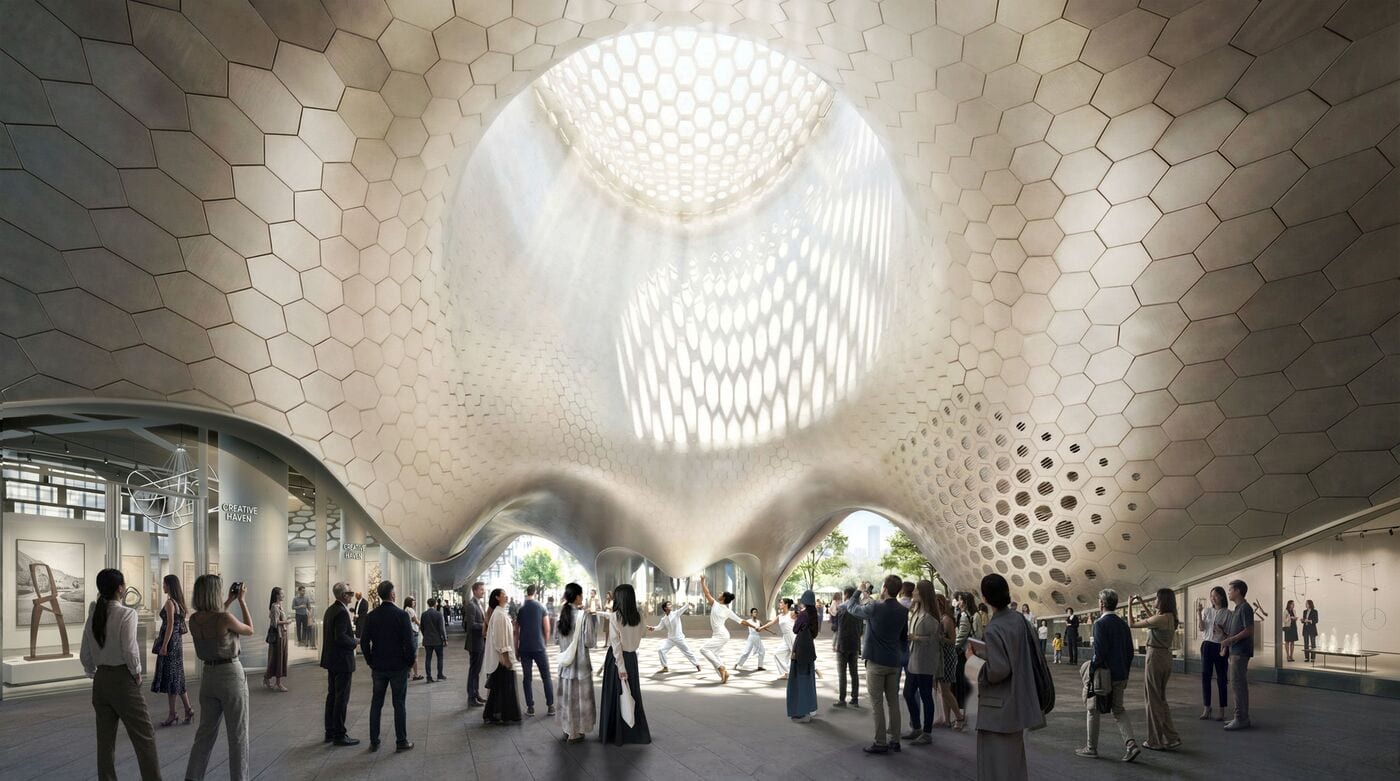
Architecturally, the museum is designed to encourage openness and public engagement. Its structure lifts the main exhibition volumes above ground level, creating a shaded, naturally ventilated public plaza beneath. Conceived as a continuously accessible “art forum,” this space is intended to host gatherings, installations, and events, transforming everyday movement through the site into encounters with art and culture.
Ole Scheeren © Buro-OS_Photo by Zhu yumeng
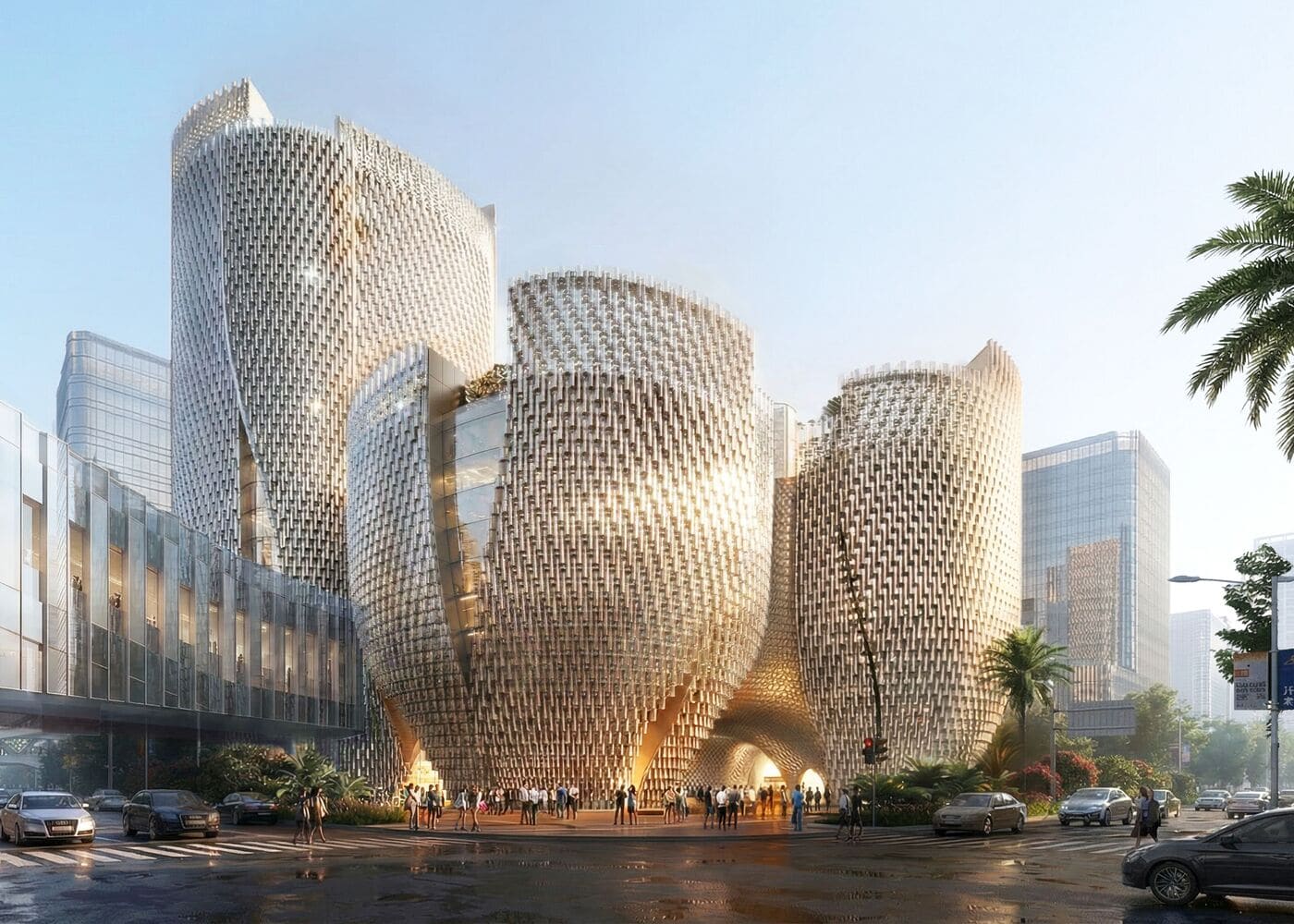
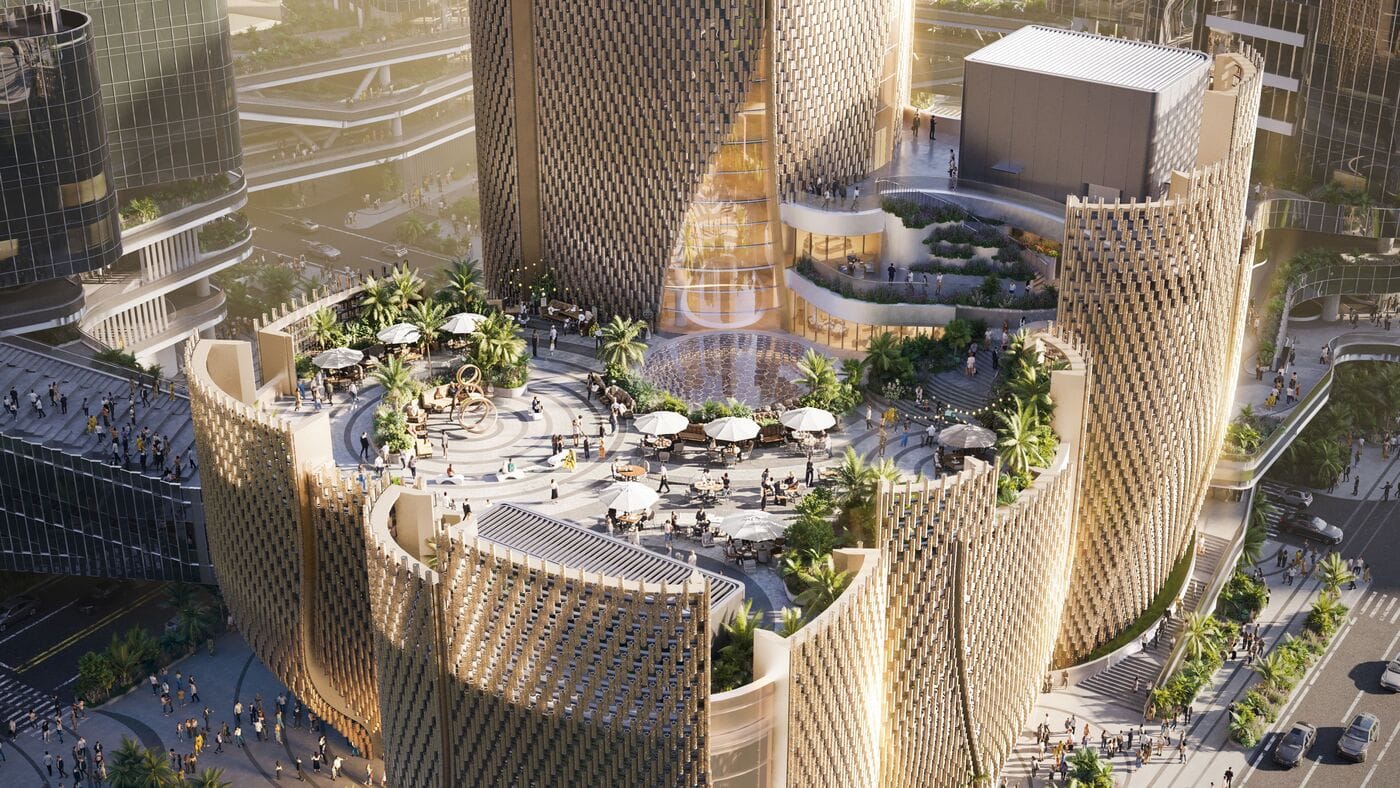
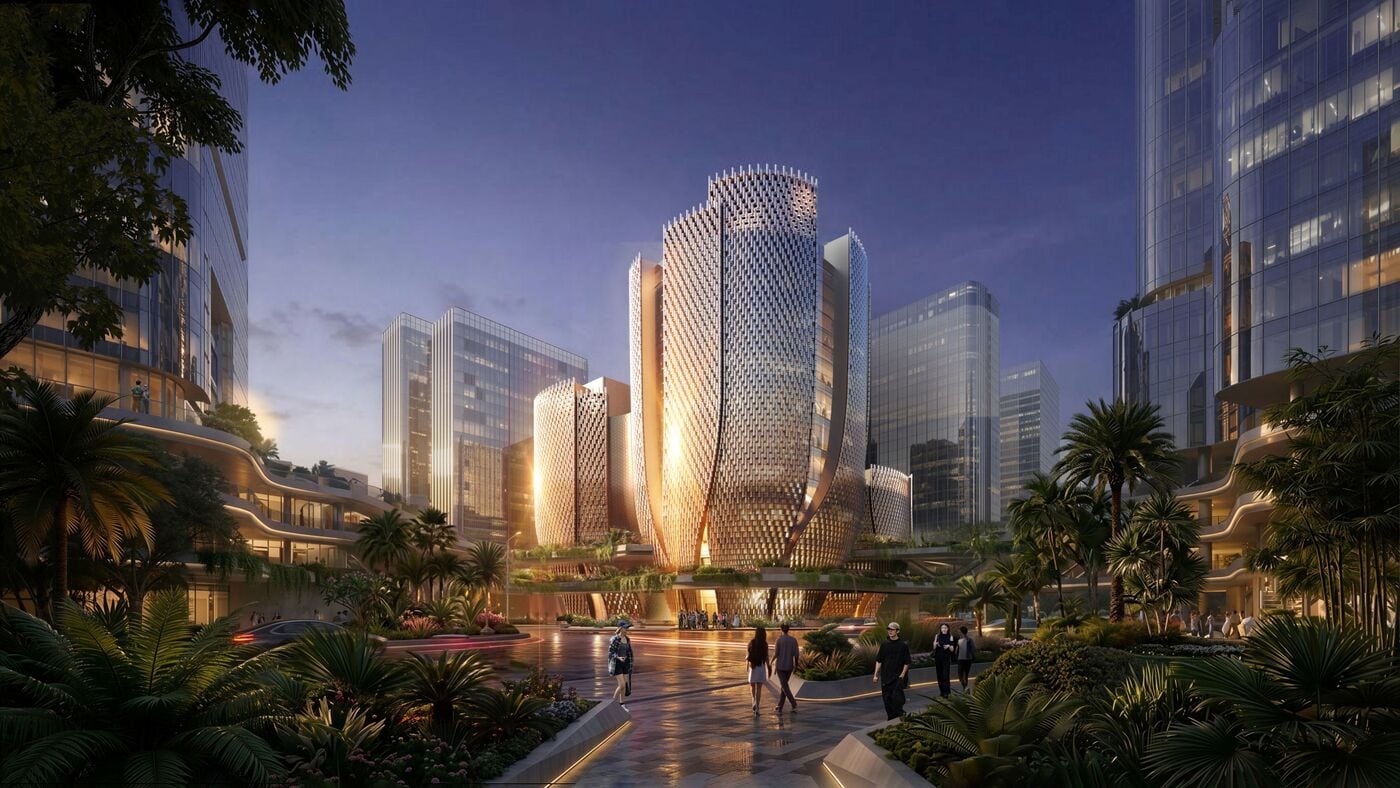
The building itself comprises a series of sculptural, cone-like volumes that expand as they rise, creating a distinctive presence within Shenzhen’s dense skyline. These volumes house flexible gallery spaces, including large-scale exhibition areas capable of accommodating immersive installations. Circulation is extended through a meandering external stair that leads to a rooftop garden, offering views across the waterfront and functioning as an additional venue for outdoor programming.
Ole Scheeren © Buro-OS
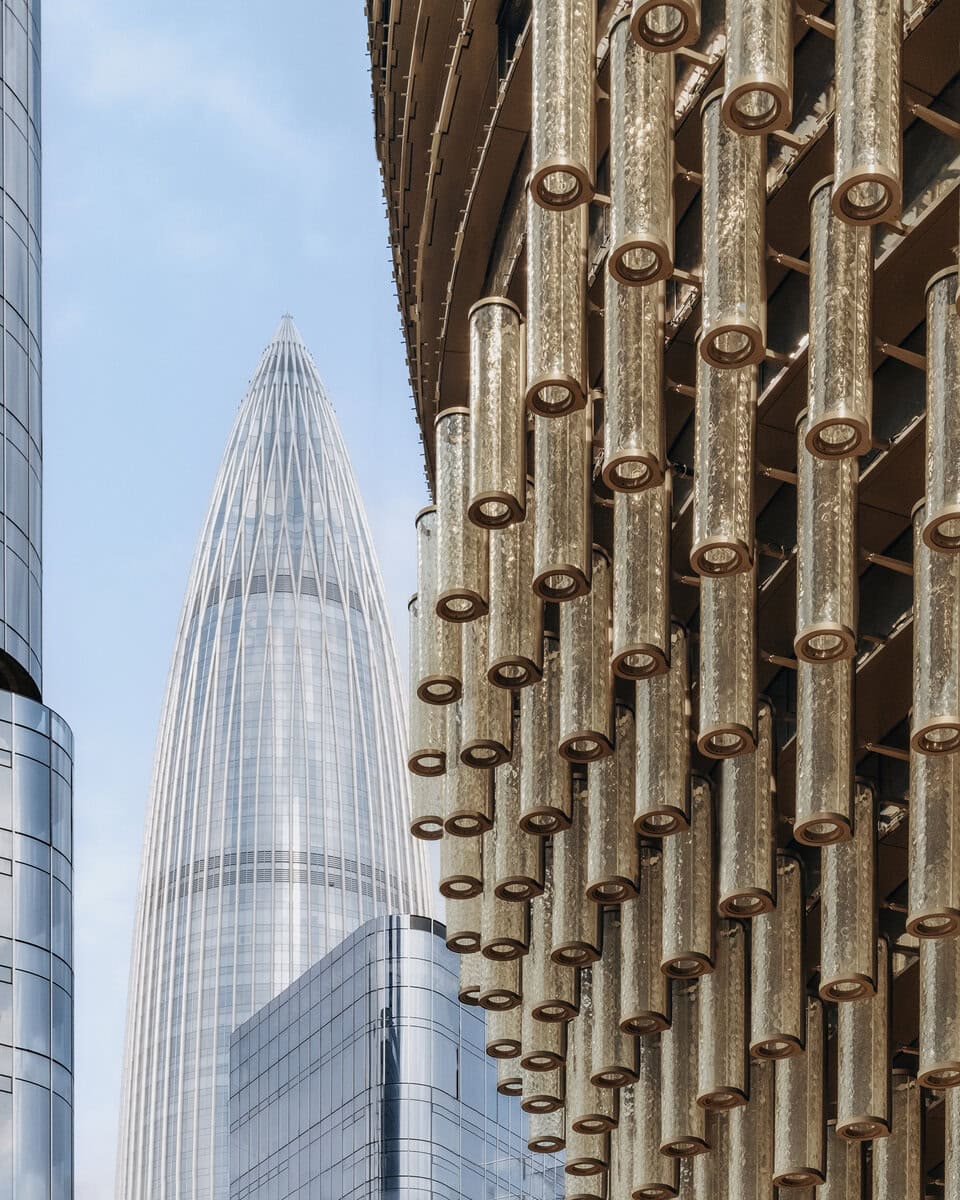
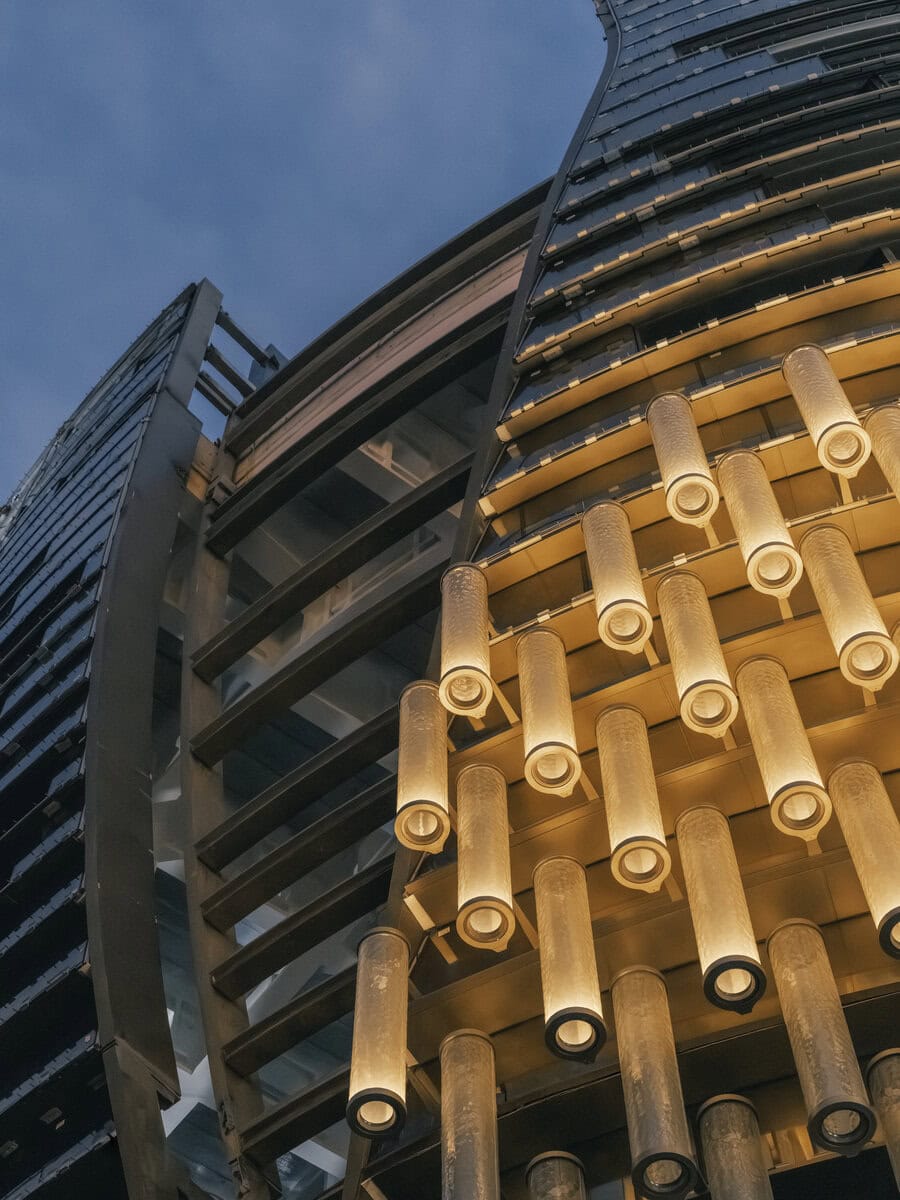
A defining feature of the museum is its façade system, composed of layered horizontal forms wrapped in an outer skin of suspended glass tubes. These elements create a semi-transparent envelope that filters light rather than simply allowing clear views, referencing historical uses of glass in Chinese architecture while employing contemporary parametric design techniques. The result is a building that shifts in appearance throughout the day and night, with a soft luminosity that enhances its identity as a landmark.
Ole Scheeren © Buro-OS
Environmental performance is integrated into the design through passive strategies. The glass tubes provide shading, diffuse daylight, and promote natural ventilation, improving energy efficiency. The roof geometry collects rainwater, which is then stored and reused as part of Shenzhen’s broader “sponge city” water management strategy. These features position the museum as both an architectural statement and an ecological system.
Ole Scheeren © Buro-OS_Photo by Zhu yumeng
At night, the façade can be illuminated in varying patterns, allowing the building to function as a dynamic visual presence within the city. This programmable lighting contributes to its role as a cultural beacon, reinforcing its visibility and symbolic importance.
Connectivity is another key aspect of the project. The museum is linked to surrounding buildings and public spaces through elevated walkways and direct access to public transportation, including integration with a nearby metro station. This infrastructure ensures seamless movement between the museum, the wider campus, and the city beyond.
As a privately operated institution, the Róng Museum of Art represents a model in which corporate and entrepreneurial resources are directed toward public cultural initiatives. By aligning economic development with cultural investment, the project underscores a growing recognition of the role that art and public space play in shaping urban identity and social engagement.
Currently under construction, the museum is scheduled to open in 2027. It is expected to serve not only as a venue for exhibitions but also as a catalyst for broader cultural and urban development, reflecting the ambitions of a city at the intersection of technology, economy, and culture.
Büro Ole Scheeren
Büro Ole Scheeren is an international architectural firm that practices architecture, urban design, interior design and research. With offices in Hong Kong, Beijing, London and Berlin, Büro Ole Scheeren designs and realizes pioneering building projects and urban developments worldwide.
The buildings have won numerous awards, including the CTBUH Award of Excellence for Tencent Helix and The Axiom in 2025 and Fifteen Fifteen by Ole Scheeren in 2023, the CTBUH 10 Years Award for the Interlace in Singapore in 2023, the CTBUH Urban Habitat Award for DUO in Singapore in 2021, the World Building of the Year Award 2015 for The Interlace in Singapore, and the CTBUH Best Tall Building Worldwide Award 2013 for the CCTV Headquarters in Beijing.